
Sneaker
Why Are Jordan 4 Retros Still Dominating Sneaker Culture in 2026?

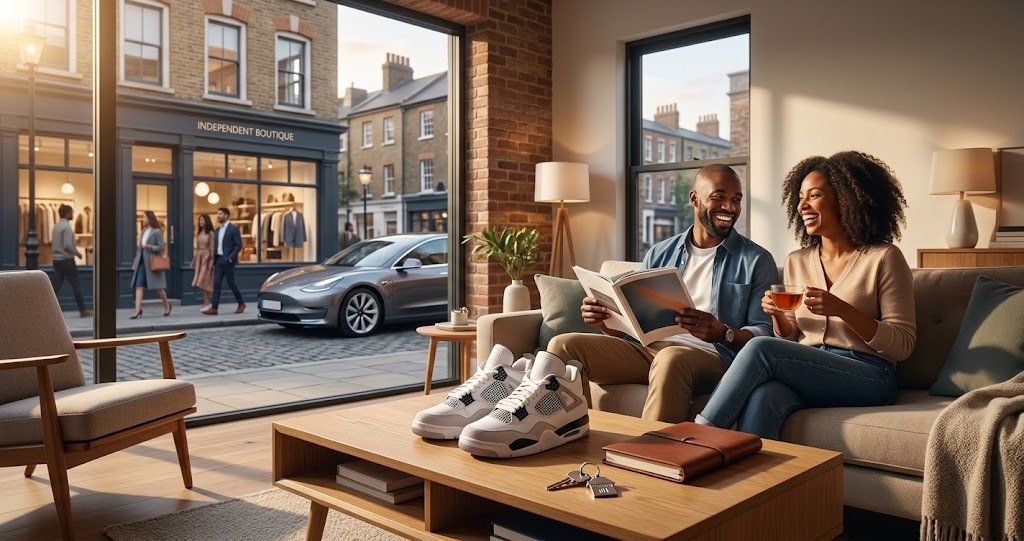
Why Are Jordan 4 Retros Still Dominating Sneaker Culture in 2026? The short answer is simple: few sneakers combine basketball history, recognizable design, pop culture, streetwear versatility, and a steady flow of new releases as effectively as the Air Jordan 4.
The silhouette has been around since 1989, yet it does not feel trapped in nostalgia. Instead, Jordan Brand keeps giving the model new reasons to matter. In 2026, the lineup includes heritage driven retros, women’s and kids’ releases, creative collaborations, and fresh interpretations that introduce the AJ4 to new audiences. House of Heat has tracked more than 15 confirmed Jordan 4 releases for the year, showing how central the silhouette remains to Jordan Brand’s calendar.
That combination explains the Jordan 4’s unusual staying power. It is old enough to have history but flexible enough to participate in today’s fashion conversation.
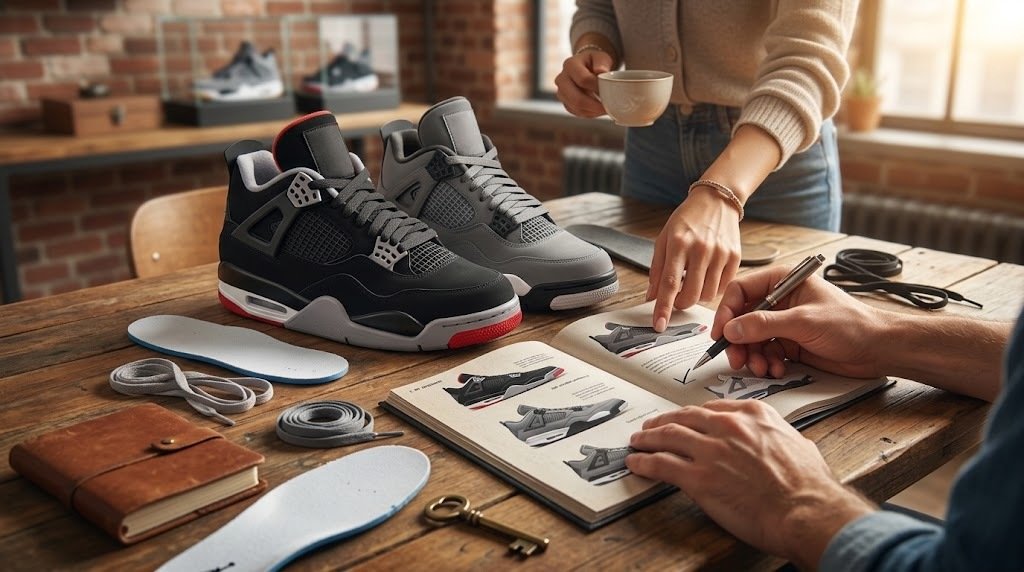
Why Are Jordan 4 Retros Still Dominating Sneaker Culture in 2026?
The Jordan 4 continues to dominate because it sits at the intersection of heritage and relevance.
A sneaker can be historically important without being fashionable today. The Jordan 4 has managed to avoid that problem. Its shape is distinctive enough to be immediately recognizable, while its relatively structured profile works with the oversized jeans, cargos, shorts, and layered streetwear that remain common in 2026.
The model also benefits from a powerful storytelling advantage. Its original connection to Michael Jordan gives it basketball credibility, while decades of appearances in music, film, fashion, and everyday streetwear have expanded its meaning beyond sport.
Nike’s own Jordan 4 archive identifies the original 1989 release as a Tinker Hatfield design and notes that the shoe was the first Air Jordan to receive a global release. Nike also highlights its appearance in Spike Lee’s Do the Right Thing, an early example of how the AJ4 crossed from basketball into wider pop culture.
That history gives every new retro something that newer sneakers cannot manufacture overnight.
The 1989 Design Still Looks Modern
One of the biggest reasons the Jordan 4 has survived is its design language.
Tinker Hatfield created the Air Jordan 4 with several elements that were visually unusual for a basketball shoe at the time. The side mesh, plastic support wings, visible Air cushioning, and layered upper created a technical appearance without making the shoe look overly complicated.
The result was a silhouette with enough visual detail to stand out but enough structure to work with different outfits.
The design details that still matter
Several elements continue to define the AJ4:
- Visible Air cushioning: Adds to the shoe’s recognizable profile.
- Side mesh panels: Give the upper its signature appearance.
- Support wings: Help create the model’s distinctive side profile.
- Structured midsole: Makes the shoe visually substantial.
- High contrast color blocking: Gives classic versions immediate recognition.
- Mid top construction: Provides a balance between basketball heritage and lifestyle wear.
This matters in 2026 because sneaker consumers are increasingly selective. A 2026 sneaker trend analysis from Dara O’Donnell argues that shoppers are moving toward more intentional purchases and sneakers that integrate naturally into everyday wardrobes.
The Jordan 4 already fits that requirement. It does not need to completely reinvent itself to remain wearable.
Jordan 4 Retros Have a Story Behind Them
Sneaker culture is rarely just about materials and construction. The strongest models carry stories.
The Jordan 4 has several.
Its 1989 debut coincided with one of Michael Jordan’s most memorable playoff moments. Nike’s archive connects the model with Jordan’s famous game winning shot against Cleveland during the 1988 to 1989 playoffs.
The shoe then gained another cultural dimension through Do the Right Thing. That appearance helped demonstrate that the AJ4 could exist outside the basketball court and become part of a broader visual Sneaker Culture.
This storytelling advantage continues today.
A new Jordan 4 does not arrive as an isolated product. Consumers already understand the shape, recognize the wings and mesh, and associate the silhouette with decades of Jordan Brand history. A new colorway therefore becomes another chapter in an existing story.
That is a powerful reason collectors keep returning to Jordan 4 Retros.
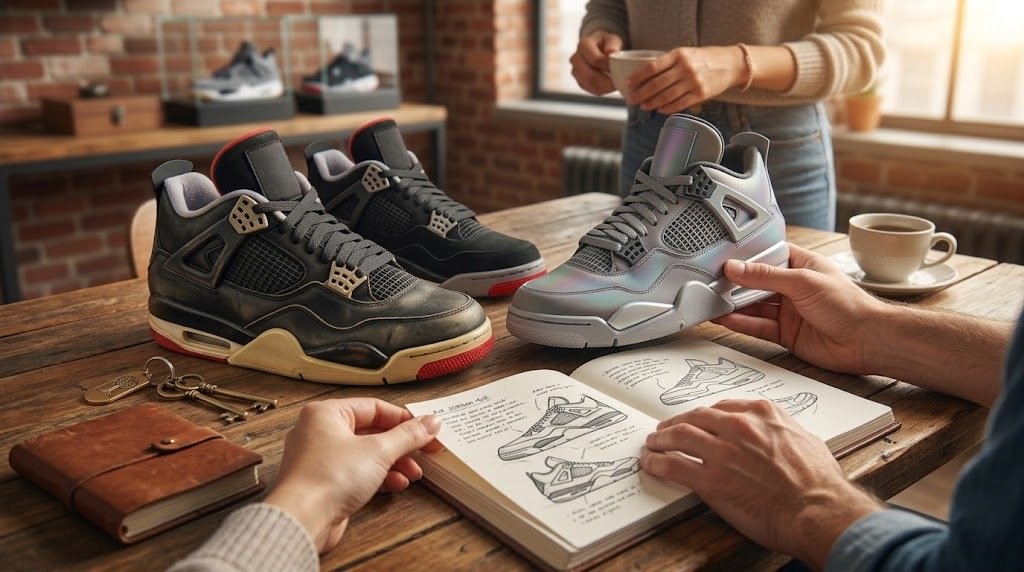
Which Jordan 4 Colorways Keep the Silhouette Relevant?
Colorways are another major part of the Jordan 4’s staying power.
The model has accumulated a large catalog, but several combinations have become cultural reference points.
Bred
The black, red, and gray combination is one of the most recognizable Jordan 4 looks. Its connection to Michael Jordan’s 1989 playoff moment makes it particularly important to the model’s history.
The 2026 return is especially significant because Jordan Brand is bringing back an OG styled version with Nike Air branding. Current reporting places the return around Black Friday, making it one of the year’s major heritage releases.
Fire Red
Fire Red represents the original Jordan 4 aesthetic particularly well. Its white base, black detailing, and red accents make it easy to recognize and easy to style.
It also demonstrates why classic Jordan 4 color blocking remains effective decades later: the contrast is strong without requiring an elaborate graphic treatment.
Military Blue
Military Blue has long held a special place among Jordan 4 enthusiasts because of its OG status and clean color combination. It is a strong example of how restrained color palettes can become more collectible over time.
University Blue
University Blue demonstrates the opposite strategy. Instead of relying entirely on OG nostalgia, the colorway uses a modern, highly recognizable palette while maintaining the classic AJ4 construction.
Together, these examples show that the Jordan 4 can appeal to both traditional collectors and newer sneaker buyers.
How the 2026 Release Strategy Keeps Jordan 4 Retros Fresh
The most important development in 2026 is not one particular colorway. It is the range of stories Jordan Brand is telling through the silhouette.
House of Heat’s 2026 release tracking highlights long requested retros such as Tour Yellow and Toro, alongside the return of the Bred and a broad selection of new concepts. It also identifies releases spanning men’s, women’s, and kids’ sizing.
That variety matters.
A heritage collector can look for an OG inspired release. A younger buyer can choose a bright seasonal colorway. A woman who wants a Jordan 4 designed around her sizing can find dedicated options. Parents can introduce the silhouette to younger sneaker fans through grade school and kids’ releases.
The result is a much broader audience than the original basketball market.
Collaborations are expanding the Jordan 4’s identity
Collaborations have also helped the silhouette move into different cultural spaces.
Nigel Sylvester is a useful example. His work connects the Jordan 4 with BMX culture and a more lifestyle focused approach to the model. House of Heat describes his influence as part of the silhouette’s continuing expansion beyond traditional basketball storytelling.
Nike has also demonstrated the AJ4’s adaptability through the SB x Air Jordan 4. The 2023 model modified the construction for skateboarding while preserving the recognizable AJ4 visual identity. Nike SB described the project as combining heritage with modern skate functionality.
That is more important than it might initially appear. It proves the Jordan 4 can enter another sport and subculture without losing its identity.
Why the Jordan 4 Works So Well With 2026 Streetwear
The Jordan 4 is unusually easy to style because its proportions already match the current preference for relaxed silhouettes.
Baggy jeans
Wide or relaxed denim creates enough space around the ankle for the Jordan 4’s substantial shape. A slightly stacked hem can emphasize the sneaker without completely covering it.
Cargo pants
Cargo pants and Jordan 4s make a natural combination because both have a functional, utility influenced visual language.
Try neutral cargo pants with a white, black, gray, or earth toned Jordan 4 for an understated look.
Shorts
The AJ4 also works with shorts because the mid top shape provides visual weight above the ankle. Athletic shorts, denim shorts, and relaxed cotton shorts can all work depending on the colorway.
Oversized streetwear
An oversized hoodie, graphic tee, varsity jacket, or relaxed outer layer can balance the sneaker’s proportions.
The key is not to make every element oversized. Let the Jordan 4 be one of the visual anchors of the outfit.
Are Jordan 4 Retros Still Worth Buying in 2026?
For many buyers, yes, but the answer depends on why you are buying.
If you want a sneaker with a strong history, recognizable design, and broad styling potential, the Jordan 4 remains one of the safest choices in the Jordan lineup.
If you are buying strictly for resale profit, the situation is different. Not every retro becomes a valuable collectible. Release volume, sizing, condition, demand, collaboration status, and long term cultural relevance all influence secondary market performance.
That distinction is important because sneaker culture in 2026 is becoming more fragmented. O’Donnell’s 2026 trend analysis points toward more selective consumers rather than a market driven entirely by hype.
In other words, buying a Jordan 4 simply because it is a Jordan 4 is no longer enough for every shopper.
Buy the pair because you like the colorway, understand the story, and know you will actually wear it.
What Makes the Jordan 4 Different From Other Retro Jordans?
The Jordan 4 occupies an interesting middle ground.
The Jordan 1 has enormous historical importance and a simpler shape. The Jordan 11 is known for its distinctive patent leather construction. The Jordan 3 has the elephant print and a more rounded visual profile.
The Jordan 4 is different because it combines technical looking details with a strong lifestyle shape.
It can look athletic without requiring a basketball uniform. It can look premium without becoming formal. It can look vintage without appearing outdated.
That flexibility is arguably its greatest competitive advantage.
An original way to measure its staying power
Consider a simple wardrobe test: imagine owning only three pairs of sneakers and needing one pair that works with jeans, cargos, shorts, hoodies, jackets, and casual tailoring.
The Jordan 4 passes more of those combinations than most retro basketball silhouettes.
That is not a resale statistic or a hype metric. It is a practical measure of why the shoe continues appearing in everyday outfits decades after its debut.
Will Jordan 4 Retros Stay Popular Beyond 2026?
The safest prediction is that the silhouette will remain important, although its level of hype will naturally rise and fall.
Sneaker trends are cyclical. Even strong models experience quieter periods. The difference with the Jordan 4 is that Jordan Brand has multiple ways to refresh it without changing its essential identity.
The brand can revisit archival colorways, create women’s and kids’ editions, collaborate with cultural figures, experiment with materials, and introduce new stories.
That gives the silhouette a larger creative runway than a sneaker dependent on one trend.
Nike’s current Air Jordan 4 archive still identifies 1989 as its original release year and Tinker Hatfield as its designer, while its current catalog continues to feature multiple Jordan 4 variations.
That combination of archive credibility and ongoing product development is difficult for competing retro silhouettes to match.
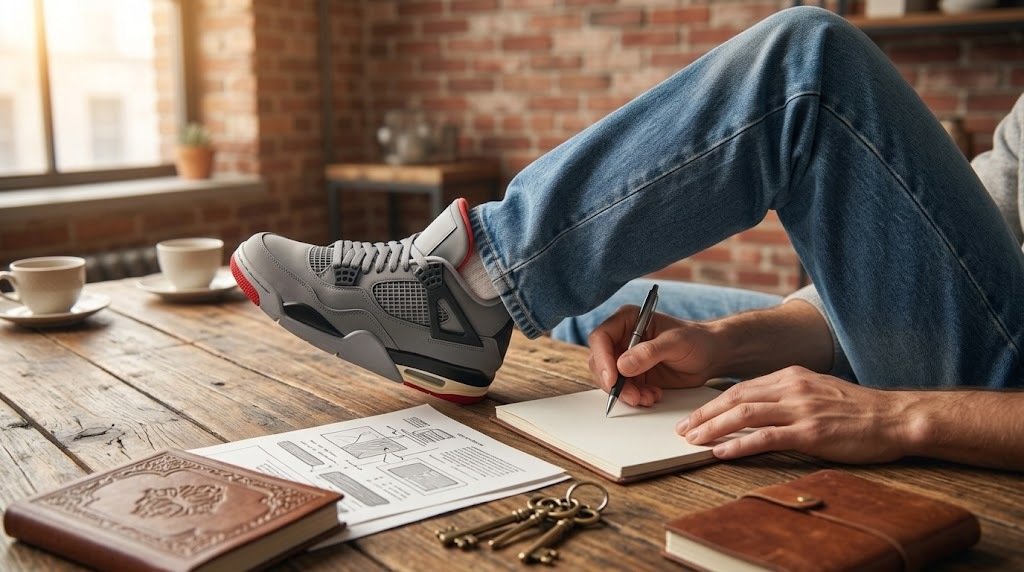
The Bottom Line: Why Are Jordan 4 Retros Still Dominating?
Why Are Jordan 4 Retros Still Dominating Sneaker Culture in 2026? Because the shoe does something most sneakers struggle to do: it makes history feel current.
Its 1989 design remains recognizable. Its Michael Jordan connection remains powerful. Its pop culture history gives it meaning beyond basketball. Its colorway catalog gives collectors variety. Its proportions work with modern streetwear. And Jordan Brand continues to introduce new versions that keep the silhouette visible.
The 2026 release calendar reinforces that point. With a large number of confirmed releases across classic retros, new colorways, collaborations, and different sizing categories, the Jordan 4 is not simply surviving on nostalgia. It is actively being repositioned for another generation.
For sneaker fans, that is the real reason the AJ4 remains dominant.
It is not just a retro.
It is a platform for basketball history, fashion, collecting, and personal style.
FAQ Section
Why are Jordan 4 Retros so popular in 2026?
Jordan 4 Retros remain popular because they combine a recognizable 1989 design, Michael Jordan’s basketball legacy, pop culture history, versatile styling, and a steady stream of new releases.
Are Jordan 4 Retros still in style in 2026?
Yes. The Jordan 4 remains highly relevant in 2026 because its structured shape works well with current streetwear, including baggy denim, cargo pants, shorts, and oversized tops.
What is the most iconic Jordan 4 colorway?
The Bred Jordan 4 is widely considered one of the most iconic because of its original color blocking and connection to Michael Jordan’s famous 1989 playoff moment.
Are Jordan 4 Retros comfortable for everyday wear?
Comfort varies by release, foot shape, and personal preference. The Jordan 4’s visible Air cushioning and structured construction make it suitable for casual wear, although people seeking maximum all day comfort may prefer modern running inspired sneakers.
Which Jordan 4 releases are coming in 2026?
The 2026 calendar includes numerous Jordan 4 releases across men’s, women’s, and kids’ sizing. Confirmed and reported highlights include returns such as Tour Yellow, Toro, and Bred, alongside new colorways and collaborations. Release dates can change, so check official Nike and Jordan channels before purchasing.
Are Jordan 4 Retros a good investment?
They can be collectible, but no Jordan 4 should be treated as a guaranteed investment. Colorway, release quantity, condition, sizing, collaboration status, and long term demand all influence secondary market value.












Altra is a performance footwear brand known for changing how runners think about comfort, movement, and natural foot positioning. Unlike traditional running shoes that often use elevated heels and narrow toe boxes, Altra running shoes focus on a zero-drop platform and a foot-shaped toe box designed to allow natural movement.
For runners searching for better comfort, improved balance, and a more natural stride, Altra has become a popular choice across the USA. The brand offers shoes for road running, trail adventures, walking, hiking, and everyday fitness activities.
But are Altra shoes really different, and are they the right option for every runner?
The short answer is yes, Altra running shoes are designed for people who want a more natural running experience, especially those who prefer extra toe room and a balanced foot position. This guide explains everything you need to know about Altra, including its technology, benefits, popular models, advantages, possible drawbacks, and how to choose the right pair.

What Is Altra?
Altra is an American footwear company specializing in running and outdoor shoes. The brand was founded with the idea that modern running footwear should work with the natural shape of the human foot instead of forcing feet into a restricted design.
The company became recognized because of two major innovations:
- FootShape™ toe box
- Balanced Cushioning™ zero-drop platform
These features separate Altra from many mainstream running shoe brands.
A traditional running shoe often has a higher heel compared with the front of the shoe, creating a heel-to-toe drop. Altra removes this difference by keeping the heel and forefoot at the same height.
This design encourages a more natural standing position and allows runners to land and move according to their own biomechanics.
For many athletes, Altra represents a shift from heavily structured footwear toward a design that provides more freedom and space.
How Do Altra Running Shoes Work?
Understanding Altra’s Zero-Drop Design
The biggest feature that makes Altra different is its zero-drop construction.
A zero-drop shoe means the heel and forefoot sit at the same height from the ground. For example, if a shoe has a 0mm drop, there is no extra elevation under the heel.
Many traditional running shoes use heel drops between approximately 8mm and 12mm. Altra’s approach aims to create a flatter platform that supports a more natural posture.
Potential benefits of zero-drop footwear include:
- More natural foot positioning
- Increased ground awareness
- Better toe flexibility
- Balanced weight distribution
- Comfortable movement for walking and running
However, runners transitioning from traditional shoes should allow time for adaptation because different muscles and movement patterns may be involved.
A gradual transition is usually recommended. Many experienced runners start by wearing Altra shoes for short walks or easy runs before increasing mileage.
What Is the FootShape Toe Box?
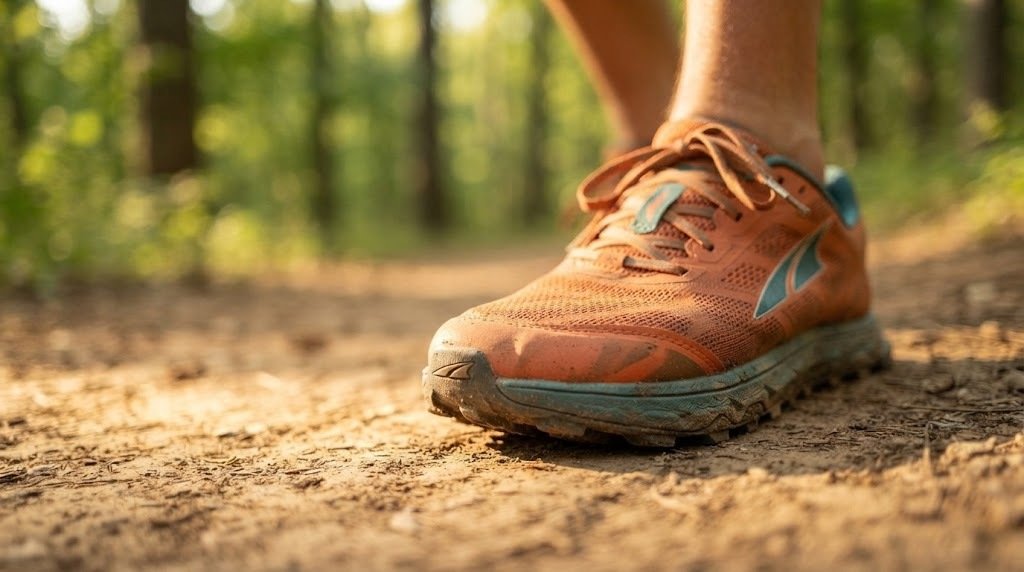
Another defining feature of Altra running shoes is the FootShape toe box.
Most athletic shoes narrow toward the front, which can squeeze the toes together. Altra creates a wider front area that allows toes to spread naturally.
This design can be especially appealing for:
- Long-distance runners
- Trail runners
- People who experience toe pressure
- Athletes who prefer wider footwear
A wider toe box may help improve comfort during long activities because feet naturally expand slightly during extended movement.
Why Are Altra Running Shoes Popular Among Runners?
The popularity of Altra has grown because many runners are looking for shoes that provide comfort without excessive restriction.
Here are the main reasons athletes choose Altra:
1. Natural Foot Movement
The human foot is naturally wider at the toes. Altra’s design follows this shape instead of compressing the front of the foot.
This allows runners to move their toes more freely and maintain a more natural stance.
2. Comfort During Long Runs
Distance runners often spend hours on their feet. A comfortable shoe can make a significant difference during marathon training, Altra hiking shoes, or daily walking.
Many Altra models combine cushioning with a spacious fit, creating a balance between softness and natural movement.
3. Trail Running Performance
Altra has developed a strong reputation in trail running because several models offer:
- Protective soles
- Strong grip
- Durable materials
- Comfortable cushioning
- Stability on uneven surfaces
Trail runners often appreciate having extra space when feet swell during long outdoor activities.
4. Wide Range of Options
Altra does not focus on only one type of athlete. Its product range includes:
- Road running shoes
- Trail shoes
- Hiking footwear
- Walking shoes
- Lifestyle sneakers
This makes the brand suitable for different activities and fitness levels.
Best Altra Running Shoes for Different Uses
Choosing the right Altra model depends on your activity, running style, and comfort preferences.
Altra Road Running Shoes
Road models are designed for pavement, sidewalks, and regular training.
They typically focus on:
- Lightweight construction
- Smooth transitions
- Responsive cushioning
- Everyday comfort
These shoes are popular among runners who complete regular road miles or participate in races.
Altra Trail Running Shoes
Trail-focused Altra shoes are built for outdoor environments where grip and protection matter.
Important features often include:
- Aggressive outsole patterns
- Better traction
- Added durability
- Protection against rocks and uneven terrain
For hikers and trail runners, these designs provide confidence on challenging surfaces.
Altra Walking and Everyday Shoes
Not every Altra user is a competitive runner. Many people choose the brand for daily comfort.
Walking and lifestyle models can be useful for:
- Travel
- Standing jobs
- Casual outdoor activities
- Everyday movement
The roomy toe area is one reason some users prefer Altra over conventional sneakers.
Altra vs Traditional Running Shoes: What Makes Them Different?
When comparing Altra running shoes with traditional running footwear, the biggest differences come down to foot shape, heel-to-toe drop, and overall running philosophy.
Traditional running shoes often use a raised heel-to-toe structure designed to provide additional heel cushioning. Altra takes a different approach by creating shoes that maintain a level platform and provide more room for natural toe movement.
Here is a simple comparison:
| Feature | Altra Running Shoes | Traditional Running Shoes |
|---|---|---|
| Heel-to-toe drop | Zero-drop platform | Usually includes heel elevation |
| Toe box | Wider FootShape design | Often narrower front shape |
| Foot position | More natural alignment | May encourage a different stride |
| Cushioning options | Available from minimal to maximum cushioning | Available across many categories |
| Best for | Runners wanting natural movement | Runners preferring conventional designs |
Neither approach is automatically better for every person. The ideal shoe depends on individual comfort, running habits, previous footwear experience, and personal biomechanics.
A runner who enjoys a traditional cushioned shoe may not immediately prefer a zero-drop design. Similarly, someone who feels restricted in narrow footwear may find Altra’s shape more comfortable.
What Are the Benefits of Altra Running Shoes?
Improved Toe Freedom
One of the strongest advantages of Altra is the additional space around the toes.
During running, feet naturally spread and expand. A narrow shoe may limit this movement, while Altra’s FootShape design allows the toes to sit in a more relaxed position.
This can create a more comfortable experience, especially during:
- Long-distance running
- Hiking trips
- Walking throughout the day
- Extended training sessions
Balanced Running Position
The zero-drop platform encourages a balanced connection between the heel and forefoot.
Instead of placing extra height under the heel, Altra creates an even surface that allows runners to develop their own natural stride.
This feature is one reason the brand attracts runners interested in minimalist and natural movement concepts.
Comfortable Cushioning Choices
A common misconception is that zero-drop shoes must have limited cushioning.
Altra offers different cushioning levels, from lightweight everyday trainers to highly cushioned models designed for long-distance comfort.
Runners can choose based on their preference:
- Low cushioning for a closer ground feel
- Medium cushioning for daily training
- Maximum cushioning for long runs and recovery
Strong Trail Running Reputation
Altra has built a dedicated following among trail runners because outdoor athletes often value:
- Stability
- Grip
- Toe protection
- Comfort over long distances
A wider toe box can also be helpful during long trail events when feet naturally become larger after several hours of movement.

Are Altra Shoes Good for Beginners?
Yes, Altra shoes can be suitable for beginners, but new users should understand that the experience may feel different from traditional running shoes.
Someone switching from a standard 10mm-drop shoe may notice:
- Different calf engagement
- A flatter standing position
- More awareness of foot movement
A practical transition method is:
- Wear Altra shoes for walking first.
- Use them for short easy runs.
- Increase distance gradually.
- Listen to your body during adaptation.
For example, a beginner who normally runs 3 miles in traditional shoes might start with short 1-mile sessions in Altra before increasing weekly mileage.
The goal is not to force a new running style overnight but to allow the body to adjust naturally.
Potential Drawbacks of Altra Running Shoes
Although Altra has many loyal users, these shoes are not perfect for everyone.
Adjustment Period
The zero-drop design can feel unusual for runners who have always used elevated-heel footwear.
Some people adapt quickly, while others need several weeks to become comfortable.
Wider Fit May Feel Different
The spacious toe box is a major advantage for many users, but runners who prefer a narrow racing fit may find Altra less secure.
People with very narrow feet may need to carefully select the right model.
Not Every Runner Needs Zero Drop
Footwear choice is personal. A shoe that works perfectly for one runner may not feel comfortable for another.
Factors such as:
- Running technique
- Previous injuries
- Training volume
- Personal preference
all influence whether Altra is a good match.
How to Choose the Right Altra Running Shoes
Selecting the best Altra model depends on where and how you plan to use them.
For Road Running
Choose a road-focused model if you mainly run on:
- Asphalt
- Sidewalks
- Track surfaces
Look for:
- Lightweight construction
- Smooth cushioning
- Comfortable daily performance
For Trail Running
Choose trail models if you regularly run outdoors.
Important features include:
- Strong traction
- Durable materials
- Protective construction
- Weather resistance
For Walking and Daily Wear
If your main goal is comfort rather than racing, consider models designed for:
- Everyday walking
- Travel
- Casual activities
A comfortable toe box can make a noticeable difference during long days on your feet.
How Long Do Altra Running Shoes Last?
The lifespan of Altra running shoes depends on usage, terrain, body weight, and maintenance.
Many running shoes are commonly replaced after several hundred miles, but there is no universal replacement point.
Signs your Altra shoes may need replacement include:
- Reduced cushioning
- Worn outsole patterns
- Less stability
- New discomfort during runs
A runner completing high-mileage training will usually replace shoes sooner than someone using them casually for walking.
Proper rotation between two pairs can also help extend shoe life.
Altra’s Role in Modern Footwear Innovation
Altra represents a larger movement in athletic footwear: designing products around human movement rather than only adding more technology.
The brand’s success shows that many consumers are looking for alternatives that prioritize:
- Comfort
- Natural positioning
- Functional design
- Long-term wearability
Over the last several years, the growth of wider toe-box footwear has influenced the running industry, encouraging more brands to reconsider traditional shoe shapes.
Conclusion: Is Altra the Right Choice for You?
Altra has become one of the most recognized names in natural-style footwear because it focuses on two simple ideas: letting feet move naturally and providing enough space for comfort.
The brand’s zero-drop platform and FootShape toe box make Altra running shoes different from many traditional options available today. For runners, hikers, and everyday users who value comfort and a natural feel, Altra can be an excellent choice.
However, footwear is highly personal. The best shoe is the one that matches your activity level, comfort needs, and movement style.
If you are considering switching to Altra, start gradually, choose the right model for your activity, and give your feet time to adapt.
FAQ Section
What is Altra known for?
Altra is known for its zero-drop running shoes and FootShape toe box, which are designed to support natural foot movement and provide extra toe space.
Are Altra running shoes good for long-distance running?
Yes, many long-distance runners use Altra running shoes because they offer cushioning options, comfort, and a spacious design that can be helpful during extended runs.
How long does it take to adjust to Altra shoes?
Adjustment time varies by person. Many runners transition gradually over several weeks by starting with walking and shorter runs.
What makes Altra different from other shoe brands?
Altra differs because it combines a zero-drop platform with a wider FootShape toe box, focusing on natural positioning and unrestricted toe movement.
Can I use Altra shoes for hiking?
Yes, Altra offers trail-focused footwear designed for hiking and outdoor activities with features such as traction, durability, and protection.
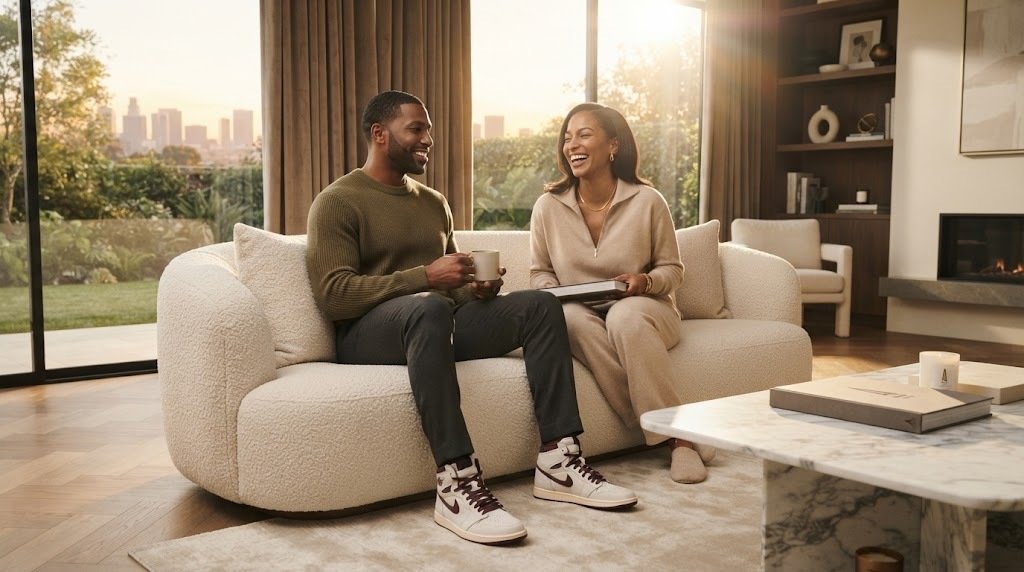
A Ma Maniere is an Atlanta-founded luxury fashion boutique and label known for blending elevated streetwear, premium materials, cultural storytelling, and highly sought-after sneaker collaborations. Founded in Atlanta in 2014, the brand has developed a distinctive identity through projects with Jordan Brand, Nike, Converse, and other major names in fashion.
If you are discovering A Ma Maniere for the first time, the easiest way to understand it is not simply as a sneaker retailer. It is a fashion and cultural platform that connects luxury styling with sneaker culture and community-focused storytelling.
This guide explains what A Ma Maniere is, why its sneakers attract collectors, which collaborations matter, what makes the design language recognizable, how the brand has developed through 2026, and what to consider before buying.
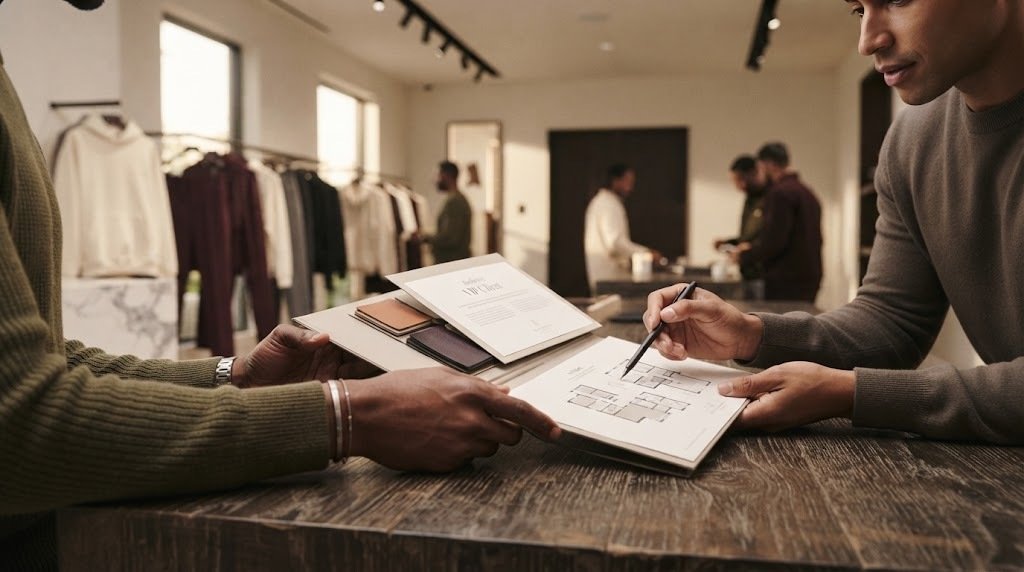
What Is A Ma Maniere?
A Ma Maniere is a luxury fashion retailer and in-house label founded in Atlanta in 2014. The brand describes its philosophy around timeless luxury, craftsmanship, refined materials, and a connection to Black and street culture. Its current retail ecosystem includes apparel, footwear, accessories, and collaborations with major fashion and sneaker brands.
The name is commonly associated with the French expression meaning “my way.” That idea fits the brand’s approach: instead of treating streetwear as purely casual clothing, A Ma Maniere presents sneakers and everyday garments through a more refined lens.
Its current catalog demonstrates that broader approach. The official site features sneakers, boots, sandals, apparel, outerwear, trousers, denim, accessories, and women’s collections alongside curated luxury brands.
In simple terms: A Ma Maniere sits at the intersection of luxury fashion, sneaker culture, storytelling, and contemporary streetwear.
A Ma Maniere History: From Atlanta Boutique to Global Sneaker Name
A Ma Maniere began in Atlanta in 2014 under the leadership of James Whitner. The Atlanta location became the foundation for a retail concept that connected luxury fashion with the city’s strong sneaker, music, art, and streetwear culture.
The Atlanta connection remains important because the brand’s identity is not separated from its cultural environment. Its storytelling frequently references community, identity, history, and the influence of Black culture on fashion.
Over time, A Ma Maniere expanded beyond its original retail concept. It became part of The Whitaker Group ecosystem and developed collaborations that brought its aesthetic to internationally recognized sneaker silhouettes.
Its current official locations include Atlanta, Washington, D.C., and Houston. The Atlanta flagship has also become a major part of the brand’s physical retail identity. Hypebeast reported in May 2026 that A Ma Maniere opened a 23,000-square-foot flagship in Atlanta’s historic Old Fourth Ward.
Why Atlanta Matters to the Brand
Atlanta is more than an address in the A Ma Maniere story.
The city provides the cultural foundation for the brand’s relationship with music, street culture, fashion, entrepreneurship, and community. This helps explain why many A Ma Maniere projects feel like cultural stories rather than simple product launches.
That storytelling approach has remained visible in projects such as Every Summer Tells a Story, which connects Nike silhouettes with memories, movement, community, and Black summer culture.
What Makes A Ma Maniere Sneakers Different?
A Ma Maniere sneakers are recognizable because the brand often changes familiar silhouettes without making them feel disconnected from their original identity.
Instead of completely redesigning a sneaker, collaborations frequently focus on materials, colors, lining, branding, packaging, and storytelling.
1. Premium Materials
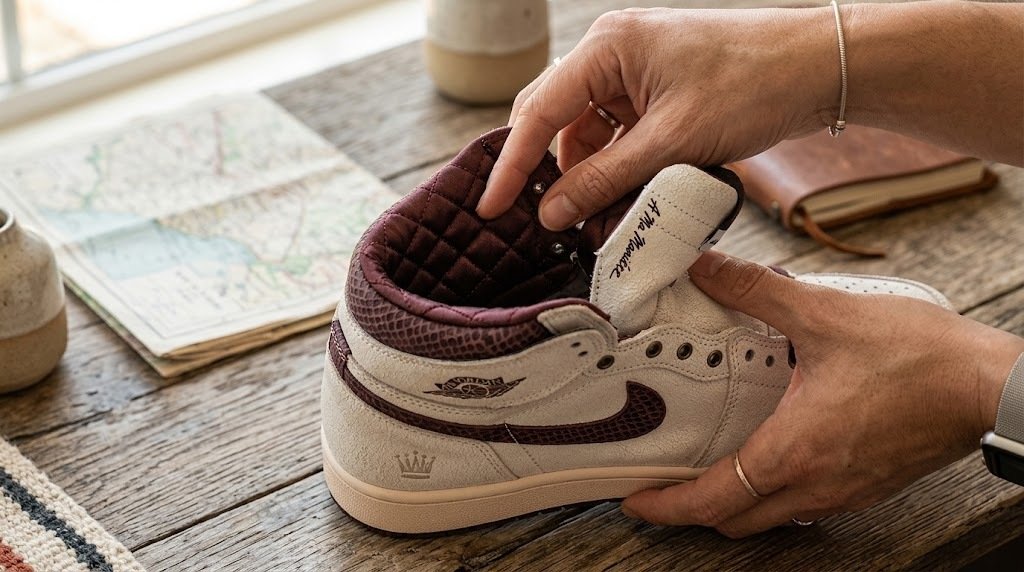
Leather, suede, quilted fabrics, and carefully selected textures are recurring elements in notable collaborations.
The original A Ma Maniere Air Jordan 3, for example, used full-grain tumbled leather, high-pile suede, muted colors, and quilted lining. Nike’s official design documentation also connects the sneaker’s inspiration to James Whitner’s personal memory of receiving an Air Jordan 3 from his mother.
2. Muted Color Palettes
A Ma Maniere frequently works with colors such as:
- Cream
- Muslin
- Burgundy
- Violet Ore
- Brown
- Grey
- Black
- Off-white
- Soft blue
This restrained palette makes many of the collaborations easier to integrate into everyday wardrobes.
3. Quilted Details
Quilted interiors have become one of the recognizable visual and tactile details associated with several A Ma Maniere collaborations.
This is a small design decision, but it changes how the shoe feels compared with a standard general-release version.
4. Storytelling
A Ma Maniere collaborations often come with a specific narrative.
That is one of the most important differences between simply changing a sneaker’s colorway and building a collaborative product with a cultural concept behind it.
Which A Ma Maniere Sneaker Collaborations Are Important?
The brand’s collaboration history includes several Jordan and Nike models, with additional projects involving Converse and other partners.
A Ma Maniere x Air Jordan 3
The Air Jordan 3 collaboration is one of the most important chapters in the brand’s sneaker history.
The first Jordan Brand collaboration arrived in 2021 and established A Ma Maniere as a serious collaborator rather than simply a boutique retailer. The design combined luxury-oriented materials with a personal story connected to family and Whitner’s first Jordan experience.
The relationship continued with later Air Jordan 3 projects, including the For The Love edition.
Nike lists the 2025 For The Love Air Jordan 3 at a $230 retail price in the United States, with premium white leather, anthracite shaggy suede, Diffused Blue accents, and co-branded tongue details.
A Ma Maniere x Air Jordan 1
The Air Jordan 1 helped establish the visual vocabulary that became associated with the collaboration series: neutral colors, premium construction, and subtle luxury details.
A Ma Maniere x Air Jordan 2
The Air Jordan 2 continued the refined aesthetic with cream-colored leather, darker detailing, and snakeskin-inspired elements. StockX’s historical release coverage lists the collaboration with a $225 retail price at launch.
A Ma Maniere x Air Jordan 4
The Air Jordan 4 has become another significant part of the brand’s collaboration catalog.
The While You Were Sleeping collection and later Dark Mocha project show how A Ma Maniere has continued using classic Jordan silhouettes as foundations for new stories. The official A Ma Maniere archive lists both projects among its major stories.
A Ma Maniere x Air Jordan 5
The Black Collective Air Jordan 5 represents another evolution of the collaboration.
For the 2025 release, A Ma Maniere described the project as part of its Every Summer Tells a Story series. The release used a white leather upper with Violet Ore accents and was priced at $225.
Nike Air Max 95 and Air Force 1
A Ma Maniere has also extended beyond Jordan Brand.
Its While You Were Sleeping and Every Summer Tells a Story projects have included the Nike Air Max 95 and Air Force 1, showing that its design language can translate across different sneaker silhouettes.
Converse Weapon Low
The While You Were Sleeping collection also included a Converse Weapon Low, demonstrating that A Ma Maniere’s collaborative storytelling is not limited to Nike and Jordan models.
A Ma Maniere While You Were Sleeping Collection Explained
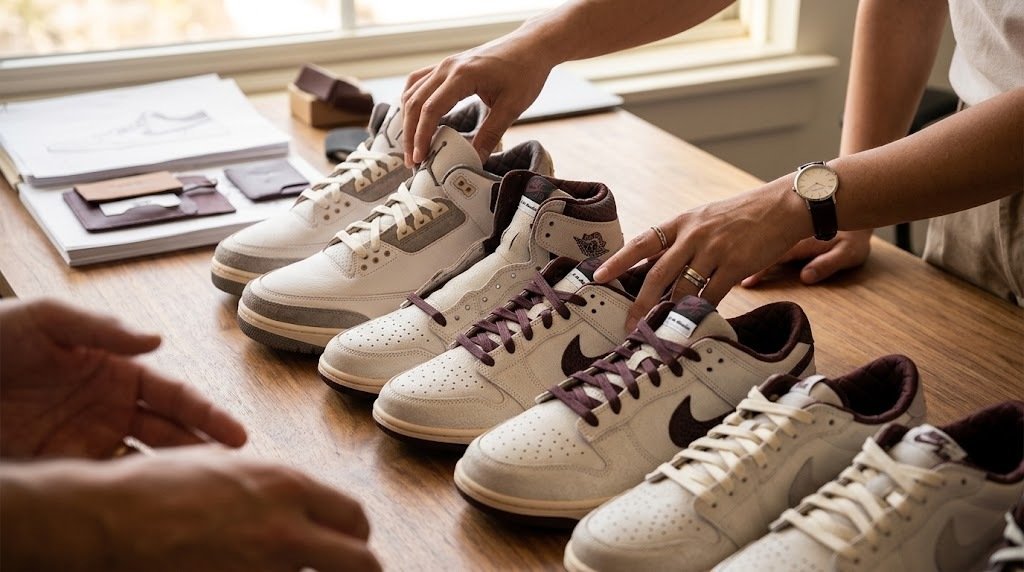
One of the biggest recent milestones was While You Were Sleeping, a multi-silhouette collaboration with Nike, Jordan, and Converse.
GQ reported that the 2024 collection included six iconic sneaker models and described A Ma Maniere’s broader design language as featuring quilted linings, rich violet and maroon shades, and creamy neutrals.
The significance of the collection is its breadth.
Instead of applying one familiar treatment to one Jordan model, A Ma Maniere demonstrated that its visual identity could work across different footwear categories.
The official A Ma Maniere archive currently lists collaborations including:
- Air Jordan 3
- Air Jordan 4
- Air Max 95
- Air Force 1
- Converse Weapon Low
- Air Jordan 1
- Air Jordan 2
- Air Jordan 5
- Air Jordan 6
- Jordan Air Ship
This is one reason the brand has become more than a single-collaboration story.
What Does A Ma Maniere Sell Besides Sneakers?
A common misconception is that A Ma Maniere is primarily a sneaker destination.
Its current official store includes a much broader range of products. Categories include:
- T-shirts
- Shirts
- Sweatshirts
- Hoodies
- Polos
- Knits and sweaters
- Coats and blazers
- Jackets
- Bomber jackets
- Trousers
- Denim
- Cargo pants
- Sweatpants
- Shorts
- Accessories
- Bags
- Hats
- Jewelry
- Home products
The brand also curates products from other luxury and contemporary labels. This makes its store closer to a fashion destination than a conventional sneaker-only retailer.
How to Style A Ma Maniere Sneakers
The easiest way to style A Ma Maniere sneakers is to let the footwear remain the focal point while keeping the rest of the outfit controlled.
Casual Streetwear
Try:
- A neutral heavyweight T-shirt
- Straight or relaxed denim
- A simple jacket
- A Ma Maniere Jordan or Nike collaboration
This combination works because the sneaker’s premium materials provide enough visual interest without requiring loud graphics elsewhere.
Refined Streetwear
For a more polished outfit, pair neutral A Ma Maniere sneakers with:
- Tailored trousers
- Knitwear
- Overshirt or structured jacket
- Minimal accessories
This approach highlights the brand’s connection between traditional luxury and streetwear.
Tonal Styling
Tonal outfits are particularly useful with A Ma Maniere sneakers.
For example, cream sneakers can work with beige trousers and an off-white top, while darker collaborations can be paired with charcoal, black, or deep brown clothing.
Original styling insight: A useful rule is to repeat one sneaker color somewhere else in the outfit rather than matching every piece. If a sneaker contains muted burgundy detailing, a small burgundy accent in a cap, knit, or accessory can connect the outfit without making it look coordinated from head to toe.
Where Can You Find A Ma Maniere Sneakers?
A Ma Maniere sneakers can appear through several channels depending on the release.
The official A Ma Maniere website remains an important source for brand launches, raffles, collections, and release information. The current website also links its releases through a dedicated release platform.
For secondary-market research, platforms such as StockX list A Ma Maniere sneakers and provide current marketplace pricing information. StockX’s catalog includes models such as the Jordan 4 Dark Mocha, Jordan 6 Smokey Mauve, Jordan 5 Black Collective, Air Max 95, Air Force 1, and other collaborations.
However, secondary-market prices change constantly. A listed asking price is not the same thing as the original retail price or a guaranteed final transaction price.
When researching a pair, check:
- Original release date
- Original retail price
- Exact colorway
- SKU
- Men’s or women’s sizing
- Condition
- Box and accessories
- Seller or marketplace authentication
- Return policy
- Current market listings
What Should You Check Before Buying?
Limited sneakers can involve more than the product price.
For an online purchase, review the retailer’s shipping, return, exchange, and final-sale policies before completing checkout. This is especially important for limited releases.
Third-party review platforms can also provide useful customer-experience information, but reviews should be interpreted as individual experiences rather than proof of how every order will be handled. For example, Trustpilot contains both specific complaints about shipping and customer service and other customer experiences, so readers should examine recent reviews and the company’s current policies together.
Another practical point is sizing.
Do not assume that every A Ma Maniere collaboration fits identically. The underlying Nike or Jordan silhouette, construction, materials, and intended gender sizing can affect the experience. Compare the exact model rather than relying only on the A Ma Maniere name.
Is A Ma Maniere Still Relevant in 2026?
A Ma Maniere remains active in the sneaker and luxury-fashion conversation in 2026.
Its official site continues to feature collaborations and fashion collections, while Hypebeast’s 2026 coverage includes the brand’s Atlanta flagship, Nike V5 RNR projects, and additional Jordan-related releases.
The brand’s development is also visible in the variety of its collaborations. Current marketplace listings show A Ma Maniere-associated products across Jordan, Nike, adidas, and other footwear categories.
That broader range is important: A Ma Maniere’s identity is no longer dependent on a single Air Jordan collaboration.
Why A Ma Maniere Matters in Modern Streetwear
A Ma Maniere occupies an interesting position in modern fashion because it connects three areas that were often treated separately:
Luxury: premium materials, elevated presentation, and curated designer fashion.
Streetwear: sneakers, casual clothing, and cultural relevance.
Storytelling: collaborations built around family, identity, community, history, and cultural memory.
That combination helps explain why its releases generate interest beyond people who simply want another pair of sneakers.
For readers discovering the brand in 2026, the most useful takeaway is this: A Ma Maniere is best understood as a fashion and cultural platform that uses sneakers as one of its most visible forms of expression.
Conclusion: Understanding A Ma Maniere in 2026
A Ma Maniere began as an Atlanta luxury boutique in 2014 and developed into a recognized name in contemporary fashion and sneaker culture. Its collaborations with Jordan Brand, Nike, and Converse helped establish a recognizable design language built around premium materials, restrained colors, refined construction, and storytelling.
Its catalog now extends far beyond sneakers, covering apparel, accessories, footwear, and curated luxury brands. At the same time, its 2026 expansion and continuing collaboration activity show that the brand remains an active part of the modern fashion landscape.
FAQ Section
What is A Ma Maniere?
A Ma Maniere is an Atlanta-founded luxury fashion boutique and label established in 2014. It is known for premium apparel, curated luxury fashion, and collaborations with Jordan Brand, Nike, Converse, and other brands.
Who founded A Ma Maniere?
A Ma Maniere was founded by James Whitner in Atlanta in 2014. The brand became part of the wider Whitaker Group retail ecosystem.
Why are A Ma Maniere sneakers popular?
A Ma Maniere sneakers are known for premium materials, distinctive color palettes, detailed construction, quilted interiors on select models, and storytelling connected to culture and community. Its collaborations with Jordan Brand and Nike have helped establish its reputation in sneaker culture.
What are some notable A Ma Maniere collaborations?
Notable projects include collaborations involving the Air Jordan 1, Air Jordan 2, Air Jordan 3, Air Jordan 4, Air Jordan 5, Air Jordan 6, Jordan Air Ship, Nike Air Force 1, Nike Air Max 95, and Converse Weapon Low.
Where can I buy A Ma Maniere sneakers?
Official releases can be found through A Ma Maniere’s website and release channels. Previously released models may also appear on secondary marketplaces such as StockX. Prices and availability vary by model, size, condition, and release.
Is A Ma Maniere only a sneaker brand?
No. A Ma Maniere also sells apparel, outerwear, trousers, denim, accessories, and other fashion products. Its store also curates products from numerous luxury and contemporary brands.
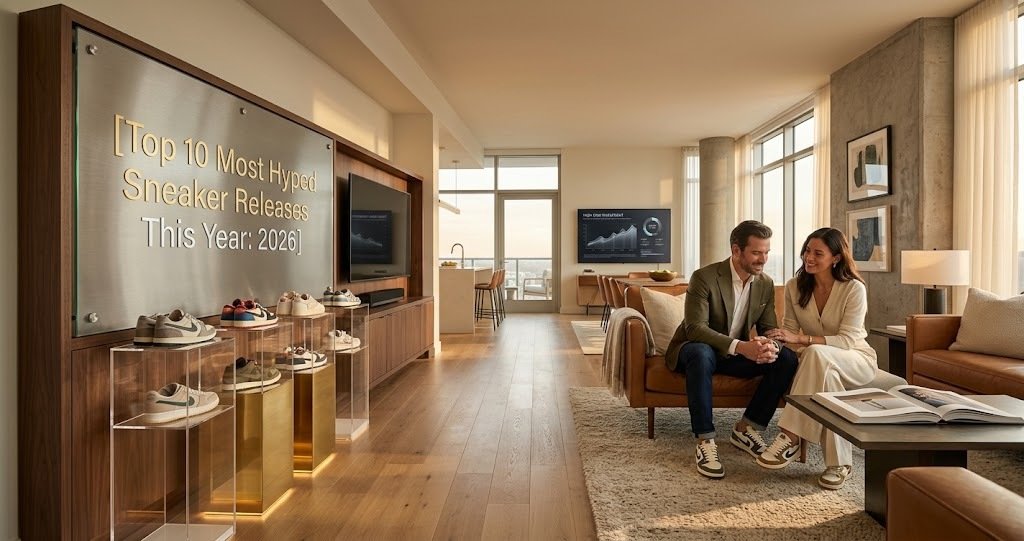
The Top 10 Most Hyped Sneaker Releases This Year are not simply the shoes with the biggest names attached to them. The strongest releases combine cultural relevance, scarcity, recognizable design, collaborations, and genuine demand from sneaker fans.
As of August 25, 2026, the sneaker calendar is already packed with major launches, while several huge holiday releases are still ahead. StockX reports that the Air Jordan 5 “Wolf Grey” generated more release day sales than any other sneaker on its platform so far in 2026, while the adidas BadBo 1.0 Bad Bunny Resilience produced the strongest adidas release day performance of the year.
That gives us a better way to judge hype than simply counting how many shoes appear on a release calendar.
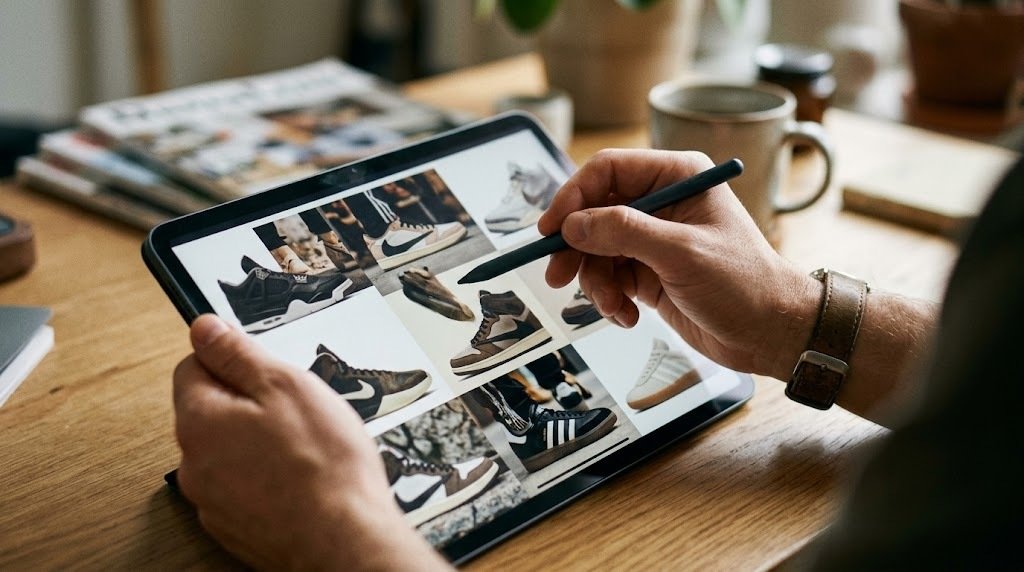
What Makes a Hyped Sneaker in 2026?
A hyped sneaker is a release that attracts attention beyond its basic retail availability. It can be driven by a famous athlete, musician, designer, fashion label, limited production, nostalgia, or a combination of several factors.
For this ranking, the editorial heat score considers four things:
- Cultural impact: Does the shoe connect with sneaker and fashion culture?
- Demand: Are buyers actively searching for and competing for it?
- Story: Does the release have an important collaboration, heritage, or concept?
- Wearability: Does it have a realistic place in today’s streetwear rotation?
This matters because a release calendar can contain hundreds of shoes. A serious sneaker fan does not need another list of every pair. They need to know which releases deserve attention.
The major calendar sites cover dates, prices, style codes, retailers, raffles, and availability extremely well. Sole Retriever, for example, combines release dates with release links and raffle information, while Nice Kicks organizes upcoming releases by brand and model. Sneaker News adds detailed “Where To Buy” information, while SneakerFiles maintains a broad calendar covering Nike, Jordan, adidas, Reebok, New Balance, and other brands.
The gap is context. Which releases actually matter?
Here are the ten I would watch most closely.
Top 10 Most Hyped Sneaker Releases This Year
1. Air Jordan 11 “Space Jam”
Few sneakers have a stronger connection between basketball, movies, nostalgia, and streetwear than the Air Jordan 11 “Space Jam.”
The 2026 return is especially significant because it celebrates the 30th anniversary of Space Jam. The sneaker is scheduled for December 12, 2026, with a reported adult retail price of $235. The 2026 version is also expected to return to the classic “23” branding associated with earlier retros instead of the “45” treatment used on the 2016 version.
That combination makes this more than another Jordan retro. It is a nostalgia release aimed at longtime collectors while remaining instantly recognizable to younger sneaker fans.
Why it is hyped: Iconic history, Space Jam anniversary, Jordan 11 popularity, and holiday timing.
Release: December 12, 2026
Reported retail: $235
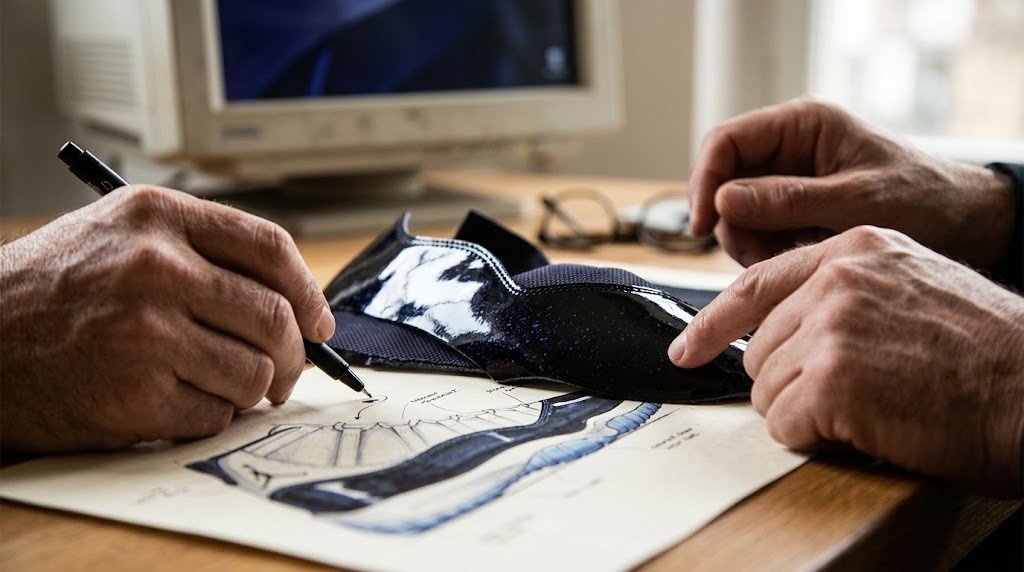
2. Air Jordan 4 “Bred” 2026
The Air Jordan 4 “Bred” is another release where history does most of the marketing.
The black nubuck upper, gray details, and red accents are tied directly to one of the most recognizable Jordan colorways. The 2026 version is scheduled for November 27, 2026, according to current reporting. GQ notes that the original “Bred” debuted in 1989 and has returned in several major retro versions over the years.
The appeal is simple: collectors want the classic look, while casual buyers recognize the color combination immediately.
Why it is hyped: OG status, Michael Jordan history, recognizable color blocking, and Black Friday timing.
Expected release: November 27, 2026
3. Travis Scott x Air Jordan 1 Low “Pink Pack”
Travis Scott’s relationship with Jordan Brand continues to be one of the strongest hype engines in sneakers.
The 2026 “Pink Pack” brought two AJ1 Low variations, including the Muslin and Shy Pink colorway. Nike describes the design around premium leather, soft pink details, co branding, and the signature reverse Swoosh.
Sneaker News listed the May 29 release at $155 and showed the combination of Nike SNKRS, Travis Scott, boutiques, raffles, and aftermarket channels surrounding the launch.
The important part is that this is not hype based only on celebrity recognition. The reverse Swoosh has become an identifiable design language of Travis Scott’s Jordan releases.
Why it is hyped: Travis Scott, reverse Swoosh design, limited availability, and strong streetwear relevance.
Retail: $155
4. Air Jordan 5 “Wolf Grey”
The Air Jordan 5 “Wolf Grey” deserves a place near the top because it has measurable demand behind it.
StockX reports that the February 28, 2026 release produced more release day sales on its platform than any other sneaker release so far this year. StockX also ranked it as its No. 10 release day performance across all products and categories in its historical data.
That is important because it separates hype from speculation. People actually showed up to buy it.
Why it is hyped: Jordan 5 heritage, clean colorway, strong release day demand, and collector appeal.
5. Bad Bunny x adidas BadBo 1.0 “Resilience”
Bad Bunny has become one of adidas’ most influential collaborators, and the BadBo 1.0 “Resilience” shows why.
StockX says it delivered the strongest release day performance for an adidas sneaker on the platform in 2026. The report also notes that searches for “Bad Bunny” jumped by more than 250% the day after the release.
That is a useful signal. The hype reached beyond people already searching for sneakers and generated additional interest around the collaborator himself.
Why it is hyped: Bad Bunny’s cultural reach, adidas partnership, unusual design, and measurable consumer demand.
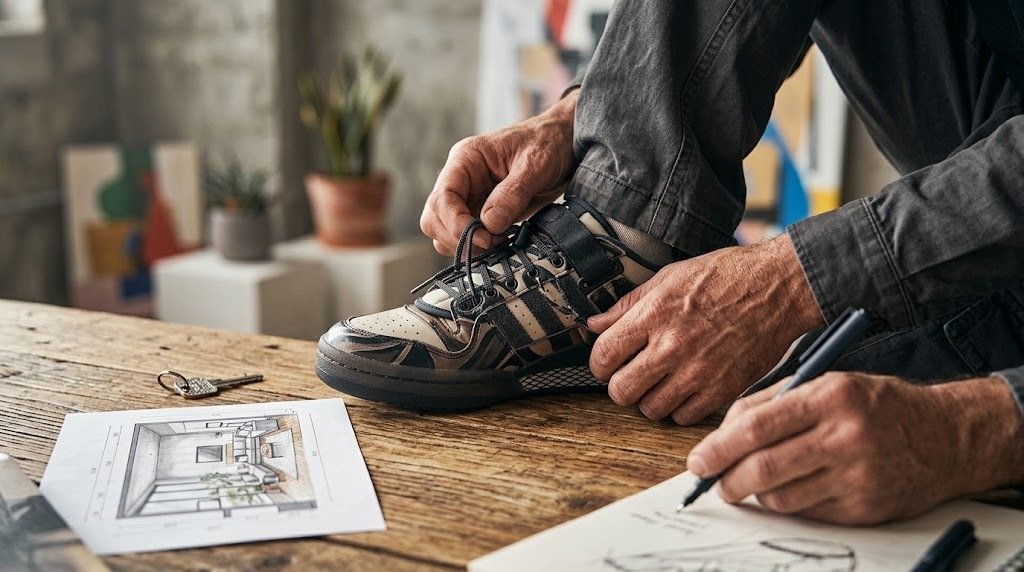
6. Kobe 3 Low Protro “Atomic Pink”
Kobe Bryant’s signature line remains one of Nike’s most emotionally important sneaker franchises.
The Kobe 3 Low Protro “Atomic Pink” released in August at $190, with the Atomic Pink and Bright Crimson color combination giving the low top a bold visual identity. Current release calendars list it among the major Nike launches of August.
Kobe releases also have an advantage that many general sneaker launches do not: they appeal simultaneously to basketball fans, collectors, and fashion consumers.
Why it is hyped: Kobe legacy, Protro construction, strong colorway, and crossover basketball appeal.
Retail: $190
7. Awake NY x Air Jordan 6
The Awake NY collaboration demonstrates how Jordan Brand continues to use fashion focused partnerships to refresh established silhouettes.
The collaboration has two major colorways, including Blueberry and a pink based version. Sneaker News lists the global Blueberry release for August 29 at $230, while The Drop Date also lists the collaboration among its August 29 releases.
The appeal here is different from an OG retro. Awake NY brings a New York fashion perspective to a classic basketball silhouette.
Why it is hyped: Angelo Baque’s Awake NY, Jordan heritage, fashion crossover, and limited collaboration positioning.
Release: August 29, 2026
Retail: $230
8. Air Jordan 3 “Laser”
The Air Jordan 3 “Laser” is a strong example of how storytelling can increase interest in an already famous silhouette.
The design is based on a one of one pair gifted to Michael Jordan in the early 2000s. The 2026 retail release arrived on August 22 at $230. Sneaker News and Nice Kicks both listed the release across major U.S. retailers.
For collectors, the story gives the shoe something beyond a new colorway. It connects the retail release to Jordan Brand’s archive and Michael Jordan’s personal history.
Why it is hyped: Rare inspiration, Air Jordan 3 heritage, Michael Jordan connection, and collector appeal.
Retail: $230
9. Hellstar x adidas Adizero Electric II
Not every hyped sneaker has to be a traditional basketball shoe.
Hellstar’s collaboration with adidas brought the streetwear label into the performance football category through the Adizero Electric II. adidas lists the collaboration at $200, with the Core Black, Red, and Cloud White version scheduled around August 15.
The interesting part is the crossover. Hellstar has a strong fashion identity, while the Adizero platform belongs to performance sports. That creates a product that can attract football players, collectors, and streetwear consumers at the same time.
Why it is hyped: Hellstar’s fashion influence, adidas performance technology, limited collaboration positioning, and unusual category crossover.
Retail: $200
10. Free The Youth x Air Jordan 16
The Free The Youth x Air Jordan 16 is one of the more unusual collaborations on the 2026 calendar.
The collaboration originally launched through Free The Youth before receiving a broader release through Nike SNKRS and selected retailers. Sneaker News reported a $255 retail price for the men’s pair.
The Jordan 16 is already a less common choice than the Jordan 1, 3, or 4. Adding a Ghana based creative label gives the shoe an additional cultural angle.
Why it is hyped: Distinctive silhouette, international streetwear influence, collaboration story, and limited distribution.
Retail: $255
Which 2026 Sneaker Releases Should You Actually Buy?
Hype does not automatically mean a sneaker belongs in your collection.
If you want a long term collector piece, prioritize releases with established heritage. The Air Jordan 11 “Space Jam,” Air Jordan 4 “Bred,” and Kobe Protro models are the safest choices from a cultural standpoint because their stories existed before the 2026 release.
If you care more about fashion, collaborations such as Awake NY x Air Jordan 6, Travis Scott x Air Jordan 1 Low, and Hellstar x adidas are more interesting.
If you want measurable current demand, the Air Jordan 5 “Wolf Grey” is particularly notable because StockX has already identified it as the strongest sneaker release day performer of 2026 on its platform.
How to Track Hyped Sneaker Releases Without Missing Them
Release dates change. Retailers add raffles. Some launches happen in stages across different regions.
The best approach is to track three things:
- Official brand channels: Check Nike, adidas, Jordan Brand, and the relevant collaboration website.
- Release calendars: Use specialist calendars to compare dates, prices, sizes, and retailers.
- Raffles and retailer launches: High demand collaborations can use raffles, apps, or regional launches instead of one simple checkout.
Sole Retriever, Nice Kicks, Sneaker News, SneakerFiles, and The Drop Date all illustrate why release tracking requires frequent updates. Their calendars contain changing dates, prices, retailer information, raffles, and region specific availability rather than treating every launch as a fixed event.
What Is the Most Hyped Sneaker Release of 2026?
There is no single universal answer because hype depends on what you measure.
For historical and cultural hype, the Air Jordan 11 “Space Jam” is arguably the biggest remaining release of the year.
For measured release day demand, the Air Jordan 5 “Wolf Grey” currently has the strongest evidence, based on StockX’s 2026 release day data.
For collaboration hype, Travis Scott, Bad Bunny, Awake NY, and Hellstar all demonstrate how musicians and fashion labels can transform familiar performance silhouettes into major streetwear releases.
That distinction is important. The loudest sneaker online is not always the sneaker with the strongest actual demand.
Final Takeaway
The Top 10 Most Hyped Sneaker Releases This Year show how diverse sneaker culture has become in 2026. Jordan retros still dominate the conversation, but Kobe Protro releases, artist collaborations, fashion labels, and performance footwear are all competing for attention.
The biggest lesson from this year’s releases is that hype has multiple sources. Nostalgia can create demand. A strong collaborator can create demand. Scarcity can create demand. But when a sneaker combines a recognizable story with a desirable design and real consumer interest, that is when a release becomes difficult to ignore.
For the rest of 2026, keep the Air Jordan 11 “Space Jam,” Air Jordan 4 “Bred,” and other major holiday releases on your radar. Release dates can change, so always confirm the final launch information with the official brand or retailer before buying.
FAQ Section
What is the most hyped sneaker release of 2026?
The Air Jordan 11 “Space Jam” is one of the most anticipated remaining releases of 2026 because it returns during the 30th anniversary of Space Jam. The current release date is December 12, 2026.
Which sneaker had the biggest release day in 2026?
According to StockX, the Air Jordan 5 “Wolf Grey” generated more release day sales than any other sneaker on the platform so far in 2026.
Are hyped sneakers worth buying?
A hyped sneaker is worth buying when you genuinely like its design, history, or collaboration. Hype alone should not determine a purchase because trends and resale prices can change quickly.
How do I find upcoming sneaker release dates?
Use official brand launch pages alongside reputable sneaker release calendars. Check the date, retail price, size availability, region, and retailer information before attempting to purchase.
Which sneaker brands are creating the most hype in 2026?
Nike and Jordan remain major drivers of sneaker hype, while adidas, Bad Bunny, Travis Scott, Kobe releases, Awake NY, and other collaborations are also attracting significant attention.
Do sneaker release dates change?
Yes. Release dates can move because of production, distribution, regional availability, retailer schedules, or other launch considerations. Always verify the final date with an official retailer or brand channel.
-
 Lifestyle12 months ago
The Story of Acne Studios: From Underground Roots to Global Fashion Icon
-
 Sneaker12 months ago
Inside Aime Leon Dore How It Redefined Streetwear Culture
-
 News & Drops12 months ago
Inside ADER error: How It Redefined Streetwear Culture
-
 Lifestyle12 months ago
Inside adidas how It Redefined Streetwear Culture
-
 Brands12 months ago
The Story of A-COLD-WALL From Underground Roots to Global Fashion Icon
-
 Style Guides12 months ago
Inside Acronym How It Redefined Streetwear Culture
-

 Style Guides12 months ago
Action Bronson: Where Streetwear Meets Art, Culture, and Identity
-
 Clothing9 months ago
Balmain Luxury Fashion Brand: History, Design Philosophy, Market Position & Global Influence