
News & Drops
Best Streetwear Drops to Expect This Fall/Winter 2026


Best Streetwear Drops to Expect This Fall/Winter 2026 are already taking shape, with Supreme, Stüssy, Kith, Palace and major collaborations driving attention across the U.S. streetwear scene. The important shift this season is that streetwear hype is no longer centered on one single look or brand.
Instead, Fall/Winter 2026 streetwear is spreading across heavyweight outerwear, relaxed denim, leather, technical pieces, skate-inspired footwear, collegiate references and more refined everyday styling.
If you are trying to decide which releases deserve your attention, this guide focuses on confirmed seasonal activity, notable collaborations, emerging style directions and the practical details that can make a drop worth following.
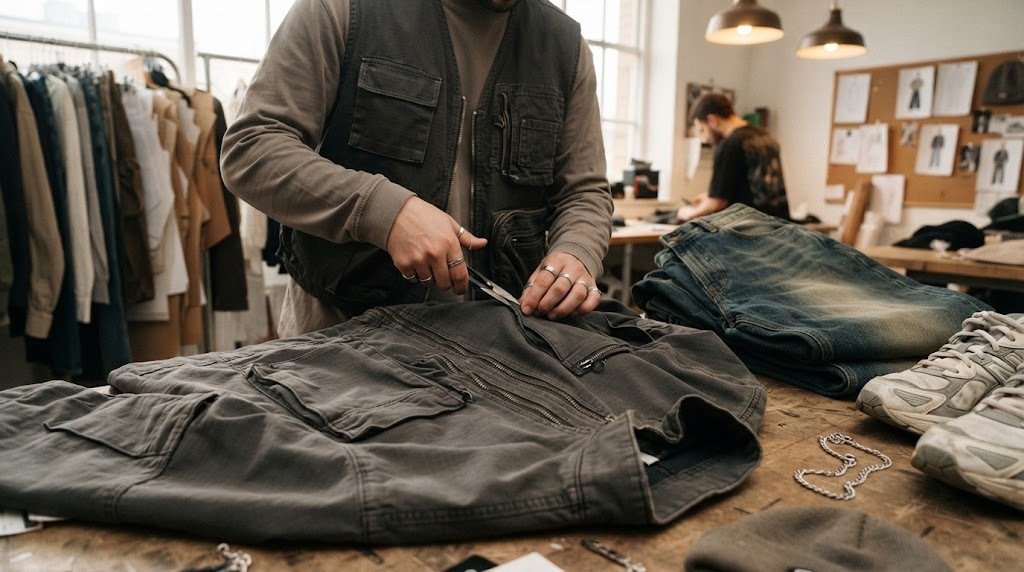
What Are the Best Streetwear Drops to Expect This Fall/Winter 2026?
The strongest Fall/Winter 2026 streetwear releases are coming from brands that combine recognizable identity with useful seasonal pieces. Supreme, Stüssy and Kith are particularly relevant because their current collections show a clear emphasis on outerwear, layering, denim, knitwear and collaborations.
Stüssy has already launched its Fall ’26 collection and published additional Fall deliveries, while Kith’s Fall 2026 range includes leather jackets, denim, knitwear, trousers and collaboration projects. Supreme’s Fall/Winter 2026 calendar is also active, with weekly releases already appearing.
That makes this season less about chasing every limited item and more about identifying drops that actually fit the way people are dressing.
1. Supreme Fall/Winter 2026 Drops
Supreme remains one of the clearest names to monitor during the Fall/Winter 2026 season.
The difference this year is the breadth of the collection. Current FW26 listings include jackets, hoodies, pants, accessories, skate products and collaborations. The season is being released through weekly drops rather than arriving as one complete collection.
What makes Supreme FW26 worth watching?
The collection includes several categories that become particularly useful once temperatures fall:
- Heavyweight hoodies and sweatshirts
- Flannel and lined shirts
- Leather outerwear
- Track jackets
- Cargo pants
- Denim
- Beanies and winter accessories
- Skate-related pieces
- Nike collaborations
One particularly notable footwear story is the Supreme x Nike Air Force 1 in a camouflage colorway, which has been reported as part of the FW26 cycle.
For U.S. shoppers, Supreme is also a good example of why a release calendar matters. A collection can contain dozens of items, but only a small portion may be relevant to your personal wardrobe.
Best approach: choose your category before release day instead of browsing everything at once.
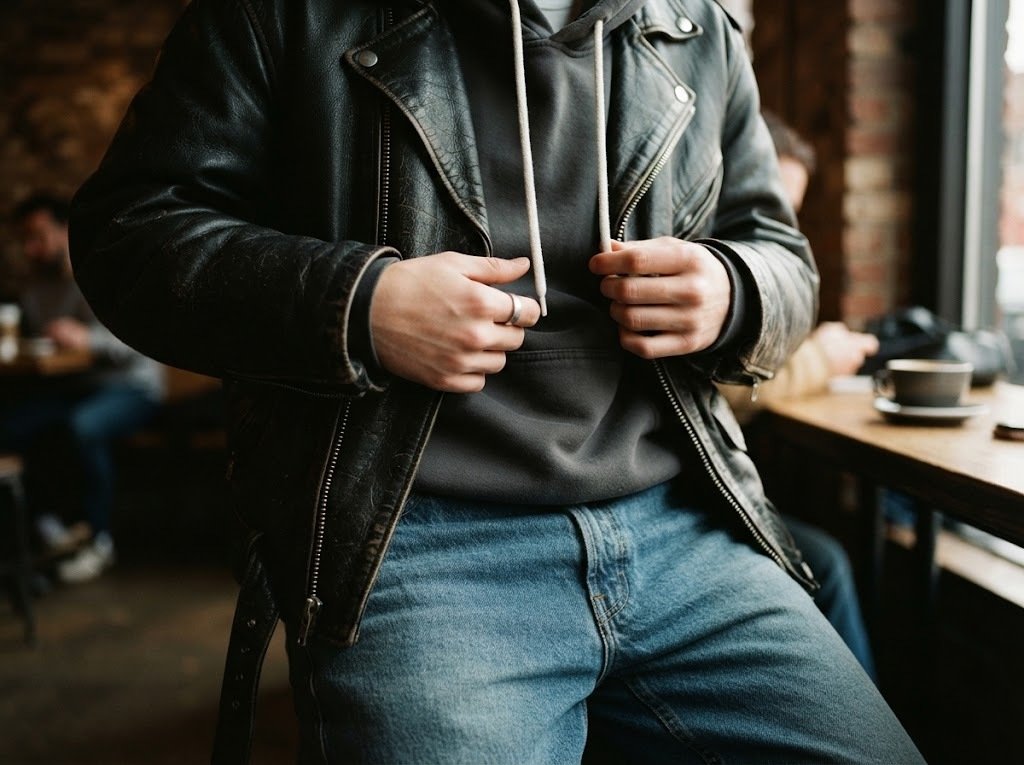
2. Stüssy Fall ’26 and Winter Deliveries
Stüssy is another major name to watch closely.
The brand officially announced its Fall ’26 collection for August 21, 2026, with North American availability scheduled through Stüssy chapter stores and its website.
The seasonal rollout did not stop with the first delivery. Stüssy subsequently announced Fall ’26 Delivery Two, scheduled for September 18, showing how the brand is using multiple releases to build the season rather than putting everything out simultaneously.
That staggered approach is important for anyone following Fall/Winter 2026 streetwear.
Stüssy collaborations to watch
Stüssy also released its collaboration with eYe JUNYA WATANABE MAN on August 28. The project combines Stüssy’s streetwear identity with more traditional and Japanese-inspired elements, including varsity styling, Oxford shirts, utility pieces and cargo trousers.
This points toward one of the broader Fall/Winter 2026 directions: streetwear is becoming easier to integrate with classic wardrobe pieces.
A graphic hoodie can work with wide trousers. A varsity jacket can sit over an Oxford shirt. A utility jacket can be paired with cleaner denim.
That flexibility is one reason Stüssy’s seasonal releases remain relevant beyond traditional hype culture.
3. Kith Fall 2026
Kith’s Fall 2026 collection takes a more polished approach to streetwear.
The official collection features outerwear, shirting, knitwear, denim, trousers and leather. Kith specifically highlights pieces such as the Herringbone Denim Nyx Jacket, Leather Denim Dario Trucker Jacket, Wayne Moto Jacket and Vintage Leather Alonzo Jacket.
Why Kith matters this fall
Kith’s current direction reflects how streetwear is moving toward complete outfits rather than isolated hype pieces.
Instead of buying a graphic hoodie simply because it is limited, shoppers can build a full seasonal wardrobe around:
- Textured outerwear
- Premium denim
- Knitwear
- Leather jackets
- Coordinated trousers
- Quarter-zip layers
- Varsity and racing references
- Seasonal accessories
Kith is also highlighting collaborations and projects including Kith for Needles and Kith for the NFL 2026.
For someone building a practical Fall/Winter wardrobe, this is an important distinction: a good streetwear drop does not necessarily need to be the loudest release.
4. Palace and the Return of Seasonal Skatewear
Palace continues to appear in current weekly drop coverage alongside Supreme, Kith, Stüssy and other major names. Hypebeast’s recent September coverage specifically includes Palace seasonal releases, showing that the brand remains part of the active 2026 drop calendar.
Palace is particularly relevant for people who want streetwear with a strong skateboarding foundation.
Expect the usual importance of:
- Graphic sweatshirts
- Skate-inspired jackets
- Relaxed trousers
- Caps and accessories
- Seasonal graphics
- Collaboration-driven releases
The broader lesson from Palace is that skatewear remains a major foundation of American streetwear even as the overall scene becomes more diverse.
5. High-Interest Collaborations
Collaborations remain one of the easiest ways for brands to create attention around a release.
Hypebeast’s 2026 weekly-drop coverage has featured collaborations involving Palace, Kith, Stüssy, BAPE, Fear of God, Levi’s, adidas, Nike and other major names.
Some of the most interesting Fall/Winter 2026 collaborations are not simply logo swaps. The better projects combine different design languages.
For example, the Stüssy and eYe JUNYA WATANABE MAN project brings together streetwear, prep and Japanese fashion references. Kith’s Fall 2026 Needles project similarly connects Japanese design with Americana influences.
That creates a useful rule for following collaborations:
Look for design compatibility, not just two famous names on one product.
6. What Will Fall/Winter 2026 Streetwear Actually Look Like?
The Fall/Winter 2026 streetwear conversation is broader than traditional hypebeast culture.
A recent Reddit discussion about modern hypebeast fashion shows how fragmented the scene has become. Participants mention baggy denim, cropped tops, leather and Detroit-style jackets, loafers, archival fashion, vintage pieces, quiet luxury and algorithm-driven brands. These are community observations rather than formal trend data, but they illustrate how many different aesthetics now coexist.
Oversized and relaxed proportions
Loose trousers and relaxed denim continue to be important.
The silhouette matters as much as the logo. A wide pair of jeans with a shorter jacket can create a very different look from a slim pair of jeans with an oversized hoodie.
Leather and utility outerwear
Leather jackets, workwear-inspired jackets and utility pieces are especially relevant for colder months.
This also makes sense practically. Outerwear has a larger visual impact than a basic T-shirt and can completely change an outfit.
Textured layers
Knitwear, fleece, wool, suede and washed cotton give winter streetwear more depth.
Kith’s Fall 2026 collection, for example, puts considerable attention on materials and seasonal textures across jackets, knitwear and trousers.
Classic pieces mixed with streetwear
One of the clearest shifts is the combination of casual and classic clothing.
A varsity jacket can be worn with a button-down. Baggy denim can be paired with loafers. A technical jacket can work with a clean knit.
This is where Fall/Winter 2026 streetwear feels different from the logo-heavy hype cycle associated with earlier years.
How Is 2026 Streetwear Different From the Old Hypebeast Era?
The modern streetwear market is more fragmented.
A Reddit community discussion contrasts today’s scene with the highly concentrated hypebeast culture of roughly 2016–2022, when a smaller number of major cultural figures and brands dominated conversation. Participants now describe multiple fashion communities existing at the same time.
That fragmentation has an advantage for shoppers.
You do not have to follow every major release.
You can choose a lane:
- Skatewear
- Japanese streetwear
- Luxury streetwear
- Workwear
- Vintage
- Minimal streetwear
- Sneaker-focused outfits
- Technical or outdoor-inspired fashion
This is arguably one of the biggest practical differences between current streetwear and the classic hypebeast model.
How to Track the Best Streetwear Drops in Fall 2026
Following every social media account is not an efficient strategy.
Instead, create a simple release system.
Step 1: Choose five brands
Pick the brands that actually match your wardrobe.
For example:
- Supreme
- Stüssy
- Kith
- Palace
- One emerging label
Step 2: Track official release announcements
Official brand announcements should be your first source for dates.
Stüssy, for example, publishes exact release dates and North American release times for its collections.
Step 3: Separate confirmed releases from rumors
This is especially important with collaborations.
A social media post, leaked image or resale listing is not automatically confirmation.
Step 4: Decide your budget before release day
A simple rule can prevent impulse purchases:
Know what you would still wear if the item stopped being hyped tomorrow.
Step 5: Check fit and materials
For Fall/Winter purchases, look beyond graphics.
Check:
- Fabric weight
- Insulation
- Fit
- Layering room
- Construction
- Care instructions
- Shipping and return policies
Step 6: Save the official release page
For fast-moving drops, a saved official page is often more useful than relying on a third-party countdown.
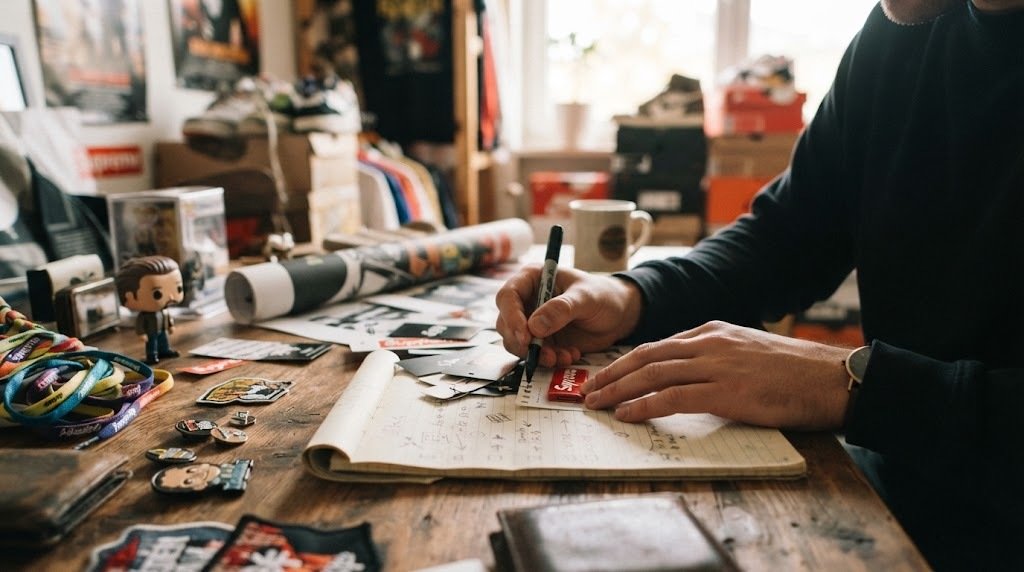
What Should You Buy From a Fall/Winter 2026 Streetwear Drop?
There is no universal must-buy item.
Your best choice depends on what your existing wardrobe lacks.
If you need outerwear
Look for leather, technical jackets, varsity silhouettes, heavyweight workwear and textured coats.
If you need everyday pieces
Prioritize hoodies, knitwear, denim, cargos and versatile overshirts.
If sneakers are your focus
Watch brand collaborations, skate footwear and classic silhouettes with new materials or colorways.
If you want a statement piece
A limited collaboration can work, but consider whether you can build at least three outfits around it.
This last test is one of the most useful ways to separate a genuinely useful purchase from a short-lived trend.
An Original Streetwear Test: The Three-Outfit Rule
After following streetwear releases for years, one practical test is especially useful: the three-outfit rule.
Before buying a hyped piece, imagine three different outfits using clothing you already own.
For example:
Oversized leather jacket
- Outfit 1: hoodie + relaxed denim + sneakers
- Outfit 2: knit sweater + wide trousers + loafers
- Outfit 3: graphic tee + cargo pants + skate shoes
If you can easily create three combinations, the item has greater wardrobe flexibility.
If the only outfit you can imagine requires buying four more pieces, the drop may be selling you a complete aesthetic rather than one useful garment.
This approach is not a resale prediction or a claim about future value. It is simply a practical wardrobe test.
Where Streetwear Trends Are Heading Next
Vogue’s Fall 2026 trend coverage shows a broader fashion environment emphasizing strong silhouettes, texture, tailoring, glamour and detailed styling. While runway fashion is not identical to streetwear, those ideas often filter into everyday fashion through proportions, materials and layering.
For streetwear, that could mean more experimentation with:
- Refined outerwear
- Tailored trousers
- Layered knitwear
- Leather
- Vintage-inspired details
- Stronger textures
- Cleaner accessories
- Mixed casual and formal styling
The result is not necessarily the disappearance of graphic streetwear. Instead, graphics can become one component of a more complete outfit.
Where to Follow Fall/Winter 2026 Streetwear
StreetIconic covers streetwear culture, brands, sneaker trends, outfit ideas and fashion guides.
For primary release information, check the official sources rather than relying only on resale calendars:
These sources are useful because release dates can change, quantities can be limited and new deliveries can be added after an article is published.
Final Thoughts on the Best Streetwear Drops to Expect This Fall/Winter 2026
The Best Streetwear Drops to Expect This Fall/Winter 2026 are not limited to one brand or one aesthetic.
Supreme brings its familiar weekly-drop structure and collaborations. Stüssy is rolling out multiple Fall ’26 deliveries and notable partnerships. Kith is taking a more material-focused approach with leather, denim, knitwear and tailored seasonal pieces. Palace and other skate-oriented labels continue to contribute to the active release calendar.
The bigger story is the fragmentation of streetwear.
For U.S. shoppers, that means more choices but also more noise. Instead of trying to buy every hyped release, follow the brands that fit your style, verify release information through official channels and choose pieces that work beyond the moment.
Frequently Asked Questions
What are the best streetwear drops to expect this Fall/Winter 2026?
Major names to monitor include Supreme, Stüssy, Kith and Palace, along with their seasonal releases and collaborations. Stüssy and Kith have already published Fall 2026 collection information, while Supreme’s FW26 weekly schedule is active.
What streetwear trends are popular for Fall/Winter 2026?
Key directions include relaxed denim, oversized proportions, leather and utility outerwear, textured knitwear, classic pieces mixed with streetwear and more varied footwear choices.
When should I start tracking Fall/Winter 2026 streetwear drops?
Start tracking immediately and check official brand announcements regularly. Many brands release seasonal collections through multiple deliveries rather than launching everything on one date.
Are Supreme drops still relevant in 2026?
Supreme continues to operate an active Fall/Winter 2026 release schedule, with weekly drops covering apparel, accessories, skate products and collaborations.
What should I look for when buying a streetwear drop?
Consider fit, fabric, construction, versatility, price, release authenticity and whether the item works with clothes you already own. The three-outfit rule is a simple way to test versatility.
Where can I follow new streetwear releases?
Follow official brand websites and established fashion publications for release information. You can also follow StreetIconic for streetwear trends, brand coverage, sneaker content and style guides.




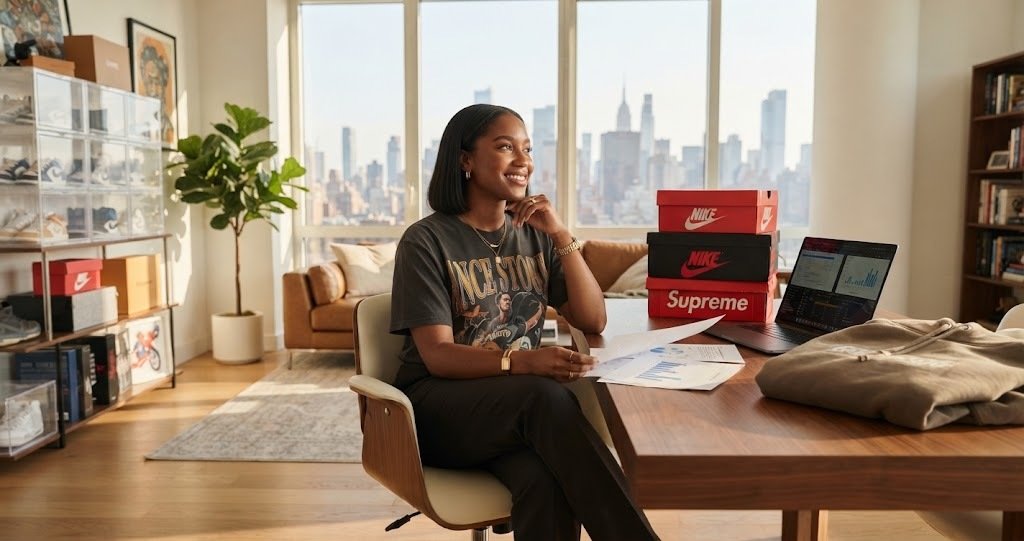
The Resale Market Explained: Why Streetwear Prices Skyrocket starts with one simple question: why can a hoodie, sneaker, or limited-edition jacket sell for several times its original retail price? The answer is not simply “hype.” The modern streetwear resale market combines scarcity, cultural relevance, brand power, timing, consumer psychology, and real-time online demand.
In other words, a $150 retail item can become a $300, $500, or even higher resale item when thousands of buyers want it and very few owners are willing to sell.
The key idea: streetwear resale prices rise when perceived demand grows faster than available supply, especially when the product has cultural significance, limited availability, or a strong story behind it.
The market has also become far more transparent. Platforms now expose historical sales, bids, asks, price premiums, and authentication systems, allowing buyers and sellers to see how the market is moving rather than relying entirely on word of mouth.

Why Does the Streetwear Resale Market Exist?
The streetwear resale market exists because retail price and market value are not always the same thing.
A brand may release 10,000 units of a sneaker at $180. If 30,000 people want that sneaker immediately, the retail price cannot satisfy everyone. Once the initial inventory disappears, buyers who missed the release have to compete for the smaller pool of existing pairs.
That creates a secondary market.
Several factors make streetwear particularly suited to resale:
- Limited product runs
- Exclusive collaborations
- Celebrity involvement
- Brand loyalty
- Social media exposure
- Cultural relevance
- Seasonal or event-driven demand
- Collectibility
- Scarcity
- Condition and size availability
The broader streetwear industry is already large and expanding. Straits Research estimates the global streetwear market at $398.62 billion in 2026, with North America among its fastest-growing regions. Its research also identifies limited editions, collaborations, social media, and the perception of streetwear as a collectible asset among important market forces.
What Makes Streetwear Prices Skyrocket?
1. Scarcity Creates Competition
Scarcity is probably the easiest factor to understand.
If a product is widely available, buyers have little reason to pay more than retail. They can simply wait for another shipment or purchase from another retailer.
Limited supply changes that equation.
Suppose a brand releases a $200 jacket and only 1,000 units are available in the United States. If demand remains high after the release sells out, the resale price can rise because the next buyer has fewer alternatives.
Scarcity becomes even more powerful when the item is permanently discontinued.
This is why limited collaborations, regional releases, special colorways, anniversary products, and exclusive drops can perform differently from ordinary seasonal products.
2. Hype Creates Short-Term Demand
Hype is the acceleration mechanism.
A collaboration announced by a major musician, athlete, designer, or cultural figure can suddenly introduce an item to millions of potential buyers.
Social media makes this process extremely fast. A product can move from relatively unknown to highly desirable within hours.
But hype is not always permanent.
A useful distinction is:
Hype creates attention; sustained cultural relevance creates lasting resale demand.
That difference explains why some viral pieces become expensive for a few weeks and then fall sharply, while other products remain desirable for years.
3. Cultural Relevance Matters
Streetwear has always been connected to music, skateboarding, sports, art, gaming, and youth culture.
That connection gives certain products meaning beyond their physical materials.
A hoodie may cost roughly the same to manufacture as another hoodie, but its resale value can be dramatically different because one represents a particular era, collaboration, artist, or cultural movement.
StockX’s market data illustrates this changing relationship between culture and resale. Its 2024 analysis showed strong growth from challenger brands and noted that apparel available on the platform had expanded from 117 brands in 2020 to 249.
4. Collaborations Add a Scarcity Premium
Collaborations are especially powerful because they combine two existing audiences.
Think of a streetwear brand working with:
- A sneaker company
- A luxury fashion house
- A musician
- An athlete
- An artist
- A sports franchise
- Another influential streetwear label
The collaboration creates a product that cannot be perfectly replaced by the regular collection.
This can create what I would call a story premium: buyers are not paying only for the item; they are paying for the association and the story attached to it.
How Is a Streetwear Resale Price Actually Determined?
A resale price is not simply the original retail price plus a random markup.
It is the result of supply, demand, timing, condition, size, platform, and buyer behavior.
A simplified model looks like this:
Resale value = demand + scarcity + cultural relevance + condition + timing − selling friction
Selling friction includes transaction fees, shipping, authentication costs, taxes, and the difficulty of finding the right buyer.
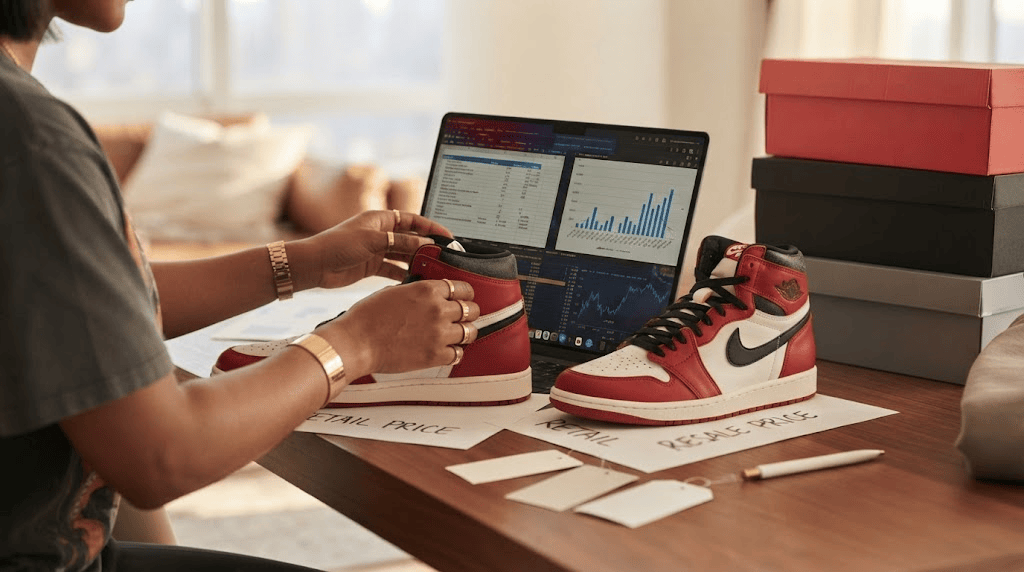
Retail Price vs. Resale Price
Consider a hypothetical sneaker:
| Factor | Example |
|---|---|
| Original retail price | $180 |
| Available supply | Limited |
| Current buyer demand | Very high |
| Resale transaction | $425 |
| Gross premium | $245 |
| Gross percentage premium | 136% |
That 136% premium is not automatically profit.
A seller still needs to consider platform fees, shipping, taxes, acquisition cost, and potential return or authentication issues.
This distinction is often missing from simplified resale discussions: a high resale price does not necessarily mean a high net profit.
Why Do Some Streetwear Items Lose Value?
Not every limited item becomes a valuable collectible.
This is one of the most important lessons for anyone studying the resale market.
Too Much Supply Can Kill the Premium
If a brand repeatedly releases large quantities of similar products, scarcity becomes weaker.
The market can also become saturated when too many sellers attempt to sell the same item simultaneously.
More listings mean buyers have more choices.
Hype Can Disappear
A product can trend heavily on TikTok, Instagram, or X and still lose demand once the conversation moves elsewhere.
Streetwear is particularly sensitive to cultural cycles.
What is considered essential today may look dated next year.
Brand Relevance Can Change
A strong resale history does not guarantee future performance.
StockX’s data demonstrates this clearly. In 2024, traditional leaders such as Nike and Jordan experienced slower resale activity in some areas, while challenger brands such as ASICS gained significant momentum. StockX reported ASICS growth of 589% year over year in its analyzed period.
The lesson is simple:
Past resale performance is evidence, not a guarantee.
Condition Matters
Two identical products can have very different resale prices.
Important variables include:
- New vs. used condition
- Original packaging
- Tags
- Receipts or proof of purchase
- Wear
- Stains or damage
- Sole condition for sneakers
- Correct accessories
- Authenticity
The growth of used resale also shows how the market is expanding beyond brand-new products. In 2026, StockX introduced Listings for used sneakers, vintage fashion, and other items, creating additional price points for buyers and sellers.
What Streetwear Products Usually Have Strong Resale Potential?
There is no guaranteed formula, but certain characteristics repeatedly appear in high-demand products.
Limited-Edition Sneakers
Sneakers remain one of the most visible parts of the resale economy because they combine collectibility, sizing, scarcity, and established authentication infrastructure.
StockX reported that certain 2024 collaborations achieved very large average price premiums, including examples from Nike and Jordan collaborations.
Iconic Hoodies and Graphic Apparel
Streetwear hoodies, logo pieces, and distinctive graphic releases can maintain demand when they become strongly associated with a brand’s identity.
Artist and Celebrity Collaborations
Products connected to influential cultural figures can experience sudden demand increases.
However, celebrity association alone is not enough. The collaboration needs to feel authentic to the culture surrounding the brand.
Archive and Vintage Pieces
Older products can become more desirable when a brand’s aesthetic returns to popularity.
This creates an interesting cycle:
old trend → renewed interest → archive demand → scarcity → higher resale value
Does Resale Data Really Predict What Will Become Popular?
Resale data can reveal useful signals, but it should not be treated as a crystal ball.
Platforms with large marketplaces can show:
- Transaction volume
- Average prices
- Price premiums
- Search activity
- Buyer offers
- Seller asks
- Product availability
- Brand growth
StockX’s 2026 reporting, for example, showed that Supreme apparel sales rose 19% year over year in the first half of 2026, while its average price premium increased from 11% to 41%.
That is more useful than simply saying “Supreme is popular.”
It gives us a measurable indication that demand and pricing behavior changed.
An Original Example: Why Size Can Change the Market
Consider two buyers looking for the same limited sneaker.
Buyer A needs a common men’s size with hundreds of listings.
Buyer B needs an uncommon size with only a handful of listings.
Even if the sneakers are identical, Buyer B may face a much higher price because availability is being measured at the size level, not just the product level.
This is an important practical insight when evaluating resale prices: the market is not one single price. It is a collection of micro-markets organized around size, condition, geography, and timing.
Which Platforms Drive the Streetwear Resale Market?
The modern market includes specialized marketplaces, community-driven platforms, sneaker platforms, and general resale services.
Examples include StockX, GOAT, Grailed, eBay, and other fashion resale marketplaces.
Each platform can produce different pricing because its audience, fees, authentication processes, seller tools, and product mix differ.
StockX describes its marketplace as a real-time pricing environment where buyers can place offers and sellers can set asks.
That structure makes resale pricing more visible than the traditional secondhand market.
Comscore also found that visits to major resale sites collectively increased 3% over a two-year period, while apparel-site visits declined 30% during the comparison period it analyzed in May 2024.
How Authenticity Affects Streetwear Resale Prices
Authenticity is one of the biggest differences between legitimate resale and an unverified peer-to-peer transaction.
A counterfeit item may look similar to the original but has little legitimate market value.
That is why authentication can become part of the product’s economic value.
When a platform verifies an item, it reduces uncertainty for the buyer. Lower uncertainty can make buyers more comfortable paying market prices.
The FTC advises online shoppers to examine product descriptions carefully and warns that unusually cheap expensive brand-name products can be counterfeit or stolen.
For expensive streetwear, buyers should check:
- Seller reputation
- Authentication policy
- Product photographs
- Condition description
- Original packaging
- Return policy
- Purchase documentation when available
- Platform protection
Is Streetwear Resale an Investment?
It can behave like an investment, but calling every streetwear purchase an investment is misleading.
Unlike stocks or bonds, streetwear does not generate cash flow simply because you own it.
Its value depends on another buyer being willing to pay more.
That means resale markets can be highly sensitive to:
- Trends
- Economic conditions
- Consumer spending
- Brand reputation
- New releases
- Cultural changes
- Supply
- Platform fees
A better description is collectible consumer goods with market-based resale value.
Some pieces appreciate significantly. Others decline below retail.
The safest mindset for a consumer is to buy something because they genuinely like it first and treat potential resale upside as secondary.
Is Streetwear Resale Sustainable?
Resale can extend the useful life of clothing and footwear by keeping products in circulation instead of sending them directly into disposal streams.
Comscore identified environmental concerns around fast fashion as one factor contributing to the popularity of resale platforms.
But resale is not automatically sustainable.
If consumers buy products purely to flip them quickly, resale can also encourage additional purchasing and speculation.
The sustainability benefit is strongest when resale replaces the need to manufacture and purchase another new item.
What Does the Future of the Streetwear Resale Market Look Like?
The resale market is becoming more sophisticated.
Three developments are particularly important.
1. More Used Inventory
The market is expanding beyond deadstock.
StockX’s 2026 Listings launch illustrates the direction: buyers can increasingly compare used and new products, while sellers can monetize items they have already worn.
2. Better Market Data
Pricing is becoming increasingly transparent.
Historical transactions, offers, sales volume, and price premiums give consumers more information before they buy.
3. Faster Trend Cycles
Social media can create demand much faster than traditional fashion media.
That means resale prices can move quickly in both directions.
A product can become hot because of a viral moment—and cool just as quickly when attention shifts.
The Bottom Line: Why Do Streetwear Prices Skyrocket?
The resale market becomes expensive when scarcity meets strong demand.
But the strongest resale products usually have several forces working together:
- Limited supply
- Strong brand identity
- Cultural relevance
- Collaborations
- Social media visibility
- Collector interest
- Authenticity
- Timing
- Condition
- Available sizes
- A motivated buyer base
The biggest misconception is that hype alone creates value.
It does not.
Hype creates attention. Scarcity restricts supply. Culture creates meaning. Demand creates the price.
That combination explains why an ordinary-looking streetwear item can become dramatically more expensive after its original retail release.
For anyone studying fashion, buying streetwear, or simply wondering why resale prices seem so extreme, understanding these forces is more useful than memorizing which brands are currently “hot.”
FAQ Section
What is the streetwear resale market?
The streetwear resale market is the secondary market where consumers buy and sell previously released streetwear products after their original retail release. Prices are determined largely by supply, demand, scarcity, condition, and cultural relevance.
Why are streetwear resale prices so high?
Streetwear resale prices can become high when demand exceeds available supply. Limited releases, collaborations, celebrity influence, cultural relevance, and social media hype can all increase demand.
Does limited-edition streetwear always increase in value?
No. Limited supply alone does not guarantee appreciation. A product can lose value if consumer interest falls, too many similar products enter the market, or the brand loses cultural relevance.
Which streetwear items usually have the strongest resale value?
Limited sneakers, sought-after collaborations, iconic hoodies, rare graphics, archive pieces, and products connected to influential brands or cultural moments can have strong resale demand.
Is buying streetwear for resale a good investment?
Streetwear can appreciate, but resale is speculative. Prices can fall because of changing trends, increased supply, economic conditions, or declining brand relevance. Buyers should not assume future profit.
How can buyers avoid fake streetwear?
Use reputable marketplaces with authentication or strong buyer protections, research seller history, inspect product details, compare pricing, and be cautious when an expensive branded item is offered at an unusually low price.

Why Limited-Edition Drops Sell Out in Minutes comes down to more than simply having fewer products available. Limited drops combine scarcity, anticipation, social proof, exclusivity, competition, community identity, and carefully timed marketing into one high-pressure buying event.
For shoppers, that can turn an ordinary hoodie, sneaker, jacket, or collaboration into something that feels impossible to ignore. For brands, a successful drop can create attention that lasts far beyond the moment inventory reaches zero.
The concept is especially powerful in limited edition streetwear, where wearing something rare can communicate taste, knowledge, and membership in a particular culture.
Research supports the basic scarcity effect: people can place greater value on products when availability is perceived as limited. A 2022 meta-analysis covering 131 studies found that scarcity cues can increase perceived value and purchase intentions, although the effect depends on the type of scarcity and product.
So what actually happens between the announcement of a drop and the dreaded “Sold Out” message?
Why Limited-Edition Drops Sell Out So Quickly
The simplest explanation is supply and demand: when a large number of interested buyers compete for a deliberately small inventory, the available products can disappear almost immediately.
But scarcity alone is not enough.
A random product with only 50 units available will not necessarily sell out. The product needs some combination of desirability, brand credibility, cultural relevance, anticipation, and audience demand.
A useful way to understand the process is:
Desirable product + limited supply + anticipation + audience attention + urgency = high probability of a rapid sellout.
That formula is a synthesis of the recurring patterns seen across modern product-drop research and successful fashion launches.
The faster those factors build before launch day, the less time shoppers need to make a purchase decision.
Instead of asking, “Do I really need this?” buyers start asking, “How quickly can I get it?”
The Scarcity Psychology Behind Limited Drops
Scarcity is one of the strongest reasons limited drops create urgency.
The American Psychological Association’s definition of scarcity notes that people can assign greater value to resources, opportunities, or information perceived as limited or rare.
Robert Cialdini’s work on persuasion also identifies scarcity as a major influence principle: when people believe they may lose access to something, desire can increase.
Limited quantity creates competition
Consider two nearly identical streetwear hoodies.
Hoodie A: Available year-round in unlimited quantities.
Hoodie B: 500 units available at 10 a.m. and no guaranteed restock.
Even if Hoodie B is not objectively better, the purchasing situation is completely different.
The buyer knows other people want the same item. Every purchase made by someone else potentially reduces their chance of getting one.
That creates competition.
Research published in the Journal of Retailing and Consumer Services has found that purchase-priority competition can increase competitive arousal, particularly when consumers care about superiority, self-enhancement, and getting a product before others.
Scarcity makes the decision feel urgent
A normal product allows time for comparison.
A limited drop removes that luxury.
A shopper may normally spend two days comparing:
- Price
- Material
- Fit
- Reviews
- Alternatives
- Shipping
- Whether they actually need it
A limited drop can compress that decision into 30 seconds.
That is one reason a product can generate dramatically different behavior when the same item is presented as a permanent release versus a one-time release.
Why Hype and Anticipation Matter as Much as Scarcity
Scarcity gets attention, but anticipation often creates the emotional momentum that makes a drop explode.
Successful brands rarely announce a limited product five minutes before it becomes available and expect instant demand from nowhere.
They build a story first.
That can include:
- Teaser images
- Behind-the-scenes videos
- Close-up product shots
- Collaboration announcements
- Influencer previews
- Countdown posts
- Email notifications
- Early-access lists
- Sneak peeks
- Rumors and speculation
- Community discussions
The goal is to make the product feel important before it can be purchased.
Queue-it’s research on product drops describes anticipation psychology as one of the major forces behind drop culture. Its analysis also points to product drops functioning as entertainment and community events rather than ordinary retail transactions.
Anticipation changes how the product is remembered
This is an overlooked part of drop culture.
If you see a hoodie in a store and buy it immediately, the purchase may be forgettable.
If you spend two weeks watching teasers, discussing the release with friends, setting an alarm, entering a waiting room, and finally securing the hoodie, the purchase becomes an event.
The product now has a story attached to it.
That story can increase the emotional value of ownership.
This is particularly relevant to streetwear because fashion is not purely functional. Clothing can communicate identity, taste, belonging, and cultural awareness.
Why Social Media Makes Limited Edition Streetwear Even Stronger
Social media has changed the economics of scarcity.
Before digital platforms, a limited release might be discussed among local customers, magazine readers, or dedicated fashion communities.
Today, a single product image can circulate across TikTok, Instagram, Reddit, YouTube, X, Discord, and private group chats before the official release.
That creates a feedback loop:
Teaser → discussion → sharing → anticipation → demand → sellout → resale posts → more attention → next drop.
Shopify’s 2026 analysis highlights the connection between limited drops, social media, word of mouth, and modern shopping behavior.
The “I got it” effect
Social media does something else: it makes successful buyers visible.
Imagine 100,000 people want a limited sneaker and only 10,000 pairs are available.
After the release, the 10,000 successful buyers post:
- Unboxing videos
- Outfit photos
- Close-up product shots
- Fit checks
- Collection photos
- “I finally got them” posts
The people who missed the drop now see the product repeatedly.
Ironically, the product can become more desirable after it has sold out.
This creates another wave of demand around the next release.
Why Limited Drops Create FOMO
FOMO means fear of missing out.
In limited-edition fashion, FOMO is not simply fear of losing a product. It can also mean fear of losing the opportunity to participate in a cultural moment.
A shopper may think:
“If I don’t buy this now, I may never have another chance.”
That thought is powerful because the perceived future availability is uncertain.
A regular product says:
“You can buy this whenever you’re ready.”
A limited drop says:
“Decide before someone else does.”
That difference changes the psychological environment of the purchase.
Research into scarcity messaging has found that limited-quantity and social-competition cues can influence purchase intention, although the precise effect depends on the type of scarcity and the surrounding context.
Why Exclusivity Makes Buyers Want to Belong
Limited edition streetwear is often about more than owning clothing.
It can be about belonging to a group.
Supreme is a classic example of how product drops can become recurring cultural events. Other brands have adapted the same basic concept through collaborations, members-only releases, early access, and limited collections.
When an item is difficult to obtain, ownership can become a form of social signaling.
The customer is not just saying:
“I own this jacket.”
They may also be saying:
“I knew about this release, I understood its significance, and I managed to get one.”
That is particularly important in streetwear communities where knowledge of brands, collaborations, release dates, and past collections can be part of the culture.
How Brand Collaborations Make Drops Sell Out Faster
Collaborations combine audiences.
Imagine a streetwear label with 500,000 followers collaborating with a sneaker company that has 5 million followers.
The collaboration can expose the product to two communities simultaneously.
Collaborations can also create perceived uniqueness because the exact combination may never appear again.
Common collaboration formats include:
- Streetwear brand × sneaker brand
- Designer × artist
- Fashion label × musician
- Brand × celebrity
- Luxury label × sportswear company
- Streetwear brand × entertainment franchise
Queue-it identifies collaborations as one of the recurring formats associated with modern product drops.
The key is that the collaboration gives consumers a reason to care beyond the physical product itself.
Why Some Drops Sell Out in Minutes While Others Fail
Scarcity is not magic.
A limited quantity cannot manufacture genuine desire indefinitely.
Research published in the Journal of Retailing and Consumer Services shows that supply limitation can work differently depending on the underlying quality and appeal of the product. In other words, making an undesirable product scarce does not automatically make it desirable.
A successful drop usually combines several elements:
1. The product is genuinely desirable
The design, quality, collaboration, story, or brand reputation gives customers a reason to want it.
2. The audience already exists
A brand with an active community can create demand much more easily than an unknown company starting from zero.
3. The scarcity is believable
Consumers need to believe that the product really is difficult to obtain.
4. The timing is clear
A specific release date and time reduce uncertainty.
5. The brand builds anticipation
Customers should know what is coming and have enough time to become interested.
6. The buying experience works
A brilliant marketing campaign can still fail if the website crashes or bots purchase most of the inventory.
The Hidden Role of Bots and Resellers
One of the biggest differences between ordinary shopping and hyped drops is the presence of automated purchasing systems.
Bots can attempt to:
- Enter releases automatically
- Submit checkout forms rapidly
- Purchase multiple units
- Circumvent purchase limits
- Exploit weaknesses in checkout systems
Queue-it has documented cases where enormous numbers of automated or untrusted visitors attempted to participate in high-demand drops.
This creates a fairness problem.
A genuine customer may spend 20 minutes waiting for a product while an automated system attempts thousands of transactions.
For that reason, modern drop infrastructure can involve:
- CAPTCHA
- Rate limiting
- Purchase limits
- Account verification
- Virtual waiting rooms
- Bot detection
- Randomized queues
- Raffles
- Member-only access
The objective is not simply to sell every unit as quickly as possible. It is to make the buying process credible enough that customers continue trusting the brand.
Why Selling Out Too Fast Can Actually Hurt a Brand
This is one of the most important gaps in many discussions about limited drops.
A sellout is usually presented as an automatic success.
It isn’t always.
If thousands of genuine customers repeatedly miss out because inventory is dramatically below demand, frustration can replace excitement.
Recent research in the Journal of Retailing found that extremely limited quantities can sometimes reduce perceptions of retailer sincerity, particularly when the available quantity is lower than consumers expected.
Another 2025 study found that immediate sellouts of some hedonic limited editions can actually reduce perceived hedonic value and repurchase intentions, suggesting that “sold out instantly” is not universally positive.
That creates a useful distinction:
A fast sellout proves demand. It does not automatically prove a good customer experience.
A brand should ask:
- Were genuine customers able to participate?
- Did bots dominate the release?
- Was inventory too low?
- Did customers understand the rules?
- Was the checkout reliable?
- Was the product available through a fair system?
- Will disappointed customers return for the next drop?
The Resale Market Makes Scarcity Even More Powerful
Once a product sells out, a second market often appears.
Collectors and resellers may list the item on secondary platforms at higher prices.
This can reinforce the original perception that the product is valuable.
For example:
Retail price: $180
Product sells out: 3 minutes
Secondary-market listing: $350
Social media posts: Hundreds or thousands
A shopper who originally ignored the product may now perceive it differently.
The resale price becomes a form of social proof.
However, resale prices are not a perfect measure of actual product value. They can reflect temporary demand, limited supply, speculation, seller expectations, and market volatility.
For shoppers, that means a high resale price should not automatically be interpreted as evidence that the original purchase was financially worthwhile.
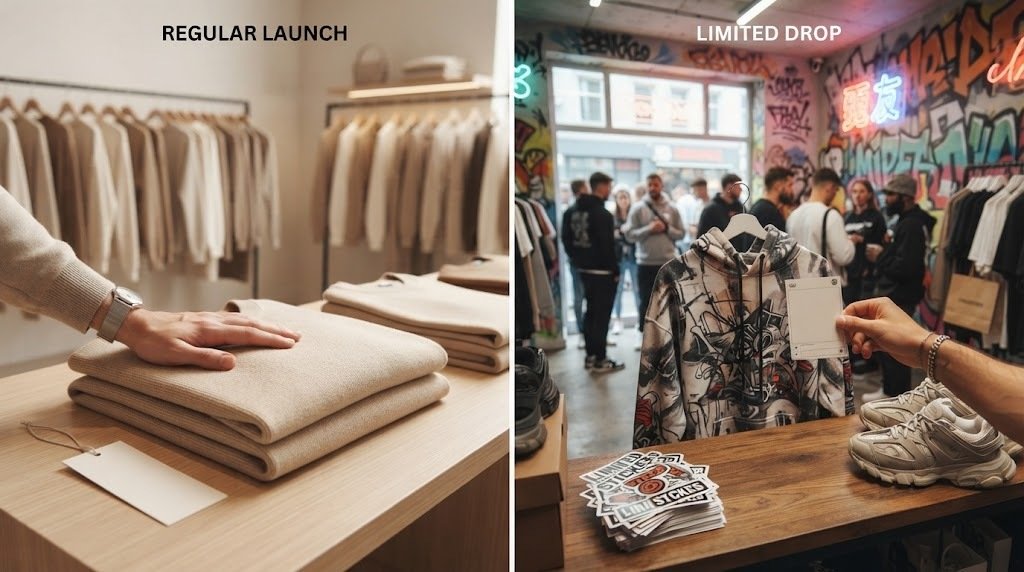
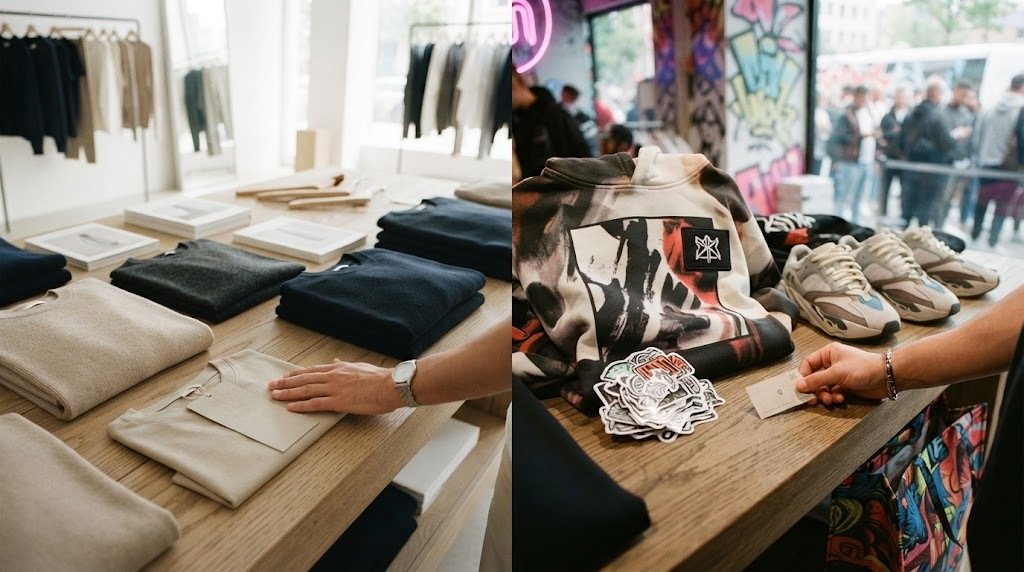
Limited Drops vs. Regular Product Launches
A product launch normally introduces an item that the company expects to sell over an extended period.
A limited drop emphasizes restricted availability, a short purchasing window, or both.
| Regular Launch | Limited Drop |
|---|---|
| Long availability | Short or restricted availability |
| Focus on sustained sales | Focus on concentrated demand |
| Inventory can be replenished | Restock may be uncertain |
| Lower urgency | High urgency |
| Product-first messaging | Event-first messaging |
| Broad accessibility | Exclusivity is often central |
Queue-it and Shopify both distinguish product drops from conventional launches by their emphasis on scarcity, timing, and limited availability.
Limited Drops vs. Flash Sales
These concepts are related but not identical.
A flash sale generally uses a temporary discount to encourage customers to buy quickly.
A limited drop usually creates urgency through product availability rather than a large price reduction.
For example:
Flash sale:
“30% off all hoodies until midnight.”
Limited drop:
“300 numbered hoodies available Friday at 10 a.m.”
The first strategy makes the price scarce.
The second makes the product scarce.
Shopify specifically identifies limited drops as short-run or limited-quantity releases, while flash sales typically focus on time-limited discounts.
How Brands Turn a Drop Into a Community Event
The strongest drop strategies do not end when the checkout closes.
They create a cycle:
- Tease the product
- Build anticipation
- Release the product
- Create competition
- Sell out
- Encourage buyers to share
- Generate resale and discussion
- Reward loyal followers
- Announce the next event
EQL’s 2026 analysis emphasizes that limited-edition launches can create shared experiences and communities, turning customers into longer-term brand advocates.
That is why successful streetwear brands can have active communities between releases.
Fans discuss old collections, predict upcoming collaborations, compare purchases, share styling ideas, and speculate about what might come next.
The drop becomes a recurring cultural ritual rather than a single transaction.
An Original Way to Think About the Sellout Effect
A useful way to understand a limited drop is to separate demand creation from demand conversion.
Imagine a brand has 100,000 people who see a product announcement.
Only 8,000 may genuinely want the product.
If the brand releases 20,000 units, it may not sell out.
But if it releases 2,000 units, those same 8,000 interested people are suddenly competing for the product.
The brand has not necessarily created 6,000 additional interested customers.
It has changed the ratio between interested buyers and available inventory.
That distinction explains why scarcity can make demand look explosive.
The most effective drops therefore do not rely on scarcity alone. They first create enough genuine desire that restricted supply becomes meaningful.
This is also why simply copying a Supreme-style drop model does not guarantee success for an unknown brand.
What Shoppers Should Know Before Buying a Limited Drop
If you’re the customer rather than the brand, the psychology works on you too.
Before clicking “Buy,” ask:
Do I actually like the product?
Remove the countdown timer mentally.
Would you still want it tomorrow?
Would I buy it at the original price?
If the answer is no, FOMO may be doing most of the work.
Am I buying it to wear or resell?
Resale is uncertain. A product that sells out instantly is not guaranteed to appreciate.
Is the scarcity genuine?
Look for clear information about quantities, purchase limits, restocks, and release rules.
Can I afford to miss it?
If buying the product would create financial stress, the limited release is not worth compromising your budget.
How Brands Can Create Better Limited-Edition Drops
For brands considering the model, the goal should not be “make everything sell out in 30 seconds.”
A better objective is:
Create strong demand while delivering a fair, reliable, and memorable customer experience.
A practical framework is:
Before the drop
- Define the product’s unique story.
- Build anticipation.
- Announce the exact release time.
- Use email and social notifications.
- Prepare product pages in advance.
- Test checkout and payment systems.
- Estimate demand.
- Set reasonable purchase limits.
During the drop
- Keep the website stable.
- Monitor traffic.
- Protect against bots.
- Communicate clearly.
- Avoid misleading scarcity claims.
- Use a fair access method when demand dramatically exceeds supply.
After the drop
- Confirm orders quickly.
- Explain sold-out status.
- Provide legitimate restock information if applicable.
- Encourage customer-generated content.
- Analyze demand.
- Learn where genuine customers lost access.
- Use those insights to improve the next release.

Are Limited-Edition Drops Just a Marketing Trick?
Sometimes they can be.
Scarcity is powerful precisely because people respond to perceived limited availability.
But genuine scarcity and manufactured scarcity are not the same thing.
A product can legitimately be limited because:
- It uses rare materials.
- It is handmade.
- The design is part of a collaboration.
- Production is intentionally small.
- It is tied to a specific cultural event.
- The brand wants to experiment with a small production run.
Problems arise when brands repeatedly label ordinary products “exclusive” without meaningful limits.
If customers discover that every “sold out forever” product returns every few weeks, the scarcity message loses credibility.
The lesson is simple:
Scarcity works best when customers believe it.
Research increasingly supports this nuance. Scarcity can influence purchase behavior, but poorly calibrated or unexpectedly restrictive scarcity can also damage trust and purchase intention.
Conclusion: Why Limited-Edition Drops Sell Out in Minutes
Why Limited-Edition Drops Sell Out in Minutes is ultimately a story about psychology meeting modern digital commerce.
The product is only one part of the equation.
Successful drops combine:
- Scarcity
- Anticipation
- FOMO
- Social proof
- Competition
- Exclusivity
- Brand identity
- Community
- Collaborations
- Social media
- Reliable technology
- Fair access
Limited edition streetwear is particularly suited to this model because clothing can function as both a physical product and a form of cultural expression.
But the smartest brands understand that scarcity should create excitement, not destroy trust.
The best drop is not necessarily the one that disappears in 30 seconds.
It is the one that creates genuine desire, gives real customers a reasonable chance to participate, produces a memorable experience, and leaves the audience excited about what comes next.
FAQ Section
Why do limited-edition drops sell out so fast?
Limited-edition drops sell out quickly because brands combine restricted inventory with strong demand, anticipation, urgency, social proof, and FOMO. When many buyers compete for a small number of products, inventory can disappear within minutes.
Why does scarcity make streetwear more desirable?
Scarcity can increase perceived value because shoppers know fewer people can own the item. In streetwear, rarity can also create a sense of uniqueness, status, and community membership.
What is a limited-edition streetwear drop?
A limited-edition streetwear drop is a release of clothing, sneakers, accessories, or collaborations in intentionally restricted quantities or for a restricted period. Once inventory sells out or the release window closes, the product may not return.
Are limited drops better than regular product launches?
Neither model is universally better. Limited drops are useful for creating concentrated attention and exclusivity, while regular launches are generally better when a brand wants sustained availability and broader distribution.
Do limited drops increase resale value?
They can increase resale demand when many people want the product but few units are available. However, a fast sellout does not guarantee that resale prices will remain high. Secondary-market prices can change quickly based on demand, supply, trends, and speculation.
Can limited drops backfire?
Yes. If customers believe inventory is unfairly restricted, bots dominate the release, websites crash, or “limited” products are repeatedly restocked, frustration can replace excitement. Recent retail research shows that poorly calibrated scarcity can reduce perceived retailer sincerity and purchase intention.
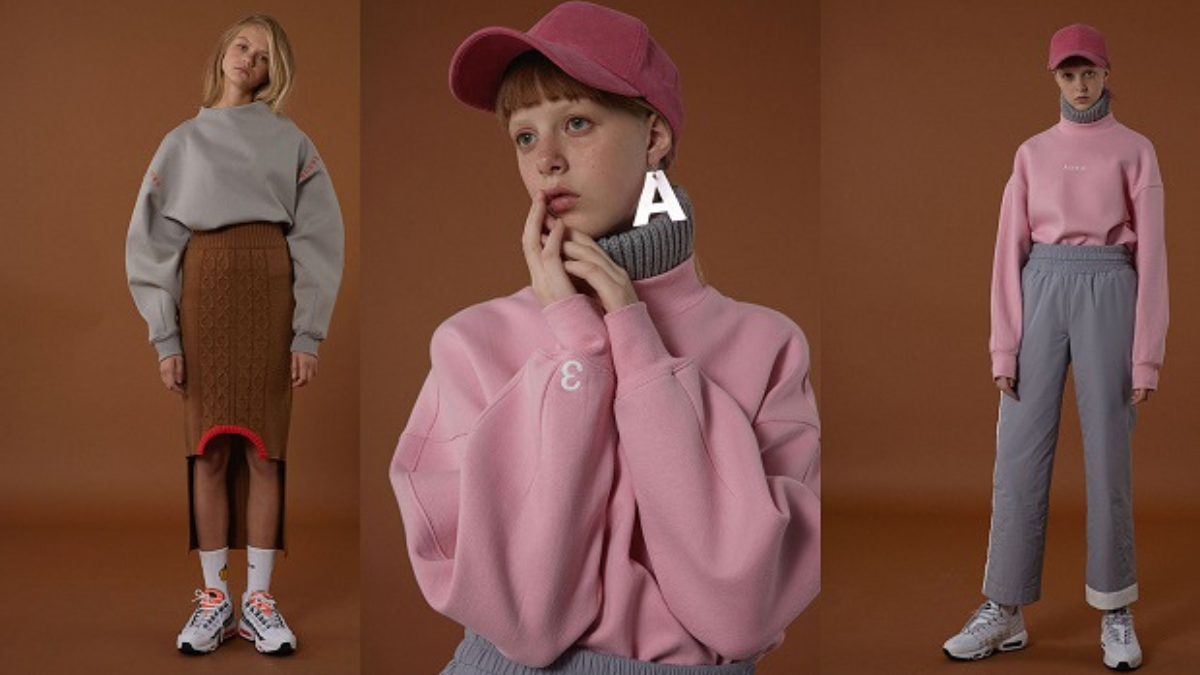
Hook:
“Not just a brand, but a creative movement, ADER error has turned everyday mistakes into the foundation of modern streetwear art.”
Brief Background:
Founded in Seoul, South Korea, in 2014, ADER error is a multidisciplinary fashion collective known for its offbeat aesthetic and slogan: “But near missed things.” The brand was created by a group of anonymous designers, artists, and thinkers who sought to challenge conventional fashion by celebrating imperfection, distortion, and nostalgia.
Their collections reimagine wardrobe staples, oversized hoodies, asymmetric denim, glitch-inspired graphics, through a lens of cultural critique and visual experimentation. Instead of following trends, ADER error builds a new language of design, where mistakes are intentional and beauty lies in imperfection.
Overview of What Readers Will Discover:
In this feature, we’ll explore:
The origins and founding story behind ADER error.
How the philosophy of “creative error” changed global streetwear.
Key collections and collaborations that defined its legacy.
The brand’s impact on culture, design, and youth identity worldwide.
And what’s next for this groundbreaking collective as it continues to blur the lines between art, fashion, and technology?
The Founder’s Story of ADER error
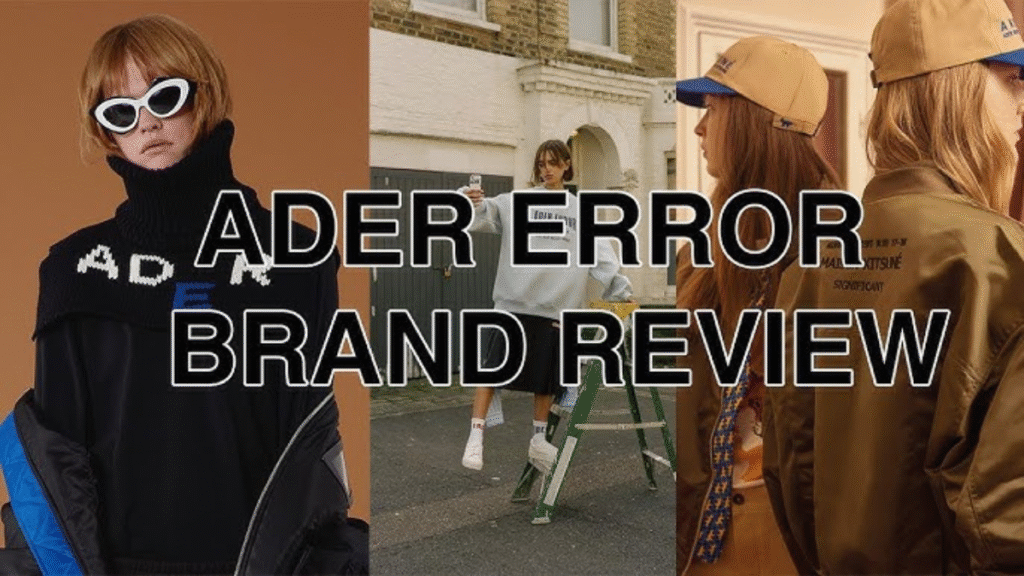
The story of ADER error begins not with a single visionary, but with a collective of anonymous creatives from Seoul who shared one mission — to redefine imperfection. Founded in 2014, the brand emerged from South Korea’s underground art, photography, and design scenes, uniting a team of young creators who refused to conform to the predictable polish of mainstream fashion. The founders, who intentionally remain unnamed — wanted the spotlight to shine on their ideas rather than their identities, a radical approach in a fashion industry often obsessed with celebrity designers.
Before forming ADER error, many of the collective’s members worked across graphic design, architecture, visual art, and styling, experiences that shaped their unique, deconstructed aesthetic. Their diverse backgrounds gave the brand its multi-layered identity — where a hoodie could feel like an art installation, and a logo could read like a cryptic message. The anonymity created intrigue and emphasized collaboration over individuality, reinforcing their belief that fashion should be about expression, not ego.
In the early years, ADER faced challenges breaking into the Western-dominated streetwear market. South Korea was known for K-pop and beauty, not avant-garde fashion. Yet, their courage to highlight “errors” — asymmetry, loose threads, imperfect stitching — stood out as a rebellion against perfectionism. Their pieces looked unfinished, yet intentional; playful, yet intellectual. This contradiction became the brand’s signature.
The founders often cited retro nostalgia and daily culture as core inspirations, finding beauty in forgotten things, from 90s camcorder graphics to outdated sportswear silhouettes. This aesthetic connected deeply with global youth who felt alienated by overly commercial fashion. ADER error gave them something real: clothes that felt human, marked by imperfection and authenticity.
While ADER error’s founders never claimed direct mentorship from figures like Virgil Abloh or Shawn Stussy, their trajectory parallels those of these icons. Like Abloh’s Off-White, ADER error blends fashion with conceptual design. Like Stussy, they built a loyal streetwear community through identity, not hype.
Through discipline, creativity, and collaboration, the ADER team built one of the most innovative collectives in global streetwear, a brand that proves you don’t need names or faces to start a revolution, only vision.
The Birth of the ADER error Brand
When ADER officially launched in Seoul, South Korea, in 2014, it didn’t resemble a typical fashion brand. There were no glossy campaigns, famous faces, or runway debuts. Instead, it began as a digital underground collective, releasing experimental visuals, distorted graphics, and small-batch garments that blurred the boundaries between art, design, and streetwear. The founders — a group of anonymous creatives, shared one profound yet straightforward idea: to find perfection in imperfection.
In its earliest days, ADER error operated much like a DIY art project. The collective hand-altered vintage pieces, re-sewed labels, and used unusual proportions to redefine how clothing should look and feel. Drops were limited, irregular, and often sold through word of mouth or small online posts, building curiosity rather than relying on mass marketing. This organic, mysterious rollout immediately captured the attention of a new generation of fashion enthusiasts — digital natives who valued meaning over branding.
What truly set ADER error apart from others at the time was its philosophical concept of “creative error.” In a fashion world obsessed with flawless presentation, ADER celebrated mistakes, crooked logos, uneven seams, misplaced prints, transforming them into elements of design. Their style merged retro nostalgia with futuristic irony, with 90s colour palettes meeting conceptual minimalism. This combination was fresh, cerebral, and distinctly Korean, a reflection of Seoul’s rising status as a global fashion capital.
The brand’s first breakthrough came with the 2016 “Blue Error” collection, which established its visual identity through oversized silhouettes, glitch-inspired graphics, and surreal lookbooks. That year, ADER error began collaborating with influential brands like Maison Kitsune and later PUMA, bringing its unconventional style to the international stage. These partnerships didn’t dilute the label’s DNA, instead, they amplified it, introducing the world to the artistry and humour that defined ADER’s universe.
By 2018, celebrities like Billie Eilish, BTS, and G-Dragon were seen wearing ADER pieces, turning the once-underground label into a global fashion phenomenon. What started as a secret creative project had evolved into a movement, one that challenged how streetwear could tell stories, not through hype but through honest imperfection.
ADER error Aesthetic & Design Philosophy
At its core, ADER error is not just a fashion label, it’s a visual philosophy. Every stitch, graphic, and silhouette reflects its obsession with redefining imperfection and storytelling through design. Where other streetwear brands chase trends, ADER constructs an entire universe of meaning, blending art, nostalgia, and the beauty of mistakes.
Signature Colors, Symbols, and Motifs
The most recognisable element of ADER error is its signature blue, a colour that represents trust, imagination, and calm amid chaos. This hue appears consistently across branding, tags, packaging, and digital campaigns,it’s become the collective’s visual fingerprint. Alongside blue, the brand uses neutral greys, whites, and faded tones, often clashing them with vibrant retro accents. Common motifs include distorted typography, pixelated logos, reversed text, and imperfect stitching, symbolising the “glitch” between old and new, analogue and digital, perfection and error.
Design Influences: Art, Architecture, and Culture
ADER error draws inspiration from everywhere, modern art movements, brutalist architecture, skate culture, and minimalist design. The founders describe their approach as “visual communication through mistakes.” They reinterpret mundane elements, office uniforms, vintage denim, suburban sportswear, and distort them into avant-garde pieces. This conceptual layering has made ADER error a favourite among creative communities that appreciate subversion over simplicity.
Materials, Silhouettes, and Construction Style
The brand’s construction style is deliberately oversized, boxy, and genderless. ADER rejects rigid gender norms in fashion, allowing its garments to exist freely between menswear and womenswear. Their collections feature premium cottons, structured knits, recycled denim, and textured wools, finished with intentionally “imperfect” details such as off-centre tags or uneven hems. This manipulation of form creates clothes that feel both familiar and futuristic, wearable yet conceptually charged.
Narrative Design: Telling Stories Through Clothes
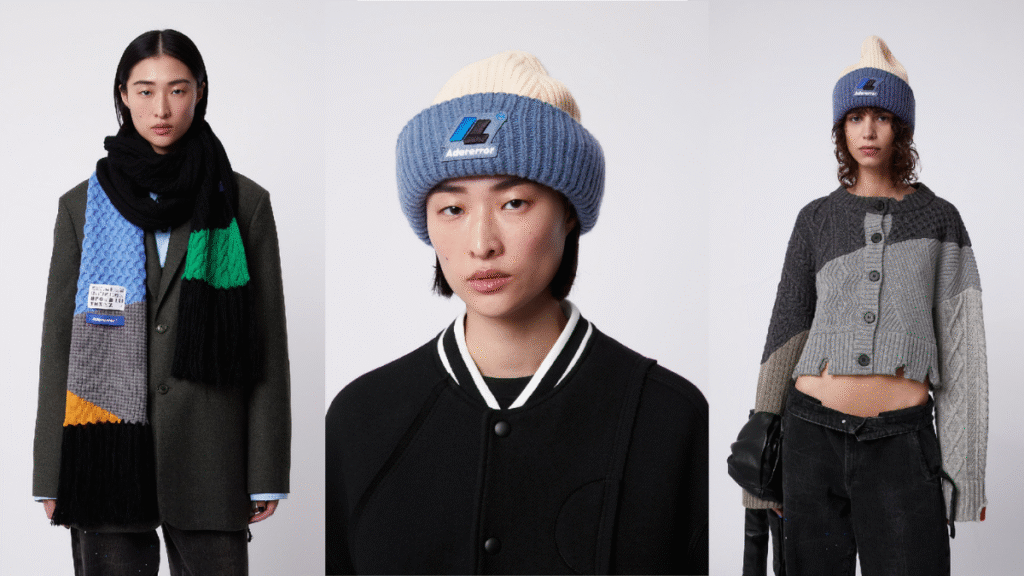
Each ADER error collection tells a story. Whether exploring themes like memory, distortion, or time, their designs evoke emotion rather than status. For example, the “But Near Missed Things” collection focuses on life’s overlooked details, while “ADER World” reimagines everyday reality through surreal digital imagery. Their campaigns often blur the line between fashion editorials and art exhibitions, merging photography, sculpture, and motion design to create a cohesive world.
Balancing Fashion, Function, and Statement
Despite its artistic core, ADER error maintains practicality. Hoodies, trousers, and coats offer comfort and durability while also serving as artistic statements. The brand’s genius lies in this balance between wearable fashion and conceptual commentary, garments that challenge perception while fitting seamlessly into modern wardrobes.
Through this fusion of art and utility, ADER error has transformed imperfection into a global design language, one that celebrates the strange, the human, and the beautifully flawed.
ADER error Key Collections & Best-Selling Pieces
Since its debut, ADER error has built a catalogue of collections that feel more like cultural chapters than seasonal releases. Each one represents an evolution of the brand’s ideology, transforming imperfection into a design narrative. From distorted streetwear basics to collaborations with global icons, ADER’s portfolio captures both its artistic spirit and streetwear relevance.
Milestone Collections
One of the brand’s earliest breakthroughs came with “Blue Error” (2016) a defining collection that established ADER’s signature palette and visual identity. It introduced deconstructed tailoring, bold blue accents, and glitchy branding that reflected the chaos of digital culture.
In AW18 “Cement”, ADER explored the theme of permanence and imperfection. The collection featured rough textures, muted greys, and concrete-inspired prints, symbolising how mistakes can form the foundation of creativity. This drop solidified the label’s reputation as an intellectual, art-driven fashion brand.
Another turning point was SS20 “ADER Space”, which blended futuristic aesthetics with nostalgic 90s sportswear influences. Oversized sweatshirts, layered shirts, and mock necks came adorned with surreal graphics, pushing the limits of wearable art.
Signature & Best-Selling Pieces
Among ADER’s most iconic pieces are its oversized hoodies and sweatshirts, known for their heavy fabrics, distorted logo placements, and unique stitching details. The “Blue Signature Hoodie”, featuring the embroidered ADER logo slightly off-centre, remains a cult favourite among fans and celebrities alike.
The PUMA x ADER error collaboration sneakers, particularly the RS-0 and RS-9.8 lines became instant sellouts thanks to their futuristic silhouettes and bold colour-blocking. These sneakers combined performance design with artistic storytelling, representing the balance between function and creativity.
Another standout is ADER’s statement outerwear, such as the “Cement Coat” and “Patchwork Denim Jacket”, both blending traditional craftsmanship with experimental shapes. Accessories like the distorted caps, logo socks, and ADER keychains also became must-have items in the streetwear scene.
Why They Became Iconic
ADER’s pieces gained recognition not just for their aesthetics, but also for their meaning. The brand’s consistent storytelling, limited availability, and minimalist packaging made each item a collectable. Celebrities such as Billie Eilish, BTS, and A$AP Rocky amplified its visibility, while fashion critics praised ADER for merging philosophy with streetwear.
Each release feels less like a trend and more like a thought experiment, proof that ADER error’s most valuable creation is not just clothing, but conversation.
ADER error Collaborations & Partnerships
Collaboration has always been at the heart of ADER error’s creative ecosystem. True to its collective spirit, the brand thrives on partnerships that challenge norms, blur disciplines, and introduce new perspectives to its audience. Rather than chasing hype, ADER approaches collaborations as cultural experiments, where two creative worlds collide to produce something unexpected.
PUMA x ADER error: Redefining Retro-Futurism
One of ADER’s most successful and long-running partnerships has been with PUMA since 2018. This collaboration perfectly captured ADER’s design philosophy—merging nostalgia with futurism. The collections reimagined classic PUMA silhouettes like the RS-0, RS-9.8, and Cell Venom, using deconstructed panels, glitch-inspired colour-blocking, and abstract typography.
Each drop featured small storytelling details — like handwritten tags or offbeat slogans — that made every pair feel like an artefact. The campaign visuals, blending 90s tech aesthetics with surreal digital art, became viral across fashion and sneaker communities. This collaboration firmly placed ADER on the global streetwear map, proving that conceptual design could also be commercially successful.
Maison Kitsune x ADER error: French Minimalism Meets Korean Quirk
In 2018, ADER teamed up with Maison Kitsune, a French label known for blending fashion and music. The “The Blue Fox Family” collection combined Kitsune’s refined Parisian minimalism with ADER’s playful imperfection. Iconic pieces like the double-branded hoodies, split-tone sweatshirts, and the reimagined fox logo highlighted both brands’ appreciation for cultural fusion. The collaboration’s balance between charm and eccentricity introduced ADER to new audiences in the European luxury market.
ZARA x ADER error: The Breakthrough to the Masses
Perhaps ADER’s most surprising collaboration came in 2021 with ZARA, as part of the “Be Generation AZ” campaign. This project was less about streetwear exclusivity and more about accessibility, translating ADER’s avant-garde ideas for a wider audience. The collection included oversized coats, denim sets, and knitwear, all maintaining ADER’s quirky design cues, such as off-centre seams and handwritten graphics.
This partnership expanded ADER’s global reach, connecting the brand with younger consumers who admired its creativity but couldn’t previously afford its premium line.
Other Creative Partnerships
Beyond fashion, ADER has collaborated with Converse, Eastpak, Casetify, and even Apple Korea on conceptual campaigns linking art, lifestyle, and technology. Each partnership stayed true to ADER’s “art-first” approach experimental visuals, philosophical messaging, and multidisciplinary design.
Expanding the Audience and Influence
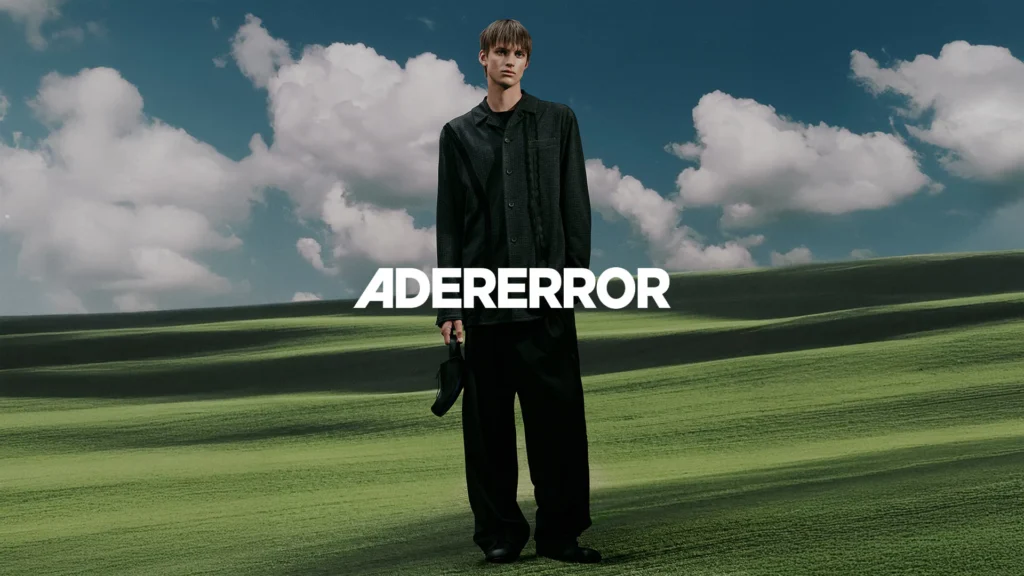
These collaborations have done more than boost visibility—they’ve redefined Korean streetwear’s role in the global luxury landscape. ADER’s partnerships opened doors to new audiences in music, digital art, and contemporary culture, proving that streetwear could exist not just as fashion but as a universal art language.
By blending avant-garde design with cross-cultural storytelling, ADER error continues to prove that collaboration, when done with purpose, can be the ultimate form of creativity.
ADER error Cultural Impact & Global Influence
In less than a decade, ADER error has evolved from an underground Seoul collective into a global cultural powerhouse, reshaping how the world perceives streetwear. Its impact reaches far beyond fashion — influencing music, visual art, and the very language of design used by today’s youth.
Influence on Youth Culture, Music, and Design
At its heart, ADER error speaks to a generation that rejects perfection. Its visual language — playful, ironic, and intentionally flawed — resonates deeply with young people navigating an overly curated digital world. By celebrating imperfection and authenticity, the brand became a mirror for youth expression, rebellion, and creative identity.
In music and design, ADER’s aesthetic has inspired album art, editorial styling, and creative direction across genres, especially within K-pop and global streetwear photography. The brand’s avant-garde campaigns helped bridge the gap between fashion and visual storytelling, influencing how brands worldwide present culture as a concept.
Celebrity Endorsements and Artistic Support
Celebrities have played a vital role in amplifying ADER’s presence. BTS, Billie Eilish, G-Dragon, A$AP Rocky, and CL have all been spotted wearing the brand’s oversized silhouettes and distorted logos. Their endorsement transformed ADER from a cult favourite into an international status symbol for creative youth.
Beyond mainstream icons, the label is embraced by designers, stylists, and digital artists who view it as an art collective rather than a fashion house—a distinction that gives ADER unique credibility within the creative industries.
The Brand’s Message: Community and Rebellion
ADER’s error message is rooted in community and rebellion. It celebrates individuality while emphasising connection—a reminder that imperfection is what binds people together. Unlike many luxury labels, ADER doesn’t promote elitism or class distinction; instead, it democratizes creativity by showing that beauty can come from the overlooked, the broken, and the “missed things.”
Position in the Luxury Streetwear Evolution
In the broader context of modern fashion, ADER stands alongside names like Off-White, Comme des Garçons, and Fear of God, yet remains distinctly its own. While Off-White uses architectural structure, CDG explores deconstruction, and ADER focuses on philosophical imperfection — blending humour, intellect, and emotion in wearable form.
By redefining what luxury streetwear can represent — not wealth, but creativity — ADER error has become a global symbol of thoughtful rebellion, proving that imperfection isn’t a flaw, but a form of freedom.
The Brand Today & Future Vision
Today, ADER error stands as one of the most forward-thinking streetwear labels in the world — a South Korean powerhouse that continues to blur the lines between fashion, art, and technology. Nearly a decade after its founding, the brand remains fiercely independent and anonymous, driven by its creative collective rather than a single figurehead. This structure allows ADER to evolve freely, adapting to cultural shifts without losing its identity.
Current Direction & Design Themes
Recent collections show a shift toward refinement and conceptual maturity. While early designs celebrated chaos and distortion, newer releases explore ideas of time, reflection, and identity. ADER’s latest lines integrate more tailored silhouettes, structured layering, and advanced materials while keeping its signature elements — playful deconstruction, imperfect seams, and futuristic nostalgia. Each piece feels like a balance between progress and memory, echoing the brand’s ongoing narrative: “the art of near-missed things.”
Sustainability & Ethical Focus
In response to the fashion industry’s growing environmental concerns, ADER error has embraced sustainable manufacturing practices, including shorter production runs, recycled and upcycled materials, and other eco-friendly practices. Their approach to sustainability isn’t just about materials — it’s about longevity through timeless design. By creating garments meant to be collected rather than discarded, ADER encourages conscious consumption within streetwear culture.
Expansion into Art, Tech, and Culture
Beyond clothing, ADER has expanded into installation art, digital collaborations, and tech-based experiences. The brand frequently partners with digital artists and creative studios to produce immersive campaigns that merge fashion with virtual storytelling. In Korea, ADER’s flagship spaces double as art galleries, where exhibitions replace traditional retail displays — reinforcing their belief that fashion is an experience, not a product.
Future Goals & Vision
Looking ahead, ADER error aims to deepen its global presence while maintaining creative independence. Official statements from the collective hint at future projects exploring AI-driven design, cross-cultural art residencies, and virtual fashion spaces.
The brand’s vision remains clear — to keep redefining how people experience imperfection, creativity, and identity in a world obsessed with perfection.
Through evolution and experimentation, ADER error is not just shaping the future of fashion — it’s inventing a new cultural language.
Conclusion
From its underground beginnings in Seoul to becoming a global symbol of avant-garde streetwear, ADER error has built an identity rooted in creativity, imperfection, and cultural reflection. What started as a small collective of artists reimagining everyday clothing has grown into a movement that challenges how we perceive fashion itself. Every collection, campaign, and collaboration carries the same message — that beauty lies in the ordinary, the flawed, and the unfinished.
What truly sets ADER error apart from other global streetwear labels like Off-White, Fear of God, and Comme des Garçons is its philosophical depth. Rather than focusing solely on hype or exclusivity, ADER weaves storytelling, design experimentation, and artful imperfection into everything it creates. Its pieces are not just fashion items — they are cultural artefacts that speak to a generation navigating digital chaos and identity shifts.
In just a few years, ADER error has transformed from a hidden Korean gem into a global voice for creativity and individuality. Its legacy continues to grow — not as a trend, but as a philosophy reminding the world that imperfection, when celebrated, becomes the most authentic form of art.
Timeline: ADER error Brand Evolution
| Year | Milestone |
|---|---|
| 2014 | ADER error is founded in Seoul by a collective of anonymous creatives. Farfetch+1 |
| 2016 | The brand begins gaining international attention for its conceptual designs and “beautiful error” philosophy. Highsnobiety |
| 2018 | Collaboration with Maison Kitsuné marks a major international capsule. Vogue |
| 2019 | Expands collaborations (e.g., PUMA) and begins wider global retail push. British GQ+1 |
| 2022 | Partnership with ZARA (“Cycle A to Z”) bridges concept streetwear and mass market. adererror.com |
| 2024 | 10-Year Anniversary: Flagship “ADER Seongsu Space” remodels to reflect future-forward identity. Hypebeast |
| 2025 | Launches Fall/Winter 25 “The Future Is Not Set” collection exploring “POST HUMAN” themes. adererror.com |
ADER error Brand Infographic Concept
Here’s a suggested infographic structure for your blog post:
- Start: 2014 – Founding in Seoul (collective, unisex, “But near missed things” motto)
- Next node: 2016 – Global recognition and signature aesthetic emerges
- 2018 – First major global collab: Maison Kitsuné capsule
- 2019-2021 – Expansion of collabs (PUMA, Eastpak, Converse) & global retail presence
- 2022 – Mass-market collaboration with ZARA (“Cycle A to Z”)
- 2024 – 10-Year anniversary flag-ship remodel
- 2025 and beyond – “The Future Is Not Set” thematic collection + tech/art expansion
Each infographic node could include: year, collection/collab name, visual thumbnail, key design theme & why it matters.
ADER error Quote Box
Here are some quotes you can use in a styled quote-box:
“We reinterpret ‘error’ as an expression of imperfection. We think there is an absolutely attractive point in there.”
ADER error design collective Metal Magazine
“Our brand is based on simplicity … we focus on mishmash styling, thinking about how we can show our design and sensibility through images.”
ADER error cofounder (anonymous) Los Angeles Times
“There are things from our childhood that, when we look at them again as adults, we find they have new value. We’re returning to the clothes we wore when we were young—but seeing them in a new way, and appreciating their design.”
ADER error interview Hypebae
Feel free to style these quotes prominently in your blog for impact.
ADER error Gallery: Iconic Photo Links
Here are some high-quality image sources you can use (remember to check rights/licensing if embedding).
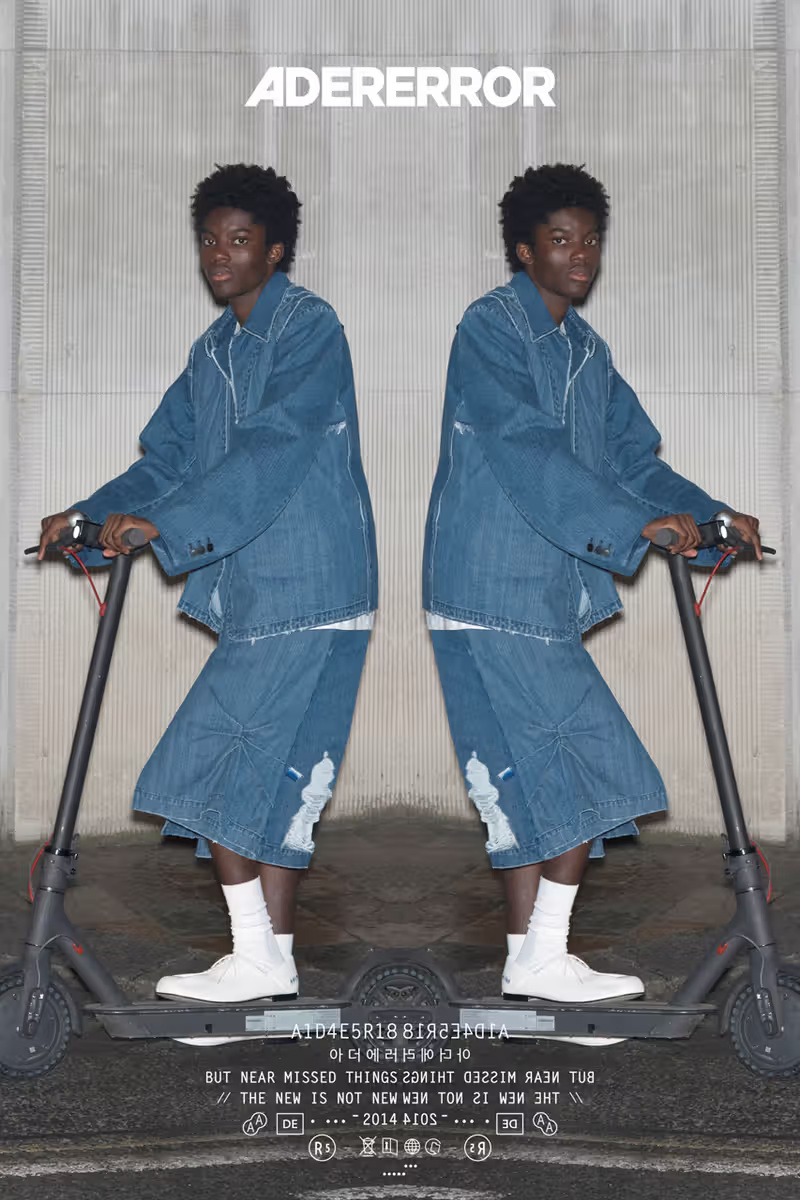
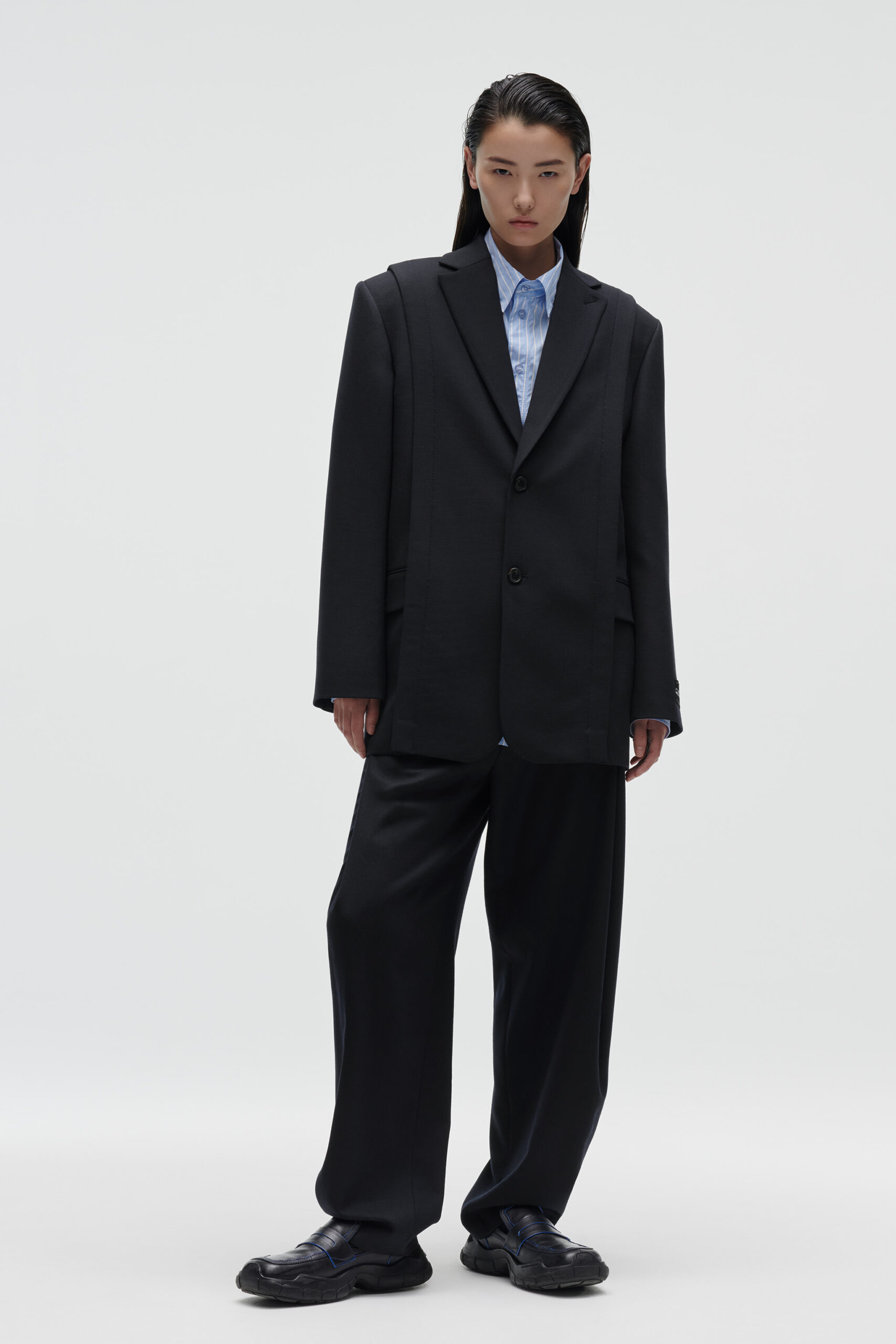
Helpful direct links:
- Spring/Summer 2018 campaign: Hypebae article.
- SS24 collection launch visuals: Hypebeast article.
- ZARA x ADER error 2022 “Cycle A to Z” campaign images. adererror.com
- ADER error x Converse / other collab visuals: official site.
- 10-Year Anniversary flagship store remodel in Seoul. Hypebeast
You can pick 4-5 of these as a carousel/gallery in your blog post.
Here are the official social links for ADER error:
- Instagram: @ader_error Instagram+1
- Threads: @ader_error Threads
- YouTube: The brand lists “ADER” as its YouTube account. ADERERROR+1
- Facebook: @adererror (as listed on the FAQ page) ADERERROR
- 15 FAQs About ADER error Streetwear Brand
- 1. What is ADER error?
- ADER error is a South Korean streetwear and lifestyle brand founded in 2014, known for its avant-garde, minimalist yet playful approach to design. It merges art, culture, and fashion into one creative movement.
- 2. Who founded ADER error?
- The brand was founded by a collective of anonymous designers in Seoul. The founders remain unnamed to emphasize creativity over celebrity.
- 3. What does “ADER error” mean?
- The name combines “Aesthetic Drawing + Error”, symbolizing beauty found in imperfection — a key philosophy of the brand.
- 4. When was ADER error launched?
- ADER error was launched in 2014 in Seoul, South Korea.
- 5. What makes ADER error different from other streetwear brands?
- Its focus on imperfection, irony, and art-inspired minimalism sets it apart. Unlike hype-driven labels, ADER builds meaning into its design stories.
- 6. What are ADER error’s signature styles?
- Oversized silhouettes, distorted logos, inside-out seams, deconstructed tailoring, and blue accents are signature ADER design codes.
- 7. Does ADER error collaborate with other brands?
- Yes. ADER has collaborated with major brands like Puma, Maison Kitsuné, Zara, Camper, Casetify, Eastpak, and Converse.
- 8. What was ADER error’s first major collaboration?
- Their 2018 partnership with Puma was a global breakthrough, combining sportswear with ADER’s futuristic art aesthetic.
- 9. Which celebrities wear ADER error?
- Global stars such as BTS, Billie Eilish, G-Dragon, CL, A$AP Rocky, and BLACKPINK’s Jennie have been seen wearing ADER error pieces.
- 10. Where can I buy ADER error clothing?
- You can shop ADER error on their official website adererror.com and luxury platforms like Farfetch, SSENSE, and END.
- 11. Does ADER error focus on sustainability?
- Yes. The brand uses recycled fabrics, limited production runs, and timeless design to promote conscious consumption.
- 12. What is the price range of ADER error products?
- Prices typically range from $100–$800 USD, depending on the item and collection.
- 13. How does ADER error fit into luxury streetwear?
- ADER bridges high fashion and street culture, similar to Off-White or Fear of God, but with a more philosophical and art-based identity.
- 14. Why does ADER error hide the identities of its founders?
- The anonymity keeps the spotlight on creativity and community, not individuals — emphasizing that the brand is a collective art form.
- 15. What’s next for ADER error?
- The brand is expanding into digital fashion, art installations, and sustainable innovation, continuing its mission to redefine imperfection in the modern world.
- For collaborations, press, or inquiries, contact us at streeticonic1@gmail.com.
-
 Lifestyle12 months ago
The Story of Acne Studios: From Underground Roots to Global Fashion Icon
-
 Sneaker12 months ago
Inside Aime Leon Dore How It Redefined Streetwear Culture
-
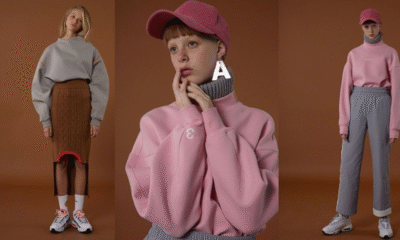
 News & Drops12 months ago
Inside ADER error: How It Redefined Streetwear Culture
-

 Lifestyle12 months ago
Inside adidas how It Redefined Streetwear Culture
-
 Brands12 months ago
The Story of A-COLD-WALL From Underground Roots to Global Fashion Icon
-
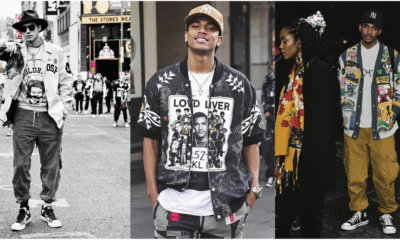
 Style Guides12 months ago
Inside Acronym How It Redefined Streetwear Culture
-
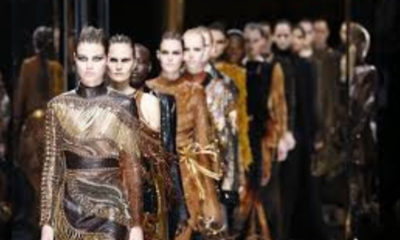
 Clothing9 months ago
Balmain Luxury Fashion Brand: History, Design Philosophy, Market Position & Global Influence
-
 Style Guides12 months ago
Action Bronson: Where Streetwear Meets Art, Culture, and Identity
Pingback: A Bronx Tale: 1960s Style, Story & 2026 Guide