Brands
Why Japanese Streetwear Brands Are Gaining Global Popularity

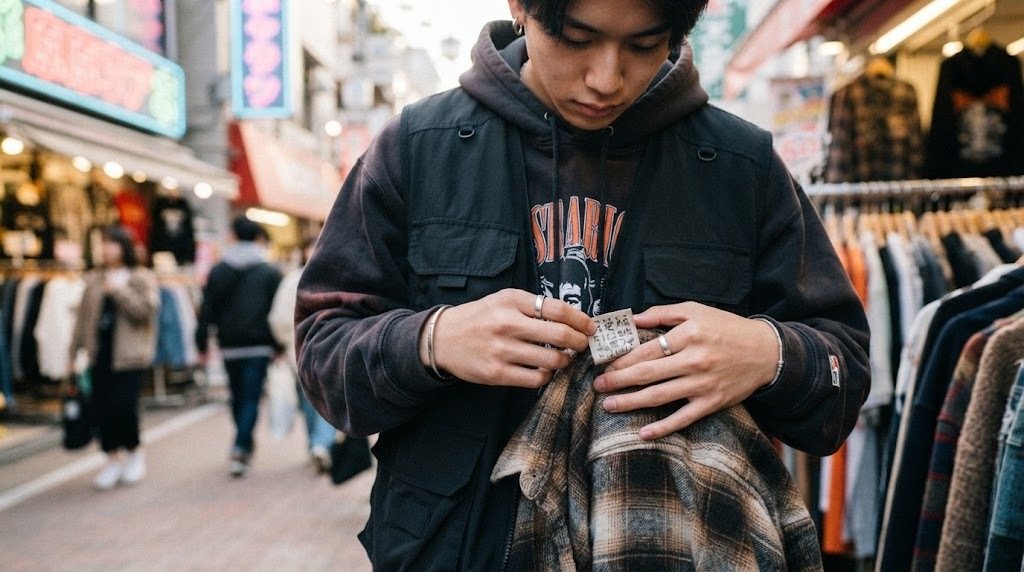
Why Japanese Streetwear Brands Are Gaining Global Popularity is no longer a niche fashion question. From Tokyo’s Ura-Hara scene to American sneaker stores and online resale platforms, Japanese labels have become a major reference point for people who want clothing with stronger design, construction, and cultural identity.
The short answer: Japanese streetwear brands are gaining global popularity because they combine exceptional craftsmanship with cultural storytelling, experimental silhouettes, historical influences, limited releases, and a willingness to reinterpret ideas rather than simply follow trends.
That combination makes Japanese streetwear particularly attractive to American consumers who have grown tired of disposable trend cycles. Instead of relying only on large logos, many Japanese labels make the garment itself the statement.
The movement also has unusually deep roots. Japan’s influence on modern fashion stretches from designers such as Rei Kawakubo, Yohji Yamamoto, and Issey Miyake to the street-focused creativity that developed around Tokyo’s Harajuku and Ura-Hara districts. The Metropolitan Museum of Art has documented how Japanese designers helped establish a distinctive global fashion language through experimentation with construction, proportion, materials, and the relationship between Eastern and Western design.

Why Japanese Streetwear Brands Are Gaining Global Popularity
The popularity of Japanese streetwear comes from several forces working together rather than from one temporary trend.
Japanese designers have historically been excellent at taking an existing idea and rebuilding it from a different perspective. American workwear, military clothing, skate culture, punk, hip-hop, vintage sportswear, and traditional Japanese textiles can all appear in Japanese fashion without looking like simple copies.
That ability to reinterpret is one of the movement’s biggest competitive advantages.
For a U.S. shopper, a Japanese garment can therefore feel familiar and completely different at the same time. A military jacket might have a recognizable silhouette but use unusual fabric, oversized proportions, carefully engineered pockets, or an unexpected construction technique.
This is a major reason Japanese streetwear has remained relevant beyond individual trends.
1. Japanese Streetwear Combines Heritage With Modern Design
One of the strongest reasons for the international popularity of Japanese streetwear is its relationship with history.
Japanese designers do not have to choose between traditional culture and contemporary fashion. They frequently use both.
Traditional influences can appear through:
- Indigo dyeing
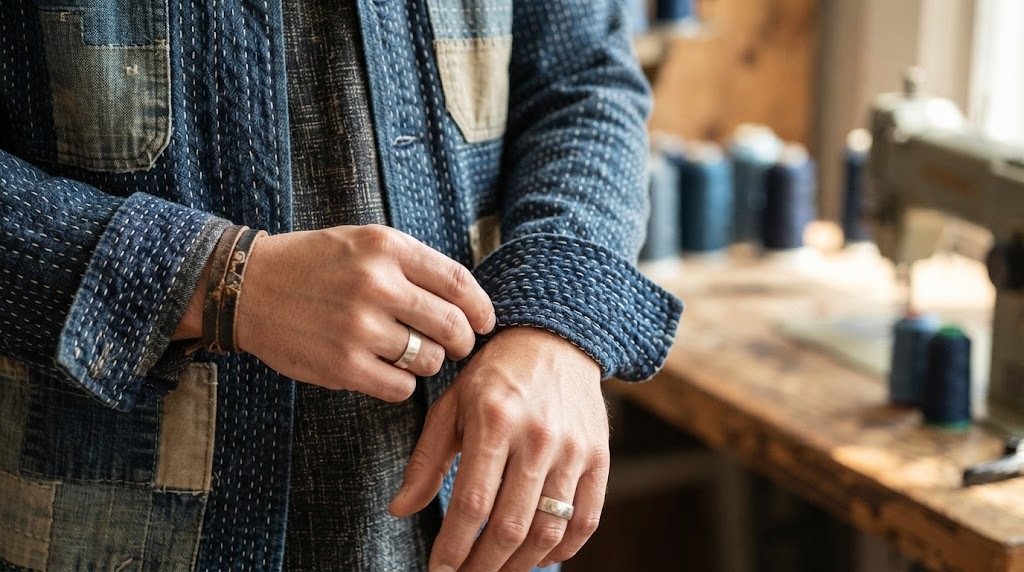
- Boro-inspired patchwork
- Kimono and haori proportions
- Japanese workwear
- Traditional textile techniques
- Military uniforms
- Artisan denim
- Wabi-sabi-inspired imperfection
- Japanese graphic and visual culture
At the same time, these references can be combined with contemporary streetwear silhouettes, sneakers, technical fabrics, and modern styling.
This creates clothing that feels culturally specific without being inaccessible.
The influence of Japanese design on global fashion is well documented. The Metropolitan Museum of Art describes the work of designers including Miyake, Kawakubo, and Yamamoto as a major contribution to the development of a Japanese aesthetic within global fashion.
From traditional inspiration to streetwear
The important distinction is that successful Japanese labels rarely copy traditional clothing literally.
Instead, they extract an idea.
A designer might take the layering of a traditional garment, the texture of an old textile, or the visual character of indigo dye and reinterpret it through a modern jacket or pair of jeans.
That process gives Japanese streetwear an identity that is difficult to reproduce simply by adding Japanese characters or graphics to a T-shirt.
2. Craftsmanship Makes Japanese Streetwear Feel Different
Quality is another major reason Japanese streetwear continues to attract international buyers.
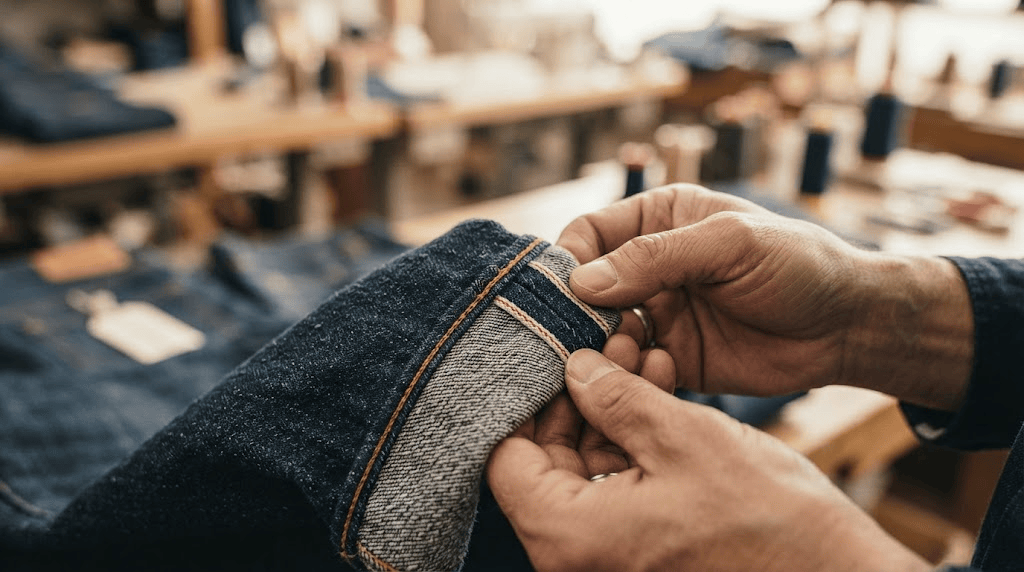
Many Japanese labels place considerable emphasis on fabric selection, construction, finishing, fit, and durability. This is particularly visible in denim, workwear, footwear, military-inspired clothing, and outerwear.
Japanese denim provides an excellent example.
Brands associated with Japanese denim culture have helped turn details such as selvedge construction, heavy fabrics, natural fading, and specialized finishing into things that consumers actively research before buying.
That changes the buying experience.
Instead of asking only, “What logo is on this hoodie?” a customer may ask:
- What fabric is being used?
- Where was it made?
- How will it age?
- How is the garment constructed?
- What makes this cut different?
- Is the design connected to a particular tradition?
That deeper relationship with clothing creates long-term interest.
Original insight: After examining how current Japanese streetwear guides describe brands, styles, and consumer behavior, one pattern stands out: the strongest Japanese labels give enthusiasts something to investigate after the first visual impression. The story behind the fabric, cut, manufacturing process, collaboration, or reference becomes part of the product itself. That helps explain why Japanese streetwear often develops collectors rather than one-time trend buyers.
3. Tokyo’s Ura-Hara Scene Created a Powerful Streetwear Culture
You cannot understand Japanese streetwear without understanding Tokyo.
Harajuku and the Ura-Hara area became important centers for youth fashion, independent retail, music, graphics, and subcultural experimentation.
The scene helped create an environment where clothing brands could operate almost like cultural movements.
A store was not simply a place to sell shirts. It could become a meeting point for designers, musicians, artists, skaters, photographers, and collectors.
This environment helped produce or develop influential names including BAPE, UNDERCOVER, NEIGHBORHOOD, WTAPS, and others.
The 1990s were particularly important because Japanese streetwear began turning Western influences into something distinctly local. Rather than treating American streetwear as a finished product, Japanese designers and retailers adapted it to their own communities.
That history still gives modern Japanese brands credibility.
Fūga Studios describes Japanese streetwear as developing through several distinct creative waves, including Ura-Hara, avant-garde fashion, workwear heritage, and technical styles.
Why Ura-Hara still matters
Ura-Hara’s importance is not simply historical.
It established a model for how fashion could combine:
limited availability + strong identity + community + cultural references + creative experimentation.
That formula has become extremely influential worldwide.
4. Japanese Streetwear Brands Do Not All Look the Same
Another reason Japanese streetwear brands are gaining global popularity is diversity.
There is no single “Japanese streetwear look.”
That is an important distinction.
One label may focus on punk and avant-garde fashion. Another may specialize in military clothing. Another may focus on vintage Americana and denim. Another may create highly technical garments. Another may build colorful graphic pieces.
For example:
- BAPE is strongly associated with graphics, camouflage, characters, and collectible streetwear.
- UNDERCOVER combines streetwear with punk, art, and avant-garde design.
- NEIGHBORHOOD draws heavily from motorcycle, military, and workwear influences.
- WTAPS is known for military-inspired utility.
- KAPITAL is recognized for distinctive denim, patchwork, and handcrafted visual language.
- visvim emphasizes materials, construction, heritage, and footwear.
- Cav Empt developed a recognizable cyber-inspired graphic aesthetic.
- Comme des Garçons pushed Japanese fashion toward conceptual and avant-garde territory.
- Needles reinterprets vintage American clothing through a Japanese design perspective.
- Human Made brings vintage references and playful graphics into contemporary streetwear.
Current guides similarly emphasize that Japanese fashion covers everything from avant-garde labels to Ura-Hara streetwear, workwear, denim, and technical clothing.
This diversity expands the audience
A person who dislikes loud logos can find something in Japanese minimalism.
A denim enthusiast can explore heritage brands.
A sneaker fan can follow collaborations.
A fan of punk can explore UNDERCOVER.
Someone interested in military clothing can explore WTAPS or NEIGHBORHOOD.
That means Japanese streetwear is not dependent on one aesthetic staying popular.
5. Collaborations Turn Japanese Labels Into Global Cultural Players
Collaborations have also played an important role.
Japanese brands frequently collaborate with global names in sneakers, sportswear, luxury fashion, music, art, and popular culture.
These partnerships introduce Japanese labels to consumers who might never have searched for them independently.
A shopper may discover a Japanese brand through a sneaker collaboration and then become interested in its main clothing collections.
This creates a powerful pathway:
collaboration → discovery → research → community → repeat interest.
It is one reason collaborations matter beyond the limited-edition product itself.
Japanese streetwear’s relationship with global fashion also goes much further back than today’s social-media drops. The Met’s research on Japanese fashion highlights how Japanese designers used collaboration and cross-cultural references to communicate their ideas to international audiences.
6. Social Media Has Made Japanese Streetwear Easier to Discover
Japanese streetwear once required significantly more effort to discover.
Fashion enthusiasts outside Japan depended on magazines, specialist stores, trips to Tokyo, forums, and word of mouth.
That barrier has largely disappeared.
Instagram, TikTok, YouTube, Pinterest, Reddit, resale platforms, and fashion publications can introduce a U.S. consumer to a Japanese label within minutes.
A Tokyo outfit can be photographed in the morning and become reference material for an American streetwear community later that day.
This is particularly important for smaller labels.
A brand no longer needs hundreds of physical stores in the United States to build international recognition. Strong product photography, storytelling, community engagement, and collaborations can create awareness across borders.
Recent market analysis also points to e-commerce and social platforms as important distribution and discovery channels for Japanese streetwear.
7. Limited Drops Create Scarcity Without Depending Entirely on Hype
Scarcity is another important part of Japanese streetwear culture.
Limited releases, small production runs, special collaborations, seasonal collections, and exclusive products can create a feeling of discovery.
But there is an important difference between scarcity and empty hype.
The strongest Japanese brands generally have a product identity behind the limited release.
A rare item is interesting because people already want the design, construction, history, or collaboration. Scarcity then increases its desirability.
This helps explain why Japanese streetwear has developed a strong collector culture.
It also connects naturally with the resale market, where older and discontinued pieces can gain a second life.
8. Japanese Streetwear Fits the Shift Toward Individual Style
Modern streetwear consumers increasingly want clothing that communicates personality.
Japanese brands are well positioned for that demand because many of them encourage experimentation with proportion, layering, texture, and silhouette.
A Japanese-inspired outfit does not necessarily require expensive designer pieces.
A person can combine:
- Wide-leg trousers
- A heavyweight T-shirt
- A cropped or oversized jacket
- Vintage sneakers
- A textured accessory
The result can feel distinctly Japanese because of the relationship between the pieces rather than because every item carries a Japanese logo.
This is one of the biggest differences between wearing Japanese streetwear and simply wearing Japanese-inspired graphics.
The former is about design language.
9. Japanese Streetwear Has Strong Appeal in the U.S.
The United States has played a major role in streetwear history, but American consumers have also become enthusiastic consumers of Japanese reinterpretations of street culture.
Why?
Because Japanese labels often take familiar American references and make them feel new.
Workwear is a good example.
Denim, military jackets, varsity-inspired pieces, chore coats, sneakers, and Americana have long been part of American clothing culture. Japanese brands can take those references, improve the construction, alter the proportions, introduce unusual fabrics, and build a new visual identity around them.
That creates a fascinating cultural loop:
America influences Japan → Japan reinterprets America → the reinterpretation returns to America.
This is not simple imitation. It is cultural exchange.
10. Japanese Streetwear Is Moving Beyond the Hype Cycle
The strongest evidence of Japanese streetwear’s staying power is its ability to remain relevant when individual trends disappear.
BAPE’s camouflage may become more or less popular.
Wide-leg trousers may replace slim fits.
Techwear may rise and fall.
Vintage Americana may cycle back into fashion.
But craftsmanship, construction, cultural references, and experimentation remain useful regardless of the current trend.
That gives Japanese streetwear a longer shelf life.
Current 2026 fashion coverage continues to feature established Japanese labels alongside newer and less familiar names, showing that international interest is not limited to a handful of legacy brands.
What Makes Japanese Streetwear Different From American Streetwear?
The two categories overlap heavily, so there is no single rule that separates them.
However, a useful way to understand the difference is to look at emphasis.
| Japanese streetwear | American streetwear |
|---|---|
| Strong focus on construction | Strong history of graphics and branding |
| Experimental proportions | Strong sneaker and logo culture |
| Heritage reinterpretation | Music and sports influence |
| Detailed fabrics and finishing | Strong community and subculture identity |
| Avant-garde experimentation | Casual, accessible silhouettes |
| Workwear and military references | Skate, hip-hop, sports, and youth culture |
These are broad tendencies, not strict definitions.
American streetwear can be highly technical and experimental, while Japanese streetwear can be extremely graphic and logo-driven.
The point is that Japan has developed its own design vocabulary from a mixture of domestic heritage and international influences.
Which Japanese Streetwear Brands Should Beginners Know?
If you are new to Japanese streetwear, do not try to learn every brand at once.
Start with a few different design categories:
For iconic streetwear: BAPE and UNDERCOVER.
For military and utility: WTAPS and NEIGHBORHOOD.
For denim and heritage: KAPITAL and other Japanese denim specialists.
For avant-garde fashion: Comme des Garçons and Yohji Yamamoto.
For experimental casualwear: Needles and Human Made.
For craftsmanship and footwear: visvim.
The goal is not to identify the “best” brand. It is to understand which design language interests you.
How Can You Start Wearing Japanese Streetwear?
You do not need a ¥100,000-plus wardrobe to begin.
Start with one strong piece.
For example:
- Choose relaxed or wide-leg trousers.
- Add a heavyweight neutral T-shirt.
- Layer a workwear, military, or bomber jacket.
- Use simple sneakers.
- Add one distinctive accessory or graphic piece.
- Keep the proportions intentional.
The key is balance.
Japanese streetwear often looks effortless because the outfit has been considered carefully. Oversized clothing works best when the silhouette is controlled rather than simply oversized everywhere.
What Is the Future of Japanese Streetwear?
The future is likely to be less about one dominant Japanese aesthetic and more about the continued expansion of different design communities.
Heritage denim, technical clothing, gender-neutral silhouettes, archival fashion, vintage-inspired pieces, graphic streetwear, and experimental construction can all exist at the same time.
That diversity is an advantage.
Instead of depending on a single trend, Japanese streetwear can continually produce new interpretations from its existing cultural foundation.
The growing international availability of Japanese fashion also means U.S. consumers can discover smaller labels without physically traveling to Tokyo.
Conclusion: Why Japanese Streetwear Brands Continue to Win Global Attention
Why Japanese Streetwear Brands Are Gaining Global Popularity comes down to a powerful combination of craftsmanship, cultural depth, experimentation, individuality, and global connectivity.
Japan did not simply copy Western streetwear. Its designers absorbed outside influences, mixed them with Japanese traditions and subcultures, and created new design languages.
From Ura-Hara pioneers to modern denim specialists, avant-garde designers, military-inspired labels, and contemporary graphic brands, Japanese streetwear offers something many fashion consumers increasingly value: a reason to care about the garment beyond the logo.
That is why its influence continues to travel.
For American streetwear fans, the most interesting part may be what comes next—not simply which Japanese brand becomes the next big name, but which overlooked label develops the next distinctive idea.
Frequently Asked Questions About Japanese Streetwear
Why are Japanese streetwear brands so popular?
Japanese streetwear brands are popular because they combine craftsmanship, distinctive silhouettes, cultural references, high-quality materials, and experimental design. Their ability to reinterpret global influences while maintaining a recognizable Japanese identity has helped them build an international following.
What makes Japanese streetwear different?
Japanese streetwear often places greater emphasis on construction, fabric, proportion, craftsmanship, heritage, and experimentation. However, Japanese streetwear is diverse and can range from colorful graphic styles to minimalist workwear and avant-garde fashion.
What are the most famous Japanese streetwear brands?
Some of the best-known names include BAPE, UNDERCOVER, NEIGHBORHOOD, WTAPS, KAPITAL, visvim, Needles, Human Made, Comme des Garçons, and Yohji Yamamoto. Each represents a different part of Japan’s broader fashion culture.
Is Japanese streetwear popular in the United States?
Yes. Japanese streetwear has a strong following in the United States through specialist retailers, collaborations, social media, sneaker culture, fashion publications, and resale communities. American consumers are particularly interested in Japanese denim, workwear, sneakers, limited releases, and influential streetwear labels.
Is Japanese streetwear expensive?
It can be, but Japanese streetwear covers a wide range of prices. Entry-level pieces, vintage items, accessories, and selected contemporary labels can be relatively accessible, while rare collaborations, archival pieces, and luxury Japanese designers can cost considerably more.
Is Japanese streetwear still popular in 2026?
Yes. Japanese streetwear remains influential in 2026 because its appeal extends beyond temporary hype. Established brands continue to attract collectors while newer labels and different subcultures introduce fresh interpretations of Japanese design.
Pingback: Best Streetwear Drops to Expect This Fall/Winter 2026
Pingback: A Cold Wall: Complete 2026 Fashion & Style Guide