
Lifestyle
Why Is Yayoi Kusama Considered One of the Most Important Contemporary Artists? Today in 2026

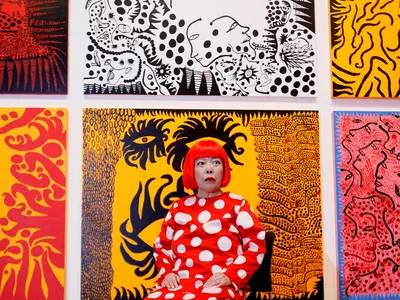
Discover why Yayoi Kusama is one of the most important contemporary artists today. Explore her life, signature style, global influence, and lasting impact on modern art.
Why Is Yayoi Kusama Considered One of the Most Important Contemporary Artists?
Why Is Yayoi Kusama Considered One of the Most Important Contemporary Artists
Art has the power to inspire, challenge, and connect people across the world. Few artists have changed modern art as much as Yayoi Kusama. Known for her colorful dots, immersive installations, and endless creativity, she has become one of the most celebrated artists of our time.
Her work attracts millions of visitors every year, and her influence reaches beyond galleries into fashion, design, and popular culture. But what makes her so important? This guide explores her remarkable career, artistic vision, and the reasons she continues to shape contemporary art today.
Who Is Yayoi Kusama?
A Life Dedicated to Art
Yayoi Kusama is a Japanese contemporary artist born in 1929 in Matsumoto, Japan. From an early age, she experienced vivid visual hallucinations that inspired her unique artistic style. Rather than hiding these experiences, she transformed them into paintings, sculptures, and immersive installations that have become famous worldwide.
Her career spans more than seven decades, making her one of the most influential living artists.
What Makes Yayoi Kusama’s Art Unique?
The Famous Polka Dots
One of Kusama’s most recognizable features is her use of polka dots. These dots appear across paintings, sculptures, rooms, and outdoor installations.
For Kusama, dots represent infinity and the connection between people, nature, and the universe. They create patterns that feel endless and invite viewers into another world.
Infinity Mirror Rooms
Perhaps her most famous creations are the Infinity Mirror Rooms. These immersive spaces use mirrors, lights, and reflections to create the illusion of endless space.
Visitors often describe the experience as peaceful, magical, and unforgettable. These installations have become some of the most photographed art experiences in the world.
Bright Colors and Repetition
Kusama often repeats shapes, pumpkins, flowers, and circles throughout her work. This repetition creates visual harmony while expressing personal emotions and psychological experiences.
Why Is Yayoi Kusama Considered One of the Most Important Contemporary Artists?
She Changed Contemporary Art
Kusama challenged traditional ideas about painting and sculpture long before many artists embraced experimental art.
She combined painting, performance, installation, fashion, and public art into one creative vision. Today, this approach has become common among contemporary artists.
She Turned Personal Struggles Into Creative Strength
One reason people admire Kusama is her honesty. She openly discusses how mental health has influenced her artwork.
Instead of allowing personal challenges to stop her creativity, she transformed them into inspiring works that connect with millions of people.
Her story encourages others to express themselves through creativity.
She Created Immersive Art Experiences
Many artists display work that people simply observe.
Kusama changed this idea by creating environments that visitors can enter and experience. Her Infinity Mirror Rooms invite people to become part of the artwork itself.
This interactive approach has influenced museums around the world.
Yayoi Kusama’s Influence on Modern Art
Inspiration for New Artists
Many young painters, installation artists, and designers study Kusama’s techniques.
Her fearless use of color and repetition has inspired artists across many creative fields.
Influence Beyond Museums
Kusama’s artwork has reached audiences outside traditional galleries.
Her collaborations with luxury fashion brands, public sculptures, books, and exhibitions have introduced contemporary art to people who may never visit a museum.
Global Popularity
Major museums across Asia, Europe, North America, and Australia regularly feature her exhibitions.
Long visitor lines and sold out tickets demonstrate her worldwide appeal.
The Meaning Behind Kusama’s Artwork
Many people think her colorful dots are simply decorative.
In reality, they represent much deeper ideas.
Infinity
Her repeating patterns symbolize endless space and the universe.
Nature
Pumpkins, flowers, and organic forms celebrate the beauty found in everyday life.
Self Expression
Her artwork reflects personal experiences while inviting viewers to explore their own emotions and imagination.
Famous Works by Yayoi Kusama
Some of her best known creations include:
Infinity Mirror Rooms
Immersive installations featuring mirrors and lights.
Pumpkin Sculptures
Large colorful pumpkins displayed in museums and outdoor spaces.
Narcissus Garden
A large installation featuring hundreds of mirrored spheres.
Obliteration Room
Visitors place colorful stickers throughout an all white room until every surface becomes vibrant.
Why Millions Visit Yayoi Kusama Exhibitions
There are many reasons people continue to attend her exhibitions.
Memorable Experiences
Visitors become part of the artwork rather than simply observing it.
Social Media Appeal
Her installations create visually stunning photographs that people love to share online.
Emotional Connection
Her work inspires curiosity, wonder, happiness, and reflection.
Lessons Artists Can Learn From Yayoi Kusama
Kusama’s journey offers valuable lessons for creators.
Stay True to Your Vision
She maintained her artistic identity despite criticism during the early years of her career.
Keep Creating
Even after decades as an artist, Kusama continues producing new work.
Embrace Original Ideas
Her unique style demonstrates the value of creativity and authenticity.
Why Her Legacy Will Continue
Yayoi Kusama has transformed the way people experience contemporary art.
Her innovative installations, recognizable visual language, and emotional storytelling have influenced generations of artists.
As museums continue introducing her work to new audiences, her legacy will remain an important part of art history for many years.
Conclusion
So, why is Yayoi Kusama considered one of the most important contemporary artists?
The answer lies in her originality, resilience, and ability to create unforgettable experiences. Through polka dots, mirrors, pumpkins, and immersive environments, she has expanded the possibilities of contemporary art.
Her influence reaches across museums, fashion, design, and popular culture, inspiring millions of people around the world. Whether you are an art enthusiast or discovering her work for the first time, Kusama’s creations remind us that imagination has no limits.
Frequently Asked Questions
1. Who is Yayoi Kusama?
Yayoi Kusama is a Japanese contemporary artist famous for her polka dots, Infinity Mirror Rooms, paintings, sculptures, and installations.
2. Why is Yayoi Kusama so famous?
She is known for her distinctive artistic style, immersive exhibitions, and major influence on contemporary art worldwide.
3. What do Kusama’s polka dots represent?
They symbolize infinity, unity, and the connection between people and the universe.
4. What are Infinity Mirror Rooms?
They are immersive installations that use mirrors and lights to create the illusion of endless space.
5. What materials does Yayoi Kusama use?
She works with paint, mirrors, lights, sculpture, fabric, metal, and mixed media.
6. Why do people love Yayoi Kusama exhibitions?
Visitors enjoy the interactive experiences, colorful environments, and emotional connection her artwork creates.
7. What is Yayoi Kusama’s artistic style?
Her style combines contemporary art, conceptual art, installation art, surreal elements, and repetitive patterns.
8. How has Yayoi Kusama influenced modern artists?
She inspired generations of artists through immersive installations, bold visual language, and innovative artistic expression.











Action Bronson is an American rapper, chef, television personality, and creative figure from Queens, New York, known for combining hip-hop, food culture, humor, art, sports references, and distinctive personal style. In 2026, his creative output continues with PLANET FROG, a 13-track album released on May 8, alongside touring and projects connected to his broader creative world.
But searching for Action Bronson today is not simply about finding a rapper’s biography. His appeal crosses several cultural spaces: New York hip-hop, culinary culture, streetwear, sneakers, television, visual art, and contemporary lifestyle.
That combination is particularly relevant to fashion readers. His wardrobe tends to favor relaxed proportions, athletic references, workwear, vintage sports pieces, graphic clothing, and statement sneakers rather than following a conventional runway-driven approach. Contemporary fashion coverage has also highlighted his New Balance collaborations and his evolving personal style.
This guide explains who Action Bronson is, how his career developed, why food became such an important part of his identity, what defines his fashion style, and what he has been doing in 2026.

Who Is Action Bronson?
Action Bronson is the professional name of Ariyan Arslani, who was born December 2, 1983, in Queens, New York. Before becoming widely known as an Action Bronson rapper, he worked in the culinary world, including at his family’s restaurant, and developed an interest in cooking and food culture.
His transition into music followed an unusual path. Cooking was initially his professional direction, while rap was more of a personal pursuit. After suffering a leg injury while working in the kitchen, he increasingly focused on music.
That background eventually became one of the defining characteristics of his public identity.
Instead of separating his interests into different careers, Bronson combined them. Food became part of his lyrics and television work, while his music incorporated references to sports, New York culture, art, luxury, and everyday experiences.
His career has therefore developed across several connected areas:
- Hip-hop and rap
- Cooking and food media
- Television
- Travel
- Fashion and sneakers
- Visual art
- Sports culture
- Independent creative projects
His official website currently connects his music with projects including PLANET FROG, the Chumbé Dinner Series, Fck That’s Delicious*, Baklava Flea Market, and Specializing in Life.
Action Bronson’s Music Career Explained
How did Action Bronson become a rapper?
Bronson’s early music career developed in New York’s independent hip-hop scene. His early releases included Bon Appetit ….. Bitch!!!!! and Dr. Lecter, followed by projects such as Well-Done, Blue Chips, Rare Chandeliers, and Blue Chips 2.
His music attracted attention partly because it sounded rooted in classic New York rap while still having a personality that was unmistakably his own.
He was also frequently compared with Ghostface Killah because of similarities in vocal delivery and cadence. However, Bronson has discussed influences including Kool G Rap, Nas, Cam’ron, Mobb Deep, UGK, and Wu-Tang Clan.
Important Action Bronson albums
For someone discovering his catalog, these projects provide a useful starting point:
- Dr. Lecter — 2011
- Well-Done — 2011, with Statik Selektah
- Mr. Wonderful — 2015
- Blue Chips 7000 — 2017
- White Bronco — 2018
- Only for Dolphins — 2020
- Cocodrillo Turbo — 2022
- Johann Sebastian Bachlava the Doctor — 2024
- PLANET FROG — 2026
His 2015 album Mr. Wonderful became a major career milestone, reaching No. 7 on the Billboard 200.
What is PLANET FROG?
PLANET FROG is Action Bronson’s latest studio album as of 2026. It was released on May 8, 2026, contains 13 tracks, and runs for roughly 32 minutes.
The album includes collaborations involving artists such as Paul Wall, Lil Yachty, Roc Marciano, and Meyhem Lauren.
The project is important for readers researching Bronson in 2026 because it demonstrates that his career is not simply a nostalgia story about his earlier mixtapes and Mr. Wonderful. He remains an active recording artist.

Why Is Food So Important to Action Bronson?
Food is one of the clearest links between Bronson’s early life, music, television career, and personal identity.
Before rap became his primary career, he worked in professional kitchens. That experience gave him genuine culinary knowledge rather than simply a celebrity interest in restaurants.
Food subsequently appeared throughout his music through references to dishes, ingredients, restaurants, chefs, and eating experiences.
Fck, That’s Delicious*
His food and travel series Fck, That’s Delicious* became one of the most recognizable extensions of his personality outside music.
The concept worked because it did not present food as a separate celebrity project. Instead, Bronson brought the same humor, enthusiasm, curiosity, and cultural references from his music into restaurants and travel.
The series helped establish him as more than an Action Bronson rapper. It introduced his personality to audiences who might not have discovered him through hip-hop alone. His television work also included The Untitled Action Bronson Show and Traveling the Stars: Action Bronson and Friends Watch Ancient Aliens.
Action Bronson’s Fashion and Personal Style
For a fashion-focused audience, Action Bronson is interesting because his style does not depend on wearing an obviously coordinated “fashion uniform.”
Instead, his outfits often combine recognizable pieces from different cultural categories.
Current fashion coverage has pointed to recurring elements such as Carhartt-style workwear, New York sports jerseys, baggy shorts, athletic footwear, and New Balance collaborations. Coverage of his 2026 style also highlighted looks involving linen shirts, colorful trousers, tailoring, vintage sportswear, and Oakley eyewear.
What defines Action Bronson’s style?
Several recurring elements help explain the look.
1. Relaxed proportions
Oversized or relaxed silhouettes appear frequently in his wardrobe. This makes his clothing feel practical rather than overly formal.
2. Sports references
New York sports culture is particularly relevant. Jerseys, athletic clothing, and basketball-inspired pieces connect his fashion to his Queens background and his frequent sports references in music.
3. Workwear
Workwear adds structure without making an outfit feel formal. Heavy shirts, practical jackets, loose trousers, and durable fabrics fit naturally into his aesthetic.
4. Statement sneakers
Sneakers are an important part of the overall look. His association with New Balance has made footwear especially relevant to his fashion identity. Contemporary fashion coverage specifically discusses his New Balance collaborations.
5. Vintage influence
Rather than looking entirely futuristic, many of his outfits draw from older sportswear, workwear, and classic American clothing.
6. Personality over uniformity
Perhaps the most useful fashion lesson is that the individual pieces do not always belong to one obvious trend category. The personality comes from how they are combined.
How to recreate the Action Bronson aesthetic
You do not need to copy a specific outfit to understand the formula.
A practical starting combination could be:
- Relaxed-fit T-shirt
- Loose shorts or trousers
- Vintage sports jersey or workwear overshirt
- Retro-inspired sneakers
- Sports sunglasses
- One distinctive accessory
The key is proportion. Pairing a relaxed top with equally relaxed bottoms creates the casual silhouette associated with his public style.
Original style insight: Rather than treating Bronson’s wardrobe as a list of brands, it is more useful to view it as a mixing system: New York sportswear + workwear + vintage references + premium sneakers + personal eccentricity. That explains why an outfit can feel distinctly “Bronson” even when the individual pieces are not exclusive designer items.

Action Bronson, New York Culture, and Creative Identity
Bronson’s Queens background is important to understanding his broader creative identity.
His music is strongly connected to New York hip-hop traditions, while his food interests connect him to the city’s restaurant culture. His lyrics also frequently reference sports, athletes, wrestling, and other elements of popular culture.
This creates a distinctive overlap:
Queens → hip-hop → food → sports → fashion → art
That connection helps explain why he fits naturally within a fashion and clothing discussion even though clothing is not his primary profession.
He is also an example of how modern musicians can build identities that extend beyond recorded music. His official ecosystem now includes music, food events, merchandise, creative projects, and touring.
Action Bronson’s 2026 Projects and Current Relevance
As of September 2026, Bronson remains active.
His official site promotes the Planet Frog Summer 2026 Tour, while his latest album remains PLANET FROG.
The current album is also available through major music platforms, including Apple Music and Spotify.
This current activity matters because older biographies can give readers the impression that his most important work ended with Mr. Wonderful or his early television years.
That is no longer an accurate picture of his career timeline.
For a new listener, a sensible discovery path is:
- Start with Mr. Wonderful for his major-label era.
- Explore Blue Chips and Blue Chips 2 for his mixtape-era identity.
- Listen to White Bronco and Only for Dolphins to follow his later evolution.
- Explore Johann Sebastian Bachlava the Doctor.
- Listen to PLANET FROG for his 2026 direction.
- Watch his food and travel content to understand the personality behind the music.
Why Action Bronson Still Matters to Fashion Culture
Action Bronson’s fashion relevance is less about being a traditional fashion model and more about cultural crossover.
He demonstrates how music personalities can influence clothing through lifestyle rather than formal fashion campaigns alone.
His visual identity combines:
- New York sports culture
- Relaxed streetwear
- Workwear
- Vintage clothing
- Sneakers
- Food culture
- Art
- Hip-hop
- Personal humor
That makes his style particularly useful for readers interested in contemporary streetwear.
His recent fashion coverage also shows that his style continues to evolve rather than remaining frozen in the look associated with his early career.
For anyone studying modern streetwear, that is the larger lesson: personal style does not always come from following one trend. It can come from consistently combining the same cultural references in unexpected ways.
Frequently Asked Questions About Action Bronson
Who is Action Bronson?
Action Bronson is the stage name of Ariyan Arslani, a Queens-born American rapper, chef, television host, and creative personality. His career combines hip-hop, food media, television, and other creative projects.
What is Action Bronson’s real name?
His real name is Ariyan Arslani. He was born on December 2, 1983, in Queens, New York City.
What is Action Bronson’s latest album in 2026?
His latest album is PLANET FROG, released May 8, 2026. It contains 13 songs and includes collaborations with artists including Paul Wall, Lil Yachty, Roc Marciano, and Meyhem Lauren.
Why is Action Bronson associated with food?
Before becoming a full-time rapper, Bronson worked in professional kitchens. His culinary background later became central to his music, television work, travel content, and public identity.
What is Action Bronson’s fashion style?
His style commonly mixes relaxed streetwear, workwear, sports jerseys, vintage influences, loose silhouettes, and statement sneakers. His New Balance collaborations have also become part of his fashion profile.
What are some good Action Bronson albums for new listeners?
New listeners can explore Mr. Wonderful, Blue Chips, Blue Chips 2, White Bronco, Only for Dolphins, Johann Sebastian Bachlava the Doctor, and PLANET FROG to see how his sound has developed over time.
Conclusion
Action Bronson’s career is difficult to place inside one category, and that is precisely what makes him interesting.
He began with a culinary background, developed a distinctive career as a rapper, expanded into food and television, and built a recognizable visual identity around New York culture, sports, workwear, sneakers, and vintage-inspired clothing.
In 2026, he remains musically active through PLANET FROG and his current touring cycle.
For fashion readers, his biggest takeaway may not be a particular brand or sneaker. It is the way he combines different influences into something personal. That approach makes Action Bronson a useful case study in how hip-hop, lifestyle, and streetwear continue to overlap.

A Bronx Tale is more than a 1993 crime drama. It is a coming-of-age story about family, loyalty, identity, race, and the competing influences surrounding a young man in the Bronx. Directed by Robert De Niro and written by Chazz Palminteri, the film also offers a remarkably detailed snapshot of 1960s New York style.
For fashion fans, the movie is particularly interesting because clothing is never completely separate from character. Sonny’s tailored wardrobe communicates status, Calogero’s changing clothes reflect his movement toward adulthood, and Lorenzo’s practical clothing reinforces his identity as a working father. The film was released in 1993, but its story moves between 1960 and 1968, making its wardrobe a visual record of two different moments in American menswear.
The film runs about two hours and stars Robert De Niro, Chazz Palminteri, Lillo Brancato, Francis Capra, Taral Hicks, and Kathrine Narducci. It was De Niro’s directorial debut and was adapted from Palminteri’s one-man play.
In simple terms, A Bronx Tale is a story about a young man deciding which values will shape his life, while its clothing provides an authentic visual window into Bronx street style and early 1960s menswear.

What Is A Bronx Tale About?
At its center, A Bronx Tale follows Calogero Anello, an Italian-American boy growing up in Belmont, the Bronx.
As a child, Calogero witnesses local mob boss Sonny LoSpecchio shoot a man. Calogero refuses to identify Sonny to police, and that decision creates a relationship between the boy and the neighborhood gangster.
Calogero consequently grows up with two very different male influences.
His father, Lorenzo, is a hardworking bus driver who wants his son to build a respectable life. Sonny represents a completely different world built around power, reputation, money, and street loyalty. The tension between these two influences drives much of the story.
The story later jumps forward eight years. Calogero is now 17 and becomes involved in racial tensions surrounding his neighborhood while developing a relationship with Jane, an African-American classmate.
This makes the film more complicated than a straightforward Bronx crime drama. It combines:
- Coming-of-age themes
- Italian-American family life
- Organized crime
- Father-son relationships
- Racial tension
- First love
- Personal responsibility
- Working-class Bronx culture
The film ultimately asks a straightforward question: Who should Calogero become?
A Bronx Tale Characters You Should Know
Calogero Anello
Calogero, nicknamed “C,” is the central character.
Francis Capra plays the younger Calogero, while Lillo Brancato portrays him as a teenager. His character is particularly important from a fashion perspective because his appearance changes as he grows older and becomes increasingly influenced by the neighborhood.
His clothes move between ordinary teenage American style and the sharper appearance associated with Sonny’s world.
Sonny LoSpecchio
Chazz Palminteri plays Sonny, the neighborhood mob boss.
Sonny is one of the film’s most memorable characters because his personality combines charisma, authority, generosity, and violence. His clothing follows the same contradiction.
His tailored jackets, open-neck shirts, dark trousers, jewelry, and polished shoes create a sophisticated version of gangster style rather than an exaggerated costume. Fashion analysis of the film identifies Sonny’s gray silk jacket, point-collar shirt, dark trousers, watch, and pinky ring as key components of his look.
Lorenzo Anello
Robert De Niro plays Lorenzo, Calogero’s father.
Lorenzo represents ordinary working life. His wardrobe is correspondingly practical: bus-driver clothing, trousers, plain shirts, and understated jackets.
That contrast matters. Sonny dresses like a man who wants people to notice his authority. Lorenzo dresses like someone whose identity comes from his work and family.
Jane Williams
Taral Hicks plays Jane, Calogero’s African-American classmate and romantic interest.
Jane’s role introduces another important dimension to the story: the racial divisions affecting the Bronx during the period.
Rosina Anello
Kathrine Narducci plays Rosina, Calogero’s mother. She helps establish the family environment surrounding Calogero and Lorenzo.
Carmine
Joe Pesci appears as Carmine, a character whose brief presence becomes significant near the end of the film.
Rotten Tomatoes also lists De Niro, Palminteri, Brancato, Capra, Hicks, and Narducci among the principal cast.

How Does A Bronx Tale Capture 1960s Fashion?
This is where A Bronx Tale becomes especially relevant to fashion readers.
The film’s wardrobe is not simply “old-fashioned.” It shows how different groups and personalities could wear similar period clothing while communicating completely different identities.
A contemporary style analysis describes the film’s overall aesthetic as a form of “mob-core,” highlighting camp-collar shirts, white tanks, straight-cut work pants, varsity pieces, fitted caps, and classic footwear.
Sonny’s Mob-Inspired Tailoring
Sonny’s wardrobe is probably the easiest look to recognize.
Key elements include:
- Slim or narrow-lapel sport jackets
- Open-neck shirts
- Dark trousers
- Polished leather shoes
- Watches
- Rings
- Short-sleeved collared shirts
- Controlled, neutral colors
One particularly detailed analysis identifies Sonny wearing a gray silk sport jacket with narrow notch lapels, an ice-blue striped voile shirt, black trousers, black oxford shoes, a pinky ring, and a Movado watch.
The important lesson is proportion.
Sonny’s clothes are relatively clean and fitted rather than oversized. That makes the silhouette feel closer to early 1960s tailoring than contemporary streetwear.
Calogero’s Youthful Bronx Style
Young Calogero has a more relaxed wardrobe.
His looks include:
- White undershirts
- Open-collar shirts
- Straight-cut pants
- Sneakers
- Baseball caps
- Varsity-inspired outerwear
One especially recognizable combination is his Yankees cap and varsity-style jacket.
For modern streetwear enthusiasts, this is useful because many current outfits borrow from exactly these basic building blocks.
A fitted cap, simple white tee, straight trousers, and a casual jacket can create a vintage-inspired outfit without looking like a costume.
Lorenzo’s Working-Class Style
Lorenzo’s clothing is deliberately less glamorous.
As a bus driver and father, he frequently appears in practical work clothing. His wardrobe reinforces his position as the stable adult in Calogero’s life. Style analysis of the movie notes his bus-driver uniform and simple combinations of slacks and white T-shirts, along with a more dressed-up jacket and knit polo for certain scenes.
This is an important distinction: the film uses clothing to separate values as much as social positions.
Sonny’s clothes suggest influence.
Lorenzo’s clothes suggest responsibility.
Calogero’s clothes suggest transition.
Why the Fashion in A Bronx Tale Still Works Today
The appeal of the film’s clothing is surprisingly easy to understand in 2026.
Modern streetwear frequently borrows from previous decades. Instead of copying an entire historical outfit, designers and consumers often take one or two recognizable elements and combine them with contemporary pieces.
A A Bronx Tale inspired outfit could therefore use:
- A fitted baseball cap
- A plain white T-shirt
- Straight-leg trousers
- A vintage-inspired sport jacket
- Simple leather shoes or retro sneakers
- Minimal jewelry
The goal is not to recreate Sonny or Calogero exactly.
It is to understand the visual language.
This approach is particularly useful for anyone interested in vintage menswear, retro streetwear, Americana, or cinematic fashion.
A Useful Modern Example
Imagine taking Calogero’s basic silhouette and updating it for 2026:
Original inspiration: fitted cap + simple shirt + straight trousers + casual jacket.
Modern version: fitted Yankees-style cap + heavyweight white tee + relaxed straight denim + cropped work jacket + retro sneakers.
The historical reference remains visible without turning the outfit into a movie costume.
That is one reason the movie continues to provide useful inspiration for streetwear discussions.
The Real Story Behind A Bronx Tale
The film began as Chazz Palminteri’s one-man stage show.
Palminteri originally performed the show in 1989, portraying 18 characters himself. Robert De Niro saw the performance in 1990 and eventually helped bring the story to the screen. Palminteri wrote the screenplay and played Sonny in the film.
The movie premiered at the Toronto International Film Festival on September 14, 1993, before its U.S. theatrical release on September 29, 1993. It was made on a reported $10 million budget and grossed about $17.3 million domestically.
Its critical reputation was stronger than its initial box-office performance. Rotten Tomatoes currently lists a 97% critics score based on 36 reviews, while the film is categorized as crime and drama.
The story’s real-life roots are also significant. Palminteri has explained that elements were drawn from his childhood, including the shooting witnessed by the young protagonist and details surrounding his father.
A Bronx Tale and the Broadway Musical
The story did not stop with the film.
A Bronx Tale: The Musical reached Broadway in 2016. The production featured a book by Chazz Palminteri, music by Alan Menken, lyrics by Glenn Slater, choreography by Sergio Trujillo, and direction by Robert De Niro and Jerry Zaks.
The Broadway production opened at the Longacre Theatre on December 1, 2016, and closed on August 5, 2018, after 700 performances.
The musical also provides an interesting fashion perspective.
Costume designer William Ivey Long worked closely with the production team to recreate the period accurately. In discussing the Broadway design process, he described working on the shirts and hats and even incorporating a specific late-1960s collar based on Robert De Niro’s input.
That attention to clothing demonstrates how central fashion is to communicating the world of the story.
A Bronx Tale’s 4K Restoration and Lasting Legacy
For the film’s 30th anniversary in 2023, Tribeca Productions and Giant Pictures created a new 4K restoration.
The restoration involved scanning and restoring the original film and audio, with the resulting version presented in Ultra High Definition, Dolby Vision, and Dolby TrueHD 5.1 surround sound. Robert De Niro personally oversaw the digital coloring process.
The restoration matters for modern viewers because a film so dependent on period atmosphere benefits from improved image quality.
Clothing details become easier to appreciate.
The textures of jackets, collars, shirts, trousers, and accessories contribute heavily to the film’s sense of time and place.
The University of Texas at Austin’s Harry Ransom Center also holds an extensive Robert De Niro collection. Its records state that approximately 1,000 items connected to A Bronx Tale are documented, including more than 200 items worn by De Niro as Lorenzo and materials connected to other actors.
That is an unusually valuable resource for anyone interested in the relationship between film and costume.

Where Does A Bronx Tale Fit in Streetwear History?
Although A Bronx Tale is not a streetwear documentary, its wardrobe connects several style traditions that remain relevant.
The movie brings together:
- Italian-American menswear
- New York working-class clothing
- Early 1960s tailoring
- Baseball culture
- Youth street style
- Gangster-inspired fashion
- Late-1960s casual clothing
This combination makes it useful to study from a fashion perspective.
The film also shows an important principle of streetwear: clothing can communicate belonging before a person says anything.
A jacket, hat, collar, trouser cut, or shoe can tell the viewer whether someone is a teenager, worker, neighborhood leader, or outsider.
That idea remains central to modern streetwear.
For more articles about the history, culture, and evolution of street fashion, visit StreetIconic.com
Is A Bronx Tale Worth Understanding in 2026?
For someone searching for A Bronx Tale, there are several reasons to revisit it.
It provides:
- A historically grounded coming-of-age story
- A look at 1960s Bronx life
- A major Robert De Niro directorial milestone
- Chazz Palminteri’s breakthrough screen role as Sonny
- A strong example of character-driven costume design
- A window into Italian-American and African-American neighborhood tensions
- A connection between stage, film, and Broadway
- A useful reference point for vintage menswear and streetwear
It is also worth remembering that the film depicts racial conflict, organized crime, violence, and offensive language. Viewers should understand the historical and dramatic context rather than treating every character’s behavior as an endorsement of those ideas.
The combination of story, setting, acting, and wardrobe is what makes the film particularly useful for fashion and culture readers.
Final Thoughts on A Bronx Tale
A Bronx Tale remains a distinctive piece of American film because it combines a personal coming-of-age story with the social atmosphere of the Bronx in the 1960s.
From Sonny’s sharp tailoring to Calogero’s youthful streetwear and Lorenzo’s practical working clothes, fashion helps establish who these characters are before the dialogue explains them.
For modern fashion fans, the biggest lesson is not to copy an entire movie wardrobe. Instead, study the proportions, fabrics, silhouettes, and accessories that made the period distinctive, then reinterpret those elements with contemporary clothing.
That is exactly where a classic film can become useful to a modern streetwear audience.
FAQ Section
What is A Bronx Tale about?
A Bronx Tale is a 1993 coming-of-age crime drama about Calogero, a young boy growing up in the Bronx who becomes influenced by neighborhood mobster Sonny while his father Lorenzo encourages him to follow an honest path.
Who directed A Bronx Tale?
Robert De Niro directed A Bronx Tale in his feature directorial debut. He also played Lorenzo, Calogero’s father. Chazz Palminteri wrote the screenplay and played Sonny.
What year is A Bronx Tale set in?
The story primarily takes place in 1960 and 1968, following Calogero from childhood into his teenage years.
What makes A Bronx Tale fashion interesting?
The film provides a detailed look at 1960s Bronx clothing, including tailored sport jackets, open-collar shirts, baseball caps, varsity-inspired pieces, white T-shirts, straight trousers, and polished shoes. These styles remain influential in vintage menswear and modern streetwear.
Is A Bronx Tale based on a true story?
The film is not a literal biography, but Chazz Palminteri based the original one-man play on experiences and people from his childhood, including important elements of the story’s central shooting incident.
Is there an A Bronx Tale musical?
Yes. A Broadway musical adaptation opened at the Longacre Theatre in 2016. It featured a book by Chazz Palminteri, music by Alan Menken, lyrics by Glenn Slater, and direction by Robert De Niro and Jerry Zaks.

Anime fans have plenty of trading card games to choose from today. Yet Weiss Schwarz continues to stand out because it brings together popular anime series, strategic gameplay, collectible cards, and a strong community.
For fans who enjoy both anime and card games, Weiss Schwarz offers something special. Instead of focusing on just one fictional universe, the game brings characters and stories from many well known anime, manga, games, and other entertainment series into one card game.
So, what makes Weiss Schwarz so popular in 2026? Let’s look at the features that continue to attract collectors, competitive players, and anime fans.
What Is Weiss Schwarz?

Weiss Schwarz is an anime focused trading card game created in Japan. The game features cards based on numerous popular entertainment franchises.
Players build decks around characters, events, and other cards from their favorite series. Each deck can offer a different style of play, which gives players plenty of room to experiment.
One of the biggest attractions is the connection between the cards and the original franchises. Fans can collect cards featuring characters they already know and love while also learning the strategic side of the game.
Why Is Weiss Schwarz So Popular?

There are several reasons Weiss Schwarz has developed such a dedicated following.
1. Popular Anime Franchises
The biggest advantage of Weiss Schwarz is its impressive selection of anime and entertainment franchises.
Fans can discover cards connected to different series and build collections around characters they already enjoy. This creates a natural connection between watching anime and collecting trading cards.
For many players, opening a booster pack is exciting because there is always a chance of finding a favorite character or a special card.
2. Collecting Is a Major Part of the Experience
Weiss Schwarz is not only about competitive gameplay. Collecting is another important reason people enjoy the game.
Cards can have different levels of rarity, artwork, and special treatments. Some collectors focus on completing sets, while others search for particular characters or visually impressive cards.
This makes Weiss Schwarz appealing even to people who are more interested in anime collectibles than competitive card games.
3. Strategic Gameplay
While the artwork attracts many new players, the gameplay keeps people involved.
Players need to think about how they build their decks, when they play certain cards, and how they manage their resources during a match.
Good decision making can make a major difference. Players must consider both their own strategy and what their opponent might do next.
This combination of simple entry points and deeper strategy makes the game enjoyable for casual players and experienced competitors.
Weiss Schwarz Cards Have Strong Visual Appeal
Trading card games are often judged by gameplay, but artwork also plays an important role in collecting.
Weiss Schwarz cards feature characters and scenes from the franchises they represent. The artwork can make individual cards feel like small pieces of anime memorabilia.
Special cards can be particularly attractive to collectors. Depending on the product and franchise, collectors may look for rare versions, special artwork, signed cards, or other premium treatments.
For anime fans, this visual appeal can make opening packs and organizing a collection especially enjoyable.
Weiss Schwarz Offers Variety
Another reason Weiss Schwarz remains popular is the variety available to players.
Instead of being limited to a single fictional universe, the game covers many different franchises. This gives players an opportunity to explore new series while enjoying the card game.
A player might discover Weiss Schwarz because of one anime and eventually become interested in other sets.
This variety also helps keep the game fresh. New releases can introduce new characters, mechanics, and artwork for collectors and players to explore.
Building a Weiss Schwarz Deck
Building a Weiss Schwarz deck can be one of the most enjoyable parts of the game.
New players can begin with a ready made deck to understand the basic rules. As they gain experience, they can experiment with different cards and strategies.
Experienced players may spend more time testing combinations and adjusting their decks for different opponents.
When building a deck, players should think about the cards they enjoy as well as how those cards work together. A deck that looks great but lacks a clear strategy may struggle during competitive games.
The best approach is to find a balance between personal preferences and effective gameplay.
Weiss Schwarz Booster Packs and Sets
Booster packs are popular among both players and collectors.
Opening a pack provides an element of surprise because players do not know exactly which cards they will receive. This makes collecting new sets exciting.
Players may purchase booster packs to expand an existing deck, while collectors may open them in search of rare or desirable cards.
New sets also provide an opportunity for fans of different anime franchises to enter the Weiss Schwarz community.
Why Anime Fans Enjoy Weiss Schwarz
The connection between anime and card collecting is one of Weiss Schwarz’s strongest qualities.
Traditional trading card games may attract players primarily because of competition. Weiss Schwarz adds another layer by allowing fans to interact with characters and series they already enjoy.
A favorite character can become part of a player’s deck. A memorable scene can appear on a collectible card. A new anime can introduce someone to an entirely new card set.
This makes the game feel personal.
Is Weiss Schwarz Good for New Players?
Yes. Weiss Schwarz can be a good choice for someone who is new to anime trading card games.
The number of available cards may seem overwhelming at first, but beginners can start with a ready made deck and learn the basic rules gradually.
New players should focus on understanding the core mechanics rather than trying to build the perfect deck immediately.
Playing with friends, watching gameplay, and practicing regularly can also make learning much easier.
Weiss Schwarz as a Collectible Hobby
For collectors, Weiss Schwarz offers more than a traditional card game.
The combination of anime artwork, franchise popularity, card rarity, and set releases gives collectors many different ways to enjoy the hobby.
Some people collect complete sets. Others focus on a single franchise or character. Some collectors simply look for cards with artwork they love.
There is no single correct way to collect Weiss Schwarz.
The Community Behind Weiss Schwarz
A strong community can make a trading card game much more enjoyable.
Weiss Schwarz has players and collectors who discuss decks, new releases, card values, gameplay strategies, and collecting tips.
Local events can also give players opportunities to meet other fans and play in person.
Online communities provide another way to share collections, discuss strategies, and learn more about the game.
This community element helps turn Weiss Schwarz from a card game into a long term hobby.
What Makes Weiss Schwarz Different From Other Anime Card Games?
Weiss Schwarz stands out because it combines several experiences in one product.
It is an anime collectible hobby, a strategic card game, and a way for fans to celebrate their favorite franchises.
The broad range of licensed series is especially important. Players are not limited to one story or universe.
The game also gives collectors a reason to continue exploring new releases while giving competitive players opportunities to improve their skills.
Tips for New Weiss Schwarz Players
If you are thinking about starting Weiss Schwarz, here are a few simple tips:
Start With a Ready Made Deck
A ready made deck can help you learn the basic rules without spending too much time choosing individual cards.
Choose a Franchise You Enjoy
Starting with an anime you already like can make learning the game more enjoyable.
Learn the Basic Rules First
Do not worry about advanced strategies immediately. Understand the basic flow of a game before trying complicated combinations.
Explore Different Cards
As you become more comfortable, explore booster packs and individual cards to see what works with your preferred strategy.
Play With Other Fans
Playing against other people is one of the fastest ways to improve your understanding of the game.
Frequently Asked Questions About Weiss Schwarz
What is Weiss Schwarz?
Weiss Schwarz is an anime focused trading card game featuring characters and themes from numerous popular entertainment franchises.
Is Weiss Schwarz difficult to learn?
The game has strategic depth, but beginners can start with a ready made deck and learn the basic rules gradually.
Why do people collect Weiss Schwarz cards?
People collect Weiss Schwarz cards because of the anime artwork, favorite characters, card rarity, special versions, and the enjoyment of completing collections.
Are Weiss Schwarz cards good for anime fans?
Yes. The game is particularly appealing to anime fans because many cards feature characters and artwork from popular series.
Can Weiss Schwarz be played competitively?
Yes. Players can build strategic decks and participate in organized events and competitive games.
What are Weiss Schwarz booster packs?
Booster packs contain a selection of cards from a particular release. Collectors and players often open them to expand their collections or find desirable cards.
How should a beginner start collecting Weiss Schwarz?
A beginner can start by choosing a favorite franchise, purchasing a ready made deck or a small number of booster packs, and learning the game before expanding the collection.
Is Weiss Schwarz still popular in 2026?
Yes. Its combination of anime franchises, collectible artwork, strategic gameplay, and community activity continues to make Weiss Schwarz an appealing choice for anime trading card fans.
Final Thoughts
Weiss Schwarz has remained popular because it successfully combines the things anime fans and trading card players enjoy most.
The recognizable franchises attract new fans, while strategic gameplay gives experienced players a reason to keep playing. Collectible artwork adds another layer for people who enjoy building and displaying card collections.
In 2026, the appeal of Weiss Schwarz is still easy to understand. It gives fans a way to enjoy their favorite characters while participating in a strategic and collectible hobby.
Whether you are interested in Weiss Schwarz cards, anime collectibles, deck building, or competitive gameplay, the game offers plenty of opportunities to explore.
-

 Lifestyle12 months ago
The Story of Acne Studios: From Underground Roots to Global Fashion Icon
-

 Sneaker12 months ago
Inside Aime Leon Dore How It Redefined Streetwear Culture
-

 News & Drops12 months ago
Inside ADER error: How It Redefined Streetwear Culture
-

 Lifestyle12 months ago
Inside adidas how It Redefined Streetwear Culture
-

 Brands12 months ago
The Story of A-COLD-WALL From Underground Roots to Global Fashion Icon
-
 Style Guides12 months ago
Inside Acronym How It Redefined Streetwear Culture
-

 Style Guides12 months ago
Action Bronson: Where Streetwear Meets Art, Culture, and Identity
-
 Clothing9 months ago
Balmain Luxury Fashion Brand: History, Design Philosophy, Market Position & Global Influence