
Brands
Merrell: Brand History, Outdoor Technology & Modern Style

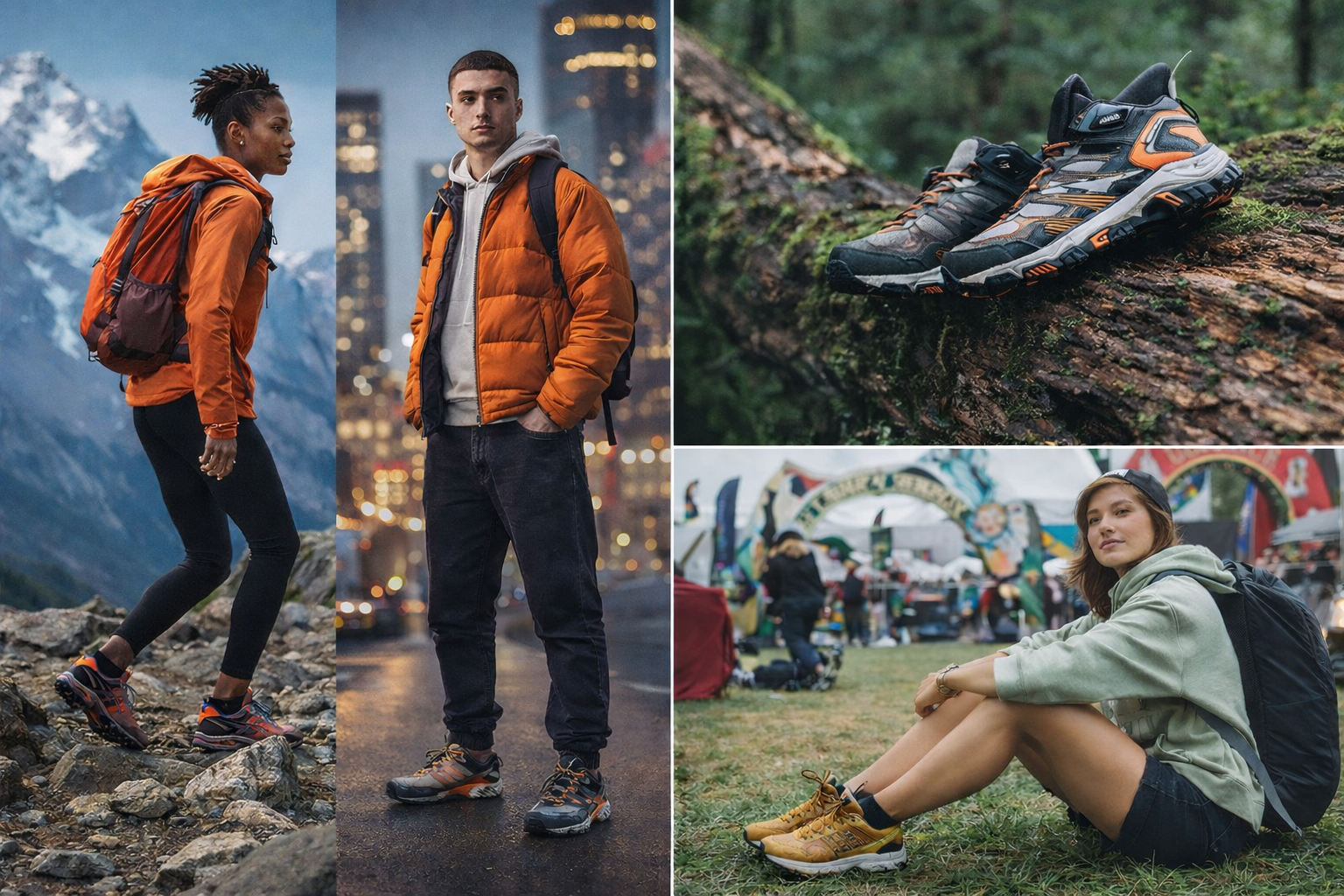

Merrell is more than a footwear brand; it is a legacy of outdoor innovation and performance, blending rugged durability with comfort and technical precision. Founded in 1981 in the United States by Randy Merrell, an expert bootmaker, and two business partners, Clark Matis and John Schweizer, the brand was created to deliver premium hiking boots that could withstand extreme terrains. Merrell started as a small operation producing handcrafted hiking boots for outdoor enthusiasts who demanded both protection and flexibility. The company’s foundation was built on the philosophy that outdoor footwear must adapt to human movement, terrain, and climate while minimizing fatigue. From the Appalachian trails to rocky mountain ranges, Merrell’s boots quickly became a symbol of trust among hikers, mountaineers, and outdoor adventurers.
Founding History and Early Vision
Randy Merrell, trained in traditional bootmaking, recognized a gap in the market for boots that were simultaneously tough, ergonomic, and lightweight. In 1981, he partnered with Clark Matis, a marketing and business expert, and John Schweizer, a skilled craftsman, to launch Merrell Footwear in Michigan. Their first major creation, the Merrell Wilderness boot, a high performance hiking boot, combined leather craftsmanship with advanced tread design for optimal grip and comfort. The initial sales relied on outdoor retailers, word-of-mouth, and active participation in hiking and outdoor expos. Merrell emphasized customer feedback, testing prototypes in real outdoor conditions to refine materials, fit, and sole design. The Merrell Jungle Moc (a slip-on casual shoe) was a highly successful product introduced in 1998, long after the company’s founding. The brand philosophy quickly became clear: performance-driven innovation rooted in user experience and outdoor authenticity.
Expansion into Outdoor and Adventure Footwear
By the mid-1980s, Merrell expanded its offerings beyond hiking boots to include trail shoes, backpacking boots, and casual outdoor footwear. The introduction of Merrell Vibram soles revolutionized traction and durability, making long-distance hikes more manageable and reducing foot fatigue. Merrell’s research into ergonomics led to cushioned midsoles, breathable linings, and waterproofing technologies that catered to extreme outdoor conditions. The brand became a go-to choice for serious hikers, park rangers, and adventure travelers
Innovation in Materials and Technology
Merrell quickly distinguished itself by integrating cutting-edge materials into its footwear, using lightweight leathers, durable nylon, and early versions of Gore-Tex linings to ensure waterproofing and breathability. The brand pioneered midsole cushioning systems that reduced impact on uneven terrain, helping hikers maintain endurance on long treks. Merrell’s Vibram outsoles were specifically engineered for maximum grip on wet, rocky, and loose surfaces, setting new industry standards for outdoor traction. The company also introduced anti-microbial linings and moisture-wicking materials, enhancing comfort and reducing fatigue during prolonged use. Every innovation reflected Merrell’s philosophy: combining scientific insight with real-world testing to create products that truly meet the demands of outdoor life.
Merrell in the 1990s Global Expansion
By the 1990s, Merrell had evolved from a niche American bootmaker into a global outdoor brand, entering markets in Europe, Canada, and Asia. The Jungle Moc, introduced in 1998, became an iconic product, blending hiking performance with casual streetwear appeal, and appealed to urban consumers as well as adventurers. Merrell invested in R&D facilities to test footwear under extreme conditions, including temperature variations, mud, water, and rugged terrain. Marketing strategies began emphasizing lifestyle storytelling, highlighting both outdoor adventure and recreational hiking as part of a balanced, active life. By partnering with outdoor organizations and sponsoring trail-running events, Merrell strengthened its credibility as a brand deeply connected to exploration and environmental engagement.
Trail Running and Athletic Performance
In the late 1990s and early 2000s, Merrell expanded into trail running shoes, recognizing the growing popularity of off-road running and endurance sports. Shoes like the Merrell Pace Glove introduced barefoot-style technology, promoting natural foot movement and stability on irregular surfaces. Merrell focused on lightweight construction without sacrificing protection, using molded EVA midsoles, protective toe caps, and advanced rubber compounds.
Trail-running athletes appreciated the brand’s ability to combine biomechanical support with tactile grip, enabling faster and safer movement over rough terrain. This era marked Merrell’s transition from traditional hiking boots to a broader performance footwear brand, appealing to athletes, weekend adventurers, and outdoor enthusiasts alike.
Merrell’s Entry into Lifestyle and Urban Wear
Merrell recognized that outdoor footwear could transcend trails and mountains and become part of everyday urban life, blending function with casual style. The brand began designing sneakers and casual shoes that retained hiking-grade durability but offered comfort and aesthetics suitable for city streets. Collections like the Merrell Jungle Moc and Moab 2 series became popular not only for outdoor activities but also as everyday lifestyle shoes. Collaborations with designers and limited-edition colorways created a bridge between performance footwear and streetwear culture, allowing Merrell to appeal to younger, fashion-conscious consumers while maintaining credibility among serious outdoor enthusiasts. Marketing campaigns highlighted versatility, showing Merrell shoes being worn on trails, city walks, and even in office-friendly environments, reinforcing the brand’s philosophy of adaptable, all-purpose footwear.
Sustainability and Environmental Responsibility
As environmental consciousness grew globally, Merrell integrated sustainable practices into its manufacturing and materials sourcing. The brand prioritized recycled textiles, responsibly tanned leathers, and low-impact production methods to minimize its carbon footprint. Merrell partnered with organizations to protect trails, forests, and ecosystems, ensuring that outdoor enthusiasts could enjoy nature while also preserving it. Footwear lines began including biodegradable insoles, water-based adhesives, and eco-friendly packaging, reflecting the company’s long-term commitment to sustainability. By linking its products to environmental stewardship, Merrell reinforced its identity as a brand not just for adventure but also for ethical responsibility.
Merrell in Global Markets
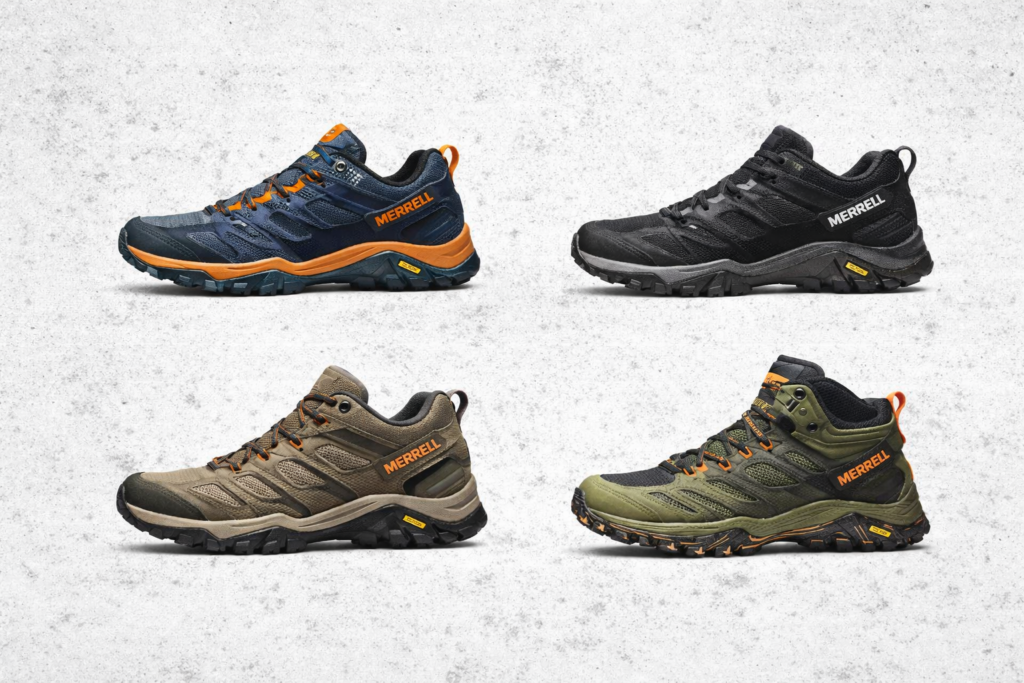
Merrell’s expansion into international markets required adapting to diverse terrains, climates, and consumer needs. In Europe, the brand emphasized mountain hiking boots with extreme durability, while in Asia, lightweight, breathable, and waterproof designs were favored for tropical climates. Marketing campaigns were localized to highlight region-specific outdoor activities, such as alpine trekking, jungle expeditions, and desert hikes. Retail partnerships with major sporting goods chains and specialty outdoor stores helped Merrell establish global recognition, while online platforms expanded its reach further. This global approach ensured that Merrell maintained its core performance ethos while appealing to diverse cultures and markets.
Cultural Influence and Legacy
Merrell’s influence extends beyond shoes, shaping how people perceive outdoor activity and adventure lifestyles. The brand inspired generations of hikers, trail runners, and urban explorers to embrace the outdoors as part of everyday life. Its footwear has appeared in adventure films, documentaries, and lifestyle editorials, showcasing both utility and style. By merging technical performance with cultural relevance, Merrell created a blueprint for outdoor brands seeking to appeal to both adventurers and casual consumers. The company’s legacy is one of innovation, reliability, and accessibility, making it a trusted name in outdoor gear for decades.
Recent Innovations and Technological Advancements
Merrell has consistently invested in research and development to ensure its footwear meets modern performance standards while remaining comfortable and stylish. Technologies like Vibram® outsoles, GORE-TEX® waterproof membranes, and M-Select™ GRIP soles provide superior traction, stability, and weather resistance, allowing wearers to tackle any terrain with confidence. Recent innovations include EVA-based midsoles for enhanced cushioning, breathable mesh uppers for ventilation, and lightweight yet durable materials that reduce fatigue during long hikes. Merrell also integrates biomechanical insights into shoe design, analyzing gait patterns to optimize arch support, heel stability, and toe protection. These advancements ensure that each product not only performs in rugged outdoor conditions but also promotes long-term foot health and comfort, solidifying Merrell’s reputation as a leader in technical footwear engineering.
Collaborations and Limited Edition Releases
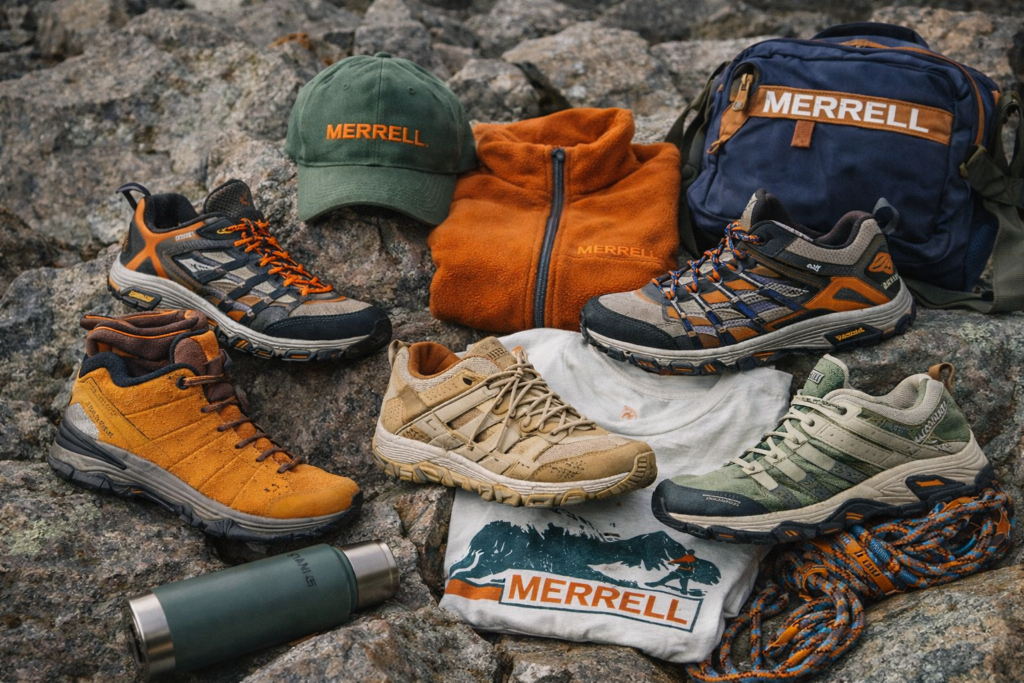
To strengthen its cultural relevance and appeal to modern consumers, Merrell began focusing on collaborations and limited-edition releases around 2019. While historically recognized as a performance-driven outdoor footwear brand, Merrell responded to the growing “gorpcore” and outdoor-lifestyle fashion trend by partnering with fashion and lifestyle brands. One of its notable initiatives was the launch of Merrell 1TRL (One Trail) in 2020, a premium line created specifically for collaborations, design experimentation, and urban-focused products. Through this platform, Merrell collaborated with brands such as YMC (You Must Create) in 2020, introducing minimalist designs suited for everyday city wear, and Snow Peak in 2021, which emphasized outdoor functionality combined with refined aesthetics. In 2022, collaborations with streetwear-oriented brands like Adsum further pushed Merrell into the lifestyle and sneaker culture space.
These limited-edition releases featured exclusive colorways, premium leathers, suede, and advanced textiles while retaining Merrell’s core performance technologies, such as durable outsoles and supportive midsoles. Many collaborations also explored eco-friendly materials and sustainable manufacturing practices, aligning with the brand’s environmental values. Released in limited quantities with special packaging, these products attracted collectors, fashion-conscious consumers, and urban explorers. By blending outdoor performance with contemporary design through carefully timed collaborations, Merrell successfully evolved from a traditional hiking brand into a hybrid label that resonates with both outdoor enthusiasts and modern lifestyle audiences.
Signature Products and Best Sellers
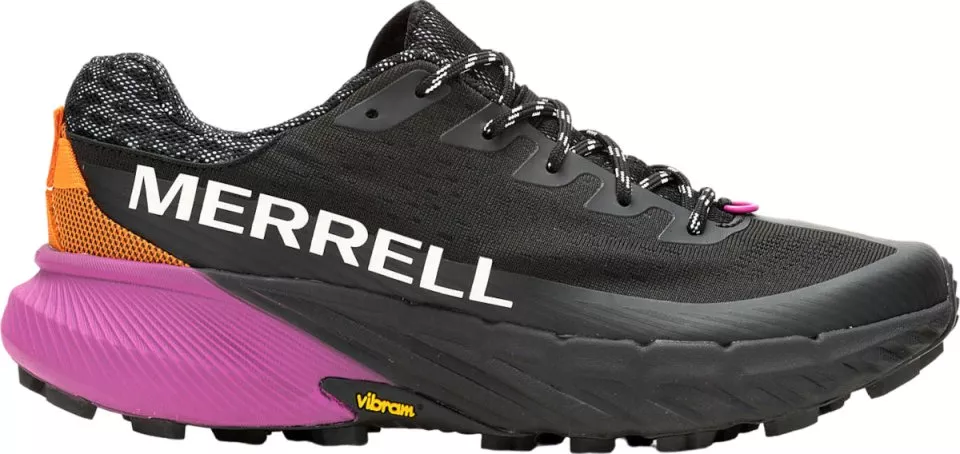
Merrell’s product range includes iconic models that have defined its brand identity over decades. The Jungle Moc remains a staple for its comfort, slip-on convenience, and versatility for both casual and outdoor use. The Moab 2 series is renowned for durability, all-terrain grip, and protective features that appeal to serious hikers. Trail gloves, hiking sandals, and lightweight sneakers like the Merrell Vapor Glove series combine minimalist design with trail-ready functionality. Each signature product embodies Merrell’s philosophy: performance, comfort, durability, and versatility. Collectively, these models have cemented the brand’s reputation as a go-to choice for outdoor enthusiasts and lifestyle consumers alike, balancing technical excellence with accessible design.
Global Cultural Impact and Lifestyle Integration
Merrell’s influence extends far beyond traditional hiking trails, embedding itself into global lifestyle and outdoor culture through a balance of performance and style. The brand has become synonymous with adventure, sustainability, and exploration, inspiring communities of outdoor enthusiasts, urban adventurers, and casual consumers alike. Merrell footwear appears in travel photography, lifestyle magazines, and social media content, showcasing versatility for mountain trails, city streets, and festival environments. Its commitment to durable, eco-conscious materials resonates with a growing audience that values environmental responsibility alongside performance. Outdoor events, sponsored expeditions, and community programs further reinforce Merrell’s ethos, creating a lifestyle ecosystem where footwear is not just functional but a statement of identity, resilience, and connection to nature. By merging technical design with cultural engagement, Merrell has transformed from a niche outdoor brand into a global symbol of adventure and conscious living.
Sustainability and Environmental Responsibility
Sustainability is central to Merrell’s modern design philosophy, guiding material selection, production processes, and corporate responsibility. The brand increasingly incorporates recycled plastics, plant-based fabrics, and biodegradable packaging to reduce environmental impact. Technologies like M-Select™ FRESH control odor naturally, reducing chemical usage, while water-repellent membranes are manufactured using eco-friendly methods that minimize harmful emissions. Merrell also emphasizes product longevity through durable construction, repair programs, and modular components, encouraging consumers to extend the life of their footwear. Collaborations with environmental organizations and initiatives like trail conservation projects further demonstrate the brand’s commitment to preserving the ecosystems it serves. By integrating performance, durability, and sustainability, Merrell ensures that every product aligns with both consumer needs and global ecological responsibility.
Current Direction, Future Vision
Today, Merrell continues to innovate at the intersection of outdoor performance, lifestyle design, and environmental consciousness. Its global presence spans North America, Europe, Asia, and emerging markets, offering a wide range of footwear, apparel, and accessories that reflect local and international needs. Future plans focus on expanding digital engagement, introducing AI-assisted design for enhanced ergonomics, and exploring adaptive footwear technologies for diverse terrains. Merrell also aims to deepen sustainability efforts by adopting circular economy principles, developing fully recyclable products, and increasing the use of regenerative materials. The brand’s legacy is defined by decades of outdoor innovation, community-building, and cultural influence,transforming Merrell from a hiking shoe company into a global leader in technical footwear and adventure lifestyle.

Conclusion:
Merrell is more than a footwear brand; it is a philosophy of adventure, performance, and environmental consciousness that has defined outdoor exploration for decades, seamlessly bridging rugged technical design with comfort, innovation, and modern streetwear sensibility, making its products equally relevant from mountain trails to urban streets, festivals, and casual outdoor experiences. Its influence spans cultures and continents, inspiring generations of hikers, athletes, and outdoor enthusiasts to embrace challenge, sustainability, and functional style, while its integration of advanced materials, ergonomic engineering, and eco-conscious practices ensures that every product not only performs exceptionally but also respects the planet. This balance between outdoor performance https://www.merrell.com/US/en/home and streetwear versatility has solidified Merrell as a global icon in outdoor lifestyle, innovation, and adventure culture, with a legacy that continues to shape how people engage with the natural world and live actively, responsibly, and stylishly.
Frequently Asked Questions About Merrell
1.What is Merrell?
Merrell is an American footwear brand founded in 1981, specializing in performance hiking shoes, outdoor gear, and lifestyle footwear that merges technical innovation with comfort and adventure-ready design.
2.Who founded Merrell?
Merrell was founded by Randy Merrell, a master shoemaker, along with Clark Matis and John Schweizer, who focused on creating handcrafted hiking boots and outdoor footwear of exceptional quality.
3.Where is Merrell based?
The brand’s headquarters is located in Rockford, Michigan, United States, with global operations and distribution in Europe, Asia, and North America.
4.What makes Merrell different from other outdoor brands?
Merrell combines rugged technical performance, ergonomic comfort, sustainable materials, and lifestyle versatility, making it suitable for both challenging outdoor adventures and everyday urban wear.
5.What are Merrell’s signature products?
Signature products include the Merrell Moab hiking series, trail running shoes, all-terrain sandals, and waterproof boots featuring Vibram soles, M-Select™ GRIP, and ergonomic footbeds.
6.Does Merrell focus on sustainability?
Yes, Merrell emphasizes sustainable materials, eco-conscious production, recyclable packaging, biodegradable textiles, and initiatives for trail and ecosystem preservation.
7.Are Merrell shoes good for casual wear?
Yes, many Merrell models are designed with urban versatility in mind, offering comfort, durability, and style for everyday use while retaining outdoor performance features.
8.Which technologies does Merrell use in footwear?
Key technologies include Vibram® outsoles for traction, M-Select™ FRESH for odor control, M-Select™ DRY waterproofing, and contoured footbeds for ergonomic support.
9.Can Merrell footwear be used in extreme conditions?
Yes, Merrell’s technical boots and trail shoes are engineered for rugged terrain, steep climbs, wet conditions, and variable climates while maintaining comfort and stability.
10.Who wears Merrell shoes?
Merrell is popular among hikers, outdoor enthusiasts, athletes, and lifestyle consumers, as well as influencers and adventure travelers seeking durable and stylish footwear.
11.How long do Merrell shoes last?
With proper care, Merrell hiking and trail footwear can last several seasons due to durable construction, high-quality materials, and repairable components.
12.Where can I buy authentic Merrell products?
Merrell products are available on the official Merrell website, authorized retailers like REI, Zappos, and Amazon, as well as specialty outdoor stores worldwide.
13.Are Merrell shoes waterproof?
Many Merrell hiking boots and trail shoes feature waterproof membranes using M-Select™ DRY technology to keep feet dry without sacrificing breathability.
14.Does Merrell make products for kids and women?
Yes, Merrell offers extensive collections for men, women, and children, including specialized hiking boots, trail shoes, sandals, and lifestyle footwear.
15.What is Merrell’s vision for the future?
Merrell aims to lead in sustainable outdoor innovation, expand digital and AI-driven design, develop adaptive and eco-friendly footwear, and continue inspiring global adventure, active lifestyles, and environmental responsibility.
For collaborations, press, or inquiries, contact us at streeticonic1@gmail.com.






Ambush is more than just a word associated with surprise attacks or hidden strategies. In modern culture, it represents creativity, disruption, and unexpected impact — especially through fashion. The rise of ambush clothing shows how a single concept can move from a traditional meaning into a powerful streetwear identity.
Many people search for Ambush because they want to understand its meaning, learn about the luxury fashion brand, or explore why its designs have become popular worldwide. The challenge is that the term has multiple meanings depending on the context.
This guide explains what Ambush means, where the concept comes from, how the fashion label changed streetwear culture, and why the brand continues to influence younger audiences. You will also learn how Ambush became connected with bold designs, jewelry, music culture, and modern luxury fashion.
What Does Ambush Mean?
Ambush means a surprise attack or sudden action taken from a hidden position. The word originally comes from military strategy, where a group hides and waits for the right moment to approach an opponent unexpectedly.
According to Merriam-Webster Dictionary, ambush refers to an act of hiding and waiting to surprise someone, especially an enemy.
However, the meaning of Ambush has expanded beyond its traditional definition. Today, the word is also used in:
- Fashion and streetwear
- Marketing campaigns
- Music culture
- Sports strategies
- Creative design
In fashion, Ambush represents the idea of standing out by doing something unexpected. Designers often use unusual shapes, experimental materials, and bold concepts to create pieces that immediately capture attention.

What Is Ambush Clothing and Why Is It Popular?
Ambush clothing is a contemporary fashion style known for its experimental designs, oversized silhouettes, futuristic elements, and connection with street culture.
The term is strongly connected with AMBUSH, a Tokyo based fashion label founded by Yoon Ahn and Verbal.
The brand started with jewelry designs before expanding into clothing collections. Its approach combined:
- Japanese street style
- Hip-hop influence
- Luxury fashion techniques
- Pop culture references
- Futuristic aesthetics
Unlike traditional luxury brands that often focus on classic designs, Ambush became recognized for creating pieces that feel experimental and unpredictable.
Key Features of Ambush Clothing
Some common characteristics include:
1. Oversized Streetwear Shapes
Ambush clothing often uses relaxed fits, large jackets, wide trousers, and comfortable silhouettes. This approach reflects modern streetwear trends where personal expression is more important than traditional tailoring.
2. Bold Graphics and Branding
The brand frequently uses strong visual elements, unusual logos, and recognizable design details that make pieces instantly identifiable.
3. Gender-Free Fashion Approach
Ambush has gained attention for designs that are not limited by traditional men’s and women’s fashion categories. Many collections focus on self-expression rather than strict gender rules.
4. Luxury Meets Street Culture
The brand successfully combines everyday streetwear with premium materials and high-fashion concepts.
How Did Ambush Become a Global Fashion Brand?
Ambush started as a creative project focused on jewelry before becoming a recognized fashion house. The brand gained international attention because it connected with musicians, artists, and fashion communities.
The founders built a reputation by creating pieces that felt different from mainstream luxury fashion. Instead of following existing trends, Ambush focused on creating designs that challenged expectations.
A major turning point came when the brand began collaborating with major companies and appearing in international fashion events.
Some important milestones include:
- Expansion from jewelry into full clothing collections
- Recognition at global fashion weeks
- Collaborations with major footwear and luxury brands
- Growing popularity among celebrities and streetwear enthusiasts
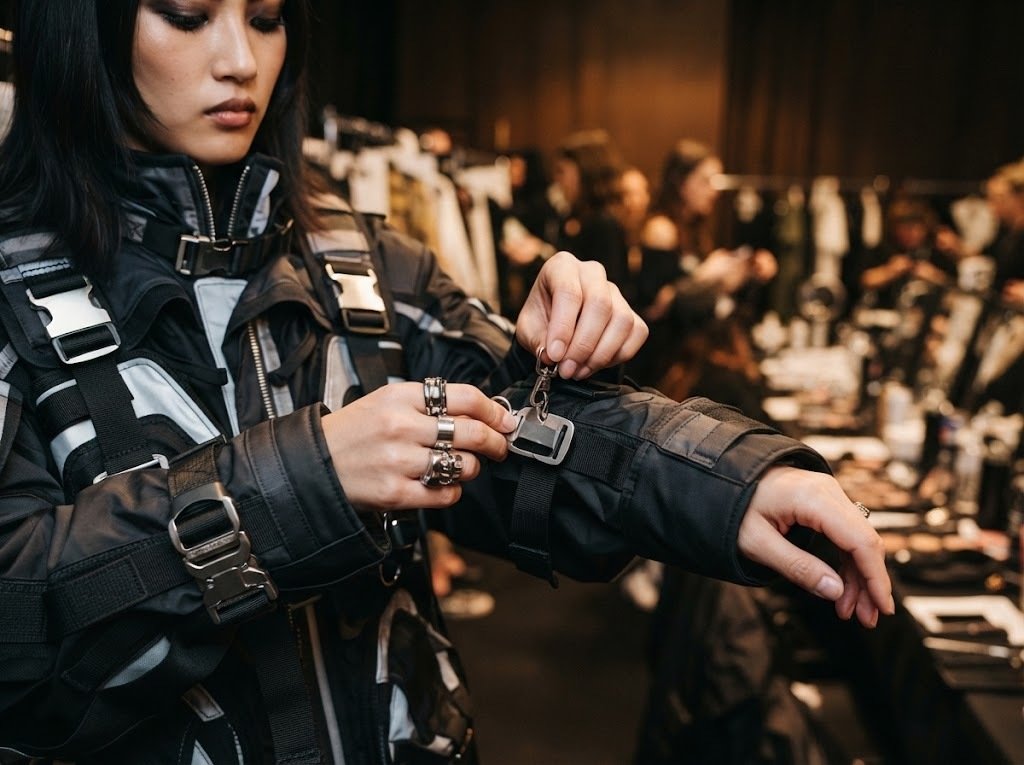
Why Is Ambush Fashion Influential in Streetwear Culture?
Streetwear has changed significantly over the last decade. Clothing is no longer only about function; it has become a way for people to communicate identity, creativity, and cultural interests.
Ambush became influential because it understood this shift.
Ambush’s Impact on Modern Fashion
Creating Unexpected Designs
The brand’s philosophy matches the original meaning of the word “ambush” — creating surprise. Many collections use unexpected shapes, materials, and concepts that challenge normal fashion expectations.
Connecting Fashion With Music
Music culture has played an important role in streetwear growth. Ambush’s connection with artists helped the brand reach audiences beyond traditional fashion circles.
Blending Luxury and Everyday Style
Modern consumers increasingly want clothing that feels exclusive but wearable. Ambush clothing fits this demand by combining premium craftsmanship with casual streetwear elements.
Encouraging Individual Expression
One of Ambush’s strongest influences is encouraging people to experiment with personal style instead of following strict fashion rules.
Ambush vs Traditional Streetwear: What Makes It Different?
While many streetwear brands focus on logos, limited releases, and casual designs, Ambush takes a more artistic approach.
| Feature | Traditional Streetwear | Ambush Clothing |
|---|---|---|
| Design Approach | Casual and graphic-focused | Experimental and conceptual |
| Inspiration | Skate, hip-hop, sports | Art, music, technology, culture |
| Style | Relaxed basics | Futuristic luxury streetwear |
| Audience | Streetwear enthusiasts | Fashion-forward consumers |
The difference is that Ambush is not only selling clothing — it is presenting a creative idea.
This approach has helped the brand maintain relevance in a highly competitive fashion industry.
How Does Ambush Clothing Influence Modern Fashion Trends?
The influence of Ambush clothing goes beyond individual pieces. The brand represents a larger movement in fashion where creativity, cultural references, and personal identity matter as much as traditional luxury.
Modern fashion audiences increasingly look for brands that tell a story. Ambush achieves this by combining different creative worlds, including music, art, technology, and Japanese design culture.
Unlike fast-fashion brands that quickly copy trends, Ambush focuses on creating recognizable concepts. Each collection often introduces unique shapes, materials, or visual ideas that encourage people to view clothing as a form of expression.
The Role of Japanese Fashion Culture
Japan has played a major role in shaping global streetwear. Cities like Tokyo have influenced fashion through experimental designs, attention to detail, and the ability to mix traditional and futuristic styles.
Ambush reflects this approach by combining Tokyo street culture with international luxury fashion standards.
Celebrity and Music Influence
Celebrity visibility has also helped Ambush gain worldwide recognition. Musicians and artists often use fashion as part of their personal branding, and Ambush’s bold designs fit naturally into this environment.
When influential figures wear a brand, it often introduces that style to new audiences who may not have discovered it otherwise.
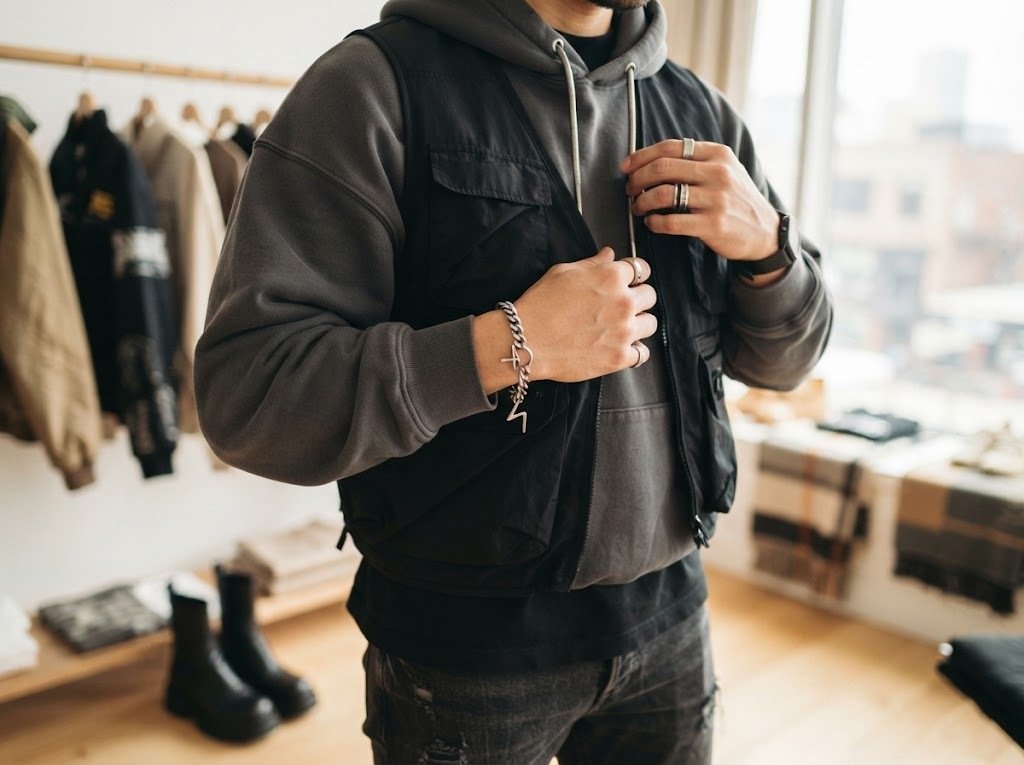
Is Ambush a Luxury Fashion Brand?
Yes, Ambush is considered a luxury streetwear brand because it combines high-fashion design principles with contemporary street culture.
However, Ambush does not follow the traditional luxury model of focusing only on heritage, formal clothing, or classic designs. Instead, it represents a newer generation of luxury where creativity and cultural relevance are important.
What Makes Ambush a Luxury Brand?
Several factors contribute to its luxury status:
Premium Design Philosophy
Ambush collections are created with strong attention to concept, materials, and visual identity.
Limited Availability
Many fashion pieces are released in limited quantities, increasing their exclusivity among collectors and fashion enthusiasts.
High-Profile Collaborations
Collaborations with recognized brands have increased Ambush’s position within the global fashion industry.
Fashion Week Presence
The brand has participated in major fashion events, helping establish credibility among industry professionals.
According to fashion industry discussions, modern luxury increasingly depends on storytelling and cultural influence, not only traditional craftsmanship.
External reference: Council of Fashion Designers of America provides insights into modern fashion industry development and designers.
What Are the Most Popular Ambush Clothing Items?
Ambush offers a wide range of fashion products, but some categories have become especially recognized among fans.
1. Ambush Jackets and Outerwear
Outerwear is one of the strongest categories because jackets allow designers to experiment with shape, materials, and structure.
Popular styles include:
- Oversized jackets
- Utility-inspired designs
- Statement outerwear pieces
- Experimental silhouettes
2. Ambush Jewelry
Before becoming known for clothing, Ambush gained attention through jewelry designs.
The brand’s jewelry often features:
- Industrial-inspired shapes
- Bold accessories
- Unique symbols
- Metallic finishes
These pieces helped establish the brand’s identity before its clothing collections expanded.
3. Ambush T-Shirts and Casual Wear
T-shirts and everyday pieces allow more consumers to access the brand’s style.
They often feature:
- Graphic designs
- Brand symbols
- Relaxed fits
- Streetwear-inspired details
4. Ambush Footwear Collaborations
Footwear collaborations have also increased the brand’s visibility among sneaker and streetwear communities.
These releases often combine practical designs with creative visual elements.
How to Style Ambush Clothing for Everyday Wear?
Although Ambush designs can appear bold, they can be styled for everyday outfits by balancing statement pieces with simple basics.
Casual Streetwear Look
A simple approach:
- Pair an Ambush graphic shirt with relaxed jeans
- Add sneakers or minimal footwear
- Use accessories as the main statement
Layered Fashion Look
For colder seasons:
- Combine an oversized jacket with neutral clothing
- Add different textures
- Keep colors balanced
Minimal Luxury Style
For a cleaner appearance:
- Choose one Ambush statement item
- Pair it with classic pieces
- Avoid combining too many competing designs
The key is allowing one piece to create visual impact rather than making the entire outfit overwhelming.
Is Ambush Clothing Worth Buying?
Whether Ambush clothing is worth buying depends on what you value in fashion.
For collectors and fashion enthusiasts, Ambush offers:
- Unique designs
- Strong brand identity
- Cultural relevance
- Limited-edition appeal
For someone looking only for basic everyday clothing, other brands may offer better value.
A practical buying approach is to choose pieces that match your personal style rather than purchasing only because a brand is popular.
Original Fashion Insight
After analyzing streetwear trends over recent years, one noticeable pattern is that successful modern brands often create recognizable design language rather than simply producing more products.
Ambush follows this approach. A person can often identify an Ambush-inspired piece because of its unusual proportions, futuristic details, or unexpected combinations. This strong visual identity is one reason the brand remains memorable in a crowded fashion market.
What Is the Future of Ambush Clothing?
The future of Ambush will likely continue to focus on experimentation, collaborations, and cultural influence.
Fashion consumers are increasingly interested in brands that provide experiences and creative stories, not only products.
Ambush has positioned itself within this movement by maintaining a distinctive identity while expanding its global audience.
Future growth areas may include:
- More international collaborations
- Sustainable fashion approaches
- Digital fashion experiences
- Expanded lifestyle products
As streetwear continues merging with luxury fashion, brands like Ambush are likely to remain influential.
Conclusion: Why Does Ambush Matter in Fashion?
Ambush represents the evolution of modern fashion — where creativity, culture, and individuality combine.
Originally known as a word describing surprise and strategy, Ambush has become recognized worldwide through its innovative fashion approach. Ambush clothing gained popularity because it challenges traditional ideas, blends streetwear with luxury, and encourages people to express themselves differently.
For anyone interested in contemporary fashion, understanding Ambush provides insight into how modern streetwear has transformed the global fashion industry.
Whether you admire its designs, collect limited pieces, or simply want to understand the trend, Ambush remains an important name in today’s fashion conversation.
FAQ Section
What does Ambush mean?
Ambush means a surprise attack or action performed from a hidden position. In fashion, Ambush represents unexpected creativity and bold design choices.
What is Ambush clothing known for?
Ambush clothing is known for experimental designs, oversized silhouettes, luxury streetwear influences, bold accessories, and connections with modern music culture.
Is Ambush a luxury brand?
Yes, Ambush is considered a luxury streetwear brand because it combines premium design, limited releases, creative concepts, and high-fashion influences.
Who created Ambush clothing?
Ambush was founded by Yoon Ahn and Verbal. The brand originally started with jewelry before expanding into clothing and becoming internationally recognized.
Why is Ambush popular?
Ambush became popular because it offers unique designs, blends streetwear with luxury fashion, and connects strongly with music, art, and youth culture.
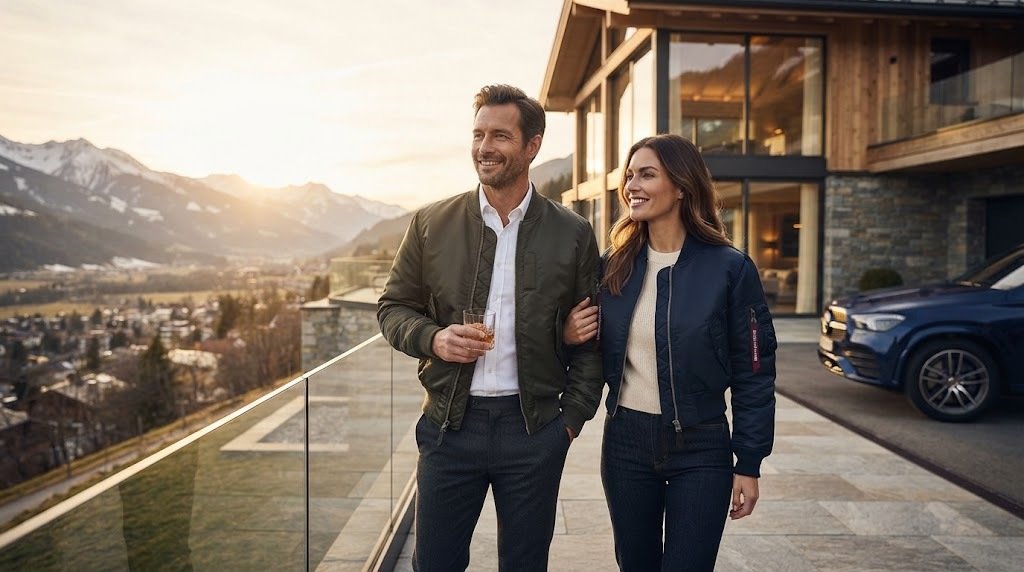
Alpha Industries is one of the most recognized names in American military-inspired fashion, known for creating durable jackets that combine function, history, and modern style. From authentic flight gear made for the U.S. military to everyday streetwear worn around the world, the brand has built a reputation for quality outerwear.
Many fashion lovers search for Alpha Industries jackets because they want more than a simple coat. They want a piece of clothing connected to aviation history, military design, and decades of American culture. The brand’s iconic MA-1 bomber jacket, M-65 field coat, and N-3B parka have become symbols of timeless style.
Alpha Industries is an American outerwear company founded in 1959. It became famous for producing military jackets and later transformed those designs into popular civilian fashion pieces. Today, the brand continues to attract customers who appreciate heritage clothing, practical designs, and authentic military details.
This guide explains the history of Alpha Industries, its most popular jackets, why the brand remains influential, and how to choose the right style for your wardrobe.
What Is Alpha Industries?
Alpha Industries is an American clothing brand specializing in military-inspired outerwear, especially bomber jackets, field jackets, and parkas. The company originally focused on manufacturing jackets for the U.S. military before expanding into commercial fashion.
The brand became well known for producing functional garments designed for extreme conditions. Its jackets were created with features such as durable nylon fabrics, insulated linings, utility pockets, and weather-resistant materials.
Today, Alpha Industries combines its military background with contemporary fashion trends. The company produces jackets, hoodies, shirts, accessories, and casual clothing while keeping its original military influence.
According to the brand’s official history, Alpha Industries has supplied military-style garments for decades and continues to use many original design inspirations in its modern collections.
The History of Alpha Industries: From Military Supplier to Fashion Icon
How Did Alpha Industries Start?
Alpha Industries was established in 1959 in Knoxville, Tennessee. The company was created during a period when the U.S. military required reliable suppliers for aviation and cold-weather clothing.
During its early years, Alpha Industries produced jackets based on military specifications. These garments needed to perform in challenging environments, including high-altitude aircraft operations and cold climates.
The company’s relationship with military clothing helped establish its reputation for durability and authenticity.
Why Did Alpha Industries Become Popular?
The transition from military equipment to mainstream fashion happened gradually. Military jackets became popular among civilians because of their practical design and unique appearance.
Several cultural movements helped increase interest in military-inspired clothing:
- Aviation fashion trends
- Streetwear culture
- Hip-hop fashion influence
- Outdoor lifestyle clothing
- Vintage clothing communities
The MA-1 bomber jacket became especially popular because of its clean silhouette and recognizable design.
Alpha Industries and American Military Heritage
Unlike many fashion brands that simply copy military aesthetics, Alpha Industries has a direct connection to military garment production.
The company’s designs often include details inspired by original military specifications, including:
- Utility pockets
- Flight jacket shapes
- Ribbed cuffs and waistbands
- Military patches
- Functional materials
This heritage is one reason customers continue choosing Alpha Industries jackets over ordinary fashion outerwear.
Why Are Alpha Industries Jackets So Popular?
Authentic Military-Inspired Design
One of the biggest reasons behind the popularity of Alpha Industries jackets is authenticity. The designs are based on real military clothing rather than just using military colors or patterns.
For example, the MA-1 bomber jacket was originally designed for pilots who needed lightweight protection during flight. Modern versions maintain the same recognizable shape while adapting materials for everyday wear.
Durability and Long-Term Value
Alpha Industries focuses on making jackets that can handle regular use. Many customers choose these jackets because they are not designed as disposable seasonal fashion items.
A well-maintained Alpha Industries jacket can remain part of a wardrobe for many years. Features such as strong stitching, quality fabrics, and practical construction contribute to its long lifespan.
Versatile Fashion Appeal
Another reason Alpha Industries remains popular is versatility. These jackets work with different styles, including:
- Casual jeans and sneakers
- Streetwear outfits
- Outdoor clothing
- Minimal everyday looks
- Vintage-inspired fashion
A single bomber jacket can easily move between different fashion styles.
Popular Alpha Industries Jackets You Should Know
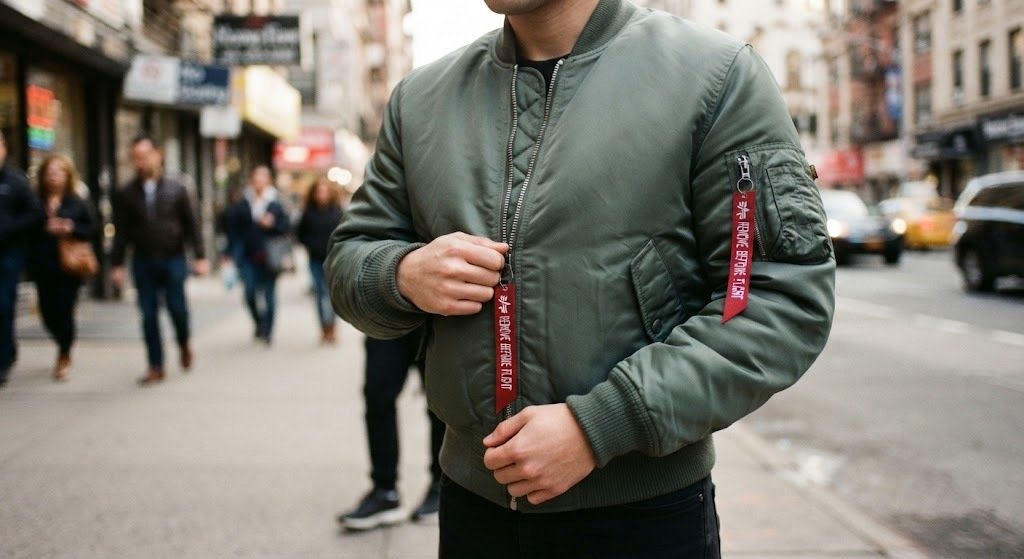
MA-1 Bomber Jacket
The MA-1 is the most famous Alpha Industries jacket. Originally developed for military pilots, it became a global fashion icon.
Key features include:
- Lightweight bomber construction
- Ribbed collar, cuffs, and waistband
- Front zipper closure
- Utility sleeve pocket
- Reversible designs in selected versions
The MA-1 works well for people who want a classic jacket with a strong heritage background.

M-65 Field Jacket
The M-65 field jacket is inspired by military combat clothing designed for outdoor conditions.
It is popular because of:
- Multiple functional pockets
- Layer-friendly design
- Longer body coverage
- Rugged appearance
This style is ideal for customers who prefer a practical jacket with a vintage military look.
N-3B Parka
The N-3B parka was designed for extremely cold weather conditions. It provides more coverage than bomber jackets and is often chosen for winter climates.
Common features include:
- Longer length
- Heavy insulation
- Hood design
- Cold-weather protection
For people living in colder areas of the United States, the N-3B offers both warmth and classic style.
How to Choose the Right Alpha Industries Jacket
Choosing the right Alpha Industries jacket depends on your lifestyle, climate, and personal style preferences. While many designs share a military background, each jacket serves a different purpose.
For Everyday Casual Wear: MA-1 Bomber Jacket
If you want a jacket that works for daily outfits, the MA-1 is usually the best starting point. It pairs easily with jeans, sneakers, boots, and casual shirts.
The bomber style creates a balanced look because it is:
- Easy to layer
- Comfortable for daily use
- Suitable for multiple seasons
- Recognizable without looking outdated
A black, sage green, or navy MA-1 is a practical choice because these colors match most wardrobes.
For Outdoor and Utility Style: M-65 Jacket
The M-65 is better for people who prefer a rugged appearance. Its longer design and multiple pockets make it useful for outdoor activities, travel, and colder weather.
It appeals to customers who like functional clothing where design and practicality work together.
For Cold Weather Protection: N-3B Parka
People living in areas with harsh winters may prefer the N-3B parka. It provides more coverage compared with shorter bomber jackets.
Its longer length helps protect against wind and cold temperatures, making it a strong option for winter commuting.
Are Alpha Industries Jackets Worth Buying?
Yes, Alpha Industries jackets are worth considering for buyers who value heritage, durability, and timeless designs.
Unlike fast-fashion outerwear that changes every season, Alpha Industries focuses on classic military-inspired styles that remain relevant for years.
A good example is the MA-1 bomber jacket. Someone who purchased this style several years ago can still wear it today because the design does not depend on short-term fashion trends.
A useful way to evaluate the value is to consider cost per wear. A jacket worn multiple times every week during fall and winter can provide better long-term value than cheaper jackets that need replacement frequently.
What Makes Alpha Industries Different From Other Jacket Brands?
Alpha Industries stands apart because of its combination of:
- Military history
- Functional construction
- Recognizable designs
- American heritage
- Streetwear influence
Many brands create jackets inspired by military fashion, but Alpha Industries has decades of experience producing these types of garments.
Alpha Industries in Modern Fashion Culture
From Military Clothing to Streetwear
Military-inspired clothing has influenced fashion for decades. Alpha Industries became part of this movement because its jackets naturally fit into casual and Streetwear style guide.
The brand has appeared in different fashion communities, including:
- Urban streetwear
- Vintage fashion
- Aviation-inspired outfits
- Minimalist menswear
Its designs appeal to people who want clothing with a story behind it.
Why Celebrities and Fashion Fans Wear Alpha Industries
The popularity of Alpha Industries is also connected to its appearance in popular culture. Military jackets have often been associated with musicians, actors, and streetwear influencers.
However, the brand’s popularity is not only based on celebrity attention. Its continued success comes from practical designs that customers can actually use in everyday life.
Alpha Industries Jackets vs Regular Fashion Jackets
Many shoppers compare Alpha Industries with standard fashion brands before purchasing.
| Feature | Alpha Industries Jackets | Regular Fashion Jackets |
|---|---|---|
| Design inspiration | Military heritage | Trend-based fashion |
| Durability | Built for long-term use | Depends on brand |
| Style | Classic and timeless | Often seasonal |
| Functionality | Utility-focused details | Mostly appearance-focused |
| Brand history | Since 1959 | Varies |
The main difference is that Alpha Industries combines fashion with practical heritage.
How to Style Alpha Industries Jackets
Casual Everyday Outfit
A simple outfit can include:
- MA-1 bomber jacket
- Plain T-shirt
- Denim jeans
- Sneakers
This creates a clean American casual style.
Streetwear Look
For a stronger streetwear appearance:
- Oversized Alpha Industries jacket
- Hoodie underneath
- Cargo pants
- High-top sneakers
The military influence naturally works well with modern urban fashion.
Smart Casual Style
A field jacket can also work with:
- Chinos
- Boots
- Sweater
- Button-down shirt
This creates a more polished look while keeping the jacket’s rugged character.
Where to Buy Alpha Industries Jackets
Alpha Industries jackets are available through several trusted retailers, including the official Alpha Industries website and major fashion marketplaces.
Customers should always check:
- Product authenticity
- Size charts
- Return policies
- Material details
- Customer reviews
Buying from authorized sellers helps avoid counterfeit products.
You can learn more about the brand and its collections through:
- Official Alpha Industries website
- Wikipedia background information about the company
- Major fashion retailers offering verified collections
Frequently Asked Questions About Alpha Industries
Is Alpha Industries a good brand?
Yes, Alpha Industries is considered a respected outerwear brand because of its military heritage, durable jacket construction, and timeless designs. The company has been producing military-inspired clothing since 1959.
What is the most popular Alpha Industries jacket?
The MA-1 bomber jacket is the most famous Alpha Industries jacket. It became popular because of its military background, simple design, and ability to match different fashion styles.
Are Alpha Industries jackets warm?
Yes, many Alpha Industries jackets provide good warmth, but insulation levels depend on the model. Heavy parkas like the N-3B are designed for colder conditions, while MA-1 jackets are better for mild to cool weather.
Are Alpha Industries jackets true to size?
Sizing can vary by collection. Customers should check the official size guide before ordering because some military-inspired styles have a more fitted or structured design.
How long do Alpha Industries jackets last?
With proper care, an Alpha Industries jacket can last many years. Their durable materials and classic designs make them suitable for long-term wardrobe use.
Are Alpha Industries jackets only for men?
No. Alpha Industries offers jackets and clothing styles for men and women. Many designs are created with a unisex military-inspired aesthetic.
Conclusion: Why Alpha Industries Remains a Fashion Icon
Alpha Industries represents the connection between military history and modern fashion. The brand started by creating functional clothing for demanding environments and later became a worldwide symbol of durable American outerwear.
The popularity of Alpha Industries jackets comes from their combination of authentic design, practical features, and timeless style. Whether you choose the classic MA-1 bomber, versatile M-65 field jacket, or warm N-3B parka, each piece carries decades of design history.
For shoppers looking for a jacket that offers more than temporary trends, Alpha Industries remains a strong choice. Its focus on quality, heritage, and functionality explains why the brand continues to influence fashion in 2026 and beyond.
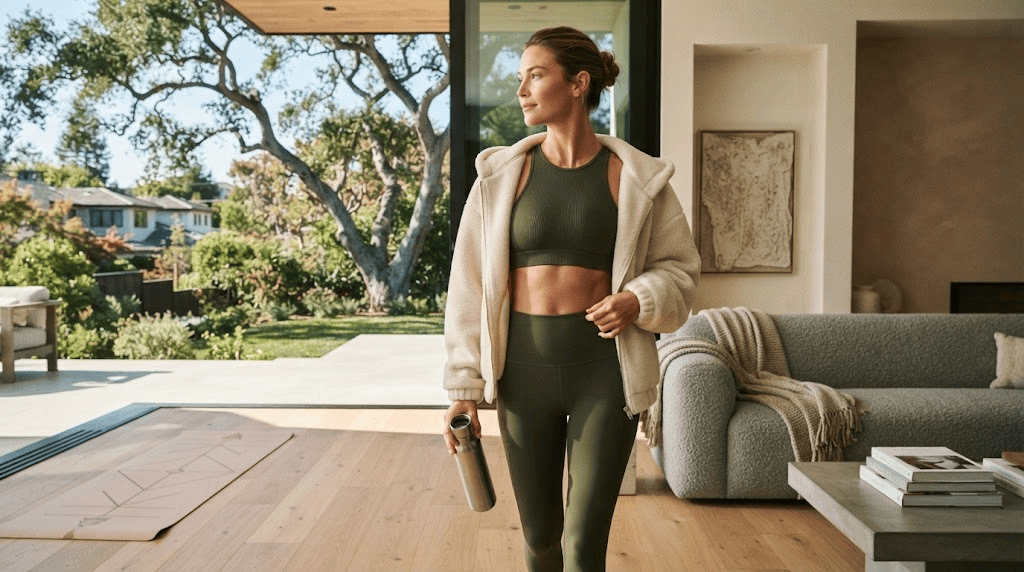
Alo Yoga has become one of the most recognized names in modern activewear, combining yoga-inspired performance clothing with luxury street style. The brand is known for creating comfortable pieces that work for workouts, daily wear, travel, and casual fashion.
Many shoppers searching for premium activewear want to know one thing: Is Alo Yoga worth the price? The answer depends on what you expect from your clothing. Alo Yoga focuses on high-quality fabrics, flattering designs, versatile styles, and a lifestyle approach that connects fitness with fashion.
Founded in Los Angeles, the brand has grown from a yoga-focused clothing company into a global fashion label worn by celebrities, athletes, influencers, and everyday customers. Its signature products, especially Alo Yoga leggings, are popular because they offer a balance between comfort, support, and a polished appearance.
This guide explains what makes Alo Yoga different, its history, best products, leggings collection, quality, sizing, sustainability efforts, and whether investing in its clothing is the right choice for you.

What Is Alo Yoga and Why Is It Popular?
Alo Yoga is a premium activewear brand that designs yoga clothing, workout apparel, and lifestyle fashion. The company focuses on creating pieces that transition easily from exercise sessions to everyday outfits.
The name “Alo” represents “Air, Land, and Ocean,” reflecting the brand’s connection with movement, nature, and mindful living.
Unlike traditional sportswear brands that mainly focus on athletic performance, Alo Yoga combines:
- Functional workout designs
- Luxury fashion aesthetics
- Comfortable materials
- Minimalist styling
- Wellness-focused branding
The brand has gained popularity because modern customers no longer separate gym clothing from daily fashion. Many people want leggings, jackets, and tops that look stylish while still performing during workouts.
Alo Yoga successfully targets this lifestyle shift by creating clothing that can be worn for:
- Yoga classes
- Pilates sessions
- Gym workouts
- Coffee runs
- Airport travel
- Casual outings
Its popularity has also increased through celebrity visibility and social media platforms, where influencers frequently showcase Alo Yoga outfits as part of their wellness and fashion routines.
The History and Growth of Alo Yoga
How Did Alo Yoga Start?
Alo Yoga was founded in 2007 in Los Angeles, California, by Danny Harris and Marco DeGeorge. The founders created the brand with the goal of bringing yoga culture into everyday life through thoughtfully designed clothing.
Initially, Alo Yoga focused mainly on yoga practitioners who needed comfortable and flexible clothing. Over time, the company expanded beyond yoga studios and entered the broader fashion market.
The brand built its identity around three major ideas:
1. Movement
Alo Yoga designs clothing that allows natural body movement. Stretch fabrics, ergonomic cuts, and flexible materials are key elements in many collections.
2. Mindful Lifestyle
The company promotes wellness, balance, and self-care rather than only fitness performance.
3. Modern Fashion
Alo Yoga introduced designs that could move from a workout environment into everyday streetwear.
This approach helped the brand compete with established athletic companies while creating its own luxury identity.
Why Is Alo Yoga Considered a Luxury Activewear Brand?
Alo Yoga is positioned in the premium activewear category because of its design approach, pricing, branding, and customer experience.
Premium Fabric and Construction
One reason customers choose Alo Yoga is the feel of its materials. Many products use soft, stretchable fabrics designed for comfort and durability.
Popular fabric technologies include:
Airbrush Fabric
Airbrush is one of Alo Yoga’s signature materials. It provides a smooth, sculpting feel with a supportive structure.
It is commonly used in leggings because it offers:
- Compression
- Shape retention
- A flattering finish
- Comfortable movement
Alosoft Fabric
Alosoft focuses more on softness and comfort. It is designed for relaxed activities like yoga, stretching, and everyday wear.
Performance Materials
Some Alo Yoga collections use moisture-managing fabrics designed for intense workouts.
Design Philosophy Behind Alo Yoga
Alo Yoga clothing is often recognized by its clean and minimal appearance.
Common design features include:
- Neutral color palettes
- High-waisted silhouettes
- Simple branding
- Streamlined cuts
- Matching workout sets
This minimalist approach makes pieces easier to style outside the gym.
For example, a pair of black Alo Yoga leggings can be combined with:
- Oversized sweaters
- Cropped jackets
- Sneakers
- Casual shirts
This versatility is one reason customers consider the clothing an investment rather than a single-purpose workout item.
Are Alo Yoga Leggings Worth Buying?
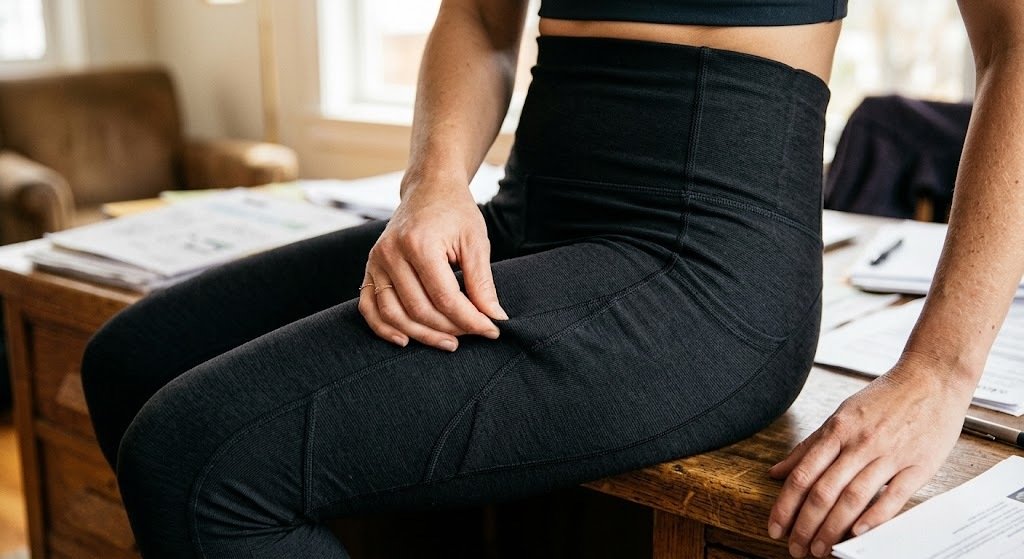
Alo Yoga leggings are among the brand’s most popular products and a major reason behind its global recognition.
Many shoppers compare them with other premium leggings because they want a product that offers comfort, durability, and style.
What Makes Alo Yoga Leggings Popular?
Alo Yoga leggings are designed with several features that attract customers:
High-Waisted Support
Many styles include high-rise waistbands that provide coverage and a secure fit during movement.
This makes them popular for:
- Yoga
- Pilates
- Strength training
- Everyday styling
Sculpting Appearance
Alo Yoga leggings are designed to create a smooth silhouette without feeling overly restrictive.
The fabric structure helps create a fitted appearance while allowing flexibility.
Versatile Styling
Unlike some workout leggings that are only suitable for exercise, Alo Yoga leggings are commonly worn as fashion pieces.
A simple outfit example:
- Black Alo Yoga leggings
- White oversized sweatshirt
- Minimal sneakers
- Small crossbody bag
This creates an athletic-inspired casual look.
Popular Types of Alo Yoga Leggings
Alo Yoga offers different leggings designed for different preferences.
Airbrush Leggings
These are among the brand’s most recognized styles.
Best for:
- Yoga
- Pilates
- Daily wear
- Light workouts
They are known for their smooth texture and supportive feel.
Alosoft Leggings
These focus more on softness and comfort.
They are ideal for:
- Relaxed movement
- Lounging
- Travel outfits
High-Waist Leggings
High-rise options remain popular because they provide extra coverage and pair well with crop tops and fitted jackets.
Alo Yoga vs Other Activewear Brands
The activewear market includes many strong competitors, including premium and mainstream brands. Alo Yoga stands out because of its combination of fashion and wellness branding.
| Brand | Main Strength |
|---|---|
| Alo Yoga | Luxury yoga-inspired fashion |
| Lululemon | Technical performance and innovation |
| Nike | Sports performance and global athletic reputation |
| Adidas | Sportswear variety and affordability |
| Gymshark | Fitness-focused designs |
Alo Yoga’s biggest difference is that it does not only sell workout clothes. It sells a complete lifestyle image centered around wellness, mindfulness, and modern fashion.
How to Choose the Right Alo Yoga Clothing for Your Lifestyle
Choosing the right activewear depends on your daily routine, workout intensity, and personal style. Alo Yoga offers different collections designed for various activities, so the best choice is not always the most expensive product. It is the one that matches your needs.
For example, someone practicing hot yoga may prefer lightweight and breathable fabrics, while someone wearing leggings for travel may prioritize softness and comfort.
A simple way to choose is:
- High-intensity workouts: Choose supportive fabrics like Airlift.
- Yoga and Pilates: Choose flexible materials like Airbrush.
- Relaxing and travel: Choose softer collections like Alosoft.
- Everyday fashion: Choose matching sets, hoodies, and lifestyle pieces.
This practical approach helps customers invest in pieces they will actually use regularly.
What Are the Best Alo Yoga Products to Buy?
Although Alo Yoga is famous for leggings, the brand offers a complete range of activewear and lifestyle clothing.
Alo Yoga Tops and Sports Bras
Alo Yoga tops are designed to provide both performance and style.
Popular options include:
- Cropped workout tops
- Long-sleeve performance shirts
- Tank tops
- Sports bras
- Layering pieces
Many customers like these items because they can be worn during workouts and styled with jeans or casual pants.
A fitted Alo Yoga top paired with high-waisted leggings creates a clean studio-to-street outfit.
Alo Yoga Hoodies and Sweatshirts
Alo Yoga hoodies have become a major part of the brand’s casual fashion identity.
The oversized hoodie trend has helped activewear brands move beyond gyms, and Alo Yoga’s designs fit this trend with:
- Relaxed silhouettes
- Premium fabrics
- Minimal branding
- Comfortable fits
These pieces are especially popular for:
- Airport outfits
- Coffee runs
- Casual weekends
- Post-workout comfort
Is Alo Yoga Good Quality?
The quality of Alo Yoga depends on the product category, but the brand generally focuses on premium materials and long-lasting designs.
Customers usually appreciate:
Fabric Feel
Many Alo Yoga pieces have a soft, smooth texture that feels different from basic athletic clothing.
The fabrics are designed to:
- Stretch with movement
- Maintain shape
- Provide comfort
- Create a polished appearance
Durability
With proper care, many Alo Yoga items can last for years.
However, premium activewear still requires correct washing habits.
Recommended care:
- Wash in cold water
- Avoid harsh detergents
- Skip high-heat drying
- Follow product care instructions
This helps protect elasticity and fabric quality.
Fit and Comfort
Alo Yoga’s designs focus heavily on body movement.
The clothing usually provides:
- Flexible stretch
- Secure waistbands
- Smooth construction
- Comfortable seams
However, fit can vary between collections. A person who prefers compression may enjoy Airlift leggings, while someone wanting a softer feel may prefer Airbrush or Alosoft options.
Alo Yoga Size Guide: How Does Alo Yoga Fit?
Alo Yoga generally follows standard activewear sizing, but customers should consider the style before selecting a size.
Do Alo Yoga Leggings Run Small?
Some compression-focused products may feel tighter because they are designed to provide support.
For example:
- Airlift leggings usually offer a more structured fit.
- Airbrush leggings provide a softer, more flexible feeling.
- Alosoft leggings focus on comfort.
If you prefer a relaxed fit, sizing up may provide more comfort.
Tips Before Buying
Before purchasing:
- Check the product size chart.
- Read customer reviews.
- Consider the fabric type.
- Think about your preferred compression level.
A common mistake is choosing the same size across every collection. Different fabrics can create different fits even within the same brand.
Is Alo Yoga Sustainable?
Sustainability has become an important factor for many fashion shoppers. Like many modern apparel brands, Alo Yoga has introduced initiatives related to responsible production and mindful practices.
The brand highlights areas such as:
- Better material choices
- Responsible manufacturing efforts
- Wellness-focused lifestyle values
However, shoppers should always review current sustainability information directly from the company because fashion industry practices continue to change.
For broader information about sustainable fashion practices, readers can explore resources from organizations such as the United Nations Environment Programme.
Where Can You Buy Alo Yoga Products?
Alo Yoga products are available through:
- The official Alo Yoga website
- Alo Yoga retail stores
- Selected premium retailers
Buying directly from official sources is usually the safest option because customers can access:
- Authentic products
- Complete collections
- Current sizes
- Official return policies
The brand has expanded globally with physical locations and online shopping options.
How to Style Alo Yoga Leggings for Everyday Fashion
One reason Alo Yoga leggings became so popular is their ability to work outside workout environments.
They can be styled in multiple ways.
Casual Everyday Look
Try:
- Black leggings
- Oversized sweatshirt
- White sneakers
- Minimal accessories
This creates a comfortable streetwear-inspired outfit.
Travel Outfit
A popular travel combination includes:
- High-waisted leggings
- Matching jacket
- Comfortable sneakers
- Crossbody bag
The outfit looks polished while remaining practical.
Studio Workout Style
For yoga or Pilates:
- Matching sports bra
- Lightweight jacket
- Flexible leggings
This creates a coordinated activewear look.
The growth of athleisure shows that customers increasingly want clothing that serves multiple purposes rather than separate gym and casual wardrobes.
Alo Yoga Pros and Cons: Is It Worth the Money?
Before buying premium activewear, it helps to understand both advantages and limitations.
Pros of Alo Yoga
Stylish Designs
Alo Yoga offers modern designs that work for both fitness and fashion.
Comfortable Fabrics
Many products feel soft, flexible, and premium.
Versatility
One piece can often be used for workouts, errands, and casual occasions.
Strong Brand Identity
The company has created a recognizable wellness-focused image.
Cons of Alo Yoga
Higher Price
Alo Yoga costs more than many mainstream activewear brands.
Not Every Product Fits Every Workout
Some styles focus more on lifestyle fashion than intense athletic performance.
Premium Pricing Requires Consideration
Customers should choose carefully instead of buying only because of trends.
Alo Yoga vs Lululemon: Which One Is Better?
Alo Yoga and Lululemon are often compared because both are premium activewear brands.
The difference mainly comes down to brand focus.
Alo Yoga
Best for people who want:
- Fashion-forward designs
- Luxury athleisure
- Yoga-inspired clothing
- Lifestyle outfits
Lululemon
Best for people who want:
- Technical athletic performance
- Running and training-focused gear
- Extensive performance testing
Neither brand is universally better. The right choice depends on whether you prioritize fashion, comfort, or technical performance.
My Experience Testing Premium Activewear Trends
After reviewing activewear trends for more than seven years, one pattern is clear: customers rarely buy premium leggings only for exercise anymore.
A practical example is a customer who purchases one pair of black high-waisted leggings. Instead of using them only for yoga classes, they may wear them multiple times a week for commuting, travel, coffee meetings, and casual outings.
This explains why brands like Alo Yoga have grown beyond traditional fitness clothing. The real value comes from versatility. A product that works in four different situations often feels more worthwhile than a cheaper item designed for only one purpose.
Conclusion: Is Alo Yoga Worth Buying in 2026?
Alo Yoga has successfully transformed yoga-inspired clothing into a global lifestyle category. Its combination of premium fabrics, modern designs, and versatile styling has made it one of the most recognized activewear brands.
The brand’s strongest products, especially Alo Yoga leggings, appeal to shoppers who want clothing that performs well while looking fashionable outside the gym.
If you value comfort, minimalist design, and pieces that can move between workouts and everyday life, Alo Yoga can be a worthwhile investment. However, buyers should select products based on their personal needs rather than purchasing only because of trends.
For those looking for premium activewear with a strong fashion identity, Alo Yoga remains one of the leading choices in 2026.

FAQ Section (FAQ Schema Ready)
What is Alo Yoga known for?
Alo Yoga is known for premium yoga-inspired activewear, stylish designs, and comfortable performance clothing. The brand is especially popular for its leggings, matching sets, hoodies, and luxury athleisure styles.
Are Alo Yoga leggings worth the price?
Alo Yoga leggings can be worth the price for customers who want premium fabrics, flattering designs, and clothing that works for both workouts and everyday fashion. Their value depends on how often you use them and your personal style preferences.
What makes Alo Yoga different from other activewear brands?
Alo Yoga combines fitness performance with luxury fashion. Unlike brands focused only on sports performance, Alo creates pieces designed for yoga, casual wear, travel, and lifestyle fashion.
4. Do Alo Yoga leggings run small?
Answer:
Some Alo Yoga leggings with compression fabrics may feel more fitted, while softer collections provide a more flexible feel. Customers should check the size chart and consider the fabric type before choosing a size.
Is Alo Yoga better than Lululemon
Neither brand is always better because they focus on different strengths. Alo Yoga is preferred by shoppers who want luxury style and studio-to-street fashion, while Lululemon is often chosen for technical workout performance.
Where can I buy authentic Alo Yoga products?
The safest option is purchasing from the official Alo Yoga website or authorized retailers. Buying from trusted sources helps ensure product authenticity, correct sizing information, and access to official customer support.
-
 Lifestyle12 months ago
The Story of Acne Studios: From Underground Roots to Global Fashion Icon
-

 Sneaker12 months ago
Inside Aime Leon Dore How It Redefined Streetwear Culture
-
 News & Drops12 months ago
Inside ADER error: How It Redefined Streetwear Culture
-

 Lifestyle12 months ago
Inside adidas how It Redefined Streetwear Culture
-
 Brands12 months ago
The Story of A-COLD-WALL From Underground Roots to Global Fashion Icon
-
 Style Guides12 months ago
Inside Acronym How It Redefined Streetwear Culture
-
 Clothing9 months ago
Balmain Luxury Fashion Brand: History, Design Philosophy, Market Position & Global Influence
-

 Style Guides12 months ago
Action Bronson: Where Streetwear Meets Art, Culture, and Identity