
Brands
Jimmy Choo: The Rise of a Global Luxury Footwear Brand

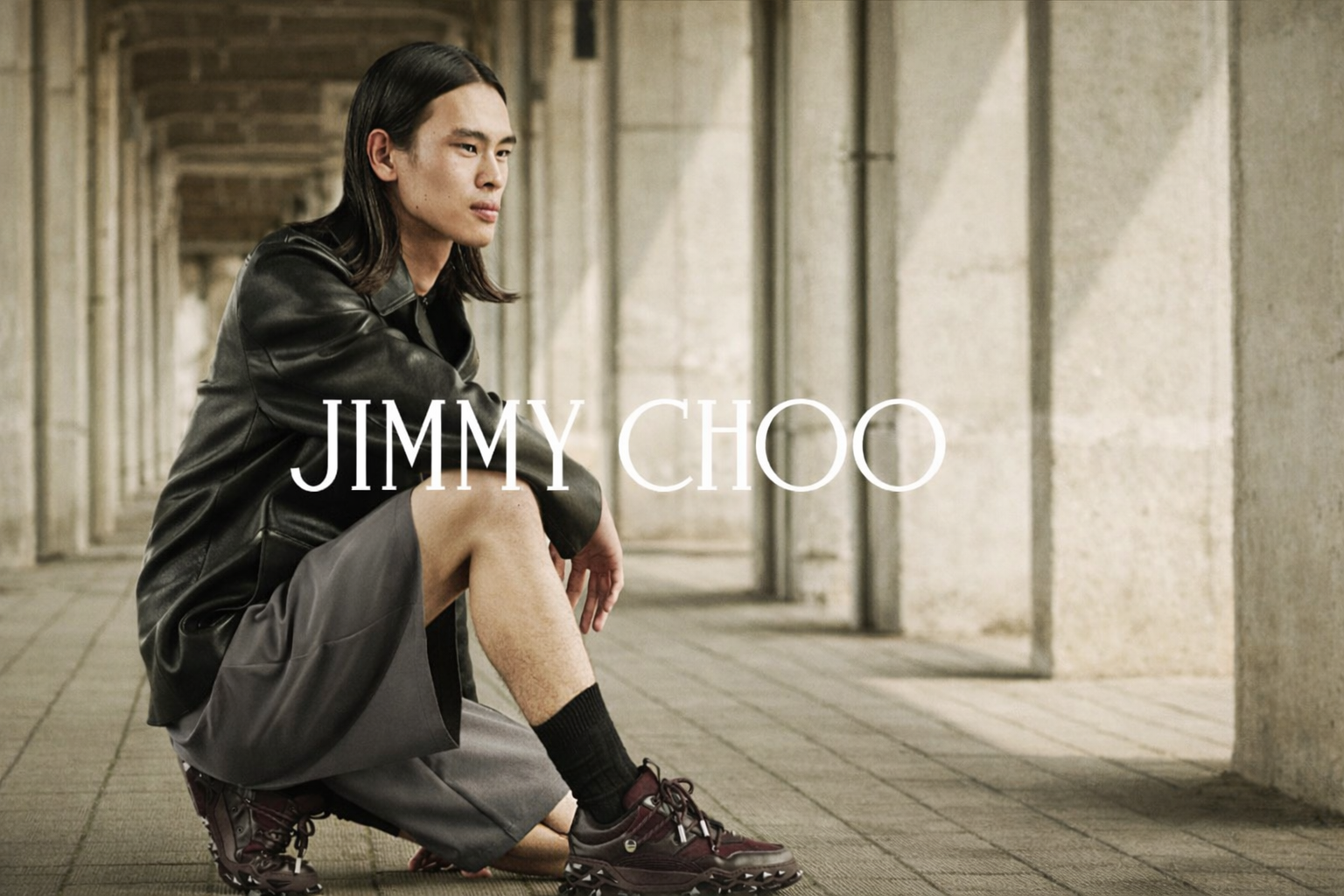
Origins of Jimmy Choo and Early Craftsmanship
Jimmy Choo is a luxury fashion brand based in Britain, renowned for its high end finishes in shoes, accessories, and other fashion items. It is now synonymous with glamour, fashion, and celebrities worldwide, and its rise from a humble shoemaker’s studio in London to a global luxury fashion house is an important chapter in fashion history.
The roots of Jimmy Choo can be traced back to its founder, who was born on 15th November 1948, named Jimmy Choo Yeang Keat, and was born in Penang, Malaysia. He came from a background where shoemaking was a well established tradition, as his father was a shoemaker, and he began his own shoemaking experience at a young age by watching and working with his father. He started making his own shoes at the tender age of just 11.
Choo’s early years were molded by the hands on approach to learning in the workshop setting. His formative years were spent observing the way the material, the soles, and the leather combined to form the shoe. Such an early experience instilled in him an appreciation for craftsmanship and aesthetics, which later characterized Jimmy Choo couture and high end footwear.
At the later stage of his teens and twenties, Choo decided to take formal education in shoe design and moved to London to achieve this goal. He joined Cordwainers Technical College in Hackney, which is now part of the London College of Fashion. After graduating with distinction in 1983, he was ready to make a mark in the fashion industry.
After completing his studies, Jimmy Choo opened his first store in 1986 in the East End of London. The store was in an old hospital building, and he designed bespoke, handmade shoes. His customers were private shoppers who needed high class handmade shoes made with care and accuracy.
Choo’s designs started receiving recognition in fashion circles early on. Fashion magazines featured Choo because they realized that he incorporated extraordinary craftsmanship with elegance. Choo was recognized for his creativity in the use of beautiful shades of color in his designs, which made shoes a luxurious experience.
During the latter part of the 1980s and the early 1990s, there was an enhancement of his reputation among the elite segment of society. His clientele comprised celebrities and high society personalities. Notably, there was a close and personal connection with Princess Diana, whom he frequently visited at Kensington Palace for private fittings. The customized shoes that he designed for her were acclaimed for their beauty and intricacy of design.
This phase in the history of Jimmy Choo was more than the birth of just another fashion label. This was more than just the birth of another fashion label. It was the transition from craftsmanship to luxury fashion. The partnership between Jimmy Choo and Tamara Mellon formed the basis of what was to become the illustrious Jimmy Choo label of the future.
The Birth of the Jimmy Choo Brand and Global Expansion
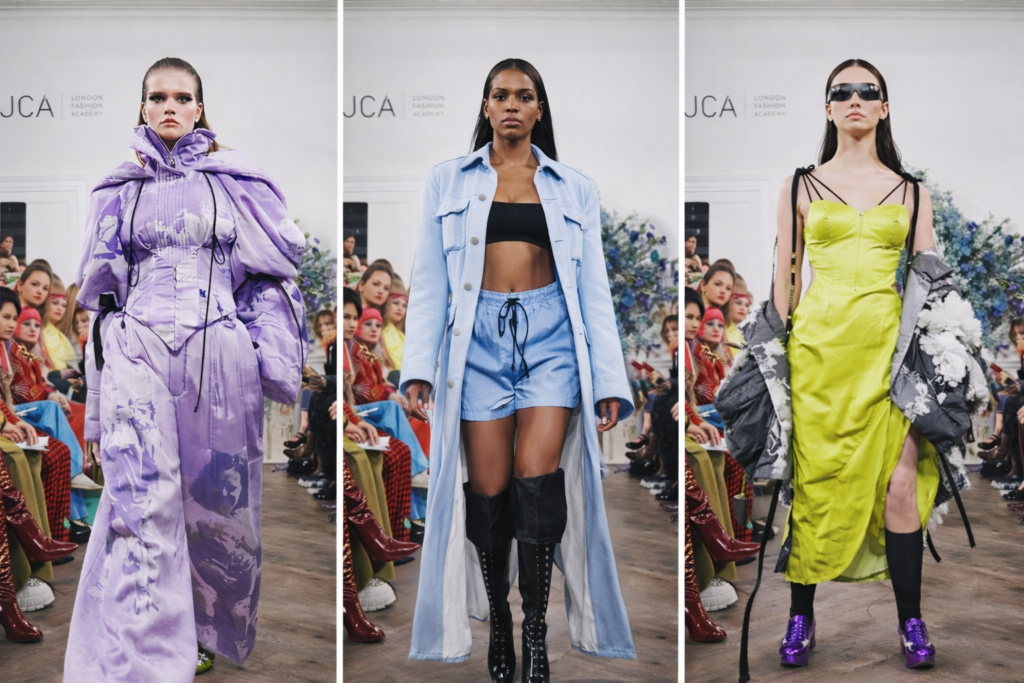
Although Jimmy Choo was known as an expert shoemaker, the Jimmy Choo fashion brand known today was founded in 1996. This was the turning point for Jimmy Choo when he began a partnership with Tamara Mellon, who was then the Accessories Editor at British Vogue magazine. Tamara realized the potential in Jimmy and grasped the need for fashion footwear in the market, and the rest is history, as the shoemaker turned into a fashion house.
This was a calculated partnership in which Mellon was to explore the facets of business development, marketing, and brand strategy, while Choo would focus on the creative aspects of shoe making. This, therefore, is the reason why Jimmy Choo luxury and high fashion footwear are no longer primarily customized but, rather, enter the realm of mass luxury.
In 1996, the first Jimmy Choo store was opened in Motcomb Street, Knightsbridge, London. This was distinct from other shoe shops as the focus was put on the shoes as a fashionable item rather than just being practical. Consumers could buy the shoes as they were, such as heels and boots, and eventually handbags and other accessories.
In the late 1990s, Jimmy Choo shoes had become the choice of Hollywood stars, with celebrities like Cate Blanchett, Halle Berry, and Madonna sporting Jimmy Choo designs. These celebrities helped Jimmy Choo achieve the status of an icon in the world of luxury fashion. The iconic design of Jimmy Choo’s stilettos, with their elegance, delicacy, and craftsmanship, had become synonymous with glamour and sophistication.
Further, the company expanded its international network by opening boutiques in New York and Los Angeles in 1998. During this expanded period, there was a surge in luxury fashion consumption, especially among celebrities. Moreover, the company later launched its Jimmy Choo handbags, belts, and accessories, increasing its reach to include other products apart from footwear.
But then came the important breakthrough: the red carpet phenomenon of the early 2000s. Jimmy Choo footwear was showcased in award shows around the world, as well as on magazine covers. The shoe’s publicity was further fueled by product placement in television shows like “Sex and the City,” whereby Jimmy Choo stilettos became the epitome of aspiration for a new generation of fashion forward women. This marked the shoe as not just fashion but also an icon.
The brand extended its range by further expanding its product line, which included handbags and “Limited Editions.” Working with designers, stylists, and department stores further added to the brand’s prestige. Accessories from Jimmy Choo’s brand are said to be as precise as its footwear, reaching the expectations of fashionistas around the world, as well as luxury fashion enthusiasts.
Here’s why the brand stood tall and apart during that time: “Unlike other shoe brands that competed on the basis of quantity of production, quality, luxury, and uniqueness of design have always been at the core of what I do – and each and every heel that I create is a testament to the marriage of glamour and architectural detailing that is at the heart of my bespoke craftsmanship heritage.”
However, by the mid 2000s, the brand had become a symbol of luxury available globally. The boutique openings in various international locations, including Paris, Milan, Tokyo, and Hong Kong, created a network of international presence. These were strategic moves, which ensured that the Jimmy Choo international luxury and footwear were available to a clientele that appreciated its heritage and high fashion sensibilities.
Along with retail growth, the brand jumped on board with celebrity partnerships. Rihanna, Blake Lively, Taylor Swift, and more literally stamped grounds with Jimmy Choo heels wherever they performed or walked onto those coveted carpets. Marketing for the brand capitalized on the appearances, making their shoes a symbol of ultimate aspiration and exclusivity, and thus part of pop culture.
Design Philosophy, Signature Styles, and Cultural Relevance
After Jimmy Choo established itself as a global luxury brand, the design philosophy continued to balance heritage craftsmanship with contemporary fashion trends. A commitment to artisanal excellence remained, while embracing innovations in material, structure, and aesthetics. Every collection, from evening stilettos to casual sneakers reflected a deep understanding of form, function, and cultural appeal.
The signature styles became central to the brand’s identity. This classic pump, with its pointed toe and sculpted heel, is an enduring symbol of elegance. Jimmy Choo’s luxury leathers, satin, and exotic skins showcase both visual and tactile quality. Each heel was painstakingly designed to ensure structural integrity without sacrificing style, a hallmark that has made Jimmy Choo footwear special in a crowded luxury market.
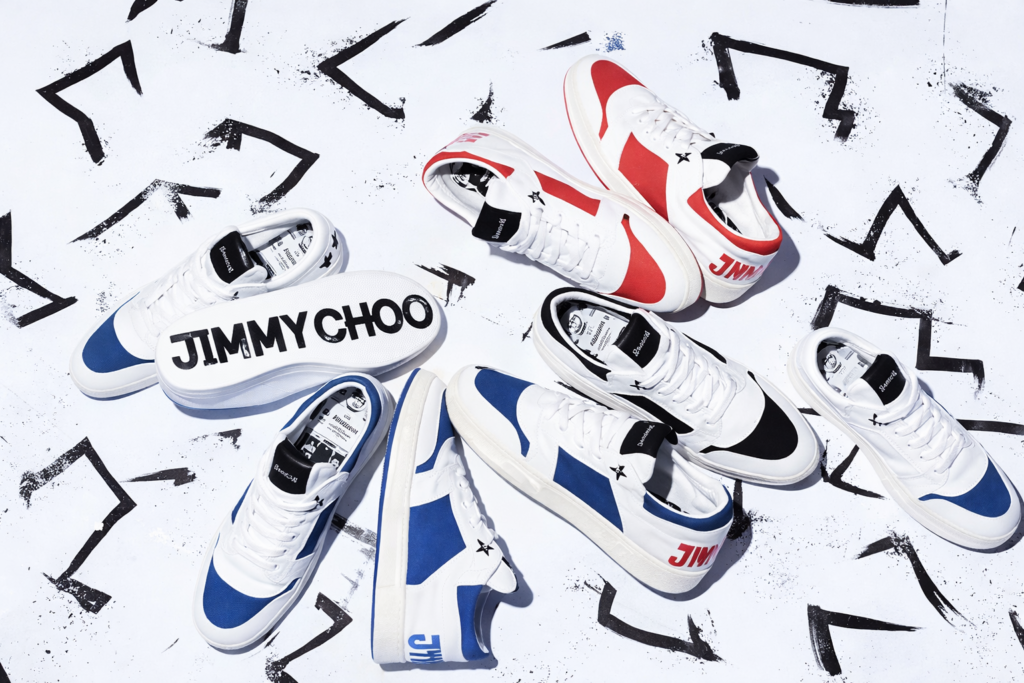
The next segment Jimmy Choo went into was luxury sneakers, and the move was strategic, as it targeted the younger and more fashionable segment, as well as the emerging field of luxury casual wear. With sneakers, Jimmy Choo introduced luxury materials, discreet branding, and architectural elements, bringing together style and comfort at their best, along with exclusivity, owing to the collection of limited edition designs included.
This is why Jimmy Choo sneakers became popular worldwide, since they not only combined traditional shoemaking skills with modern urban style but were also stylish for high end casual and off duty luxury looks. Such an appeal helped the Jimmy Choo company grow its consumer base while further cementing its reputation as a multi category luxury company.
Apart from the footwear, the brand also launched limited edition apparel products, including hoodies and outerwear as part of specific capsule collections. The typical Jimmy Choo hoodie was made from high quality cotton blends and had additional touches such as tonal embroidery, metallic zippers, and subtle branding.
The entire Aesthetic and Design Philosophy of Jimmy Choo has been rooted in elegance, craftsmanship, and glamour. The designs of Jimmy Choo range from classic to modernity. The heel varies from stiletto to block heel. The palette of material varies from metallic finish, laser cut, and embroidery. This ensures that all Jimmy Choo collections convey luxury while being relevant to ever changing consumer demands.
Collaboration has also been the next area in Jimmy Choo’s business strategy. Working in collaboration with various designers, artists, and fashion brands, including Off White for capsule collections and limited edition footwear designs, has helped Jimmy Choo spread its influence and reach in the fashion world. Collaborations involving celebrities, including awards show stylists and music videos promoting Jimmy Choos, have helped the company establish itself as an icon in fashion.
As established in previous sections, Jimmy Choo is a luxury accessories house, not a clothing brand. While the brand has released very limited, occasional capsule items like hoodies, it does not have a “clothing” line that defines its brand identity or speaks to its cultural relevance. Its reputation for aspiration and success is built almost entirely on its footwear and accessories (such as handbags and eyewear).
Jimmy Choo, for example, is committed to the blending of high end luxury with modern style sensibilities, creating fashion collections that cater not only to high fashion connoisseurs but also to the younger generation who seek fashionable, glamorous, and culturally relevant accessory and footwear designs with global sensibilities. Each shoe style, whether high heel or sneaker, is infused with the artistry and sensibility that Jimmy Choo is known for in the world of luxury fashion.
One of the factors which ensures the enduring success of Jimmy Choo is the fact that, in spite of adapting to new fashion trends, the brand does not compromise on quality. In fact, innovations in sourcing fabrics, the emphasis on structural elegance, and the fact that modern luxury trends around the world have been successfully merged with the brand’s collections ensure that every Jimmy Choo collection is both elite and culturally ubiquitous.
Global Retail Expansion, Collaborations, and Sustainability
By the early 2000s, Jimmy Choo had grown from a boutique London shoemaker into a global luxury brand. Expansion into key cities like New York, Paris, Milan, Tokyo, and Dubai was strategic, targeting both fashion capitals and luxury markets. Flagship stores were designed to reflect the ethos of the brand, boasting sleek interiors, polished displays, and a key focus on customer experience. Each store offered not just shoes but a curated experience: Jimmy Choo handbags, accessories, and seasonal collections sat alongside iconic footwear.
Here’s why the retail strategy would have mattered: Because Jimmy Choo had a place in luxury department stores like Harrods and Saks Fifth Avenue, or Neiman Marcus, the brand reached into really different demographics while maintaining exclusivity. Stores have been curated to reflect both heritage craftsmanship and contemporary luxury, combining classic heels with limited edition sneakers and seasonal handbag collections.
Limited Edition Drops became a hallmark of Jimmy Choo’s cultural relevance. Many seasonal collections featured exclusive colorways, rare materials, and experimental designs. For example, metallic finishes, Swarovski crystal embellishments, and sculptural heel shapes were often part of the drops. These limited releases created scarcity and excitement among collectors and fashion enthusiasts worldwide.
Collaborations with Designers and Artists have further enhanced influence. Jimmy Choo has collaborated with various artists in recreating original designs. Such designs have been a blend of high end luxury fashion and art in the world of Jimmy Choo, encompassing shoes, heels, sneakers, bags, etc. Such collaborative work with various artists, designers, fashion icons, and artists has been of great significance.
Another area where Jimmy Choo cultural integration exists is in the world of media, films, and music. Celebrities such as Rihanna, Meghan Markle, and Blake Lively have been spotted in Jimmy Choo heels and pumps on the red carpets, events, and award shows. A presence in a film or music video by a brand such as Jimmy Choo helps to create a perception as a fashion icon.
Sustainability initiatives have become crucial for Jimmy Choo long term strategy, and it’s essential to recognize their significance. The company focuses more on responsibly sourced leather from certified tanneries, as well as ensuring the sustainability of its product package and manufacturing process. Jimmy Choo’s sustainability strategy ensures even its luxury products adhere to the new sustainability expectations of consumers.
Jimmy Choo’s strategy by 2025 is an innovative blend of traditional craftsmanship, cutting edge creativity, and worldwide vision. Jimmy Choo’s strategy is to strike the right balance between exclusivity and brand desirability by offering its iconic designs, as well as its innovative sneaker designs, handbags, and capsule collections. This is keeping Jimmy Choo relevant in the fashion industry where luxury lifestyle and high fashion are continuously blurring into one another.
Jimmy Choo’s retail strategy involves more than just the selling of goods. Jimmy Choo’s website and stores offer experiences in the form of storytelling and craftsmanship. Jimmy Choo’s products, including the iconic stiletto, luxury handbag, and Jimmy Choo sneaker, come with their own story of luxury, empowerment, and the evolution of style. The brand’s strategy provides the new and repeat customer with the background and exclusivity of the goods they are purchasing at any of its stores.
Limited collaborations with fashion brands and artists also contribute to the relevance of Jimmy Choo. Collaboration involves innovation related to materials, uniqueness, and cultural relevance. From capsule collaborations to artists’ reimaginings of signature heels, collaboration, culture, and innovation in fashion remain central to Jimmy Choo.
Even the sustainability drive has seeped into their supply chain. Jimmy Choo is working toward greater oversight of its material sourcing and production, emphasizing ethical practices and sustainable production methods. This just goes to show the brand’s commitment to sustainable luxury as well as exclusivity, style, and quality.
Jimmy Choo’s global retail expansion strategy, collaborations, and brand sustainability offer an overall picture of the brand’s attempt to strengthen its leadership in the luxury market of the next decade. Jimmy Choo’s attempt at proposing a viable blend of heritage and innovation, uniqueness and desirability, craftsmanship and sustainability, makes every pair of Jimmy Choo’s shoes, sneakers, and handbags aspirational, socially relevant, and fashionable.
Future Vision and 2025 Goals
In moving forward to 2025 and beyond, Jimmy Choo is focused on innovation and digital and sustainable luxury. There is a need to further enhance its lifestyle and high fashion status by opening up its brand portfolio to include enhanced sneaker collections and expanded handbag lines in addition to its signature heels. This is important because today, luxury consumers expect versatility and diversity in luxury products.
Jimmy Choo is also stepping up its game by deploying digital technologies to optimize the customer experience. For example, virtual try on tools, AI powered styling tools, and interactive e-commerce experiences are already being integrated and enhanced across their platforms. This is helping the brand reach out to global customers without sacrificing its exclusive and luxury fashion status. The brand will continue to create hype through limited edition drops and collaborations, helping it remain a lifestyle brand to younger consumers.
Sustainability still serves as a key concept. Jimmy Choo has invested in eco-friendly materials, ethical manufacturing practices, and circular fashion strategies. Current and future products include recycled leathers, eco-friendly textiles, and green packaging. This will support the luxury brand in fitting in with the overall trend of conscious luxury and its socially responsible consumerism associated with luxury brands.
Brand Legacy and Cultural Influence
Jimmy Choo has evolved beyond just being a fashion brand to become a cultural icon of luxury, empowerment, and elegance. Jimmy Choo shoes and accessories can be seen in various productions, events, and other media, hence becoming part of popular cultures all over the world. The company has gained credibility through organic celebrity placement, with high profile figures such as Rihanna, Meghan Markle, and Blake Lively frequently choosing to wear the brand.
The brand’s ideological inclination is based on craftsmanship, precision, and innovation. Each product, from the signature stiletto to the modern sneaker, is a result of decades of shoemaking history and current trends. Further, Jimmy Choo has inspired many other luxury brands to fuse modern glamour and high fashion sophistication.
Conclusion
From its humble origins as a bespoke footwear maker in London in 1996 to its status today as a global luxury streetwear brand, Jimmy Choo has maintained a balance between tradition, which emphasizes craftsmanship, and cultural significance, which entails being relevant to its times. Choo, a Malaysian cobbler, founded the brand, which is more closely associated with renowned former Accessories Editor Tamara Mellon, who is British. Its history is a lesson in innovation, strategy, and creativity in crafting a brand.
Today, Jimmy Choo remains a trendsetter, a bridge between high fashion and modern luxury, and a culture influencer around the world. Every shoe, sneaker, or accessory wears the reputation for quality, design, and narration that embodies the Jimmy Choo ideals to become forever a statement for aspiration and poise.
Frequently Asked Questions About Jimmy Choo
1. What is Jimmy Choo?
Jimmy Choo is a British luxury fashion brand founded in 1996, specializing in shoes, handbags, and accessories. The brand is renowned for combining heritage craftsmanship with modern design trends.
2. Who founded Jimmy Choo?
The brand was founded by Malaysian shoemaker Jimmy Choo and British Vogue accessories editor Tamara Mellon in London.
3. What products does Jimmy Choo offer?
Jimmy Choo produces high heeled shoes, sneakers, handbags, clothing, and accessories. Seasonal collections often include limited edition pieces.
4. Where is Jimmy Choo based?
The brand is headquartered in London, United Kingdom, with flagship stores in fashion capitals worldwide.
5. What makes Jimmy Choo different from other luxury brands?
Jimmy Choo blends heritage shoemaking, luxury streetwear, and contemporary fashion, creating products that are both timeless and culturally relevant.
6. What are Jimmy Choo’s signature items?
Signature items include stiletto heels, embellished pumps, iconic sneakers, handbags, and seasonal Jimmy Choo hoodies.
7. Does Jimmy Choo collaborate with other designers or artists?
Yes, the brand frequently collaborates with fashion designers, artists, and pop culture figures to produce limited edition collections.
8. Are Jimmy Choo products limited edition?
Many products, especially collaborations and seasonal collections, are released in limited quantities, creating exclusivity and collectible appeal.
9. How does Jimmy Choo approach sustainability?
The brand uses recycled and vegan materials, ethical production practices, and eco friendly packaging to reduce environmental impact.
10. Which celebrities wear Jimmy Choo?
Celebrities such as Rihanna, Meghan Markle, Blake Lively, and Lady Gaga frequently wear Jimmy Choo products on red carpets, media appearances, and public events.
11. What is the price range of Jimmy Choo products?
Prices vary widely. Shoes range from $400 to $2,000, handbags from $1,000 to $3,500, and limited edition pieces can exceed $5,000.
12. Where can I buy authentic Jimmy Choo products?
Jimmy Choo items are sold at official stores, authorized retailers, and online via Jimmy Choo’s website. Verified luxury retailers include Harrods, Saks Fifth Avenue, and Farfetch.
13. What inspires Jimmy Choo collections?
Designs are inspired by heritage craftsmanship, urban culture, art, music, and global fashion trends, merging timeless elegance with modern innovation.
14. Is Jimmy Choo considered luxury fashion?
Yes. Jimmy Choo is recognized as a luxury brand, combining high quality materials, design innovation, and global prestige.
15. What is Jimmy Choo’s vision for 2025 and beyond?
The brand focuses on sustainable luxury, digital innovation, and expanding its streetwear luxury hybrid offerings, ensuring cultural relevance and continued global influence.
For collaborations, press, or inquiries, contact us at streeticonic1@gmail.com.



AMIRI is a luxury fashion brand known for combining Los Angeles rock-and-roll culture, expressive streetwear, premium denim, and high-end craftsmanship. Founded by designer Mike Amiri in 2014, the label has developed a recognizable identity through distressed jeans, graphic T-shirts, leather jackets, designer sneakers, and statement-making accessories.
But what makes AMIRI different from other luxury streetwear brands? Its appeal goes beyond a recognizable logo. The label draws inspiration from music, California subcultures, vintage clothing, and the rebellious attitude associated with rock musicians. It then translates those influences into contemporary luxury fashion.
For shoppers in the United States, understanding AMIRI means looking at its history, signature designs, product categories, pricing considerations, and styling possibilities. This guide explains how the brand developed, what distinguishes AMIRI clothing, and what to consider before investing in a piece.
In simple terms, AMIRI is a Los Angeles-founded luxury fashion house that combines rock-inspired design with premium materials, distinctive detailing, and contemporary silhouettes.
What Is AMIRI and Who Founded It?
AMIRI is a luxury fashion house established in Los Angeles by American designer Mike Amiri in 2014. The brand initially gained recognition for its distinctive denim and rock-inspired menswear before expanding into a broader collection of clothing, footwear, bags, and accessories.
Who Is Mike Amiri?
Mike Amiri is the founder and creative director behind the label. His early career involved creating handcrafted stagewear for musicians and performers. That background helped shape his interest in clothing that feels expressive, personal, and connected to music culture.
Instead of treating denim and everyday clothing as purely functional products, Amiri approached them as creative pieces. Distressing, hand-finished details, graphic treatments, and carefully developed silhouettes became important elements of the brand’s visual language.
The label launched with a capsule collection at Los Angeles retailer Maxfield in 2014. It subsequently expanded into international luxury retail and established a stronger presence through runway presentations and flagship stores.
How Did AMIRI Become Popular?
AMIRI grew by connecting several fashion influences that already had strong cultural appeal:
- Rock-and-roll fashion: Slim denim, leather jackets, vintage-inspired graphics, and rebellious styling.
- Los Angeles street culture: Relaxed casualwear, California references, and an emphasis on individuality.
- Luxury craftsmanship: Detailed finishes, premium materials, and carefully constructed garments.
- Celebrity and music culture: The brand’s aesthetic resonates with performers and consumers interested in expressive designer fashion.
Its development illustrates an important point about luxury streetwear: a brand can become recognizable when its products communicate a consistent visual identity rather than relying on logos alone.
What Makes AMIRI Clothing Different?
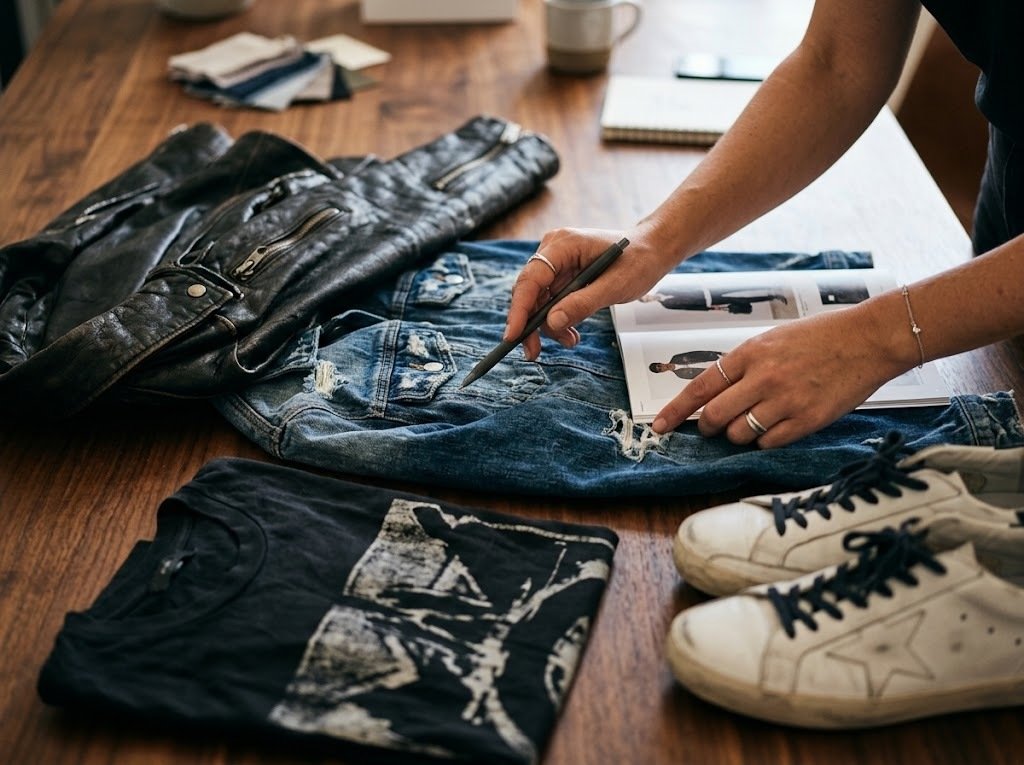
AMIRI clothing stands out because it combines familiar wardrobe staples with distinctive treatments. A pair of jeans, a cotton T-shirt, or a hoodie can become a statement piece through its fit, finish, graphics, and material choices.
1. Signature Distressed Denim
Denim is one of the most recognizable parts of the AMIRI identity. Some designs feature abrasions, rips, faded washes, patchwork, or other distressed details that create a worn-in appearance.
The idea is not simply to make jeans look old. The placement of distressing, the shape of the leg, the wash, and the overall proportions contribute to the final look.
Popular styles and design details may include:
- Skinny and slim-fit jeans
- Vintage-inspired faded denim
- Ripped and distressed finishes
- Patchwork and decorative detailing
- Relaxed or wider-leg silhouettes
The exact styles vary by collection, so buyers should check the current product description rather than assume every AMIRI jean has the same construction or fit.
2. Graphic T-Shirts and Hoodies
Graphic T-shirts, sweatshirts, and hoodies give the brand a more accessible entry point into its visual style. Depending on the collection, designs may incorporate prominent lettering, artwork, embroidered elements, or vintage-inspired graphics.
These pieces work particularly well for shoppers who like luxury streetwear but do not necessarily want heavily distressed jeans or elaborate outerwear.
A graphic AMIRI T-shirt can be worn with plain black trousers and simple sneakers. Alternatively, pairing it with distressed denim creates a more recognizably rock-inspired outfit.
3. Leather Jackets and Statement Outerwear
Leather jackets are closely associated with the brand’s rock-influenced aesthetic. Other outerwear options can include denim jackets, bombers, and more tailored pieces.
The important distinction is that AMIRI does not rely exclusively on casual streetwear. Its outerwear and tailoring can introduce structure and refinement into outfits that would otherwise feel informal.
4. Knitwear and Tailoring
Knitwear adds texture, while tailored pieces offer a more polished interpretation of the brand’s identity. Depending on the collection, shoppers may find patterned knits, distinctive textures, coordinated sets, and modern tailoring.
This variety makes AMIRI relevant beyond sneaker culture. A tailored jacket with a simple T-shirt and clean trousers can create a more understated outfit without abandoning the brand’s contemporary character.
5. Footwear and Accessories
AMIRI also produces sneakers, boots, loafers, bags, belts, eyewear, and other accessories. Its footwear often applies the same design philosophy found in its clothing: recognizable silhouettes, material contrasts, and carefully considered detailing.
For shoppers who prefer subtle branding, accessories can be a useful way to incorporate the label without building an entire outfit around it.
Is AMIRI a Luxury Brand?
Yes. AMIRI is generally positioned in the luxury fashion market, with products sold through its official retail channels and established luxury and designer retailers.
Its positioning reflects several factors:
- Design identity: The brand maintains a recognizable connection to rock music and Los Angeles culture.
- Materials and construction: Selected products feature premium fabrics, leather, specialized washes, and detailed finishing.
- Brand development: Runway collections, international boutiques, and collaborations support its position within contemporary luxury fashion.
- Retail positioning: Its products are priced and marketed for shoppers seeking designer clothing rather than basic everyday apparel.
However, luxury positioning does not automatically mean that every item offers the same material quality, durability, or value. A graphic T-shirt, a pair of jeans, and a leather jacket have different production requirements and practical uses.
Why Is AMIRI So Expensive?
AMIRI prices reflect a combination of brand positioning, design, materials, manufacturing, and retail costs. Distinctive denim treatments and detailed construction can also require more work than simpler garments.
The price may additionally reflect the value consumers place on the designer label and its cultural associations.
Before purchasing, consider three questions:
- Will you wear it regularly? A versatile jacket or pair of jeans may earn more use than a highly distinctive seasonal item.
- Does the construction justify the cost for you? Review the fabric composition, finishing details, and care instructions.
- Are you paying mainly for the design? If the main attraction is the logo or visual identity, compare that benefit with your personal budget.
A high price alone is not proof of superior durability. Evaluating the specific garment is more useful than judging the entire brand by its reputation.
How Much Does AMIRI Clothing Cost?
AMIRI belongs to the premium luxury segment, so its products generally cost substantially more than mainstream casualwear. Exact prices depend on the product, collection, material, retailer, and current availability.
Typical price positioning can be understood by category:
| Product category | What affects the price |
|---|---|
| T-shirts | Graphics, fabric, embellishment, and collection |
| Hoodies and sweatshirts | Fabric weight, construction, artwork, and finishing |
| Jeans | Denim quality, wash treatments, distressing, and detailing |
| Sneakers and boots | Materials, construction, design, and model |
| Leather jackets | Leather selection, construction, hardware, and finishing |
| Bags and accessories | Materials, size, hardware, and design complexity |
Is AMIRI Worth the Money?
Whether AMIRI is worth the price depends on your priorities. It may appeal to people who value distinctive design, luxury-brand identity, premium styling, and expressive clothing.
It may be less suitable for someone who prioritizes low cost, understated basics, or clothing that requires minimal care.
A practical example: Imagine you have a $1,000 clothing budget. Rather than spending it immediately on one statement item, compare the price of your preferred AMIRI piece with the cost of several versatile wardrobe essentials. If the designer item fills a specific role in your wardrobe and you expect to wear it often, the purchase may make sense. If it duplicates clothing you rarely wear, the value is harder to justify.
The key is to evaluate cost per wear, versatility, and personal preference instead of buying solely because a product is popular.
How to Style AMIRI Clothing
AMIRI works best when its distinctive details have room to stand out. You do not need to combine multiple statement pieces to achieve the intended look.
1. Casual Everyday Outfit
Pair a graphic T-shirt with straight-leg jeans and clean sneakers. Keep additional accessories simple so the graphics remain the main feature.
This approach is suitable for casual outings, shopping, or relaxed social settings.
2. Rock-Inspired Streetwear
Combine distressed denim with a fitted T-shirt, a leather jacket, and boots or sneakers. The combination reflects the brand’s musical influences without requiring every piece to have visible branding.
Choose one dominant detail, such as distressed denim or a statement jacket, to prevent the outfit from looking overly busy.
3. Elevated Casual Style
Wear a knit polo or understated top with tailored trousers and refined footwear. This combination offers a more polished interpretation of luxury streetwear.
Neutral colors can make the outfit easier to coordinate and help distinctive textures stand out.
4. Contemporary Layering
Layer a T-shirt under a jacket or combine knitwear with relaxed trousers. Consider proportions carefully: a fitted top and wider trousers create a different effect from an oversized top paired with slim denim.
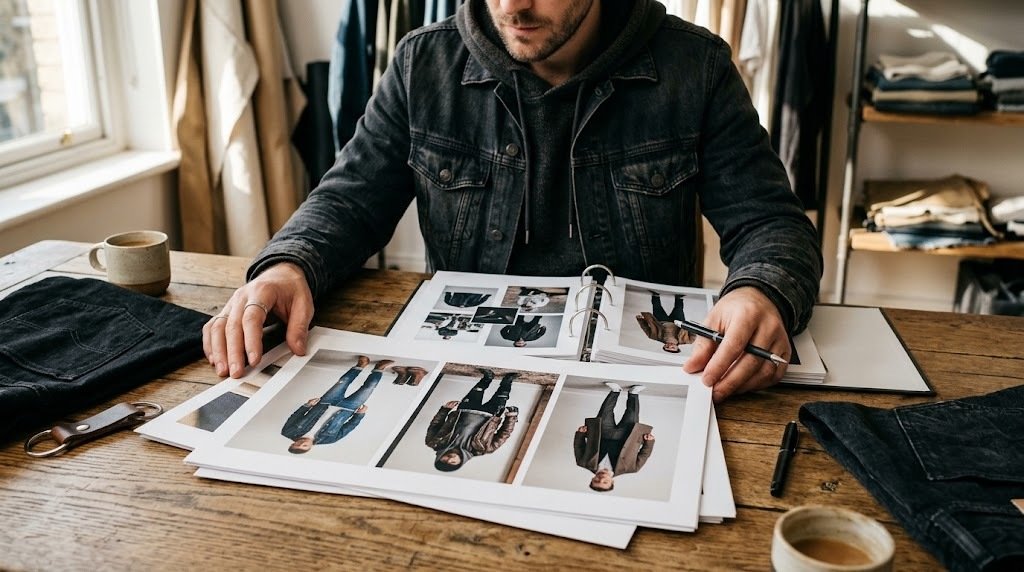
What Should You Wear With AMIRI Jeans?
Start with the jeans’ wash, fit, and level of distressing.
- Pair heavily distressed jeans with a relatively simple top.
- Wear faded denim with neutral T-shirts, knitwear, or understated outerwear.
- Balance slim jeans with a jacket that adds structure.
- Try wider-leg denim with a cleaner, more fitted upper layer.
- Choose footwear that complements the hem and overall silhouette.
The goal is to create a balanced outfit, not to make every item compete for attention.
Where Can You Buy Authentic AMIRI Clothing in the USA?
American shoppers can explore AMIRI through the official website and established designer retailers. Availability, sizes, colors, and prices vary by season.
Useful starting points include:
- Official AMIRI website: Browse current collections, product information, and available categories.
- FEATURE: Explore its AMIRI designer selection and check product availability.
- Saks Fifth Avenue: Review its designer assortment and individual product listings.
Use these links to compare available products rather than assuming a particular item is in stock.
How Can You Avoid Fake AMIRI Products?
Luxury streetwear can attract counterfeit sellers, especially in online marketplaces and social media listings. A familiar logo or convincing product photograph is not enough to establish authenticity.
Use these precautions before buying:
- Check the seller. Prefer the brand’s official store or a retailer with a verifiable business presence.
- Compare the exact product. Look for inconsistencies in the name, colorway, materials, and design details.
- Inspect product information. Review labels, stitching, hardware, packaging, and construction, but do not treat any single feature as conclusive proof.
- Be cautious with unusually low prices. A major discount can have legitimate explanations, but it should prompt additional checks.
- Read the return policy. Understand the conditions for returns and refunds before placing an order.
For expensive secondhand purchases, consider a reputable authentication service and retain the seller’s documentation and transaction records.
How Should You Care for AMIRI Clothing?
Care requirements depend on the actual garment. Denim with specialized washes, embellished tops, leather jackets, and knitwear should not all be cleaned the same way.
Before washing or storing an item:
- Read the care label and follow the product-specific instructions.
- Avoid assuming distressed denim can tolerate the same treatment as ordinary jeans.
- Use a qualified leather-care specialist for leather garments when recommended.
- Store knitwear in a way that minimizes stretching and distortion.
- Avoid applying heat or harsh cleaning products unless the garment’s instructions permit them.
Following the care label is particularly important for expensive clothing because unnecessary washing, heat, or abrasion can change the garment’s appearance.
What Is the Future of AMIRI in Luxury Fashion?
AMIRI’s development reflects the broader relationship between luxury fashion, music, streetwear, and contemporary retail. Its Los Angeles origins remain central to its identity, while its collections extend into tailoring, knitwear, bags, footwear, and womenswear.
The brand’s official history documents its growth from an early Los Angeles capsule collection to international retail expansion. Its 2026 activity also includes a collaboration with Maison MIHARA YASUHIRO and the announcement of a Milan flagship.
For fashion enthusiasts, the interesting question is whether AMIRI can continue expanding while maintaining the visual identity that made it recognizable. Its challenge is to balance commercial growth with the detailed design language and cultural references that distinguish its collections.
For consumers, this makes it useful to evaluate each collection on its own merits. A particular pair of jeans may appeal because of its cut and wash, while a later collection may be more interesting for its knitwear, accessories, or tailoring.
Final Thoughts: Is AMIRI Right for You?
AMIRI is a luxury fashion brand that brings together Los Angeles culture, rock-inspired design, expressive denim, and refined craftsmanship. Its clothing ranges from graphic T-shirts and distressed jeans to leather jackets, knitwear, sneakers, and accessories.
Its strongest appeal is its distinctive aesthetic. Shoppers who enjoy statement-making streetwear and designer pieces may find that the brand fits their personal style. Those who prioritize affordability, minimalism, or low-maintenance basics may prefer to compare alternatives before committing.
The smartest way to shop is to focus on the individual garment, confirm its authenticity, review its care requirements, and consider how often you will wear it.
Frequently Asked Questions About AMIRI
What is AMIRI famous for?
AMIRI is famous for luxury streetwear inspired by Los Angeles culture and rock music. Its signature products include distressed denim, graphic T-shirts, leather jackets, designer sneakers, and statement accessories.
Who owns AMIRI?
AMIRI was founded by American designer Mike Amiri in 2014. He serves as the brand’s founder and creative director.
Is AMIRI considered a luxury brand?
Yes. AMIRI is positioned in the luxury fashion market. Its collections combine distinctive designs, premium materials, detailed finishing, and designer retail positioning.
Why is AMIRI clothing so expensive?
AMIRI clothing prices reflect the brand’s luxury positioning, design, materials, construction, and specialized garment treatments. The exact price depends on the product and collection.
Where can I buy authentic AMIRI clothing in the USA?
You can explore AMIRI through its official website and established designer retailers such as FEATURE and Saks Fifth Avenue. Verify the seller, product details, and return policy before purchasing.
How should I style AMIRI jeans?
Pair AMIRI jeans with a simple T-shirt, clean sneakers, or a leather jacket. Balance heavily distressed denim with understated pieces, and choose footwear that complements the jeans’ fit and hem.
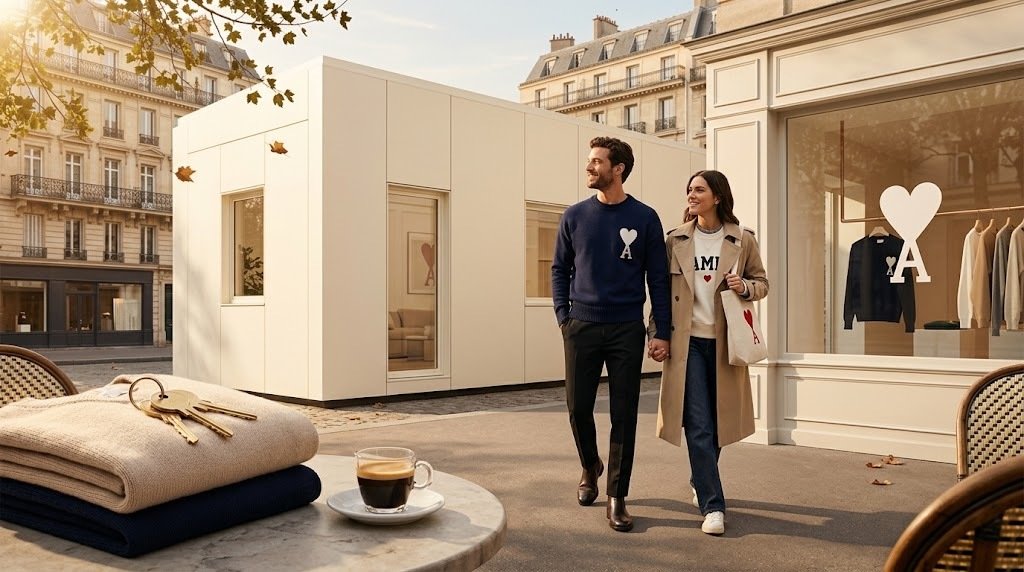
Ami Paris has become a recognizable name in contemporary French fashion, combining relaxed silhouettes, refined basics, and a distinctive heart-shaped logo. For anyone exploring premium everyday clothing, Ami Paris offers a modern interpretation of Parisian style that balances casual comfort with polished design.
Founded in Paris in 2011 by designer Alexandre Mattiussi, the brand creates ready-to-wear clothing and accessories for people who appreciate understated luxury without overly formal styling. Its collections include T-shirts, sweatshirts, knitwear, tailored jackets, trousers, bags, and footwear. The signature Ami de Coeur emblem is one of its most recognizable design features.
What is Ami Paris? Ami Paris is a French fashion house known for contemporary clothing that blends classic wardrobe essentials with relaxed, city-inspired styling. Its appeal comes from versatile designs, recognizable branding, and pieces that can work across casual and smart-casual outfits.
But is Ami Paris worth considering, what makes its clothing different, and how can you choose the right pieces? This guide explores the brand’s background, signature designs, clothing categories, quality considerations, styling ideas, and shopping tips for American consumers.
What Is Ami Paris and Who Founded It?
Ami Paris is a French ready-to-wear fashion brand founded by Alexandre Mattiussi in 2011. The word ami means “friend” in French, reflecting the approachable identity behind the label. The name also connects with the designer’s initials.
Before launching his own company, Mattiussi gained experience working with established fashion houses, including Dior, Givenchy, and Marc Jacobs. That background helped shape a design philosophy combining traditional menswear influences with more relaxed, contemporary proportions.
According to the AMI Paris history overview , the label opened its first Paris boutique in December 2012 and introduced its Ami de Coeur line in 2017. Womenswear followed in 2019.
What Makes the Brand Different?
Rather than relying exclusively on formal luxury clothing or oversized streetwear, Ami Paris occupies a space between the two. Its designs often combine familiar wardrobe staples with carefully considered details.
Key characteristics include:
- Parisian influence: Clean lines, versatile layers, and understated styling.
- Contemporary fits: Relaxed proportions alongside more structured garments.
- Recognizable branding: The Ami de Coeur heart emblem appears on selected pieces.
- Everyday versatility: Many items can be styled for casual outings, travel, work, and social occasions.
- Premium positioning: The brand sits above ordinary high-street basics in price.
The result is clothing that can feel distinctive without requiring a complicated outfit.
Why Is Ami Paris Clothing So Popular?
The popularity of AMI Paris clothing comes from a combination of visual recognition, wearable design, and its position within contemporary luxury fashion. Its pieces can appeal to shoppers who want designer clothing that feels less formal than traditional luxury tailoring.
1. The Ami de Coeur Logo
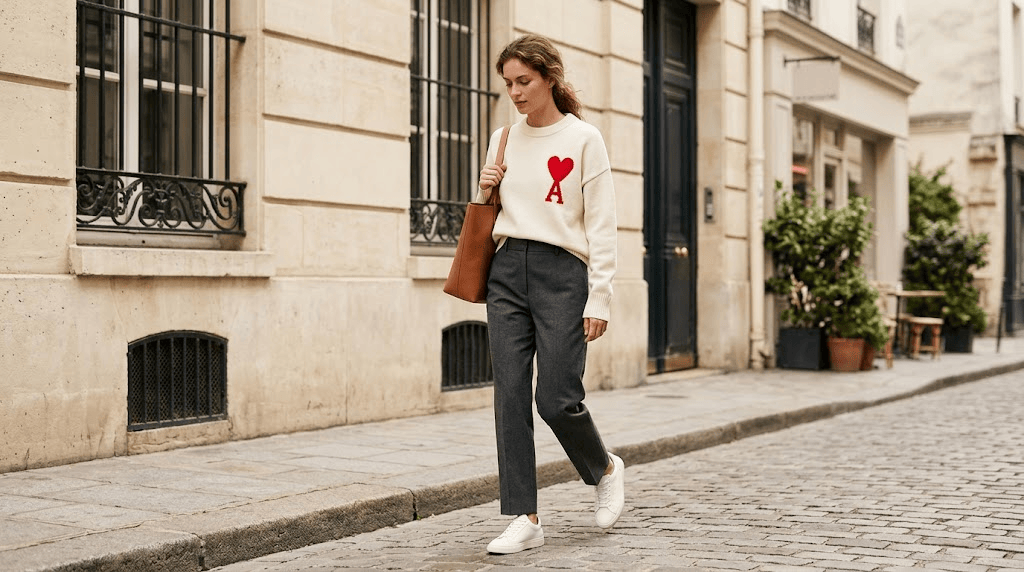
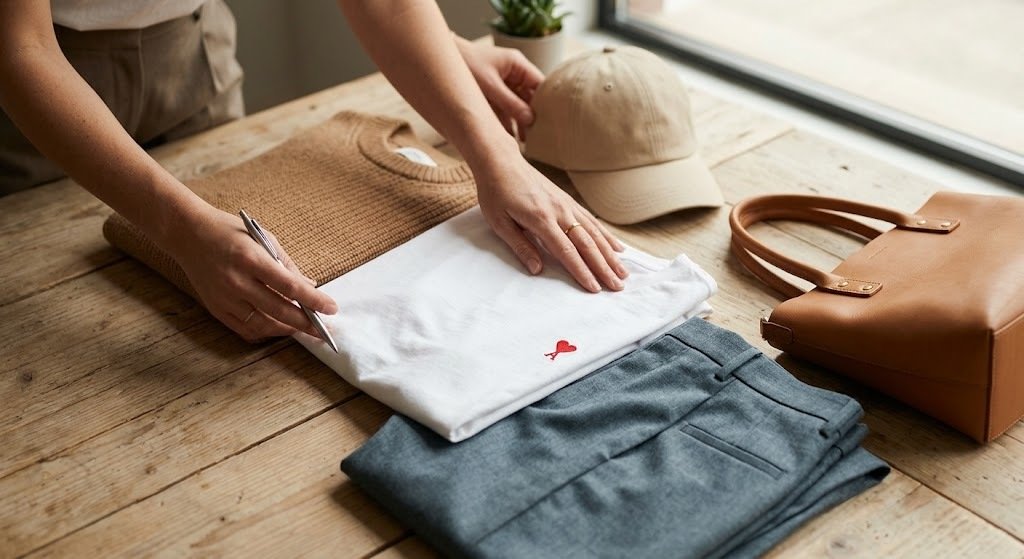
The Ami de Coeur Logo emblem is one of the brand’s most recognizable signatures. It features a heart motif combined with the letter A and is frequently used on knitwear, sweatshirts, T-shirts, and other garments.
The logo provides an identifiable design detail while allowing the rest of an outfit to remain simple. A neutral sweater with a small embroidered emblem, for example, can be paired with straight-leg jeans and minimalist sneakers without needing additional statement pieces.
2. A Balance Between Casual and Refined
Ami Paris clothing often works because its individual pieces are easy to combine. A sweatshirt can be worn with relaxed denim, while a structured overshirt can elevate a basic T-shirt and trousers.
This flexibility is useful for American shoppers building wardrobes that need to transition between different settings. The same knitwear piece might work for a weekend brunch, a city break, or a casual dinner.
3. Visibility in Contemporary Fashion Culture
Social media, fashion editorials, runway presentations, and celebrity styling have helped increase the brand’s visibility. Its recognizable logo also makes individual pieces easy to identify in outfit photographs.
However, popularity alone does not establish quality or value. Before buying, shoppers should consider construction, fabric composition, fit, versatility, and whether they genuinely like the design beyond its current visibility.
What Types of AMI Paris Clothing Can You Buy?
The brand’s range extends beyond its signature logo T-shirts. Its official US website organizes collections around menswear, womenswear, accessories, footwear, and leather goods. Browse the official Ami Paris website for current collections and product details.
T-Shirts and Sweatshirts
T-shirts and sweatshirts are accessible starting points for shoppers discovering the brand. Depending on the collection, designs may feature embroidered hearts, printed lettering, contrasting logos, or more minimal branding.
For everyday wear, consider the following:
- A neutral logo T-shirt with denim or chinos.
- A sweatshirt layered over a plain T-shirt.
- A graphic or embroidered design paired with understated trousers.
Check the fabric composition and garment measurements before purchasing. Two T-shirts in the same nominal size may fit differently because of their cut and material.
Knitwear and Cardigans
Knitwear is particularly suited to the brand’s blend of relaxed and refined styling. Sweaters, cardigans, and other knitted pieces can add texture without making an outfit visually complicated.
A crewneck sweater works well with straight-leg jeans and leather sneakers. A cardigan can be layered over a plain shirt for a smarter look.
For shoppers considering more expensive knitwear, inspect the fiber composition, care instructions, and expected maintenance. Wool and other delicate fibers may require more careful washing and storage than ordinary cotton basics.
Jackets, Coats, and Tailoring
Outerwear and tailored pieces offer a way to incorporate Ami Paris into more polished wardrobes. Depending on the season, collections may include coats, jackets, blazers, overshirts, and coordinated separates.
For a versatile American wardrobe, look for colors such as navy, black, gray, beige, and cream. These shades can be paired with existing clothing and worn across multiple seasons.
Pay attention to shoulder placement, sleeve length, and room for layering. A jacket that looks good over a T-shirt may feel restrictive over a thick sweater.
Trousers, Denim, and Accessories
Trousers and denim help create complete outfits, while accessories offer a less clothing-intensive way to explore the label.
Depending on availability, shoppers may find bags, small leather goods, hats, scarves, and other accessories.
A practical approach is to choose items that fill a genuine gap in your wardrobe. If you already own several logo sweatshirts, a well-fitting pair of trousers may provide more styling options than another similar top.
Is Ami Paris a Luxury Brand, and Is It Worth the Price?
Ami Paris is positioned within contemporary luxury fashion. Its pricing reflects designer branding, creative direction, materials, product development, and retail positioning. However, the label’s price does not automatically mean every item offers better durability or comfort than a less expensive alternative.
For a current US-market reference, Saks Fifth Avenue’s AMI Paris selection has listed examples such as logo cotton T-shirts at around $190, selected embroidered T-shirts at around $330, and wool sweaters at around $550. These are illustrative product listings, not fixed prices for every item; prices, availability, and promotions can change.
You can explore the AMI Paris selection at Saks Fifth Avenue to compare current products.
What Should You Evaluate Before Buying?
Use this simple framework to assess whether a piece justifies its price.
1. Fabric and construction: Read the material label and inspect seams, stitching, ribbing, and finishing where product images permit.
2. Fit: Check the garment’s measurements and fit description instead of assuming your usual size will work.
3. Cost per wear: Consider how often you expect to use the item. As an illustration, a $300 sweater worn 60 times over several years costs $5 per wear before maintenance. If you wear it only six times, the cost rises to $50 per wear.
4. Wardrobe compatibility: Consider whether the garment works with at least three outfits you already own.
5. Care requirements: Dry cleaning or delicate washing can add to the long-term ownership cost.
This cost-per-wear example is a planning tool, not a claim about the brand’s product performance. Actual value depends on the purchase price, frequency of use, care, and longevity.
Who Should Consider Ami Paris?
The brand may suit shoppers who appreciate contemporary European design, recognizable but often restrained branding, and versatile wardrobe staples.
It may be less suitable for buyers whose main priorities are the lowest possible price, technical performance, or completely logo-free basics at budget-friendly rates.
How Does Ami Paris Sizing and Fit Work?
Ami Paris offers different garment types and silhouettes, so there is no single fit rule that applies to every item. Some pieces are designed to feel relaxed, while tailored garments may have a more structured shape.
American shoppers should pay particular attention to the product’s stated fit and measurements.
How to Choose the Right Size
Before placing an order:
- Read the product description for terms such as regular, relaxed, oversized, or fitted.
- Measure a similar garment that already fits you well.
- Compare its chest, shoulder, sleeve, waist, or inseam measurements with the available size guide.
- Check the model’s height and the size worn, when provided.
- Review the retailer’s return policy before removing tags or washing the garment.
Do not automatically size up for an oversized appearance. A deliberately relaxed design may already provide the proportions you want.
Likewise, do not size down simply because you prefer a closer fit. Doing so can change sleeve length, shoulder placement, and comfort.
For a tailored jacket, shoulder fit is particularly important because substantial alterations can be difficult. For trousers, waist and inseam measurements are useful starting points.
How to Style Ami Paris for Everyday Outfits
Ami Paris clothing works best when the outfit has a clear balance between casual and polished elements. You do not need a head-to-toe designer look to make a single piece stand out.
Casual Weekend Outfit
Pair a logo T-shirt or sweatshirt with straight-leg jeans and simple sneakers. Keep the remaining colors neutral so the garment’s design remains the focal point.
This combination is suitable for casual outings, travel days, and relaxed weekends.
Smart-Casual Outfit
Wear a fine-knit sweater or cardigan with tailored trousers and clean leather shoes. A structured coat can complete the look when the weather calls for another layer.
This approach works for informal dinners, creative workplaces, and occasions where a full suit feels too formal.
Minimalist Streetwear Outfit
Combine a relaxed sweatshirt with straight or wide-leg trousers and understated sneakers. Keep accessories limited to one or two pieces.
The key is proportion. If the top is voluminous, a more structured lower half can make the outfit feel intentional rather than oversized throughout.
Seasonal Styling for the United States
Climate matters when choosing premium clothing.
- Spring: Lightweight knitwear, cotton T-shirts, and overshirts.
- Summer: Breathable cotton tops and lighter trousers.
- Fall: Layered sweaters, cardigans, denim, and medium-weight jackets.
- Winter: Coats, warmer knitwear, scarves, and suitable base layers.
Choose pieces based on the weather where you live rather than buying a collection simply because it appears in a seasonal campaign.
Where Can You Buy Authentic Ami Paris in the USA?
American shoppers can explore the official US website and established luxury retailers. The best option depends on product availability, sizing, shipping, and return terms.
Official Ami Paris Store
The official AMI Paris US website is a useful starting point for current collections, product descriptions, and brand information. Confirm the selected country or region before checking out so you review the applicable pricing and delivery information.
Saks Fifth Avenue
Saks Fifth Avenue carries selected AMI Paris clothing and accessories. Its product pages can help shoppers compare styles, sizes, and listed prices.
SSENSE and Nordstrom
SSENSE’s AMI designer selection and Nordstrom’s AMI Paris brand page are additional places to investigate. Inventory varies, so a specific item may not be available from every retailer.
How to Avoid Counterfeit Products
When shopping online, use these precautions:
- Buy directly from the brand or a retailer you can independently verify.
- Compare product names, images, labels, and construction details with official listings.
- Be cautious of prices dramatically below normal retail without a credible explanation.
- Review the seller’s return policy and contact information.
- Keep your order confirmation and proof of purchase.
A logo alone cannot establish authenticity. Counterfeit products can reproduce recognizable branding, and legitimate products can vary in appearance across seasons.
For expensive purchases from resale marketplaces, consider the seller’s authentication process and dispute protections before paying.
Conclusion: Is Ami Paris Right for Your Wardrobe?
Ami Paris brings together French fashion heritage, everyday clothing, relaxed tailoring, and recognizable design details. Its Ami de Coeur logo has become a signature, but the wider collection includes knitwear, outerwear, trousers, accessories, and other wardrobe essentials.
Whether the brand is right for you depends on more than popularity. Consider fit, materials, versatility, maintenance, and the amount you are comfortable spending. A thoughtfully selected sweater or jacket that works with your existing wardrobe can be a more useful purchase than several trend-driven items.
Start by exploring the current collection, comparing measurements and prices, and choosing pieces that fit your personal style.
FAQ Section
What is Ami Paris famous for?
Ami Paris is known for contemporary French fashion, relaxed tailoring, versatile wardrobe essentials, and its signature Ami de Coeur heart logo. Its collections include clothing and accessories for men and women.
Is Ami Paris a luxury brand?
Yes. Ami Paris is positioned within contemporary luxury fashion. Its products generally cost more than ordinary high-street clothing, although value depends on the garment’s materials, construction, fit, and how often it is worn.
Who owns Ami Paris?
Ami Paris was founded by French designer Alexandre Mattiussi in 2011. For current corporate ownership and management information, consult recent, reliable business reporting rather than assuming historical ownership details remain unchanged.
What does Ami mean in Ami Paris?
Ami is the French word for “friend.” The name also refers to designer Alexandre Mattiussi’s initials.
How does Ami Paris clothing fit?
Fit varies by product. Some garments have relaxed or oversized silhouettes, while others are more structured. Check the product description, garment measurements, and size guide before ordering.
Where can you buy authentic Ami Paris clothing in the USA?
You can explore the official AMI Paris US website and established retailers such as Saks Fifth Avenue, SSENSE, and Nordstrom. Check current inventory, seller authenticity, shipping terms, and return policies before purchasing.

Ambush is more than just a word associated with surprise attacks or hidden strategies. In modern culture, it represents creativity, disruption, and unexpected impact — especially through fashion. The rise of ambush clothing shows how a single concept can move from a traditional meaning into a powerful streetwear identity.
Many people search for Ambush because they want to understand its meaning, learn about the luxury fashion brand, or explore why its designs have become popular worldwide. The challenge is that the term has multiple meanings depending on the context.
This guide explains what Ambush means, where the concept comes from, how the fashion label changed streetwear culture, and why the brand continues to influence younger audiences. You will also learn how Ambush became connected with bold designs, jewelry, music culture, and modern luxury fashion.
What Does Ambush Mean?
Ambush means a surprise attack or sudden action taken from a hidden position. The word originally comes from military strategy, where a group hides and waits for the right moment to approach an opponent unexpectedly.
According to Merriam-Webster Dictionary, ambush refers to an act of hiding and waiting to surprise someone, especially an enemy.
However, the meaning of Ambush has expanded beyond its traditional definition. Today, the word is also used in:
- Fashion and streetwear
- Marketing campaigns
- Music culture
- Sports strategies
- Creative design
In fashion, Ambush represents the idea of standing out by doing something unexpected. Designers often use unusual shapes, experimental materials, and bold concepts to create pieces that immediately capture attention.

What Is Ambush Clothing and Why Is It Popular?
Ambush clothing is a contemporary fashion style known for its experimental designs, oversized silhouettes, futuristic elements, and connection with street culture.
The term is strongly connected with AMBUSH, a Tokyo based fashion label founded by Yoon Ahn and Verbal.
The brand started with jewelry designs before expanding into clothing collections. Its approach combined:
- Japanese street style
- Hip-hop influence
- Luxury fashion techniques
- Pop culture references
- Futuristic aesthetics
Unlike traditional luxury brands that often focus on classic designs, Ambush became recognized for creating pieces that feel experimental and unpredictable.
Key Features of Ambush Clothing
Some common characteristics include:
1. Oversized Streetwear Shapes
Ambush clothing often uses relaxed fits, large jackets, wide trousers, and comfortable silhouettes. This approach reflects modern streetwear trends where personal expression is more important than traditional tailoring.
2. Bold Graphics and Branding
The brand frequently uses strong visual elements, unusual logos, and recognizable design details that make pieces instantly identifiable.
3. Gender-Free Fashion Approach
Ambush has gained attention for designs that are not limited by traditional men’s and women’s fashion categories. Many collections focus on self-expression rather than strict gender rules.
4. Luxury Meets Street Culture
The brand successfully combines everyday streetwear with premium materials and high-fashion concepts.
How Did Ambush Become a Global Fashion Brand?
Ambush started as a creative project focused on jewelry before becoming a recognized fashion house. The brand gained international attention because it connected with musicians, artists, and fashion communities.
The founders built a reputation by creating pieces that felt different from mainstream luxury fashion. Instead of following existing trends, Ambush focused on creating designs that challenged expectations.
A major turning point came when the brand began collaborating with major companies and appearing in international fashion events.
Some important milestones include:
- Expansion from jewelry into full clothing collections
- Recognition at global fashion weeks
- Collaborations with major footwear and luxury brands
- Growing popularity among celebrities and streetwear enthusiasts
Why Is Ambush Fashion Influential in Streetwear Culture?
Streetwear has changed significantly over the last decade. Clothing is no longer only about function; it has become a way for people to communicate identity, creativity, and cultural interests.
Ambush became influential because it understood this shift.
Ambush’s Impact on Modern Fashion
Creating Unexpected Designs
The brand’s philosophy matches the original meaning of the word “ambush” — creating surprise. Many collections use unexpected shapes, materials, and concepts that challenge normal fashion expectations.
Connecting Fashion With Music
Music culture has played an important role in streetwear growth. Ambush’s connection with artists helped the brand reach audiences beyond traditional fashion circles.
Blending Luxury and Everyday Style
Modern consumers increasingly want clothing that feels exclusive but wearable. Ambush clothing fits this demand by combining premium craftsmanship with casual streetwear elements.
Encouraging Individual Expression
One of Ambush’s strongest influences is encouraging people to experiment with personal style instead of following strict fashion rules.
Ambush vs Traditional Streetwear: What Makes It Different?
While many streetwear brands focus on logos, limited releases, and casual designs, Ambush takes a more artistic approach.
| Feature | Traditional Streetwear | Ambush Clothing |
|---|---|---|
| Design Approach | Casual and graphic-focused | Experimental and conceptual |
| Inspiration | Skate, hip-hop, sports | Art, music, technology, culture |
| Style | Relaxed basics | Futuristic luxury streetwear |
| Audience | Streetwear enthusiasts | Fashion-forward consumers |
The difference is that Ambush is not only selling clothing — it is presenting a creative idea.
This approach has helped the brand maintain relevance in a highly competitive fashion industry.
How Does Ambush Clothing Influence Modern Fashion Trends?
The influence of Ambush clothing goes beyond individual pieces. The brand represents a larger movement in fashion where creativity, cultural references, and personal identity matter as much as traditional luxury.
Modern fashion audiences increasingly look for brands that tell a story. Ambush achieves this by combining different creative worlds, including music, art, technology, and Japanese design culture.
Unlike fast-fashion brands that quickly copy trends, Ambush focuses on creating recognizable concepts. Each collection often introduces unique shapes, materials, or visual ideas that encourage people to view clothing as a form of expression.
The Role of Japanese Fashion Culture
Japan has played a major role in shaping global streetwear. Cities like Tokyo have influenced fashion through experimental designs, attention to detail, and the ability to mix traditional and futuristic styles.
Ambush reflects this approach by combining Tokyo street culture with international luxury fashion standards.
Celebrity and Music Influence
Celebrity visibility has also helped Ambush gain worldwide recognition. Musicians and artists often use fashion as part of their personal branding, and Ambush’s bold designs fit naturally into this environment.
When influential figures wear a brand, it often introduces that style to new audiences who may not have discovered it otherwise.
Is Ambush a Luxury Fashion Brand?
Yes, Ambush is considered a luxury streetwear brand because it combines high-fashion design principles with contemporary street culture.
However, Ambush does not follow the traditional luxury model of focusing only on heritage, formal clothing, or classic designs. Instead, it represents a newer generation of luxury where creativity and cultural relevance are important.
What Makes Ambush a Luxury Brand?
Several factors contribute to its luxury status:
Premium Design Philosophy
Ambush collections are created with strong attention to concept, materials, and visual identity.
Limited Availability
Many fashion pieces are released in limited quantities, increasing their exclusivity among collectors and fashion enthusiasts.
High-Profile Collaborations
Collaborations with recognized brands have increased Ambush’s position within the global fashion industry.
Fashion Week Presence
The brand has participated in major fashion events, helping establish credibility among industry professionals.
According to fashion industry discussions, modern luxury increasingly depends on storytelling and cultural influence, not only traditional craftsmanship.
External reference: Council of Fashion Designers of America provides insights into modern fashion industry development and designers.
What Are the Most Popular Ambush Clothing Items?
Ambush offers a wide range of fashion products, but some categories have become especially recognized among fans.
1. Ambush Jackets and Outerwear
Outerwear is one of the strongest categories because jackets allow designers to experiment with shape, materials, and structure.
Popular styles include:
- Oversized jackets
- Utility-inspired designs
- Statement outerwear pieces
- Experimental silhouettes
2. Ambush Jewelry
Before becoming known for clothing, Ambush gained attention through jewelry designs.
The brand’s jewelry often features:
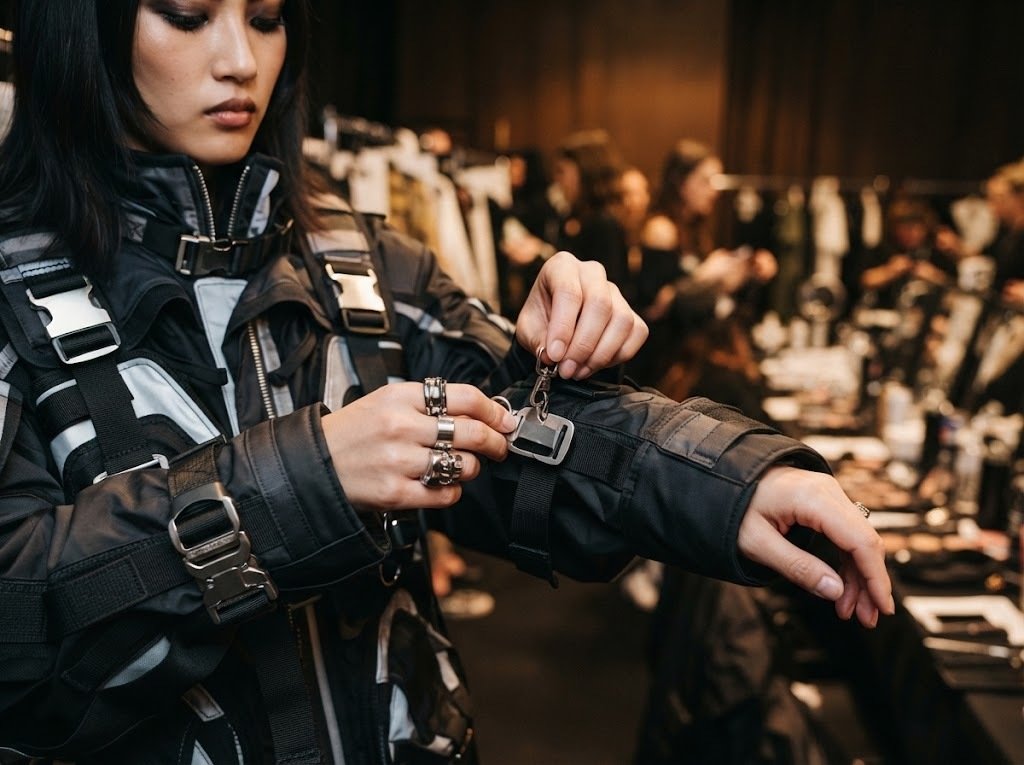
- Industrial-inspired shapes
- Bold accessories
- Unique symbols
- Metallic finishes
These pieces helped establish the brand’s identity before its clothing collections expanded.
3. Ambush T-Shirts and Casual Wear
T-shirts and everyday pieces allow more consumers to access the brand’s style.
They often feature:
- Graphic designs
- Brand symbols
- Relaxed fits
- Streetwear-inspired details
4. Ambush Footwear Collaborations
Footwear collaborations have also increased the brand’s visibility among sneaker and streetwear communities.
These releases often combine practical designs with creative visual elements.
How to Style Ambush Clothing for Everyday Wear?
Although Ambush designs can appear bold, they can be styled for everyday outfits by balancing statement pieces with simple basics.
Casual Streetwear Look
A simple approach:
- Pair an Ambush graphic shirt with relaxed jeans
- Add sneakers or minimal footwear
- Use accessories as the main statement
Layered Fashion Look
For colder seasons:
- Combine an oversized jacket with neutral clothing
- Add different textures
- Keep colors balanced
Minimal Luxury Style
For a cleaner appearance:
- Choose one Ambush statement item
- Pair it with classic pieces
- Avoid combining too many competing designs
The key is allowing one piece to create visual impact rather than making the entire outfit overwhelming.
Is Ambush Clothing Worth Buying?
Whether Ambush clothing is worth buying depends on what you value in fashion.
For collectors and fashion enthusiasts, Ambush offers:
- Unique designs
- Strong brand identity
- Cultural relevance
- Limited-edition appeal
For someone looking only for basic everyday clothing, other brands may offer better value.
A practical buying approach is to choose pieces that match your personal style rather than purchasing only because a brand is popular.
Original Fashion Insight
After analyzing streetwear trends over recent years, one noticeable pattern is that successful modern brands often create recognizable design language rather than simply producing more products.
Ambush follows this approach. A person can often identify an Ambush-inspired piece because of its unusual proportions, futuristic details, or unexpected combinations. This strong visual identity is one reason the brand remains memorable in a crowded fashion market.
What Is the Future of Ambush Clothing?
The future of Ambush will likely continue to focus on experimentation, collaborations, and cultural influence.
Fashion consumers are increasingly interested in brands that provide experiences and creative stories, not only products.
Ambush has positioned itself within this movement by maintaining a distinctive identity while expanding its global audience.
Future growth areas may include:
- More international collaborations
- Sustainable fashion approaches
- Digital fashion experiences
- Expanded lifestyle products
As streetwear continues merging with luxury fashion, brands like Ambush are likely to remain influential.
Conclusion: Why Does Ambush Matter in Fashion?
Ambush represents the evolution of modern fashion — where creativity, culture, and individuality combine.
Originally known as a word describing surprise and strategy, Ambush has become recognized worldwide through its innovative fashion approach. Ambush clothing gained popularity because it challenges traditional ideas, blends streetwear with luxury, and encourages people to express themselves differently.
For anyone interested in contemporary fashion, understanding Ambush provides insight into how modern streetwear has transformed the global fashion industry.
Whether you admire its designs, collect limited pieces, or simply want to understand the trend, Ambush remains an important name in today’s fashion conversation.
FAQ Section
What does Ambush mean?
Ambush means a surprise attack or action performed from a hidden position. In fashion, Ambush represents unexpected creativity and bold design choices.
What is Ambush clothing known for?
Ambush clothing is known for experimental designs, oversized silhouettes, luxury streetwear influences, bold accessories, and connections with modern music culture.
Is Ambush a luxury brand?
Yes, Ambush is considered a luxury streetwear brand because it combines premium design, limited releases, creative concepts, and high-fashion influences.
Who created Ambush clothing?
Ambush was founded by Yoon Ahn and Verbal. The brand originally started with jewelry before expanding into clothing and becoming internationally recognized.
Why is Ambush popular?
Ambush became popular because it offers unique designs, blends streetwear with luxury fashion, and connects strongly with music, art, and youth culture.
-

 Lifestyle12 months ago
The Story of Acne Studios: From Underground Roots to Global Fashion Icon
-

 Sneaker12 months ago
Inside Aime Leon Dore How It Redefined Streetwear Culture
-
 News & Drops12 months ago
Inside ADER error: How It Redefined Streetwear Culture
-

 Lifestyle12 months ago
Inside adidas how It Redefined Streetwear Culture
-

 Brands12 months ago
The Story of A-COLD-WALL From Underground Roots to Global Fashion Icon
-
 Style Guides12 months ago
Inside Acronym How It Redefined Streetwear Culture
-

 Style Guides12 months ago
Action Bronson: Where Streetwear Meets Art, Culture, and Identity
-
 Clothing9 months ago
Balmain Luxury Fashion Brand: History, Design Philosophy, Market Position & Global Influence