Blogs
YETI Coolers, Rambler Drinkware, Apparel, Limited Editions, and Streetwear: The Complete Guide to the Global Outdoor Lifestyle Brand

YETI Holdings, Inc. is a United States-based outdoor brand that specializes in coolers, drinkware, and outdoor gear for adventure. The company was founded in 2006 by two brothers, Roy and Ryan Seiders, who had a love for the outdoors but hated the quality of coolers that would break during hunting and fishing trips.
The brothers wanted a cooler that was more rugged and could last longer outdoors. They wanted a cooler that could keep ice longer and withstand the outdoors. This need led to the development of a cooler that was both rugged and functional.
The name YETI is a reference to the mythical mountain creature, which is rugged and strong. The brand name conveys a message that the products are rugged and strong enough to withstand the outdoors. The first product line was the rotomolded YETI Sherpa cooler, followed by the legendary Tundra cooler in 2008.
Founding Story and Early Years
Roy Seiders and Ryan Seiders started YETI using personal savings, strong family support, and a deeply ingrained entrepreneurial mindset shaped by their father, Roger Seiders. Roger instilled a practical, problem-solving attitude that encouraged experimentation, resilience, and hands-on learning. This philosophy became central to YETI’s early development process. Rather than outsourcing innovation, the founders personally designed, prototyped, and field-tested their coolers during fishing and hunting trips, identifying weaknesses in existing products and refining their own solutions. They repeatedly adjusted construction methods, insulation thickness, latching systems, and materials, deliberately rejecting cheaper manufacturing shortcuts in favor of durability, ice retention performance, and long-term reliability.
By 2008, YETI began distributing its flagship Tundra coolers through specialty outdoor retailers such as Cabela’s and Bass Pro Shops. This strategic retail placement was critical because it positioned the brand directly in front of serious anglers, hunters, and outdoor professionals who valued performance over price. Instead of pursuing mass-market discount channels, YETI intentionally focused on premium positioning, allowing product quality and real-world performance to drive credibility. Early adopters became organic brand ambassadors, sharing experiences through word of mouth, tournaments, guide communities, and outdoor networks.
This niche-first strategy created a strong foundation of authenticity. Enthusiasts praised the coolers’ durability in extreme environments where conventional products often failed, reinforcing YETI’s reputation as professional-grade equipment rather than recreational gear. The company’s early growth demonstrates a disciplined brand-building approach: solve a real problem, prove performance with core users, and expand gradually. That foundation later enabled YETI to evolve into a global premium outdoor lifestyle brand while maintaining its credibility among serious outdoor communities.
Growing Product Lines: Innovation and Expansion

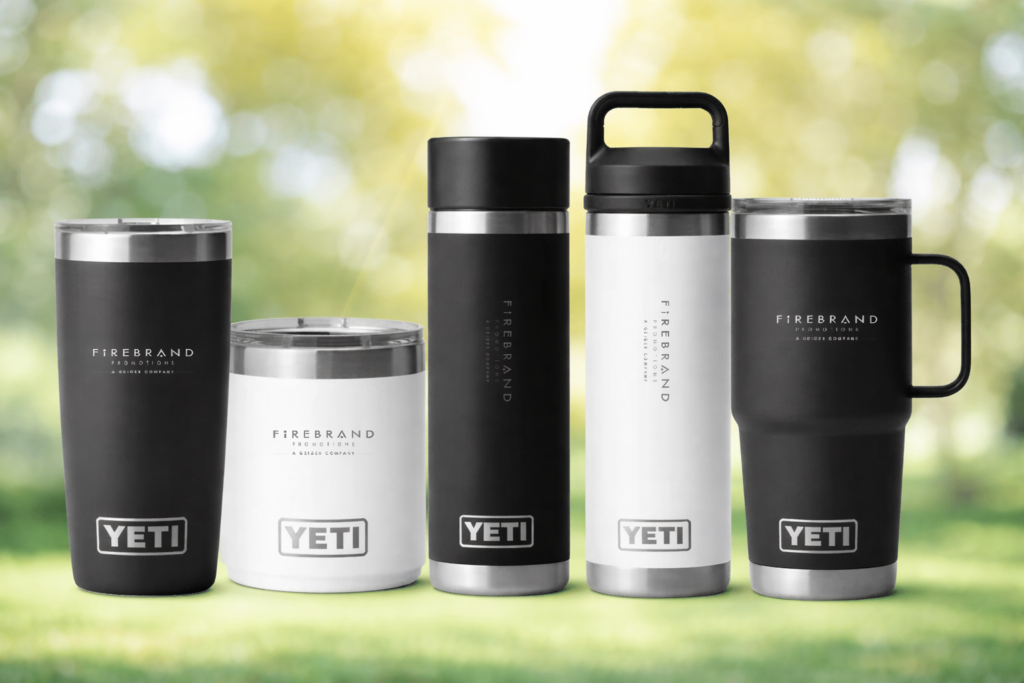
However, after the initial success of its high-end hard coolers, YETI expanded its product portfolio to cater to a wider range of outdoor lifestyles while retaining its essential brand character of toughness and performance. One of the most significant milestones for YETI was in 2014 with the introduction of the Hopper series, which marked the company’s entry into the soft-sided cooler market. Unlike conventional soft coolers, which emphasized ease of use over performance, the Hopper series featured high-density insulation, waterproof DryHide materials, and leak-proof zipper systems. This enabled YETI to offer its consumers the brand’s hallmark ice retention and durability in a more portable and lightweight design, ideal for kayakers, hikers, beach enthusiasts, and travelers who valued mobility without compromising on quality.
Also in 2014, YETI ventured into the drinkware category with the Rambler series, launching vacuum-insulated stainless steel drinkware such as tumblers, bottles, and mugs. This marked a substantial shift in the company’s consumer base because the drinkware category connected the outdoor market to the lifestyle market. Office professionals, commuters, gym-goers, and college students took to the Rambler series, and YETI was no longer a niche outdoor gear brand but a premium lifestyle brand. The success of Rambler drinkware also created recurring purchase behavior, as consumers collected multiple sizes, colors, and limited releases.
Innovation remained central to the company’s growth strategy. YETI continued developing advanced materials, puncture-resistant fabrics, magnetic closures, and modular storage systems across new categories. The product portfolio expanded to include waterproof cargo bags, technical backpacks, insulated lunch containers, travel gear, outdoor blankets, and even pet accessories such as durable dog bowls and beds. Despite this diversification, the brand consistently anchored new products in real-world performance testing, ensuring credibility with core outdoor users.
Importantly, YETI’s expansion did not rely solely on traditional advertising campaigns. Instead, the company cultivated strong grassroots credibility through authentic engagement with outdoor communities, including anglers, hunters, climbers, ranchers, surfers, and tailgating culture. Brand ambassadors were often real professionals rather than celebrities, reinforcing trust and authenticity. User-generated content, storytelling, and documentary-style marketing highlighted real adventures and harsh environments where products were tested.
This community-driven growth model helped YETI embed itself deeply into outdoor culture. By expanding thoughtfully across categories while preserving its performance-first philosophy, the company successfully transitioned from a single-product startup into a diversified premium brand with global lifestyle influence.
Brand Evolution and Market Influence
The story of YETI’s transformation from a garage startup to a publicly traded company is one of the most successful in the contemporary outdoor industry. Launched with a vision to address real-world performance issues for serious outdoor enthusiasts, the brand began by establishing itself with high-end hard coolers that significantly outperformed conventional mass-market products. As the brand gained popularity through word-of-mouth networks among fishing, hunting, and hard-core outdoor enthusiasts, it attracted investors, and a critical turning point came in 2012 when a private equity firm bought a majority stake in the company. This investment brought in the capital required to scale up manufacturing, improve supply chains, expand distribution channels, and build brand storytelling and marketing infrastructure.
The injection of capital accelerated YETI’s transition from being a niche player in specialty outdoor stores to mainstream retailers, online shopping platforms, and global distribution channels. The investment also enabled the company to diversify its product offerings, such as drinkware, soft coolers, bags, and accessories, turning YETI into a full-fledged outdoor lifestyle brand from a single-product performance innovator. The company continued to stick to its high-end pricing model, which helped it retain its brand stature and loyalty among core consumers despite its rapid expansion.
One such milestone was reached in 2018 when YETI made its initial public offering on the New York Stock Exchange with the ticker symbol “YETI.” The company going public signaled the end of private equity ownership and the beginning of a more diversified ownership structure, which not only validated the company’s long-term growth potential but also signaled that the company’s values and focus on quality, innovation, and authenticity would not be affected by its new status as a publicly traded company. The move also gave the company access to additional capital for international expansion, direct-to-consumer technology, and product development.
Currently, YETI has a well-rounded omnichannel business model that combines wholesale partnerships with major outdoor retailers and a direct-to-consumer business that is growing rapidly through its website and branded retail stores. This business model enables the company to control the customer experience, gain insights into consumers, and create limited-edition product drops that generate excitement and repeat business. The company’s products have also expanded from serving hardcore outdoor enthusiasts to lifestyle enthusiasts who identify with the brand’s values of durability, prestige, and outdoor identity.
YETI’s journey illustrates how a niche product innovation, when paired with authentic community credibility and disciplined brand positioning, can evolve into a global public company. From garage prototypes to international distribution and stock market presence, the brand’s rise reflects both entrepreneurial vision and the growing cultural importance of premium outdoor gear in modern consumer lifestyles.
Design Philosophy and Engineering
YETI is a prime example of the integration of extreme functionality and design, with a product philosophy that is guided by three core principles: durability, performance, and simplicity. Each product, from the flagship Tundra coolers to Rambler drinkware and cargo bags, is designed with materials that have been carefully selected for their durability—rotomolded polyethylene for the most indestructible coolers, high-quality stainless steel for drinkware that can withstand dents, and abrasion- and water-resistant materials for backpacks and soft coolers.
The company’s founders, Roy Seiders and Ryan Seiders, have stressed the importance of real-world testing in product development. The products are regularly tested in river expeditions, hunting trips, tailgating parties, and in extreme temperatures to pinpoint areas of improvement. The small but crucial details of the products, such as the BearFoot non-slip feet, over-engineered hinges, patented insulation materials, and reinforced handles, demonstrate the attention to functionality that is devoted to ensuring that the products are reliable in situations where failure is not an option.
In addition to its functionality, YETI has also established itself as a lifestyle brand for outdoor enthusiasts. Through minimalist branding, high-quality finishings, and user-centric design, the products are able to combine functionality with aspirational qualities. Limited edition product releases, hoodies, graphic tees, and collectible drinkware further enhance the brand’s cultural relevance, allowing it to build a community of fans who not only appreciate its functionality but also its identity. Through the combination of uncompromising functionality and lifestyle branding, YETI has transcended its role as an outdoor products company—it has become a symbol of ruggedness and authenticity.
Brand Cultural Influence and Community
YETI has created a strong cultural identity by merging uncompromising outdoor functionality with lifestyle desire. In addition to its functional credentials, YETI has utilized social media, storytelling, and influencer marketing to demonstrate real-world applications of its products, featuring hunters, anglers, campers, and adventure travelers using its products in extreme environments. These authentic portrayals create grassroots brand advocacy as consumers share their own experiences on Instagram, YouTube, and other social media platforms, further solidifying the perception that YETI products are a necessary component of serious outdoor participation.
The brand also extends its cultural identity by participating in community-building events, sponsoring fishing tournaments, and collaborating with artists, lifestyle personalities, and complementary outdoor brands. These efforts further blur the line between hard-performance products and aspirational consumer goods, creating a synergy where functionality intersects with identity. Engagement with events and strategic collaborations enables consumers to feel part of a larger community, fostering both loyalty and affinity.
Limited edition product releases and collaborations with high-end partners have also become an important part of YETI’s cultural approach. Limited edition colors of Rambler products, engraved drinkware, exclusive coolers at events, and limited edition apparel releases create a sense of collectibility and scarcity, which appeals to the outdoor enthusiast as well as the urban consumer. Hoodies, graphic tees, and accessories sport the same rugged design language, making functional products a statement of lifestyle.
Through the integration of functional superiority with cultural narratives, partnerships, and collectibility, YETI has managed to establish itself as both a performance-oriented brand and a status symbol. This approach clearly illustrates that authenticity, community engagement, and innovation through limited edition thinking can be a powerful driver of loyalty and influence among various consumer segments, ranging from the serious outdoor enthusiast to the lifestyle-conscious urban buyer.
YETI Products
YETI’s product line is centered on ruggedness, engineering, and performance, originally designed for hardcore outdoor enthusiasts but later broadened to appeal to a lifestyle market. The Tundra line remains the flagship innovation of the brand, boasting rotomolded materials akin to whitewater kayaks, pressure-injected insulation, and freezer-grade gasket seals that enable ice retention for several days. The heavy-duty rubber latches, non-slip feet, and bear-resistant designs in certain models further solidify the notion that these coolers are intended for extreme conditions rather than mere recreational use. Hunters, fishermen, overlanders, and professional guides frequently use Tundra products in situations where equipment failure can mean the difference between a successful and failed expedition.
The Hopper line introduced a new product segment for the brand by applying hard cooler performance to soft-sided portability. Employing DryHide™ waterproof materials, puncture-resistant shells, and ColdCell™ closed-cell foam insulation, Hopper coolers keep cold temperatures while being light enough for hiking, kayaking, and boating trips. High-quality leakproof zippers or improved magnetic closure designs further improved functionality, making the line a high-end substitute for soft coolers. This product line extension showcased YETI’s capacity to engineer products across different materials while adhering to the same performance standards.
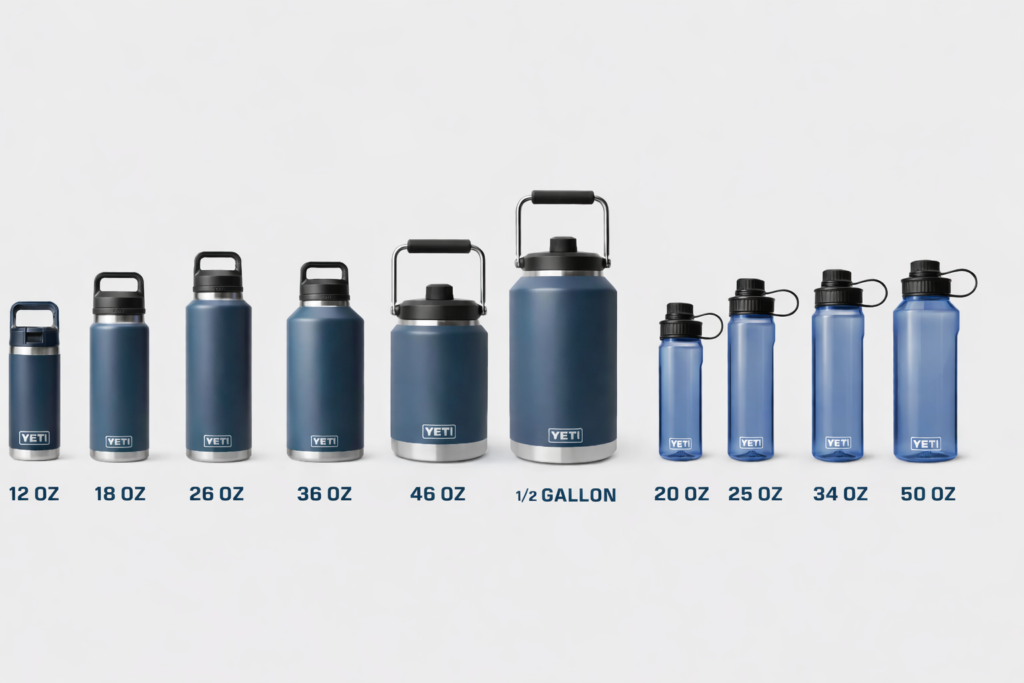
Drinkware is another area where the company has seen radical growth through its Rambler line. Vacuum-insulated stainless steel drinkware, bottles, mugs, and travel tumblers are not only popular with outdoor enthusiasts but also with office-going individuals and athletes. Double-wall insulation keeps hot or cold liquids at the desired temperature for several hours, and the powder-coated finish is scratch-resistant and provides good grip. Modular lids, straw caps, and stackable designs are a testament to user-centric design. Limited edition color releases and finishes also brought a collectible aspect to the products, encouraging customers to come back for more than just the product’s functionality.
YETI has also ventured into other areas of outdoor equipment, including LoadOut buckets, waterproof cargo boxes, backpacks, duffel bags, and dog accessories like bowls and beds, thereby providing a complete ecosystem of outdoor equipment. Each product in this range also focuses on waterproofing, abrasion resistance, and modularity, thereby providing consistency to the brand. The approach is to provide solutions to real problems rather than just catering to the latest trends, which helps to build credibility with serious customers.
Concurrently, YETI has been quietly venturing into lifestyle merchandise such as branded hoodies, performance jackets, caps, and casual wear. These products are less about functionality and more about self-expression, enabling consumers to express their affiliation with the outdoors even in an urban setting. Limited-edition hoodies based on seasonal product lines, hunting competitions, or local events tend to move quickly, symbolizing a community-driven merchandise strategy akin to streetwear releases. Although the brand is not involved in footwear collaborations, its tough brand identity has continued to be adapted into a lifestyle statement via high-performance bags and apparel.
Collectibles have become a progressively integral aspect of the YETI lifestyle. Limited-edition Rambler colors, engraved patterns, anniversary editions, and discontinued colors have driven the creation of a secondary market for enthusiasts. Stickers, patches, and promotional accessories given out at events or through ambassador programs also symbolize a sense of exclusivity. Some consumers have been purchasing entire color-coordinated sets of gear, using YETI products as functional equipment as well as personal collectibles.
It is the unique blend of engineering credentials, high-quality materials, and lifestyle aspiration that has driven the brand’s success. The YETI brand’s products exist at the point where performance needs are met and lifestyle statements are made. The brand has managed to leverage its offerings from hard coolers to drinkware, apparel, and collectible accessories without undermining its tough image, and it has thus become a one-stop outdoor lifestyle brand with high emotional loyalty.
Corporate Growth and Sustainability
Since its inception, YETI has evolved from a small warehouse-based business into a publicly listed company on the New York Stock Exchange with the ticker symbol YETI, with global distribution channels and a robust direct-to-consumer e-commerce platform. The top-line growth has been fueled by its strategic product diversification in the areas of coolers, soft-sided bags, drinkware, apparel, and accessories, combined with its premium pricing platform and compelling brand storytelling that communicates resilience, performance, and authenticity.
Sustainability is a strategic thread that is woven into YETI’s business model. The company is committed to eco-friendly manufacturing processes, recyclable packaging, and initiatives that aim to extend the life cycles of its products. The company’s commitment to ethical sourcing of materials ensures that the environmental footprint is minimized without sacrificing ruggedness.
By building products that last for decades, YETI aims to minimize waste and promote responsible consumer behavior. In addition to its focus on sustainability, innovation, and social responsibility, YETI has built a strong brand that is recognized and respected globally as a responsible and culturally relevant outdoor lifestyle brand.
Future Vision
The future strategy of YETI involves innovation, sustainability, and lifestyle extension to further establish the brand as a premier global outdoor brand. The brand is expected to leverage cutting-edge materials and modularity in their products, such as ultra-lightweight vacuum-insulated hard coolers, advanced textile engineering, and customizable storage solutions, while maintaining the tough design aesthetic that characterizes the brand. The brand is expected to continue with collaborations with streetwear brands, lifestyle influencers, and limited-edition releases, which bring together high-performance outdoor products and urban fashion and collectibility.
The brand’s extension into global markets and its extension of the product ecosystem to include apparel, accessories, and lifestyle products ensures that YETI remains relevant to its target market of adventurers, collectors, and streetwear enthusiasts. Innovation, global brand expansion, and supply chain diversification are the major drivers of future growth. The brand focuses on eco-friendly materials, recyclable packaging, and carbon-smart manufacturing processes, in addition to designing products for long-term durability. This approach to product development positions YETI as a forward-thinking brand that successfully integrates outdoor performance, lifestyle, and aspirational values with environmental sustainability, appealing to a broad and conscious consumer base globally.
Conclusion
YETI has grown from a niche outdoor brand to a worldwide icon of performance, adventure, and style. By merging the toughness of the outdoors with innovative design, it satisfies both the outdoor enthusiast and the streetwear consumer who appreciates style and authenticity. Its Tundra coolers, Hopper soft coolers, and Rambler drinkware products embody a lifestyle that revolves around exploration, community, and cultural engagement. Collaborations, sustainability, and high-performance materials engineering help YETI remain relevant in both outdoor and streetwear markets. By embracing quality, functional design, and aspirational branding, YETI demonstrates that performance and style can coexist, making it a brand that is timeless, revered, and iconic.
Frequently Asked Questions About YETI
1. What products does YETI offer?
YETI offers coolers, soft-sided coolers, drinkware, backpacks, duffels, dog gear, and ice packs.
2. Where is YETI based?
YETI is headquartered in Austin, Texas, USA.
3. Are YETI products durable?
Yes, they are engineered for extreme outdoor conditions and long-term use.
4. What makes YETI coolers unique?
YETI uses rotomolded construction, freezer-grade insulation, and heavy-duty latches.
5. Does YETI offer soft coolers?
Yes, the Hopper series provides portable, high-performance soft-sided coolers.
6. Are YETI drinkware products insulated?
Yes, all Rambler drinkware is vacuum-insulated to maintain temperatures for hours.
7. Can YETI products be used for streetwear fashion?
Yes, collaborations and urban appeal allow YETI items to be incorporated into streetwear styles.
8. Does YETI sell internationally?
Yes, YETI has distribution in multiple global markets.
9. Are YETI products eco-friendly?
YETI emphasizes sustainable materials, packaging, and long-lasting durability.
10. How do I clean YETI products?
Most coolers and drinkware are dishwasher safe; check specific product instructions.
11. Are YETI products expensive?
Yes, premium pricing reflects quality, performance, and design innovation.
12. What is YETI’s warranty policy?
YETI offers limited warranty coverage depending on the product category.
13. Does YETI collaborate with other brands?
Yes, including outdoor brands, artists, and streetwear labels for limited editions.
14. How does YETI maintain product quality?
Through real-world testing, engineering precision, and high-quality materials.
15. Where can I buy YETI products?
Products are available via YETI’s website, select retailers, and authorized dealers.