Blogs
Step Inside Bergdorf Goodman: Where Luxury Becomes an Experience


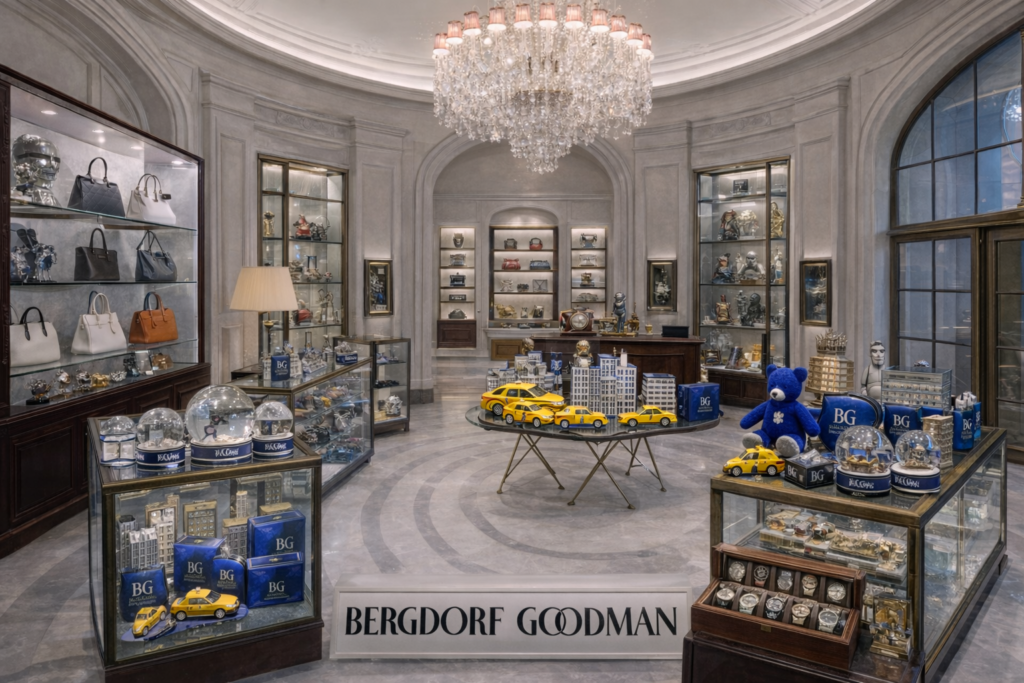
Introduction to Bergdorf Goodman
Bergdorf Goodman is a well-known luxury department store located on Fifth Avenue in New York City. For more than a century, the retailer has served customers seeking high-end fashion, designer collections, and a premium shopping experience.
The company was originally founded in 1891 by Herman Bergdorf, a tailor who opened a small shop in Manhattan. In 1899, businessman Edwin Goodman joined the company as a partner and later became the owner, helping expand the store’s reputation in luxury fashion retail.
During the early twentieth century, the store gradually evolved from a custom tailoring shop into a full luxury department store offering designer clothing and accessories. Today, Bergdorf Goodman carries apparel, footwear, handbags, jewelry, and beauty products from internationally recognized fashion houses such as Saint Laurent, Gucci, and Prada.
From a fashion influence perspective, Bergdorf Goodman has historically functioned as a curated platform for luxury designers, helping introduce runway collections to affluent retail customers in New York. Buyers at the store often select pieces from global fashion shows, shaping which trends reach luxury shoppers in the United States. Although its main role remains that of a high-end retailer, the store’s carefully curated designer assortment and iconic Fifth Avenue presence have made it an influential destination within New York’s luxury fashion landscape.
The Origins of Bergdorf Goodman
The origins of Bergdorf Goodman trace back to 1891 when Herman Bergdorf introduced the business by opening a small tailoring shop in New York City. Bergdorf focused on creating custom-made garments, emphasizing detailed craftsmanship, high-quality fabrics, and precise tailoring techniques. Following the partnership with Edwin Goodman in 1899, the reputation for well-constructed clothing quickly attracted a clientele that appreciated refined, made-to-measure fashion.
In the early 1900s, Bergdorf partnered with Edwin Goodman, whose business vision played an important role in expanding the company. Goodman later acquired the business and helped transform it from a small tailoring workshop into a growing luxury retail operation. Through strategic expansion and an increasing focus on designer fashion, the company gradually evolved to pioneer high-end ready-to-wear.
By the early twentieth century, Bergdorf Goodman had begun offering a broader selection of designer garments, accessories, and luxury apparel sourced from established Parisian couture houses. This shift allowed the retailer to participate more actively in the developing luxury fashion market of New York.
From a fashion influence perspective, Bergdorf Goodman’s early focus on craftsmanship and curated fashion helped shape its reputation as a destination for high-quality designer clothing and refined style. The store’s selective buying approach allowed it to introduce exclusive fashion pieces to upscale shoppers, establishing a foundation that continues to support its long-standing presence within New York’s luxury fashion retail landscape.
Bergdorf Goodman and Fifth Avenue
Bergdorf Goodman is located on Fifth Avenue, widely recognized as one of the most prominent luxury shopping districts in the world. This iconic New York retail corridor is known for hosting flagship stores and boutiques from many international fashion houses. Because of its prestigious address, Bergdorf Goodman benefits from high visibility among both local shoppers and international tourists visiting the city.
The store sits directly across from Central Park, a location that further increases foot traffic and public attention. Visitors exploring the park or nearby attractions often pass through the Fifth Avenue shopping district, which helps make the store a prominent landmark for global visitors. The surrounding area includes luxury retailers and fashion houses such as Louis Vuitton, Gucci, and Tiffany & Co., all of which contribute to the avenue’s global reputation for high-end retail.
Historically, Fifth Avenue has served as a central hub for luxury department stores and designer boutiques in New York City. From a fashion influence perspective, Bergdorf Goodman operates within this broader network of luxury retailers. Its curated designer selections and well-known window displays allow it to participate in the avenue’s fashion culture while remaining one of several prominent destinations within New York’s competitive luxury retail landscape.
Architectural and Interior Design
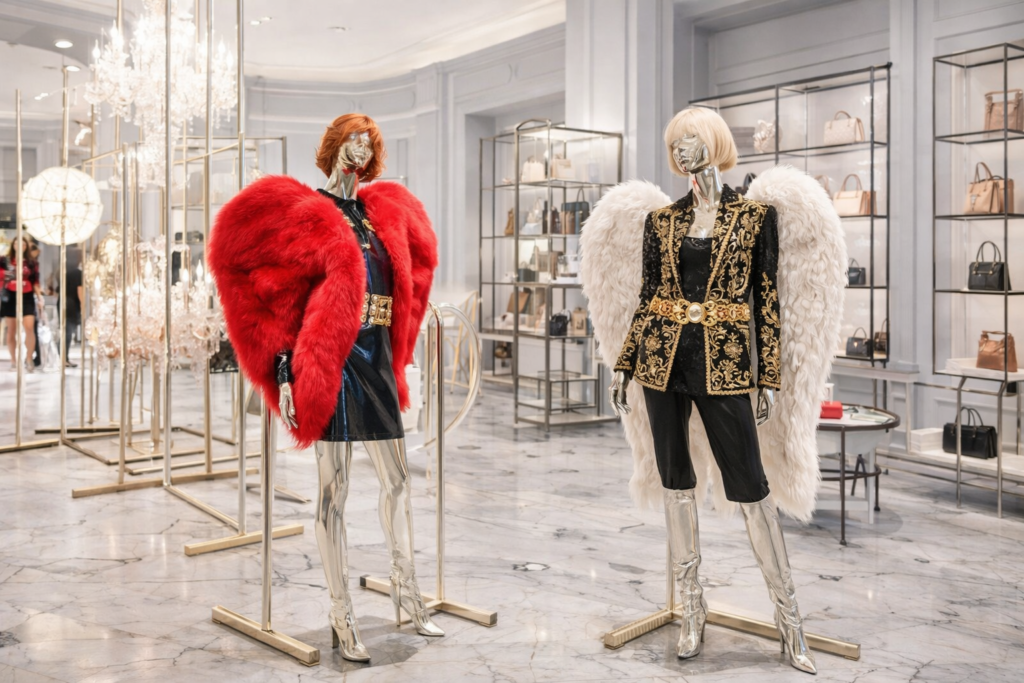
The Bergdorf Goodman building embodies classic luxury retail design, blending timeless elegance with high-end shopping functionality. Interiors feature marble flooring, sophisticated lighting, and intricate architectural details, creating an atmosphere that emphasizes refinement and exclusivity. While the building is historic, the store has integrated contemporary minimalist elements into its recent renovations, reflecting an evolution of early twentieth-century design that remains relevant to modern shoppers.
The store spans multiple floors, each carefully curated to showcase designer fashion collections. Key departments include women’s ready-to-wear collections, couture and eveningwear, luxury accessories, handbags, fine jewelry, and beauty products. The layout is intentionally designed to encourage exploration, allowing customers to navigate through a series of exclusive designer boutiques and partitioned “shop-in-shop” environments within the building.
From a fashion influence perspective, this modernized yet residential-style environment supports Bergdorf Goodman’s role as a trend-shaping platform for luxury brands. By presenting garments in a refined, visually impactful setting, the store allows designers to highlight seasonal trends, color palettes, and silhouettes. The combination of high-quality interiors and strategic floor planning elevates the shopping experience, reinforcing the store’s influence on fashion consumer behavior, designer exposure, and luxury styling trends. Bergdorf Goodman thus operates not only as a retail destination but also as a fashion curator shaping the perception of luxury in New York City.
Bergdorf Goodman’s Role in Luxury Fashion Retail
Luxury department stores like Bergdorf Goodman operate as curated retail environments that emphasize quality, exclusivity, and designer selection over mass-market volume. Unlike conventional retail outlets, Bergdorf Goodman focuses on handpicked collections from established fashion houses and emerging designers, offering shoppers access to high-fashion garments, accessories, and footwear in one location. Brands regularly featured in the store include Christian Dior, Valentino, Alexander McQueen, and Gucci, among others.
From a fashion influence perspective, Bergdorf Goodman functions as a trend-curating platform, shaping how luxury fashion is perceived and consumed in New York City. By providing a single destination for multiple high-end brands, the store allows designers to showcase seasonal trends, runway collections, and limited-edition releases directly to an affluent customer base. This environment encourages fashion discovery, cross-brand exposure, and luxury styling experimentation, enabling shoppers to engage with emerging trends while comparing multiple designer aesthetics under one roof.
The curated model reinforces Bergdorf Goodman’s influence on global luxury fashion, as designers benefit from the store’s selective merchandising, and consumers develop a deeper understanding of seasonal trends, silhouettes, and color palettes. In this way, Bergdorf Goodman operates as both a retail space and a cultural mediator for high-end fashion, shaping tastes and expectations among discerning shoppers.
Bergdorf Goodman Collectibles and Limited-Edition
Over the years, Bergdorf Goodman has occasionally offered collectible luxury items and limited-edition products that appeal to fashion enthusiasts, long-term customers, and high-end collectors. These exclusive releases typically coincide with holiday seasons, special designer capsule launches, or significant store anniversaries, enhancing their rarity and desirability.
One of the most notable collectible categories is the Bergdorf Goodman holiday ornaments, which gained significant prominence as a branded collectible category in the early 2010s. These ornaments often replicate the store’s famous Fifth Avenue window displays, architectural elements, or iconic store symbols. Produced in strictly limited quantities, they are released each winter and have become highly sought-after collectibles, often preserved by customers as seasonal heirlooms or decorative luxury items.
Bergdorf Goodman has also partnered with top fashion houses to release exclusive designer accessories, including handbags, wallets, and scarves. For example, brands like Valentino and Gucci have created store-exclusive colorways or styles available only through Bergdorf Goodman.
Additionally, high-end publishing houses produce collectible fashion books and photography publications that document the store’s window displays, designer collaborations, and seasonal visual merchandising. These editions include behind-the-scenes sketches, editor commentary, and high-resolution imagery.
From a fashion influence perspective, these collectibles not only reinforce Bergdorf Goodman’s role as a trend-setting luxury retailer but also act as tangible extensions of designer branding. By blending exclusivity, design, and storytelling, these limited items shape consumer perception of luxury, style curation, and high-end fashion culture, making Bergdorf Goodman a destination for both shopping and collectible fashion experiences.
Bergdorf Goodman Collaborations with Designers and Brands
Although Bergdorf Goodman primarily operates as a luxury retailer rather than a fashion brand, the store has historically facilitated high-profile designer collaborations and exclusive capsule collections. These partnerships are designed to deliver limited-edition products that appeal to discerning luxury shoppers and fashion collectors.
In the early 2010s, Bergdorf Goodman partnered with Jason Wu to present the “Miss Wu” contemporary collection, available solely at the Fifth Avenue location and online. The collaboration featured sophisticated, accessible daywear and feminine separates, strategically released during key retail seasons such as spring fashion launches. Similarly, Oscar de la Renta contributed exclusive ready-to-wear pieces and accessories in unique colorways or luxurious fabrics, making them unavailable in other retail outlets.
The store has also collaborated with accessory designers such as Manolo Blahnik, offering limited-edition footwear and embellished heels during special in-store events. Beyond apparel, Bergdorf Goodman has partnered with beauty and fragrance brands, debuting exclusive cosmetics and perfumes to attract high-end consumers and generate pre-release hype.
From a fashion influence perspective, these collaborations reinforce Bergdorf Goodman’s role as a curator of luxury trends, providing designers with a platform to introduce exclusive products while shaping consumer perception of high-end style, scarcity, and prestige. By blending retail exclusivity with designer storytelling, the store continues to influence New York luxury fashion culture, highlighting emerging trends, limited-edition aesthetics, and collector-driven consumer behavior.
Window Displays and Visual Merchandising
One of the most recognizable features of Bergdorf Goodman is its iconic window displays facing Fifth Avenue. For over a century, luxury department stores have leveraged window installations as a marketing tool to attract pedestrians, highlight seasonal collections, and reinforce brand identity. Bergdorf Goodman’s windows consistently elevate this practice, combining artistic design, thematic storytelling, and high-fashion presentation.
The displays often feature curated garments, accessories, and footwear from top designers such as Dior, Gucci, and Prada, arranged within creative installations or sculptural settings. Seasonal windows—especially during the holidays—incorporate lighting, multimedia effects, and interactive elements, creating immersive experiences that draw both local shoppers and international tourists.
From a fashion influence perspective, these displays function as miniature runway showcases, translating designer concepts into accessible visual narratives for a broad audience. They help introduce emerging trends, seasonal color palettes, and styling ideas directly to consumers outside traditional runway contexts. Photographed extensively for social media and fashion publications, Bergdorf Goodman’s windows amplify designer visibility while shaping public perception of luxury styling and curated fashion aesthetics. Beyond promotion, the displays reinforce the store’s status as a trend-setting luxury retail destination, connecting high fashion with cultural and artistic expression.
Bergdorf Goodman and Celebrity Fashion Influence
Bergdorf Goodman is occasionally associated with celebrity fashion due to its carefully curated selection of high-end designer garments and accessories. Stylists and fashion coordinators often source pieces from the store when preparing outfits for red carpet events, film premieres, award ceremonies, and major media appearances. These curated selections include designers such as Oscar de la Renta, Valentino, and Alexander McQueen, ensuring that celebrities have access to garments that represent current runway trends, premium tailoring, and high-end designer craftsmanship.
From a fashion influence perspective, Bergdorf Goodman functions as a trend-amplifying platform, connecting high-profile individuals with seasonal collections and limited-edition pieces. Although the store is primarily a curator, it also produces its own private-label fashion lines, and its role as a retail curator of luxury designers allows it to indirectly influence public perception of style. Celebrity appearances in Bergdorf Goodman-stocked attire often generate media coverage and social media amplification, shaping consumer taste, aspirational fashion, and street-to-luxury styling trends.
By bridging the gap between designers and high-profile clientele, Bergdorf Goodman reinforces its position as a central hub for luxury fashion discovery, where celebrity visibility, curated designer selections, and cultural relevance converge to influence broader fashion trends. The store’s presence in celebrity wardrobes underscores its authority in shaping luxury styling decisions for both elite and aspirational consumers.
Emerging Designers and Retail Opportunities
Bergdorf Goodman serves not only as a premier luxury retailer but also as a platform for emerging designers seeking exposure to high-end clientele. By introducing new and independent fashion houses alongside established luxury brands, the store creates a curated environment where avant-garde, contemporary, and experimental collections can reach affluent consumers who actively seek unique and trend-forward pieces.
For emerging designers, retail placement in Bergdorf Goodman provides several strategic advantages. Access to a well-heeled, fashion-savvy audience allows designers to build recognition within competitive luxury markets and attract editorial attention from top fashion publications, influencers, and stylists. This visibility can accelerate brand growth, secure industry credibility, and generate high-profile collaborations.
From a fashion influence perspective, Bergdorf Goodman’s support of emerging designers shapes trends within luxury consumer culture, offering shoppers new styling ideas and design innovations that challenge conventional fashion norms. By pairing fresh aesthetics with traditional designer collections, the store encourages cross-generational and cross-genre fashion exploration, allowing new silhouettes, textures, and color palettes to gain traction within mainstream luxury and global high-fashion communities.
Ultimately, Bergdorf Goodman’s curated approach to emerging designers reinforces its position as a trend-setting luxury retail destination, shaping both consumer tastes and the evolution of high-fashion aesthetics, while simultaneously fostering innovation and diversity within the fashion industry.
Famous Bergdorf Goodman Window Display Designers
The window displays at Bergdorf Goodman have long been a cornerstone of the store’s visual merchandising strategy, serving as more than simple retail decoration. These displays function as immersive fashion installations, blending high-end designer collections, artistic expression, and narrative storytelling to present designer collections in a compelling public-facing format.
A pivotal figure in shaping this visual identity was David Hoey, Bergdorf Goodman’s senior director of visual presentation. Beginning his tenure in the 1990s, Hoey transformed the Fifth Avenue windows into elaborate fashion tableaux combining high-end designer garments with meticulously crafted artistic sets. Seasonal displays often feature handmade sculptures, theatrical lighting, and intricate props, highlighting designer creations from Alexander McQueen, Valentino, and other luxury houses.
Holiday windows, in particular, have become a cultural phenomenon, attracting tourists and locals alike who photograph, share, and engage with the displays across social media platforms. From a fashion influence perspective, these installations act as street-level runway guides, showcasing seasonal color palettes, avant-garde silhouettes, high-end designer craftsmanship, and luxury accessory pairings.
By merging retail, high fashion, and theatrical design, Bergdorf Goodman’s windows elevate garments beyond the boutique, translating runway concepts into accessible visual narratives. These displays influence consumer style trends, inspire luxury eveningwear styling, and reinforce the store’s status as a trend-setting authority in global fashion culture, cementing its position as a premier luxury destination in New York City.
Luxury Consumer Experience
Shopping at Bergdorf Goodman is defined by a highly personalized retail experience, setting it apart from typical department stores. Customers gain access to tailored fashion services designed to elevate both convenience and luxury engagement. Among these services are personal shopping consultations, where expert stylists guide clients through curated designer selections, offering recommendations based on body type, lifestyle, and emerging fashion trends.
Private fitting rooms enhance the exclusive experience, allowing customers to try on garments in a controlled, elegant environment while receiving individualized styling advice. Bergdorf Goodman also offers custom tailoring and alterations, ensuring that high-end pieces—from eveningwear dresses by Oscar de la Renta to structured outerwear by Alexander McQueen—fit perfectly and reflect the client’s personal style. Special-order designer pieces further extend access to limited-run collections and capsule releases, reinforcing the store’s position as a curator of luxury fashion trends.
From a fashion influence perspective, these personalized services shape consumer styling decisions and reinforce Bergdorf Goodman’s authority as a trend-setting institution. By providing hands-on guidance and exclusive access to high-end designers, the store cultivates aspirational tastes, encourages risk-taking with avant-garde pieces, and bridges runway concepts with real-world wearable fashion. This service-oriented model not only strengthens customer loyalty but also propagates global fashion influence, as clients translate curated luxury selections into sophisticated lifestyle and high-fashion eveningwear trends.
Bergdorf Goodman Expanding Luxury Fashion Online
Bergdorf Goodman has successfully expanded into digital commerce, adapting its century-long tradition of luxury retail to the modern e-commerce environment. The online platform allows customers to browse curated designer collections, handbags, shoes, and beauty products, bringing Bergdorf Goodman’s exclusive offerings to a domestic U.S. audience.
The digital strategy emphasizes curated collections and editorial-style photography, showcasing garments and accessories in visually compelling layouts that mirror in-store displays. Seasonal highlights, limited-edition capsule drops, and designer exclusives are presented alongside styling guides, helping online shoppers engage with luxury fashion trends and emerging aesthetics. The digital platform serves to amplify the store’s exclusive in-store offerings, ensuring customers have access to capsule collections, rare pieces, and collectible items that enhance the brand’s aspirational appeal.
From a fashion influence perspective, the online platform extends Bergdorf Goodman’s impact beyond Fifth Avenue, allowing designers and emerging brands featured on the site to reach national audiences and shape consumer trends. By translating runway collections into editorialized digital narratives, the store guides online shoppers on styling, layering, and accessory pairing, reinforcing fashion-forward decision-making.
Moreover, the e-commerce platform fosters engagement with younger, digitally native audiences, who replicate curated looks in high-fashion and social media styling communities. By merging luxury retail, digital accessibility, and trend curation, Bergdorf Goodman maintains its authority as a trend-setting institution while adapting to the evolving global fashion landscape.
Bergdorf Goodman and the Modern Fashion Market
Bergdorf Goodman operates in a highly competitive luxury retail environment, where consumer preferences are rapidly evolving and digital shopping continues to expand domestically. Its competitors include high-end brand boutiques, international department stores, and online luxury marketplaces that provide direct access to designer fashion and exclusive collections.
To remain relevant, Bergdorf Goodman strategically updates its product selections, ensuring access to the latest runway trends and seasonal capsule collections from both established designers and emerging fashion houses. Maintaining strong relationships with global fashion brands allows the store to secure exclusive pieces, limited editions, and early releases, reinforcing its position as a trend-curating retail authority.
From a fashion influence perspective, the store’s adaptation to modern retail trends extends beyond product curation. Its integration of digital commerce, personalized shopping services, and seasonal window storytelling ensures that luxury fashion concepts reach both physical and online audiences, shaping consumer tastes in real time. By aligning designer offerings with editorial campaigns, social media exposure, and stylist-guided experiences, Bergdorf Goodman influences styling trends, color palettes, silhouettes, and accessory pairings across sophisticated lifestyle and high-fashion eveningwear communities.
Ultimately, Bergdorf Goodman’s ability to balance heritage luxury practices with modern retail innovation ensures that it continues to function as a cultural fashion hub, guiding trends, inspiring designers, and influencing American luxury consumer behavior.
Bergdorf Goodman’s Enduring Legacy in Luxury Fashion
Bergdorf Goodman has maintained a timeless legacy in luxury retail for over a century, evolving from Herman Bergdorf’s bespoke tailoring shop into one of New York’s most prestigious department stores. Throughout its history, the brand has prioritized exceptional craftsmanship, selective designer curation, and exclusive offerings, ensuring a high level of sophistication for its clientele. The Fifth Avenue flagship features luxury ready-to-wear collections, limited-edition capsule pieces, high-end eveningwear, and personalized shopping experiences, attracting global visitors and local fashion enthusiasts alike.
Beyond traditional eveningwear, Bergdorf Goodman exerts a significant influence on high-fashion aesthetics, as emerging designers and style-conscious audiences draw inspiration from the store’s curated displays, avant-garde window presentations, and seasonal designer collaborations. Its focus on heritage luxury combined with contemporary styling trends positions Bergdorf Goodman as both a fashion authority and an incubator for avant-garde designers, shaping luxury fashion narratives while sustaining its relevance as a trend-setting destination in the global luxury fashion ecosystem.
Future Vision
Looking forward, Bergdorf Goodman continues to redefine heritage luxury by blending contemporary fashion trends with modernized elegance. The retailer is actively expanding its digital commerce platforms, offering curated online collections, virtual styling services, and exclusive capsule drops that merge luxury designer pieces with sophisticated, high-fashion aesthetics. Emerging designers remain central to its strategy, providing a platform for avant-garde silhouettes, experimental layering, and limited-edition accessories that resonate with discerning, style-conscious fashion communities.
Seasonal window displays, curated merchandising, and selective collaborations further translate runway trends into high-fashion influence, shaping both consumer preferences and luxury style adoption. By combining exceptional designer craftsmanship with modern luxury dynamics, Bergdorf Goodman aims to maintain its status as a trend-setting luxury hub, inspiring fashion-forward audiences, supporting the next generation of designers, and preserving its relevance in the evolving global high-fashion and luxury landscape.
Conclusion
Bergdorf Goodman has remained a pioneering force in luxury retail, bridging traditional couture with modern fashion trends. While primarily a high-end department store, its curated designer collections, exclusive capsule releases, and selective collaborations influence not only luxury fashion but also streetwear adaptations among emerging designers and fashion enthusiasts. The store’s Fifth Avenue location, personalized shopping experiences, and curated displays continue to shape consumer taste, making it a trend-setting cultural hub. By merging heritage retail practices with contemporary styling, Bergdorf Goodman reinforces its role as both a fashion authority and a source of inspiration for streetwear and luxury audiences globally.
Frequently Asked Questions About Bergdorf Goodman
1. When was Bergdorf Goodman founded?
Bergdorf Goodman was founded in 1891 by Herman Bergdorf in New York City.
2. Who co-founded Bergdorf Goodman?
Edwin Goodman partnered with Herman Bergdorf to strengthen the prestigious custom tailoring business.
3. Where is Bergdorf Goodman located?
The main store is on Fifth Avenue, across from Central Park in Manhattan, New York City.
4. What products does Bergdorf Goodman sell?
Designer apparel, accessories, footwear, beauty products, jewelry, and limited-edition collectibles.
5. Does Bergdorf Goodman influence streetwear?
Yes, its curated luxury collections inspire streetwear aesthetics, layering, and urban styling.
6. Are there exclusive designer collaborations?
Yes, collaborations include Jason Wu, Oscar de la Renta, and Manolo Blahnik exclusive releases.
7. What is the store’s visual identity?
The store is known for luxury window displays, seasonal themes, and curated designer presentations.
8. Does Bergdorf Goodman offer collectibles?
Yes, including limited-edition holiday ornaments, designer accessories, and exclusive fashion books.
9. How does Bergdorf Goodman support emerging designers?
The store occasionally introduces new designers alongside established brands to reach affluent audiences.
10. Does the store provide personalized shopping?
Yes, services include personal shoppers, private fittings, and custom tailoring.
11. Is Bergdorf Goodman involved in celebrity fashion?
Celebrities often source outfits and accessories from the store for events and red carpets.
12. How does Bergdorf Goodman integrate digital commerce?
Through an online platform featuring curated collections, editorial photography, and exclusive online drops.
13. What luxury brands are featured?
Christian Dior, Valentino, Gucci, Alexander McQueen, and other high-end fashion houses.
14. Does Bergdorf Goodman influence global fashion trends?
Yes, through selective collaborations, curated collections, and luxury styling presentations that inspire designers worldwide.
15. How does the store maintain relevance today?
By blending heritage retail practices, seasonal curation, exclusive drops, and digital commerce to reach both luxury and streetwear audiences.
For collaborations, press, or inquiries, contact us at streeticonic1@gmail.com.