Lifestyle
What Makes Yue Minjun a Significant Figure in Contemporary Chinese Art in 2026? Latest Insights Today

Discover why Yue Minjun is a leading figure in contemporary Chinese art. Explore his famous laughing portraits, artistic influence, style, and legacy in 2026.
What Makes Yue Minjun a Significant Figure in Contemporary Chinese Art?

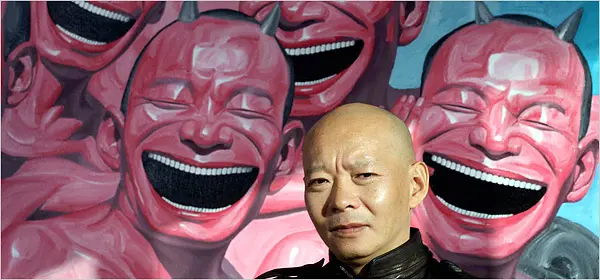
Contemporary Chinese art has produced many influential artists, but few have gained as much international recognition as Yue Minjun. His unforgettable paintings of laughing figures have become symbols of modern Chinese art and have sparked discussions around the world. While his smiling faces may appear cheerful at first glance, they often carry deeper meanings about identity, society, history, and human emotion.
If you have ever wondered why Yue Minjun continues to attract collectors, museums, and art lovers, the answer lies in his unique artistic vision. His paintings combine humor with serious social commentary, making his work both visually striking and intellectually engaging.
In this guide, we explore what makes Yue Minjun such a significant figure in contemporary Chinese art and why his influence remains strong in 2026.
Who Is Yue Minjun?
Yue Minjun is one of the most recognized contemporary Chinese artists. Born in China in 1962, he rose to international fame during the 1990s. His work is closely connected with the artistic movement known as Cynical Realism, which emerged after a period of major social and political change in China.
His paintings are instantly recognizable because they feature identical laughing self portraits with exaggerated facial expressions. These smiling faces have become his artistic signature and are known by collectors across the world.
The Rise of Contemporary Chinese Art

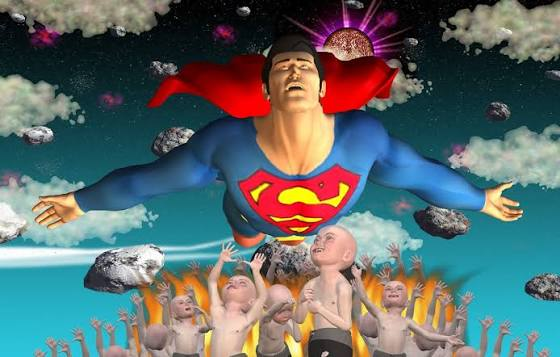
During the late twentieth century, Chinese artists began exploring new ways to express personal experiences, social concerns, and changing cultural values.
Rather than following traditional painting methods alone, many artists experimented with new ideas and modern techniques. Yue Minjun became one of the leading voices of this movement by creating artworks that encouraged viewers to think beyond the surface.
His paintings helped introduce contemporary Chinese art to a global audience.
Why Yue Minjun’s Laughing Figures Are So Famous
The first thing people notice about Yue Minjun’s artwork is the large smiling faces.
However, these smiles are not simply expressions of happiness.
Instead, they often represent:
- Emotional uncertainty
- Social pressure
- Personal identity
- Human resilience
- Public appearance versus private feelings
The exaggerated laughter creates a powerful visual contrast. While viewers initially see joy, they often discover feelings of tension, loneliness, or irony hidden beneath the surface.
This complexity makes his paintings memorable and thought provoking.
Understanding Cynical Realism
What Is Cynical Realism?
Cynical Realism is an important movement within contemporary Chinese art.
Artists connected with this movement often used humor, irony, and exaggerated imagery to reflect modern life after periods of rapid social change.
Rather than offering direct criticism, these artists presented symbolic images that encouraged viewers to interpret the meaning for themselves.
Yue Minjun became one of the best known representatives of this style.
Why It Matters
His work demonstrates how art can communicate complex emotions without relying on detailed narratives.
Every viewer may discover a different meaning in the same painting.
Artistic Style That Sets Him Apart
Several elements make Yue Minjun’s paintings immediately recognizable.
Bright Colors
His paintings often feature vivid reds, blues, and bright backgrounds that attract attention from across a gallery.
Repeated Self Portraits
Instead of painting different people, Yue Minjun frequently uses versions of his own face.
This repetition creates a powerful visual identity that has become famous around the world.
Dramatic Expressions
The exaggerated laughter creates emotional tension because it feels both joyful and uncomfortable at the same time.
Strong Composition
His paintings are carefully balanced, making every figure contribute to the overall visual impact.
Global Recognition and Influence
Yue Minjun has exhibited his work in many prestigious museums and galleries across Asia, Europe, and North America.
His paintings have appeared in important international exhibitions and are included in major private collections.
Collectors appreciate both his artistic originality and his role in the development of contemporary Chinese art.
His success has also encouraged greater international interest in Chinese artists as a whole.
Why Collectors Value Yue Minjun’s Art
Several factors contribute to the strong demand for his work.
Unique Artistic Identity
Very few artists have developed such an instantly recognizable visual language.
Historical Importance
His paintings represent an important period in the evolution of Chinese contemporary art.
International Appeal
His themes are universal.
People from different cultures can connect with ideas about identity, emotion, and society.
Investment Value
Original works by Yue Minjun have achieved impressive prices at international auctions, reflecting both artistic and collector interest.
Themes Found Throughout His Work
Although every painting is different, several recurring themes appear throughout his career.
Identity
His repeated self portraits explore how people present themselves to the world.
Emotion
The contrast between laughter and inner tension encourages viewers to question emotional authenticity.
Society
Many works reflect the experience of living within rapidly changing social environments.
Human Nature
His paintings invite viewers to think about fear, happiness, conformity, and personal freedom.
Lasting Impact on Contemporary Chinese Art
Yue Minjun helped transform how international audiences viewed Chinese contemporary artists.
His work demonstrated that Chinese art could be both deeply personal and globally relevant.
Many younger artists have been inspired by his willingness to combine humor with serious ideas.
His paintings continue to appear in exhibitions, academic discussions, and museum collections around the world.
His influence extends beyond painting into conversations about culture, identity, and modern society.
What Can Art Lovers Learn From Yue Minjun?
His success reminds us that great art often raises questions instead of providing simple answers.
Rather than telling viewers exactly what to think, his paintings encourage personal interpretation.
Every smile invites another question.
Every painting offers another perspective.
This openness is one reason why his work continues to attract audiences decades after it first appeared.
Conclusion
Yue Minjun remains one of the most influential figures in contemporary Chinese art because of his distinctive artistic style, powerful symbolism, and lasting cultural impact. His famous laughing portraits combine humor with deeper emotional and social meaning, encouraging viewers to look beyond the surface.
As contemporary Chinese art continues to gain global recognition in 2026, Yue Minjun stands as an artist whose work bridges cultures and generations. Whether you are an experienced collector, an art student, or simply curious about modern art, exploring his paintings offers valuable insight into both contemporary Chinese culture and the universal human experience.
Frequently Asked Questions
1. Who is Yue Minjun?
Yue Minjun is a famous contemporary Chinese artist known for his iconic paintings featuring laughing self portraits and his connection to the Cynical Realism movement.
2. Why is Yue Minjun important?
He helped bring contemporary Chinese art to international audiences through his unique artistic style and symbolic imagery.
3. What is Yue Minjun famous for?
He is best known for paintings of exaggerated laughing figures that explore themes of identity, emotion, and society.
4. What artistic movement is Yue Minjun associated with?
He is widely associated with Cynical Realism, an important movement in contemporary Chinese art.
5. Why do his paintings show laughing faces?
The laughter often represents irony, emotional complexity, and the contrast between public appearance and private feelings.
6. Where can you see Yue Minjun’s artwork?
His paintings are displayed in museums, galleries, and private collections around the world.
7. Is Yue Minjun’s artwork valuable?
Yes. Many of his original works have achieved strong prices at international art auctions because of their artistic significance and collector demand.
8. Why is Yue Minjun still relevant in 2026?
His exploration of identity, emotion, and modern society continues to resonate with audiences worldwide, making his work timeless.