Blogs
Why Tiffany & Co. Remains a Key Player in Modern Luxury and Streetwear Fashion


Origins: The Birth of Tiffany & Co.
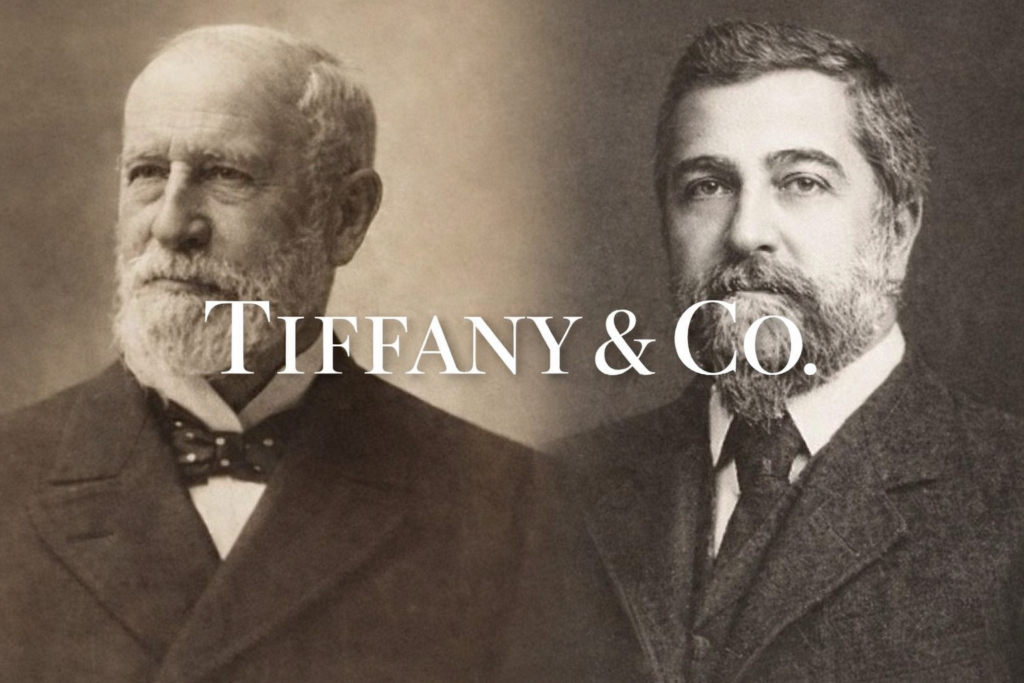
Tiffany & Co. originated in New York City in 1837. Charles Lewis Tiffany and John B. Young opened a “stationery and fancy goods” store at 259 Broadway. They began with a small loan from Tiffany’s father. The store sold luxury goods. These included stationery, umbrellas, and exotic “fancy goods” from all over the world. America’s taste for high-end goods was increasing during this period.
Charles Tiffany bought his partners out in 1853. He named his business Tiffany & Co. The business now focused exclusively on jewelry and silverware. Tiffany adopted the English standard for sterling silver in 1851. This meant his silverware contained 92.5% pure silver. This became a symbol of Tiffany quality.
In the late 1860s and early 1870s, Tiffany & Co. opened stores overseas. These stores did exceptionally well in London and Paris. Tiffany & Co. had become an international jeweler. It had also become a purveyor of the finest gems. Tiffany & Co.’s reputation for quality and beauty had grown steadily over the years.
Early Innovation and Signature Style
Tiffany & Co. soon gained the reputation for innovation. In 1845, Tiffany & Co. published its first Blue Book catalog. It was among the first luxury catalogs published in the United States. The catalog included jewelry, accessories, and objets d’art. Customers could browse the catalog at home. It created brand loyalty.
In 1878, Tiffany & Co. acquired the legendary Tiffany Diamond. It was originally a 287.42-carat rough diamond. Tiffany & Co. recut it to the magnificent 128.54-carat diamond. The Tiffany Diamond represented Tiffany & Co.’s expertise in selecting and cutting diamonds.
In 1886, Tiffany & Co. introduced the Tiffany Setting. It was an innovative engagement ring design. The Tiffany Setting placed the diamond above the band. It maximized brilliance and visual impact.
The Tiffany Setting is the global standard for engagement rings. Today, it is synonymous with love and commitment.
Tiffany & Co. also introduced unique design styles. Tiffany & Co. focused on elegance, precision, and timeless style. Tiffany & Co. was not just a jeweler; it was a symbol of American luxury.
Tiffany Blue: A Color and a Brand
Tiffany & Co. is easily identifiable by its trademarked signature color of robin’s egg blue. This color was introduced in the mid-19th century. It symbolizes heritage and timeless beauty. It evolved into a symbol of luxury and sophistication.
Tiffany & Co.’s use of the trademarked signature color of blue is evident in their packaging and marketing strategy. Tiffany’s blue box is synonymous with their brand. It represents more than just a packaging material. It represents celebration and gifting. It represents special occasions and memories. Celebrities and movies have featured Tiffany’s blue box in their events and productions. It has evolved into a phenomenon of its own.
In 1998, Tiffany’s signature color of blue was officially trademarked by Pantone and named ‘1837 Blue’ after the company’s founding date. It not only symbolizes trademarked visual identity but also brand recognition.
Tiffany & Co.’s strategic use of their trademarked signature color of blue in their marketing strategy involves presenting their products in their iconic blue boxes after purchase and online presence through their website and other online platforms.
Through this iconic color, Tiffany has created a distinct brand identity. It communicates elegance, luxury, and consistency across generations. Tiffany Blue is more than a hue; it is a storytelling tool that links the past, present, and future of the brand.
The New York Flagship and Cultural Significance
Tiffany & Co.’s flagship store is located on 727 Fifth Avenue, Manhattan, which was the store’s destination since 1940. This store has become an iconic representation of luxury, elegance, and sophistication globally.
It is not just an ordinary store, but it has become an iconic cultural destination as well. The store’s architecture is an epitome of the brand’s rich history, along with the latest collections.
The store’s popularity was also increased by the 1961 movie Breakfast at Tiffany’s, featuring the talented actress Audrey Hepburn. The movie’s scenes were shot in front of the store, making it an iconic part of the movie as well.
It has become an iconic store, not only because of the movie, but also because the movie portrayed the store as the ultimate destination for dreams, glamour, and luxury.
Apart from the movie, the store is also an iconic destination for the brand’s collections, tourists, and luxury shoppers. The store is also the ultimate destination for various events, product launches, and exhibitions, making every experience a luxury experience for the customers.
The store offers the complete range of the brand’s collections, including engagement, high jewelry, watches, etc.
Tiffany’s cultural significance extends beyond its flagship. It represents American luxury on the global stage, blending history, design, and lifestyle. The brand’s ability to connect storytelling with a physical retail presence ensures that Tiffany is not only a jeweler but also a symbol of aspirational culture and timeless style.
Design Visionaries of Tiffany & Co.
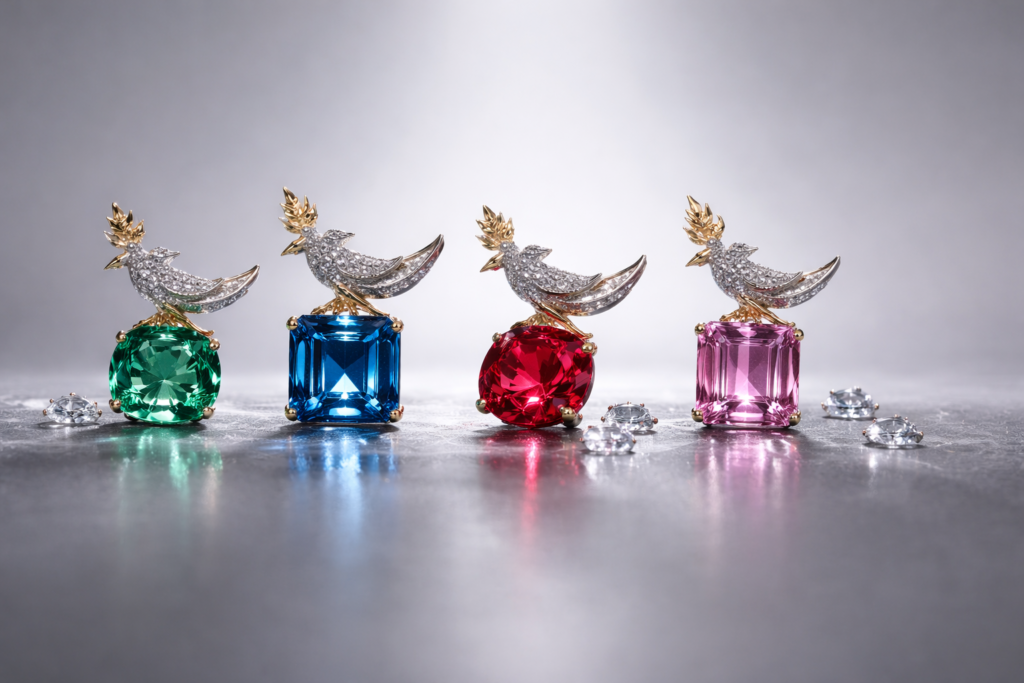
Tiffany & Co.’s brand identity was forged through its association with some of the most celebrated and renowned jewelry designers of all time. These visionaries were instrumental in taking Tiffany from being just another jewelry brand to a brand of collectible and wearable art.
In 1956, Jean Schlumberger joined Tiffany and brought his whimsical and sculptural style of jewelry design. One of his most iconic designs was his Bird on a Rock brooch, which features a combination of bright gemstones and metalwork. His designs catapulted Tiffany into becoming one of the premier destinations for high-jewelry innovation and storytelling through jewelry.
Tiffany’s Elsa Peretti was another celebrated designer who joined Tiffany in the 1970s and brought with her fluid and organic designs that were quintessential in their simplicity and elegance and spoke to a new generation of consumers looking for understated luxury and sophistication. Elsa’s designs bridged the gap between traditional jewelry and contemporary lifestyle accessories and brought Tiffany in tune with the new generation of consumers.
In the 1980s, Paloma Picasso introduced bold and expressive designs featuring city grit, industrial forms, and graffiti art. These pieces, many of which were statement-making in their own right, helped reinforce Tiffany’s status as an avant-garde jeweler while maintaining a level of luxury.
Collectively, these designers have helped Tiffany & Co. strike a balance between tradition and innovation. Their work ensures that each collection is a story about something: romance, nature, strength, while continuing to emphasize Tiffany’s position as a jeweler of exceptional quality and creativity.
Global Expansion and Modern Evolution
For close to two centuries, Tiffany & Co. has grown from a single store in New York to a global luxury powerhouse. By the end of the 19th century, Tiffany had opened stores in Paris and London, and also opened a watch factory in Geneva, Switzerland. This marked the internationalization of Tiffany & Co., which had gained recognition as a source of exquisite gemstones and quality craftsmanship.
Today, Tiffany & Co. has more than 300 retail stores around the globe, from Asia to Europe, the Americas, and the Middle East. It has flagship stores in New York, Paris, Tokyo, and London, which have become landmarks of culture and retail. They are not only stores but also destinations where people want to experience the Tiffany & Co. culture and history.
In 2021, Tiffany & Co. joined the LVMH conglomerate after a $15.8 billion deal. This has helped the company modernize its brand, leveraging the strategic expertise of LVMH to grow its luxury business. Despite the challenges facing the global luxury market, Tiffany & Co. continues to invest in its stores, new products, and digital technology to remain relevant to modern consumers.
Tiffany has also embraced contemporary design trends, balancing its heritage with innovation. Collections like Tiffany T reflect minimalist, geometric forms, appealing to younger audiences seeking luxury with modern expression. By integrating classic craftsmanship, modern design, and global accessibility, Tiffany has maintained its status as a timeless icon while adapting to evolving consumer tastes.
Innovation in Craft and Sustainability
Tiffany & Co. has managed to merge traditional craftsmanship with modern technology to make their pieces of jewelry both classic and contemporary. At Tiffany & Co., they take pride in the quality of their precious gems, using only the finest diamonds that pass the test of the 4Cs—cut, clarity, color, and carat weight—along with their exclusive fifth criterion, or “Presence,” which refers to the brilliance and fire of the stone. This way, they ensure that all their pieces of jewelry are not only of the highest quality but also environmentally friendly.
Sustainability is the latest pillar of Tiffany & Co.’s operations. At Tiffany & Co., they understand the importance of sourcing their diamonds responsibly, ensuring that all their diamonds are conflict-free and responsibly sourced, meeting international standards like the Kimberley Process. Moreover, they have also started using recycled silver, gold, and platinum to create their pieces of jewelry, making their operations more environmentally friendly and promoting the concept of ethical luxury. They also differentiate themselves from their competitors by using only natural diamonds, offering their clients the exclusive “Diamond Craft Journey,” which highlights the origin of the newly sourced, individually registered diamond from a country or region of origin.
Tiffany’s engagement goes beyond the materials used, as the brand has a supply chain transparency strategy, which involves regular audits and engagement with its supply chain around environmental and labor standards. There are ongoing efforts towards a sustainable future, as the brand has officially set its goal to achieve Net-Zero greenhouse gas emissions across its entire value chain by 2040. Community development is another area the brand has focused its efforts, supporting education, arts, and apprenticeships in areas linked to the source of its gemstones.
Tiffany, by using these strategies, not only cements its reputation as a quality and elegant brand, but it’s also a brand that fits well into the modern values of consumers, blending the idea of luxury, ethics, and sustainability together.
Cultural Reach: Collaborations and Influence
The Tiffany & Co. brand has managed to continue its cultural growth through high-profile collaborations and limited-edition collections. This has helped the brand stay connected to contemporary art, fashion, and lifestyle movements while maintaining its status as a luxury brand. Tiffany & Co.’s collaborations with brands like Nike, Supreme, and contemporary artists, as well as its modern reinterpretations of its own historical designs like the iconic Jean Schlumberger Bird on a Rock collection, help the brand stay relevant and connected to the present day and its contemporary consumers.
The Tiffany & Co. brand has also participated in global events and accomplishments. Tiffany & Co. designs trophies and awards for prestigious sports events, including the NWSL Championship Trophy and Shield, which is a blend of cultural and sports excellence. These collaborations have helped the Tiffany & Co. brand rise to prominence beyond the realm of mere jewelry and into the realm of prestige, aspiration, and lifestyle.
This is especially true in the case of limited edition releases, as they often involve streetwear and current fashion trends, helping Tiffany attract a younger audience. By creating limited edition items that are relevant to pop culture, Tiffany continues to appeal to a wide audience while maintaining the allure of exclusivity.
Tiffany uses storytelling in every collection to communicate heritage, creativity, and emotion. Every piece, whether it is jewelry, accessories, or trophies, is a story about luxury, creativity, and significance, helping the company stay at the top as a leader in the industry. It is evident that Tiffany continues to influence the world of fashion, luxury, and lifestyle, connecting the past to the present while staying relevant in the midst of a changing world.
Iconic Collections: A Journey Through Time

This is evident in Tiffany & Co., which has always combined artistry and craftsmanship in all their collections, resulting in pieces that have become iconic symbols of timeless fashion and luxury. Each collection is thoughtfully curated to encompass elements of tradition, innovation, and emotion, making it appealing to both the traditional and the modern-day consumer.
Tiffany Setting Engagement Rings
Tiffany Setting, which was launched in 1886, completely transformed the way engagement jewels have been designed. The setting places the diamond high on the band, exposing it to maximum light, thus maximizing its brilliance. The simplicity of the setting has become the standard by which the best engagement jewels are judged worldwide, and its timelessness means that every Tiffany Setting represents romance, commitment, and sophistication.
Tiffany T Collection
The Tiffany T collection was introduced in 2014 and embodies the themes of modernity, strength, and self-expression. The geometric shapes and clean lines in the Tiffany T collection make it particularly appealing to the younger generation. Tiffany & Co.’s ability to blend modern trends with luxury is evident in this collection.
Elsa Peretti Designs
Organic and flowing forms, such as the Bone Cuff and the Open Heart Pendant, were introduced to Tiffany by Elsa Peretti. Her designs emphasize simplicity, elegance, and wearable art, which has enabled the brand to reach a global audience with a modern look. These designs have become collector’s items and fashion icons.
Jean Schlumberger Creations
The works of Schlumberger, such as the Bird on a Rock, feature whimsical luxury and gemstone craftsmanship. The application of vibrant colors and designs establishes Tiffany as the epicenter of creative high jewelry pieces.
Paloma Picasso Line
Paloma Picasso’s designs are bold, expressive, and often feature a gritty urban edge, industrial shapes, and graffiti. Her designs will appeal to those who want to make a statement with their jewelry, offering creativity and sophistication in one piece. The collections show the brand’s commitment to avant-garde luxury.
These collections show the brand’s ability to innovate while staying true to its heritage, creating timeless pieces that influence the world of fashion, luxury, and streetwear.
Design Philosophy: Craftsmanship Meets Innovation

The design philosophy of Tiffany & Co. is based on precision, artistry, and clarity of vision, as every piece is imbued with the brand’s commitment to quality, elegance, and emotional storytelling. The brand’s blend of tradition and innovation makes it relevant across different eras.
Exceptional Gem Quality
Tiffany diamonds are known for their cut, clarity, color, carat weight, and a company-specific quality known as “Presence.” The company follows strict standards from source to setting, guaranteeing that each and every diamond shines with maximum brilliance and perfection. This focus on quality has made Tiffany diamonds a symbol of luxury and excellence around the world.
Blending Tradition with Modernity
Tiffany’s ability to merge traditional sophistication with modern aesthetics is seamless. Elsa Peretti’s natural forms, Paloma Picasso’s bold designs, and the minimalist Tiffany T collection demonstrate the blend of traditional and modern aesthetics. This has ensured the brand remains relevant to both traditional collectors and modern consumers, such as streetwear enthusiasts.
Storytelling Through Design
Each piece has a unique story to tell, whether it is about love, nature, strength, or fantasy. Tiffany uses the emotional stories to connect on a deeper level with clients all over the world, not only providing jewelry but an experience.
Tiffany & Co. continues to influence the world of luxury fashion and streetwear collaborations by maintaining its iconic brand identity through its focus on craftsmanship and innovation.
Key Milestones and Cultural Touchstones
Tiffany & Co. has recorded various milestones that have played a crucial role in shaping its reputation as a global luxury icon. One of the major milestones was the acquisition of the Tiffany Diamond, which occurred in 1877. The Tiffany Diamond was a rough yellow diamond, which weighed 287.42 carats, but it was later cut to 128.54 carats in 1878. The acquisition of the Tiffany Diamond was a major milestone that marked the brand’s expertise in the selection of the finest gems, as well as its cutting skills, which set the standard for the finest quality of luxury jewelry.
Tiffany & Co.’s next major milestone was the creation of the Tiffany Setting, which was unveiled in 1886. The setting was a groundbreaking creation that raised the diamond higher than the engagement band to maximize the brilliance of the stone, thus becoming a global standard for engagement jewelry. In 1940, the brand relocated its flagship store to 727 Fifth Avenue in Manhattan, which became a landmark known for its culture, luxury, and prestige. The cultural impact of Tiffany & Co. has also been felt in the cinema industry, reaching the pinnacle in 1961 when the legendary actress Audrey Hepburn starred in the iconic film ‘Breakfast at Tiffany’s,’ which immortalized the brand and its association with glamour, aspiration, and sophistication. From the mid-1950s to the 1980s, the brand partnered with visionary designers such as Jean Schlumberger, Elsa Peretti, and Paloma Picasso, which helped create collectible and artistic pieces of jewelry that incorporated the theme of storytelling in art.
In 2014, the Tiffany T Collection was launched, which included simple and geometric designs that appealed to the younger generation and the fashion-conscious crowd, offering the brand’s rich heritage in the form of modern and contemporary designs. Moreover, in 2021, the global position of the Tiffany & Co. brand was further consolidated when LVMH acquired Tiffany & Co. for $15.8 billion, which helped the brand reach the pinnacle of success and fame by collaborating with the latest and the greatest in the streetwear industry and becoming one of the leading luxury brands in the world.
Contemporary Market Impact and Strategy
Tiffany & Co. remains at the forefront in the luxury segment due to the right blend of tradition and innovation. The brand’s strategy includes global store expansion, cultural relevance, and digital engagement to remain competitive and appealing to new generations.
Global Expansion: Tiffany & Co. has over 300 stores across the globe. The brand has stores in key locations such as New York, Paris, Tokyo, and London. Tiffany’s flagship stores include “The Landmark” store in New York’s Fifth Avenue in Manhattan and the renovated 8-story store at 7 Rue de la Paix in Paris.
Celebrity and Media Influence: Tiffany & Co.’s products have appeared in various movies and on the red carpet during award shows. Partnerships with influencers and cultural icons help the brand increase brand awareness and make Tiffany & Co. a culturally desirable brand.
Ethical Sourcing and Sustainability: Tiffany & Co.’s commitment to ethical sourcing includes conflict-free natural diamonds and the use of recycled metals and environmentally friendly practices.
Digital Innovation:The brand offers e-commerce, virtual try-on, and global online marketing services. Augmented reality allows consumers to see the jewelry from anywhere in the world, and artificial intelligence-powered personalization, along with virtual boutiques, has brought the brand into the future of the luxury market, appealing to the younger, more tech-savvy generation.
High Jewelry and Auction Presence:The brand’s rare diamonds continue to attract investment-grade collectors, which has helped the brand maintain its prestige and influence in the market.
This way, Tiffany & Co. has managed to be relevant in the ever-changing market by embracing traditional craftsmanship, modern marketing, digital engagement, and sustainability.
Market Leadership Through Heritage and Innovation
Tiffany & Co. has managed to set the standard in the global luxury industry by blending its history with innovation. The value of the brand lies in its craftsmanship, history, and emotional content. Each piece of jewelry has been designed with meticulous attention to detail. The diamonds used by the brand have been carefully selected on the basis of the 4Cs, which stand for color, clarity, carat, and cut, as well as a fifth criterion, “Presence,” which refers to the brilliance, fire, and scintillation of the stone.
Tiffany has managed to blend traditional luxury with modern styles. The Elsa Peretti collection, which offers organic forms, and the Tiffany T collection, which offer geometric forms, are examples of the blend of traditional and modern styles. These designs appeal to both traditional collectors of the brand as well as young consumers looking for modern luxury with a personality.
Tiffany has also set the standard in the industry by its focus on sustainability and ethical practices. The brand has been promoting responsible mining, recycled metals, and supply chain transparency. Environmental sustainability, carbon reduction, and supporting local communities in mining areas have become a part of the modern ethical consumer movement.
Digital innovations will help Tiffany stay relevant in a technology-driven market. Virtual try-ons, augmented reality, and digital commerce will help the company reach technology-savvy consumers across the globe. AI-driven personalizations and immersive virtual boutiques will introduce Tiffany to the new digital luxury world.
Tiffany & Co.’s heritage, innovations, sustainability, and digital engagement will help the company stay at the top in the luxury jewelry market, appealing to collectors, jewelry enthusiasts, and the younger generations, while maintaining its cultural influence.
Legacy and Timeless Appeal
Tiffany & Co. has created a legacy that spans nearly two centuries of heritage craftsmanship and modern innovation. Tiffany & Co. is not only known for its jewelry but also as a symbol of culture and style that influences fashion, luxury, and lifestyle around the world. What makes Tiffany & Co. successful is its ability to consistently combine artistry and storytelling with quality, making each of its collections emotionally and aesthetically appealing to consumers.
Tiffany & Co.’s history of excellence started from the acquisition of the Tiffany Diamond in 1877 and continued with the creation of the Tiffany Setting in 1886. All of these are testaments to Tiffany’s commitment to excellence and quality in precision, innovation, and timeless elegance—values that are still incorporated into each of its designs today. Tiffany’s blue box is one of the most recognizable symbols of luxury and celebration all over the world.
Tiffany & Co.’s iconic designs such as Tiffany T, Elsa Peretti, Jean Schlumberger, and Paloma Picasso have consistently combined classic elegance with modern style and statement pieces that have allowed consumers to relate to each of its designs on an emotional and personal level through its storytelling of romance, strength, nature, and individuality.
Tiffany also emphasizes ethical sourcing and sustainability, which means that the diamonds, gold, and platinum used by the brand meet the ethical standards set by the company. This way, the brand connects better to the modern consumer.
Tiffany has managed to be a symbol of luxury over the years by evolving with time, yet staying true to its legacy, which means that its legacy is not only marked by the quality of its jewelry, but also by its contributions to culture, its innovative approach, and its ability to inspire generations.
Future Directions: Innovation Meets Heritage
Tiffany & Co. has been planning to sustain its growth trajectory by blending its almost two-century history with modern strategies.
Experiential Retail Expansion is a major area of focus for the brand, which has been redesigning its flagship stores to offer an experience to its consumers, blending the experience of retail with the experience of storytelling. Consumers can experience the brand’s personalization services, engraving services, hospitality services at the Blue Box Cafe, and curated presentations of the brand’s iconic collections, as well as contemporary art.
Collaborations and Limited Edition Releases continue to be a strategy to increase the brand’s relevance to modern consumers. The brand has been collaborating with contemporary artists, designers, and influencers from the pop culture world to create new, limited-edition collections that blend traditional luxury with modern trends. These collections have been inspired by streetwear fashion, which bridges the gap between high jewelry and fashion.
Expanding Jewelry Categories is another area of focus for the brand to sustain its growth trajectory, which has been diversifying its product portfolio beyond engagement rings to its men’s jewelry, watches, and accessories categories, which has broadened the brand’s appeal to a wider audience, thereby increasing its revenue base.
Global Market Penetration strategy is the heart of Tiffany’s strategy. The development of massive, multi-story “flagship Landmarks” in the Asia-Pacific region and the Middle East seeks to attract high-value customers in these regions of increasing wealth.
Tiffany, by embracing its heritage, its innovative approach, and its expansion strategy, has managed to remain a brand that is both traditional and modern, catering to collectors, fashionistas, as well as streetwear enthusiasts.
Conclusion
Tiffany & Co., as a symbol of luxury, craftsmanship, and cultural impact, has managed to merge its rich heritage with the latest in innovation and technology, including the use of digital marketing, sustainability, and internationalization. Tiffany & Co.’s iconic Tiffany Blue, legendary diamonds, and iconic collections have set the benchmark in the world of fine jewelry and craftsmanship. High-profile limited-edition releases and collaborations strategically align with the latest in streetwear and fashion culture, successfully engaging the youth while maintaining the traditional appeal of the brand. Its commitment to ethical and sustainable practices, as well as its immersive retail and customer experience, ensures that Tiffany & Co. will continue to inspire and innovate in the world of luxury and streetwear culture in the years to come.
Frequently Asked Questions About Tiffany & Co
1. What is Tiffany & Co. known for?
Tiffany & Co. is famous for its luxury jewelry, particularly engagement rings, diamonds, and its iconic blue packaging.
2. When was Tiffany & Co. founded?
Tiffany & Co. was founded in 1837 by Charles Lewis Tiffany and John B. Young in New York City.
3. Where are Tiffany & Co. stores located?
Tiffany has premier “Landmark” flagship stores in key global capitals, including New York, Paris, and Tokyo, supported by a network of over 300 boutiques in major cities like London and Hong Kong.
4. Are Tiffany diamonds ethically sourced?
Yes, Tiffany ensures all diamonds are conflict-free and sourced responsibly, with transparency throughout the supply chain.
5. Does Tiffany & Co. offer customizable jewelry?
Yes, Tiffany provides personalized engraving, custom designs, and consultations both in-store and online.
6. How does Tiffany support sustainability?
The brand uses recycled metals, ethically sourced gemstones, and eco-friendly packaging to reduce its environmental impact.
7. What are Tiffany’s iconic collections?
Famous collections include Tiffany T, Elsa Peretti, Return to Tiffany, Atlas, and Tiffany HardWear.
8. Can you buy Tiffany jewelry online?
Yes, Tiffany’s e-commerce platform allows global orders, virtual consultations, and personalized designs.
9. Does Tiffany collaborate with streetwear brands?
Occasionally, Tiffany partners with designers or artists, bridging luxury with streetwear and contemporary fashion.
10. What makes Tiffany diamonds unique?
Tiffany diamonds are known for exceptional cut, clarity, ethical sourcing, and high craftsmanship standards.
11. Does Tiffany sell watches and accessories?
Yes, Tiffany offers luxury watches, handbags, and lifestyle accessories alongside its jewelry line.
12. How is Tiffany integrating digital innovation?
Tiffany uses AR try-ons, virtual consultations, and NFTs for limited-edition collections to enhance the digital luxury experience.
13. Is Tiffany & Co. a sustainable brand?
Yes, Tiffany prioritizes responsible sourcing, traceable supply chains, and eco-conscious practices across its operations.
14. How does Tiffany influence fashion trends?
Through collaborations, limited editions, and pop culture presence, Tiffany occasionally intersects with streetwear, luxury, and contemporary style.
15. Why is Tiffany & Co. considered a global luxury icon?
Its heritage, craftsmanship, ethical practices, and innovative approach make Tiffany a benchmark in luxury, lifestyle, and cultural influence.
For collaborations, press, or inquiries, contact us at streeticonic1@gmail.com.