
Brands
The Story of A-COLD-WALL From Underground Roots to Global Fashion Icon

A Cold Wall isn’t just a brand, it’s an architectural blueprint of social commentary, stitched into the language of fashion.
From the concrete jungles of London to the runways of Milan, A-COLD-WALL* (often stylized as ACW*) has redefined the dialogue between luxury and streetwear. Founded in 2015 by Samuel Ross, a former protégé of Virgil Abloh, the brand emerged as more than just another name in contemporary fashion—it became a cultural movement. With every collection, Ross challenges the boundaries of class, culture, and material, transforming workwear silhouettes and industrial textures into wearable reflections of modern society.
A-COLD-WALL* From South London Streets to Global Fashion
The visionary behind A-COLD-WALL* is Samuel Ross, a British designer, artist, and creative director born in Brixton, South London. Raised in a working-class environment, Ross was deeply influenced by the raw architecture and social fabric of the urban landscape around him. His surroundings—marked by industrial textures, social contrast, and cultural diversity—would later become the foundation of his design language.
Before launching A-COLD-WALL*, Ross studied Graphic Design and Illustration at De Montfort University, where he explored the intersection between art, structure, and communication. His early education in visual storytelling and conceptual thinking allowed him to view fashion not just as clothing but as a system of ideas—a philosophy that still defines his work today.
Early Inspirations and Struggles of Samuel Ross
Ross’s path into fashion was anything but conventional. Without the traditional network or resources of high fashion, he began by creating visuals and streetwear concepts independently. His breakthrough came when Virgil Abloh, founder of Off-White and then-artistic director at Louis Vuitton, discovered his work online. Abloh recognized Ross’s raw talent and hired him as an intern, offering mentorship that would change his career.
Working alongside Abloh exposed Ross to the world of luxury design, global collaboration, and creative entrepreneurship. Yet, Ross remained committed to his own narrative one rooted in the realities of class, community, and material honesty. These experiences inspired him to build something that spoke directly to Britain’s social landscape.
A-COLD-WALL* — Identity-Culture-Vision
When A-COLD-WALL* launched in 2015, it became more than a brand, it became Samuel Ross’s social statement. Every collection reflects his dual identity: the intellectual thinker and the street-level observer. His designs use utilitarian silhouettes, asymmetry, and muted palettes to express the tension between order and chaos, privilege and labor, art and function.
Ross’s Caribbean heritage, British upbringing, and exposure to modernist architecture all blend into the DNA of A-COLD-WALL*. His work bridges fashion, sculpture, and sociology, positioning him not just as a designer but as a cultural architect.
Mentorship and Legacy
While Virgil Abloh provided the initial spark, Ross’s vision evolved into something wholly distinct. Through A-COLD-WALL*, he has created a new design language—one that translates the lived experience of social structure into wearable art. His story reminds the world that fashion can be more than style—it can be structure, storytelling, and social truth.
The Birth of the Brand: Constructing A-COLD-WALL*
Founding Vision and Origins
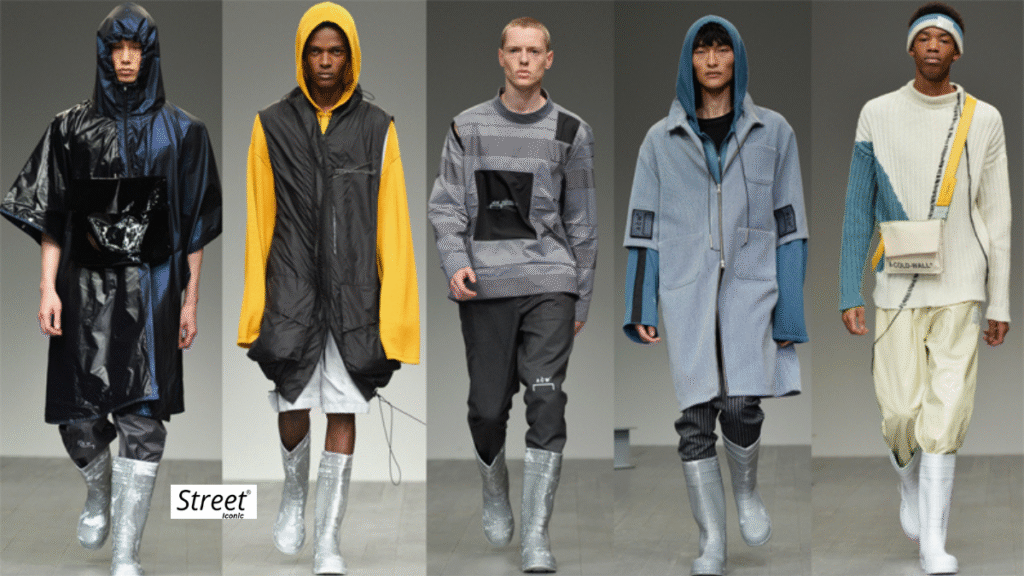
A-COLD-WALL* was founded in 2015 in London by Samuel Ross, emerging from the intersection of streetwear, architecture, and social commentary. Ross envisioned the brand as more than fashion—it was a platform to express the relationship between Britain’s working class and its elite. Inspired by the geometry of urban spaces and the textures of industrial materials, A-COLD-WALL* was conceived as a visual study of modern life. Its name itself reflects contrast—cold walls of class division and the rigid structures of society that shape identity.
The Early Days: DIY Spirit and Limited Drops
In its infancy, A-COLD-WALL* embodied the DIY culture that defined the early streetwear scene. Samuel Ross personally screen-printed logos, hand-stitched prototypes, and sold pieces through word-of-mouth and small pop-ups around London. The collections were limited, experimental, and highly conceptual, attracting a cult following of creative youth who connected with the brand’s authenticity and raw visual language. There was no glossy marketing—just the power of an idea that felt urgent and real.
Breaking the Mold: What Set It Apart
At a time when luxury streetwear was still emerging, A-COLD-WALL* disrupted expectations. It fused brutalist design principles with the energy of street culture, creating garments that looked more like architectural studies than traditional fashion pieces. This blend of high concept and social realism made the brand instantly recognizable—and intellectually provocative.
The First Breakthrough Moment
A-COLD-WALL’s first major spotlight came through its collaboration with Nike in 2017, which translated Ross’s industrial aesthetic into futuristic sportswear. The partnership introduced ACW to a global audience and cemented its status as one of the most innovative voices in contemporary fashion. From that moment, the brand’s minimal yet meaningful aesthetic became a defining symbol of modern design culture.
Aesthetic & Design Philosophy Behind A-Cold-Wall
The aesthetic of A-COLD-WALL* is immediately recognizable—industrial greys, muted neutrals, concrete tones, and monochromatic contrasts dominate its visual world. These shades echo the brutalist architecture and urban landscapes of London that deeply inspire founder Samuel Ross. Symbolically, these cold, structured hues represent class divides and the tension between labor and luxury. The brand’s minimal logo placements, technical tags, and geometric motifs further reinforce its architectural precision.
Where Art Meets Industry
Ross’s design philosophy draws heavily from modernist art, architecture, and British subculture. He views garments as structural compositions—pieces that occupy both physical and conceptual space. The brand also channels influences from skate culture, workwear, and industrial design, merging high-concept aesthetics with street-level practicality. This synthesis gives A-COLD-WALL* its unique identity: intellectual yet accessible, conceptual yet wearable.
Materials and Construction used in A-COLD-WALL
Each ACW* collection emphasizes material honesty—using fabrics such as nylon, PVC, canvas, technical cotton, and recycled synthetics. The silhouettes are angular, asymmetrical, and utilitarian, often featuring exposed seams, adjustable straps, and sculptural layering. The construction process itself becomes part of the storytelling—revealing, not hiding, the work that goes into each garment. A-COLD-WALL* collections are more than seasonal fashion—they’re visual essays on class, identity, and human structure. Every jacket, bag, and sneaker speaks to the dialogue between refinement and reality. Ross’s approach to design balances functionality with philosophy, ensuring each piece serves both aesthetic purpose and social narrative.
Key Collections & Best-Selling Pieces: Defining the Language of Modern Utility
Milestone Collections: From Concept to Culture
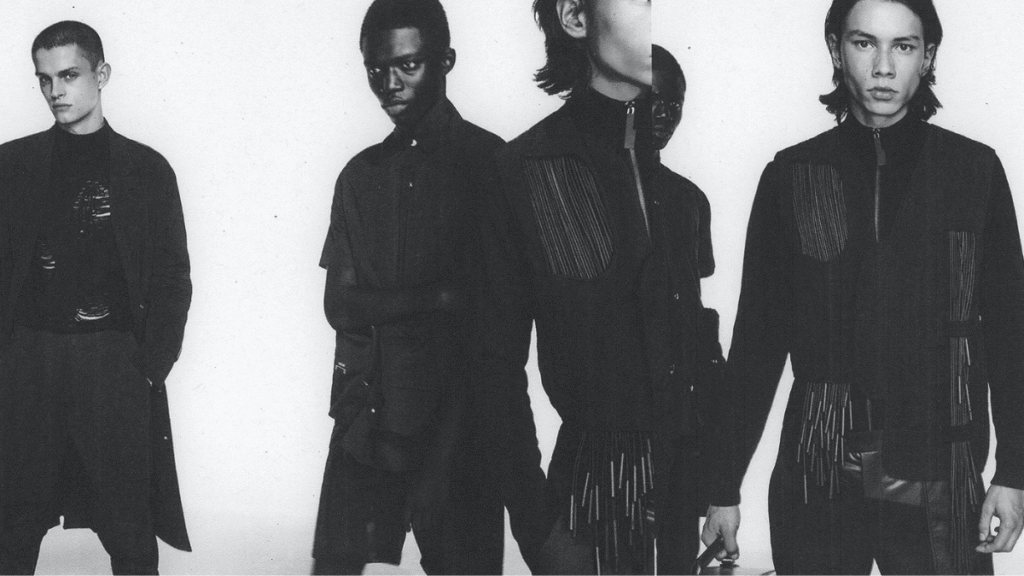
Since its debut, A-COLD-WALL* has released several landmark collections that have shaped the conversation around conceptual streetwear. The AW18 “Cement” Collection was a turning point, translating the textures of brutalist architecture into wearable art through layered greys, concrete-like fabrics, and asymmetrical tailoring. In SS20 “Urban Exploration,” Ross expanded his vision globally, merging functionality with technical innovation—fusing sportswear silhouettes with refined minimalism. Each collection reflects a new chapter in the ongoing study of class, structure, and the built environment.
Best-Sellers Signature Pieces
A-COLD-WALL’s best-selling pieces have become modern icons in their own right. The Technical Hoodies and Utility Jackets embody the brand’s industrial aesthetic, featuring distinctive strap detailing and logo placement. The ACW Cargo Pants and Crossbody Bags are staples for their combination of functionality and sculptural form. Footwear collaborations, such as the Nike Zoom Vomero 5, Nike Air Force 1 ACW*, and Converse Chuck Taylor collaborations, have sold out worldwide—cementing their place as collector’s items.
Why They Became Iconic
What sets these pieces apart is their ability to merge design, message, and scarcity. Every garment carries a conceptual statement—about environment, class, or structure—wrapped in an aesthetic of restraint and precision. Limited drops, minimal marketing, and celebrity endorsements from figures like Kanye West, Drake, and A$AP Rocky helped propel A-COLD-WALL* into global recognition.
Collaborations & Partnerships
A Network of Innovation
Since its inception, A-COLD-WALL* has become synonymous with collaboration. Samuel Ross has partnered with some of the world’s most influential brands — including Nike, Converse, Dr. Martens, Levi’s, Diesel, Mackintosh, and Timberland — to reinterpret their classic silhouettes through the lens of his industrial and architectural aesthetic. Each partnership isn’t just a product drop; it’s a dialogue between craftsmanship, culture, and concept.
Nike and the Rise of Conceptual Streetwear
The A-COLD-WALL* x Nike collaborations stand as some of the most defining moments in the brand’s journey. From the Nike Air Force 1 Low ACW* to the Zoom Vomero 5, Ross transformed performance sneakers into conceptual art pieces. These designs stripped down traditional elements, showcasing exposed materials, muted tones, and technical minimalism. The collaborations blurred the lines between streetwear and fine design — introducing ACW* to a global mainstream audience.
Crossing into Luxury and Culture
Other partnerships like A-COLD-WALL* x Dr. Martens and A-COLD-WALL* x Mackintosh further explored the balance of functionality and refinement. With Levi’s, Ross reimagined denim through deconstruction and structure, while his Converse collaborations added a raw, sculptural twist to a cultural icon. Each limited-edition release carried the brand’s architectural DNA and often sold out within hours — becoming collectible symbols of modern craftsmanship.
Cultural Reach and Influence
These collaborations extended A-COLD-WALL* far beyond the fashion runway. By merging with brands rooted in music, art, and street culture, Samuel Ross positioned ACW* as a bridge between subcultures and high design. Each partnership not only amplified his vision but also redefined how collaboration can serve as both cultural commentary and creative innovation in the 21st-century fashion landscape.
Cultural Impact & Global Influence
A Movement Beyond Fashion
A-COLD-WALL* is not just a label — it’s a cultural statement that redefines what fashion can represent in the 21st century. Founded on themes of class, race, and community, Samuel Ross’s brand gives voice to the working-class experience within a luxury framework. It speaks directly to a generation that views clothing as both identity and resistance — a rebellion expressed through minimalism and structure.
Influence on Youth, Music, and Art
The brand’s aesthetic has deeply influenced youth culture, resonating with artists, designers, and musicians who see fashion as a medium for storytelling. A-COLD-WALL* has been embraced by cultural icons like Kanye West, Drake, A$AP Rocky, Skepta, and Travis Scott, whose public appearances in ACW* pieces amplified the brand’s global reach. The label’s architectural, industrial visuals have also inspired the creative direction of music videos, album covers, and editorial shoots—bridging art and apparel in one seamless language.
Defining the Luxury Streetwear Era
In the evolution of luxury streetwear, A-COLD-WALL* stands alongside giants like Off-White, Comme des Garçons, Fear of God, and 1017 ALYX 9SM, yet it remains distinct in its intellectual approach. While peers celebrate opulence or rebellion, Ross’s work is rooted in social commentary and design theory — fashion as a form of structure and dialogue.
Global Influence and Legacy
From London’s underground scene to the shelves of global boutiques, A-COLD-WALL* has become a symbol of modern thoughtwear — where architecture meets apparel and ideology meets aesthetics. Its influence extends far beyond the runway, shaping how new generations perceive luxury, inclusivity, and cultural identity in fashion.
The Brand Today & Future Vision
Current Direction and Global Presence
Today, A-COLD-WALL* stands as one of the most forward-thinking voices in contemporary fashion. Under the continued leadership of Samuel Ross, the brand operates at the intersection of art, design, and social innovation. From runway presentations in Paris to experimental showcases in London, A-COLD-WALL* has evolved into a multidisciplinary platform that transcends traditional fashion boundaries. Its presence spans across global retailers and concept stores, all while maintaining the integrity of its British roots.
Evolving Design Themes and Sustainability
In recent years, Ross has emphasized a stronger commitment to sustainability and material innovation. Collections now feature recycled textiles, responsible manufacturing methods, and collaborations with eco-conscious partners. The design language continues to evolve — exploring softer silhouettes, modular utility, and futuristic tailoring — while preserving the brand’s industrial minimalism. Ross’s approach is not just about creating clothes, but about designing systems for longevity and purpose.
Future Vision and Legacy
Looking ahead, Samuel Ross envisions A-COLD-WALL* as a “global design institution” — one that bridges social consciousness with innovation. Its mission is to continue challenging conventions, designing beyond trends, and crafting pieces that reflect the realities of the modern world. In essence, A-COLD-WALL* isn’t just shaping fashion’s future — it’s constructing its architecture.
Final Thought About A-COLD-WALL*
A Journey from Streets to Structure
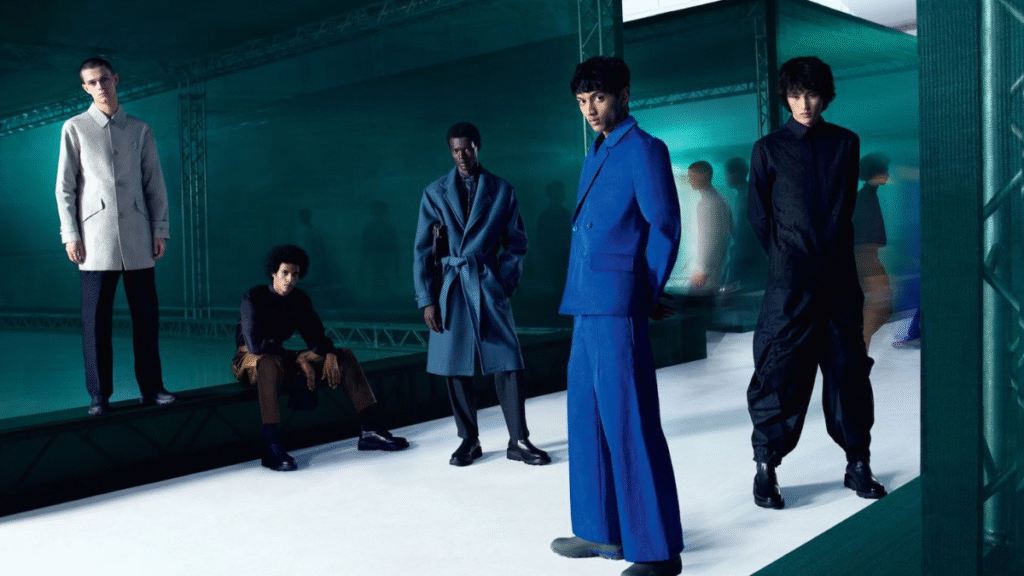
From its humble beginnings in the streets of South London to its current position on the global stage, A-COLD-WALL* has evolved into more than a fashion label — it’s a social blueprint. Founded in 2015 by Samuel Ross, the brand’s journey reflects the story of a designer who turned social commentary into wearable architecture. Each collection, collaboration, and concept embodies the dialogue between class, community, and creativity, giving structure to voices often left unheard in luxury fashion.
What Makes A-COLD-WALL* Unique
Unlike many of its contemporaries in the luxury streetwear movement — such as Off-White, Fear of God, and Comme des Garçons — A-COLD-WALL* stands apart for its intellectual rigor. It doesn’t rely on logos or hype but on form, function, and philosophy. Ross’s designs translate architectural theory, urban decay, and human experience into tangible expressions of style. The brand’s commitment to conceptual storytelling, material innovation, and social reflection makes it a pioneer of thought-driven fashion.
Cultural and Artistic Legacy
At its heart, A-COLD-WALL* is about more than garments — it’s about ideas, structure, and the social systems we live within. Its influence now stretches across art, design, and music, inspiring a new generation to view fashion as a medium of meaning rather than mere aesthetics. Samuel Ross has not only built a brand but also a philosophy: that true design should challenge, inform, and endure.
As the brand continues to evolve, A-COLD-WALL* remains a living testament to the belief that fashion can be architecture — and architecture, a reflection of the human soul.
A-COLD-WALL* Brand Evolution Timeline (2015–2025)
| Year | Milestone / Event |
|---|---|
| 2015 | A-COLD-WALL* founded in London by Samuel Ross, inspired by class structure, architecture, and British industrial culture. First small-scale, hand-made drops sold through pop-ups and word-of-mouth. |
| 2016 | Ross gains recognition through early capsule collections blending conceptual design with streetwear silhouettes. Featured at London Fashion Week: Men’s for the first time. |
| 2017 | Breakthrough collaboration with Nike launches — introducing the Nike Air Force 1 Low ACW* and Zoom Vomero 5, propelling the brand into global awareness. |
| 2018 | Release of the acclaimed AW18 “Cement” Collection, showcasing brutalist textures and architectural layering. A-COLD-WALL* wins British Emerging Talent Menswear at the Fashion Awards. |
| 2019 | Collaborations expand with Converse and Dr. Martens; A-COLD-WALL* debuts at Paris Fashion Week, solidifying its luxury status. Samuel Ross launches his design studio for multidisciplinary projects. |
| 2020 | SS20 “Urban Exploration” explores mobility and minimalism amid global lockdowns. The brand pivots toward sustainability and digital presentations. |
| 2021 | Launch of A-COLD-WALL* x Timberland and Diesel collaborations, exploring workwear and sustainability themes. Samuel Ross receives the British Fashion Award for Outstanding Achievement. |
| 2022 | The brand emphasizes eco-conscious materials and introduces new categories such as technical outerwear and accessories. Collaborates with Mackintosh for high-end outerwear. |
| 2023 | Expansion into art installations and global exhibitions, merging architecture, sculpture, and fashion. Continued global retail growth through Dover Street Market and Farfetch. |
| 2024 | A-COLD-WALL* introduces AI-aided design concepts and modular clothing systems, reflecting innovation and functionality. Featured in major design publications for sustainability leadership. |
| 2025 | Celebrating a decade of influence, A-COLD-WALL* continues its legacy with “10 Years of Structure” exhibitions and new collections merging technology, art, and social commentary — reaffirming Samuel Ross’s vision of fashion as architecture. |
A-COLD-WALL*: Key Collaborations & Design Timeline (2015 – 2025)
| Year | Collaboration / Artist / Brand | Details & Cultural Impact |
|---|---|---|
| 2015 | Founding Year – Samuel Ross | Established in London by Samuel Ross, a protégé of Virgil Abloh (Off-White). Brand built around class tension, architecture, and social realism in British design. |
| 2016 | Off-White / Virgil Abloh Mentorship | Ross works closely with Virgil Abloh, merging streetwear with art-driven conceptual fashion — early groundwork for A-COLD-WALL*’s industrial tone. |
| 2017 | Nike x A-COLD-WALL* | Iconic collaborations on Air Force 1 Low and Zoom Vomero 5, featuring deconstructed aesthetics, muted palettes, and architectural materials — a global breakout moment. |
| 2018 | Dr. Martens x A-COLD-WALL* | A brutalist reinterpretation of the 1461 shoe with translucent soles and matte leather, merging British workwear heritage with street minimalism. |
| 2018 | Diesel Red Tag Project | Samuel Ross reimagines Diesel’s denim identity with utilitarian silhouettes and sculptural tailoring. A key step into luxury-grade construction. |
| 2019 | Converse x A-COLD-WALL* | Launch of the Chuck Taylor All-Star Lugged and ERX 260 — combining streetwear energy with industrial protection and reflective detailing. |
| 2020 | Valentino Dialogue Project | Creative partnership exploring class narratives through art and textile installation. Elevated A-COLD-WALL* into the fine-art fashion dialogue. |
| 2021 | Timberland x A-COLD-WALL* | Sustainable workwear collaboration emphasizing recycled fabrics and tactical silhouettes; expanded brand presence in eco-fashion. |
| 2022 | Mackintosh x A-COLD-WALL* | A sophisticated union of traditional British outerwear with Ross’s structural, tech-industrial vision — waterproof parkas and modular coats. |
| 2023 | Beats by Dre x A-COLD-WALL* | Audio collaboration blending technology and fashion; minimalist headset design representing “urban silence.” |
| 2024 | Puma x A-COLD-WALL* | Launched the Puma × ACW* capsule — a futuristic blend of sportswear and industrial textures, emphasizing motion, comfort, and raw aesthetics. |
| 2025 | 10-Year Anniversary Projects | “A-COLD-WALL*: 10 Years of Structure” exhibitions and capsule collections with architects, digital artists, and AI-design studios, marking the brand’s entry into metaverse-based design and sustainable techwear. |
Frequently Asked Questions About A-COLD-WALL*
1. What is A-COLD-WALL*?
A-COLD-WALL* (often abbreviated as ACW*) is a British fashion brand founded by Samuel Ross in 2015. It blends streetwear, architecture, and social commentary to create conceptual, industrial-inspired fashion.
2. Who founded A-COLD-WALL*?
The brand was founded by Samuel Ross, a multidisciplinary designer and former protégé of Virgil Abloh, known for his architectural approach to fashion and design.
3. What does the name “A-COLD-WALL*” mean?
The name symbolizes the barriers and divisions in modern society — “cold walls” between social classes, systems, and environments that influence identity and expression.
4. Where is A-COLD-WALL* based?
The brand is based in London, United Kingdom, where its creative direction, production, and artistic collaborations are centered.
5. What makes A-COLD-WALL* different from other streetwear brands?
Unlike most streetwear labels, A-COLD-WALL* integrates industrial design, architecture, and sociology into its fashion narrative, focusing on structure, form, and cultural storytelling.
6. What are A-COLD-WALL*’s signature styles or designs?
Signature pieces include technical hoodies, utility jackets, crossbody bags, and architectural sneakers, often featuring muted tones, asymmetry, and industrial detailing.
7. What are A-COLD-WALL*’s most famous collaborations?
ACW* has collaborated with Nike, Converse, Dr. Martens, Levi’s, Diesel, Mackintosh, and Timberland, among others — redefining each brand’s classic pieces through its minimalist, conceptual lens.
8. Are A-COLD-WALL* products limited edition?
Yes, many collections and collaborations are released in limited quantities, which contributes to the brand’s exclusivity and collector appeal.
9. How does A-COLD-WALL* approach sustainability?
The brand emphasizes responsible sourcing, recycled materials, and ethical production, aligning with Samuel Ross’s vision of creating socially conscious design systems.
10. Which celebrities wear A-COLD-WALL*?
The brand has been worn by Kanye West, Drake, A$AP Rocky, Travis Scott, Skepta, and Frank Ocean, among others, strengthening its cultural presence in music and art.
11. What’s the price range of A-COLD-WALL* clothing?
Prices vary depending on the item — typically ranging from $150 to $800, with some outerwear and limited-edition collaborations priced higher.
12. Where can I buy authentic A-COLD-WALL* products?
You can shop official items on the A-COLD-WALL* website, authorized retailers like SSENSE, END., Farfetch, and Dover Street Market, or verified boutiques worldwide.
13. What themes inspire A-COLD-WALL* collections?
Themes often explore social structure, class division, architecture, and material culture, reflecting the tension between luxury and everyday life.
14. Is A-COLD-WALL* considered luxury fashion?
Yes. While rooted in streetwear, A-COLD-WALL* is recognized as a luxury-concept brand that bridges high fashion with intellectual and industrial aesthetics.
15. What’s next for A-COLD-WALL*?
The brand continues to expand globally, exploring new territories in art, sustainability, and technology while staying true to its mission of merging social consciousness with design innovation.
For collaborations, press, or inquiries, contact us at streeticonic1@gmail.com.

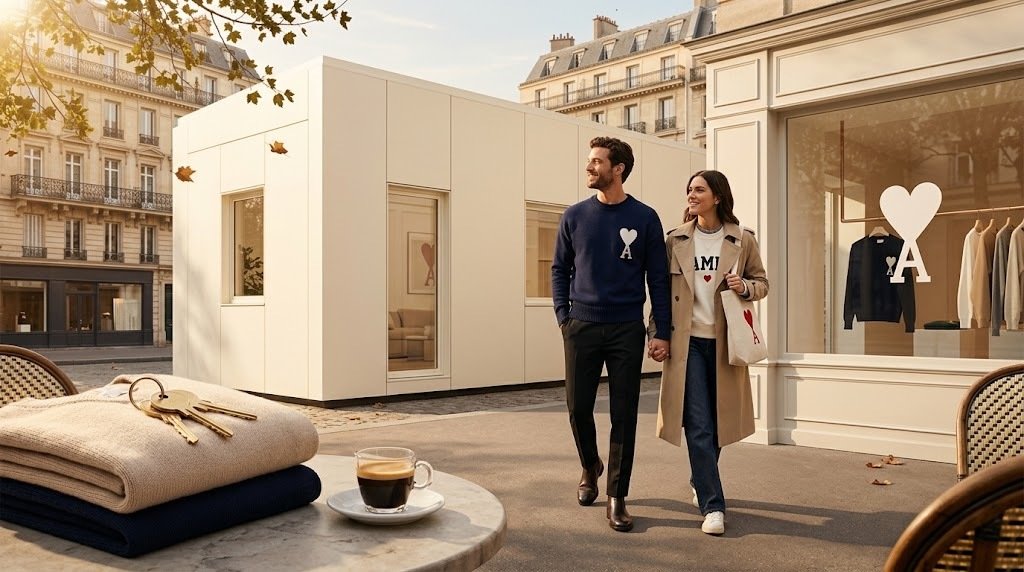
Ami Paris has become a recognizable name in contemporary French fashion, combining relaxed silhouettes, refined basics, and a distinctive heart-shaped logo. For anyone exploring premium everyday clothing, Ami Paris offers a modern interpretation of Parisian style that balances casual comfort with polished design.
Founded in Paris in 2011 by designer Alexandre Mattiussi, the brand creates ready-to-wear clothing and accessories for people who appreciate understated luxury without overly formal styling. Its collections include T-shirts, sweatshirts, knitwear, tailored jackets, trousers, bags, and footwear. The signature Ami de Coeur emblem is one of its most recognizable design features.
What is Ami Paris? Ami Paris is a French fashion house known for contemporary clothing that blends classic wardrobe essentials with relaxed, city-inspired styling. Its appeal comes from versatile designs, recognizable branding, and pieces that can work across casual and smart-casual outfits.
But is Ami Paris worth considering, what makes its clothing different, and how can you choose the right pieces? This guide explores the brand’s background, signature designs, clothing categories, quality considerations, styling ideas, and shopping tips for American consumers.
What Is Ami Paris and Who Founded It?
Ami Paris is a French ready-to-wear fashion brand founded by Alexandre Mattiussi in 2011. The word ami means “friend” in French, reflecting the approachable identity behind the label. The name also connects with the designer’s initials.
Before launching his own company, Mattiussi gained experience working with established fashion houses, including Dior, Givenchy, and Marc Jacobs. That background helped shape a design philosophy combining traditional menswear influences with more relaxed, contemporary proportions.
According to the AMI Paris history overview , the label opened its first Paris boutique in December 2012 and introduced its Ami de Coeur line in 2017. Womenswear followed in 2019.
What Makes the Brand Different?
Rather than relying exclusively on formal luxury clothing or oversized streetwear, Ami Paris occupies a space between the two. Its designs often combine familiar wardrobe staples with carefully considered details.
Key characteristics include:
- Parisian influence: Clean lines, versatile layers, and understated styling.
- Contemporary fits: Relaxed proportions alongside more structured garments.
- Recognizable branding: The Ami de Coeur heart emblem appears on selected pieces.
- Everyday versatility: Many items can be styled for casual outings, travel, work, and social occasions.
- Premium positioning: The brand sits above ordinary high-street basics in price.
The result is clothing that can feel distinctive without requiring a complicated outfit.
Why Is Ami Paris Clothing So Popular?
The popularity of AMI Paris clothing comes from a combination of visual recognition, wearable design, and its position within contemporary luxury fashion. Its pieces can appeal to shoppers who want designer clothing that feels less formal than traditional luxury tailoring.
1. The Ami de Coeur Logo
The Ami de Coeur Logo emblem is one of the brand’s most recognizable signatures. It features a heart motif combined with the letter A and is frequently used on knitwear, sweatshirts, T-shirts, and other garments.
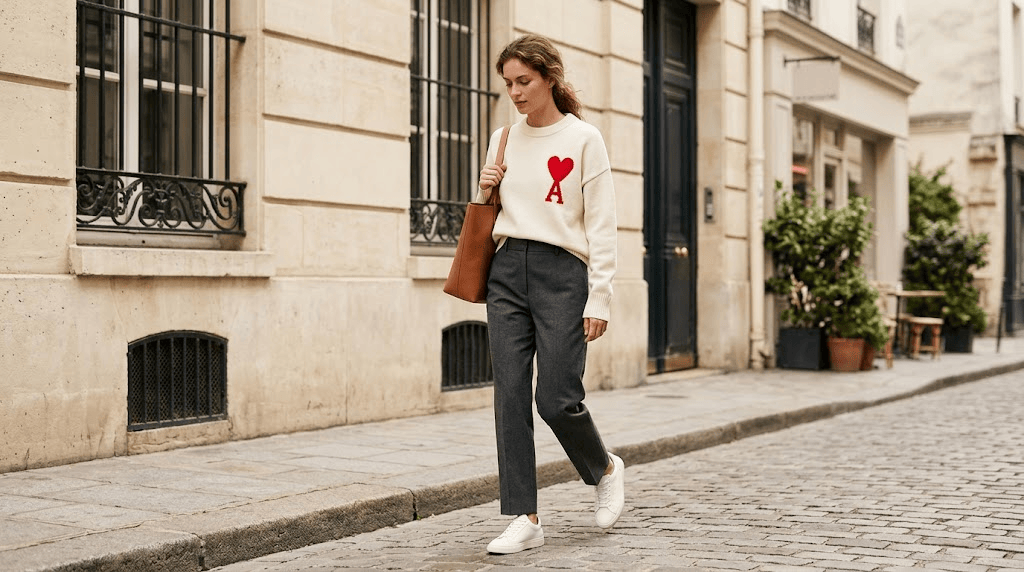
The logo provides an identifiable design detail while allowing the rest of an outfit to remain simple. A neutral sweater with a small embroidered emblem, for example, can be paired with straight-leg jeans and minimalist sneakers without needing additional statement pieces.
2. A Balance Between Casual and Refined
Ami Paris clothing often works because its individual pieces are easy to combine. A sweatshirt can be worn with relaxed denim, while a structured overshirt can elevate a basic T-shirt and trousers.
This flexibility is useful for American shoppers building wardrobes that need to transition between different settings. The same knitwear piece might work for a weekend brunch, a city break, or a casual dinner.
3. Visibility in Contemporary Fashion Culture
Social media, fashion editorials, runway presentations, and celebrity styling have helped increase the brand’s visibility. Its recognizable logo also makes individual pieces easy to identify in outfit photographs.
However, popularity alone does not establish quality or value. Before buying, shoppers should consider construction, fabric composition, fit, versatility, and whether they genuinely like the design beyond its current visibility.
What Types of AMI Paris Clothing Can You Buy?
The brand’s range extends beyond its signature logo T-shirts. Its official US website organizes collections around menswear, womenswear, accessories, footwear, and leather goods. Browse the official Ami Paris website for current collections and product details.
T-Shirts and Sweatshirts
T-shirts and sweatshirts are accessible starting points for shoppers discovering the brand. Depending on the collection, designs may feature embroidered hearts, printed lettering, contrasting logos, or more minimal branding.
For everyday wear, consider the following:
- A neutral logo T-shirt with denim or chinos.
- A sweatshirt layered over a plain T-shirt.
- A graphic or embroidered design paired with understated trousers.
Check the fabric composition and garment measurements before purchasing. Two T-shirts in the same nominal size may fit differently because of their cut and material.
Knitwear and Cardigans
Knitwear is particularly suited to the brand’s blend of relaxed and refined styling. Sweaters, cardigans, and other knitted pieces can add texture without making an outfit visually complicated.
A crewneck sweater works well with straight-leg jeans and leather sneakers. A cardigan can be layered over a plain shirt for a smarter look.
For shoppers considering more expensive knitwear, inspect the fiber composition, care instructions, and expected maintenance. Wool and other delicate fibers may require more careful washing and storage than ordinary cotton basics.
Jackets, Coats, and Tailoring
Outerwear and tailored pieces offer a way to incorporate Ami Paris into more polished wardrobes. Depending on the season, collections may include coats, jackets, blazers, overshirts, and coordinated separates.
For a versatile American wardrobe, look for colors such as navy, black, gray, beige, and cream. These shades can be paired with existing clothing and worn across multiple seasons.
Pay attention to shoulder placement, sleeve length, and room for layering. A jacket that looks good over a T-shirt may feel restrictive over a thick sweater.
Trousers, Denim, and Accessories
Trousers and denim help create complete outfits, while accessories offer a less clothing-intensive way to explore the label.
Depending on availability, shoppers may find bags, small leather goods, hats, scarves, and other accessories.
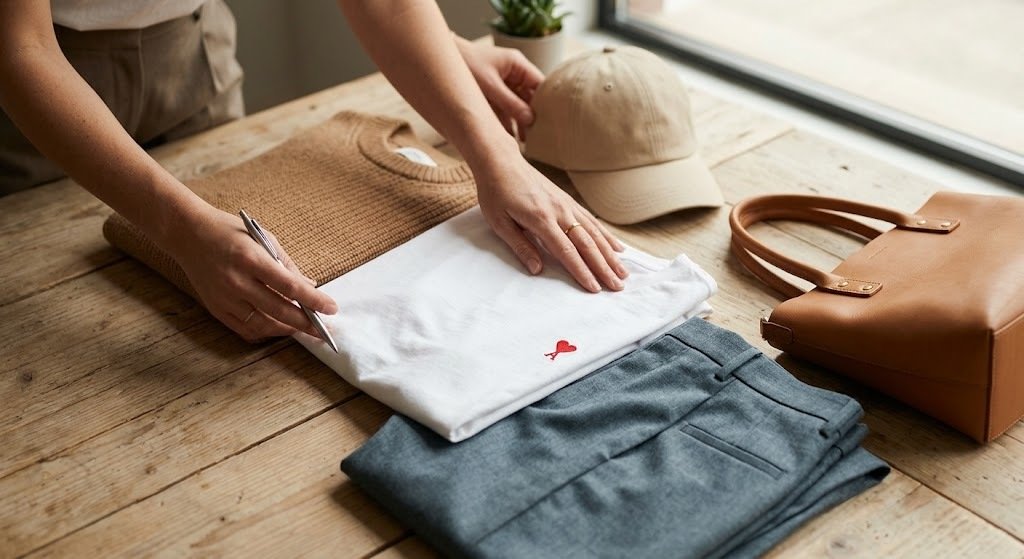
A practical approach is to choose items that fill a genuine gap in your wardrobe. If you already own several logo sweatshirts, a well-fitting pair of trousers may provide more styling options than another similar top.
Is Ami Paris a Luxury Brand, and Is It Worth the Price?
Ami Paris is positioned within contemporary luxury fashion. Its pricing reflects designer branding, creative direction, materials, product development, and retail positioning. However, the label’s price does not automatically mean every item offers better durability or comfort than a less expensive alternative.
For a current US-market reference, Saks Fifth Avenue’s AMI Paris selection has listed examples such as logo cotton T-shirts at around $190, selected embroidered T-shirts at around $330, and wool sweaters at around $550. These are illustrative product listings, not fixed prices for every item; prices, availability, and promotions can change.
You can explore the AMI Paris selection at Saks Fifth Avenue to compare current products.
What Should You Evaluate Before Buying?
Use this simple framework to assess whether a piece justifies its price.
1. Fabric and construction: Read the material label and inspect seams, stitching, ribbing, and finishing where product images permit.
2. Fit: Check the garment’s measurements and fit description instead of assuming your usual size will work.
3. Cost per wear: Consider how often you expect to use the item. As an illustration, a $300 sweater worn 60 times over several years costs $5 per wear before maintenance. If you wear it only six times, the cost rises to $50 per wear.
4. Wardrobe compatibility: Consider whether the garment works with at least three outfits you already own.
5. Care requirements: Dry cleaning or delicate washing can add to the long-term ownership cost.
This cost-per-wear example is a planning tool, not a claim about the brand’s product performance. Actual value depends on the purchase price, frequency of use, care, and longevity.
Who Should Consider Ami Paris?
The brand may suit shoppers who appreciate contemporary European design, recognizable but often restrained branding, and versatile wardrobe staples.
It may be less suitable for buyers whose main priorities are the lowest possible price, technical performance, or completely logo-free basics at budget-friendly rates.
How Does Ami Paris Sizing and Fit Work?
Ami Paris offers different garment types and silhouettes, so there is no single fit rule that applies to every item. Some pieces are designed to feel relaxed, while tailored garments may have a more structured shape.
American shoppers should pay particular attention to the product’s stated fit and measurements.
How to Choose the Right Size
Before placing an order:
- Read the product description for terms such as regular, relaxed, oversized, or fitted.
- Measure a similar garment that already fits you well.
- Compare its chest, shoulder, sleeve, waist, or inseam measurements with the available size guide.
- Check the model’s height and the size worn, when provided.
- Review the retailer’s return policy before removing tags or washing the garment.
Do not automatically size up for an oversized appearance. A deliberately relaxed design may already provide the proportions you want.
Likewise, do not size down simply because you prefer a closer fit. Doing so can change sleeve length, shoulder placement, and comfort.
For a tailored jacket, shoulder fit is particularly important because substantial alterations can be difficult. For trousers, waist and inseam measurements are useful starting points.
How to Style Ami Paris for Everyday Outfits
Ami Paris clothing works best when the outfit has a clear balance between casual and polished elements. You do not need a head-to-toe designer look to make a single piece stand out.
Casual Weekend Outfit
Pair a logo T-shirt or sweatshirt with straight-leg jeans and simple sneakers. Keep the remaining colors neutral so the garment’s design remains the focal point.
This combination is suitable for casual outings, travel days, and relaxed weekends.
Smart-Casual Outfit
Wear a fine-knit sweater or cardigan with tailored trousers and clean leather shoes. A structured coat can complete the look when the weather calls for another layer.
This approach works for informal dinners, creative workplaces, and occasions where a full suit feels too formal.
Minimalist Streetwear Outfit
Combine a relaxed sweatshirt with straight or wide-leg trousers and understated sneakers. Keep accessories limited to one or two pieces.
The key is proportion. If the top is voluminous, a more structured lower half can make the outfit feel intentional rather than oversized throughout.
Seasonal Styling for the United States
Climate matters when choosing premium clothing.
- Spring: Lightweight knitwear, cotton T-shirts, and overshirts.
- Summer: Breathable cotton tops and lighter trousers.
- Fall: Layered sweaters, cardigans, denim, and medium-weight jackets.
- Winter: Coats, warmer knitwear, scarves, and suitable base layers.
Choose pieces based on the weather where you live rather than buying a collection simply because it appears in a seasonal campaign.
Where Can You Buy Authentic Ami Paris in the USA?
American shoppers can explore the official US website and established luxury retailers. The best option depends on product availability, sizing, shipping, and return terms.
Official Ami Paris Store
The official AMI Paris US website is a useful starting point for current collections, product descriptions, and brand information. Confirm the selected country or region before checking out so you review the applicable pricing and delivery information.
Saks Fifth Avenue
Saks Fifth Avenue carries selected AMI Paris clothing and accessories. Its product pages can help shoppers compare styles, sizes, and listed prices.
SSENSE and Nordstrom
SSENSE’s AMI designer selection and Nordstrom’s AMI Paris brand page are additional places to investigate. Inventory varies, so a specific item may not be available from every retailer.
How to Avoid Counterfeit Products
When shopping online, use these precautions:
- Buy directly from the brand or a retailer you can independently verify.
- Compare product names, images, labels, and construction details with official listings.
- Be cautious of prices dramatically below normal retail without a credible explanation.
- Review the seller’s return policy and contact information.
- Keep your order confirmation and proof of purchase.
A logo alone cannot establish authenticity. Counterfeit products can reproduce recognizable branding, and legitimate products can vary in appearance across seasons.
For expensive purchases from resale marketplaces, consider the seller’s authentication process and dispute protections before paying.
Conclusion: Is Ami Paris Right for Your Wardrobe?
Ami Paris brings together French fashion heritage, everyday clothing, relaxed tailoring, and recognizable design details. Its Ami de Coeur logo has become a signature, but the wider collection includes knitwear, outerwear, trousers, accessories, and other wardrobe essentials.
Whether the brand is right for you depends on more than popularity. Consider fit, materials, versatility, maintenance, and the amount you are comfortable spending. A thoughtfully selected sweater or jacket that works with your existing wardrobe can be a more useful purchase than several trend-driven items.
Start by exploring the current collection, comparing measurements and prices, and choosing pieces that fit your personal style.
FAQ Section
What is Ami Paris famous for?
Ami Paris is known for contemporary French fashion, relaxed tailoring, versatile wardrobe essentials, and its signature Ami de Coeur heart logo. Its collections include clothing and accessories for men and women.
Is Ami Paris a luxury brand?
Yes. Ami Paris is positioned within contemporary luxury fashion. Its products generally cost more than ordinary high-street clothing, although value depends on the garment’s materials, construction, fit, and how often it is worn.
Who owns Ami Paris?
Ami Paris was founded by French designer Alexandre Mattiussi in 2011. For current corporate ownership and management information, consult recent, reliable business reporting rather than assuming historical ownership details remain unchanged.
What does Ami mean in Ami Paris?
Ami is the French word for “friend.” The name also refers to designer Alexandre Mattiussi’s initials.
How does Ami Paris clothing fit?
Fit varies by product. Some garments have relaxed or oversized silhouettes, while others are more structured. Check the product description, garment measurements, and size guide before ordering.
Where can you buy authentic Ami Paris clothing in the USA?
You can explore the official AMI Paris US website and established retailers such as Saks Fifth Avenue, SSENSE, and Nordstrom. Check current inventory, seller authenticity, shipping terms, and return policies before purchasing.

Ambush is more than just a word associated with surprise attacks or hidden strategies. In modern culture, it represents creativity, disruption, and unexpected impact — especially through fashion. The rise of ambush clothing shows how a single concept can move from a traditional meaning into a powerful streetwear identity.
Many people search for Ambush because they want to understand its meaning, learn about the luxury fashion brand, or explore why its designs have become popular worldwide. The challenge is that the term has multiple meanings depending on the context.
This guide explains what Ambush means, where the concept comes from, how the fashion label changed streetwear culture, and why the brand continues to influence younger audiences. You will also learn how Ambush became connected with bold designs, jewelry, music culture, and modern luxury fashion.
What Does Ambush Mean?
Ambush means a surprise attack or sudden action taken from a hidden position. The word originally comes from military strategy, where a group hides and waits for the right moment to approach an opponent unexpectedly.
According to Merriam-Webster Dictionary, ambush refers to an act of hiding and waiting to surprise someone, especially an enemy.
However, the meaning of Ambush has expanded beyond its traditional definition. Today, the word is also used in:
- Fashion and streetwear
- Marketing campaigns
- Music culture
- Sports strategies
- Creative design
In fashion, Ambush represents the idea of standing out by doing something unexpected. Designers often use unusual shapes, experimental materials, and bold concepts to create pieces that immediately capture attention.

What Is Ambush Clothing and Why Is It Popular?
Ambush clothing is a contemporary fashion style known for its experimental designs, oversized silhouettes, futuristic elements, and connection with street culture.
The term is strongly connected with AMBUSH, a Tokyo based fashion label founded by Yoon Ahn and Verbal.
The brand started with jewelry designs before expanding into clothing collections. Its approach combined:
- Japanese street style
- Hip-hop influence
- Luxury fashion techniques
- Pop culture references
- Futuristic aesthetics
Unlike traditional luxury brands that often focus on classic designs, Ambush became recognized for creating pieces that feel experimental and unpredictable.
Key Features of Ambush Clothing
Some common characteristics include:
1. Oversized Streetwear Shapes
Ambush clothing often uses relaxed fits, large jackets, wide trousers, and comfortable silhouettes. This approach reflects modern streetwear trends where personal expression is more important than traditional tailoring.
2. Bold Graphics and Branding
The brand frequently uses strong visual elements, unusual logos, and recognizable design details that make pieces instantly identifiable.
3. Gender-Free Fashion Approach
Ambush has gained attention for designs that are not limited by traditional men’s and women’s fashion categories. Many collections focus on self-expression rather than strict gender rules.
4. Luxury Meets Street Culture
The brand successfully combines everyday streetwear with premium materials and high-fashion concepts.
How Did Ambush Become a Global Fashion Brand?
Ambush started as a creative project focused on jewelry before becoming a recognized fashion house. The brand gained international attention because it connected with musicians, artists, and fashion communities.
The founders built a reputation by creating pieces that felt different from mainstream luxury fashion. Instead of following existing trends, Ambush focused on creating designs that challenged expectations.
A major turning point came when the brand began collaborating with major companies and appearing in international fashion events.
Some important milestones include:
- Expansion from jewelry into full clothing collections
- Recognition at global fashion weeks
- Collaborations with major footwear and luxury brands
- Growing popularity among celebrities and streetwear enthusiasts
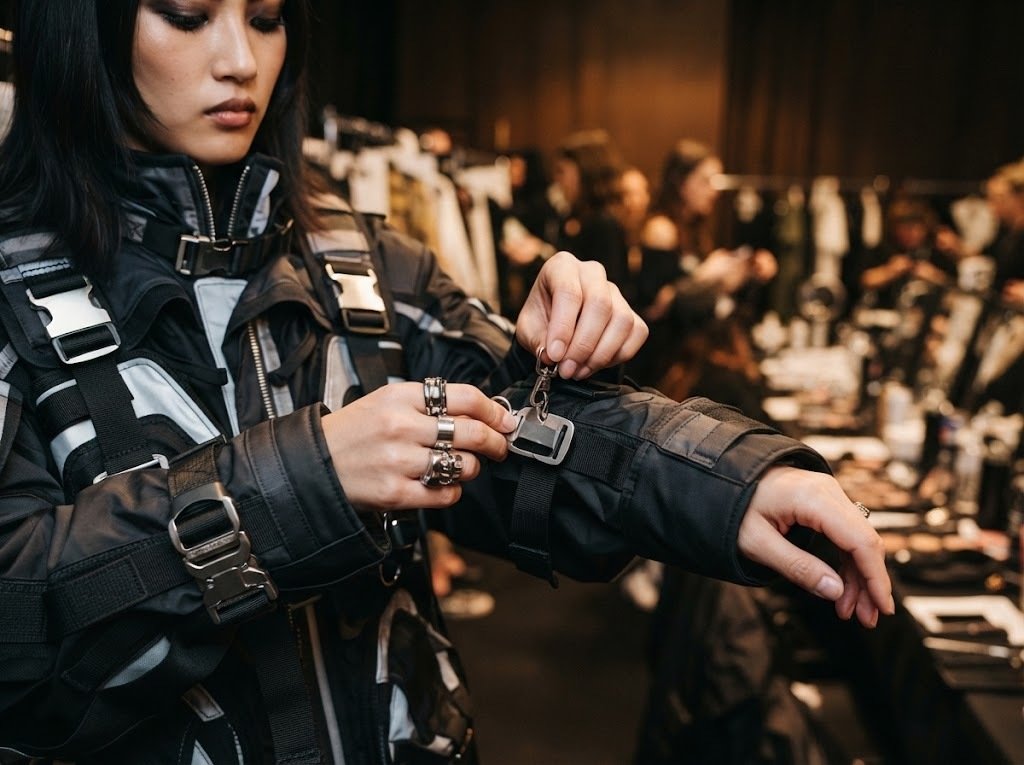
Why Is Ambush Fashion Influential in Streetwear Culture?
Streetwear has changed significantly over the last decade. Clothing is no longer only about function; it has become a way for people to communicate identity, creativity, and cultural interests.
Ambush became influential because it understood this shift.
Ambush’s Impact on Modern Fashion
Creating Unexpected Designs
The brand’s philosophy matches the original meaning of the word “ambush” — creating surprise. Many collections use unexpected shapes, materials, and concepts that challenge normal fashion expectations.
Connecting Fashion With Music
Music culture has played an important role in streetwear growth. Ambush’s connection with artists helped the brand reach audiences beyond traditional fashion circles.
Blending Luxury and Everyday Style
Modern consumers increasingly want clothing that feels exclusive but wearable. Ambush clothing fits this demand by combining premium craftsmanship with casual streetwear elements.
Encouraging Individual Expression
One of Ambush’s strongest influences is encouraging people to experiment with personal style instead of following strict fashion rules.
Ambush vs Traditional Streetwear: What Makes It Different?
While many streetwear brands focus on logos, limited releases, and casual designs, Ambush takes a more artistic approach.
| Feature | Traditional Streetwear | Ambush Clothing |
|---|---|---|
| Design Approach | Casual and graphic-focused | Experimental and conceptual |
| Inspiration | Skate, hip-hop, sports | Art, music, technology, culture |
| Style | Relaxed basics | Futuristic luxury streetwear |
| Audience | Streetwear enthusiasts | Fashion-forward consumers |
The difference is that Ambush is not only selling clothing — it is presenting a creative idea.
This approach has helped the brand maintain relevance in a highly competitive fashion industry.
How Does Ambush Clothing Influence Modern Fashion Trends?
The influence of Ambush clothing goes beyond individual pieces. The brand represents a larger movement in fashion where creativity, cultural references, and personal identity matter as much as traditional luxury.
Modern fashion audiences increasingly look for brands that tell a story. Ambush achieves this by combining different creative worlds, including music, art, technology, and Japanese design culture.
Unlike fast-fashion brands that quickly copy trends, Ambush focuses on creating recognizable concepts. Each collection often introduces unique shapes, materials, or visual ideas that encourage people to view clothing as a form of expression.
The Role of Japanese Fashion Culture
Japan has played a major role in shaping global streetwear. Cities like Tokyo have influenced fashion through experimental designs, attention to detail, and the ability to mix traditional and futuristic styles.
Ambush reflects this approach by combining Tokyo street culture with international luxury fashion standards.
Celebrity and Music Influence
Celebrity visibility has also helped Ambush gain worldwide recognition. Musicians and artists often use fashion as part of their personal branding, and Ambush’s bold designs fit naturally into this environment.
When influential figures wear a brand, it often introduces that style to new audiences who may not have discovered it otherwise.
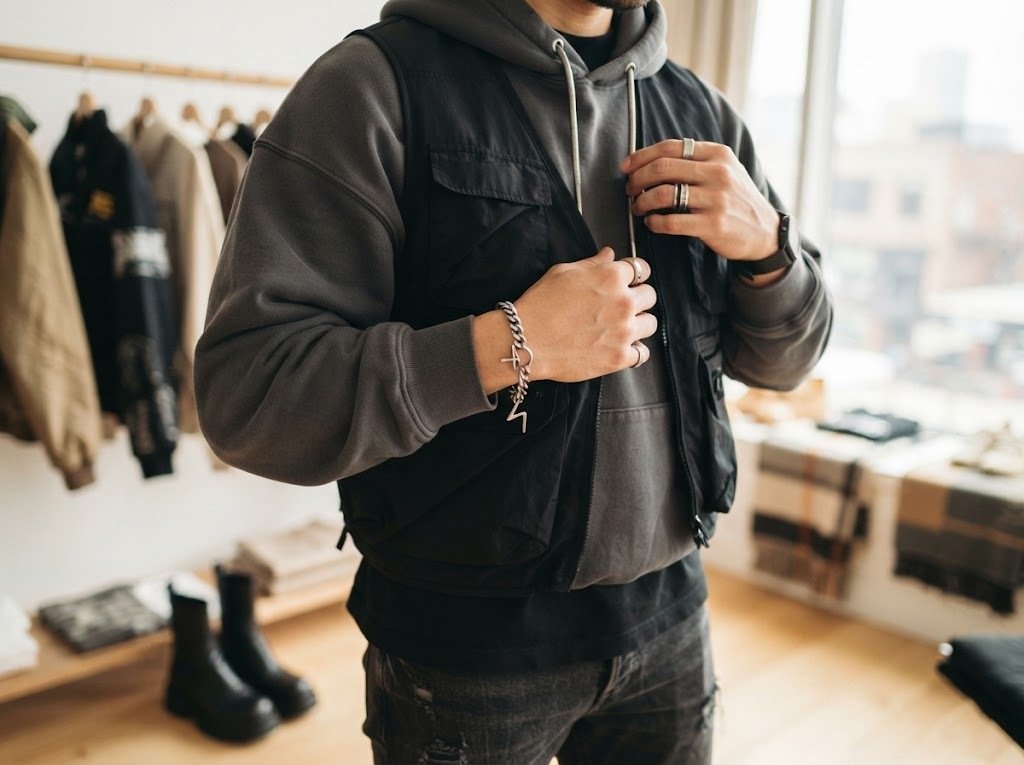
Is Ambush a Luxury Fashion Brand?
Yes, Ambush is considered a luxury streetwear brand because it combines high-fashion design principles with contemporary street culture.
However, Ambush does not follow the traditional luxury model of focusing only on heritage, formal clothing, or classic designs. Instead, it represents a newer generation of luxury where creativity and cultural relevance are important.
What Makes Ambush a Luxury Brand?
Several factors contribute to its luxury status:
Premium Design Philosophy
Ambush collections are created with strong attention to concept, materials, and visual identity.
Limited Availability
Many fashion pieces are released in limited quantities, increasing their exclusivity among collectors and fashion enthusiasts.
High-Profile Collaborations
Collaborations with recognized brands have increased Ambush’s position within the global fashion industry.
Fashion Week Presence
The brand has participated in major fashion events, helping establish credibility among industry professionals.
According to fashion industry discussions, modern luxury increasingly depends on storytelling and cultural influence, not only traditional craftsmanship.
External reference: Council of Fashion Designers of America provides insights into modern fashion industry development and designers.
What Are the Most Popular Ambush Clothing Items?
Ambush offers a wide range of fashion products, but some categories have become especially recognized among fans.
1. Ambush Jackets and Outerwear
Outerwear is one of the strongest categories because jackets allow designers to experiment with shape, materials, and structure.
Popular styles include:
- Oversized jackets
- Utility-inspired designs
- Statement outerwear pieces
- Experimental silhouettes
2. Ambush Jewelry
Before becoming known for clothing, Ambush gained attention through jewelry designs.
The brand’s jewelry often features:
- Industrial-inspired shapes
- Bold accessories
- Unique symbols
- Metallic finishes
These pieces helped establish the brand’s identity before its clothing collections expanded.
3. Ambush T-Shirts and Casual Wear
T-shirts and everyday pieces allow more consumers to access the brand’s style.
They often feature:
- Graphic designs
- Brand symbols
- Relaxed fits
- Streetwear-inspired details
4. Ambush Footwear Collaborations
Footwear collaborations have also increased the brand’s visibility among sneaker and streetwear communities.
These releases often combine practical designs with creative visual elements.
How to Style Ambush Clothing for Everyday Wear?
Although Ambush designs can appear bold, they can be styled for everyday outfits by balancing statement pieces with simple basics.
Casual Streetwear Look
A simple approach:
- Pair an Ambush graphic shirt with relaxed jeans
- Add sneakers or minimal footwear
- Use accessories as the main statement
Layered Fashion Look
For colder seasons:
- Combine an oversized jacket with neutral clothing
- Add different textures
- Keep colors balanced
Minimal Luxury Style
For a cleaner appearance:
- Choose one Ambush statement item
- Pair it with classic pieces
- Avoid combining too many competing designs
The key is allowing one piece to create visual impact rather than making the entire outfit overwhelming.
Is Ambush Clothing Worth Buying?
Whether Ambush clothing is worth buying depends on what you value in fashion.
For collectors and fashion enthusiasts, Ambush offers:
- Unique designs
- Strong brand identity
- Cultural relevance
- Limited-edition appeal
For someone looking only for basic everyday clothing, other brands may offer better value.
A practical buying approach is to choose pieces that match your personal style rather than purchasing only because a brand is popular.
Original Fashion Insight
After analyzing streetwear trends over recent years, one noticeable pattern is that successful modern brands often create recognizable design language rather than simply producing more products.
Ambush follows this approach. A person can often identify an Ambush-inspired piece because of its unusual proportions, futuristic details, or unexpected combinations. This strong visual identity is one reason the brand remains memorable in a crowded fashion market.
What Is the Future of Ambush Clothing?
The future of Ambush will likely continue to focus on experimentation, collaborations, and cultural influence.
Fashion consumers are increasingly interested in brands that provide experiences and creative stories, not only products.
Ambush has positioned itself within this movement by maintaining a distinctive identity while expanding its global audience.
Future growth areas may include:
- More international collaborations
- Sustainable fashion approaches
- Digital fashion experiences
- Expanded lifestyle products
As streetwear continues merging with luxury fashion, brands like Ambush are likely to remain influential.
Conclusion: Why Does Ambush Matter in Fashion?
Ambush represents the evolution of modern fashion — where creativity, culture, and individuality combine.
Originally known as a word describing surprise and strategy, Ambush has become recognized worldwide through its innovative fashion approach. Ambush clothing gained popularity because it challenges traditional ideas, blends streetwear with luxury, and encourages people to express themselves differently.
For anyone interested in contemporary fashion, understanding Ambush provides insight into how modern streetwear has transformed the global fashion industry.
Whether you admire its designs, collect limited pieces, or simply want to understand the trend, Ambush remains an important name in today’s fashion conversation.
FAQ Section
What does Ambush mean?
Ambush means a surprise attack or action performed from a hidden position. In fashion, Ambush represents unexpected creativity and bold design choices.
What is Ambush clothing known for?
Ambush clothing is known for experimental designs, oversized silhouettes, luxury streetwear influences, bold accessories, and connections with modern music culture.
Is Ambush a luxury brand?
Yes, Ambush is considered a luxury streetwear brand because it combines premium design, limited releases, creative concepts, and high-fashion influences.
Who created Ambush clothing?
Ambush was founded by Yoon Ahn and Verbal. The brand originally started with jewelry before expanding into clothing and becoming internationally recognized.
Why is Ambush popular?
Ambush became popular because it offers unique designs, blends streetwear with luxury fashion, and connects strongly with music, art, and youth culture.

Alpha Industries is one of the most recognized names in American military-inspired fashion, known for creating durable jackets that combine function, history, and modern style. From authentic flight gear made for the U.S. military to everyday streetwear worn around the world, the brand has built a reputation for quality outerwear.
Many fashion lovers search for Alpha Industries jackets because they want more than a simple coat. They want a piece of clothing connected to aviation history, military design, and decades of American culture. The brand’s iconic MA-1 bomber jacket, M-65 field coat, and N-3B parka have become symbols of timeless style.
Alpha Industries is an American outerwear company founded in 1959. It became famous for producing military jackets and later transformed those designs into popular civilian fashion pieces. Today, the brand continues to attract customers who appreciate heritage clothing, practical designs, and authentic military details.
This guide explains the history of Alpha Industries, its most popular jackets, why the brand remains influential, and how to choose the right style for your wardrobe.
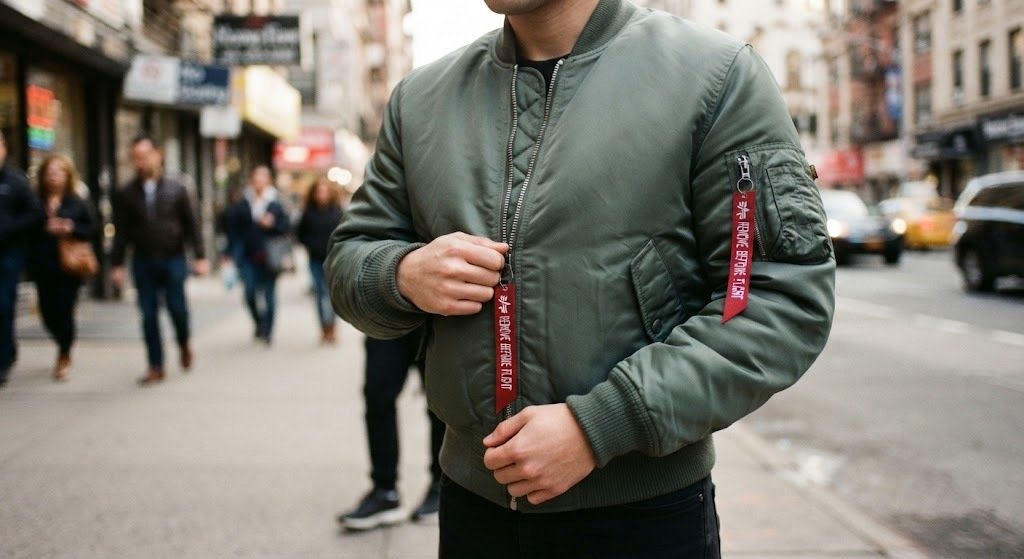
What Is Alpha Industries?
Alpha Industries is an American clothing brand specializing in military-inspired outerwear, especially bomber jackets, field jackets, and parkas. The company originally focused on manufacturing jackets for the U.S. military before expanding into commercial fashion.
The brand became well known for producing functional garments designed for extreme conditions. Its jackets were created with features such as durable nylon fabrics, insulated linings, utility pockets, and weather-resistant materials.
Today, Alpha Industries combines its military background with contemporary fashion trends. The company produces jackets, hoodies, shirts, accessories, and casual clothing while keeping its original military influence.
According to the brand’s official history, Alpha Industries has supplied military-style garments for decades and continues to use many original design inspirations in its modern collections.
The History of Alpha Industries: From Military Supplier to Fashion Icon
How Did Alpha Industries Start?
Alpha Industries was established in 1959 in Knoxville, Tennessee. The company was created during a period when the U.S. military required reliable suppliers for aviation and cold-weather clothing.
During its early years, Alpha Industries produced jackets based on military specifications. These garments needed to perform in challenging environments, including high-altitude aircraft operations and cold climates.
The company’s relationship with military clothing helped establish its reputation for durability and authenticity.
Why Did Alpha Industries Become Popular?
The transition from military equipment to mainstream fashion happened gradually. Military jackets became popular among civilians because of their practical design and unique appearance.
Several cultural movements helped increase interest in military-inspired clothing:
- Aviation fashion trends
- Streetwear culture
- Hip-hop fashion influence
- Outdoor lifestyle clothing
- Vintage clothing communities
The MA-1 bomber jacket became especially popular because of its clean silhouette and recognizable design.
Alpha Industries and American Military Heritage
Unlike many fashion brands that simply copy military aesthetics, Alpha Industries has a direct connection to military garment production.
The company’s designs often include details inspired by original military specifications, including:
- Utility pockets
- Flight jacket shapes
- Ribbed cuffs and waistbands
- Military patches
- Functional materials
This heritage is one reason customers continue choosing Alpha Industries jackets over ordinary fashion outerwear.
Why Are Alpha Industries Jackets So Popular?
Authentic Military-Inspired Design
One of the biggest reasons behind the popularity of Alpha Industries jackets is authenticity. The designs are based on real military clothing rather than just using military colors or patterns.
For example, the MA-1 bomber jacket was originally designed for pilots who needed lightweight protection during flight. Modern versions maintain the same recognizable shape while adapting materials for everyday wear.
Durability and Long-Term Value
Alpha Industries focuses on making jackets that can handle regular use. Many customers choose these jackets because they are not designed as disposable seasonal fashion items.
A well-maintained Alpha Industries jacket can remain part of a wardrobe for many years. Features such as strong stitching, quality fabrics, and practical construction contribute to its long lifespan.
Versatile Fashion Appeal
Another reason Alpha Industries remains popular is versatility. These jackets work with different styles, including:
- Casual jeans and sneakers
- Streetwear outfits
- Outdoor clothing
- Minimal everyday looks
- Vintage-inspired fashion
A single bomber jacket can easily move between different fashion styles.
Popular Alpha Industries Jackets You Should Know
MA-1 Bomber Jacket
The MA-1 is the most famous Alpha Industries jacket. Originally developed for military pilots, it became a global fashion icon.
Key features include:
- Lightweight bomber construction
- Ribbed collar, cuffs, and waistband
- Front zipper closure
- Utility sleeve pocket
- Reversible designs in selected versions
The MA-1 works well for people who want a classic jacket with a strong heritage background.

M-65 Field Jacket
The M-65 field jacket is inspired by military combat clothing designed for outdoor conditions.
It is popular because of:
- Multiple functional pockets
- Layer-friendly design
- Longer body coverage
- Rugged appearance
This style is ideal for customers who prefer a practical jacket with a vintage military look.
N-3B Parka
The N-3B parka was designed for extremely cold weather conditions. It provides more coverage than bomber jackets and is often chosen for winter climates.
Common features include:
- Longer length
- Heavy insulation
- Hood design
- Cold-weather protection
For people living in colder areas of the United States, the N-3B offers both warmth and classic style.
How to Choose the Right Alpha Industries Jacket
Choosing the right Alpha Industries jacket depends on your lifestyle, climate, and personal style preferences. While many designs share a military background, each jacket serves a different purpose.
For Everyday Casual Wear: MA-1 Bomber Jacket
If you want a jacket that works for daily outfits, the MA-1 is usually the best starting point. It pairs easily with jeans, sneakers, boots, and casual shirts.
The bomber style creates a balanced look because it is:
- Easy to layer
- Comfortable for daily use
- Suitable for multiple seasons
- Recognizable without looking outdated
A black, sage green, or navy MA-1 is a practical choice because these colors match most wardrobes.
For Outdoor and Utility Style: M-65 Jacket
The M-65 is better for people who prefer a rugged appearance. Its longer design and multiple pockets make it useful for outdoor activities, travel, and colder weather.
It appeals to customers who like functional clothing where design and practicality work together.
For Cold Weather Protection: N-3B Parka
People living in areas with harsh winters may prefer the N-3B parka. It provides more coverage compared with shorter bomber jackets.
Its longer length helps protect against wind and cold temperatures, making it a strong option for winter commuting.
Are Alpha Industries Jackets Worth Buying?
Yes, Alpha Industries jackets are worth considering for buyers who value heritage, durability, and timeless designs.
Unlike fast-fashion outerwear that changes every season, Alpha Industries focuses on classic military-inspired styles that remain relevant for years.
A good example is the MA-1 bomber jacket. Someone who purchased this style several years ago can still wear it today because the design does not depend on short-term fashion trends.
A useful way to evaluate the value is to consider cost per wear. A jacket worn multiple times every week during fall and winter can provide better long-term value than cheaper jackets that need replacement frequently.
What Makes Alpha Industries Different From Other Jacket Brands?
Alpha Industries stands apart because of its combination of:
- Military history
- Functional construction
- Recognizable designs
- American heritage
- Streetwear influence
Many brands create jackets inspired by military fashion, but Alpha Industries has decades of experience producing these types of garments.
Alpha Industries in Modern Fashion Culture
From Military Clothing to Streetwear
Military-inspired clothing has influenced fashion for decades. Alpha Industries became part of this movement because its jackets naturally fit into casual and Streetwear style guide.
The brand has appeared in different fashion communities, including:
- Urban streetwear
- Vintage fashion
- Aviation-inspired outfits
- Minimalist menswear
Its designs appeal to people who want clothing with a story behind it.
Why Celebrities and Fashion Fans Wear Alpha Industries
The popularity of Alpha Industries is also connected to its appearance in popular culture. Military jackets have often been associated with musicians, actors, and streetwear influencers.
However, the brand’s popularity is not only based on celebrity attention. Its continued success comes from practical designs that customers can actually use in everyday life.
Alpha Industries Jackets vs Regular Fashion Jackets
Many shoppers compare Alpha Industries with standard fashion brands before purchasing.
| Feature | Alpha Industries Jackets | Regular Fashion Jackets |
|---|---|---|
| Design inspiration | Military heritage | Trend-based fashion |
| Durability | Built for long-term use | Depends on brand |
| Style | Classic and timeless | Often seasonal |
| Functionality | Utility-focused details | Mostly appearance-focused |
| Brand history | Since 1959 | Varies |
The main difference is that Alpha Industries combines fashion with practical heritage.
How to Style Alpha Industries Jackets
Casual Everyday Outfit
A simple outfit can include:
- MA-1 bomber jacket
- Plain T-shirt
- Denim jeans
- Sneakers
This creates a clean American casual style.
Streetwear Look
For a stronger streetwear appearance:
- Oversized Alpha Industries jacket
- Hoodie underneath
- Cargo pants
- High-top sneakers
The military influence naturally works well with modern urban fashion.
Smart Casual Style
A field jacket can also work with:
- Chinos
- Boots
- Sweater
- Button-down shirt
This creates a more polished look while keeping the jacket’s rugged character.
Where to Buy Alpha Industries Jackets
Alpha Industries jackets are available through several trusted retailers, including the official Alpha Industries website and major fashion marketplaces.
Customers should always check:
- Product authenticity
- Size charts
- Return policies
- Material details
- Customer reviews
Buying from authorized sellers helps avoid counterfeit products.
You can learn more about the brand and its collections through:
- Official Alpha Industries website
- Wikipedia background information about the company
- Major fashion retailers offering verified collections
Frequently Asked Questions About Alpha Industries
Is Alpha Industries a good brand?
Yes, Alpha Industries is considered a respected outerwear brand because of its military heritage, durable jacket construction, and timeless designs. The company has been producing military-inspired clothing since 1959.
What is the most popular Alpha Industries jacket?
The MA-1 bomber jacket is the most famous Alpha Industries jacket. It became popular because of its military background, simple design, and ability to match different fashion styles.
Are Alpha Industries jackets warm?
Yes, many Alpha Industries jackets provide good warmth, but insulation levels depend on the model. Heavy parkas like the N-3B are designed for colder conditions, while MA-1 jackets are better for mild to cool weather.
Are Alpha Industries jackets true to size?
Sizing can vary by collection. Customers should check the official size guide before ordering because some military-inspired styles have a more fitted or structured design.
How long do Alpha Industries jackets last?
With proper care, an Alpha Industries jacket can last many years. Their durable materials and classic designs make them suitable for long-term wardrobe use.
Are Alpha Industries jackets only for men?
No. Alpha Industries offers jackets and clothing styles for men and women. Many designs are created with a unisex military-inspired aesthetic.
Conclusion: Why Alpha Industries Remains a Fashion Icon
Alpha Industries represents the connection between military history and modern fashion. The brand started by creating functional clothing for demanding environments and later became a worldwide symbol of durable American outerwear.
The popularity of Alpha Industries jackets comes from their combination of authentic design, practical features, and timeless style. Whether you choose the classic MA-1 bomber, versatile M-65 field jacket, or warm N-3B parka, each piece carries decades of design history.
For shoppers looking for a jacket that offers more than temporary trends, Alpha Industries remains a strong choice. Its focus on quality, heritage, and functionality explains why the brand continues to influence fashion in 2026 and beyond.
-

 Lifestyle12 months ago
The Story of Acne Studios: From Underground Roots to Global Fashion Icon
-

 Sneaker12 months ago
Inside Aime Leon Dore How It Redefined Streetwear Culture
-
 News & Drops12 months ago
Inside ADER error: How It Redefined Streetwear Culture
-

 Lifestyle12 months ago
Inside adidas how It Redefined Streetwear Culture
-
 Style Guides12 months ago
Inside Acronym How It Redefined Streetwear Culture
-

 Style Guides12 months ago
Action Bronson: Where Streetwear Meets Art, Culture, and Identity
-
 Clothing9 months ago
Balmain Luxury Fashion Brand: History, Design Philosophy, Market Position & Global Influence
-
 Brands12 months ago
A Bronx Tale From Film to Fashion