Lifestyle
The Most Iconic Junya Watanabe Collaborations We Love

Junya Watanabe stands as one of the most influential figures in contemporary fashion, celebrated for his experimental approach, technical mastery, and deep respect for tradition. For more than three decades, Watanabe has challenged conventional ideas of garment construction while maintaining a strong connection to history, craftsmanship, and functionality. His work represents a careful balance between innovation and heritage, making his designs both intellectually engaging and highly wearable.
Early Life and Education
Born in Japan, Junya Watanabe graduated from the prestigious Bunka Fashion College in 1984, an institution known for producing some of the most forward thinking designers in the industry. Immediately after completing his studies, he joined Comme des Garçons as a pattern cutter. Working closely under the mentorship of Rei Kawakubo, the founder of Comme des Garçons, Watanabe developed a deep understanding of pattern-making, structure, and conceptual design. This early exposure to Kawakubo’s unconventional methods played a significant role in shaping his future aesthetic.
Rise Within Comme des Garçons
Watanabe’s talent quickly became apparent within the company. He rose through the ranks and was eventually appointed creative director of the Tricot Comme des Garçons line, a position he held until 1992. In 1993, he launched his own label, Junya Watanabe Comme des Garçons, and began presenting collections in Paris. While his early work focused primarily on womenswear, he officially introduced menswear collections in 2001, marking a major milestone in his career.

Design Philosophy and Creative Vision
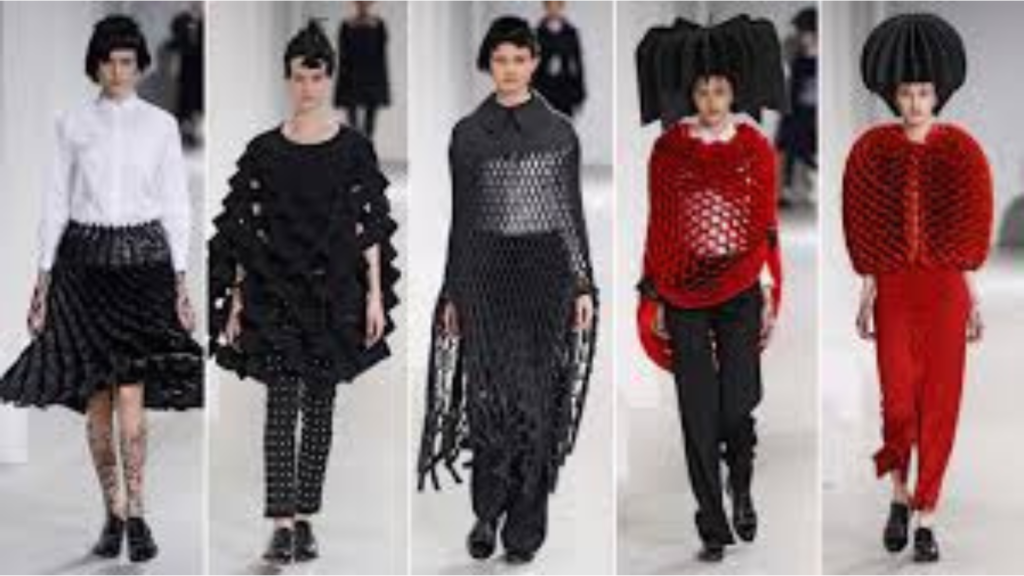
What distinguishes Junya Watanabe from many of his contemporaries is his ability to reinterpret classic garments through advanced techniques and unexpected materials. His design philosophy emphasizes taking familiar wardrobe staples and transforming them into something entirely new. This mindset is famously summarized in the label found inside Junya Watanabe MAN garments, which references authenticity, history, originality, and a renewed approach to basics. Rather than chasing trends, Watanabe consistently revisits timeless silhouettes, refining and reinventing them season after season.
Innovation and Technical Experimentation
Watanabe is particularly known for his technical experimentation. Throughout his career, he has explored innovative fabrics, complex patchwork, engineered textiles, and unconventional garment construction. Despite the experimental nature of his work, functionality remains central to his designs. Jackets, coats, and trousers are not only visually striking but also practical, durable, and thoughtfully constructed. This commitment to usability has helped his menswear resonate strongly with both fashion enthusiasts and everyday wearers.
Approach to Collaborations
Another defining aspect of Junya Watanabe’s career is his pioneering approach to collaboration. Long before collaborations became a standard marketing tool in fashion, Watanabe was partnering with brands that possessed deep expertise in their respective fields. His collaborations are driven by authenticity rather than novelty, often involving manufacturers known for heritage craftsmanship and technical excellence. By working directly with specialists, Watanabe ensures that each collaborative piece remains true to its origins while reflecting his own creative vision.
Notable Collaborations
Our Favorite Junya Watanabe Collaborations
For more than 20 years, Junya Watanabe has consistently produced garments that merit long-term appreciation. Renowned for his experimental use of fabrics and advanced production methods, Watanabe has earned a reputation as one of Japan’s most influential designers. The foundation of his label lies in reworking classic wardrobe essentials with inventive ideas and unexpected details. This philosophy is clearly reflected in the label found inside every Junya Watanabe MAN garment, which reads:
Something real
Something with history and a traditional form
Our approach to originality
A renewed sense of basics
Junya Watanabe began his journey in fashion immediately after graduating from the highly respected Bunka Fashion College in 1984. Shortly after, he joined Comme des Garçons as a pattern cutter, working closely under Rei Kawakubo’s guidance. His talent and vision quickly set him apart, leading to his appointment as creative director of the Tricot knitwear line. He held this role until 1992, and in 1993 he launched his own label, “Junya Watanabe Comme des Garçons,” debuting his collections in Paris the same year. Menswear would later follow in 2001.
From the outset, Watanabe distinguished himself through an unconventional design approach. His exploration of modern textiles, experimental tailoring, and intricate pattern construction helped him build a devoted following among fashion insiders. While heavily influenced by Rei Kawakubo’s avant-garde and deconstructive techniques, Junya’s menswear has always maintained a strong connection to heritage garments and traditional craftsmanship. This balance between innovation and authenticity explains why his collaborations across various industries have been so impactful.
Watanabe places great importance on authenticity in garment development, often partnering directly with specialists with deep expertise. Although collaborations are now common throughout the fashion industry, Junya Watanabe was among the early designers to truly master the concept. While the list below is not comprehensive, it highlights some of the most memorable men’s collaborations from his career.
Junya Watanabe x Levi’s Poem Denim (2001)
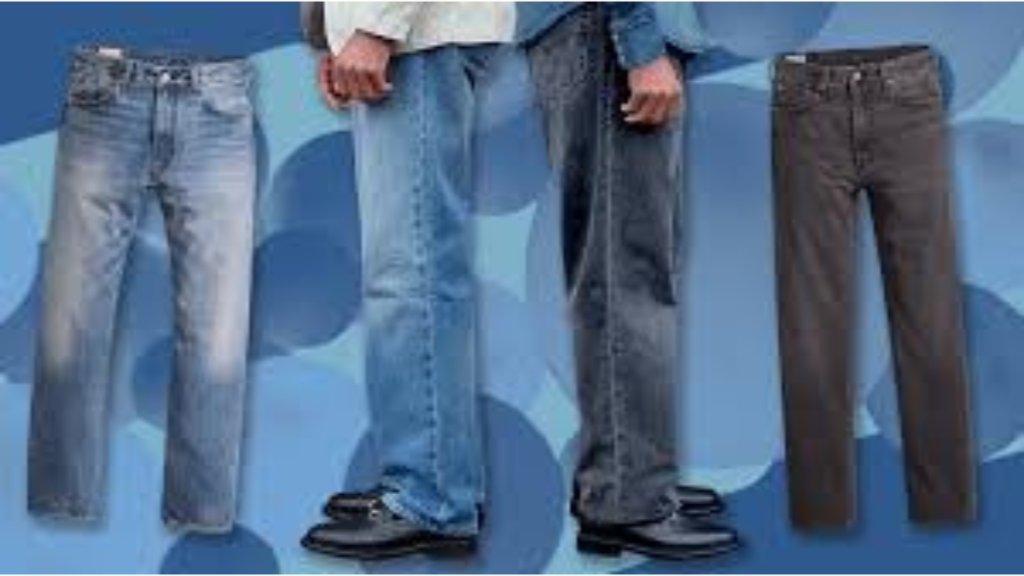
Among the most coveted items in Junya Watanabe’s menswear history are the iconic Poem Jeans, first released in 2001. Crafted in collaboration with Levi’s, the denim specialists, these jeans quickly became legendary. Built upon a classic medium-wash, straight leg Levi’s silhouette, the design features screen-printed text running down the back of the left leg.
The printed poem is a collection of romantic, almost overly sentimental lines that contrast sharply with the rugged nature of denim:
Your smile makes me happy
Your voice is a bird whispering.
Your hands keep me warm.
Your perfume charms me.
Your lips are soft
You fulfill me
This early collaboration with Levi’s demonstrated the creative potential of the partnership. In later seasons, the duo expanded their work to include complex patchwork designs and digital printing techniques. The poetic text concept also resurfaced on other garments, such as shirts and outerwear, in subsequent collections.
Junya Watanabe x Porter (2004)
In 2004, Junya Watanabe joined forces with Porter to create one of the most inventive outerwear pieces of the decade. Released as part of the Spring/Summer collection, the standout item was a technical Gore-Tex rain jacket covered in an array of functional front pockets. These pockets echoed Porter’s expertise in bags and accessories, transforming the jacket into a wearable storage system.
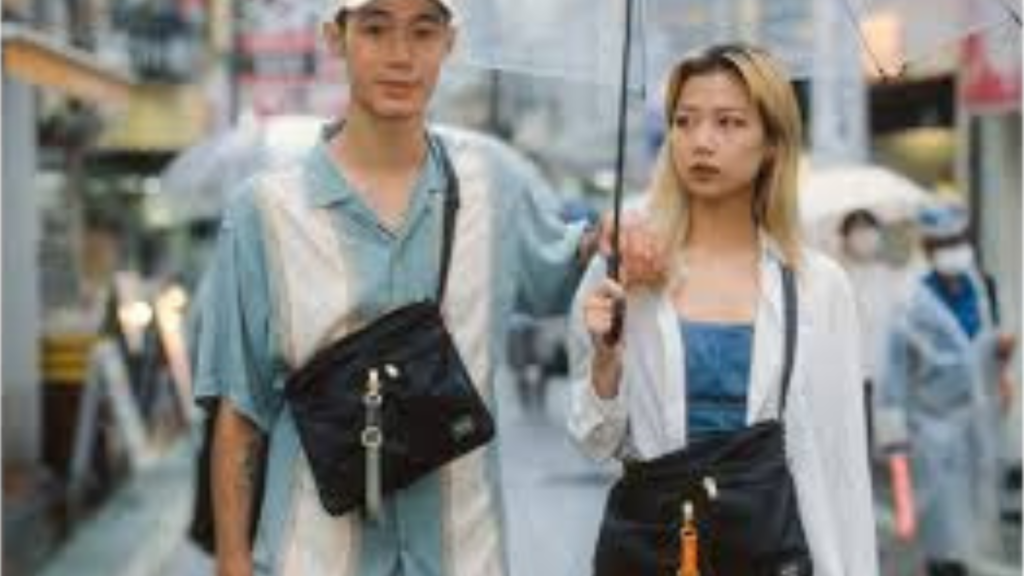
Adding to its versatility, the jacket included a large kangaroo pocket on the back and featured a signature Porter label stitched on the front. The design went even further, allowing the jacket to be folded and converted into a tote bag by attaching straps to built-in metal loops. Although Junya Watanabe collaborated with Porter on multiple occasions, none matched the bold execution of this 2004 piece, making it a prized item among collectors and techwear enthusiasts alike.
Junya Watanabe x Vanson Leathers (2007)
Junya Watanabe’s Fall/Winter 2007 collection stands as one of his most visually striking presentations. Inspired entirely by biker culture, the collection reimagined the leather motorcycle jacket in countless forms. Elements such as collars, belts, and zippers were dismantled and redistributed across various garments, while runway models reinforced the theme by wearing full motorcycle helmets.
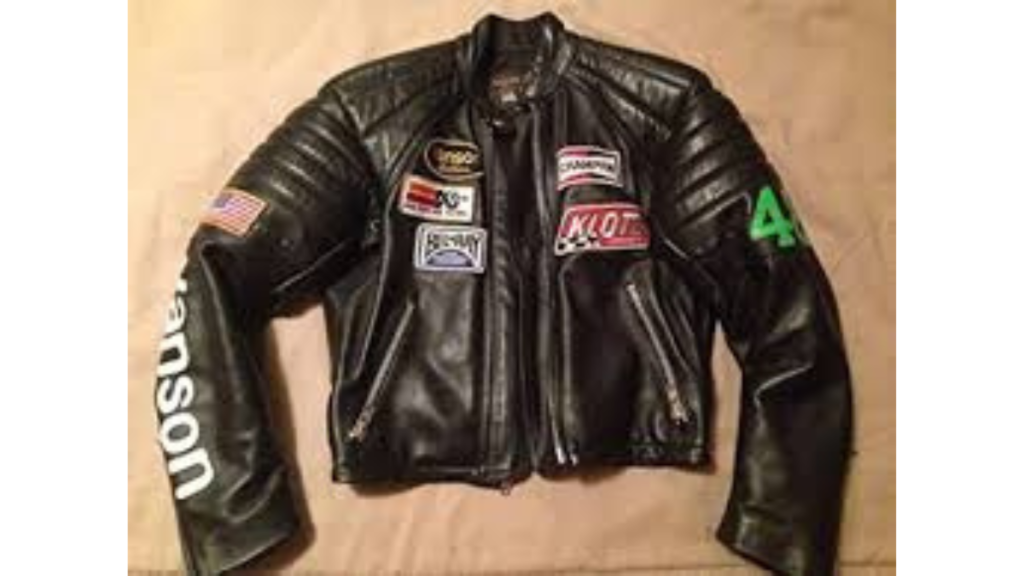
To execute the leather pieces authentically, Watanabe collaborated with Vanson Leathers, a renowned American manufacturer of motorcycle apparel. The resulting jackets closely followed traditional rider silhouettes, enhanced by subtle design touches such as camouflaged interior linings. Notably, the garments retained full functionality, using heavyweight competition-grade calf leather suitable for actual riding. In later seasons, Junya continued his partnership with Vanson, expanding into varsity jackets, leather bags, and other classic American-inspired pieces.
Junya Watanabe x Brooks Brothers (2009)
Brooks Brothers, the oldest men’s clothier in the United States, is synonymous with classic American tailoring. Junya Watanabe began collaborating with the heritage brand in 2009, focusing primarily on two of its most iconic garments: the button down Oxford shirt and the blazer.
Watanabe reinterpreted the Oxford shirt with a softer, more relaxed silhouette, rounded hems, and a slimmer fit, while preserving the traditional collar. He introduced contrasting fabrics such as gingham and plaid, adding visual interest to the otherwise classic designs. The blazers followed a similar philosophy, incorporating patchwork elements and, in some cases, reversible construction, offering fresh perspectives on timeless staples.
Junya Watanabe x Hervier Productions (2012)
For Fall/Winter 2012, Junya Watanabe drew inspiration from traditional workwear and collaborated with French brand Hervier Productions. The collection centered on jackets and trousers made from durable materials, including cotton twill, moleskin, and wool blends.
Classic workwear features, including metal rivets and functional pocket layouts, were combined with refined details such as paisley-lined interiors. The collaboration spanned multiple seasons and was notable for being priced more accessibly than many of Watanabe’s usual offerings, broadening its appeal without sacrificing craftsmanship.
Junya Watanabe x Loewe (2014)
In 2014, Junya Watanabe partnered with Spanish luxury house Loewe to celebrate the brand’s 40th anniversary in Japan. Known for its mastery of leather, Loewe proved an ideal collaborator. Watanabe described the concept as a fusion of both brands’ identities, blending Loewe’s luxurious leatherwork with Junya’s denim expertise.
The collection leaned heavily into punk influences, featuring zippers, tartan patterns, and patchwork throughout. Leather garments stood out for their ability to balance rebellious styling with refined luxury, while travel bags emerged as particularly memorable highlights of the collaboration.
Junya Watanabe x The North Face (2017)
Junya Watanabe’s Fall/Winter 2017 show in Paris unveiled his collaboration with outdoor brand The North Face. Inspired by 1990s hip hop culture, the collection placed strong emphasis on equipment and functionality, particularly drawing from The North Face’s iconic duffel bags.
High-quality materials sourced from Japan were used to deconstruct and reconstruct these bags into wearable garments. One standout piece was a varsity jacket made from PVC fabric from duffel bags, complete with oversized branding on the back. Additional items included work jackets and nylon parkas, seamlessly blending Junya’s design language with The North Face’s outdoor heritage. The collection stands as a powerful example of how past influences can be reimagined into modern collector-worthy pieces.
Redefining Heritage Brands
Watanabe’s partnership with Brooks Brothers showcased his ability to reimagine traditional American tailoring. By subtly altering proportions, introducing patchwork, and experimenting with reversibility, he brought new life to classic shirts and blazers. His work with Hervier Productions drew inspiration from French workwear, emphasizing durability and honest construction while incorporating refined details. The collaboration with Loewe merged luxury leather craftsmanship with punk-inspired styling, while his partnership with The North Face redefined outdoor gear through deconstruction and streetwear influences.
Japanese Craftsmanship and Global Influence
Despite his global recognition, Junya Watanabe remains deeply rooted in Japanese design values. Precision, discipline, and respect for materials are evident in every collection. His garments often require advanced manufacturing processes, reflecting a level of craftsmanship that aligns closely with traditional Japanese production standards. This dedication to quality has earned him a loyal following among collectors and fashion insiders who value substance over hype.
Legacy and Impact on Modern Fashion
In the modern fashion landscape, where trends change rapidly and mass production dominates, Junya Watanabe’s work stands apart. He continues to push boundaries without losing sight of functionality or heritage. His designs challenge the wearer to think differently about clothing, encouraging appreciation for construction, material, and purpose. Whether through standalone collections or carefully considered collaborations, Watanabe consistently demonstrates that innovation and tradition can coexist.
Conclusion
Today, Junya Watanabe’s influence extends far beyond the runway. His work has shaped the direction of contemporary menswear, inspiring designers to explore new possibilities while respecting the past. As fashion continues to evolve, Junya Watanabe remains a vital force, proving that true originality comes not from abandoning history but from reinterpreting it with intelligence and creativity.
For collaborations, press, or inquiries, contact us at streeticonic1@gmail.com.