Clothing
How Naruto Streetwear Anime Became a Global Fashion Trend?


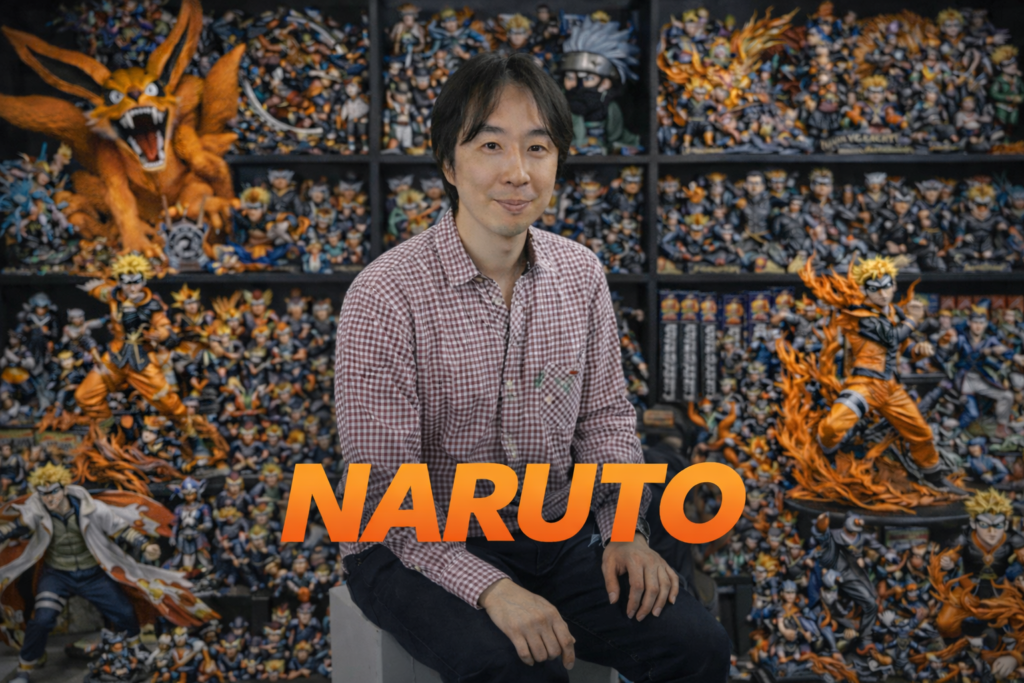
Naruto: Origins of a Global Ninja Phenomenon
Naruto is a Japanese manga and anime series written and illustrated by Masashi Kishimoto. It was first published in the Japanese manga magazine Weekly Shōnen Jump on September 21, 1999. The series revolves around the character of Naruto Uzumaki, a young ninja from the Hidden Leaf Village who has the Nine-Tails Fox demon inside him and aspires to become the Hokage, the leader of the village, so that he can gain recognition from his fellow villagers. The Naruto series combines elements of coming-of-age, friendship, rivalry, perseverance, and redemption, which makes it one of the most iconic and influential youth-oriented manga series in contemporary Japanese culture.
Before the creation of Naruto, Kishimoto had some earlier works in the manga series. These include a one-shot manga series called Karakuri in 1995, which received an honorable mention in the Shueisha’s Hop Step Award. Kishimoto was inspired by his childhood favorites such as Dragon Ball and Japanese mythology. He created a one-shot series in 1997 for the Akamaru Jump series. The one-shot series had a fox spirit but did not include the ninja history and the hidden village that would later be featured in the Naruto series.
Kishimoto developed the idea over the years, emphasizing the life of ninja, struggles, and development. By the time the series was released in Weekly Shōnen Jump, Kishimoto had only developed the first chapter in detail and had created a world of ninja villages, ninja clans, chakra (a magical energy), and the connections between characters.
The theme of mutual acceptance, particularly evident in Naruto’s relationships with his classmates such as Sasuke Uchiha and Sakura Haruno, was one of the factors that set the series apart from other action manga series.
The Narrative Structure and World of Naruto
Naruto’s story is divided into two large story arcs titled Part I and Part II.
Part I centers around Naruto as a twelve-year-old odd boy who wants to be recognized as a ninja while learning life lessons through friendship and rivalry.
Naruto’s development is juxtaposed with Sasuke’s dark journey of seeking revenge, adding depth to the story.
Part II, published after a certain gap in time, revolves around Naruto as a teenager. In this part, Naruto is confronted with more dangerous challenges, including criminal groups like Akatsuki, and is forced to deal with the complexities of power and responsibility.
The Naruto universe is full of fictional history, ninja culture, and references to Japanese folklore.
Naruto’s jutsu (ninja techniques) hand signs have been taken from the Chinese zodiac and Kuji-in (Esoteric Buddhist hand seals), adding a real-world cultural aspect to the ninja techniques of the story. The design of Konoha Village takes cues from the Japanese countryside, mixing traditional elements with anachronistic elements such as contemporary shops and symbols.
Publication and Anime Adaptation
Serialization of the Naruto series occurred from 1999 to 2014 and consisted of 700 chapters and 72 volumes of manga published by Shueisha.
The series received immense popularity and was adapted into an anime series by Pierrot and Aniplex in 2002, which was broadcast on TV Tokyo.
The original anime series ran for 220 episodes before the sequel series, Naruto: Shippuden, was released in 2007 and concluded in 2017 with a total of 500 episodes.
The anime series was later dubbed and broadcast worldwide, introducing the concept of ninjas to a global audience.
In addition to the anime series, several movies were also released, some of which are still popular today for delving into side stories and character development.
Creation Insights: Kishimoto and His Vision
Masashi Kishimoto (born in 1974 in Okayama Prefecture, Japan) was inspired by art after seeing influential works such as Akira. His early manga work focused on character development and design, which influenced his storytelling style in Weekly Shōnen Jump.Kishimoto started working on several ideas, such as ninja legends, fox spirits, and demon lore, before settling on the Naruto universe that was introduced in 1999. For the next 15 years, Kishimoto worked tirelessly to ensure that the story was told to a massive audience, while keeping it rooted in the concepts of friendship, resilience, and self-acceptance.
However, Kishimoto’s designs were the key to the Naruto series’ transition into a global fashion phenomenon. Character designs, logos, and color schemes inspired licensed fashion items such as hoodies, graphic tees, sneakers, and lifestyle accessories.
Partnerships with brands such as Uniqlo, Converse, and BAPE brought fictional ninja costumes to the realm of fashion statements, which combined pop culture with streetwear. In this way, Kishimoto’s vision not only influenced the storytelling process but also the multi-generational cultural movement that transformed the Naruto anime series into a global lifestyle phenomenon.
Major Characters and Teams
The world of Naruto is also shaped by its setting, but more so by its characters who are varied and complex. At the forefront is Naruto Uzumaki, the protagonist who battles social isolation, prejudice, and his own personal demons. Naruto is first introduced as a troublemaker, but his strength, hope, and refusal to give up win him friends and acceptance in the end.
Sasuke Uchiha, the rival and friend of Naruto, is the epitome of the dark side of ambition and revenge. Sasuke’s fixation on avenging his clan brings in the elements of morality, loyalty, and redemption. His complicated relationship with Naruto propels the series’ emotional and plot-driven conflict.
Sakura Haruno, who is introduced as a supporting character, later develops into a strong ninja with medical knowledge and incredible strength. Her character development focuses on her personal growth, tenacity, and the strength of support and teamwork.
The Konoha 11, a set of young ninjas including Naruto, Sakura, Shikamaru, Ino, Choji, Neji, Hinata, Kiba, Shino, Rock Lee, and Tenten, is the core of the early storylines. Each of the characters has individual strengths, abilities, and personalities, making for a well-rounded set that delves into the concepts of friendship, rivalry, and teamwork.
Team 7, with members Naruto, Sasuke, Sakura, and their leader Kakashi Hatake, is one of the most popular teams. Kakashi’s leadership is a blend of ninja training and life teachings, making him a mentor character whose advice and composure have a great impact on Naruto’s growth.
Other important characters in the series include Jiraiya, the roving sage who trains Naruto; Tsunade, the fifth Hokage; and Itachi Uchiha, whose sad past gives the series depth. The Naruto series has an enormous cast of characters, all of whom play their part in the larger story.
Key Story Arcs and Battles
The story of Naruto Uzumaki is told through increasingly complex story arcs that enhance character development and the geopolitical dynamics of the ninja world. The first major turning point comes with the Chunin Exams arc. The Chunin Exams are presented as an international tournament organized by Konohagakure. The exams assess young ninjas through written intelligence tests, survival missions, and combat tournaments.
However, the arc also shows underlying conflicts between the villages and the impending danger of Orochimaru, whose invasion results in the death of the Third Hokage, Hiruzen Sarutobi. This event sets the tone for the series’ theme of the ninja world being one of sacrifice, turmoil, and intergenerational conflict.
The emotional core builds with Sasuke Uchiha’s betrayal. Driven by a desire for revenge, Sasuke leaves the village to seek power under Orochimaru’s tutelage. The battle between Naruto and Sasuke at the Valley of the End is both literal and ideological, fundamentally changing both characters and foreshadowing their rivalry.
The Pain Invasion arc symbolizes Naruto’s evolution into a hero. The villain Pain (Nagato), head of Akatsuki, wrecks Konoha to obtain the Nine-Tails. Naruto’s choice to fight back with compassion disrupts the cycle of hatred that exists in the world. The Fourth Great Ninja War is the culmination of years of development, bringing all the characters together against Obito Uchiha, Madara Uchiha, and Kaguya Otsutsuki, while also resolving the ideological struggle between Naruto and Sasuke.
Apart from the storyline, these large story arcs have fueled the cultural development of Naruto from animation to fashion and lifestyle. Famous battles, costumes, and logos have contributed to licensed fashion, hoodies, and sneakers, connecting anime storytelling to the global streetwear scene.
Uniqlo, Converse, and BAPE have used the series’ imagery to create wearable fashion, enabling fans to showcase their love for Naruto’s story through their personal style.
Naruto Streetwear Influence
The cultural impact of Naruto was further extended to the international streetwear scene in the late 2010s as anime culture broke into mainstream youth fashion. Japanese retailer Uniqlo launched a line of graphic tees with manga artwork and character designs.
Collaborations with footwear brands Converse included symbols and color schemes from the iconic costumes of the series, while A Bathing Ape took on the series from a hype culture standpoint with limited edition hoodies and sneakers. These drops showed how anime culture went from being a subculture to a dominant aesthetic in streetwear.
Naruto Character Fashion and Design
In-world fashion trends were also influential in the real world. Character costumes rely on powerful silhouettes and color symbolism to convey character traits and story roles. Naruto’s orange costume symbolizes his need for recognition, while darker colors convey a sense of revenge or isolation in other characters.
The Akatsuki cloak is one of the most iconic garments in the anime world, being widely used in cosplay and street fashion interpretations. Functional details such as headbands, pouches, and layered clothing also resonated with contemporary fashion trends that emphasize practical, military-inspired designs.
Naruto Figures and Premium Collectibles
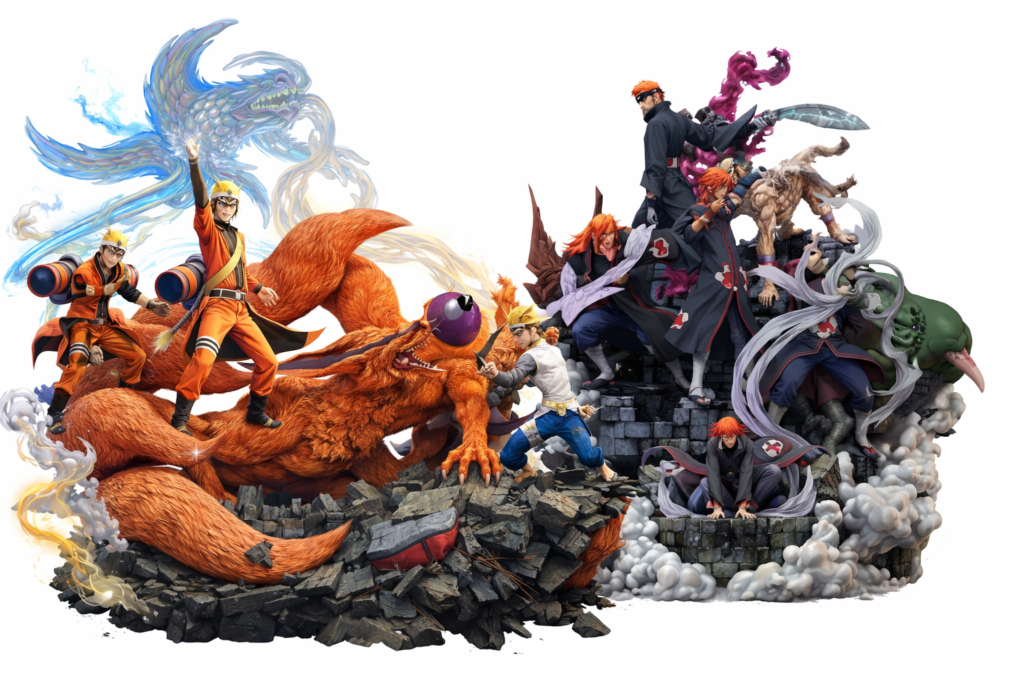
Collectibles are a significant sector of the franchise’s ecosystem. There have been articulated action figures since the early 2000s, produced by companies such as Bandai, targeting both kids and adult collectors. High-end manufacturers opened the market with detailed statues of dramatic battle scenes.
Good Smile Company launched lines of collectibles with a focus on fans who like to display their merchandise, while Funko brought anime merchandise into the mainstream with vinyl figures that were affordable and accessible. The market eventually shifted towards adult collectors who are looking for nostalgia, quality, and exclusivity.
Naruto Apparel and Lifestyle Merchandise
However, aside from the numbers, the wearable merchandise like shirts, hoodies, jackets, and footwear has become an integral part of the Naruto collectibles culture. Licensed merchandise includes fan wear to niche lifestyle products. Some of these products take inspiration from shinobi uniforms through technical materials, sporty cuts, or symbolic elements instead of graphic representations. The success of these products indicates a change in fandom behavior.
Fans are now incorporating entertainment characters into their everyday lives through clothing and accessories that convey nostalgia, inspiration, and connection to characters. This change has transformed the Naruto anime series into a lifestyle brand that encompasses fashion, collectibles, and cultural identity.
Naruto Licensed Apparel: Graphic Shirts, Hoodies, and Skate Culture Crossovers
Aside from statues and figures, another large part of collectibles is licensed lifestyle apparel that serves as functional fan items rather than display pieces. Graphic tees and hoodies distributed through Hot Topic and licensing agent Bioworld Merchandising regularly incorporate embroidered clan marks, manga panel graphics, and simple logos optimized for casual wear.
Unlike high-end fashion collaborations, these items prioritize price and mass market appeal, catering to a younger demographic and anime newcomers. Skate culture also crossed over with anime merchandise through brands like Primitive Skateboarding, which released decks, jerseys, and streetwear-inspired hoodies that tied fandom to skate culture, further expanding its reach into niche lifestyle segments beyond the collector demographic.
Naruto Footwear and Performance-Inspired Merchandise
Collectibles have expanded from sneakers to comfort and novelty items. Partnerships with Crocs brought character-themed clogs with removable charms based on ninja headbands and symbols, catering to both collectors and those who want fun fashion statements.
Another new market is performance-inspired athletic wear such as jerseys, compression clothing, and tech jackets based on shinobi attire but designed for gym or outdoor activities. These products exist because the modern concept of fandom has merged with everyday identity expression. Fans do not distinguish between hobbies and fashion choices, making clothing a wearable expression of entertainment preference and character affiliation.
Naruto Collaborations and Special Releases
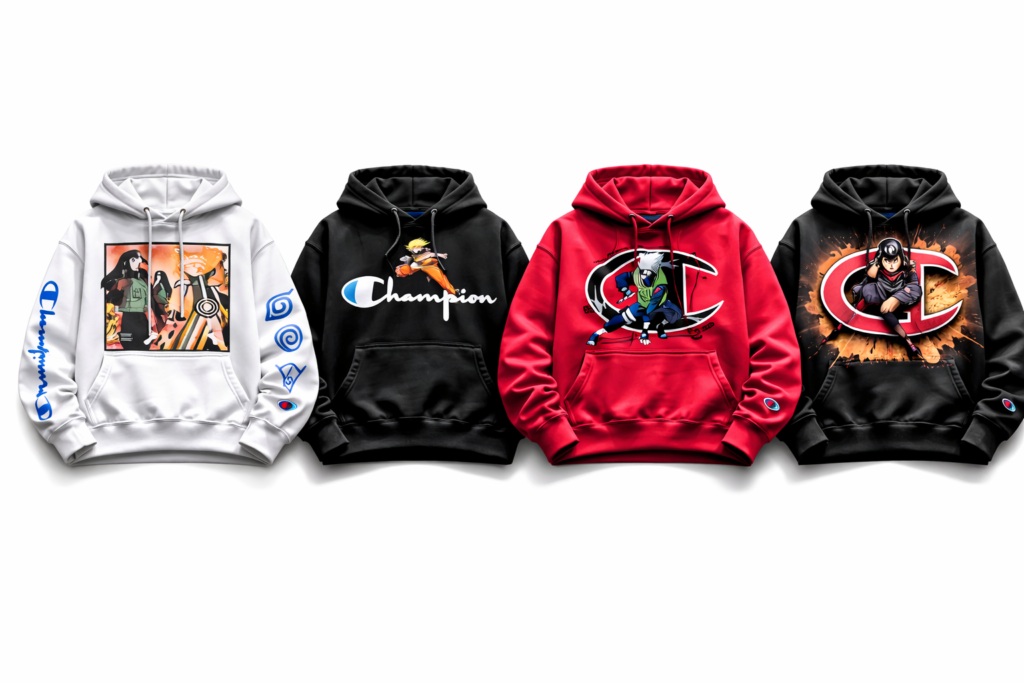
Over the years, Naruto has collaborated with a wide range of international brands beyond traditional clothing and collectibles, expanding its influence across fashion, lifestyle, and pop culture.
One of the most prominent partnerships was with Champion, which introduced a highly anticipated capsule collection blending Champion’s classic athletic heritage with Naruto’s iconic ninja imagery. The collaboration featured hoodies, sweatshirts, and sportswear pieces adorned with bold character graphics, Hidden Leaf Village symbols, and manga-inspired prints. This partnership stood out for merging street-ready sportswear aesthetics with anime storytelling, making it especially popular among both anime fans and streetwear enthusiasts.
Naruto also collaborated with Puma, combining ninja-inspired design elements with modern sneaker technology. These releases often incorporated character-themed color palettes and subtle detailing inspired by key story arcs. Similarly, partnerships with brands like Keeppley allowed fans to recreate memorable scenes through construction sets, blending creativity with collectible culture.
Even high-end fashion houses have embraced the franchise. For instance, Coach released a line of bags and accessories that subtly integrated ninja motifs and character references, successfully bridging luxury fashion and anime culture.
Anime and streetwear brands continue to incorporate Naruto imagery into seasonal or event-driven collections. Team Liquid launched exclusive apparel collaborations inspired by the series, while Hot Topic frequently releases limited-edition capsule collections tied to anniversaries, manga milestones, or anime releases. These drops often feature character-inspired color schemes, dynamic battle artwork, and symbolic patterns drawn from the Naruto universe.
Beyond apparel, technology accessories have also joined the trend, with co-branded phone cases, headphones, and backpacks translating narrative elements into functional, everyday products. By combining storytelling with design innovation, these collaborations transform Naruto from a beloved anime series into a lifestyle-driven cultural force—appealing to longtime fans and new audiences seeking unique, limited-edition merchandise.
Cultural Impact and Global Reception
Naruto has broken free from the boundaries of Japanese manga culture to become a phenomenon that has spread across the globe. The anime and manga series have been translated into dozens of languages and have reached millions of fans across the globe. The reason for its success is the universal message of perseverance, friendship, and the pursuit of one’s dreams.
Merchandise, video games, novels, and movies have further helped the spread of Naruto. Symbols such as the headband of the Hidden Leaf Village or the emblem of the Uchiha clan are recognized across the globe. Partnerships with fashion brands, collectible toys, and mobile games have further helped to establish its cultural significance.
The series has inspired countless other manga and anime series. Its character-based storytelling, moral dilemmas, and epic storylines have inspired many creators. Cosplay, fan art, and online communities continue to be active, and this is a testament to its lasting impact.
In educational and social contexts, Naruto is frequently used as an example of how media can be used to transmit messages of resilience, empathy, and ethical decision-making, and this is a testament to its impact that extends beyond entertainment into cultural literacy and youth identity formation.
Legacy and Influence on Anime and Youth Culture
The impact of vNaruto goes beyond the pages and episodes of the series. As a tale of perseverance, friendship, and self-discovery, it has influenced the worldview of millions of young fans across the globe. The series shows that even those who are weighed down by trauma and loneliness can achieve greatness through hard work, strong values, and the strength to overcome personal struggles.
The messages of empathy, understanding, and overcoming cycles of hatred are very timely, especially among the youth. The transformation of Naruto from a rejected orphan to the revered Seventh Hokage is a model for resilience and leadership. This has encouraged millions of fans to overcome their own struggles, whether personal, academic, or social.
In terms of popular culture, Naruto helped popularize anime as a mainstream form of entertainment. Its airing in non-Japanese countries exposed millions of fans to Japanese storytelling, martial arts action, and complex storylines. The series also inspired other anime writers, who borrowed from its rich world-building, complex character development, and moral complexities.
The existence of cosplay groups, fan art communities, and social media forums for Naruto fans is a testament to its continued presence in popular culture. Iconic symbols like the Rasengan, the Sharingan, and the Konoha headband have become instantly recognizable, while its memorable quotes and life lessons permeate fan discussions, conventions, and educational discourse on perseverance and morality.
Boruto: The Next Generation and the Continuation of the Naruto Universe
Based on the conclusion of Naruto, the series has continued with Boruto: Naruto Next Generations, which revolves around the children of the original characters. Boruto Uzumaki, the son of Naruto and Hinata, is the main protagonist, who faces new challenges in a world created by the peace and alliances created by the previous generation.
Boruto introduces viewers to a mix of traditional ninja culture and modern technology, as it explores how the new generation copes with technology, global unity, and new threats. The series is dominated by themes of legacy, parent-child relationships, and identity. Unlike Naruto, who was raised in a world of adversity and exclusion, Boruto struggles with living up to his name and finding his own place in the world.
Although Boruto is an extension of the Naruto series, it also pays homage to the original series by featuring old characters in a mentorship capacity. Naruto as Hokage symbolizes the culmination of his entire life journey, which provides inspiration and leadership to the new generation.
The Boruto series also delves into global threats and complex conflicts, which symbolize the current trend of storytelling in anime.Advanced technology, scientific ninja tools, and evolving villain dynamics create a more complex and mature narrative while retaining the core emotional and ethical lessons that defined Naruto.
Key Takeaways
Naruto is more than just a manga or anime; it is a cultural phenomenon that has inspired fans across generations. Its success stems from:
Relatable Character Growth
Naruto presents characters who face real challenges, make mistakes, and evolve over time. Their struggles and triumphs resonate deeply, allowing many fans to connect with their journeys on a personal level.
Enduring Themes of Perseverance
The series emphasizes resilience, courage, and moral conviction. Through constant obstacles, characters demonstrate that determination, self-belief, and the support of others can overcome even the most difficult situations.
Masterful Storytelling
Naruto blends intimate, emotional moments with large-scale conflicts, incorporating both character-driven narratives and epic battles. This combination keeps audiences engaged while deepening their connection to the story.
Cultural and Generational Impact
From influencing global anime audiences to inspiring fashion, Naruto streetwear, and collectibles, the franchise has left a lasting imprint. Its legacy continues through Boruto, introducing new themes and challenges to a new generation of fans.
From Naruto’s early days as an orphan seeking recognition to his eventual status as Hokage, the story reinforces that resilience, empathy, and determination can overcome adversity, leaving a lasting imprint on both anime and popular culture worldwide.
Conclusion
Naruto is more than a ninja story; it is a path of growth, overcoming, and friendship that has stood the test of time. Through the struggles and victories of Naruto Uzumaki, the series conveys the value of self-belief, the joy of relationships, and the power of never giving up in the face of insurmountable challenges. From the Hidden Leaf Village to the battles with mighty enemies, the Naruto series is a testament to the strength of courage, determination, and the power of mentorship. The series’ popularity has transcended the realms of anime and manga and has inspired a global fashion phenomenon in the form of Naruto streetwear, collectible apparel, and lifestyle products.
Frequently Asked Questions About Naruto
1. Who is Naruto Uzumaki?
Naruto Uzumaki is the main protagonist, a spirited ninja of the Hidden Leaf Village who dreams of becoming Hokage and earning recognition from his peers.
2. What is the Naruto series about?
The series follows Naruto’s journey from a mischievous orphan to a skilled ninja, focusing on friendship, rivalry, and the pursuit of dreams.
3. Who are Naruto’s closest friends?
Sasuke Uchiha, Sakura Haruno, and Kakashi Hatake are his closest friends and mentors, forming Team 7 and supporting him through challenges.
4. What is the significance of the Nine-Tails Fox?
Kurama, the Nine-Tails Fox sealed inside Naruto, gives him immense chakra and power while also challenging him to control his emotions and gain acceptance.
5. Who is Sasuke Uchiha?
Sasuke is Naruto’s rival and friend, a talented ninja from the Uchiha clan seeking revenge for his family while navigating loyalty and redemption.
6. What role does Sakura Haruno play?
Sakura is a kunoichi and medical ninja of Team 7, known for her intelligence, combat skills, and emotional support for her teammates.
7. What is the Chunin Exams arc?
The Chunin Exams is a major tournament testing young ninjas’ skills, teamwork, and intelligence, introducing key characters and conflicts in the series.
8. Who is Kakashi Hatake?
Kakashi is Team 7’s mentor, a highly skilled ninja known as the “Copy Ninja” for his Sharingan, guiding Naruto, Sasuke, and Sakura.
9. What are Naruto’s signature abilities?
Naruto is known for his Shadow Clone Technique, Rasengan, and Sage Mode, combining strategy, stamina, and chakra-based powers in combat.
10. What is the significance of the Hokage title?
Hokage is the leader of the Hidden Leaf Village, symbolizing strength, wisdom, and recognition—Naruto’s ultimate dream and goal.
11. Who are the main villains in Naruto?
Major antagonists include Orochimaru, Akatsuki members like Pain and Itachi, and Kaguya Ōtsutsuki, each challenging Naruto and his friends morally and physically.
12. How does Naruto’s character develop?
He grows from a mischievous, lonely boy into a respected hero, learning responsibility, compassion, and the importance of friendship and perseverance.
13. What role does the Akatsuki play?
Akatsuki is a group of rogue ninjas seeking the tailed beasts, creating conflict, danger, and high-stakes battles throughout the series.
14. What is Naruto’s impact on culture?
Naruto has influenced anime, manga, gaming, streetwear fashion, and global youth culture, inspiring fans worldwide with its themes of determination and courage.
15. How does Naruto end?
Naruto achieves his dream of becoming Hokage, reconciles with Sasuke, protects his village, and establishes peace, completing his journey from an underdog to a hero.
For collaborations, press, or inquiries, contact us at streeticonic1@gmail.com.