Blogs
NANZUKA Gallery: How Tokyo’s Art Space Shapes Streetwear and Contemporary Culture

Origins of NANZUKA
NANZUKA is a contemporary art gallery founded in Tokyo, Japan, that is recognized for its pioneering approach to the dynamic fusion of art, street culture, fashion, design, and music. NANZUKA was founded in 2005 by Shinji Nanzuka as NANZUKA UNDERGROUND in Shibuya, Tokyo. Since its inception, the gallery has been envisioned as an experimental space to explore creative domains that have conventionally operated on the periphery of the traditional fine art domain, such as illustration, pop culture, and design, as well as introducing forgotten post-war Japanese artists to the contemporary discourse of global contemporary art.
The importance of NANZUKA is as follows. During a period when most galleries limited themselves to the conventional art domains and the established fine arts, NANZUKA took a bold step to incorporate the cultural trends that originated from youth culture, fashion, music, and graphic culture.
The original location of the gallery in Shibuya, one of the most dynamic and youth-oriented areas of Tokyo, placed it at the crossroads of business and artistic expression. The streets of Shibuya are alive with fashion, music, and street culture. NANZUKA chose to engage with this dynamic, placing contemporary art within a thriving cultural context rather than segregating it in a gallery setting.
Since the inception of NANZUKA, its purpose has been clear: to rediscover artists who had been valued outside of the traditional Japanese fine art community and to introduce new artists from Japan and around the world. The gallery deliberately featured works by important post-war artists such as Keiichi Tanaami, a leading figure in the Japanese pop art movement, and Hajime Sorayama, renowned for his “Sexy Robot” series. It also featured works by female illustrator Harumi Yamaguchi and surrealist artist Toshio Saeki, a leading figure in the surrealist movement, to ensure that they received the attention of contemporary art lovers. NANZUKA’s programming is based on a philosophy of artistic hybridization, combining art with visual cultures that have traditionally been considered outside the realm of “high art,” such as illustration, manga style, design, and street art. The gallery’s early exhibitions challenged established hierarchical structures in the art world by positioning these practices within rigorous curatorial frameworks.
In 2013, NANZUKA began to expand outside of Tokyo by opening a branch in Hong Kong named AISHONANZUKA as a result of a joint venture with Aisho Miura Arts. This expansion allowed the gallery to reach an even wider audience in the Asian art market. The gallery in Hong Kong was later rebranded as AISHO in 2024 and played an essential role in the internationalization of NANZUKA.
In June 2021, NANZUKA moved its main gallery from its original location in the basement of Shibuya to a new flagship gallery in Harajuku’s Jingumae area. This marked a significant step in the expansion of NANZUKA into the fashion and design hub of Harajuku. The new building features exhibition halls on the first and second floors and represents the gallery’s transformation from an underground gallery to a cultural icon.
The cultural environment of Harajuku, characterized by its avant-garde fashion, street movements, and global creativity among youth, enabled NANZUKA to further extend its reach by further merging art with other industries such as fashion, streetwear, design, and music.
From its expanded Harajuku flagship, the gallery continued to host solo and group exhibitions showcasing Japanese talents and international figures. Exhibitions in 2023 and 2025 included showcases by French artist Jean Jullien — merging narrative visual art — and posthumous exhibitions by timeless Ero Guro icons such as Toshio Saeki, whose work explores dark, surrealist, and erotic themes produced primarily between the 1970s and 80s.
NANZUKA is also active in international collaborations, hosting joint exhibitions that link Japanese contemporary art to international trends. These include “GUTAI x NANZUKA,” a 2023 collaboration with Yoshiaki Inoue Gallery that showcased postwar Gutai artists and NANZUKA’s established masters to explore the concept of creative freedom and innovation across generations.
The gallery’s engagement with the community extends beyond the conventional exhibition space. NANZUKA is involved in curating public art projects via its NANZUKA PUBLIC platform, which features large-scale artworks in public spaces to improve accessibility. It also serves as a cultural hub in the dynamic Jingumae area by merging contemporary art with the area’s distinctive fashion and street culture, thus bridging generational and artistic divides.
In recent years, NANZUKA has further extended its reach through the establishment of several related galleries. These include 2G, a gallery and specialty shop located within Shibuya Parco that merged exhibition space with design retail, and NANZUKA TAKEN, an immersive art bar space located in Shibuya that combines carefully curated art displays with social activities such as drinking and conversation, thus solidifying the gallery’s position as a cultural and social hub.
Design Philosophy and Curatorial Vision
The curatorial philosophy of NANZUKA is based on the idea that art should engage with the real world and derive from design, fashion, music, and street culture. The gallery promotes a “hybrid aesthetic” that combines Japanese post-war art with modern international sensibilities. The exhibitions of the gallery combine pop art, illustration, surrealism, and digital art in a dialogue between the past and the present, between tradition and innovation.
The gallery has a “platform-first” mentality. The gallery does not just exhibit artworks; it creates platforms where artists can explore scale, medium, and audience engagement. This enables viewers to experience artworks as immersive stories.
Key elements of the gallery’s design philosophy include:
- Spatial fluidity: Exhibition spaces are modular, allowing for adaptable installations.
- Cultural dialogue: Works are selected to resonate both locally and internationally, creating conversations across borders.
- Lifestyle integration: Exhibitions frequently intersect with streetwear, music, and contemporary design trends.
- Artist empowerment: Emerging artists are showcased alongside established figures, providing mentorship and visibility.
Streetwear Influence of NANZUKA
The streetwear influence of NANZUKA emerged as a result of its distinctive position at the nexus of contemporary art, Japanese pop culture, and street fashion, which gained considerable traction between 2010 and 2024. NANZUKA, established by Takuya Nanzuka in the Shibuya district of Tokyo, earned a reputation for supporting artists whose visual style could easily be adapted to the streetwear sensibility, which emphasized graphic-rich compositions, futuristic depictions, subcultural iconography, and highly stylized character design. The gallery’s collaborations with world-renowned artists such as Hajime Sorayama and Haroshi were instrumental in merging fine art with fashion culture, where exhibition graphics were repurposed as wearable fashion items such as graphic tees, hoodies, skate accessories, and collectibles.
The impact of the gallery was further amplified as it collaborated with streetwear brands, sneaker manufacturers, and fashion brands to create limited edition apparel directly linked to their art exhibitions and artist launches. These releases were typically done in accordance with the conventional streetwear models of scarcity, where limited production runs, scheduled releases, and exclusive event items generated hype, exclusivity, and high resale value among collectors. This approach placed NANZUKA not only at the forefront of the art world but also at the forefront of youth fashion culture.
The engine that powers its streetwear influence is the intersection of art, identity, and cultural credibility. Consumers are increasingly looking for meaning, narratives, and artistic authenticity in fashion, and the collaborations offered by NANZUKA offer a degree of cultural credibility that more traditional fashion brands may find difficult to attain. The gallery shows how cultural institutions can influence global streetwear trends in the same way that musicians, designers, and digital creators do.
NANZUKA Limited Drops, Graphic Shirts, Sneakers, and Collector Culture

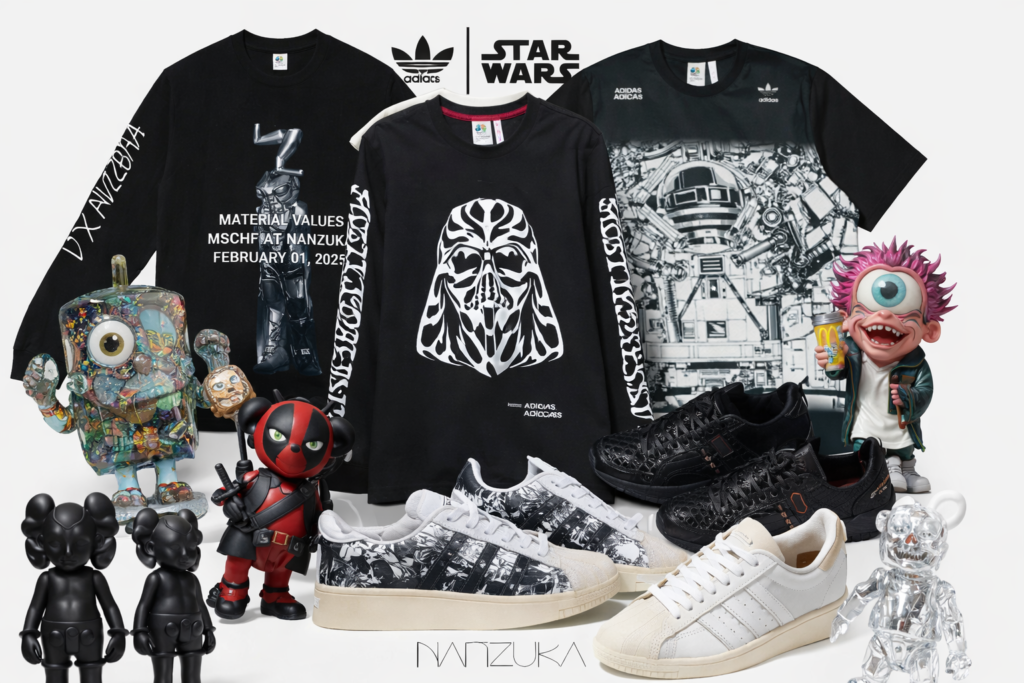
Nanzuka has created a unique niche in the limited edition fashion and collector’s market by combining contemporary art with streetwear production methods. Since the early 2010s, the Tokyo-based gallery, founded by Takuya Nanzuka, has diversified from exhibitions into fashion, accessories, and collaborative product releases that serve as both wearable art and collectibles. This strategy is a reflection of the larger cultural trend where art galleries directly participate in youth markets through fashion-based distribution channels.
Graphic t-shirts are one of the most iconic series of NANZUKA. The designs often feature artwork by represented artists such as Hajime Sorayama, famous for his metallic future women, and Haroshi, whose artwork is inspired by skate culture. The conversion of gallery visuals into graphic t-shirts enables art collectors to interact with art in a more practical, everyday setting, thus increasing the reach of the artwork beyond the confines of the gallery space.
Collaborations with sneaker brands and accessories have also helped to position NANZUKA more firmly within collector culture. By collaborating with fashion brands and sneaker companies, artistic themes are incorporated into product design, reflecting the drop culture of streetwear, in which scarcity and narrative are key to desirability. Limited production, exclusive to events, and signed by artists, products become highly sought after, reflecting their perceived value and encouraging activity within the resale market.
The collector culture for NANZUKA products is based on the intersection of art collecting and fashion consumption. Consumers are not simply buying clothing but also purchasing items associated with particular exhibitions, artists, or cultural events. This turns fashion into memorabilia with a narrative, much as limited edition prints or sculptures might be. Social media further enhances this phenomenon, allowing collectors to display their purchases while also reinforcing a sense of community and cultural identity.
The driving force for NANZUKA’s success in limited edition releases and streetwear is based on authenticity and cultural credibility. Younger consumers increasingly value artistic expression, individuality, and rarity over traditional luxury branding. By positioning wearable products as extensions of contemporary art practice, NANZUKA has created a hybrid ecosystem where gallery culture, streetwear economics, and collector psychology converge, demonstrating how art institutions can influence fashion markets while expanding the definition of modern cultural consumption.
Major Exhibitions and Milestones
NANZUKA has hosted numerous pivotal exhibitions that define its influence in contemporary art:
- Keiichi Tanaami Retrospective (2024): Highlighted the postwar pop art pioneer at the National Art Center, Tokyo, blending psychedelic imagery with cultural commentary.
- Hajime Sorayama: Sexy Robot Series (2016/2018): Merged fine art with futuristic illustration, influencing design and fashion collaborations.
- Jean Jullien Solo Show (2023): Solidified French graphic narrative within the Japanese fine art market, demonstrating NANZUKA’s global curatorial reach.
- GUTAI x NANZUKA (2023): Cross-generational exhibition connecting postwar Gutai artists with established NANZUKA masters, emphasizing creative freedom.
- Streetwear-Art Collaborations (2024–2025): NANZUKA partnered with global streetwear brands like Adidas (2024) and Kith (2025), exhibiting limited-edition apparel alongside art installations, further cementing its place at the intersection of art and lifestyle.
These exhibitions reflect the gallery’s signature methodology: merging historical reverence with forward-thinking experimentation, and integrating cultural relevance into every project.
International Collaborations and Global Presence
Beyond Tokyo, NANZUKA has actively engaged with the global art market through:
- AISHO (formerly AISHONANZUKA, Hong Kong, 2013–Present): Introduced Japanese contemporary artists to Asia-Pacific collectors.
- International Exhibitions: Participated in art fairs and collaborations across Europe, North America, and Asia.
- Brand Partnerships: Limited-edition fashion-art collaborations with streetwear brands increased exposure among younger, lifestyle-driven audiences.
- Cross-cultural dialogues: By connecting Japanese contemporary art with international trends, NANZUKA positions itself as a bridge between East and West creative landscapes.
These initiatives have solidified NANZUKA as both a local cultural hub and a global art influencer.
Global Expansion and Business Growth of NANZUKA
NANZUKA has grown from a Tokyo-based contemporary art gallery to an internationally respected cultural brand through strategic expansion, inter-industry collaborations, and representation of global artists. Founded by Takuya Nanzuka, the gallery started as a platform for Japanese pop-meets-contemporary art but soon gained international recognition as a promoter of artists whose works cross over into design, fashion, and street culture. This interdisciplinary approach allowed NANZUKA to move beyond the conventional gallery industry into the global creative sector.
In the 2010s, NANZUKA further solidified its international status through involvement in prominent global art fairs, collaborations with global brands, and partnerships with museums and cultural institutions. Shows featuring internationally respected artists such as Hajime Sorayama introduced the gallery to collectors in North America, Europe, and other Asian markets, raising both brand awareness and commercial presence. The gallery’s success in bridging Japanese contemporary art with global pop culture trends became a major differentiator.
However, the expansion of the business has also been fueled by diversification strategies that include merchandise, limited edition collectibles, and fashion collaborations, which have aligned NANZUKA with the creative economy as opposed to being aligned with the fine art market. The hybrid approach has created multiple revenue streams while also increasing demographics, especially among the younger generation who are interested in streetwear and collectibles.
Through the approach that combines curatorial credentials with innovation, NANZUKA has created a scalable cultural brand that operates in the art, fashion, and design sectors. The expansion of the business has been indicative of a contemporary art gallery approach that has global reach not only through exhibitions but also through cross-cultural partnerships, online presence, and product engagement.
Cultural Impact and Community Engagement
NANZUKA goes beyond conventional gallery practices by cultivating community engagement:
- Hosting artist talks and providing high-profile exhibition platforms for emerging creatives within the contemporary art and streetwear industries.
- Collaborating with global brands and public spaces to promote art accessibility and integrate contemporary creativity into urban life.
- Leveraging gallery spaces for social and cultural events, integrating art into daily life.
- Acting as a trendsetter, influencing Japanese streetwear, design, and lifestyle culture.
By emphasizing accessibility and inclusivity, NANZUKA has transformed from a traditional gallery into a cultural ecosystem where art intersects with society, commerce, and lifestyle.
Evolution of NANZUKA
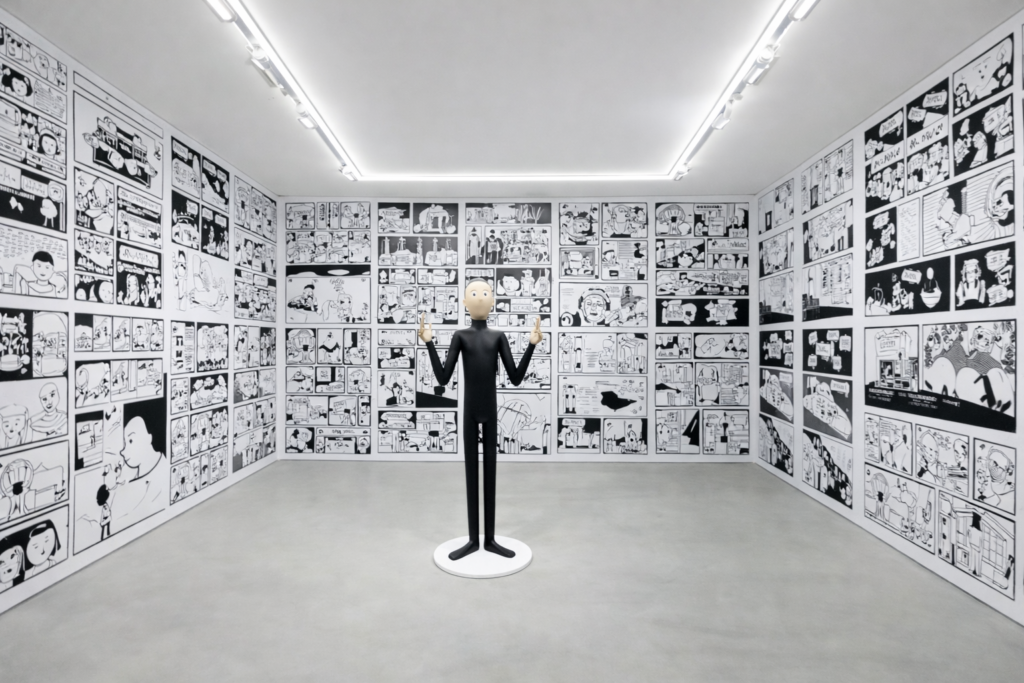
NANZUKA has evolved from a niche underground gallery into a globally recognized cultural hub by strategically expanding its presence and influence over the past two decades. Founded in 2005 as NANZUKA Underground in Shibuya, Tokyo, the gallery initially focused on showcasing experimental and emerging Japanese artists, establishing a foundation that blended contemporary art with street and subcultural aesthetics. In 2013, the gallery extended its reach internationally by opening a Hong Kong branch under the name AISHONANZUKA, signaling an early commitment to global exposure and cross-cultural engagement.
Between 2016 and 2017, NANZUKA curated major retrospectives for iconic artists such as Keiichi Tanaami and Hajime Sorayama, bridging traditional Japanese pop art with contemporary visual culture and generating significant attention from both collectors and fashion audiences. The opening of a flagship gallery in Harajuku in 2021 marked a key milestone, reflecting integration with fashion, streetwear, and youth culture while cementing its position as a trendsetting institution.
From 2023 to 2025, NANZUKA pursued international collaborations, brand partnerships, and immersive exhibitions, solidifying its global presence and influence in both art and streetwear communities. In 2024, the Hong Kong gallery closed to allow focused investment in Tokyo expansion and worldwide outreach. Looking forward to 2025–2030, the gallery’s strategic vision emphasizes strengthening its digital presence, pursuing lifestyle and fashion collaborations, and supporting emerging Japanese artists on international platforms, ensuring NANZUKA remains a defining force in contemporary art and streetwear culture.
Legacy
The impact of NANZUKA is its ability to not only support young artists but also influence trends in contemporary art, streetwear, design, and pop art. Since its inception in Tokyo, NANZUKA has established itself as more than just a gallery. It is a creative platform where artists, brands, and cultural visionaries come together. NANZUKA’s ability to spot talent early on and support innovative ideas has led to the launch of many careers that later received international acclaim, especially in the realm of art movements that combine fine art with fashion and street culture.
It is through its thoughtfully curated exhibitions and collaborations with major brands around the world that NANZUKA has established itself as a cultural conduit between traditional Japanese beauty and modern international trends. Its projects have often combined traditional craftsmanship with modern visual expression, appealing to both collectors and younger generations who are influenced by street culture. This interdisciplinary approach has enabled NANZUKA to not only influence the art world but also fashion design, product collaborations, and creative branding. Today, NANZUKA continues to make its mark on the international art and fashion scene, further solidifying Tokyo’s importance as a major hub in the realm of contemporary innovation.
Future Vision
NANZUKA continues to influence streetwear and contemporary art by integrating Japanese creativity with global culture trends. The future plan for the gallery involves innovation in digital technology, immersive installation, and collaboration between industries such as art, fashion, music, and lifestyle. By incorporating new technologies such as virtual exhibitions, augmented reality, and digital collectibles, NANZUKA hopes to appeal to a younger generation of people who consume culture not only in physical spaces but also online platforms.
However, the gallery also continues to focus on artist development and brand collaborations, creating projects that challenge the distinction between fine art and commercial design. By collaborating with fashion brands, designers, and global companies, artworks are not only limited to galleries but also to wearable and collectible objects. This approach is reflective of the larger cultural trend where art is integrated into everyday life. By exploring technology and collaborations at the same time, NANZUKA is poised to redefine the experience of art, streetwear, and cultural storytelling for global audiences in the years to come.
Conclusion
Through the integration of exhibitions, brand collaborations, and community outreach, NANZUKA cements its position as a cultural conduit between Japan and the rest of the world. NANZUKA continues to push boundaries through the exhibition of new artists, collaborations with international streetwear brands, and the development of immersive experiences that bring people together through art and fashion. The unique strategy maintains the rich artistic heritage of Japan while cultivating new creativity, which encourages new generations of artists, designers, and streetwear fans. The impact of NANZUKA is not limited to the art world but has helped to create trends in the global streetwear culture, ensuring that art, fashion, and design remain intertwined in innovative ways.
15 FAQs About NANZUKA
1. What is NANZUKA?
NANZUKA is a Tokyo-based contemporary art gallery known for merging art, design, and streetwear culture.
2. Who founded NANZUKA?
It was founded by Takeshi Nanzuka in 2005.
3. Where is NANZUKA located?
Its flagship gallery is in Harajuku, Tokyo.
4. Does NANZUKA focus on streetwear?
Yes, NANZUKA integrates streetwear collaborations with art exhibitions.
5. Has NANZUKA worked internationally?
Yes, including its Hong Kong branch AISHONANZUKA and global art fairs.
6. What artists does NANZUKA feature?
Both emerging Japanese artists and established international figures.
7. Are there brand collaborations?
Yes, with streetwear brands, fashion labels, and lifestyle products.
8. Does NANZUKA host workshops or events?
Yes, including artist talks, educational programs, and interactive exhibitions.
9. Can visitors buy artworks?
Yes, both physical artworks and limited-edition collaborations are available.
10. How does NANZUKA influence culture?
Through art exhibitions, streetwear collaborations, and public engagement.
11. Is NANZUKA involved in digital art?
Yes, it explores digital innovation, NFTs, and immersive installations.
12. What is NANZUKA’s design philosophy?
A hybrid approach blending traditional Japanese aesthetics with global contemporary trends.
13. Has NANZUKA hosted major retrospectives?
Yes, including Keiichi Tanaami and Hajime Sorayama exhibitions.
14. Does NANZUKA collaborate with educational institutions?
Yes, they organize workshops, lectures, and programs for students.
15. What is NANZUKA’s future vision?
To expand its global presence, integrate digital experiences, and continue shaping streetwear culture.