Brands
Looney Tunes: From Classic Animation to Global Icon

Looney Tunes is more than just a cartoon series; it is a cultural institution that has affected animation, comedy, and pop culture for almost a hundred years now. While the series has been known for its brilliant comedic style, memorable personas, and catchy musical elements, its presence in the entertainment industry created a niche as a fundamental element of entertainment history. While the series was created by Warner Bros. and first aired in 1930 as a means to showcase the company’s musical collection while competing against Walt Disney’s Silly Symphonies series, the series combined animation and contemporary pop music in a new way of storytelling, describing a new kind of motion picture experience in which animation and music blended harmoniously. Titled Sinkin’ in the Bathtub, the first Looney Tunes series was developed in 1930 and launched the character of Bosko, one of the first recurring animation characters developed in the 1930s. Under the mentorship of producer Leon Schlesinger, Warner Bros. employed new animators such as Tex Avery, Bob Clampett, and Chuck Jones, who would eventually characterize the new style of animation used in the series.
The birth of Looney Tunes is closely related to a critical period of change in America, where people needed escapism during the Great Depression. During this time, their early productions posed a mix of comic music and slapstick comedies, enabling their characters to display their extreme emotions beyond linguistic barriers. Looney Tunes featured a rapid acquisition of fame for their daring, experimental animations, which tested certain limits in timing, pacing, and storytelling. Looney Tunes is different from other animated productions of this period since animators got the green light to include their personalities, political, and humorous opinions in their productions, enabling them to strike a chord with their audience.
The development of iconic characters was also instrumental in the success of the series. The most definite appearance of Bugs Bunny was in “A Wild Hare,” released in 1940. He was soon perceived as the embodiment of cleverness and mischievous wit. His chewing of a carrot and use of the phrase “Eh, what’s up, doc?” caught public attention and redefined him as a symbol of genius and humor that has been retained to date. Daffy Duck was first introduced in “Porky’s Duck Hunt” (1937). Daffy was full of energy, selfish, and promoted chaos as a form of humor that led to new milestones in narrative and visual comedy. Porky Pig, who was also introduced in 1935 by “I Haven’t Got a Hat,” was perceived as the most loved character due to his shy and docile demeanor characterized by a severe stutter compared to other aggressive characters who appeared later in the series. In addition to these characters, there was also the emergence of new characters in the series, including “Elmer Fudd,” “Tweety,” “Sylvester,” “Road Runner,” and “Wile E. Coyote,” who offered new styles of comedy ranging from verbal to silent comedy.
Animation style evolved with these characters, including changes in technology, audience taste, and artistic vision. The 1930s were dominated by black-and-white shorts with simple designs and a heavy emphasis on music. Looney Tunes entered the golden age by the 1940s and 1950s with color, sophisticated timing, and expressive character animation that heightened the narrative sophistication. Animators such as Chuck Jones and Friz Freleng refined each character’s personality through grossly exaggerated expressions, precise timing, and visual gags that became hallmarks of the brand. The 1960s through the 1980s marked the television era, a time when Looney Tunes reached households globally through syndication, though frequently featuring edits for content suitability and runtime. The 1990s and beyond brought a new wave of revivals and feature films incorporating digital and CGI animation, significantly increasing the franchise’s global reach. While some modern iterations experimented with different formats, the series has continued to be relevant into the 21st century by periodically returning to the classic comedic timing and irreverent character essences that originally established its legendary status in entertainment history.
Another such instance is that Looney Tunes has had a remarkable cultural influence on the masses as well. Looney Tunes cartoons were full of patriotic elements, not to mention satire, especially during the time of World War II. Hence, it gives an idea that the Looney Tunes series is not only for children but also has something to offer adults as well. Not to forget the fact that catchphrases such as “What’s up, doc?” from the Looney Tunes series, courtesy of Bugs Bunny, have become an integral part of the vocabulary of the masses, thereby showcasing the immense influence of the Looney Tunes series. Similarly, the traits of the characters have become symbolic of genius, chaos, and the like, thereby proving the far reaching influence of the Looney Tunes series.
The key factor in the relevance of the Looney Tunes was the collaborations. The feature films, such as the hits Space Jam (1996) and Space Jam: A New Legacy (2021), brought animated and live action combinations. These movies served as a gateway for the younger population while reviving nostalgia for the Looney Tunes among older generations. The brand collaborated with leading fashion labels worldwide, such as Nike and Kith, to introduce special edition sneakers and clothing products that highlighted the popularity of these iconic characters in a modern context. Moreover, the brand expanded through video games and comic books, adding the Looney Tunes characters to various entertainment platforms.
Iconic Shorts and Memorable Episodes
Looney Tunes earned its legendary status due to a number of iconic shorts that included a combination of humor, music, and innovative animation techniques. Each episode was specifically designed to engage audiences with sharp timing, comedy, and character driven humor. In “Duck Amuck”, “Daffy Duck” stars in an experimental format in which Daffy interacts with the animator directly, giving a new form of animation and storytelling. “One Froggy Evening,” released in 1955, introduced the iconic character Michigan J. Frog. Despite appearing in only this single “one shot” short during the classic era, the film became a masterpiece of absurd storytelling, highlighting animation’s capability to engage audiences through a mix of humor and social commentary on human greed. These were pioneering examples of narrative depth, often reflecting societal trends and cultural shifts. Music played a fundamental role in these productions, with Carl Stalling and Milt Franklyn perfectly synchronizing orchestral scores with on screen action. Their work delivered seamless musical storytelling that elevated physical humor into a sophisticated art form.
Apart from individual shorts, other themes were explored by the Looney Tunes series. The chase scenes, as featured in episodes such as Road Runner and Wile E. Coyote, brought together ingenuity and precision to generate tension and comedic value. These episodes demonstrated the capabilities of the animators as storytellers, particularly considering how certain shots needed to be executed to attain the timing required for comedic effect. The Bugs Bunny episodes, including Rabbit Seasoning (1952) and Haredevil Hare (1948), placed more emphasis on clever dialogue and social satire, reflecting trends and undertones associated with the period. The Tweety and Sylvester episodes, as featured in Tweetie Pie (1947), brought together aspects of character interactions and slapstick humor to create a template for comedic interactions. The balance attained by individual shorts enabled Looney Tunes to transcend generations and connect with adults and children across decades.
Music and Sound Design
Music and sound effects play a pivotal role in establishing Looney Tunes as an experience. While other studios of the era focused primarily on the visuals, Warner Bros. relied heavily on integrating contemporary music with action, which formed the core identity of their audiovisual work. Carl Stalling, the lead composer, and Milt Franklyn, his successor, created scores that synchronized perfectly with every move, jump, and expression through a technique known as “Mickey Mousing.” Every gag was supported by musical cues that heightened the comedic effect and immersed viewers in the narrative. The soundtracks frequently blended classical music with the jazz and swing tunes of the day, reflecting both contemporary culture and timeless artistic choices. Iconic musical themes, such as the Looney Tunes opening “The Merry-Go-Round Broke Down,” became instantly recognizable symbols of the brand. This seamless blend of sound and animation did more than just entertain; it set new global standards for integrated sound design in television and film.
Sound design extended beyond music to include memorable vocal performances. Mel Blanc, famously known as “The Man of a Thousand Voices,” defined the personalities of Bugs Bunny, Daffy Duck, and Porky Pig, among hundreds of others. However, the vocal landscape was a collaborative effort; for most of the Golden Age, Arthur Q. Bryan provided the definitive voice of Elmer Fudd, while performers like June Foray and Bea Benaderet voiced essential female characters such as Granny and Witch Hazel. The cast’s collective ability to create distinct voices with perfect expressive qualities transformed the cartoons into an immersive experience. These performances consolidated key personality traits such as the nonchalant tone of Bugs Bunny and the frantic energy of Daffy Duck, which added immense depth to the storytelling. Together with the musical scores, these vocal performances established new global standards for character driven animation.
Awards and Recognition
The innovative and artistic merits of Looney Tunes have been highly praised over the course of time. During its decades long history, several Looney Tunes short films have managed to bag prestigious Oscars, such as “Tweetie Pie” in 1947, “Speedy Gonzales” in 1955, and “Knighty Knight Bugs” in 1958. These tributes acknowledged Looney Tunes in recognition of its technical and innovative achievements in animation as well as its achievements in storytelling and cinematic art form. Looney Tunes has obtained numerous Oscar nominations throughout its history in recognition of its innovative and outstanding storytelling in animation. Beyond the screen, the characters have served as cultural ambassadors, appearing in national parades, advertisements, and educational initiatives. The artistic merits and contributions of Looney Tunes to animation as an art form have been celebrated in major exhibitions at prominent institutions such as the Smithsonian and the Museum of the Moving Image, where its role in shaping American popular culture and comedic storytelling is formally recognized. While its theatrical Oscar wins are tied to its historic Golden Age, Looney Tunes’ modern relevance is sustained through critical acclaim for its contemporary television revivals and its enduring status as a fundamental cornerstone of animation history.
Merchandise and Global Reach
The success of Looney Tunes has also been felt beyond the screen, as the series has been commercially merchandised to great success, making it a brand recognized all over the globe. They have been able to cater to their audience beyond the television screen by expanding into a vast array of merchandise, ranging from clothing to home decor and high end collectibles, making the experience more interactive for fans. Recent collaborations with leading fashion labels, such as Nike and Kith, have integrated Looney Tunes into modern streetwear culture. These partnerships, alongside expansions into video games and board games, have featured iconic characters like Bugs Bunny and Tweety Bird on popular sneakers and apparel. This evolution proves how the series has successfully managed to transcend generations and maintain a loyal, global fan base.
Cultural Impact and Modern Adaptations

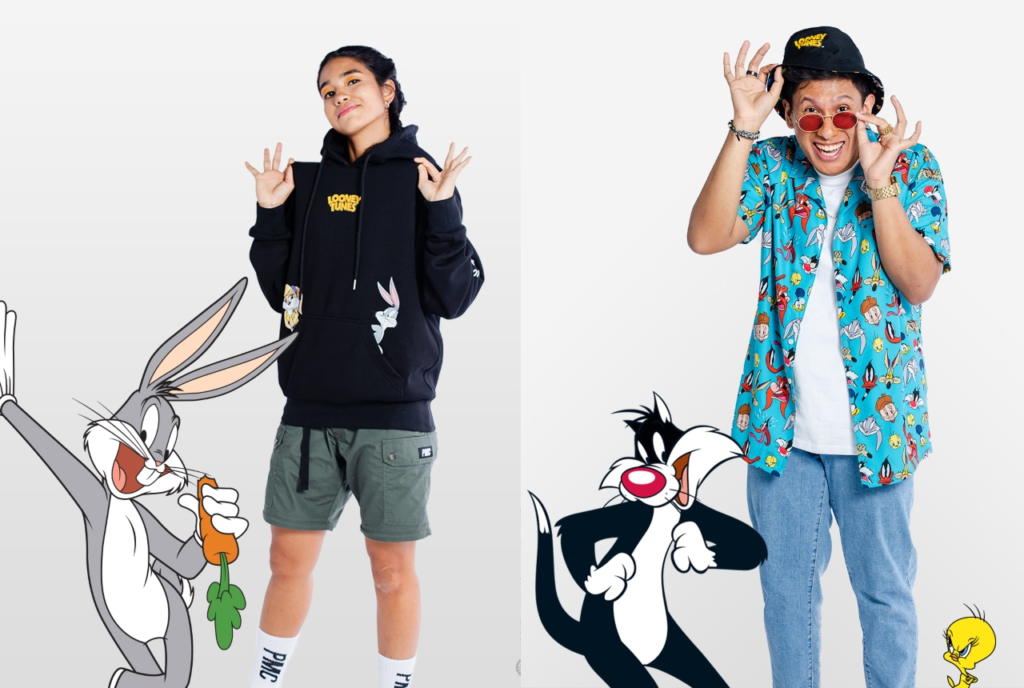
Looney Tunes has become a reference point for comedy, films, and even internet culture. From their comedy, timing, and character archetypes, many have been influenced. Contemporary productions, whether in animations or filmmaking, owe some of their inspiration to Looney Tunes. The site of contemporary social media is also home to many of these animations, keeping them relevant even in 2025 and beyond. Productions like Looney Tunes Cartoons, which was launched in HBO Max in 2020, see new generations of fans being introduced to these classic Looney Tunes characters, albeit with new animations while maintaining their original comedy elements. When it comes to filmmaking, productions like Space Jam (1996) and Space Jam: A New Legacy (2021) feature Looney Tunes characters in major roles, blending live action, animation, and comedy for a global audience. These films demonstrate the brand’s ability to adapt to new technical formats, such as the transition from traditional 2D animation to modern CGI. However, while these productions successfully introduced the characters to new generations, they are often noted for updating the characters to fit a family friendly blockbuster formula, which at times departed from the original subversive essence and sharp social satire that defined the characters during the Golden Age.
.
Character Evolution and Signature Traits
The Looney Tunes, which is made up of the likes of Bugs Bunny, Daffy Duck, Porky Pig, Tweety Bird, Sylvester the Cat, and Wile E. Coyote, among many others, were not just cartoon characters but also had their own unique personalities and characteristics. Bugs Bunny, who is one of the most prominent Looney Tunes cartoon characters, is famous for his quick wit, confidence, and his capability to always outsmart his opponents. His famous catchphrase, which is “Eh, what’s up, doc?,” became synonymous with a state of mind. Daffy Duck, another prominent Looney Tunes cartoon character, is famous for his chaos, greed, and frustrations; while he originally began as a wild “screwball” character, he was later developed into a perfect comedic foil to Bugs Bunny during the 1950s. The contrast between these two characters created a compelling storyline in which the story is based on the personalities. Porky Pig, due to his stuttering and friendly nature, became extremely popular among audiences; while he began as the studio’s first major star, he eventually evolved into a “straight man” who grounded the more manic and exaggerated antics of the characters that followed him. Additionally, the storylines in which Tweety and Sylvester were involved introduced chaos in the plot lines. Wile E. Coyote and Road Runner took slapstick comedy to another level in the world of Looney Tunes.
The character design was also a major factor in their lasting popularity. The animators focused on character features and strong silhouettes to ensure that characters were easily recognizable. The characters were designed with bold colors and utilized “snappy” animation timing to convey their personalities through extreme, non verbal expressions. This visual language of “Looney Tunes” has been a guiding light for other animation houses all over the world, including Pixar, DreamWorks, and Cartoon Network. The balance achieved between the characters and voice acting is a prime example of the lasting popularity of this ensemble of characters.
Storytelling Techniques and Narrative Innovation
The Looney Tunes short films have been credited with altering the way stories are structured within the context of animated films. While early 20th century cartoons relied on simple repetitive actions, Looney Tunes eventually refined the gag into a sophisticated form of satire and meta storytelling. The short films, for instance, featured self referential comedy, where the characters were aware of their existence within a cartoon. Duck Amuck, a key episode, featured a character forced to confront the animator, famously breaking the fourth wall. The cartoons utilized innovative pacing, including the integration of quick “blackout” gags and suspenseful comedy. These elements of timing have become a fundamental part of the Looney Tunes legacy. Furthermore, the films featured sharp satire mirroring World War II, consumer culture, and urbanism, setting Looney Tunes apart as a cultural phenomenon and a window into the societal values of its era.
Influence on Fashion and Streetwear
The cultural influence of Looney Tunes can be felt within the realms of fashion, sneakers, and the larger streetwear culture. This includes collaborations with influential companies such as Nike, Adidas, Converse, and Puma. Limited edition sneakers, where the overall design and concept are inspired by and depict the overall image and scenes of the popular characters of Looney Tunes, including Bugs Bunny, Daffy Duck, and Tweety Bird, is a testament to the influence that these iconic cartoons have on the overall fashion trends of the year 2025. According to fashion editors and influencers, these collabs are impressive and speak volumes about the creativity and authenticity that is put into the collaboration.
Cultural Legacy and Global Recognition
It has achieved the status of a cultural phenomenon across the world. It has impacted pop culture by influencing the field of comedy, animation, music, and art. Its style of using comedy has created inspiration for many comedians across the world. Through the Looney Tunes brand, several parades, parks, ads, and social media components have further established the character as symbolic of the culture of animation. People across the world appreciate the global pop culture of humor provided by the brand. At the same time, the brand has maintained the factor of being easily accessible linguistically and culturally. This not only speaks to the influence of the brand across the world but also to its capacity to navigate newer digital media while still managing to stick to the original identity.
Modern Adaptations and Streaming Era
With the emergence of online streaming platforms, Looney Tunes has moved toward digital distribution to capture the interest of the younger generation. Shows like Looney Tunes Cartoons, released on HBO Max in 2020, contain new shorts that maintain the same humor, pace, and character profiles of the originals while reviving the classic hand drawn visual style of the 1940s. Films such as Space Jam: A New Legacy, released in 2021, use popular characters interacting in a live action storyline and combining classic animation with modern visual effects to captivate worldwide audiences. Online platforms, such as social media clip websites and mobile phone games, further increase Looney Tunes’ reach with a variety of interactive elements to supplement linear viewing. Such adaptations will ensure that Looney Tunes is a living brand, capable of evolving and at the same time retaining the creative genius of its original founders.
Merchandise Expansion and Commercial Success
Looney Tunes is a successful brand in the merchandising business besides being a major franchise of Warner Bros. The brand is now associated with the production of streetwear, Looney Tunes clothing, as well as Looney Tunes hoodies. Today, the brand is a staple in the world of streetwear. Many retail stores, such as Urban Outfitters, Hot Topic, and Zara, often partner with Looney Tunes to bring out new and stylish merchandise. Besides this, Looney Tunes also focuses on collaboration with Nike, Adidas, and Puma to bring into existence Looney Tunes merchandise in the form of sneakers featuring characters such as Bugs Bunny, Daffy Duck, and Tweety Bird. The merchandise is not restricted to these items. Therefore, the merchandising business is a huge success, ensuring the brand’s presence in today’s world in addition to the presence it enjoys in the minds of people due to the emergence of digital media.
Celebrity Endorsements and Pop Culture Integration
The Looney Tunes characters have gained popularity among celebrities, athletes, and influential individuals during the past decades, which has added to the already existing iconic status of the Looney Tunes brand. One would often spot celebrities and influential individuals donning Looney Tunes apparel and sneakers, including several collaborations in the entertainment industry and the music industry. For instance, the presence of Michael Jordan and Le Bron James donning Looney Tunes themed hoodies and apparel adds to the iconicity of the brand, combining the popularity of the animation character with the lifestyle and culture of modern day streetwear enthusiasts. Musicians have even included Looney Tunes animation characters in their songs and music videos, and athletes have added Looney Tunes apparel and sneakers in their exclusive partnerships and collaborations.
Collaborations with Fashion and Brands

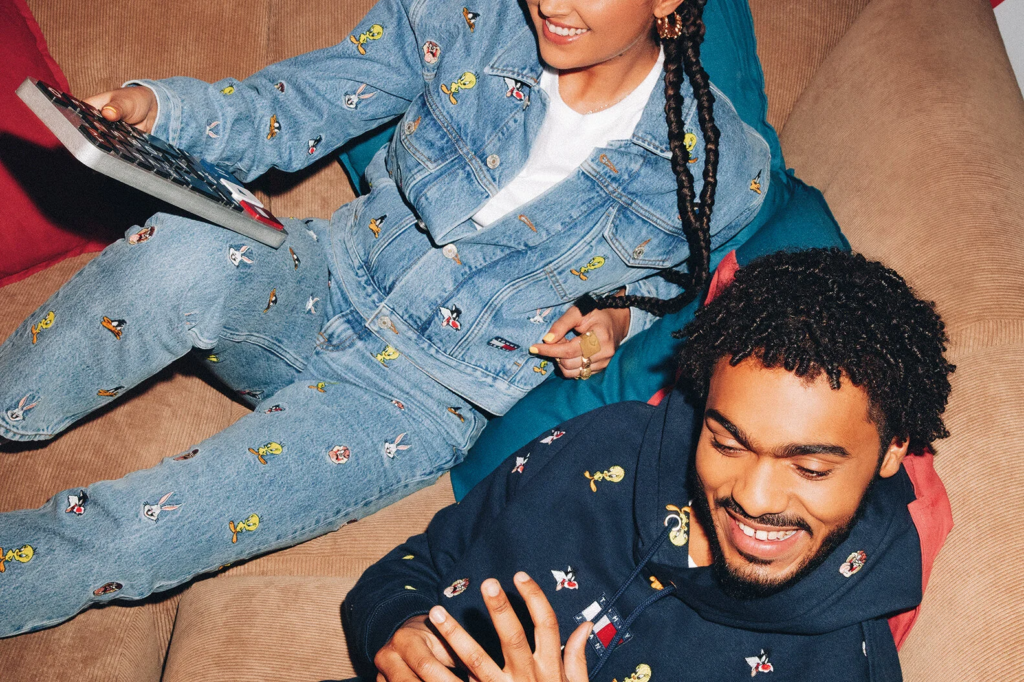
The brand has consistently demonstrated capabilities by working with top fashion brands and global giants to produce innovative and highly sought after fashion wear. The brand has successfully translated their brand aesthetic, i.e., playful and rebellious, through collaborative fashion wear lines with esteemed fashion labels including Kith, Coach, and Puma. The fashion wear lines designed under these collaborative efforts are a result of a seamless merge of top notch fashion trends and iconic brand characters, respectively. The fashion wear lines and sneakers designed through collaborative efforts with labels including Kith and Puma feature iconic character prints and designs under their fashionwear lines, including character printed hoodies and t-shirts designed under the brand name Kith, and character printed sneakers designed through collaborative efforts with Puma, including dominant colors and prints inspired by popular episodes of Looney Tunes.
Awards and Recognition
The franchise has, over the years, been recognized for its achievements in the field of animation. For instance, the franchise has won several awards from the Academy Awards, particularly within the field of theatrical animation within the golden age of animation. Some of its personalities, such as Bugs Bunny, have been recognized as symbols of excellence within the field of animation, particularly within the field of comedic animation. They have also been featured in several media outlets as being amongst the most iconic cartoon characters of all time. In addition to that, the franchise has been recognized as being successful within the field of innovative cross media integration, consequently integrating both traditional animation and merchandising styles, as well as collaborating within the field of fashion.
Fan Culture and Community
The Looney Tunes fanbase cuts across all generations, resulting in a vibrant and involved fan community. This has seen fans celebrate the brand by attending Looney Tunes related events, social media groups, cosplay events, and fan art exhibitions. Due to the nostalgia factor, the brand has seen parents sharing the franchise with their new generation of fans, creating a bond between the older generation and the newer fans. Limited edition merchandise sells within a span of just a few hours, a clear indication of the level of engagement the franchise has within the community. The fan culture of the brand has therefore contributed to the brand’s global popularity, further entrenching the brand within traditional media as well as new age digital media forms.
Future of Looney Tunes
Looney Tunes still grows and evolves very well in terms of strategy and business. In the future, children’s shorts and other content will be added to the streaming services, with the franchise also expanding through new theatrical feature films and high profile global events like the 2026 Winter Olympics. Merchandising in collaboration with fashion brands, companies creating footwear, and lifestyle brands will still be an important aspect of the business, and the popularity of Looney Tunes will be ensured in the lives of the masses and in the cultural arena. Digital media, mobile games, and online gaming exposure are also giving Looney Tunes increasing popularity among young minds. The balance between its heritage and innovations ensures Looney Tunes remains at the forefront of being culturally important and funny in the days to come.
Conclusion
Looney Tunes is not merely a series of animated films, but a cultural icon that has grown and expanded to reach future generations. Its history began in the 1930s at Warner Bros. as one of the most important animated series that changed the face of animation by infusing it with humor, satire, and technical advancements. Some of the most iconic characters include Bugs Bunny, Daffy Duck, and Porky Pig, which not only have worldwide recognition but have come to symbolize wit, resilience, and comedic subversion. Looney Tunes streetwear and clothing brands that include limited edition hoodies and sneaker collaborations have managed to ensure the longevity of the iconic animations in modern society. By leveraging fashion and pop culture, the franchise has maintained an enduring and iconic status. Looney Tunes is a living testament to the animation art, and its classification as an influential series ensures it will continue to rise and adapt to the evolution of technology and society.
Frequently Asked Questions About Looney Tunes
1. What is Looney Tunes?
Looney Tunes is an animated franchise created by Warner Bros. in the 1930s, featuring a wide cast of comedic characters like Bugs Bunny, Daffy Duck, and Porky Pig. The franchise is known for its slapstick humor, musical scores, and innovative animation techniques.
2. Who created Looney Tunes?
Looney Tunes was developed by Warner Bros. animation studio, with key contributions from animators such as Tex Avery, Bob Clampett, and Chuck Jones, who shaped the visual style, timing, and comedic tone.
3. When did Looney Tunes first appear?
The first Looney Tunes short, “Sinkin’ in the Bathtub,” was released in 1930. Merrie Melodies, a companion series, followed shortly after, creating a foundation for Warner Bros.’ animated storytelling.
4. What are the most famous Looney Tunes characters?
Iconic characters include Bugs Bunny, Daffy Duck, Porky Pig, Elmer Fudd, Tweety Bird, Sylvester the Cat, Yosemite Sam, and the Tasmanian Devil. Each character has a distinct personality and comedic style.
5. What makes Looney Tunes unique?
Looney Tunes combines visual comedy, clever writing, music, and social satire. Unlike other cartoons of its time, it appealed to both children and adults by including layered humor, cultural references, and expressive animation.
6. What is the history of Looney Tunes merchandise?
Merchandising began in the 1940s and expanded through toys, clothing, and home goods. In recent decades, Looney Tunes streetwear, hoodies, and sneaker collaborations have made the franchise relevant to modern audiences.
7. How has Looney Tunes influenced pop culture?
Looney Tunes has impacted music, fashion, film, and internet culture. Characters appear in references, memes, celebrity endorsements, and fashion collaborations, bridging classic animation with contemporary culture.
8. Are Looney Tunes shorts available on streaming platforms?
Yes, Warner Bros. has made many shorts available on platforms like HBO Max, Cartoon Network, and official Warner Bros. YouTube channels, allowing new generations to discover the content.
9. What collaborations has Looney Tunes been part of?
Looney Tunes has collaborated with Nike, Adidas, Supreme, Puma, and fashion designers to create streetwear, sneakers, and apparel collections. These collaborations blend nostalgia with modern trends.
10. Which celebrities endorse Looney Tunes?
Celebrities including Travis Scott, Kanye West, and musicians from the hip hop community have worn Looney Tunes clothing and sneakers, further solidifying its influence in fashion and pop culture.
11. What themes inspire Looney Tunes shorts?
The shorts are inspired by comedy, slapstick, social satire, and everyday absurdities. Themes often include rivalry, clever problem solving, and humorous exaggeration of human behavior.
12. Has Looney Tunes won awards?
Yes, the franchise has won multiple Academy Awards for animated shorts and has been recognized by the Television Academy and Annie Awards for its contribution to animation.
13. How has Looney Tunes adapted over time?
The franchise has transitioned from theatrical shorts to television, streaming, interactive media, and merchandise. Modern adaptations include 3D animation, mobile games, and collaborations with fashion brands.
14. Is Looney Tunes still relevant today?
Absolutely. Looney Tunes continues to influence pop culture, fashion, and media. With ongoing collaborations, digital content, and fan engagement, the franchise maintains global recognition.
15. What’s next for Looney Tunes?
The franchise is expanding into digital platforms, interactive experiences, and immersive media, including AR/VR and streaming content. Continued fashion collaborations and merchandise releases ensure Looney Tunes remains culturally relevant and commercially successful.
For collaborations, press, or inquiries, contact us at streeticonic1@gmail.com.