Brands
Levi’s Evolution, Iconic Collaborations & Guide to Style Levi’s in 2026

Why Levi’s Is Still the World’s Most Influential Denim Brand
For more than 170 years Levi’s has stayed relevant. The brand balanced heritage with innovation. That approach helped it reach every generation. People embraced Levi’s in different eras. Rebels wore it in the 1950s. Rock stars made it famous in the 1970s. Skaters and hip hop artists adopted it in the 1990s. In 2026 Levi’s remains part of modern fashion. The brand appears on runways. It also stands out on resale platforms. Vintage stores and streetwear fans continue to support it.
Levi’s evolves without losing its identity. The brand improves classic designs instead of chasing trends. Icons like the 501® Original jeans and Type III Trucker Jacket remain at the center of its collections. The same philosophy shapes its collaborations. Levi’s works with Supreme Nike New Balance Denim Tears Sacai Crocs and Stüssy. These partnerships combine heritage denim with modern creativity.
Levi’s is a favorite among collectors. Rare vintage jeans attract buyers worldwide. Orange Tab pieces are also highly sought after. Old advertisements remain valuable collectibles. Each item tells part of the brand’s history. Faded denim adds character. Unique stitching increases value. Years of wear make every piece unique.
Levi’s also remains a streetwear essential. People style the jeans with hoodies. They also pair them with varsity jackets. Boots and sneakers complete the look. Celebrities like A$AP Rocky, Hailey Bieber, Timothée Chalamet and Travis Scott keep the brand in the spotlight. In 2026 Levi’s continues to inspire new generations. The brand proves that true style never fades. It evolves with the times. It stays true to its heritage. That lasting balance keeps Levi’s relevant around the world.
How Levi’s Reinvented Itself for Every Generation
Fashion trends come and go. Levi’s has remained relevant for more than 170 years. The brand evolves without losing its identity. It improves classic designs instead of chasing every trend. That approach keeps its heritage alive. A major change came during the 1950s. James Dean and Marlon Brando made denim a symbol of youth and rebellion. Their style changed how people viewed Levi’s. The brand became more than workwear. It became a cultural icon.
The 1960s brought another shift. Music festivals influenced fashion. Art movements inspired creativity. Student culture embraced self expression. People customized their Levi’s with patches embroidery and hand painted designs. Denim became a personal statement. This trend helped Levi’s connect with a new generation. By the 1970s Levi’s had become a global fashion brand. The company expanded into Japan, Europe and other markets. New collections kept the brand fresh. Its heritage remained unchanged.
During the 1980s Bruce Springsteen often wore faded Levi’s on stage. His style strengthened the brand’s rugged image. It also introduced Levi’s to more fans. The 1990s brought another generation. Skateboarding helped popularize the brand. Hip hop culture embraced relaxed fit jeans. Grunge fashion also adopted Levi’s. Tupac Shakur and Kurt Cobain made the style even more influential. Levi’s proved that classic denim could adapt to changing trends.
Vintage fashion grew during the 2000s. Demand for Levi’s increased around the world. Collectors searched for Big E labels. They also looked for 501® jeans and selvedge denim. Rare trucker jackets became highly desirable. Japanese collectors helped revive interest in archival Levi’s pieces.
The 2010s marked another turning point for Levi’s. The brand partnered with Supreme, Nike, and Sacai. These collaborations reached a new generation of streetwear fans. They combined heritage with modern design. Many limited editions sold out quickly.
In 2026 Levi’s continued to lead the denim industry. The brand invests in sustainable manufacturing. It also focuses on premium craftsmanship. New collaborations keep the collections fresh. Timeless designs remain at the heart of the brand. Levi’s has influenced many generations. Hollywood helped shape its image. Rock music expanded its appeal. Streetwear introduced new audiences. Vintage collectors preserved its history. The brand continues to evolve. It never loses its identity. That is why Levi’s remains one of the world’s most influential fashion brands.
Collaborations That Changed the Conversation
Levi’s has continued to reinvent itself over the years. That journey led to a new era of collaborations. The brand partnered with some of the biggest names in streetwear, sportswear and luxury fashion. Each collaboration reached a new audience. Many collections became instant collector’s items. They also changed how people viewed denim. These partnerships introduced Levi’s to a new generation of fashion enthusiasts.
Why Levi’s Collaborations Matter
Levi’s embraced collaborations long before they became a fashion trend. The brand believed great design grows through creative partnerships. It carefully chose collaborators who respected its heritage. Each partner brought a fresh perspective to classic denim. Every collection reached a new audience. At the same time Levi’s stayed true to its identity. That balance helped the brand remain authentic for generations.
The Rise of Collaboration Culture
The 2010s changed the fashion industry. Streetwear became a global movement. Limited edition releases attracted huge attention. Fans waited for hours to buy exclusive collections. Online discussions spread within minutes. Levi’s entered this new era with a strong advantage. The brand had more than 160 years of heritage. Younger brands brought fresh ideas and modern creativity. They also added bold designs and cultural influence. Together they created collaborations that felt natural. Every partnership respected Levi’s identity while introducing something new.
Reimagining the Classics
These partnerships respected Levi’s identity. Most collaborators kept the original designs. They reimagined classics like the Type III Trucker Jacket and denim shirts. Each collection added a fresh perspective. Some used premium fabrics. Others introduced patchwork embroidery oversized fits or new colors. Even with these changes Levi’s remained easy to recognize. The collaborations also changed how people viewed denim. Jeans became more than everyday clothing. They became collectible fashion pieces. Limited releases created strong demand. Exclusive launches built even more excitement. Collectors wanted every release. Sneaker fans and streetwear enthusiasts joined the hype. Many collections sold out within hours. Resale prices quickly increased. These releases proved that heritage and modern hype could exist together.
Levi’s also chose a wide range of collaborators. The brand worked with sportswear companies. It partnered with luxury designers. Musicians, artists and cultural innovators also joined the project. Every collaboration brought a different creative vision. Some celebrated American workwear. Others highlighted Japanese craftsmanship. Many reflected modern street culture or luxury fashion. Through every partnership Levi’s stayed true to its identity.
Building a Bridge Between Generations
These collaborations achieved more than strong sales. They introduced Levi’s to a younger audience. Many people discovered the brand through limited edition releases. That interest often led them to explore its history. Some began collecting vintage 501® jeans. Others searched for archival Trucker Jackets. Each collaboration connected new fans with Levi’s heritage. It also showed the value of more than a century of denim craftsmanship.
Levi’s in the 2020s and Beyond
As the demand for exclusive fashion continued to grow throughout the 2020s, Levi’s strengthened its reputation as one of the industry’s most respected collaborative partners. Designers appreciated the opportunity to reinterpret genuine icons instead of creating products with no historical foundation, while consumers valued collections that combined authenticity with originality. Every successful release reinforced the idea that Levi’s was no longer just participating in fashion trends, it was helping define them.
The Collaborations That Stood Above the Rest
Among all these partnerships, a handful stand above the rest. Some transformed the streetwear landscape, others became instant collector’s items, and a few completely changed how the fashion industry viewed denim collaborations. These landmark releases not only celebrated Levi’s heritage but also proved that even a brand founded in 1853 could continue setting the standard for creativity in 2026 and beyond.
The first collaboration to truly capture the attention of the modern streetwear world came from one of New York’s most influential labels, a partnership that turned classic Levi’s denim into one of the most sought-after releases of the decade.
When people talk about the greatest streetwear collaborations of the last two decades, one name appears almost immediately: Levi’s × Supreme. It was not just a partnership between two clothing labels. It was the meeting of American denim heritage and New York street culture, and it permanently changed how the fashion industry viewed denim collaborations.
2011: The First Levi’s × Supreme Collaboration
The partnership began in 2011. Supreme founder James Jebbia teamed up with Levi’s. Together they reimagined classic denim pieces. The collection focused on the 505 Jeans. It also featured a Trucker Jacket in leather and suede. Supreme updated these classics instead of creating new designs. That approach appealed to both fan communities. It also proved that timeless styles could still feel modern.
The first collection featured a customized version of the classic Levi’s 505 Zip-Fly Jean. It included subtle co-branding and premium construction. Clean finishes reflected Supreme’s minimalist style. The focus stayed on quality instead of bold logos. The collection sold out almost immediately. Long lines formed outside Supreme stores. Fans gathered in New York, Los Angeles, and Tokyo. Resale prices quickly increased. The collaboration introduced Levi’s to a new generation of collectors.
2014: Spring/Summer Capsule
The first release was a huge success. Both brands decided to continue the partnership. The 2014 Autumn Winter collection introduced new ideas. It featured stonewashed denim and customized Trucker Jackets. The designs took inspiration from vintage American workwear. The classic Levi’s look remained unchanged. Supreme added a modern streetwear touch. That balance appealed to fashion fans. The collection also highlighted the strength of Levi’s archive. A familiar denim jacket felt fresh again. It attracted customers looking for exclusive pieces. It also proved that classic designs could stay relevant in modern fashion.
2015: Distressed Denim and Bold Printed Fabrics
The collaboration evolved again in 2015. This collection took a more experimental direction. Moleskin fabric gave the designs a distinct look. Bold prints added fresh energy. The collection felt more expressive. Even so Levi’s heritage remained clear. This release showed a new side of Levi’s. The brand moved beyond basic denim essentials. It embraced bolder designs without losing authenticity. The partnership also strengthened Supreme’s reputation. The brand turned everyday moleskin into highly desirable fashion pieces. That approach made the collection even more collectible.
2016: Heavyweight Selvedge and Contemporary Fits
By 2016 the partnership had grown stronger. Both brands introduced more refined designs. The collection featured floral print and bleached denim. It also included modern fits for younger customers. The designs balanced durability and style. Limited production added even more demand. This made the release one of the most talked about Levi’s × Supreme collections. The partnership offered more than hype. Every release showed thoughtful design. Each collection had its own identity. That consistency kept fans excited year after year.
Lasting Impact on Fashion
The influence of Levi’s × Supreme reached beyond both brands. It changed how heritage companies viewed collaborations. Many brands learned an important lesson. They did not need to abandon tradition. They needed to tell a strong story while respecting their identity.
The partnership also introduced Levi’s to younger fans. Many streetwear enthusiasts discovered the brand through Supreme. Some later explored vintage 501® jeans. Others became interested in Big E labels and archival Trucker Jackets. Supreme became a bridge between new collectors and Levi’s history.
More than a decade later Levi’s × Supreme remains a major streetwear collaboration. It proved that heritage and modern hype could work together. The success also inspired Levi’s future partnerships. One of the next major collaborations would combine denim with global sportswear culture.
Levi’s × Nike: Where Classic Denim Met Sneaker Culture
After Levi’s × Supreme changed streetwear, Levi’s × Nike influenced sneaker culture. The 2018 Nike Air Jordan 4 x Levi’s collection became one of the year’s biggest releases. The collaboration used premium denim instead of simple branding. It introduced Indigo Black and White Denim versions. Each pair matched with Trucker Jackets and jeans.
The designs felt bold and collectible. They also carried a strong American identity. Fans rushed to stores. Online raffles attracted huge attention. Resale prices increased quickly. Leather patches, stitching, and denim texture created a unique look. The shoes combined heritage with modern hype. They became a benchmark for successful fashion and sneaker collaborations.
Levi’s × Denim Tears: Telling Powerful Stories Through Denim
Some collaborations focus on attention. Levi’s × Denim Tears focused on meaning. The partnership was created by Tremaine Emory in 2020. It explored history, identity and storytelling through denim. The collection featured 501® Jeans. It also included Type III Trucker Jackets and denim shirts. Unique graphics, embroidery and historical references gave each piece a deeper message.
The collaboration turned clothing into a conversation. Critics praised its cultural importance. Collectors quickly bought limited releases. Many pieces later gained value on resale platforms. The partnership showed Levi’s connection with younger audiences. It proved that heritage denim can still inspire new ideas. Levi’s continues to evolve while protecting its authenticity.
Levi’s × Sacai: Reinventing Denim Through Japanese Innovation
Chitose Abe is known for her unique approach to fashion. She founded sacai and became famous for layered designs and hybrid tailoring. Her creativity changed how people view modern clothing. When Levi’s announced their 2025 collaboration with sacai expectations were high. The collection introduced a fresh vision of classic denim. Sacai redesigned Levi’s jackets and jeans with oversized shapes. It also added layered panels and unexpected tailoring details.
The collection combined American workwear with Japanese craftsmanship. The result felt experimental but still looked like Levi’s. Fashion editors praised its originality. Collectors viewed the pieces as wearable art. The partnership proved that denim can continue to evolve. It showed that innovation can exist with tradition. Levi’s maintained its craftsmanship and identity while reaching a new generation.
Levi’s × New Balance: Denim Meets Everyday Performance
In the early 2020s Levi’s partnered with New Balance. The collaboration connected denim heritage with sneaker culture. Both brands focused on durability, comfort and simple design. The collection used premium denim details. It featured vibrant colorways and subtle branding. These elements gave classic New Balance sneakers a refined look
The partnership attracted collectors and everyday customers. It showed that heritage brands could create new designs without losing authenticity. The collaboration also reflected a change in fashion. More people started valuing products built to last. Quality became more important than short lived trends.
Levi’s × Stüssy: California Surf Culture Meets American Denim
Founded by Shawn Stüssy in the 1980s Stüssy helped shape surf skate and street style. The brand influenced streetwear before it became a global movement. The Levi’s collaboration felt natural. It combined relaxed fits of vintage washes and bold oversized graphics. Denim jackets and loose jeans reflected the California spirit of both brands. The collection connected with younger consumers. Many preferred simple styles over loud logos. It showed that classic denim could feel fresh through a streetwear perspective.
Levi’s × Crocs: The Collaboration Nobody Expected
When Levi’s partnered with Crocs in 2023 the fashion world was excited. Many people celebrated the creative combination. The collaboration changed denim into a playful design concept. The collection used indigo textures and classic stitching. Levi’s inspired Jibbitz™ charms added a unique touch. Crocs became a new type of statement piece
The reaction was highly anticipated and positive at first. Social media quickly increased interest. Demand grew as more people discovered the collection. The partnership showed Levi’s willingness to explore new ideas. It also reflected modern fashion values. Comfort, individuality and self expression became just as important as tradition.
Levi’s expanded its influence through sneakers, streetwear and lifestyle footwear. The brand became a flexible creative partner. At the same time collectors started searching for rare Levi’s releases. Limited editions and early collaborations gained long term value. These pieces became symbols of Levi’s cultural impact.
Why Collectors Are Obsessed with Vintage Levi’s
Not every old pair of jeans becomes valuable. However Levi’s has a special place in fashion collecting. A simple pair of jeans can become a historic collectible after decades. Collectors search for these pieces because they represent real moments in fashion history. Interest in Levi’s collectibles grew during the 1980s. Japanese vintage stores started searching for original American denim. Buyers explored warehouses, thrift stores, ranches and estate sales. They looked for Levi’s jeans from the 1940s, 1950s and 1960s.
This passion changed vintage denim culture. Old jeans became more than used clothing. They became valuable collector’s items. The movement spread to Tokyo, Osaka, London, New York and Los Angeles. Today collectors study small details. They examine stitching, leather patches, care labels, rivets and selvedge edges. Natural fading also reveals a garment’s history. These details help identify age and authenticity.
Levi’s collectibles are valuable because they tell real stories. Every crease repair and fade shows years of wear. No machine can recreate that history. Each vintage piece remains completely unique.
The Legendary Big E Jeans Every Collector Wants

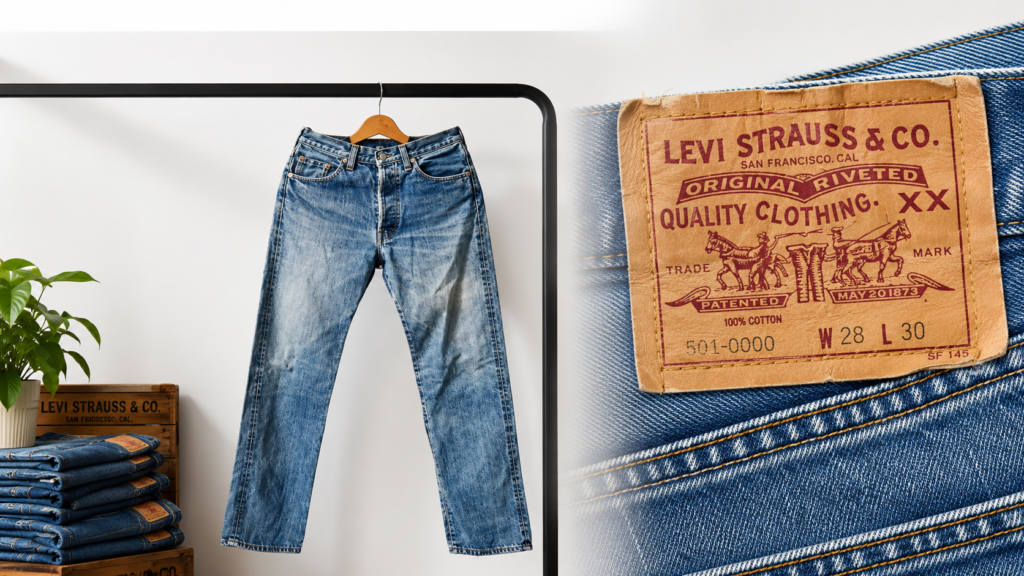
Among vintage Levi’s enthusiasts, few names carry as much prestige as the Big E. Produced before the early 1970s, these jeans feature a capital “E” on the iconic Red Tab, instantly distinguishing them from later production. While the design change may seem small, it represents one of the most recognizable milestones in Levi’s history.
Collectors admire Big E jeans for far more than the label itself. Many were crafted using premium selvedge denim, traditional shuttle looms, and construction techniques that are rarely used in large-scale manufacturing today. As a result, well-preserved examples have become increasingly difficult to find, especially in original condition.
The demand continues to grow because Big E jeans appeal to different audiences at once. Vintage collectors appreciate their historical significance. Fashion enthusiasts love their timeless fit and authentic fades. Designers frequently study original pairs to inspire modern collections, proving that garments produced decades ago still influence contemporary denim design
The Iconic Trucker Jackets That Became Fashion Treasures
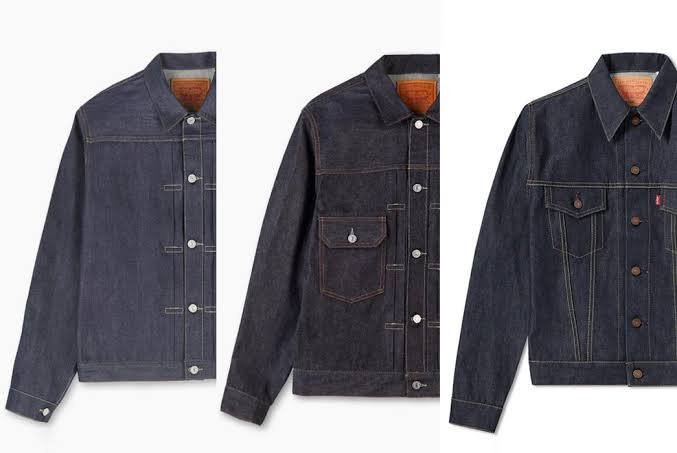
While Levi’s jeans get most attention, the Trucker Jacket has its own legendary status. It has become one of fashion’s most collectible jackets. The design first appeared in the 1960s. Its classic shape remains recognizable today. Collectors value the Type I, Type II, and Type III Trucker Jackets. These versions are considered the most important vintage pieces. Early jackets with selvedge denim and original leather patches are rare. Natural indigo fades make them even more desirable.
Many jackets were worn for years. Finding well preserved examples is now difficult. This rarity has increased their value among collectors. Interest in vintage Trucker Jackets grew during the 2000s. Celebrities and designers started wearing archival Levi’s pieces. Kanye West, Pharrell Williams, Hailey Bieber, and Timothée Chalamet helped introduce them to younger audiences.
These jackets work well with modern outfits. People style them with hoodies, cargo pants and premium sneakers. Their classic design still feels current. Collectors love these jackets because every mark tells a story. Fades repairs and worn cuffs show real use. Unlike artificial distressing vintage jackets develop character naturally. This makes every piece unique and highly valued.
Limited Editions That Became Instant Collectibles
Vintage Levi’s pieces dominate the collector market. However modern limited editions have created new opportunities for collectors. Collaborations with Supreme, Nike, Denim Tears, and Sacai became highly desirable releases. These collections were produced in limited numbers. Many sold out within hours. Demand quickly increased their resale value. Unworn pieces with original tags became especially valuable.
Collectors began seeing these releases differently. They were not just buying clothing. They were owning important moments in Levi’s history. This change expanded the world of collecting. A vintage Big E and a modern collaboration can exist in the same collection. One represents Levi’s heritage. The other represents its modern influence. Together they show Levi’s unique ability to create collectibles across generations. Every release adds a new chapter to the brand’s story.
Inside the Vintage Levi’s Market: Why Prices Keep Rising

Over the last two decades vintage Levi’s has become a major collectible market. Jeans once found for a few dollars can now sell for hundreds or even thousands. Their value depends on rarity, condition, and history. Scarcity is a major reason behind rising prices. Levi’s pieces from the 1940s, 1950s and 1960s are becoming harder to find. More collectors are keeping these garments. Fewer original pieces remain available
Global demand has also increased. Buyers from Japan, South Korea, Italy, France, the United Kingdom and the United States search for rare Levi’s. This competition continues to raise prices. Social media changed the vintage market. Instagram, YouTube and TikTok introduced more people to archival fashion. Younger collectors now value craftsmanship over fast fashion
Vintage sellers also share the stories behind rare Levi’s pieces. These stories help buyers understand their value. Auction houses and vintage boutiques have strengthened the market. Collectors now see rare Levi’s as wearable history. The brand stands beside luxury watches, sneakers, and designer bags as a true collectible investment.
From Skate Parks to Fashion Weeks: How Levi’s Became a Streetwear Icon
Streetwear did not appear overnight. Levi’s influence in this culture also developed over many years. Many modern brands grew through hype. Levi’s earned respect through real everyday wear. By the 1990s and 2000s streetwear became a major movement. Levi’s was already popular among skaters, musicians, and artists. Creative communities valued the brand for comfort and individuality.
Loose fits like the 501® and 550® matched the oversized style of the era. People wore them with graphic T-shirts, hoodies, varsity jackets and skate shoes. Levi’s offered an easy style without expensive luxury labels. The jeans were affordable, durable and easy to customize. Over time each pair developed a unique look. Natural fades and wear marks created personal character.
Streetwear became a global fashion force during the 2010s. Levi’s remained an important part of this movement. The brand worked with modern labels instead of competing with them. These collaborations connected classic denim with new ideas. Levi’s ability to evolve, while protecting its heritage, keeps the brand influential in 2026.
The Celebrities Who Made Levi’s Timeless
Celebrity influence helped shape Levi’s journey. However the brand was never built only on paid promotions. Many celebrities wore Levi’s because it matched their personal style. Actors, musicians and cultural icons naturally connected with the brand. Their genuine support helped Levi’s grow beyond everyday denim. Over time Levi’s became a global fashion symbol. Its popularity came from real cultural influence rather than simple advertising.
Hollywood Icons Who Started the Denim Revolution
The journey began in the 1950s, when James Dean and Marlon Brando redefined men’s fashion. Their appearances in classic films and public life, wearing Levi’s jeans challenged traditional dress codes and turned denim into a symbol of confidence, independence, and youthful rebellion. Almost overnight, jeans evolved from practical workwear into a cultural statement embraced by millions of young people
Music Legends Who Made Levi’s Cool
By the 1970s and 1980s, Levi’s had become deeply connected with the music industry. Rock legend Bruce Springsteen frequently wore faded Levi’s on stage, and in promotional photography, reinforcing the idea that authentic style doesn’t need luxury labels. During the 1990s, artists such as Tupac Shakur and Kurt Cobain introduced relaxed Levi’s to hip-hop and grunge culture, while skateboarders adopted the brand for its durability and effortless fit. Their influence helped Levi’s become a cornerstone of global youth fashion
Modern Fashion Icons Keep the Legacy Alive
Today Levi’s remains popular among celebrities. Fashion figures like Hailey Bieber and Bella Hadid often wear vintage 501® jeans and Trucker Jackets, while stars like Timothée Chalamet, Jacob Elordi, A$AP Rocky, and Travis Scott are widely celebrated for incorporating diverse denim and luxury tailoring into modern streetwear. They combine Levi’s denim with luxury clothing and modern sneakers. Their outfits inspire millions of people on social media. This shows that classic Levi’s still fits today’s streetwear culture. Every generation uses Levi’s in its own way. People wear the brand to express their identity. Levi’s does not define their style. It provides a timeless foundation for personal expression.
Why Levi’s Still Defines Street Style in 2026
Walking through New York, Tokyo, London, Seoul or Copenhagen and Levi’s is easy to spot. The brand appears everywhere. It does not happen because everyone dresses the same. It happens because Levi’s fits different personal styles. Some people wear vintage 501® jeans with oversized hoodies and sneakers. Others combine dark denim with tailored coats and leather loafers. Some prefer trucker jackets with boots for a rugged look. Others create simple outfits with clean denim and neutral knitwear.
This flexibility is Levi’s biggest strength. Many brands follow seasonal trends. Levi’s creates pieces that stay relevant for years. A pair of jeans bought today can still look stylish in the future. Many people see Levi’s as a wardrobe essential. It is more than just another fashion purchase. It provides a foundation for personal style.
Fashion changes quickly in the social media era. Levi’s continues to prove that authentic design lasts longer than temporary trends. The brand works with vintage looks, luxury streetwear, minimalist outfits, and everyday fashion. In 2026 Levi’s remains a key part of modern styling. It combines classic denim with new trends without losing individuality.
How to Style Levi’s in 2026
Build the Perfect Streetwear Outfit with Levi’s
In 2026 styling Levi’s is about personal expression. Fashion is not about strict rules anymore. Modern streetwear mixes vintage influences with new silhouettes. Levi’s provides the perfect base for different outfits. A good pair of Levi’s jeans can improve any wardrobe. They work during their university days. They also fit city looks and fashion events.
Relaxed and loose denim is one of the biggest trends in 2026. Styles like the 568® Loose Straight and 550® Relaxed are popular choices for this look, while the iconic 501® Original remains the top pick for a classic straight leg. Many stylists and influencers prefer them for comfort and flexibility. These jeans work well with oversized T-shirts. They also pair with vintage varsity jackets and white leather sneakers. Simple silver accessories complete the look.
This relaxed style is common in fashion cities like New York, Seoul and Tokyo. Loose silhouettes continue to shape modern streetwear. For a cleaner style dark wash Levi’s jeans create a refined look. Black or deep indigo denim works well with many outfits. Pair them with an Oxford shirt, lightweight knitwear and suede loafers. This combination creates a smart casual appearance.
The look works for dinners, offices and weekend events. It shows that denim does not always need a rugged style. Levi’s can also feel polished and sophisticated. Layering is another major trend in 2026 fashion. Start with a simple white T-shirt. Add an oversized hoodie. Finish with a vintage Levi’s Type III Trucker Jacket. Relaxed jeans and retro sneakers complete the outfit.
Different textures create a more interesting look. The outfit stays comfortable and effortless. Modern streetwear focuses on quality fabrics, balanced fits and timeless pieces. Accessories also play an important role. A vintage leather belt can add character. Classic sunglasses create a sharper look. A simple chain necklace, canvas tote bag or minimalist watch can complete the outfit.
The main focus should remain on the jeans. Accessories should support the style without taking attention away from the denim.
The Levi’s Pieces Every Wardrobe Needs in 2026
Fashion trends change every year. However some Levi’s pieces remain timeless. They combine heritage versatility and modern style. These pieces are valuable additions to any wardrobe. The 501® Original remains a global icon. It was introduced more than 150 years ago. Its straight leg design works with many outfits. It pairs well with sneakers, boots, loafers and even dress shoes. This makes it suitable for almost every occasion.
The 568® Loose Straight and 550® Relaxed fit modern streetwear trends. Their loose shapes focus on comfort. They also keep Levi’s classic identity. These jeans work well with oversized hoodies, bomber jackets, rugby shirts and vintage graphic tees. Outerwear is also important in Levi’s fashion. The Type III Trucker Jacket remains a popular choice. It works for both men and women. The jacket adds structure without looking too formal.
It can be layered with knitwear in winter. It also works with a simple white T-shirt in spring. Vintage washes are especially popular because they add natural character. These details make each jacket feel unique. Denim shirts have also returned as a popular piece in 2026. Many people wear them as lightweight layers. They style them over simple T-shirts or thermal tops. This creates a relaxed look with a classic workwear influence.
The style fits perfectly with modern streetwear. It combines comfort with timeless American fashion. The secret to styling Levi’s is simplicity. The brand does not depend on big logos or short trends. Its strength comes from classic designs that every generation can adapt. Levi’s works with many styles. It fits minimalist fashion. It also suits vintage looks, luxury streetwear and casual outfits.
The brand provides a strong foundation for personal style. That is why Levi’s remains a fashion choice that never truly goes out of style.
How Levi’s Is Shaping the Future of Fashion
After more than 170 years Levi’s continues to evolve. The brand combines heritage with modern innovation. It does not chase short term trends. Instead it focuses on lasting design and quality. Levi’s is improving its sustainability efforts. The brand uses more recycled fibers. It also supports responsibly sourced cotton. Water-saving methods have been a core part of its production for over a decade through its established Water<Less® program
These changes match the growing demand for eco-friendly fashion. Gen Z consumers especially value responsible choices. Levi’s is also using digital technology. Online customization is improving the shopping experience. AI powered sizing helps customers find better fits.
The future of Levi’s will build on its rich history. The brand plans to combine classic designs with modern fits. New fabrics and better comfort will shape upcoming collections. By balancing tradition with innovation Levi’s continues to lead the denim industry. The brand remains one of the world’s most influential fashion names.
Why Levi’s Will Continue to Inspire Collectors and Streetwear Fans
Levi’s inspires people because it has created a global community. It is more than just a clothing brand. Vintage collectors search for rare 501® jeans, Big E labels and Trucker Jackets. Streetwear fans also follow new Levi’s collaborations. Partnerships with Supreme, Nike, New Balance, Denim Tears, Sacai, and Stüssy attract new audiences. These releases respect Levi’s history while adding fresh ideas.
The resale market shows the brand’s lasting value. Many collectors see vintage denim and limited editions as wearable investments. They value the authenticity, craftsmanship and cultural meaning behind each piece. Fashion is moving toward sustainability and timeless design. Levi’s fits perfectly into this shift. The brand combines innovation with more than 170 years of heritage.
Levi’s continues to influence streetwear and inspire designers, collectors and denim fans. Its message remains simple. True style never fades. Neither does Levi’s.
Conclusion
Levi’s has never been just another denim or streetwear brand. The company began in 1853 and continued to grow with every generation. It evolved alongside changing fashion while protecting the craftsmanship and authenticity that built its reputation. Hollywood icons, rock legends, and streetwear pioneers helped shape its image, while modern designers and celebrities continue to support the brand. Today, Levi’s remains a symbol of individuality, quality, timeless style, and streetwear culture. Collaborations with Supreme, Nike, Denim Tears, New Balance, and Sacai introduced Levi’s to new audiences and strengthened its influence in contemporary streetwear. At the same time, vintage Levi’s pieces continue to attract collectors worldwide. In 2026, Levi’s stands between heritage and innovation, proving that true fashion and authentic streetwear are never defined by temporary trends. Whether building a wardrobe, embracing streetwear style, or collecting rare denim, Levi’s offers something unique. Its lasting legacy comes from history, creativity, craftsmanship, and the people who make every pair their own.
Frequently Asked Questions
1. What makes Levi’s one of the world’s most iconic denim brands?
Levi’s combines more than 170 years of craftsmanship with timeless design, allowing the brand to remain relevant across generations. Its heritage, durability, and ability to evolve with fashion trends have made it a global denim icon.
2. Why are Levi’s collaborations so popular?
Levi’s collaborates with respected streetwear, sneaker, and luxury brands while preserving its classic identity. Limited production and creative storytelling make these collections highly desirable.
3. Which Levi’s collaboration is the most collectible?
Collaborations with Supreme, Nike, and Denim Tears are among the most sought-after because of their limited availability, cultural impact, and strong resale value.
4. Why do collectors prefer vintage Levi’s?
Vintage Levi’s feature unique construction techniques, natural fading, premium denim, and historical details that cannot be perfectly replicated in modern production.
5. What does “Big E” mean on Levi’s jeans?
“Big E” refers to older Levi’s Red Tab labels featuring a capital “E.” These jeans were produced before the early 1970s and are highly valued by collectors.
6. Which Levi’s jeans are best for streetwear in 2026?
The 501® Original, 550® Relaxed, and 568® Loose Straight are among the most popular choices because they complement modern oversized and relaxed silhouettes.
7. Are Levi’s collectibles a good investment?
Rare vintage jeans, trucker jackets, and limited-edition collaborations often increase in value, especially when preserved in excellent condition.
8. Why is the Levi’s Trucker Jacket so popular?
Its timeless design, versatility, and rich heritage make it one of the most recognizable denim jackets ever produced.
9. Which celebrities wear Levi’s today?
Celebrities including Hailey Bieber, Timothée Chalamet, Jacob Elordi, A$AP Rocky, Bella Hadid, and Travis Scott frequently incorporate Levi’s into their personal style.
10. How should I style Levi’s in 2026?
Relaxed jeans paired with oversized hoodies, vintage trucker jackets, premium sneakers, and minimal accessories create one of the year’s most popular streetwear looks.
11. How can I identify authentic vintage Levi’s?
Check the Red Tab, leather patch, stitching, rivets, care labels, and overall construction. These details help determine age and authenticity.
12. Why do Levi’s remain popular after more than 170 years?
The brand consistently adapts to changing fashion while maintaining its heritage, quality, and classic silhouettes.
13. Are Levi’s collaborations released every year?
Levi’s regularly partners with designers, artists, and fashion brands, although release schedules vary depending on the project.
14. What makes Levi’s important to streetwear culture?
Its authenticity, timeless fits, and influence across music, skateboarding, and fashion have made Levi’s a cornerstone of global streetwear.
15. What is the future of Levi’s?
Levi’s is expected to continue focusing on sustainability, innovation, premium collaborations, and archival-inspired collections while remaining one of the world’s leading denim brands.
For collaborations, press, or inquiries, contact us at streeticonic1@gmail.com.