Clothing
Inside BEAMS: How It Redefined Streetwear Culture


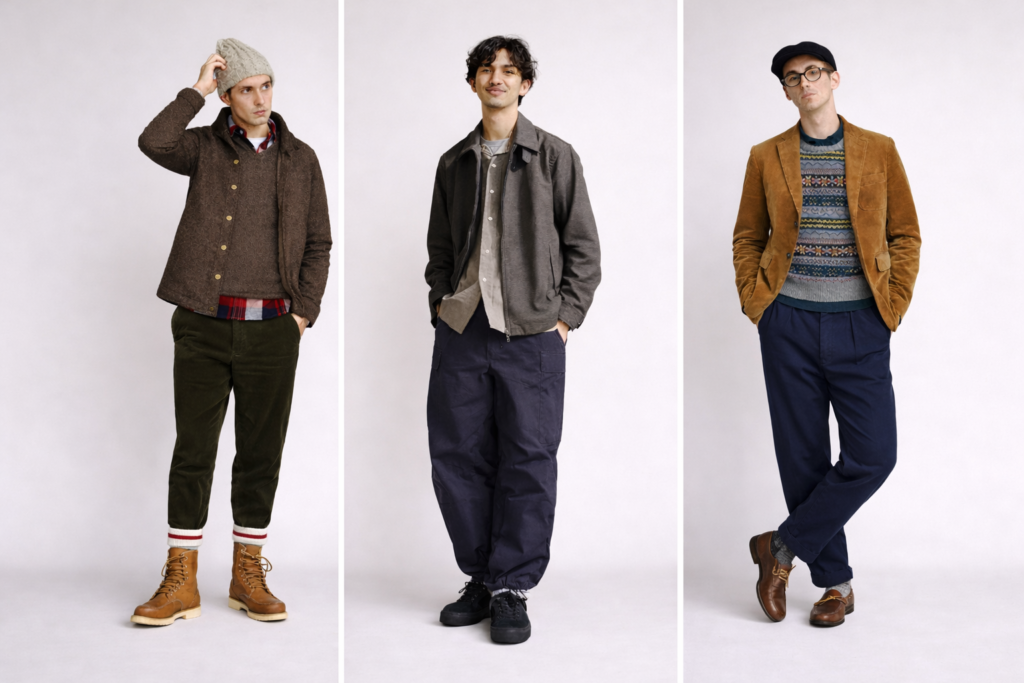
BEAMS as Cultural Infrastructure
Streetwear did not go global by numbers. It went global by system. BEAMS is one of the most significant systems in contemporary fashion. It works in the background. It does not create spectacle. It creates taste through consistency.
BEAMS was founded in Tokyo. It revolutionized the way streetwear is practiced in everyday life. It placed streetwear as a form of informed choice rather than rebellion. It placed fashion as education rather than expression. BEAMS streetwear is not about moments. It is about creating frameworks.
Origins
Japanese Retail Culture Before BEAMS
To grasp the History of BEAMS, https://www.beams.co.jp/ it is necessary to grasp the retail scene in Japan prior to 1976. The fashion retail industry in Japan was stratified. The formal wear market was at the pinnacle. The casual wear market was non-existent with no respect. The imported American clothing market appeared for no reason.
Denim was sold as fabric. Workwear was sold as utility. Sportswear was sold as a trend. There was a lack of context. There was a lack of language. There was a lack of a system. The youth culture lacked retail environments that could articulate the relationship between clothing and lifestyle.
The Founding of BEAMS (1976)
BEAMS was established in 1976 by Etsuzo Shitara. The first store was opened in Harajuku. Harajuku was not yet a fashion hub at that time. The site was significant. Harajuku was a magnet for students, artists, and trendsetters. BEAMS was in Harajuku before the world got there. The original BEAMS store was edited carefully. Every item was chosen.
Early BEAMS clothing included:
- American denim
- Ivy League inspired tailoring
- Military surplus
- Workwear staples
These were not trends. They were references. Each item represented a way of living. BEAMS did not sell clothing alone. It sold understanding.
Curation as Identity
BEAMS has been a curator since its inception. It did not produce identity by itself. Beams was edited by BEAMS. This strategy distinguished BEAMS from conventional fashion brands and new hype streetwear brands. BEAMS employees explained clothing. They explained the origin, purpose, and wearability of clothing. Buyers were taught how to wear clothing in life. This business model altered the behavior of consumers. Buying became slower. Evaluation increased. Trust was built. This trust is the basis of BEAMS streetwear expertise.
Etsuzo Shitara: Taste as Leadership
Etsuzo Shitara did not train as a designer. He trained as an observer. He learned about American campuses, cities, and everyday life. He knew that clothes were a reflection of behavior before image. Shitara thought retail should lead taste. He thought fashion should teach without arrogance. This thought influenced the BEAMS clothing philosophy. Instead of focusing on the new, BEAMS focused on consistency. This would later become a hallmark of longevity.
American Casualwear Through a Japanese Lens
BEAMS brought American casual wear to Japan with precision. It did not idealize. It translated. Ivy League fashion came with explanation. Work wear came with context. Military wear came with an understanding of function. Japanese craftsmanship added to these influences. Fit was improved. Fabric choice was refined. Construction quality was raised. This blend formed the base of Japanese streetwear culture.
Retail as Education
The BEAMS stores were learning spaces. They did not have a fast turnover of goods. The changes in the displays were slow. Music was employed to improve moods, not to overpower them. Books were sometimes displayed alongside clothing. Cultural references were everywhere in the merchandise.
This was training consumers. This was teaching patience. This was rewarding curiosity. Global brands would later adopt the same retail strategy. Concept stores. Lifestyle stores. Editorial merchandising. BEAMS had been doing this for decades.
Early Expansion and Authority
BEAMS grew slowly. New stores were similar. Careful selection continued. Education remained important.
The brand did not dilute. It did not overproduce. It maintained trust. By the time streetwear became a recognized global category, BEAMS had established itself. It did not have to make a statement.
Design
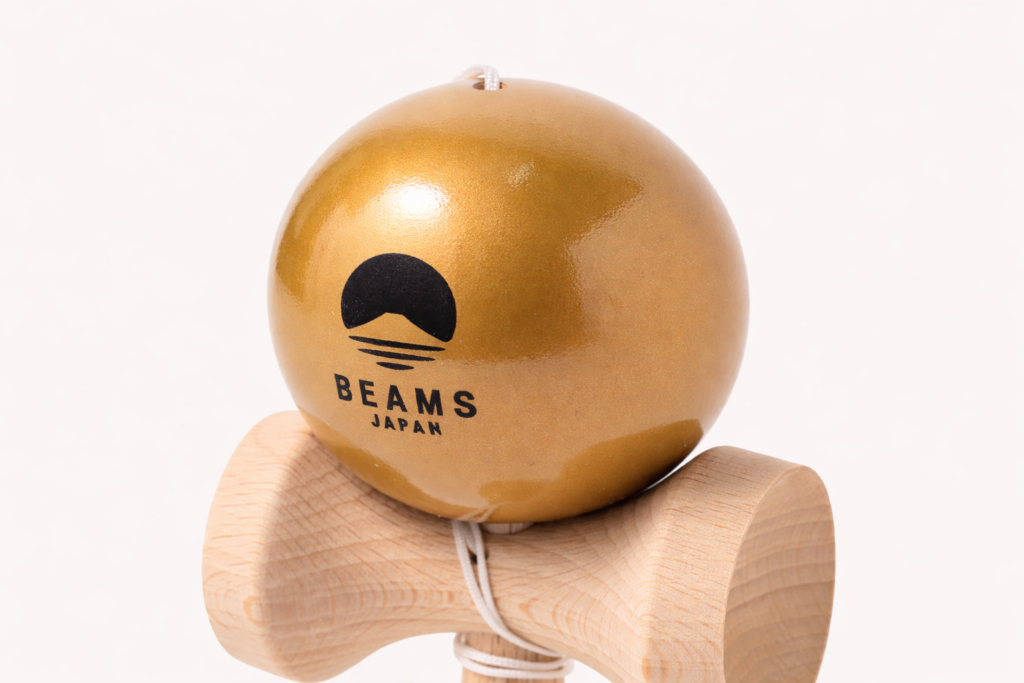
BEAMS Streetwear as a Design System
BEAMS does not behave like a typical fashion brand. BEAMS does not look for surprises every season. BEAMS does not have iconic silhouettes. BEAMS streetwear is a language of design.
This language allows various styles to coexist with the same philosophy. It promotes harmony, versatility, and timelessness. Design at BEAMS starts with functionality. Fashion has to fulfill a purpose in life. It has to flow effortlessly from work to travel to play. This philosophy drives every BEAMS collection.
Every streetwear brand starts with self-expression. Graphics are the most important aspect. Logos represent one’s personality. BEAMS turns this approach upside down. Design is understated. Personality is represented through shape, material, and styling. Understatement is not the absence of something. It is control. BEAMS understands that control is the hallmark of confidence. Confident design does not require approval. Controlled design is already approved. This philosophy drives every BEAMS collection. BEAMS employs styling to represent personality. Fashion is designed to be layered, not worn alone.
A BEAMS hoodie is intended to be tucked away underneath other clothing. The trousers balance without weighing down. The footwear is intended to merge seamlessly. This integrated design philosophy encourages layering. It encourages repetition. Customers return to add to their collections, not items. This behavior encourages brand loyalty.
BEAMS clothing is made to enable movement. Clothing is made for commuting, sitting, walking, and traveling. Pockets are well-placed. Clothing is breathable. Design encourages repetition. This singular approach removes obstacles to wearing. Clothing is utility, not fashion. Utility is what keeps long-term wearers, not fashion enthusiasts.
BEAMS promotes styling as a means of expressing identity. Clothing is made to be layered, not worn alone. A BEAMS hoodie is made to be layered under other clothing. Trousers balance without bulking. Foot
The design of BEAMS expanded streetwear to an older audience. The design of BEAMS does not include violent graphics or radical silhouettes. The design of BEAMS’ clothing is office friendly. Creative professionals find it simple to integrate into their workspace. Designers wear it without contradiction. This expansion of streetwear did not dilute the subculture. It aged it.
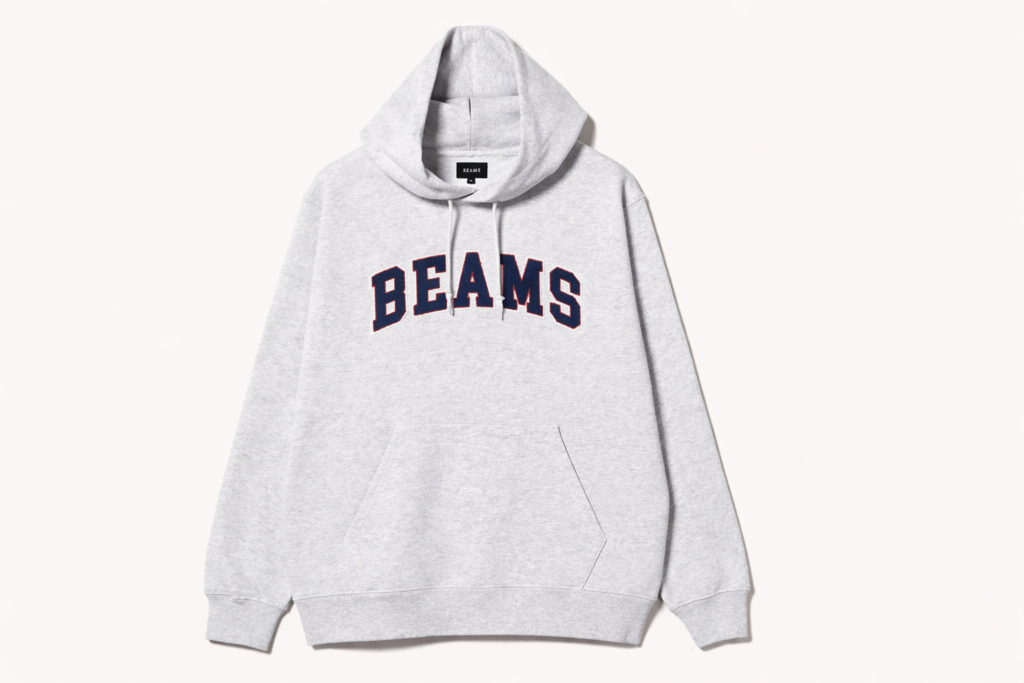
The BEAMS hoodie is an expression of this philosophy. The BEAMS hoodie does not have overt branding. It is not aggressive. Weight is evenly distributed. The design is meant for layering. It is made to last. This makes the hoodie versatile. The hoodie is essential, not fashionable.
Consistency is the key to authority. BEAMS does not change with the seasons. It refines its processes. Minor adjustments are made without disrupting the process. This is a reflection of its dependability. It delivers what is expected. What is expected is received. This is what keeps it current.
Collaborations
Collaboration as Cultural Editing
BEAMS views collaboration as curation. BEAMS does not seek notice. BEAMS chooses alignment. All collaborations start with a respect for the other’s identity. BEAMS does not overwrite. BEAMS edits. The editorial stance sets BEAMS apart from the trend-based culture of collaboration.
Nike × BEAMS
Nike and BEAMS began collaborating in the early 2000s to adapt proven Nike silhouettes into neutral, city-ready footwear focused on everyday urban movement rather than performance hype.
New Balance × BEAMS
The 2010s partnership refined heritage New Balance models through muted palettes and premium materials while preserving comfort, craftsmanship, and long-term wearability.
Adidas × BEAMS
Mid-2010s collaborations softened Adidas performance designs by reducing contrast, muting branding, and translating athletic technology into understated lifestyle sneakers.
Levi’s × BEAMS
Since the early 2000s, BEAMS has refined Levi’s denim through precise fit adjustments, controlled washes, and fabric upgrades tailored to Japanese fashion standards.
Arc’teryx × BEAMS
Late-2010s collaborations transformed Arc’teryx technical outerwear into urban-friendly garments by softening silhouettes while maintaining weather-resistant performance.
Porter × BEAMS
A long-standing Japanese partnership emphasizing durability, craftsmanship, and functional bag design with minimal branding and everyday usability.
Vans × BEAMS
2010s lifestyle releases kept classic Vans silhouettes intact while introducing subdued colorways and upgraded materials suited for daily wear beyond skate culture.
ASICS × BEAMS
As running shoes entered streetwear, BEAMS refined ASICS performance models through neutral palettes and comfort-driven design for global urban audiences.
Patagonia × BEAMS
Late-2010s collaborations merged Patagonia’s sustainability standards with BEAMS’ urban sizing and layering to create responsible, long-lasting outerwear.
Why These Collaborations Matter
Each partnership had one rule. Respect the original product. BEAMS never pursued spectacle. It curated improvement. This is why BEAMS remains relevant in the global streetwear culture.
BEAMS collaborations are lasting because they are aligned. They respect product identity, improve functionality, and are integrated into wardrobes. Consistency maintains BEAMS dominance.
Culture
BEAMS as Cultural Authority
BEAMS does not affect culture by dominance. BEAMS affects culture by consistency. Street fashion culture has a tendency to accelerate towards visibility. BEAMS has the opposite tendency. It stabilizes taste. It refines behavior.
When Japanese fashion entered the global market, BEAMS was a part of this phenomenon. BEAMS exported selection, not excess. The clothing came with an explanation. The fit came with intention. The design came with restraint. This defined the global perception of Japanese fashion.
Influence Without Aggression
BEAMS influence spreads quietly. Designers reference it without imitation. Retailers study it without copying. Consumers trust it without obsession. This subtle influence protects credibility.
Market Positioning
BEAMS occupies a rare position:
- Between luxury and casual
- Between streetwear and tailoring
- Between youth culture and adulthood
It does not pursue luxury pricing. It pursues informed value. - BEAMS made streetwear mainstream for adults. Fit is suitable for professional settings. It promotes maturity in design. It furthered streetwear into lifestyle wear without becoming irrelevant.
- Trust is the key to its influence. BEAMS maintains trust through repetition, reliability, and respect.
Timeline: BEAMS Brand Evolution
| Year | Milestone |
| 1976 | BEAMS founded in Harajuku, Tokyo. Established as a curated select shop introducing American casual fashion to Japan, shaping early Japanese street style culture. |
| 1998 | Introduction of BEAMS Boy. Expanded into youth-driven streetwear with relaxed silhouettes, gender-fluid styling, and everyday wearability. |
| 1999 | Launch of BEAMS Plus. Focused on heritage menswear inspired by classic American workwear, Ivy League style, and timeless craftsmanship. |
| 2000 | Global recognition grows. BEAMS became a gateway for Japanese streetwear and select-shop culture to international fashion audiences. |
| 2001 | Nike collaboration begins. Marked BEAMS’ strategic entry into sneaker culture, adapting performance footwear into neutral, urban-ready designs. |
| 2010 | Arc’teryx and Porter collaborations. Expanded into technical outerwear and craftsmanship-led accessories, blending function with city aesthetics. |
| 2015 | Sustainability initiatives introduced. Increased focus on responsible sourcing, long-lasting design, and conscious production practices. |
| 2016 | Adidas collaboration. Footwear partnerships centered on comfort, heritage silhouettes, and understated color palettes. |
| 2019 | Levi’s collaboration. One of BEAMS’ first major cross-cultural projects, refining denim fits and washes for the Japanese market. |
| 2023 | Physical and digital retail integration. Enhanced in-store experiences with curated exhibitions and lifestyle-driven shopping environments. |
| 2025 | BEAMS positioned as a global authority. Recognized for blending legacy, streetwear, and contemporary fashion while maintaining cultural relevance. |
BEAMS in 2025
BEAMS in 2025 maintains a balance between consistency and quiet evolution. Global expansion is in progress. Physical stores are the backbone of education. Digital platforms are an extension of the story of culture. No hype. All projects are strategic. Longevity is the key to all decisions.
Sustainability is a part of the business model. Sourcing is sustainable. Waste is reduced to zero. Materials are long-lasting.
BEAMS maintains its philosophy of quality over quantity.
Expansion in the US, Europe, and Asia is measured. Stores maintain the philosophy of curation. The collection changes locally without losing identity.
Digital Integration
Online platforms provide context for collaborations and seasonal collections. Social media amplifies storytelling without replacing education.
Future Collections
Blends:
- Streetwear
- Workwear
- Tailoring
- Lifestyle design
Cross-generational appeal remains.
Sneakers and Footwear Strategy
Collaborations with Nike, New Balance, and Arc’teryx are ongoing. Neutral colorways, practical materials, and discreet branding are the hallmarks. Longevity over hype.
Market Positioning in 2025
BEAMS is informationally luxurious, culturally authoritative, and relevant across time.
Future Vision
- Consistency over novelty
- Sustainability as standard
- Digital amplification without dilution
- Global expansion rooted in curation
BEAMS is a cultural institution, not just a streetwear brand.
Conclusion
BEAMS did not redefine streetwear through spectacle. It redefined it through structure, curation, and discipline. Fashion is successful because it understands context, history, and the wearer. It teaches without lecturing. It grows old without looking dated. BEAMS proves that streetwear can grow old without looking dated. Curation is as important as creation. In 2026, BEAMS is still the global leader. Its quiet confidence is its strength.
Frequently Asked Questions About BEAMS
1. What is BEAMS streetwear known for?
BEAMS streetwear is recognized for its careful curation and attention to detail.
It balances style and functionality across generations.
2. Is BEAMS a luxury brand?
BEAMS is premium in taste and quality rather than price.
It focuses on informed selection rather than high-end exclusivity.
3. Where did BEAMS start?
BEAMS began in Harajuku, Tokyo in 1976.
It introduced curated American casualwear to Japanese consumers.
4. What makes BEAMS hoodies different?
BEAMS hoodies prioritize fabric quality and practical fit.
They are designed for layering, long-term wear, and daily comfort.
5. Are BEAMS collaborations limited?
Some collaborations are released in limited quantities.
However, alignment with BEAMS philosophy and wearability is always primary.
6. Is BEAMS popular outside Japan?
Yes, BEAMS has grown globally through stores and partnerships.
Its collaborations and curated approach attract international audiences.
7. What is BEAMS Plus?
BEAMS Plus is the heritage American menswear line of the brand.
It blends classic Ivy League style with Japanese refinement and tailoring.
8. How does BEAMS fit compare?
BEAMS clothing features relaxed and adaptable fits for daily life.
It avoids extremes while maintaining style and long-term wearability.
9. Are BEAMS sneakers collectible?
Certain BEAMS sneaker collaborations become sought after.
Wearability and subtlety are prioritized over hype-driven design.
10. Does BEAMS focus on sustainability?
Yes, the brand emphasizes responsible materials and sourcing.
Production transparency and durability guide its sustainable practices.
11. Why is BEAMS respected globally?
BEAMS maintains authority through consistent curation and quality.
Its influence is recognized by designers, retailers, and consumers worldwide.
12. What brands collaborate with BEAMS?
Key collaborators include Nike, New Balance, Levi’s, Porter, and Adidas.
Other partners like Arc’teryx, Vans, Asics, and Patagonia reflect shared values.
13. Is BEAMS relevant in 2025?
Yes, BEAMS remains culturally and commercially relevant.
Its curation-led system ensures longevity and influence in global streetwear.
14. What defines BEAMS design philosophy?
BEAMS emphasizes balance, longevity, and context-aware styling.
Logos and graphics are restrained to focus on proportion, fit, and fabric.
15. How does BEAMS differ from hype brands?
BEAMS prioritizes trust, consistency, and editorial curation over hype.
It builds influence through structure and education rather than shock value.
For collaborations, press, or inquiries, contact us at streeticonic1@gmail.com.