
Style Guides
How to Style Cargo Pants for Streetwear in 2026

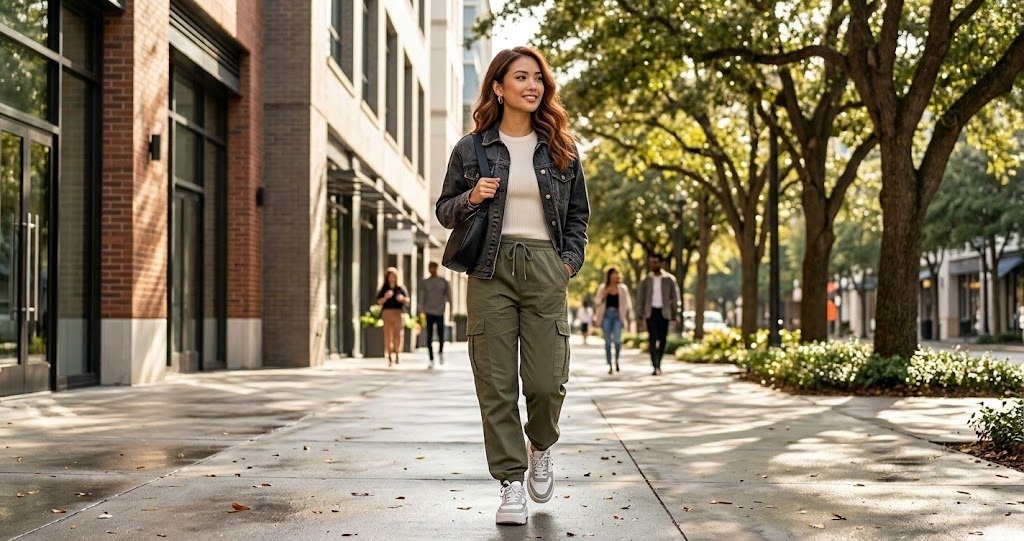
How to Style Cargo Pants for Streetwear in 2026 starts with one simple idea: let the pants have visual weight, then build the rest of the outfit around them. The best looks balance the relaxed shape of cargo pants with clean tops, suitable footwear, and a controlled color palette.
Cargo pants have moved well beyond their military and workwear origins. In 2026, they appear in relaxed streetwear, Y2K inspired outfits, utility looks, minimalist wardrobes, and elevated casual styling. Recent fashion guides also show a shift toward more intentional proportions instead of simply wearing oversized pieces from head to toe.
The biggest mistake is treating every pair of cargos the same. A wide parachute cargo needs a different top and shoe from a slim tapered pair. Pocket size, fabric weight, rise, color, and hem length all affect the final outfit.
This guide breaks down exactly how to wear cargo pants in 2026, including the best tops, shoes, colors, fits, layers, outfit formulas, and common mistakes.
Why Cargo Pants Are Still in Style in 2026
Yes, cargo pants are still stylish in 2026. What has changed is how they are styled.
The oversized, low rise, pocket heavy look associated with early 2000s fashion is no longer the only option. Current styling puts more attention on proportion, fabric, pocket placement, and overall silhouette. MONFRÈRE, for example, highlights cleaner tapered and straight cuts, while other 2026 guides emphasize balancing wider cargo pants with more controlled pieces above the waist.
The continued popularity of utility inspired clothing also keeps cargo pants relevant. Project X Paris describes cargo pants as a key piece connecting utility fashion and contemporary streetwear, while modern versions increasingly use different cuts and materials.
For 2026, think of cargo pants as a styling foundation, not a costume piece.
What Makes Modern Cargo Pants Different?
Look for:
- Relaxed straight or slightly tapered legs
- Practical but controlled pocket designs
- Cotton, twill, ripstop, or technical fabrics
- Neutral colors such as black, olive, khaki, stone, and navy
- A rise that sits comfortably without excessive stacking
- A hem that works with your chosen sneakers or boots
The goal is intentional volume. Baggy is fine. Sloppy is not.
How to Style Cargo Pants for Streetwear in 2026
The easiest way to style cargo pants is to decide which element should dominate the outfit.
If the pants are extremely wide, keep the upper half cleaner. If the pants are slim or tapered, you have more room to experiment with an oversized hoodie or jacket.
Here are the most reliable outfit formulas for 2026.
1. Cargo Pants + Heavyweight T Shirt
This is the easiest starting point.
Choose olive, black, khaki, or stone cargo pants and pair them with a plain heavyweight T shirt. Finish with sneakers and a small number of accessories.
Try:
- Olive cargo pants
- White or washed gray T shirt
- White low profile sneakers
- Simple watch or cap
The clean top gives the cargo pockets room to stand out without making the outfit look overloaded.
For warmer American climates, this combination is especially practical because it keeps the outfit simple without losing the streetwear aesthetic.
2. Cargo Pants + Oversized Hoodie
An oversized hoodie creates a relaxed streetwear look, but proportions matter.
If your cargo pants are already extremely wide, avoid pairing them with an enormous hoodie that extends far below the hips. A slightly oversized or boxy hoodie usually gives you enough volume without turning the entire outfit into one large shape.
Good combinations include:
- Black cargos + gray hoodie
- Olive cargos + cream hoodie
- Stone cargos + navy hoodie
- Dark cargos + washed graphic hoodie
Keep the graphics controlled when the pants already have large pockets or hardware.
3. Cargo Pants + Cropped or Shorter Jacket
A shorter jacket can create strong proportions with relaxed cargo pants.
Try a bomber, coach jacket, denim jacket, or lightweight utility jacket that finishes around the waist or upper hip.
This works because the shorter outer layer visually separates the upper body from the longer leg line.
4. Cargo Pants + Overshirt
For transitional weather, an overshirt is one of the easiest layers to use.
Wear a plain T shirt underneath, leave the overshirt open, and choose cargo pants in a contrasting or tonal shade.
For example:
Stone cargo pants + white T shirt + olive overshirt + black sneakers
The outfit feels layered without becoming visually complicated.
5. Monochrome Cargo Outfit
A monochrome outfit makes cargo pants look more refined.
Try:
- Black cargos
- Black heavyweight T shirt
- Black bomber
- Black sneakers
Or use softer neutrals:
- Stone cargos
- Cream T shirt
- Beige overshirt
- Off white sneakers
The pockets remain visible because the texture changes even when the colors are similar.
6. Cargo Pants + Statement Graphic Tee
If you want a stronger streetwear look, let the T shirt provide the statement.
The key is restraint elsewhere.
Use one strong graphic, then keep your shoes and accessories relatively simple. This prevents the outfit from becoming a collection of unrelated focal points.
What Tops Look Best With Cargo Pants?
The best top depends on the volume of the cargo pants.
Fitted T Shirts
A fitted or moderately fitted T shirt works especially well with wide cargos because it creates contrast.
This does not mean wearing an extremely tight shirt. A clean crewneck that follows the body without clinging is enough.
Boxy T Shirts
Boxy heavyweight T shirts are excellent for modern streetwear. Choose a length that does not completely cover the waistband and upper pocket area.
Hoodies
Hoodies are ideal for casual streetwear. With wide cargos, choose a hoodie that has structure rather than an extremely long, heavy silhouette.
Jackets and Overshirts
Shorter bombers, coach jackets, denim jackets, and structured overshirts can add shape without competing with the cargo pockets.
Button Down Shirts
A clean button down shirt can move cargo pants toward smart casual territory. This works best with black, navy, stone, or dark olive cargos that have relatively discreet pockets.
What Shoes Should You Wear With Cargo Pants?
Footwear can completely change the personality of cargo pants.
A useful rule is simple:
Wide cargos need shoes with enough visual weight to support the hem. Tapered cargos can handle cleaner, lower profile footwear.
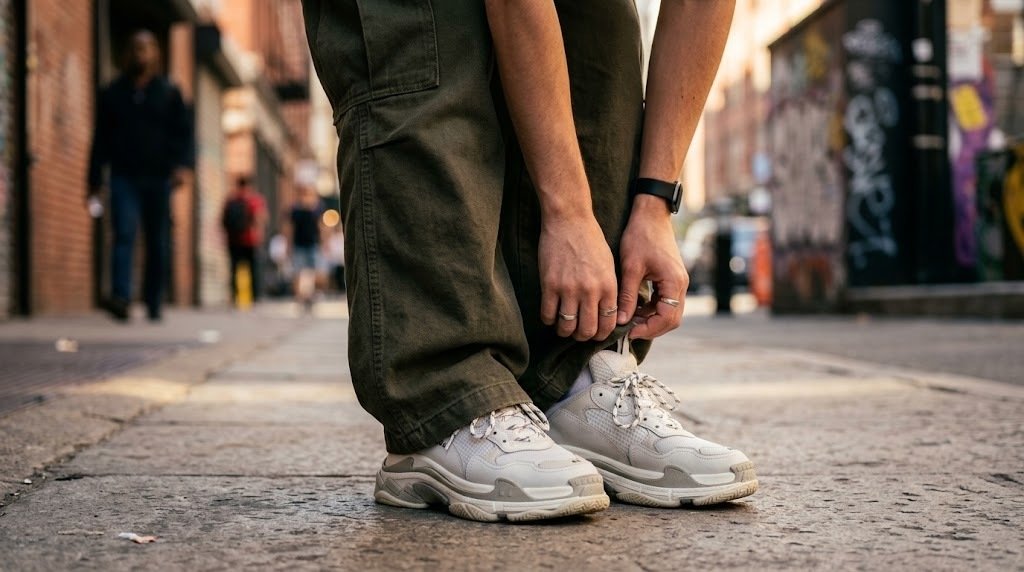
Sneakers
Low profile sneakers are an easy choice for straight and tapered cargo pants.
For wider legs, chunkier sneakers can prevent the pants from visually overpowering the feet.
Skate Shoes
Skate inspired shoes work naturally with streetwear cargos, particularly with relaxed or baggy silhouettes.
Keep the rest of the outfit relatively clean if the shoes have a strong shape or graphic design.
Boots
Boots add structure and work particularly well during fall and winter.
Black boots with black or olive cargos create a streamlined look. Brown or tan boots can provide contrast with khaki or stone pants.
Avoid the Wrong Shoe Weight
A very slim dress shoe can look disconnected from extremely wide cargo pants. On the other hand, a huge sneaker can overwhelm a tapered pair.
Think about the entire silhouette from the waist down rather than choosing shoes separately.
Which Cargo Pants Colors Are Best in 2026?
Color affects how noticeable the pockets and construction will be.
Black Cargo Pants
Black is probably the easiest choice for a versatile streetwear wardrobe.
It works with:
- White
- Gray
- Cream
- Red accents
- Blue
- Black
- Olive
Black also makes pocket details less visually prominent.
Olive Cargo Pants
Olive remains one of the most recognizable utility colors and works particularly well with white, cream, black, gray, and navy.
If you are buying your first pair, olive is an excellent starting point.
Khaki and Stone
Khaki and stone create a lighter, more contemporary appearance.
They work especially well during spring and summer with white T shirts, cream layers, and clean sneakers.
Navy Cargo Pants
Navy offers an alternative to black while remaining easy to style. Pair it with white, gray, beige, or muted green.
Camouflage Cargo Pants
Camo can work for Y2K and bold streetwear outfits, but it already has a strong visual identity.
Keep the rest of the outfit simple. A plain black hoodie and understated sneakers can be enough.
How Should Cargo Pants Fit in 2026?
Fit is more important than the brand name.
Current styling covers everything from tapered cargos to wide leg and parachute inspired silhouettes. The important thing is knowing what the shape is doing to your outfit.
Straight Leg
Straight cargo pants are versatile and easy to style. They work with T shirts, hoodies, jackets, and sneakers.
Tapered Cargo Pants
Tapered cargos create a cleaner line toward the ankle. They are useful when you want the utility aesthetic without excessive volume.
Wide Leg Cargo Pants
Wide cargos make a stronger streetwear statement. Balance them with a shorter or cleaner top and footwear with enough visual weight.
Parachute Cargo Pants
Parachute styles create dramatic volume and are best treated as the main statement of the outfit.
Do not add too many competing oversized pieces.
Fabric Matters More Than Most People Think
Cargo pants can look completely different depending on their material.
Cotton twill can create a clean everyday appearance. Ripstop gives a more rugged utility feeling. Lightweight technical fabric can create a modern, sporty effect.
Fabric weight also affects how pockets sit and how the leg drapes. One 2026 menswear guide recommends looking at GSM as a buying factor, with 240 to 280 GSM presented as a useful range for structured, versatile cargo pants. Treat that as a shopping reference rather than a universal rule because climate, fabric composition, and construction also matter.
For hot US summers, lighter fabrics can be more comfortable. For fall and winter streetwear, heavier cotton or technical fabrics can hold a stronger silhouette.
A Simple 70/30 Rule for Cargo Streetwear
One useful styling framework is the 70/30 color rule.
Use one dominant neutral across roughly 70 percent of the outfit, then introduce one secondary color or accent across the remaining 30 percent.
For example:
70 percent: black cargo pants, black jacket, black sneakers
30 percent: cream T shirt and silver accessories
Or:
70 percent: olive cargos, white sneakers, cream hoodie
30 percent: burgundy cap
This keeps the outfit visually focused without making it boring. A similar color and fabric balance approach has also been highlighted in recent 2026 cargo styling coverage.
What Not to Wear With Cargo Pants
Knowing what to avoid can save more time than memorizing outfit formulas.
Avoid Too Many Utility Details
If your cargos already have multiple pockets, straps, zippers, and drawcords, do not add five more utility accessories.
Let the pants make the statement.
Do Not Overfill the Pockets
This is one of the most practical rules.
Stuffing phones, wallets, keys, and other objects into every pocket changes the shape of the pants. The pockets become bulky and can distort the leg line.
Use a bag when you need to carry more.
Avoid Random Proportions
A long oversized hoodie with extremely wide cargos and oversized shoes can make the entire outfit look shapeless.
At least one part of the silhouette should provide structure.
Do Not Mix Too Many Loud Graphics
Cargo pants already contain visual detail. Add one strong graphic rather than combining a loud shirt, loud jacket, loud shoes, and printed cargos.
Three Easy Cargo Pants Outfits to Try This Week
If you want something practical, start here.
Outfit 1: Everyday Streetwear
Olive straight cargo pants + white heavyweight T shirt + black cap + white sneakers.
Outfit 2: Relaxed Weekend
Black wide cargo pants + gray boxy hoodie + chunky sneakers + simple crossbody bag.
Outfit 3: Clean Fall Streetwear
Stone tapered cargo pants + cream knit + dark bomber jacket + black boots.
These formulas are deliberately simple. The point is to create an outfit that looks intentional without requiring a completely new wardrobe.
Original Styling Insight: Start With the Hem, Not the Top
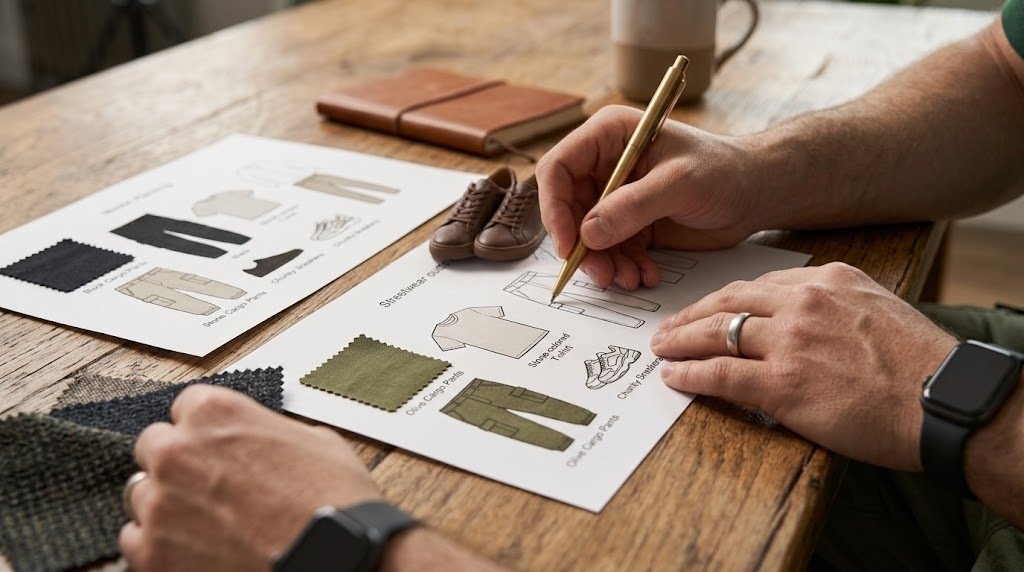
After reviewing multiple 2026 cargo guides, one useful difference becomes clear: many styling discussions start with the shirt. A better practical approach is to start at the bottom.
Put on the cargo pants and shoes first.
Then look at the hem.
If the pants stack heavily over a low profile sneaker, try a chunkier shoe. If the hem already sits cleanly above the shoe, do not add unnecessary bulk. Once the lower silhouette works, choose the top based on the pants’ volume.
This takes about 30 seconds and can prevent the most common proportion problem: trying to fix an outfit with a different shirt when the real issue is the relationship between the pants and shoes.
That is especially useful when switching between tapered, straight, and wide leg cargos.
Are Cargo Pants Appropriate for Smart Casual Outfits?
They can be, but not every pair qualifies.
Choose:
- Black, navy, dark olive, or stone
- Minimal pocket construction
- Straight or tapered fit
- Clean button down or knit
- Leather sneakers or simple boots
Avoid heavily distressed fabric, excessive pockets, camouflage, and oversized proportions when dressing for a polished setting.
For traditional business environments, regular trousers or chinos remain safer.
Final Thoughts
Cargo pants remain one of the most flexible pieces in streetwear for 2026. The difference between a dated cargo outfit and a modern one usually comes down to proportion, not whether the pants themselves are trendy.
Choose the silhouette first. Match your shoes to the hem. Keep the top controlled when the pants are wide. Use neutral colors when you want versatility, and let stronger colors or graphics become deliberate accents.
The best cargo outfits do not look complicated. They look like every piece has a reason to be there.
If you are building a streetwear wardrobe this year, start with one versatile pair in black, olive, or stone. Once you understand how that silhouette works with your existing sneakers and tops, you can move into wider, technical, printed, or parachute styles with much more confidence.
FAQ Section
Are cargo pants still in style in 2026?
Yes. Cargo pants remain popular in 2026, but modern styling focuses more on proportion, cleaner silhouettes, useful pocket placement, and versatile colors than the oversized pocket heavy looks associated with the early 2000s.
What tops look best with cargo pants?
Heavyweight T shirts, clean crewnecks, hoodies, cropped jackets, overshirts, and simple button down shirts all work well. Choose the top according to the volume of the pants. Wider cargos usually benefit from a cleaner or shorter upper layer.
What shoes should I wear with cargo pants?
Sneakers are the easiest option. Low profile sneakers work well with tapered cargos, while chunkier sneakers can balance wide leg styles. Boots are another strong option for fall and winter outfits.
What color cargo pants should I buy first?
Black, olive, and khaki are the easiest starting colors. Black offers maximum versatility, while olive gives a classic utility streetwear appearance. Stone and beige are excellent choices when you want a lighter look.
Should cargo pants be baggy or fitted in 2026?
Both can work. Straight and slightly tapered fits are versatile, while wide and parachute styles create a stronger streetwear statement. The important factor is proportion between the pants, top, and footwear.
Can you wear cargo pants for smart casual outfits?
Yes, if the cargo pants have a clean construction and restrained pocket design. Black, navy, dark olive, and stone work especially well with button down shirts, knit tops, clean sneakers, or simple leather footwear.
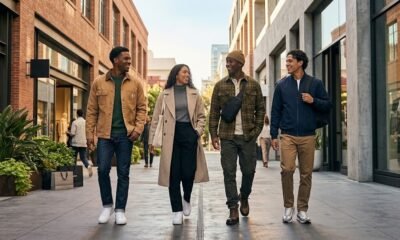









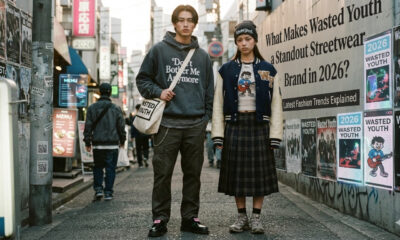

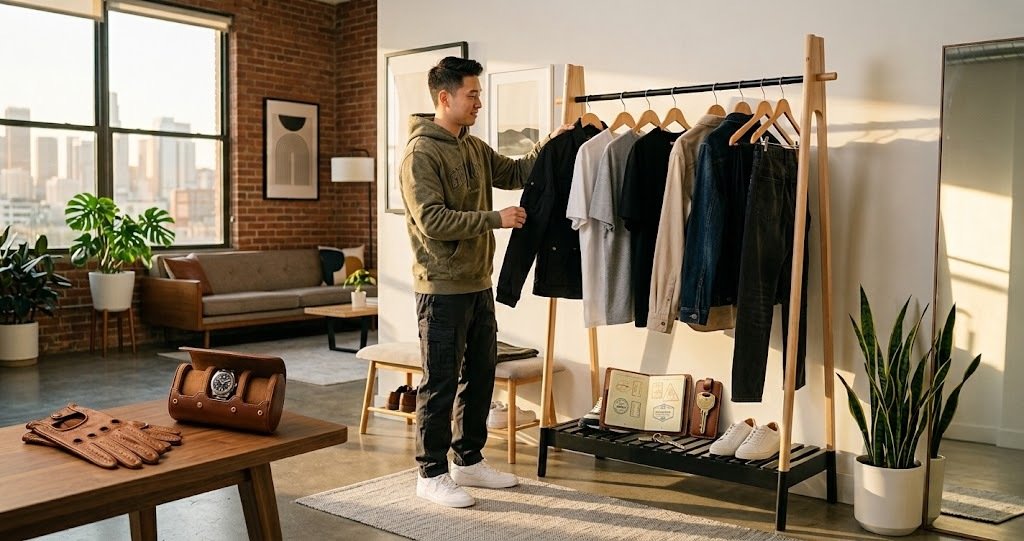
How to Build a Capsule Streetwear Wardrobe starts with one simple idea: buy fewer pieces that work harder together. Instead of filling your closet with every trend, build a compact rotation of reliable basics, strong silhouettes, versatile footwear, and a few pieces that show your personality.
A good capsule streetwear wardrobe should not feel boring or restrictive. That is where many traditional capsule wardrobe guides miss the point. Streetwear depends heavily on proportion, layering, graphics, footwear, texture, and personal expression.
The goal is not to own exactly 20 or 30 pieces. The goal is to make almost everything in your closet useful.
Start with a neutral color foundation, choose 2 to 3 dependable bottoms, 5 to 7 versatile tops, 2 to 3 layers, 2 to 3 pairs of shoes, and one or two statement pieces. Then test your combinations before buying anything else.

What Is a Capsule Streetwear Wardrobe?
A capsule streetwear wardrobe is a deliberately limited collection of clothing designed to create many outfits from relatively few pieces.
Traditional capsule wardrobes often focus on timeless basics. Streetwear adds another dimension: personality.
That means your capsule can include:
- Oversized or relaxed T shirts
- Hoodies and crewnecks
- Cargo or work pants
- Straight or relaxed denim
- Lightweight jackets
- A warmer seasonal jacket
- Sneakers
- Caps and bags
- Jewelry
- One or two statement pieces
The important part is compatibility.
A graphic hoodie that only works with one pair of pants is not particularly useful in a capsule. A hoodie that works with denim, cargos, and relaxed trousers gives you far more styling options.
The Sole Supplier similarly emphasizes interchangeable pieces, neutral colors, versatile layers, and footwear as the foundation of a streetwear capsule.
How to Build a Capsule Streetwear Wardrobe Step by Step
1. Define Your Streetwear Style First
Before buying clothes, identify what kind of streetwear you actually wear.
Streetwear is broad. Your wardrobe might lean toward:
- Minimalist streetwear
- Skate inspired outfits
- Workwear streetwear
- Athletic streetwear
- Vintage streetwear
- Techwear influenced looks
- Luxury streetwear
- Y2K inspired outfits
You do not need to choose only one category.
Instead, identify your common visual language.
For example, you might prefer:
Colors: black, charcoal, cream, olive and faded blue
Fit: relaxed tops with straight or wide pants
Shoes: low profile sneakers and retro runners
Graphics: small logos and occasional bold prints
Outerwear: workwear jackets and lightweight technical layers
That description becomes your buying filter.
If a new item does not fit your preferred colors, proportions, or lifestyle, you have a reason to leave it behind.
2. Choose a Simple Color Palette
Color coordination is one of the easiest ways to make a small wardrobe feel much larger.
Start with two or three core neutrals.
Good choices include:
- Black
- White
- Grey
- Navy
- Cream
- Brown
- Olive
- Khaki
Then introduce one accent color if you want more personality.
For example:
Core: black, grey and cream
Accent: burgundy
Or:
Core: navy, white and olive
Accent: faded red
You do not need every item to be neutral. A capsule works better when your foundation is easy to combine and your standout colors are intentional.
Traditional capsule wardrobe guides also emphasize neutral colors because they make more combinations possible.
3. Build Your T Shirt Rotation
T shirts are the foundation of most casual streetwear outfits.
A practical starting point is around five to seven shirts.
Try a combination such as:
- 2 black T shirts
- 1 white T shirt
- 1 grey or heather T shirt
- 1 cream or off white T shirt
- 1 graphic T shirt
- 1 seasonal or experimental T shirt
Focus on fit before branding.
A slightly oversized shirt can create a completely different silhouette from a regular fit shirt even when both are the same color.
Look for:
- Comfortable shoulder width
- Appropriate body length
- Fabric that holds its shape
- A neckline that does not collapse quickly
- A fit that works underneath your outer layers
The best T shirt is not necessarily the most expensive one. It is the one you repeatedly reach for.
4. Add Hoodies, Crewnecks and Overshirts
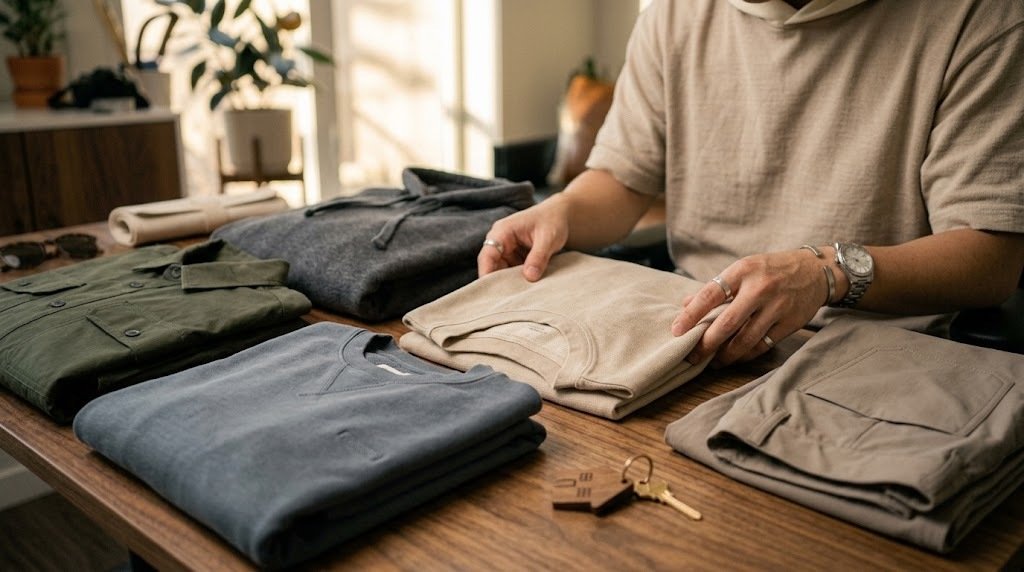
Your middle layers create much of the visual identity of a capsule streetwear wardrobe.
A strong starting combination is:
One hoodie + one crewneck + one overshirt.
For example:
- Black heavyweight hoodie
- Grey crewneck sweatshirt
- Olive overshirt
This gives you three different silhouettes without creating unnecessary duplication.
You can also replace the overshirt with a zip hoodie, cardigan, fleece or knit depending on your climate and style.
The key is to avoid owning five versions of the same layer unless you genuinely wear them.
The Sole Supplier recommends hoodies, crewnecks and overshirts as major upper layers, while other capsule guides emphasize versatility and interchangeable construction.
5. Choose 3 Core Bottoms
Your pants determine the proportions of your outfit, so do not treat them as an afterthought.
A useful three piece starting point is:
1. Relaxed denim
Choose a medium, dark or faded wash depending on your wardrobe.
2. Cargo or work pants
Olive, black, brown or charcoal works well.
3. Straight or relaxed trousers
These give your wardrobe a cleaner option and help balance oversized tops.
You can adjust the formula based on your lifestyle.
If you live in denim, own two different jeans and one cargo. If cargos are your everyday choice, reverse the ratio.
The important thing is silhouette variety.
Three pairs of pants that all fit exactly the same way will not give you much visual variety.
6. Build Around Two or Three Jackets
Outerwear can transform a simple outfit, which makes it especially valuable in streetwear.
For a flexible US wardrobe, consider:
Light layer: coach jacket, overshirt, denim jacket, bomber or windbreaker.
Cold weather layer: puffer, parka, insulated workwear jacket or wool coat.
Optional statement layer: varsity jacket, technical shell, leather jacket or distinctive workwear piece.
Your local climate matters here.
Someone in Los Angeles may get more value from lightweight jackets and overshirts. Someone in Chicago or Minneapolis needs serious winter outerwear. Someone in the Pacific Northwest may prioritize water resistant layers.
Do not copy another person’s capsule exactly. Build around the weather you actually experience.
MR PORTER’s recent capsule guide also highlights lightweight jackets as versatile seasonal layers, alongside sneakers, jeans and other adaptable staples.
What Shoes Should Be in a Capsule Streetwear Wardrobe?
Shoes can change the entire character of an outfit, so a capsule streetwear rotation should include different functions rather than several nearly identical sneakers.
A useful three shoe rotation is:
Everyday Sneakers
Choose a pair that works with most of your pants.
White, black, grey or neutral sneakers are usually easy starting points.
Statement or Retro Sneakers
This is where you can introduce more personality.
Think about:
- Retro running silhouettes
- Basketball inspired sneakers
- Skate shoes
- Chunkier sneakers
- Distinctive color combinations
Boots, Loafers or Comfortable Casual Shoes
The third category depends on your lifestyle.
Boots work well with workwear and winter outfits. Loafers can give streetwear a more polished direction. Comfortable runners can be useful if you spend most of your day walking.
The important rule is simple:
Do not buy shoes only because they look good alone. Buy shoes that complete multiple outfits you already own.
How Many Pieces Should a Capsule Streetwear Wardrobe Have?
There is no universal number.
A useful starting point for a single season is around 20 to 30 clothing and footwear pieces, excluding underwear, sleepwear and specialized sportswear.
For example:
| Category | Starting Amount |
|---|---|
| T shirts | 5 to 7 |
| Hoodies and sweatshirts | 2 to 3 |
| Overshirts or mid layers | 1 to 2 |
| Pants | 3 |
| Jackets | 2 |
| Sneakers and shoes | 2 to 3 |
| Accessories | 3 to 5 |
Think of this as a framework, not a rule.
If you wash clothes frequently, you may need fewer T shirts. If you work outdoors, you may need additional layers. If you live somewhere with four distinct seasons, you may rotate seasonal capsules.
A capsule should fit your life, not the other way around.
How to Keep Capsule Streetwear From Getting Boring
This is the biggest weakness of many minimalist wardrobe approaches.
If every item is black, grey or white and every silhouette is basic, your wardrobe can become predictable.
The solution is not to buy more clothes.
The solution is to create controlled variety.
Use the 80/20 Rule
A useful personal rule is:
80% versatile pieces + 20% personality pieces.
Your versatile pieces might include:
- Plain T shirts
- Relaxed denim
- Cargo pants
- Neutral hoodies
- Simple sneakers
- Basic jackets
Your personality pieces could include:
- Graphic hoodie
- Vintage jacket
- Bold sneaker
- Distinctive bag
- Interesting knit
- Statement accessory
This approach keeps your wardrobe practical without making it lifeless.
Interestingly, an old streetwear community discussion reached a similar conclusion: use simple interchangeable pieces as the foundation and allow a smaller number of louder or unusual pieces to provide personality.
Change the Silhouette
You can make the same clothes feel different by changing proportions.
Try:
Oversized hoodie + straight denim + slim sneaker
Then:
Fitted T shirt + wide cargo pants + chunky sneaker
Then:
Cropped jacket + relaxed trousers + low profile sneaker
The garments can remain almost identical while the visual balance changes.
This is one of the most effective ways to expand outfit possibilities without expanding your closet.
Use Texture Instead of More Color
If you prefer a neutral wardrobe, add interest through materials.
Try combining:
- Washed denim
- Heavy cotton
- Nylon
- Fleece
- Corduroy
- Wool
- Leather
A black cotton hoodie and black nylon jacket can look completely different even though both are black.
How to Shop for a Capsule Streetwear Wardrobe
The smartest capsule wardrobes are built slowly.
Do not attempt to purchase everything in one weekend.
Start with your biggest wardrobe gap.
For example:
Problem: You own plenty of T shirts but have nothing suitable for cold evenings.
Purchase: A versatile jacket.
Or:
Problem: Your outfits all use the same black jeans.
Purchase: Relaxed olive cargos.
Or:
Problem: Your wardrobe feels too basic.
Purchase: One statement piece instead of five random trend items.
MEXESS makes a similar point in its capsule guidance: build gradually, wear the initial pieces, identify what is actually missing, and then make the next purchase.
Use the Three Outfit Test
Before buying an item, try to create at least three outfits using clothes you already own.
For example, a new olive overshirt should work with:
- White T shirt + black cargos + sneakers
- Grey hoodie + blue denim + sneakers
- Black T shirt + cream trousers + boots
If you cannot create three convincing outfits, pause before buying.
This is one of the simplest ways to prevent a capsule wardrobe from turning into a collection of isolated outfits.
Think Cost Per Wear
A $150 jacket worn 75 times costs about $2 per wear.
A $50 jacket worn twice costs $25 per wear.
Price still matters, but purchase value should be judged by how often a garment will realistically enter your rotation.
Quality also matters, especially for frequently worn basics. Look at fabric weight, stitching, construction, hardware, fit and care requirements rather than relying only on the brand name.
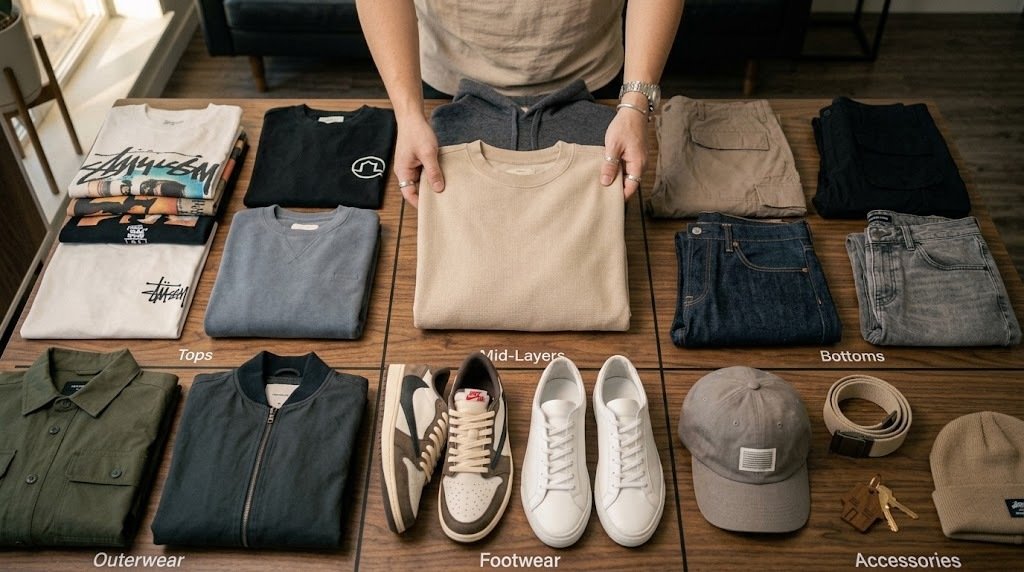
A Sample 25 Piece Capsule Streetwear Wardrobe
Here is a practical example you can adapt.
Tops
- 2 black T shirts
- 1 white T shirt
- 1 grey T shirt
- 1 cream T shirt
- 1 graphic T shirt
- 1 long sleeve T shirt
Middle Layers
- 1 black hoodie
- 1 grey crewneck
- 1 olive overshirt
Bottoms
- 1 relaxed blue denim
- 1 black denim
- 1 olive cargo pant
- 1 charcoal relaxed trouser
Outerwear
- 1 lightweight jacket
- 1 warm winter jacket
Footwear
- 1 everyday neutral sneaker
- 1 statement sneaker
- 1 boot or loafer
Accessories
- 1 baseball cap
- 1 crossbody or shoulder bag
- 1 simple chain
- 1 belt
That gives you a compact wardrobe with enough variation for casual days, social plans, colder weather and more polished streetwear combinations.
How to Make a Capsule Streetwear Wardrobe Work Year Round
Instead of replacing your entire closet every season, rotate a few pieces.
Spring
Prioritize:
- Lightweight jackets
- Long sleeve shirts
- Lighter denim
- Sneakers
- Overshirts
Summer
Prioritize:
- Breathable T shirts
- Shorts
- Lightweight trousers
- Canvas or mesh sneakers
- Caps
Fall
Bring back:
- Hoodies
- Crewnecks
- Overshirts
- Denim jackets
- Heavier pants
Winter
Focus on:
- Insulated outerwear
- Layering pieces
- Heavy hoodies
- Knitwear
- Boots
- Warm accessories
This seasonal rotation lets you maintain a smaller core wardrobe while still changing your look throughout the year.
Common Capsule Streetwear Mistakes to Avoid
Buying Only Basics
A wardrobe made entirely of plain black and grey garments can become boring.
Keep a few pieces that express your personality.
Chasing Every Trend
Streetwear changes quickly. Buying every viral silhouette can leave you with clothes you stop wearing after one season.
Use trends as inspiration rather than instructions.
Ignoring Fit
A $200 hoodie with poor proportions will not improve an outfit.
Fit and silhouette often matter more than the logo.
Owning Too Many Similar Pieces
Five black hoodies may sound useful until you realize you regularly wear only two.
Buy variety in function, texture and silhouette.
Forgetting Your Lifestyle
A wardrobe should reflect where you actually go.
If you walk everywhere, footwear deserves more attention. If you work in an office, include a cleaner trouser or jacket. If winters are severe, prioritize outerwear.
The Best Capsule Streetwear Formula for 2026
If you want a simple starting formula, use this:
5 to 7 T shirts + 2 to 3 mid layers + 3 to 4 pants + 2 jackets + 2 to 3 shoes + 3 to 5 accessories + 1 to 2 statement pieces.
Then stop.
Wear the wardrobe for several weeks before buying anything else.
Pay attention to what you repeatedly reach for. Those pieces tell you more about your personal style than a saved social media post ever will.
The strongest capsule streetwear wardrobes are not the ones with the fewest clothes. They are the ones where the owner understands why every piece is there.
Conclusion: Build Less, Style More
Learning How to Build a Capsule Streetwear Wardrobe is really about becoming more intentional with what you buy.
Start with versatile colors. Choose silhouettes that suit your body and lifestyle. Build around dependable T shirts, hoodies, pants, outerwear and sneakers. Then add a small number of statement pieces that make the wardrobe feel like yours.
Most importantly, do not rush.
Buy a piece, wear it, test it with your existing clothes and see what your wardrobe actually needs next.
A good capsule does not make streetwear boring. It gives your best pieces more opportunities to stand out.
FAQ Section
How many pieces should be in a capsule streetwear wardrobe?
There is no fixed number, but around 20 to 30 clothing and footwear pieces is a practical starting point for a seasonal capsule. Adjust the number based on your climate, lifestyle, laundry routine and personal style.
What colors are best for capsule streetwear?
Black, white, grey, cream, navy, olive, brown and khaki are strong foundation colors because they are easy to combine. Add one or two accent colors if you want more personality.
Can a capsule wardrobe still include graphic streetwear?
Yes. A capsule streetwear wardrobe should include some personality. Keep most pieces versatile and use one or two graphic or statement items to create visual variety.
What shoes should I include in a streetwear capsule?
Start with an everyday neutral sneaker and a second pair with more personality. A third option can be boots, loafers or comfortable runners depending on your lifestyle and climate.
How do I stop a capsule streetwear wardrobe from becoming boring?
Use different silhouettes, textures, layers and footwear instead of simply buying more clothes. An 80/20 balance of versatile basics and statement pieces is a useful starting point.
Should I buy everything for my capsule wardrobe at once?
No. Build it gradually. Wear your initial pieces for several weeks and identify genuine gaps before making additional purchases. This reduces impulse buying and creates a wardrobe based on your real habits.
Best Layering Techniques for Winter Streetwear Looks start with one simple idea: use each layer for a specific job instead of simply adding more clothes. A good winter outfit should manage moisture, retain warmth, block wind, and still look intentional.
Winter streetwear makes this especially interesting because oversized silhouettes, hoodies, puffers, cargo pants, graphic tees, flannels, and workwear jackets naturally lend themselves to layering. The challenge is avoiding an outfit that feels bulky, restrictive, or visually messy.
After six years of working around fashion and streetwear content, one pattern consistently stands out: the strongest winter outfits usually do not contain the most layers. They contain the best combination of layers. A thin thermal, relaxed hoodie, and weather resistant jacket can often look cleaner and work better than stacking several thick sweaters.
The basic rule is simple:
Start thin, build toward warmth, control your proportions, and let one or two layers create the visual statement.
For outdoor conditions, the classic system is a moisture managing base layer, insulating middle layer, and protective outer layer.
What Are the Best Layering Techniques for Winter Streetwear Looks?
The best approach is to build your outfit from the inside out.
A practical streetwear layering system looks like this:
- Base layer: Thermal shirt, fitted long sleeve, or lightweight tee.
- Style layer: Graphic tee, flannel, shirt, or sweatshirt.
- Insulation layer: Hoodie, fleece, knit sweater, or lightweight puffer.
- Outer layer: Puffer, bomber, parka, wool coat, or weather resistant jacket.
- Accessories: Beanie, scarf, gloves, warm socks, and a practical bag.
You do not always need all five. For a mild winter day, a thermal plus hoodie and jacket may be enough. For freezing conditions, you may need additional insulation.
The key is that every piece should either add warmth, improve protection, or contribute clearly to the outfit.
Outdoor layering guidance similarly separates clothing into moisture management, insulation, and weather protection because each layer performs a different function.
1. Start With a Thin Base Layer
A strong winter streetwear outfit begins with the least noticeable layer.
A fitted thermal, merino wool long sleeve, or lightweight synthetic top can sit underneath your visible streetwear pieces without creating unnecessary bulk.
Why base layers matter
Your base layer sits next to your skin, so moisture management matters. Merino wool and synthetic fabrics such as polyester are commonly used because they can move moisture away from the skin and dry faster than cotton.
For everyday city wear, try:
- Lightweight thermal + graphic tee
- Merino long sleeve + hoodie
- Fitted mock neck + overshirt
- Thermal turtleneck + sweatshirt
- Long sleeve tee + flannel
A useful rule is to keep the base layer relatively close to the body. If the first layer is already extremely oversized, every layer afterward becomes harder to control.
Avoid the cotton trap in very cold conditions
Cotton can be comfortable for everyday fashion, but it is less useful when you are sweating or dealing with wet winter conditions because it absorbs moisture and dries slowly. AMC recommends non cotton wicking fabrics for cold outdoor layering.
That does not mean you need to eliminate cotton from your streetwear wardrobe. It means you should understand where it works best.
2. Build Warmth With Hoodies, Fleece, and Knitwear
The middle layer is where winter streetwear gets its personality.
A hoodie, fleece, crewneck, cardigan, or wool sweater can provide insulation while also defining the silhouette of your outfit.
The trick is choosing the right weight.
Thin hoodie under a larger jacket
This is one of the easiest combinations for everyday streetwear:
Thermal → graphic tee → relaxed hoodie → puffer
The hoodie creates volume without requiring another extremely heavy garment.
Fleece for a technical streetwear look
Fleece works particularly well with nylon pants, cargo pants, trail inspired sneakers, and technical jackets.
Try:
Long sleeve thermal → fleece quarter zip → shell jacket → cargo pants
Fleece can provide warmth while remaining relatively breathable, although it does not block wind particularly well on its own. That is why a protective outer layer can make the combination more effective outdoors.
Knitwear for elevated streetwear
If you want a cleaner aesthetic, replace the hoodie with a heavyweight knit.
For example:
White thermal → charcoal knit → black bomber → wide leg trousers
This gives you the relaxed proportions of streetwear without relying entirely on logos or graphics.
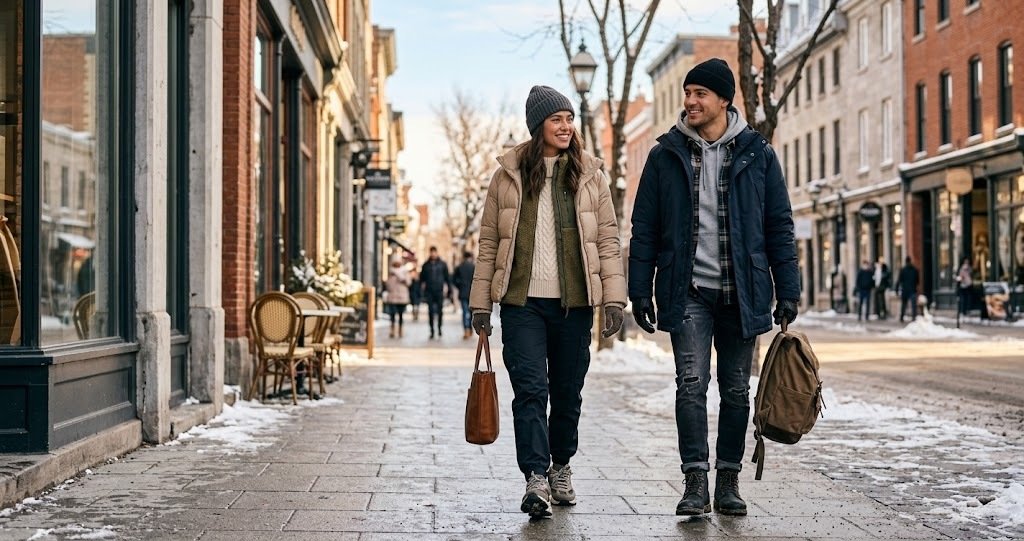
3. Use Oversized Outerwear to Balance the Silhouette
Winter streetwear gives you permission to experiment with volume.
Oversized coats, puffers, parkas, bombers, and workwear jackets can make simple outfits look much more deliberate.
But oversized does not mean every piece needs to be oversized.
A useful proportion rule is:
Fitted inside + relaxed middle + oversized outside.
For example:
- Fitted thermal
- Relaxed graphic sweatshirt
- Oversized puffer
- Straight or wide cargo pants
- Substantial sneakers or boots
This creates a clear progression from narrow to wide.
Streetwear layering guides also emphasize moving from thinner, closer fitting pieces toward heavier, looser outer layers.
Try the one oversized piece rule
If you are new to oversized winter clothing, start with one statement layer.
For example, choose:
- Oversized puffer + regular hoodie
- Oversized wool coat + fitted knit
- Boxy bomber + straight jeans
- Long parka + relaxed cargo pants
Once you understand your proportions, you can intentionally combine oversized pieces.
The goal is not to look smaller. The goal is to make the volume look controlled.
4. Layer Different Textures, Not Just Different Colors
One of the easiest ways to make winter streetwear look expensive is to combine textures.
Instead of adding five colors, try three materials.
For example:
Cotton graphic tee + fleece hoodie + nylon puffer
Or:
Thermal knit + wool sweater + leather bomber
Or:
Heavy tee + corduroy overshirt + insulated jacket
The contrast creates depth even when the colors are simple.
This technique is particularly useful for monochrome outfits. A black thermal, black hoodie, black cargo pants, and black puffer can look flat if every material has the same finish. Add fleece, washed cotton, nylon, leather, or corduroy and the outfit becomes more visually interesting.
Streetwear layering specialists frequently recommend mixing textures and distributing garment weight from lighter inner pieces toward heavier outer pieces.
5. Make Your Layers Visible
Layering should not mean hiding every garment underneath the next one.
Let the lower layers appear.
A slightly longer tee under a sweatshirt can create a visible hem. A shirt collar can sit above a crewneck. A hoodie can extend from underneath a bomber or denim jacket.
These small details make an outfit look intentionally layered.
Use different lengths
Try combinations such as:
- Long tee + cropped jacket
- Hoodie + waist length bomber
- Turtleneck + oversized overshirt
- Long shirt + shorter puffer
- Sweater + longer wool coat
Different hemlines create visual separation.
Psylo’s streetwear guide specifically highlights varying lengths and visible lower layers as a way to create dimension.
Do not expose everything
A common mistake is making every layer visible.
Instead, choose one or two points of contrast.
For example, show:
Tee hem + hoodie hood
but keep the thermal mostly hidden.
This keeps the outfit clean rather than crowded.
6. Use Color Strategically
Winter streetwear often relies on black, gray, brown, navy, olive, cream, and other muted shades.
That makes color coordination easier.
A simple formula is:
Two neutrals + one accent.
Example:
- Black hoodie
- Gray cargo pants
- Red beanie
Or:
- Cream sweater
- Brown trousers
- Dark green jacket
Or:
- Charcoal thermal
- Black jeans
- Blue puffer
You can also use a monochrome base and introduce color through an accessory.
Fashion street style coverage has shown how contrasting colors, prints, textures, and hemlines can turn practical winter layering into a visual styling technique.
Try the color echo technique
Here is a practical styling trick worth testing.
Repeat one small color twice.
For example:
- Green graphic on your tee
- Green beanie
- Black and gray clothing everywhere else
The repeated accent makes the outfit feel coordinated without making every piece match.
7. Add Flannels, Overshirts, and Workwear Pieces
Overshirts are one of the most useful transitional pieces in winter streetwear.
A heavyweight flannel, denim shirt, corduroy overshirt, or canvas jacket can function as both a visible style piece and an additional insulation layer.
Try:
Thermal → graphic tee → heavyweight flannel → puffer
For a milder day:
Tee → flannel → bomber
For a workwear inspired outfit:
Thermal → sweatshirt → canvas overshirt → beanie
Heavy corduroy and flannel are especially effective because their texture adds visual depth while their weight gives the outfit more structure. Sullen’s winter streetwear guide uses graphic tees, sweatshirts, corduroy shirts, heavyweight flannels, and cargo pants as complementary layering pieces.
8. Layer Your Bottoms for Real Winter Weather
Upper body layering gets most of the attention, but your legs matter just as much.
For colder conditions, consider:
- Thermal leggings under relaxed pants
- Fleece lined pants
- Thermal tights under wide leg trousers
- Heavyweight cargos
- Wool socks under boots
- Relaxed jeans over a thin thermal layer
The important part is maintaining enough room for movement.
Do not force a thick thermal layer under slim jeans if it makes the jeans pull or restrict your knees.
Instead, choose a wider cut.
Best pants for winter streetwear
Cargo pants: Great for relaxed technical outfits.
Wide leg denim: Easy to layer underneath and visually balanced with oversized outerwear.
Fleece lined pants: Practical for especially cold days.
Heavyweight work pants: Good for rugged streetwear combinations.
Relaxed joggers: Useful for casual hoodie and puffer outfits.
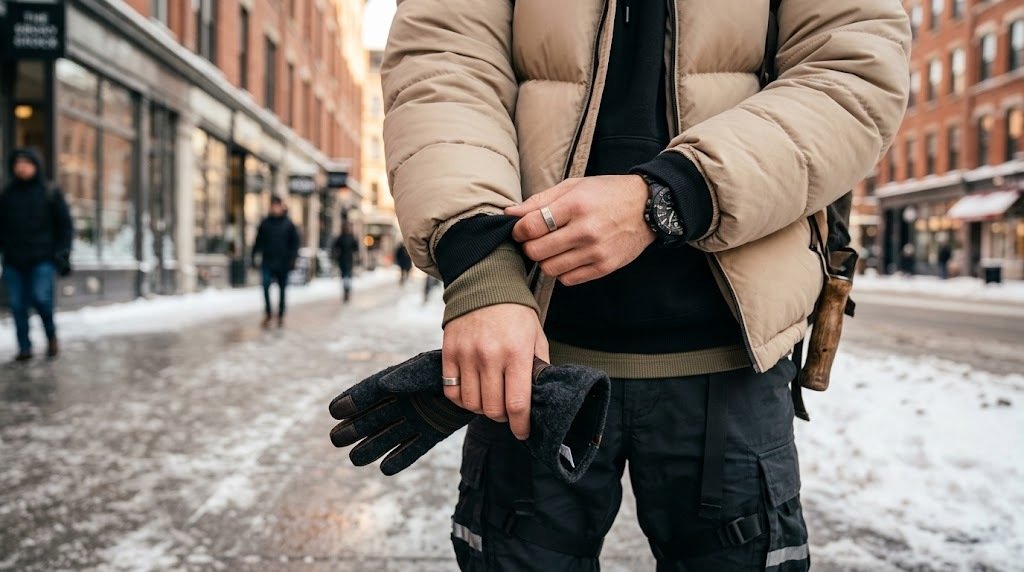
9. Choose Winter Accessories That Actually Work
Accessories should finish the outfit, not simply decorate it.
A beanie can add warmth and shape. A scarf can introduce color around your face. Gloves protect your hands, while thick socks and insulated footwear can make a major difference in comfort.
Good options include:
- Ribbed beanie
- Wool or merino socks
- Touchscreen gloves
- Oversized scarf
- Crossbody bag
- Backpack
- Neck warmer
- Insulated boots
For genuine cold exposure, footwear deserves particular attention. Warm socks and weather appropriate boots can be more useful than adding another sweatshirt.
AMC specifically recommends warm hats, waterproof gloves, wool socks, and insulated boots as part of a cold weather clothing system.
10. Match Your Layers to the Weather
Not every winter day requires the same outfit.
Mild winter day
Try:
Long sleeve tee → flannel → bomber → relaxed jeans → sneakers
This works when temperatures are cool but not severely cold.
Cold city commute
Try:
Thermal → graphic tee → hoodie → puffer → cargo pants → insulated sneakers or boots
This gives you flexibility because the hoodie can come off indoors.
Freezing conditions
Try:
Merino or synthetic thermal → sweatshirt → fleece or lightweight puffer → weather resistant outer jacket → insulated pants or layered trousers
Prioritize warmth and weather protection over fashion when conditions become genuinely severe.
Wet winter weather
Rain and snow change the equation.
A stylish wool coat may look excellent, but a water resistant or waterproof outer layer can be the smarter choice when precipitation and wind are involved.
Outdoor layering guidance recommends adapting your outer layer to wind and precipitation rather than treating every winter day the same.
11. Avoid These Common Winter Layering Mistakes
Wearing too many thick layers
Five heavyweight pieces can restrict movement and create unnecessary bulk.
Use thinner pieces underneath and save your heaviest item for the outer layer.
Ignoring moisture
If you sweat heavily and remain in damp clothing, adding more insulation will not solve the problem. Moisture management matters because wet clothing can accelerate heat loss.
Making every layer oversized
A huge tee under a huge hoodie under a huge puffer can overwhelm your proportions.
Control the silhouette by varying the fit.
Matching every color
A completely matched outfit can look forced.
Use neutral foundations and one or two intentional accents.
Forgetting indoor temperature
This is a major issue for city streetwear.
If you commute from a freezing sidewalk into a heated office, store, school, or restaurant, removable layers are extremely useful.
That is one reason a thermal plus hoodie plus jacket often works better than one enormous coat.
12. Three Easy Winter Streetwear Formulas to Copy
Formula 1: Everyday Minimal
Black thermal + gray hoodie + black puffer + loose cargo pants + black sneakers + beanie
Best for everyday errands, campus, commuting, and casual city wear.
Formula 2: Layered Workwear
White thermal + graphic tee + brown corduroy overshirt + olive parka + relaxed denim + work boots
The mix of cotton, corduroy, denim, and weather resistant outerwear creates depth without relying on loud graphics.
Formula 3: Elevated Streetwear
Black turtleneck + charcoal knit sweater + leather bomber + wide leg trousers + leather boots
This is a good choice when you want streetwear proportions with a more polished finish.
A useful rule across all three formulas is to keep the base relatively simple and let the outer layers carry the personality.
A Simple 30 Second Layering Test
Before leaving home, check five things:
- Can I move my arms comfortably?
- Can I remove one layer indoors?
- Is my base layer dry and comfortable?
- Does my outer layer handle the actual weather?
- Can I identify one clear visual statement?
If the answer is yes to all five, the outfit is probably doing its job.
This is also a practical way to avoid a common mistake: dressing for how cold you feel while standing inside your bedroom instead of dressing for the full day ahead.
For active outdoor conditions, REI similarly recommends carrying the layers you may need because weather and activity levels can change.
Conclusion: Build Winter Streetwear With Purpose
The best winter outfits are not about wearing as many clothes as possible. They are about assigning every layer a purpose.
Start with a moisture managing base. Add insulation through a hoodie, fleece, sweater, or lightweight puffer. Finish with an outer layer that matches the weather. Then use proportions, textures, colors, accessories, and visible hems to create the streetwear aesthetic.
If you remember only one formula, use this:
Thin base + interesting middle + protective outer layer + controlled proportions.
That approach gives you more outfit combinations while keeping winter dressing practical.
FAQ Section
What is the best way to layer streetwear for winter?
Start with a thin thermal or long sleeve base, add a hoodie, sweater, fleece, or overshirt for insulation, and finish with a puffer, parka, bomber, or weather resistant coat. Adjust the number of layers according to temperature and activity.
How do you layer streetwear without looking bulky?
Use thinner pieces close to the body and progressively heavier pieces on top. Combine fitted or regular base layers with relaxed middle layers and one oversized outer layer. Different garment lengths can also create shape without adding excessive volume.
What should you wear under a hoodie in winter?
A lightweight thermal, merino wool long sleeve, or fitted cotton long sleeve works well. For colder weather, choose a moisture managing synthetic or merino base layer rather than relying on several bulky shirts.
Is layering better than wearing one thick jacket?
Layering usually gives you more flexibility because you can add or remove insulation as conditions change. A well designed winter jacket can still be the best choice for severe weather, especially when wind, rain, or snow protection is important.
What fabrics are best for winter layering?
Merino wool and synthetic fabrics such as polyester are useful for base layers because they can manage moisture. Fleece is a common insulating material, while down and synthetic insulation provide additional warmth. Your outer layer should match the weather, especially when wind or precipitation is involved.
How many layers should you wear in winter?
There is no universal number. A mild day may require two or three layers, while freezing or wet conditions may require more. Focus on the function of each layer rather than counting garments.
Style Guides
What Makes Whatshisname One of the Most Distinctive Contemporary Artists Today? A 2026 Guide
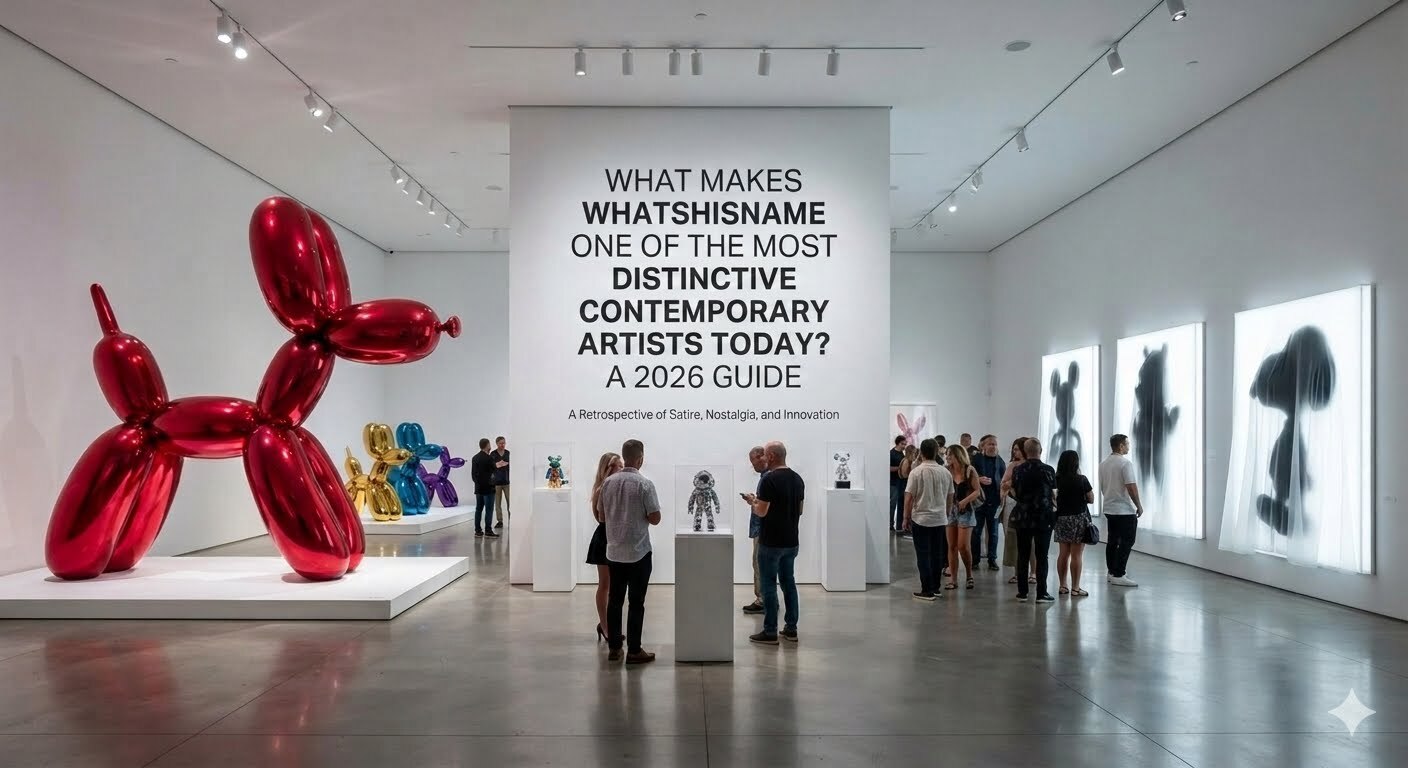
Contemporary art is full of artists who challenge traditional ideas, but few have created an identity as memorable as Whatshisname. Behind the unusual name is Sebastian Burdon, a Polish born artist who lives and works in London.
For more than fifteen years, Burdon has developed a distinctive body of work that combines humor, popular culture, sculpture, digital techniques, and unexpected ideas. His work can look playful at first, but there is often a deeper idea behind the humor.
So, what makes Whatshisname contemporary artist work stand out today? The answer comes from his unusual approach to familiar subjects, his willingness to experiment, and his ability to make viewers stop and think.
Who Is Whatshisname?
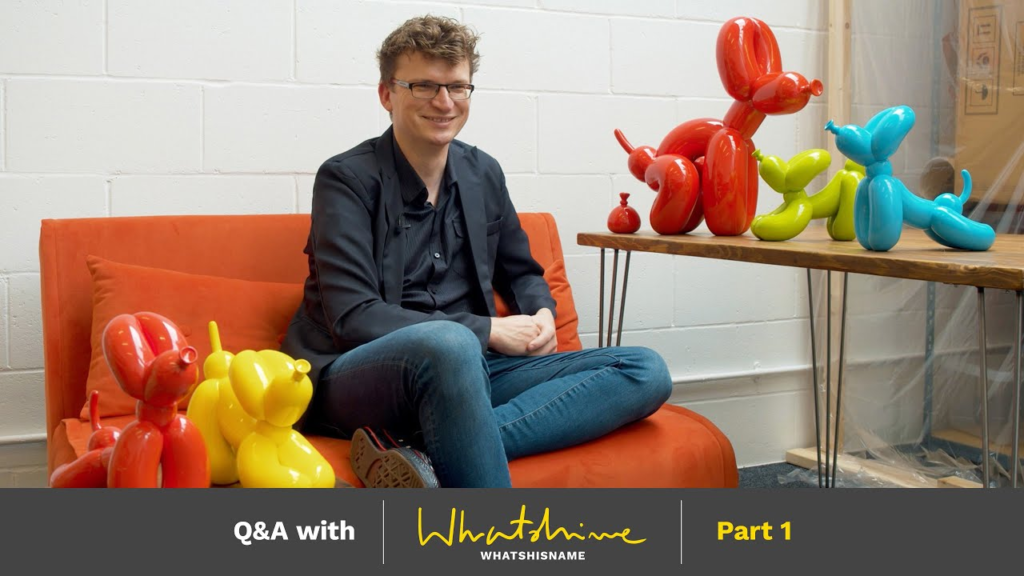
Whatshisname is the professional name of Sebastian Burdon, an artist born in eastern Poland in 1982. His interest in visual creativity started at a very young age. At seven, he was already creating digital images on an Atari 130 XE using a text editor.
Burdon later moved to London in 2006. He worked as an assistant to established British artists and developed experience with digital graphics, three dimensional production, and other creative techniques before building his own career.
His background helps explain why his work often combines traditional artistic ideas with modern technology.
Why Did Sebastian Burdon Choose the Name Whatshisname?

The artist name is almost a work of art by itself.
Burdon has explained that he sometimes struggled to remember the names of other artists. He also took inspiration from the Green Day song “Whatshername.” The result was the memorable name Whatshisname.
The name reflects something important about his creative personality. He does not appear interested in following the usual expectations surrounding the identity of a serious artist.
Instead, humor and curiosity are central parts of his public identity.
What Makes Whatshisname Art So Distinctive?
1. He Turns Familiar Ideas Into Something Unexpected
One of the strongest qualities of Whatshisname art is its ability to take something familiar and change the way people see it.
His work often uses recognizable characters, objects, symbols, and cultural references. However, he presents them in unusual situations that can make the viewer laugh, feel surprised, or question the original idea.
This approach gives his work an immediate visual appeal while leaving room for interpretation.
2. Humor Plays a Major Role
Humor is one of the defining elements of Whatshisname’s creative style.
His sculptures can appear cute or amusing at first glance, but the humor often has another layer. He uses irony and unexpected contrasts to encourage viewers to look beyond the obvious.
That combination of fun and thought makes his work accessible to people who may not normally spend much time looking at contemporary art.
3. His POPek Balloon Dogs Stand Out
The POPek series is among the works most closely associated with Whatshisname. His balloon dogs began as a parody of Jeff Koons and developed into a broader series with different poses and interpretations.
The sculptures demonstrate his ability to take a familiar contemporary art idea and transform it into something personal.
The dogs can be playful, humorous, strange, and provocative. That combination has helped make the series particularly recognizable among collectors.
4. He Combines Digital and Traditional Techniques
Whatshisname is not limited to one medium. His practice includes sculpture, prints, digital work, public art, and three dimensional techniques. His official portfolio includes pieces ranging from POPek statues and fine art prints to kinetic and screen printed works.
This variety gives him freedom to explore ideas in different forms.
His early experience with computers also connects naturally with his later use of digital production and three dimensional technology.
The Importance of Pop Culture
Popular culture is an important part of Whatshisname’s visual language.
Growing up in Poland, Burdon was influenced by television, films, cartoons, music, and the contrast between different cultural environments. Artsy notes that these early visual experiences influenced his creative development.
His work often takes familiar cultural references and changes their context.
That makes the art easy to recognize while still giving viewers something unexpected to discover.
The Gone Series Shows Another Side of His Art
Although Whatshisname is widely associated with humorous sculptures, his work is not limited to comedy.
His Gone series explores memory, childhood, and nostalgia through blurred or fading representations of familiar characters. The official portfolio includes works from this series featuring characters that appear distant or almost hidden.
This work demonstrates the emotional side of his practice.
Instead of simply making viewers laugh, these pieces can encourage them to think about childhood memories and how familiar images change as people grow older.
Why Does His Art Connect With Modern Audiences?
Modern audiences are surrounded by images every day. Social media, advertising, entertainment, and digital technology have changed how people experience visual culture.
Whatshisname’s work fits naturally into this environment because it is immediately recognizable and visually engaging.
At the same time, his work encourages people to slow down and consider what they are actually seeing.
This balance between instant visual appeal and deeper interpretation is one reason his work continues to attract attention.
Whatshisname and Contemporary Art in 2026
In 2026, contemporary art continues to explore the relationship between technology, popular culture, identity, humor, and everyday life.
Whatshisname fits comfortably within this conversation because his practice crosses several boundaries. He combines sculpture with digital techniques and popular imagery while maintaining a strong personal sense of humor.
His work has also appeared in major cities including London, New York, Los Angeles, Hong Kong, and Singapore, showing the international reach of his creative practice.
Why Collectors Find Whatshisname Interesting
Collectors often look for art that has a recognizable identity. Whatshisname offers exactly that.
His sculptures and prints can be playful enough to work as decorative pieces while still carrying the ideas and references associated with contemporary art.
His portfolio also includes different formats and series, giving collectors a broad range of work to explore.
For someone discovering contemporary art for the first time, his work can also provide an approachable entry point.
Frequently Asked Questions
Who is Whatshisname?
Whatshisname is the professional name of Sebastian Burdon, a Polish born contemporary artist based in London. He is known for sculptures, prints, digital work, and public art projects.
What is Whatshisname known for?
He is particularly known for his POPek balloon dog sculptures, playful contemporary art, Pop Art references, and humorous approach to familiar subjects.
Why is the artist called Whatshisname?
Sebastian Burdon chose the name because he had difficulty remembering other artists’ names. The name was also inspired by the Green Day song “Whatshername.”
What type of art does Whatshisname create?
His work includes sculpture, prints, digital art, public art, screen prints, and three dimensional artworks. His portfolio covers several different collections and styles.
What are Whatshisname balloon dogs?
The balloon dogs are part of his POPek series. The series began as a parody of Jeff Koons and developed into a distinctive collection of playful and unusual dog sculptures.
Is Whatshisname a contemporary artist?
Yes. Sebastian Burdon is widely described as a contemporary artist, and his work combines Pop Art influences, sculpture, digital techniques, humor, and popular culture.
Where is Whatshisname based?
Whatshisname is based in London, United Kingdom. He moved there from Poland in 2006 and later developed his career as an independent artist.
Conclusion
What makes Whatshisname contemporary artist work so distinctive is his ability to make familiar ideas feel new.
Sebastian Burdon combines humor, popular culture, sculpture, digital creativity, and social observation in a way that is instantly recognizable. His POPek balloon dogs show his playful side, while collections such as Gone reveal a more emotional approach to memory and childhood.
Most importantly, his work does not demand that viewers take contemporary art too seriously. Instead, it invites people to smile, question what they see, and look at ordinary ideas from a different perspective.
That combination of accessibility, humor, technical creativity, and originality helps explain why Whatshisname remains one of the more distinctive contemporary artists to explore in 2026.
-

 Lifestyle11 months ago
The Story of Acne Studios: From Underground Roots to Global Fashion Icon
-
 News & Drops10 months ago
Inside ADER error: How It Redefined Streetwear Culture
-
 Lifestyle10 months ago
Inside adidas how It Redefined Streetwear Culture
-
 Brands11 months ago
The Story of A-COLD-WALL From Underground Roots to Global Fashion Icon
-
 Style Guides11 months ago
Inside Acronym How It Redefined Streetwear Culture
-

 Brands11 months ago
A Bronx Tale From Film to Fashion
-
 Clothing7 months ago
Balmain Luxury Fashion Brand: History, Design Philosophy, Market Position & Global Influence
-
 Sneaker10 months ago
Inside Aime Leon Dore How It Redefined Streetwear Culture