Clothing
From Tradition to Trend: How FootJoy Redefines Golf Style Today



The FootJoy brand is recognized around the globe as a symbol of top-notch golfing gear, craftsmanship, and history, and has come to embody the spirit of lifestyle and sports wear. The company’s history began in 1857, when Frederick Packard left his father’s boot shop in Brockton, Massachusetts, to start his own shoe business. The company, which was originally known as the Burt and Packard Shoe Company, specialized in the production of high-quality leather products.
The early 20th century saw Packard team up with Perley Flint, an avid golfer who recognized the need for specialized golfing footwear. The company’s first-ever golfing shoe was designed and manufactured in 1910, which marked a major shift from the general shoe business to specialized golfing footwear. The company later became known as the Field and Flint Company, which specialized in the design and manufacturing of golfing shoes.
The company’s name, FootJoy, was officially adopted in 1923, after a contest held within the company to name the factory. The contest’s winner was a seamstress working at the factory, whose name has never been officially recorded. The name, FootJoy, represented the essence of the satisfaction felt while wearing comfortable shoes, which has been the company’s official name ever since.
Today, FootJoy is not only recognized for producing the best golf shoes but also for gloves, apparel, and accessories that combine functionality with the latest styles. FootJoy’s brand image is a result of its association with accuracy, reliability, and comfort, which have helped the company to become the leading golfing gear for professionals and enthusiasts alike. The company’s innovations, from waterproof materials to traction-enhancing soles, ergonomic designs, and lightweight cushioning, not only speak of the company’s commitment to the sport but also to the classic style associated with golf.
In addition to the sport, FootJoy’s influence has also been felt in the lifestyle of golf enthusiasts. From enthusiasts to fashionable influencers, FootJoy has become a symbol of the latest styles for those who combine the sport with the latest styles. The classic designs of FootJoy have become a symbol of the latest styles for those who combine the sport with the latest styles. FootJoy’s ability to adapt from the golf course to sophisticated styles for the clubhouse has become a defining icon of functional yet fashionable footwear.
Founding and Early History of FootJoy
The company’s history can be traced back to 1857, in Brockton, Massachusetts, with the establishment of the Burt and Packard Shoe Company, which specialized in producing top-notch leather shoes. In 1923, the FootJoy brand was officially launched as a line of premium golf footwear, reflecting the increasing market for specialty shoes designed for specific sporting activities.
Its early emphasis on leather craftsmanship, durability, and comfort established its reputation as a leader in golf footwear. FootJoy’s early golf shoes, for instance, were carefully crafted from top-grade leather, with reinforced stitching, comfortable soles, and traction-oriented designs. These innovative features, which emphasized both practicality and aesthetics, appealed not only to golfers but also to others who sought durable, fashionable footwear.
In 1979, FootJoy extended its product line to include specialty golf gloves, designed to provide golfers with better grip, control, and comfort during play. These gloves, made from premium cabretta leather, featured both practicality and aesthetics, setting the stage for FootJoy’s lasting impact on both sporting wear and fashion. Its attention to detail, with regard to materials and ergonomics, resonated with both sporting enthusiasts and fashion-conscious consumers, thus setting the stage for FootJoy’s lasting impact on both sporting wear and fashion.
By prioritizing craftsmanship, comfort, and aesthetic versatility, FootJoy set the stage for decades of innovation, expanding from a premium dress shoe manufacturer to the global authority in technical golf footwear, bridging professional sport, athletic utility, and classic on-course style.
FootJoy Innovations and Technology (1900s–1970s)
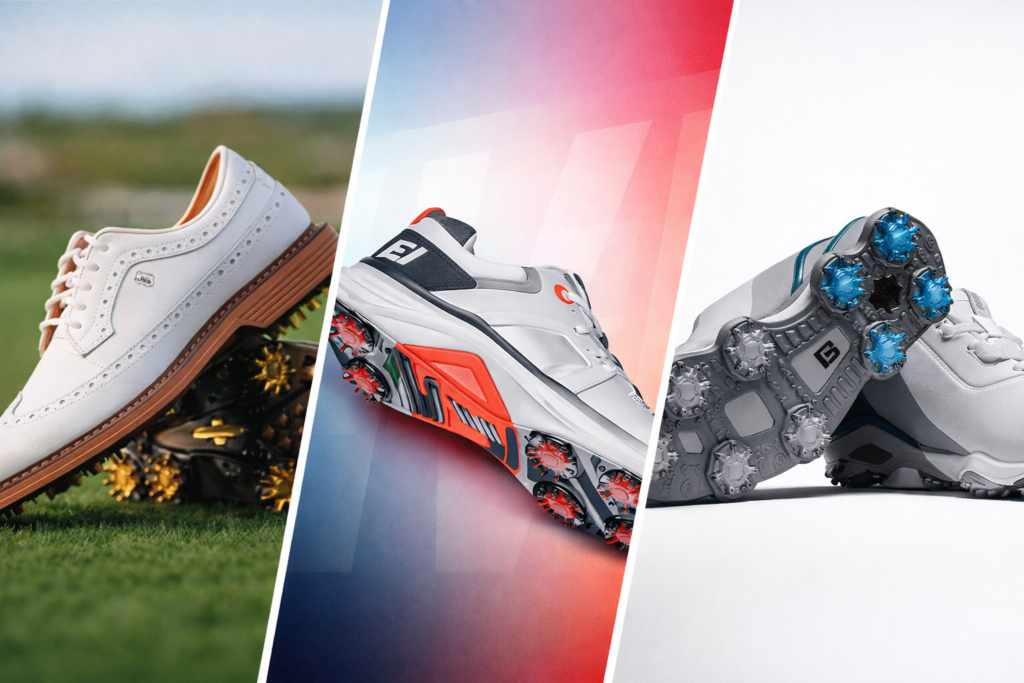
Thus, during the early to mid-20th century, FootJoy became recognized as a pioneer in golf shoe technology, providing innovative and performance-driven products with sleek, sophisticated designs that appealed to the fashion-conscious consumer. In the 1920s and 1930s, the company launched leather soles with metal spikes, providing greater traction for golfers on the greens. These early technological innovations were accompanied by hand-stitched leather uppers, providing a durable, elegant look for the consumer. Golfers could now enjoy the best of both worlds, performance and elegance.
By the 1940s, FootJoy had made its mark on the PGA Tour, dominating the course with its popularity as the most-worn shoe by professionals. Full-grain leathers were used to create the now-iconic “Classic” shoe, with a saddle-style design that still allowed for the natural texture and suppleness of the leather, while providing rigorous performance for the golfer. The shoe could withstand the rigors of the course, while still being stylish enough for the clubhouse and social settings. Thus, the early 1940s marked the beginning of FootJoy’s impact on the fashion-conscious athlete, with the sleek and sophisticated design of the saddle-style shoe being popular enough for clubhouse social settings.
In the 1950s and 1960s, FootJoy continued to innovate in its designs, including the use of refined leather materials in the outsoles and specialized last designs that provided golfers with the best in terms of stability and balance during long rounds of golf. The technical capabilities and stylish designs of the FootJoy golf shoes, therefore, provided the brand with the perfect blend between functionality and the desire to be associated with the product as a symbol of prestige and fashion in the larger sense.
FootJoy’s design philosophy in the 1950s and 1960s focused on the development of versatile designs that ensured the functional capabilities of the product did not interfere with its aesthetic appeal. The use of two-tone leather saddle designs and the development of the classic wingtip design, for instance, were quite popular and provided the brand with the perfect chance to influence the larger fashion trends in the sense that the styles encouraged golfers and others in the fashion scene to incorporate the products in their designs as a way to showcase their ability to incorporate performance and functional designs in their overall look.
Global Expansion and Fashion Influence (1980s–2000s)
However, by the 1980s, FootJoy had solidified its position as the leading golf shoe company in North America. The company had also expanded its global presence in the 1950s and 1960s in Europe, Asia, and Australia. The company had also continued to target golfers and consumers who wanted high-quality performance shoes. FootJoy’s global presence was also based on its association with high-end golf retailers, country clubs, and sporting goods stores. The association of FootJoy shoes with these stores meant that the products were considered to be of high quality, stylish, and fashionable.
During the 1980s, FootJoy also started incorporating fashion elements into its products. The company introduced shoes with two-toned leather, saddle shoes, and even some texture elements. The shoes were stylish and fashionable, such that people could wear them for both golfing and for fashion purposes. The shoes were considered fashionable by golfers and people who wanted to wear stylish shoes. The company also received recognition from golfers and people who played golf at country clubs for its ability to produce stylish shoes.
The 1990s and early 2000s were an era of innovative fashion influences. FootJoy launched hybrid golf-casual wear that combined traditional craftsmanship with the comfort of a sneaker and light, breathable materials. These designs were more easily adopted in adjacent fashion circles, with athletes, celebrities, and influencers wearing FootJoy shoes with chinos, tailored golf shorts, and even denim pants. The brand’s continuous participation in golf tours and commitment to quality ensured that their products remained highly sought after, maintaining their position as one of the best golf shoes for those who wanted an elegant, traditional athletic look.
In modern times, collaborations in the 2020s have further reinforced FootJoy’s footprint in fashion culture. Collaborations with golf professionals, lifestyle brands, and select retailers have created capsule collections that incorporate unique textures, luxurious leathers, and finishes. These initiatives have combined traditional craftsmanship with modern fashion influences, making FootJoy not only a golf accessory brand but also an influencer in lifestyle and urban fashion culture.
From an aesthetic point of view, FootJoy shoes during this period of expansion were an embodiment of versatility in design. They were capable of being associated with sporting activities but also had an influence on adjacent fashion circles. This adaptability influenced leisurewear styling, encouraging fashion-forward consumers to incorporate the aesthetic of performance footwear into everyday wardrobes.
By strategically merging global reach, innovative materials, and fashion-conscious design, FootJoy established a dual identity: a performance-driven golf brand and an aspirational lifestyle footwear icon. Its recent adoption of modern streetwear-inspired designs and luxury lifestyle collaborations laid the foundation for its contemporary role in the intersection between sports footwear and urban fashion culture.
Modern Innovations, Streetwear Crossovers, and Digital Commerce (2000s–2026)
From the early 2000s till 2026, FootJoy has managed to strengthen its reputation as one of the most prominent golf shoe manufacturers while also being a subtle influencer in terms of lifestyle and streetwear fashion. As FootJoy recognized the changing needs of consumers, it started incorporating new technologies into its products. Some of these technologies include advanced BOA fit systems, lightweight EVA sole technology, and improved comfort systems. However, FootJoy also started incorporating new styles into its products by introducing a new line of ‘hybrid’ shoes that combine traditional golf styles with streetwear influences.
The current influence of FootJoy on streetwear fashion is subtle but significant. FootJoy’s range of two-tone leather shoes, classic wing-tip designs, and high-end nubuck sneakers have been worn as part of casual and semi-formal wear by athletes, influencers, and urban stylists. FootJoy’s shoes have been worn in combination with chinos, streetwear outerwear, and minimalist accessories. This has led to a crossover between performance wear and current urban fashion. This is because FootJoy’s shoes are being worn in combination with streetwear outerwear.
Digital commerce plays an integral part in this strategy. FootJoy’s online presence provides customers with curated collections, exclusive releases, and detailed fitting guides, mirroring the in-store experience. Seasonal capsule collections and influencer marketing also increase brand visibility, allowing FootJoy to tap into the younger demographic that follows streetwear culture and fashion-inspired apparel with performance characteristics.
Collaborations also play a role in FootJoy’s modern aesthetic. By working with luxury lifestyle brands, professional golfers, and fashion boutiques, FootJoy creates exclusive edition footwear featuring unique textures, exotic leathers, and limited-edition colors. Collaborative releases combine heritage craftsmanship with modern urban aesthetics, appealing to collectors and streetwear enthusiasts alike. FootJoy’s innovative strategy allows them to stay relevant in golf performance markets, as well as subtly influencing modern streetwear and fashion. FootJoy’s innovative strategy allows them to stay relevant in golf performance markets, as well as subtly influencing modern streetwear and fashion. By blending advanced footwear technology, hybrid aesthetics, and digital engagement, FootJoy avoids being relegated to traditional categories of athletic footwear, allowing them to stay relevant as both a heritage brand and modern fashion reference in streetwear and urban fashion.
Collaborations: Designers, Athletes, and Urban Fashion Partnerships
FootJoy has strategically utilized such collaborative efforts and brand partnerships to expand its reach and influence beyond traditional golf and performance footwear and into the realms of contemporary streetwear and fashion-forward markets. Since the early 2020s, FootJoy has collaborated with other high-end performance and lifestyle brands, combining cutting-edge shoe technology with modern design influences and aestheticism. Some of the notable collaborative efforts include co-branded releases with global golf apparel brands, gradually moving towards other brands such as fashion designers, streetwear brands, and limited-edition capsule collections for style-conscious consumers.
Some of the notable collaborative efforts and brand partnerships since 2021 include exclusive designs from FootJoy, such as boutique streetwear brands, incorporating high-performance materials, classic colors, and heritage designs. Some of the notable designs include luxury materials such as premium leathers, VersaTrax+, and luxury gold and patent leather materials, combining performance and fashion-forward elements. Limited-edition releases create buzz and generate hype around the brand, much like the drop culture seen within streetwear communities.
FootJoy’s collaborations also explore cross-industry innovation, combining golf shoe technology with streetwear-ready aesthetics, making the shoes and sneakers adaptable to layered urban outfits, tailored trousers, and premium lifestyle outerwear. Stylists, designers, and content creators showcase these pieces in fashion editorials, lifestyle shoots, and online communities, reinforcing the brand’s crossover appeal.
By fusing heritage craftsmanship, performance engineering, and collaborative fashion design, FootJoy continues to influence both athletic and streetwear markets globally. The brand demonstrates how a legacy performance footwear label can successfully navigate contemporary fashion culture while maintaining authenticity, technical credibility, and aspirational style.
Limited-Edition FootJoy Releases: Scarcity, Hype, and Streetwear Culture
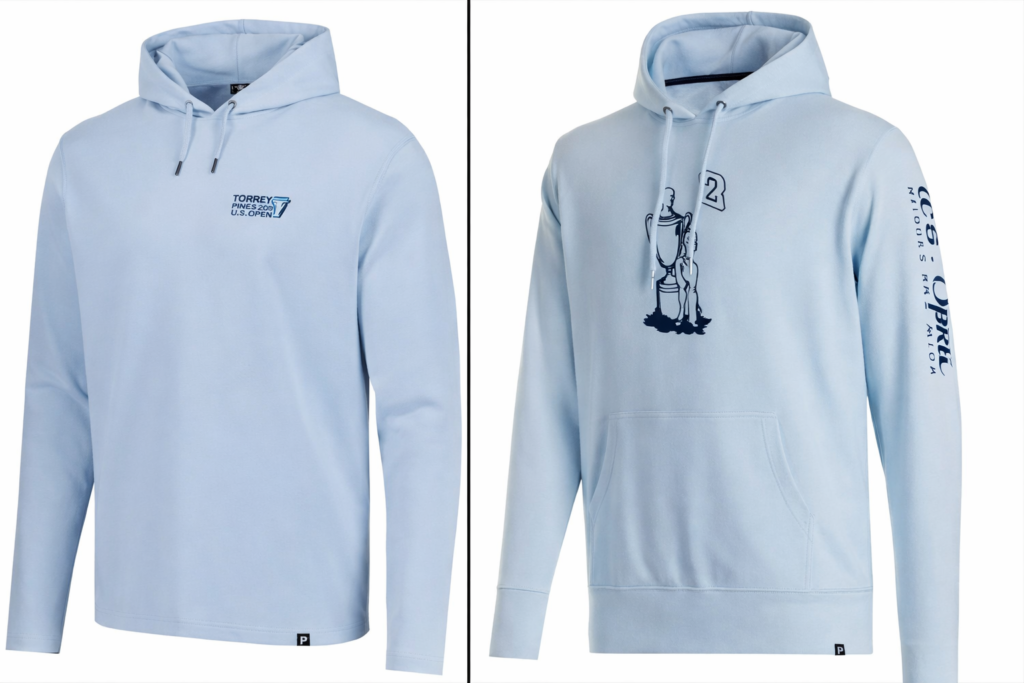
FootJoy has continued to leverage the concept of limited editions to improve its footprint in streetwear culture. The company has released several limited-edition sneakers, golf shoes, and hybrid footwear. This strategy resonates with the hype-driven consumerism often witnessed in streetwear culture globally. The limited-edition FootJoy footwear often comes in various heritage materials such as Harris Tweed, gold hardware, leather patterns, and secondary laces. The FootJoy footwear is no longer just for golfers; the limited-edition designs have become a collection for streetwear enthusiasts. The company has not stopped at footwear; FootJoy has also released several limited-edition hoodies, golf shirts, jackets, and bags. These designs have given the company a wider platform to connect with streetwear enthusiasts who wish to have a complete FootJoy streetwear collection.
Since 2021, FootJoy has released several limited-edition collaborations with streetwear brands, designers, and influencers. These collaborations have targeted the athletic and streetwear communities. The limited-edition designs have been released to create hype for the FootJoy brand. The designs have been released to create a sense of scarcity, allowing the designs to be amplified on social media. Collectors and fashion enthusiasts often integrate limited-edition FootJoy sneakers, apparel pieces, and accessories—such as hoodies, performance shirts, and lifestyle bags—into layered streetwear outfits, tailored trousers, premium knitwear, and hybrid urban-athletic looks. This approach demonstrates the brand’s versatility across both performance sportswear and contemporary fashion.
From a fashion perspective, FootJoy’s limited editions bridge technical innovation with streetwear aesthetics, emphasizing premium materials, innovative construction, and contemporary design language. Collectible footwear, apparel, and accessories work together to enhance the brand’s cultural relevance, allowing a performance-focused golf label to influence urban styling trends and collector culture simultaneously. By continuously offering exclusive shoes, hoodies, shirts, and lifestyle bags through strategic collaborations and seasonal drops, FootJoy maintains a dual identity: a heritage performance brand respected in golf circles and a streetwear-approved fashion icon with growing global influence.
Collectibles and Cultural Impact: FootJoy as a Fashion Icon
FootJoy’s collectible designs have further entrenched their dual brand identity as a performance brand and a fashion icon approved by streetwear enthusiasts. Between 2020 and 2026, FootJoy has launched numbered, thematic, and commemorative designs that blend golf performance heritage with urban fashion appeal. These collectible designs feature exotic textures, heritage textiles, embossed branding, and boutique-exclusive designs that often incorporate cultural or seasonal themes.
FootJoy’s collectible designs have resonated with modern culture and lifestyle fashion. FootJoy sneakers and hybrid boots often appear in influencer campaigns, social media content, and editorial content that focuses on versatility in layered urban and streetwear ensembles. Tailored trousers, knitwear, and vintage-inspired polo shirts complement Chelsea-inspired footwear, blending utility with modern fashion silhouettes. These collectible designs also play an investment role in resale culture, reminiscent of hype culture in streetwear but also extending FootJoy’s brand identity to a younger, fashion-conscious consumer.
Beyond resale and exclusivity, these models reinforce FootJoy’s cultural narrative. By merging performance footwear technology with urban styling, limited-edition and collectible releases establish the brand as a cross-disciplinary icon. FootJoy is no longer just a golf shoe; it has become a symbol of functional fashion, bridging heritage craftsmanship with modern streetwear and lifestyle influence. Collectibles highlight the brand’s ability to stay relevant across generations, positioning FootJoy as both a luxury performance label and a cultural fashion touchstone in 2026.
Global Streetwear Influence: FootJoy in Urban Fashion (2020–2026)
FootJoy’s global growth over the last ten years has placed the brand at the crossroads of heritage performance footwear and streetwear fashion. FootJoy has targeted international urban markets, including North America, Europe, and Asia, between 2020 and 2026, where hybrid fashion and sports footwear are at an all-time high. Chelsea boots, luxurious materials, and innovative design elements have enabled FootJoy boots and sneakers to blend perfectly into streetwear outfits, complementing tailored trousers, luxury knitwear, and sophisticated outerwear.
Design-wise, FootJoy’s innovative materials, such as breathable materials, TPU shock-absorbing soles, and water-resistant treatments, enabled wearers to wear performance footwear with urban outfits. FootJoy’s heritage craftsmanship has enabled the brand to resonate perfectly with urban wearers, thanks to its innovative materials and styling, which are highly sought after in urban cities such as New York, London, and Tokyo. FootJoy’s heritage craftsmanship has enabled the brand to resonate perfectly with urban wearers, thanks to its innovative materials and styling, which are highly sought after in urban cities such as New York, London, and Tokyo. By blending functionality, aesthetics, and cultural resonance, FootJoy has become a sought-after icon within global streetwear ecosystems, bridging golf legacy with modern fashion sensibilities.
Pop Culture Adoption: Athletes, Influencers, and Lifestyle Icons
This relevance of FootJoy to streetwear is further amplified through the adoption of pop culture, where athletes, influencers, and lifestyle icons become key brand ambassadors. Lifestyle influencers, athletes, and golfers were among the earliest adopters of the intersection of performance and style, where they sported FootJoy’s limited-edition designs during competitions aired on television while emphasizing the aesthetic appeal for the streetwear audience.
Meanwhile, lifestyle influencers and social media content creators have also used FootJoy footwear for streetwear ensembles, where they pair the footwear and boots with tailored trousers, premium knitwear, refined lifestyle outerwear, among other streetwear ensembles. The limited-edition designs of FootJoy have also been released during pop culture events, thus increasing the streetwear relevance of the brand.
The presence of FootJoy in the pages of lifestyle magazines and streetwear photography shoots is a testament to the intersection of performance and streetwear. By merging heritage craftsmanship, durability, and trend-driven design, FootJoy transcends its original golf-centric identity, becoming a cultural touchstone in both sportswear and urban streetwear landscapes. Pop culture adoption has ensured that FootJoy remains a versatile, globally recognized brand, relevant for collectors, stylists, and younger generations navigating fashion and function simultaneously.
Digital Commerce & Fashion Integration: Online Strategy and Global Reach
Digital channels have become a fundamental component in the fashion-forward approach adopted by FootJoy, especially between 2020 and 2026. The e-commerce site offers a range of designer collaborations, exclusive designs, and editorial photography to provide a store experience worldwide. Shoppable content includes Chelsea boots, hybrid sneakers, and lifestyle collections, which are likely to attract streetwear enthusiasts and collectors.
Interactive experiences such as the FJ Shoe Finder, MyJoys, and storytelling also help in engaging consumers, reflecting the brand’s ability to incorporate its heritage performance footwear into urban fashion ensembles. Seasonal product launches highlight new designs, including limited-edition colors, textures, and materials, which combine the exclusivity and hype associated with streetwear.
Global social media campaigns also help in increasing brand visibility, where creators such as Instagram, TikTok, and YouTube influencers showcase their styles using FootJoy products in refined lifestyle outfits, tailored trousers, and premium knitwear. Collaborations with boutiques and designers are also announced digitally, which increases the hype and demand in the secondary market.
By aligning digital commerce with fashion influence, FootJoy ensures that its products remain accessible, desirable, and culturally relevant worldwide. Online integration allows the brand to merge heritage performance, modern styling, and streetwear credibility, solidifying FootJoy’s position as a functional yet fashion-forward footwear icon in both global sportswear and contemporary streetwear markets.
Material Innovation: Leather, Soles, and Performance in Fashion
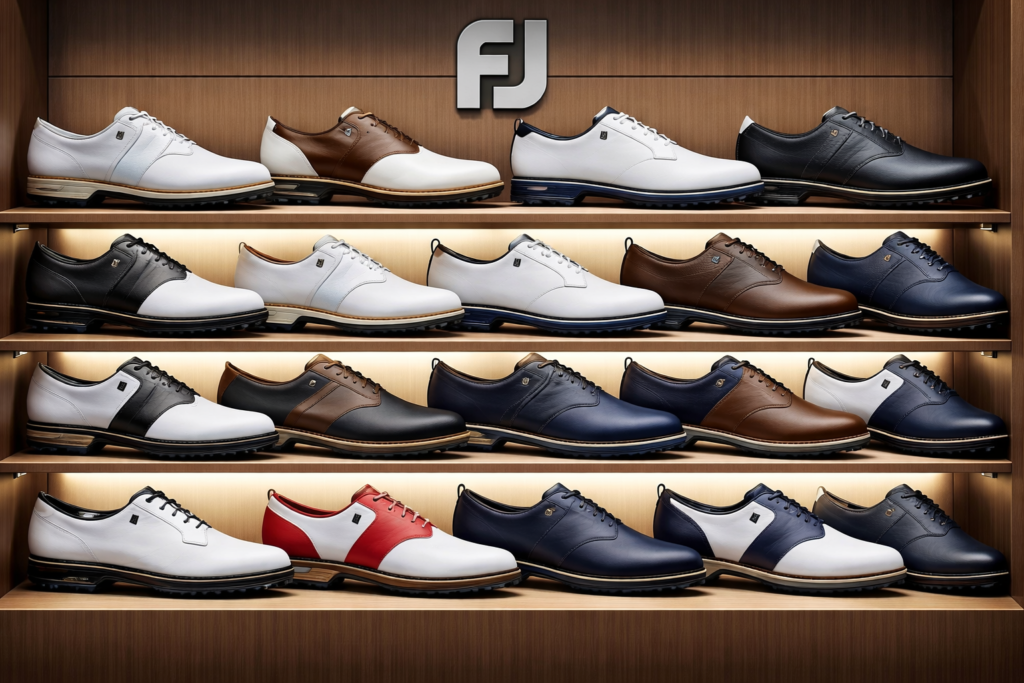
FootJoy has always sought to drive material innovation to combine performance, comfort, and streetwear style. The use of high-grade full-grain leathers, nubuck, and suede provides the product with the benefits of durability, waterproofing, and texture for golf courses and streets alike. The integration of Stratofoam cushioning and high-grade TPU outsoles enables the product to offer superior cushioning, flexibility, and slip resistance without compromising on design aesthetics and minimalist style.
The use of materials for FootJoy is particularly relevant for the fashion industry. The use of lightweight and breathable linings, as well as innovative waterproofing technologies, enables the product to be used as a lifestyle accessory, complementing the refined design with tailored trousers, knitwear, and lifestyle outerwear. The use of limited editions also features unique heritage materials, gold hardware, and embossed designs, appealing to fashion enthusiasts and influencers alike.
From a fashion perspective, FootJoy’s material innovation enables the company to balance the line between technical footwear and streetwear staples. The product showcases the integration of functionality with urban wear, enabling the product to be used for fashion purposes as well as for casual wear, modern preppy wear, and fashion editorials. By continuously investing in material research and aesthetic experimentation, FootJoy maintains relevance in both performance markets and fashion-forward streetwear communities, reinforcing its dual role as a technical and cultural footwear icon.
Sustainability and Material Innovation: FootJoy’s Forward-Thinking Design
FootJoy has continued to incorporate sustainability within its shoe-making process without compromising performance and fashion wearability. FootJoy shoes are now made from eco-certified leather, recycled polyester, and water-based adhesives, ensuring the company’s commitment to ethical shoe production. This aligns with the values of Gen Z and Millennial consumers who are interested in fashion wearability and sustainability within the fashion industry.
FootJoy has also introduced innovative materials that are essential for shoe wearability. The shoes have lightweight soles, shock-absorbing properties, breathable linings, and reinforced shoe uppers. These features allow FootJoy shoes to be fashionable for golf wear, streetwear fashion, and even athletic streetwear fashion. FootJoy also introduces limited edition shoes with exclusive heritage materials such as Harris Tweed wool, gold-plated hardware, and embossed leathers, ensuring the shoes are fashionable for those interested in unique shoe wearability.
Streetwear fashion allows FootJoy shoes to seamlessly fit within the fashion wearability of consumers who value sustainability within the fashion industry. FootJoy shoes are now more than just golf shoes; they are fashionable for those interested in sustainability within the fashion industry. FootJoy shoes are now relevant within the global fashion industry while ensuring the company’s commitment to sustainability within the shoe-making industry.
Future Vision
FootJoy is also poised for further global expansion, focusing on digital commerce, sustainability, and streetwear relevance. The future FootJoy business plan includes limited-edition product drops, exclusive online product releases, and collaborations with urban designers to target Gen Z and Millennial fashion consumers.
FootJoy continues to prioritize innovation as a core business component. The company focuses on new technologies, such as innovative materials, ergonomically designed soles, and hybrid styles that meet the needs of both golf performance and streetwear fashion. Seasonal product drops and capsule collections connect golf performance, lifestyle footwear, and streetwear fashion, further establishing the importance of versatility in global fashion culture.
Digital engagement also plays a role in FootJoy’s business plan, further establishing the importance of accessibility and hype-driven demand for the product. The company leverages social media, influencers, and digital storytelling to communicate the styling possibilities, collector’s edition importance, and limited-edition product releases. By combining heritage functionality, fashion-forward streetwear, and sustainability, FootJoy continues to solidify its position as a performance-driven brand and a fashion influencer for the streetwear industry.
Conclusion
FootJoy has evolved beyond a performance-focused golf footwear brand into a global icon influencing both athletic and streetwear fashion. By combining heritage craftsmanship, innovative materials, and limited-edition releases, FootJoy appeals to golf enthusiasts, urban stylists, and streetwear communities alike. Sustainable practices, tech-driven customization, and collaborations with designers ensure the brand remains relevant in modern fashion culture. FootJoy’s versatile silhouettes, premium leathers, and urban styling potential allow it to bridge the gap between athletic functionality and streetwear aesthetics, securing its legacy as a performance-driven, culturally influential footwear brand worldwide.
15 Frequently Asked Questions About FootJoy
1. When was FootJoy founded?
FootJoy’s roots trace back to 1857 in Brockton, Massachusetts, USA, where Frederick Packard started a footwear company originally focusing on high-quality boots.
2. Who founded FootJoy?
FootJoy was founded by the Burt and Packard Company (which later became the Field and Flint Company), later evolving as a specialized golf footwear brand.
3. What products does FootJoy make?
Golf shoes, gloves, apparel, casual footwear, and limited-edition streetwear-inspired releases.
4. What is FootJoy best known for?
High-performance golf footwear with comfort, durability, and stylish silhouettes adaptable to streetwear fashion.
5. Does FootJoy make sustainable products?
Yes, including eco-certified leathers, recycled outsoles, and water-based adhesives.
6. What are the popular FootJoy shoe lines?
Pro/SL, ICON, Contour Series, and limited-edition collaborations.
7. Are FootJoy shoes suitable for streetwear?
Yes, the Chelsea-style and hybrid designs fit urban streetwear outfits.
8. Has FootJoy collaborated with designers?
Yes, with lifestyle brands and streetwear designers for capsule collections.
9. Where are FootJoy products sold?
Globally: North America, Europe, Asia, Australia, and online platforms.
10. Do they offer custom designs?
Yes, through online customization and colorway selections.
11. Are FootJoy shoes waterproof?
Many models feature waterproof treated leathers and breathable linings.
12. How do they impact streetwear culture?
Limited-edition drops, collaborations, and sleek silhouettes influence urban styling trends.
13. What materials are used in FootJoy shoes?
Premium leather, nubuck, TPU soles, and eco-friendly materials.
14. Can you wear FootJoy casually?
Yes, hybrid and casual styles pair with streetwear and urban fashion.
15. Are FootJoy shoes durable?
Yes, engineered for performance, longevity, and multi-environment wear.
FootJoy, golf shoes, streetwear, sustainable footwear, urban fashion, limited edition, heritage brand, designer collaborations, casual sneakers, athletic style
For collaborations, press, or inquiries, contact us at streeticonic1@gmail.com.