Brands
FILA Streetwear History: How an Italian Sports Brand Became a Global Fashion Icon

FILA streetwear did not originate as streetwear. It originated as a function. Established in 1911 in Biella, Italy. FILA began as a textile firm with the aim of producing high-quality clothing for the community. Biella was recognized for its skills and wool production. This influenced FILA’s early beginnings in the quality of materials and their durability. At this point, FILA clothing was not related to fashion culture. It was related to function, warmth, and functionality.
Unlike most contemporary streetwear brands that begin with image, the history of FILA begins with manufacturing rigor. This later enabled the brand to expand into sports and fashion without compromising authenticity. In the mid twentieth century, FILA began to concentrate on performance wear. This move positioned the brand within the growing sportswear sector. Tennis marked the first significant turning point.
The Tennis Revolution That Changed FILA Forever
In the 1970s, FILA ventured into professional tennis. This move changed the brand identity. FILA sportswear adorned professional athletes at international competitions. The brand offered clean lines, precise color blocking, and sporty cuts. This was no random fashion choice. It was the application of Italian design principles to sports. Björn Borg embodied this period.
When Borg wore FILA at tennis championships, the brand achieved international recognition. Tennis fans linked FILA to composure, accuracy, and athleticism. This marked the beginning of FILA as a high-end sportswear brand and not a sportswear brand for the masses. This marked the beginning of the aesthetic language that defines FILA streetwear to this day. Contrast panels. Prominent logo placement. Restricted color schemes. These would later integrate effortlessly into streetwear fashion.
FILA Clothing Enters Global Youth Awareness
In the 1980s and early 1990s, FILA clothing extended beyond tennis. The brand entered basketball, fitness, and sportswear. The logo grew larger. The silhouettes relaxed. This was in line with the changing youth culture. Sportswear was no longer exclusive to sports. It entered mainstream culture.
In the urban setting, particularly in the United States, FILA clothing started to appear in non-sports settings. It appeared on the streets, in the music scene, and in the emerging hip-hop culture. This was not a result of marketing. The youth culture adopted FILA because it symbolized authenticity. It was sporty but fashionable. High-end but affordable. European but flexible. This was the beginning of the streetwear culture of FILA.
Why FILA History Matters to Streetwear Today
The history of FILA is the reason for its longevity. The brand did not follow trends. It developed through function, then sport, then culture. Each step was a progression from the last. This complex history enables FILA to be at once a heritage sportswear brand and a contemporary streetwear brand.
The current streetwear collections of FILA today pay homage to this history. It is evident in oversized logos. It is evident in retro tracksuits. It is evident in the reworked sportswear silhouettes from archive designs. This continuity of history lends FILA streetwear credibility in 2025.
FILA Design Language: How Sport Turned Into Streetwear
The reason why FILA streetwear is so successful is that the design language has never been imposed. It has developed. Right from the start, the FILA clothing range has had a structure. The Italian cut has been reflected in the fit. Sports performance has driven the function. When these two came together, it was as if they struck a balance rather than a shout. Most streetwear brands use graphics to convey their message. FILA uses form. The designs convey messages through proportion, color, and logos.
The FILA Logo: Simplicity That Scaled Across Cultures

The FILA logo is iconic because it remains consistent. The strong uppercase wordmark with the red highlight was first used during the tennis period. It conveyed strength without being menacing. When FILA transitioned into streetwear, the logo grew in size. It was bigger on the chest, sleeves, and shoes. This was consistent with the hip-hop and youth culture of the 1990s.
Bigger logos complemented bigger silhouettes. The logo was more of a declaration of presence than a symbol of identity. This is why vintage FILA clothing remains current today. A good logo can be restyled without compromising its identity. FILA did this from the start. This is why contemporary FILA collections can go back to old designs without looking dated.
Color Theory in FILA Clothing
FILA design is all about contrast and restraint. White, navy, red, and black are the prominent colors in its palette. These colors have been taken from tennis wear and then applied to streetwear. The contrast is sporty but clean. Loud enough to be noticed. Controlled enough to be worn.
In streetwear, color is social language.
FILA streetwear is about confidence without rebellion. This makes it very versatile, irrespective of culture, generation, and fashion trends. It will work in Tokyo, New York, Milan, and Seoul without losing its essence. This is why FILA was able to expand globally.
Silhouettes That Defined FILA Streetwear
FILA silhouettes developed with culture. Initial designs emphasized athletic fits. The 1990s brought loose-fitting designs. Tracksuits expanded in width. Hoodies increased in weight. Pants increased in size. This corresponded with the hip-hop culture and basketball trend. FILA hoodies played a crucial role.
They provided weight, shape, and visibility. The logo positioning provided a visual point of interest for the clothing. These hoodies transitioned from fashion statements to daily wear. In contemporary collections, FILA combines both periods. Athletic silhouettes and loose-fitting designs coexist. This enables FILA clothing to cater to both old-school enthusiasts and new streetwear consumers.
Footwear Design and the Rise of FILA Sneakers
FILA sneakers were important for the legitimacy of streetwear. The FILA Disruptor sneakers were popular not because of innovation but due to their visual identity. The thick sole was in line with the fashion trend that emphasized statement footwear.
Streetwear emphasizes silhouette over functionality. FILA sneakers recognized this transition. The sneakers were fashion items that originated from sport history.
Design Consistency as a Long Term Strategy
FILA design does not reinvent itself every season. Rather, it refines itself. It goes back to revisit. It scales up or down. This helps to establish a level of trust with the consumer. This is what streetwear consumers appreciate about brands: their respect for their own history.
The history of FILA supports this strategy. The design language of the brand is still distinct because it has not forgotten its roots. Sport is still at the forefront. Fashion is an extension, not a replacement.
COLLABORATIONS
FILA, founded in 1911 in Italy, began using collaborations as a strategic branding tool more actively during the mid-2010s, when retro sportswear and 1990s aesthetics regained popularity in global fashion. Around 2016–2017, FILA experienced renewed visibility due to the revival of its classic silhouettes and logo-driven designs. To sustain this momentum and modernize its brand image, FILA partnered with fashion designers and lifestyle brands that aligned with youth culture and streetwear trends. One of the most significant collaborations occurred in 2018 with Fendi, where FILA’s athletic heritage was combined with Fendi’s luxury craftsmanship, marking FILA’s entry into the luxury fashion conversation and highlighting the growing crossover between sportswear and high fashion.
Following this milestone, FILA expanded its collaboration strategy by working with contemporary designers and culturally influential brands. Collaborations with Gosha Rubchinskiy in 2017 focused on minimalist, post-Soviet street aesthetics, while partnerships with Ader Error in 2018 introduced oversized silhouettes and experimental branding that appealed to younger consumers. In 2019, FILA collaborated with global pop group BTS, strengthening its presence in Asian markets and connecting the brand with music, fandom culture, and digital media audiences. These collaborations typically involved redesigning existing FILA products using updated color palettes, premium materials, and limited-edition branding rather than creating entirely new product categories.
The primary purpose of FILA’s collaborations was to maintain cultural relevance, expand into lifestyle markets, and reach new demographics without abandoning its sportswear roots. Limited-edition releases, controlled distribution, and strong storytelling helped generate consumer interest and media attention. By combining its historical sports identity with contemporary fashion and pop culture partnerships, FILA used collaborations as a long-term strategy to reposition itself as both a heritage athletic brand and a modern lifestyle label suitable for global fashion markets.
Why Collaborations Worked for FILA
Collaborations were successful because FILA did not overdo them. Every collaboration felt exclusive. Every line respected the brand’s character. There was no awkward promotion. No logos were overdone. Just strategic reinterpretation. This was important.
This helped FILA reclaim its respectability without sacrificing its approachability. The brand remained wearable. Prices remained reasonable. This helped build trust. FILA streetwear was recognizable again. But this time, it was relevant.
The Transition From Collaboration to Culture
After the collaborations, FILA was reintroduced into culture. Music videos. Social media. Street photography. The FILA clothing line organically resurfaced. It did not solely exist in advertisements. It existed through people. This organic existence marked the beginning of the contemporary cultural era of FILA.
How FILA Became Part of Streetwear Culture, Not Just Fashion
But once FILA streetwear re-entered the conversation through design, culture took over on its own. This stage of the process did not need strategy documents or marketing campaigns. It needed people. When a brand reaches this point, it no longer needs explanation. It simply becomes understood. The FILA clothing line already had visual recognition. The logos were recognizable. The silhouettes were bold. When culture picked it up again, it was like it was rediscovered, not introduced..
Hip Hop and the Second Cultural Wave
Hip-hop culture was a defining element of FILA’s positioning. In the 1990s, FILA was already present in rap culture. Artists wore oversized FILA jackets, tracksuits, and sneakers as streetwear. That memory never faded away. It was in a dormant state.
With the resurgence of streetwear culture and the archive look in the 2010s, hip-hop culture brought back FILA’s image. Artists and creatives wore FILA not as a brand partnership but as a reference. This is an important point. When culture wants a brand without any external influence, it lends authenticity that cannot be bought. FILA hoodies and tracksuits came back as a mark of confidence and familiarity.
Youth Culture and Global Adoption
FILA streetwear was appealing to youth for a reason. It was real. Most contemporary brands seem designed. FILA just seems used. Its heritage lends credibility to its presence. Youth respond to this authenticity. They want brands with history, not just buzzwords. In cities such as Seoul, London, New York, and Tokyo, FILA apparel was spotted in various youth subcultures. Skate kids. Students. Artists. Athletes. FILA was able to evolve without compromising its essence. This ability made FILA the universal language of streetwear.
Why FILA Feels Accessible Without Feeling Cheap
Accessibility is a misunderstood concept. FILA was successful because it remained accessible without sacrificing its identity. Price points made it accessible. Design made it understandable. The brand did not aim for elitism through exclusivity alone. This is what made FILA streetwear democratic. You could pair FILA sneakers with high-end items or with simple denim. You could wear FILA hoodies in a casual manner or in a deliberate way. This made its cultural impact bigger. Culture embraces brands that are accessible.
Social Media and Visual Memory
Social media networks extended the reach of FILA, but social media did not produce FILA. Old pictures were brought back. Old fashion was shared. Old tennis fashion appeared alongside new fashion. This helped the history of FILA become a living story instead of just a memory. Streetwear relies on memory. FILA had the advantage of having a history that matched its current fashion. Prominent logos. Classic colors. Sporty silhouettes. All of these were easily readable on screen or in person. There was no need to introduce the brand. It was already known.
From Clothing to Cultural Signal
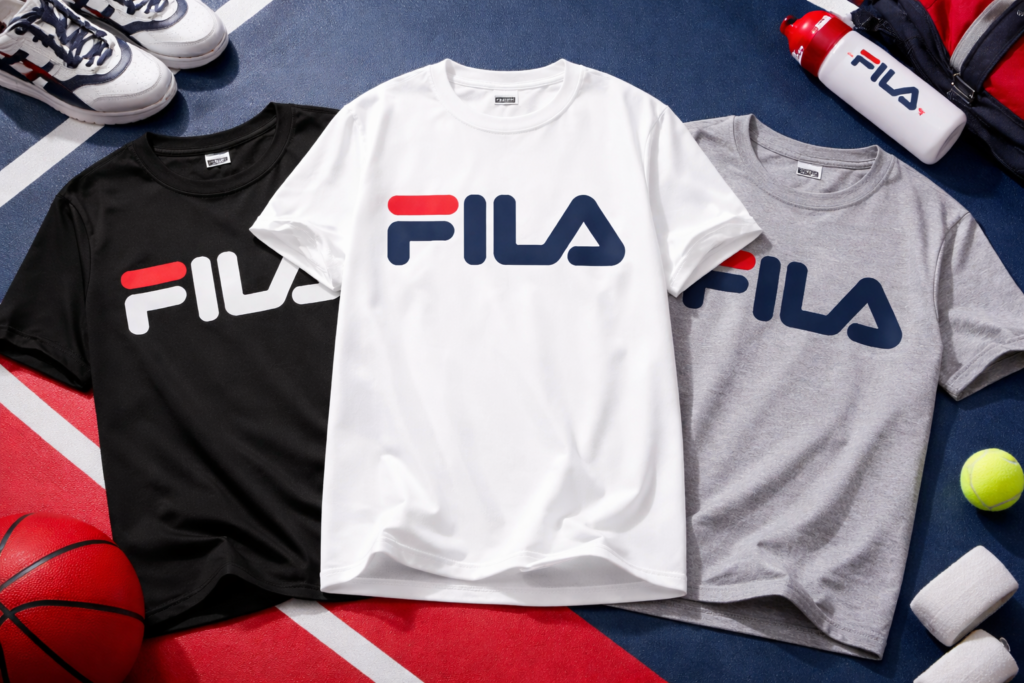
At this point, FILA clothing transcended being mere clothing. It became a symbol. People who wore FILA were people who appreciated heritage. They were people who were comfortable with boldness. They were people who were associated with sports, music, and life, not elitism. This is the pinnacle of cultural achievement that any brand can hope to attain.
FILA in 2025 and the Road Ahead
As of 2025, FILA finds itself in a unique position. It is no longer trying to be relevant. It is trying to manage relevance. The streetwear division of FILA has come to terms with its heritage and has a clear understanding of what the future holds. FILA does not require reinvention cycles anymore. It is all about refinement, harmony, and consistency. This is where longevity is defined.
Modern FILA Collections and Design Direction
The current collections by FILA are characterized by restraint. Designers collaborate with archives. They reinterpret rather than redesign. Logos are kept at the forefront. The color schemes are kept rooted in brand DNA. Silhouettes are sport-inspired without being costume-like. This is to preserve brand identity. The clothing by FILA today looks familiar yet contemporary. Performance-enhancing materials are used. Silhouettes are adjusted for a contemporary fit. The visual language is still distinct.
FILA Hoodies, Sneakers, and Everyday Icons
Certain categories identify the current strength of the brand. FILA hoodies are a staple. Proper logo positioning. Harmonious proportions. Wearability. These elements ground the brand and keep it top of mind in the streets. FILA sneakers continue to act as cultural connectors. Disruptor and classic court styles link sport history with streetwear needs. These products do not need hype. They need recognition.
Collaboration Strategy in the Present Era
The FILA collaborations that have happened in the past few years demonstrate selectiveness. Instead of going for endless collaborations, the brand selects projects that resonate with sports, lifestyle, and heritage. Collaborations are used as highlights and not as identities. Being selective demonstrates brand confidence. Every collaboration that happens supports FILA’s heritage rather than rewriting it.
Global Markets and Cultural Balance
FILA deals with various cultural realities. In Europe, it focuses on heritage and sport roots. In Asia, lifestyle and fashion convergence. In North America, it balances street and sport heritage. This flexibility enables expansion without fragmentation. Brands rarely achieve this without losing focus.
Sustainability and Responsibility
Modern fashion demands responsibility. FILA has begun integrating sustainability through material choices, manufacturing improvements, and longer product life cycles. The focus remains practical rather than performative. This aligns with FILA’s identity. The brand avoids loud claims. It prioritizes durability. That approach matches its history of functional design.
Why FILA Will Last
Longevity comes from clarity. FILA knows what it is. It does not compete with luxury houses. It does not imitate emerging labels. It occupies its own lane between sport, culture, and everyday wear.
That position is difficult to replace. As trends cycle faster, brands with deep roots become more valuable. FILA history provides that foundation.
CONCLUSION
FILA is not a comeback story. It is a continuation. From Italian sportswear origins to global streetwear presence, FILA has evolved without losing itself. Each era added layers rather than erased chapters.
https://www.fila.com/ streetwear works because it carries memory. FILA clothing works because it respects function. FILA collections work because they understand restraint. FILA hoodies work because they feel honest. FILA history works because it is real. In a fashion world obsessed with speed, FILA represents endurance. That is not a trend. That is identity.
Frequently Asked Questions About FILA
1. What is FILA?
FILA is an Italian-origin sportswear and lifestyle brand founded in 1911. It is known for athletic apparel, footwear, and its influence on global streetwear culture.
2. Who founded FILA?
FILA was founded by the Fila brothers in Biella, Italy, originally as a textile and knitwear company serving local communities.
3. What is FILA best known for today?
FILA is best known for its sportswear heritage, retro-inspired sneakers, logo-driven streetwear, and iconic silhouettes rooted in tennis and athletic culture.
4. Is FILA a streetwear brand or a sportswear brand?
FILA operates at the intersection of both. It began as sportswear and later evolved into a globally recognized streetwear presence without abandoning its athletic roots.
5. When did FILA become popular in streetwear culture?
FILA gained major streetwear momentum in the 1990s and saw a global resurgence during the late 2010s through retro fashion and youth culture adoption.
6. What are FILA’s most iconic products?
Some of FILA’s most iconic products include the Disruptor sneakers, logo hoodies, track jackets, tennis polos, and vintage-inspired athletic footwear.
7. Why are FILA sneakers so popular?
FILA sneakers combine bold design, retro appeal, comfort, and cultural recognition. Their archive-driven silhouettes resonate strongly with streetwear audiences.
8. What makes FILA hoodies distinctive?
FILA hoodies stand out for their clean branding, relaxed fit, durable fabrics, and balance between sportswear functionality and streetwear style.
9. Has FILA collaborated with other brands or designers?
Yes. FILA has collaborated with designers, retailers, and cultural partners across fashion, sport, and lifestyle while maintaining a strong connection to its heritage.
10. Which sports influenced FILA’s design identity?
Tennis played the most significant role in shaping FILA’s identity, followed by basketball, fitness, and performance training.
11. Is FILA considered a luxury brand?
FILA is not a luxury brand. It is a premium sportswear and lifestyle label positioned for accessibility, durability, and cultural relevance.
12. Where is FILA headquartered today?
FILA operates globally with major offices in South Korea, Italy, and the United States, serving regional markets with tailored strategies.
13. How has FILA stayed relevant over time?
FILA stays relevant by respecting its archive, adapting silhouettes for modern wear, and maintaining consistency in branding rather than chasing trends.
14. Is FILA popular in 2025?
Yes. In 2025, FILA remains culturally visible across streetwear, casual fashion, and athletic lifestyle markets worldwide.
15. What does the future look like for FILA?
FILA’s future focuses on heritage-led design, selective collaboration, sustainable practices, and long-term brand continuity rather than fast-fashion cycles.
For collaborations, press, or inquiries, contact us at streeticonic1@gmail.com.