Brands
Evolution of Dyson From DC01 Breakthrough to Smart Cordless Technology Revolution



Dyson is not just a vacuum brand. It is an example of how engineering, design, and strategic planning can transform an entire industry from scratch. From the innovative launch of the first Dyson vacuum DC01 in the early 1990s to the present days with ultra slim cordless units, Dyson always moved forward.
Dyson is unique because innovation for the sake of innovation is not the core aspect here. Each generation of Dyson products evolves from its predecessors. Moreover, every single unit is solving a problem. At the same time, every generation becomes more efficient and user-friendly.
In the long run, Dyson transformed its innovation-based approach into a system, which eventually made it a top-tier premium brand. Let’s start with where it all began.
The Bold Beginning
When James Dyson decided to take control of his vision, he didn’t just start a company—he reshaped an entire industry. In 1991, he founded Dyson Ltd in the U.K., turning financial risk into a blueprint for global success. With a massive $850,000 loan secured against his own home and his life savings on the line, Dyson proved that real innovation demands real sacrifice.
From day one, Dyson focused on more than just manufacturing. He built a powerful ecosystem combining a production facility with a dedicated research center—fueling constant innovation and setting the foundation for long-term market dominance.
The Game-Changing Launch: Dyson DC01
In 1993, Dyson introduced the revolutionary Dyson Dual Cyclone DC01, priced at $399. At first, retailers hesitated. The price was higher than traditional vacuums, and the concept felt unfamiliar. But the market quickly proved them wrong.
Within just two years, Dyson’s DC01 outperformed competitors like Hoover, rapidly capturing market share and redefining consumer expectations.
Why Consumers Couldn’t Resist Dyson
Dyson didn’t just sell a product—it sold a completely new experience:
- Transparent, futuristic design that revealed dust collection in real time
- Advanced cyclone technology that eliminated the need for bags
- Minimalist engineering that combined performance with aesthetics
Consumers were drawn to the innovation, the honesty of the design, and the visible proof of performance—something no competitor had offered before.
“Say Goodbye to the Bag” — A Marketing Masterstroke
Dyson’s bold advertising strategy played a key role in its rapid growth. The unforgettable slogan, “Say goodbye to the bag,” directly challenged industry norms and highlighted a clear competitive advantage.
This campaign didn’t just promote a feature—it created a conversation. The result? Massive demand, strong brand recall, and a product that quickly became a bestseller across the U.K. and beyond.
The Hoover Battle: Innovation vs. Imitation
By 1999, Hoover attempted to replicate Dyson’s success with its own bagless vacuum. Dyson responded with a patent infringement lawsuit—and won. Hoover was forced to halt production, reinforcing Dyson’s position as the true innovator.
Interestingly, as other global brands began producing similar bagless models, Dyson chose not to pursue endless legal battles. Instead, Dyson stayed focused on what mattered most: continuous innovation and product evolution.
The Strategic Lesson Behind Dyson’s Success
Dyson’s journey is more than a business story—it’s a masterclass in strategy:
- High-risk investment can unlock category-defining innovation
- Product differentiation beats price competition
- Marketing clarity creates instant brand recognition
- Relentless focus on innovation sustains long-term growth
Today, Dyson stands as a global leader not because it followed trends—but because it created them.
1993 DC01 First Breakthrough

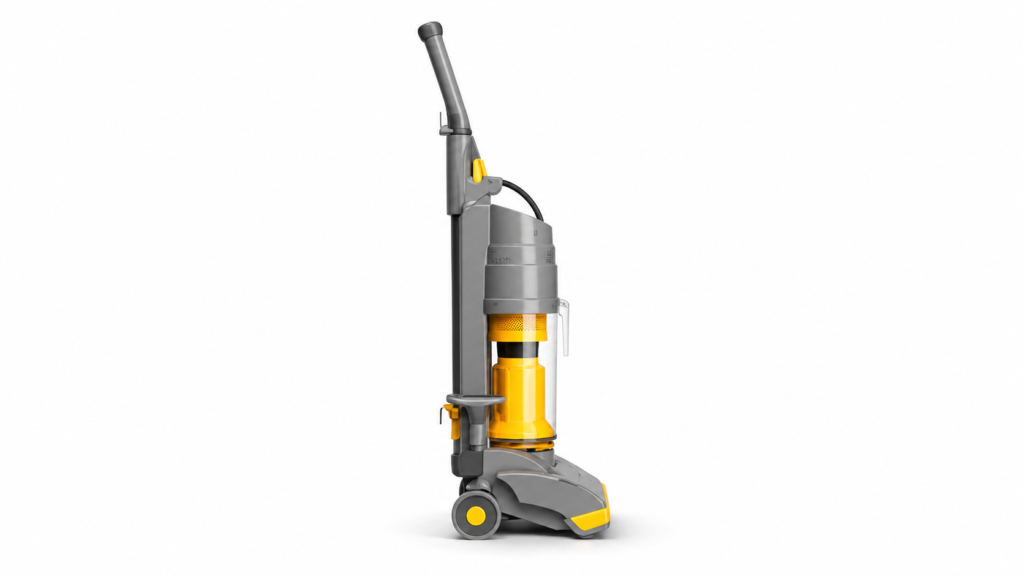
The DC01 was introduced by James Dyson in 1993. This was no ordinary vacuum cleaner but rather an entire industrial revolution. Conventional vacuum cleaners worked on the principle of dust collection inside bag filters, which ultimately led to their clogging. As a result, suction capacity declined. James Dyson innovated on this issue by employing cyclone technology, which utilized centrifugal force.
Key impact of DC01:
§ Introduced bagless vacuum technology
§ Delivered constant suction performance
§ Reduced maintenance costs
§ Changed consumer expectations
This was the foundation of Dyson’s entire product ecosystem.
1995 DC02 Refinement
Following the success of DC01, Dyson concentrated on refining his product. In 1995, he released DC02. DC02 was the first cylinder-shaped model of Dyson. It was made to be more portable, especially while working up the stairs. In addition to ergonomics, the filtering process had been improved.
Key improvements:
§ Better airflow design
§ Improved maneuverability
§ Enhanced filtration system
This showed Dyson’s strategy. Do not just innovate once. Improve continuously.
1998 DC05 Compact Innovation
The DC05 was released by Dyson in 1998. This product had a major emphasis on portability. People needed vacuum cleaners that were not bulky. Dyson provided a compact vacuum cleaner.
Key impact:
§ Introduced compact vacuum design
§ Maintained strong suction
§ Improved storage convenience
This collection proved that innovation can also mean simplification.
2001 DC07 Root Cyclone Technology
The DC07 represented a revolutionary advancement in technology. It had Root Cyclone technology, which helped improve the performance of dust separation. Finer dust particles were trapped. The machine performed better during its lifecycle.
Key impact:
§ Advanced cyclone efficiency
§ Better dust capture
§ Increased durability
This model strengthened Dyson’s reputation as a technology leader.
2005 DC15 Ball Technology Revolution
One of the greatest innovations of Dyson was introduced by them in the year 2005. It was ‘Ball Technology’. The movement of the vacuum cleaner took place with the help of balls and not wheels.
Key impact:
§ Improved control and movement
§ Reduced user effort
§ Unique design identity
This innovation became a signature Dyson feature.
2006 DC16 First Cordless Step
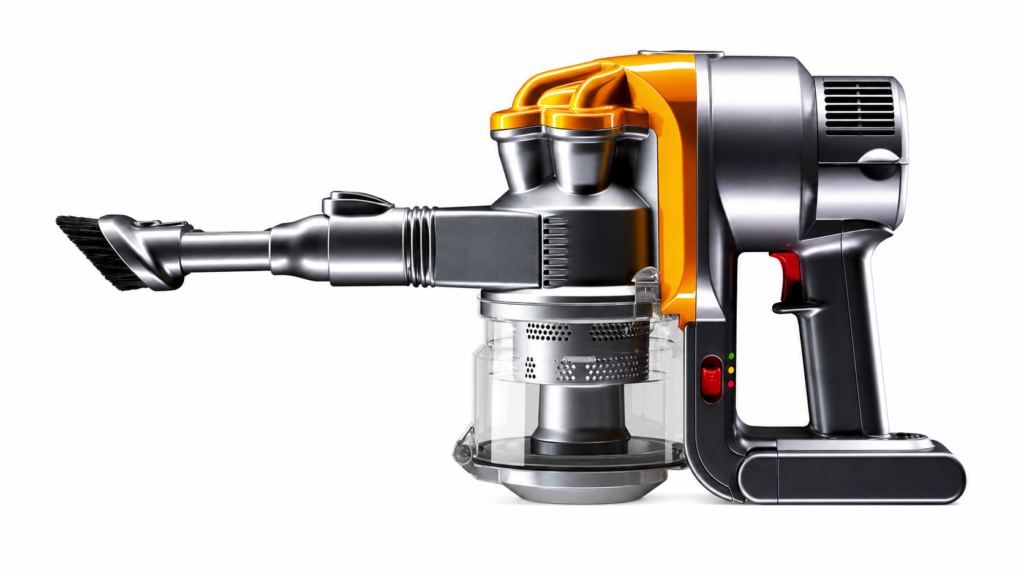
The introduction of the DC16 by Dyson marked the start of the company’s venture into cordless devices. This was a hand-held vacuum cleaner, emphasizing mobility. However, despite poor battery life, the device signaled a change in direction.
Key impact:
§ Introduced cordless concept
§ Increased flexibility
§ Started shift toward portable cleaning
This was the beginning of a major transformation.
Cordless Revolution, Engineering Leap, and Premium Positioning
2010 DC35 Cordless Breakthrough Collection
By 2010, Dyson was at a crossroads, entering an important stage of transition. The company moved its attention away from vacuum cleaners that had cables to more mobile devices. DC35 was among the earliest cordless systems. It utilized a combination of digital motors and lithium ion batteries.
Key impact:
§ Real cordless cleaning experience introduced
§ Lightweight portable structure
§ Improved battery efficiency compared to DC16
Although early battery life was still limited, it changed consumer expectations permanently. Cleaning was no longer tied to a power socket.
2012 DC44 Digital Motor Evolution
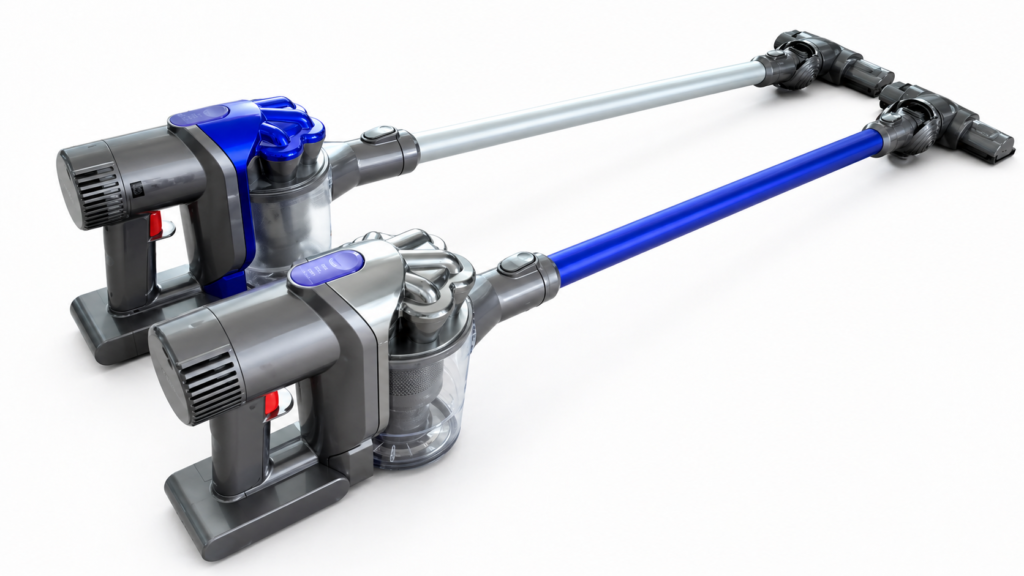
For example, in 2012, Dyson enhanced their cordless technology through the introduction of the DC44. It had more powerful digital motors, as well as consistent suction. The engineering goal was simple. Get twice the power of the last model in cordless form.
Key improvements:
§ Stronger digital motor V2 system
§ Better airflow efficiency
§ Improved cleaning performance on carpets and hard floors
This collection proved cordless vacuums could compete with traditional machines.
2015 Dyson V6 Platform Revolution
The V6 range represented one of the major milestones in the Dyson legacy. No longer would Dyson give each model a numerical designation starting with “DC.” Rather, they began using a platform system, which was established by the V6 model line.
Key impact:
§ Unified product architecture system
§ Strong suction in compact design
§ Mass market adoption of cordless vacuums
This was also when Dyson started positioning itself as a premium lifestyle brand, not just a cleaning appliance company.
2016 Dyson V8 Premium Expansion
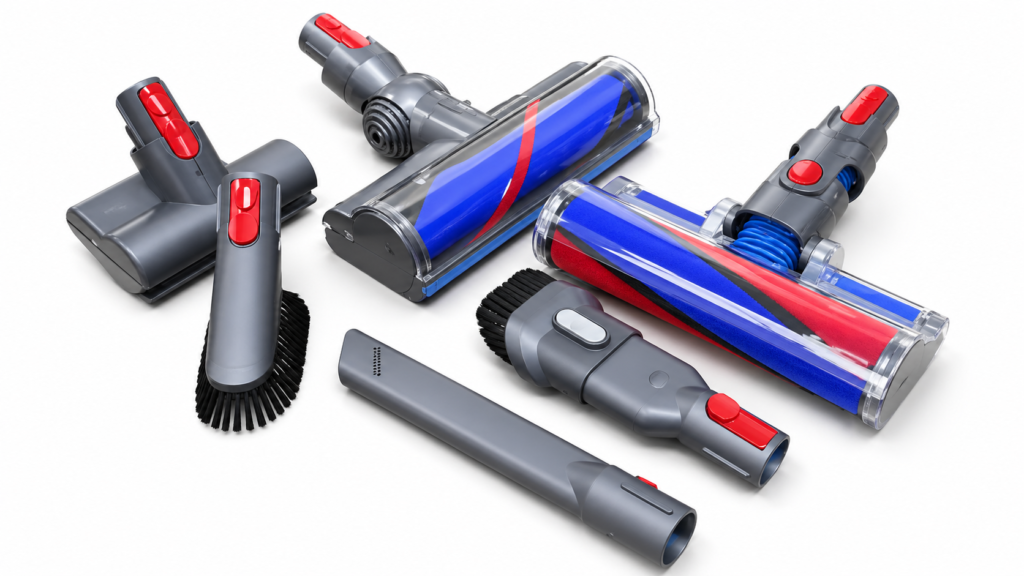
The V8 series enhanced both efficiency and ease of use. There was a marked increase in battery power. The noise levels were reduced. Filtration systems became more sophisticated.
Key improvements:
§ Longer runtime battery system
§ Reduced operational noise
§ Enhanced HEPA filtration
This phase increased Dyson’s average product pricing strategy, strengthening brand economics.
2018 V10 Engineering Reset
It signified that there had been significant changes within the vacuum cleaner series. James Dyson decided to take some risks. He abandoned development of corded models and concentrated completely on cordless designs.
Key impact:
§ Full transition to cordless ecosystem
§ Redesigned airflow layout
§ Stronger suction power engines
This decision significantly increased Dyson’s R&D focus and premium pricing power.
2020 V11 Intelligent Cleaning System
Dyson incorporated intelligent cleaning technology in its V11. The machine had sensors that would adjust the suction capability based on the type of surface. This was an innovation by Dyson in the field of floorcare technology involving “sensing” and “software.”
Key features:
§ Intelligent suction adjustment
§ LCD performance display
§ Optimized battery management system
This collection moved Dyson closer to “smart home ecosystem” branding.
2021 Dyson Micro Lightweight Expansion
Dyson unveiled its ultra-lightweight vacuum cleaners in 2021. It aimed at practicality and sleekness in design. They were aimed at city dwellers and smaller spaces.
Key impact:
§ Ultra lightweight engineering
§ Compact storage design
§ Increased portability
This showed Dyson adapting to global lifestyle changes.
2021 V15 Laser Detection Innovation
The V15 featured laser dust detection. This made it possible for users to view dust particles under a microscope. It offered a visual cleaning experience.
Key impact:
§ Laser dust detection system
§ High precision cleaning feedback
§ Strong differentiation from competitors
This model reinforced Dyson’s innovation leadership.
2022 Dyson Gen5 Detect Premium Launch

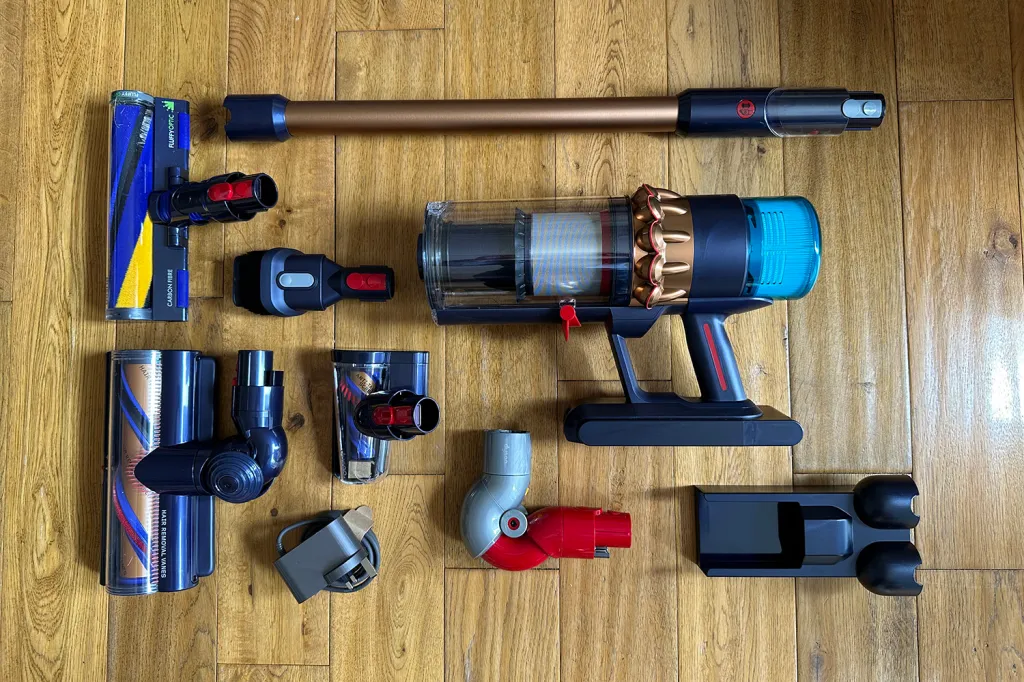
Gen5 Detect became Dyson’s strongest cordless vacuum ever. Its features included great suction power, state-of-the-art filtration system, and high battery life.
Key improvements:
§ Strongest suction performance yet
§ Advanced HEPA filtration system
§ Extended runtime efficiency
This model solidified Dyson’s premium dominance.
The economic strategy behind Dyson is as important as its engineering. Dyson does not compete on price. It competes on innovation value. Key economic strategies:
§ Premium pricing model from launch
§ High margin hardware ecosystem
§ Continuous product upgrade cycle
§ Strong reinvestment in R&D
Unlike traditional appliance brands, Dyson focuses on fewer products with higher innovation cycles. Revenue growth comes from:
§ Cordless vacuum dominance
§ Air purifiers and hair styling devices
§ Global expansion in Asia and US markets
The shift from mechanical appliances to “smart lifestyle technology” increased Dyson’s valuation significantly.
Beauty Tech Expansion, Smart Ecosystem, and Modern Dominance
2016 Dyson Airwrap Beauty Collection Breakthrough
Dyson introduced its first non-cleaning product in 2016 – the Dyson Supersonic hair dryer. It was not only a different product but also a disruptive one. Unlike conventional hair styling gadgets that relied on intense heat, Dyson utilized controlled airflow in order to achieve salon-grade effects without damaging hair.
Key impact:
§ Introduced heat controlled styling technology
§ Reduced hair damage compared to traditional tools
§ Created a new beauty tech category
This move transformed Dyson from an appliance company into a lifestyle technology brand.
2016 Dyson Supersonic Hair Dryer Optimization
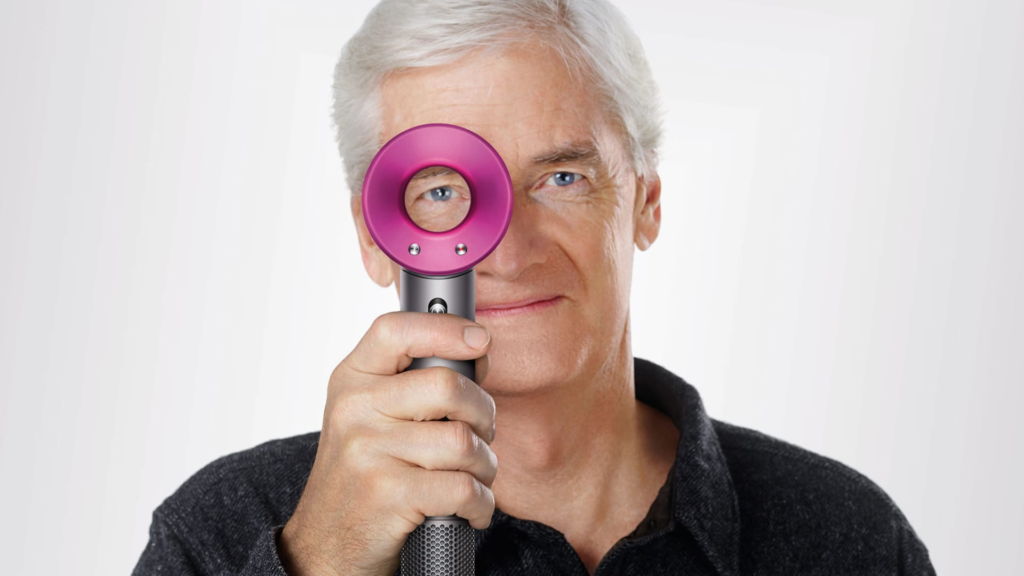
The Supersonic hair dryer became one of Dyson’s most successful lifestyle products.It focused on fast drying with controlled airflow.Unlike traditional dryers, it avoided extreme heat damage.
Key impact:
§ Intelligent heat control system
§ Fast drying performance
§ Reduced hair damage technology
This product strengthened Dyson’s dominance in beauty technology.
2020 Dyson Corrale and Beauty Ecosystem Expansion
Following Airwrap success, Dyson launched the Corrale straightener. It used flexing plate technology to reduce heat damage and improve styling control. This confirmed Dyson’s long term strategy. Expand into beauty tech with the same engineering mindset.
Key improvements:
§ Cordless straightener innovation
§ Controlled heat distribution system
§ Increased mobility in beauty routines
This phase showed Dyson was building a full ecosystem, not just single products.
2022 Smart Home Integration Strategy
By 2022, Dyson began positioning itself as a smart ecosystem brand. Vacuum cleaners, air purifiers, and beauty devices started sharing design logic and engineering principles. The goal was not just product sales. It was ecosystem control.
Key strategy:
§ Unified design language across products
§ Shared digital motor technology
§ Expansion into smart home environments
This approach increased brand loyalty and long term customer retention.
2022/2023 Gen5 Detect Full Performance Era

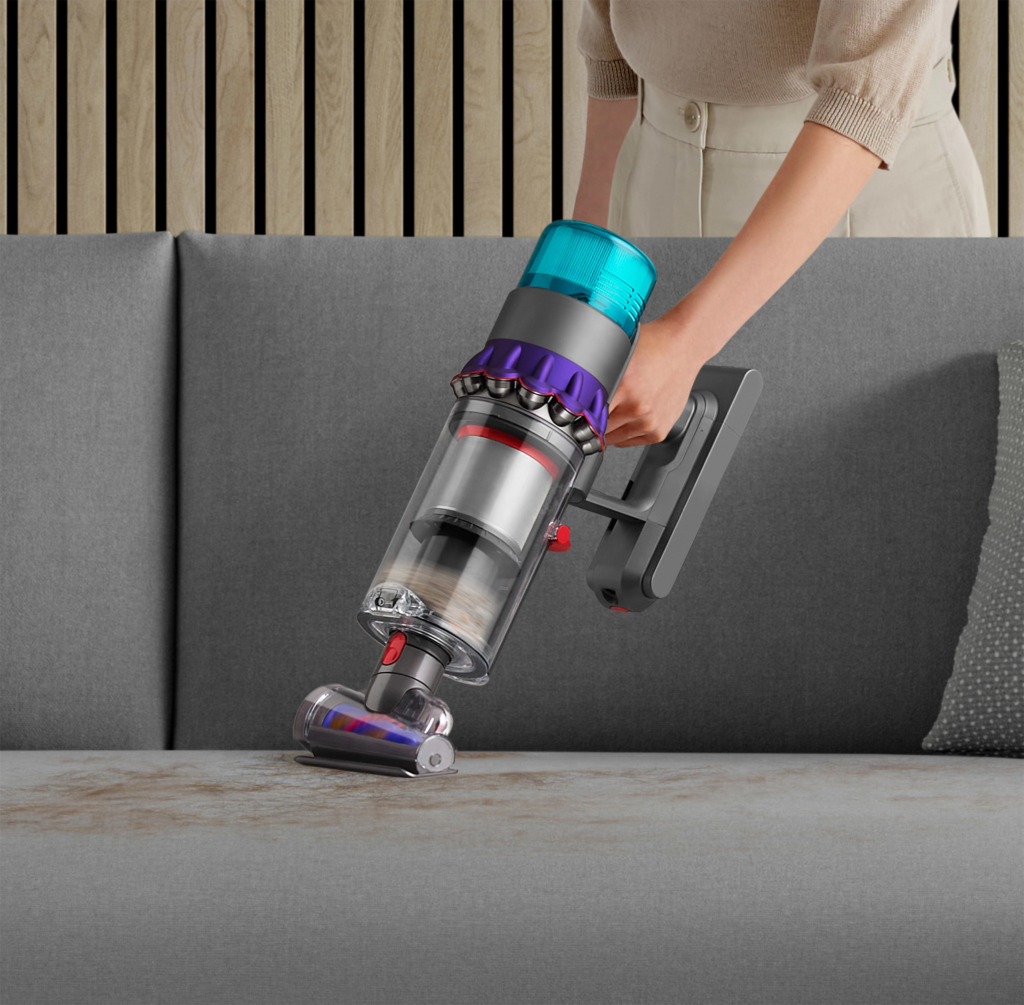
The Gen5 Detect represented the peak of Dyson vacuum engineering at the time. It combined maximum suction power, laser dust detection, and advanced filtration. This model showed how far cordless technology had evolved.
Key impact:
§ Highest suction performance in Dyson lineup
§ Advanced particle detection system
§ Premium engineering positioning
This model strengthened Dyson’s leadership in premium home technology.
2024 Next Generation Compact Innovation
By 2024, Dyson focused on compact, ultra efficient designs. New models became lighter, smarter, and more energy efficient. The goal shifted from raw power to intelligent cleaning systems.
Key direction:
§ Lightweight engineering focus
§ Smart adaptive suction systems
§ Energy optimized performance
This phase reflects maturity in Dyson’s product evolution.
Engineering a Borderless Empire
Dyson was not an ordinary brand scaling but scaled consciously. The company chose areas where it had opportunities to grow. From the UK in the late 1990s, in 2019 Dyson made the decision to move to Singapore to be closer to its rapidly growing market.
During the first decade of 2000, Dyson started producing its products in Malaysia. As a result, this strategic decision of Dyson helped to reduce the cost of producing products by about 30% and invest the saved money into research and innovation activities. The choice to move manufacturing from the UK to Malaysia was dictated not only by economic benefits.
In 2013, Dyson opened a high-tech center in Singapore to strengthen its presence in the Asian market. Such a choice of the place for the construction of the factory was justified since Singapore offered Dyson a good combination of modern infrastructure, highly skilled engineers and proximity to fast-growing markets. In 2017, Dyson decided to move its Chicago office due to rapid expansion in the US market.
The biggest strategic shift came in 2019 when Dyson relocated its global headquarters to Singapore. Asia had become its fastest-growing region, contributing nearly half of total sales. Instead of managing from afar, Dyson positioned itself directly inside the world’s most dynamic consumer market.
This expansion model turned Dyson into a borderless empire. It no longer operates from a single center. It functions as a global network, optimized for innovation, speed, and market dominance.
Dyson’s AI, Robotics, and the Next Wave of Innovation
However, Dyson’s expansion does not rely solely on geographical reach. It depends on a continuous stream of investment in future technologies. In 2023, Dyson had an annual turnover of £7.1 billion. However, a more interesting statistic is that Dyson boosted its research expenses by over 40%, enabling the introduction of several innovative products, including the Dyson Airstrait, Dyson Zone, and Dyson 360 Vis Nav.
Nowadays, Dyson spends approximately £9 million weekly on fundamental technologies such as artificial intelligence, robotics, and energy-dense batteries. This high level of expenditure indicates Dyson’s future-oriented strategy. Dyson does not adapt to current trends. Instead, the company creates the technological foundation for future industry innovations.
Moving forward, Dyson plans the largest product releases in its history. The company will enter several emerging industries, including beauty tech, smart homes, and wearables. Large investments into major projects, such as the development of the £166 million campus in the Philippines and the next-generation battery facility in Singapore, indicate Dyson’s worldwide ambitions.
At the same time, Dyson continues to invest in its UK roots, shifting the software and AI operations originally planned for a new Bristol hub back to its Malmesbury campus to better consolidate its engineering talent. This balance between global expansion and deep tech investment is what keeps Dyson ahead.
Dyson’s future is clear. It is not just a product company anymore. It is an innovation engine built to dominate the next era of technology.
Dyson Brand Economics
The economic structure of Dyson is built on long term innovation value rather than mass production. Unlike traditional appliance companies, Dyson uses a high margin strategy.
Key economic pillars:
§ Premium pricing across all categories
§ Continuous R&D reinvestment
§ Limited but high impact product launches
§ Strong global brand positioning
Revenue diversification expanded into:
§ Cordless vacuum systems
§ Air treatment technology
§ Beauty tech ecosystem
§ International premium markets
Dyson’s financial strength comes from innovation leadership, not volume competition. Each product cycle increases brand equity, allowing higher pricing in future releases.
Dyson Legacy and Industry Transformation
Dyson Ltd didn’t just improve products—it completely redefined how entire categories function. What were once simple household tools are now precision-engineered machines built for performance, efficiency, and design.
Dyson transformed vacuum cleaners into high-performance systems powered by advanced airflow engineering. It set a new global benchmark by mainstreaming cordless technology, removing limitations and reshaping user convenience. In the beauty space, Dyson disrupted traditional tools by introducing intelligent heat control and aerodynamic airflow—raising standards for both safety and styling results.
But the real breakthrough goes beyond products. Dyson proved that deep engineering + bold design = premium brand power.
The 3 Pillars Behind Dyson’s Global Dominance
- Relentless Innovation
Dyson continuously reinvents its own technology, refusing to settle for industry norms. - Engineering-Led Design
Every product is built with performance-first thinking, where design supports function—not the other way around. - Premium Positioning Through Results
Instead of competing on price, Dyson dominates through measurable performance and cutting-edge technology.
More Than a Brand — A Technology Ecosystem
Today, Dyson stands as more than just a manufacturer. It operates as a fully integrated tech ecosystem influencing how people clean their homes, style their hair, and interact with everyday devices. Each product reflects a larger vision: combining science, usability, and design into one seamless experience.
Conclusion
Dyson has completely transformed modern technology through constant innovation and smart engineering. From the DC01 to advanced cordless systems and beauty devices, every product generation improved performance, design, and user experience. Dyson did not just upgrade appliances. It redefined entire categories like home cleaning and personal care. Its success comes from strong research, premium positioning, and long term vision. Even in lifestyle and streetwear influenced consumer culture, Dyson products are seen as modern status symbols because of their design and innovation. The brand continues to evolve into a smart ecosystem that blends power, intelligence, and simplicity. This journey proves that consistent innovation can turn simple machines into global industry leaders.
Frequently Asked Questions
What is Dyson known for?
Dyson is known for vacuum innovation, cordless technology, and advanced beauty devices.
Who founded Dyson?
James Dyson founded Dyson and created the first bagless vacuum cleaner.
What was Dyson’s first product?
The G-Force was Dyson’s first vacuum, followed by the DC01 which was his first major UK breakthrough.
Why is Dyson so expensive?
Dyson uses premium materials, advanced engineering, and heavy investment in research and development.
What makes Dyson different?
Its focus on innovation, cyclone technology, and cordless engineering makes it unique in the market.
What is Dyson DC01?
It is the first bagless vacuum that changed the entire cleaning industry.
What is the Dyson V series?
It is a cordless vacuum platform that delivers continuous performance upgrades.
What is Dyson Airwrap?
It is a hair styling device that uses controlled air instead of extreme heat.
Is Dyson a luxury brand?
Dyson is a premium technology brand with luxury level pricing and positioning.
What industries does Dyson work in?
It works in home cleaning, air purification, and beauty technology.
When did Dyson go cordless?
Dyson began cordless innovation in the mid 2000s with early handheld models.
What is Dyson Gen5 Detect?
It is one of Dyson’s most advanced cordless vacuum systems with laser dust detection.
Does Dyson use smart technology?
Yes, newer Dyson models include sensors and intelligent suction control systems.
Is Dyson popular worldwide?
Yes, Dyson products are sold globally in premium and luxury markets.
What is Dyson’s main strategy?
Its strategy is continuous innovation, premium positioning, and long term ecosystem development.
For collaborations, press, or inquiries, contact us at streeticonic1@gmail.com.