Blogs
Doraemon Streetwear, Clothing, Hoodie, and History: The Complete Cultural & Fashion Guide


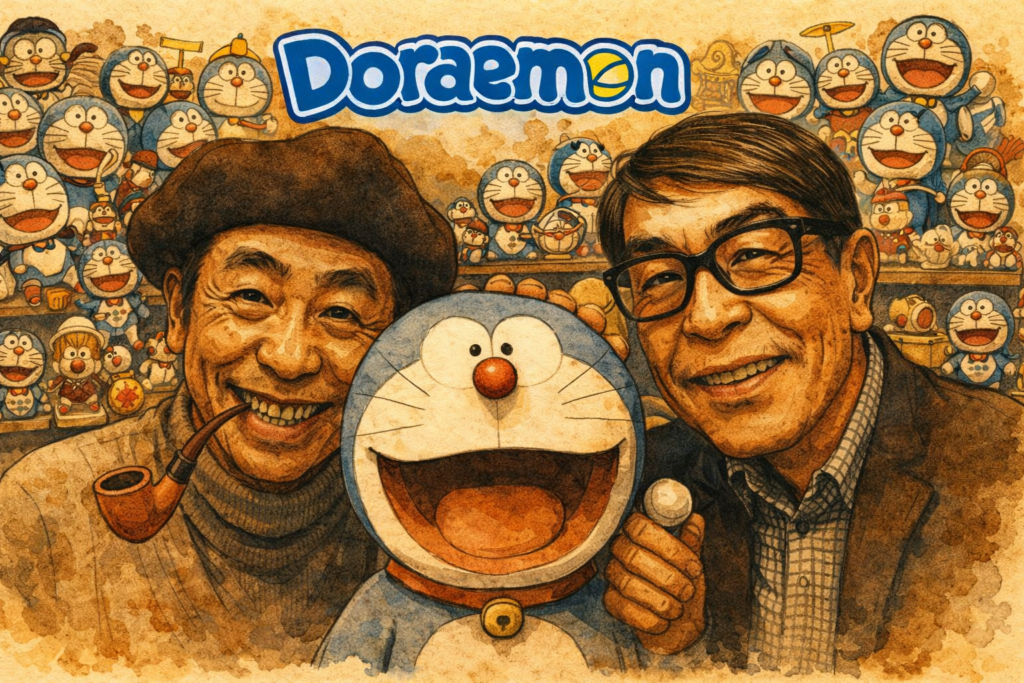
Few characters in the international pop culture lexicon have managed to attain the same level of timeless appeal and multi-generational impact as Doraemon. What began as a simple manga series in Japan has since grown into a worldwide cultural phenomenon that encompasses everything from animation and film to toys, digital media, and, more recently, streetwear and fashion collections. Today, Doraemon is more than simply a retro cartoon character; it is a brand, a symbol, and a lifestyle influence that bridges the gap between childhood nostalgia and modern design culture.
Doraemon streetwear, clothing, and hoodie collections have become an integral part of the modern fashion scene. This article examines the history and future potential of Doraemon, its brand identity, merchandise empire, and collaborations, with a particular emphasis on its growing impact within the streetwear culture.
The History and Background of Doraemon
Doraemon was born in 1969 from the minds of the famous Japanese manga artist Fujiko Fujio and was first published by Shogakukan in children’s magazines. Essentially, the plot revolves around a robotic cat from the future named Doraemon, who travels back in time from the 22nd century to help a young boy named Nobita Nobi, whose poor choices jeopardize the future of his family. Doraemon has been sent back in time by Nobita’s descendant with the sole purpose of helping him lead a better life through the use of his four-dimensional pocket full of high-tech gadgets.
What makes Doraemon the phenomenon that it is, is its incredibly simple yet profoundly rich storyline: a poor, unfortunate child is provided with access to high-tech gadgets that can solve all his problems instantly—but often with unforeseen results. By using this framework, the series masterfully weaves together science fiction, comedy, and real-life situations with moral teachings. Each and every one of these stories explores concepts such as responsibility, hard work, and the value of personal development, all of which convey the message that success in life cannot be achieved through shortcuts alone.
Why Doraemon Became Timeless
The secret to the success of Doraemon is that it has been able to convey universal human values in a simple yet effective manner. Essentially, the series delves into issues such as friendship, taking responsibility, the effects of shortcutting, and learning from one’s mistakes. Every episode is a reflection of real-life issues, whether it is coping with failure, peer pressure, or self-doubt, making the series extremely relevant to both children and adults. While children are able to relate to the comedic elements and the gadgets, adults are able to relate to the emotional aspects. This has made Doraemon extremely relevant across generations, and it has been able to maintain its position in the market for several decades. The manga series has sold more than 170 million copies, making it one of the best-selling manga series of all time.
From Stage to Screen to Streetwear
Doraemon’s journey from manga to global fashion influence is a unique evolution.
Anime Expansion
Doraemon’s growth accelerated significantly through its television adaptations, which played a crucial role in transforming it from a manga series into a global phenomenon. The first anime adaptation aired in 1973, but it was a short-lived production that remained obscure. However, the 1979–2005 series became iconic, running for decades and establishing Doraemon’s classic visual identity and storytelling style. The 2005 reboot modernized animation and expanded international reach, helping Doraemon gain popularity across Asia, Europe, and other global markets.
Film Industry Growth
The Doraemon film series, which began in 1980, significantly expanded the franchise’s narrative depth and global appeal by introducing longer, more cinematic storytelling. Unlike episodic television formats, these films explore grand adventures, emotional character development, and complex themes such as friendship, sacrifice, and personal growth. Notable titles like Stand by Me Doraemon utilized modern CGI animation and heartfelt storytelling, attracting both nostalgic longtime fans and a new generation of viewers, further strengthening Doraemon’s cultural impact.
Transition into Fashion
As nostalgia-driven fashion trends started gaining traction worldwide, Doraemon was able to seamlessly transition into the streetwear and lifestyle fashion trend, evolving from a nostalgic childhood character to a modern-day icon. The brand collaborated with renowned designers and brands to launch graphic tees with iconic prints, limited edition Doraemon hoodies, exclusive designer collaborations, and curated capsule collections. These fashion items not only symbolize nostalgia but also cater to the adult market looking for fun and creative outlets. By combining childhood nostalgia with modern design, Doraemon has emerged as a distinctive link between intergenerational fan loyalty and fashion-forward streetwear.
The Brand Identity
Doraemon’s brand identity is a mix of nostalgia, innovation, playfulness, and moral storytelling, which makes it a universally appealing and timeless presence in popular culture. Nostalgia is a link between generations who have grown up reading the manga series or watching the anime series, which reminds them of their childhood. Innovation is not only seen in Doraemon’s gadgets but also in the fact that the series has been adapting to modern media, fashion, and technology. Playfulness is seen in Doraemon’s design, humor, and adventures, which makes it accessible and interesting, and moral storytelling teaches them the lessons of responsibility, friendship, perseverance, and creativity.
Visual Identity
The visual identity of Doraemon is easily recognizable because of the unique blend of design elements that have a wide appeal to all age groups. The iconic blue robotic cat design with a white face, round eyes, and a red collar gives the impression of being friendly and approachable. The use of rounded shapes and soft edges gives the impression of being playful and harmless, and the addition of sci-fi gadgets like the Anywhere Door or the Bamboo Copter adds to the imaginative and sci-fi aspects of the character.
Emotional Branding
One of the most appealing aspects of Doraemon is its emotional branding, which has been made possible through the strong emotional connections that the franchise has been able to establish with its audience. The franchise takes the audience back to their childhood memories of fun-filled adventures, school, and storytelling, and also focuses on the struggles that they have been able to overcome, such as school, development, and learning from mistakes. The emotional and feel-good stories of the franchise have been able to create a strong sense of nostalgia and emotional connection with the audience. This is why the products of the franchise, such as its clothing, hoodies, and collectibles, are so desirable.
Who Owns A Doraemon?
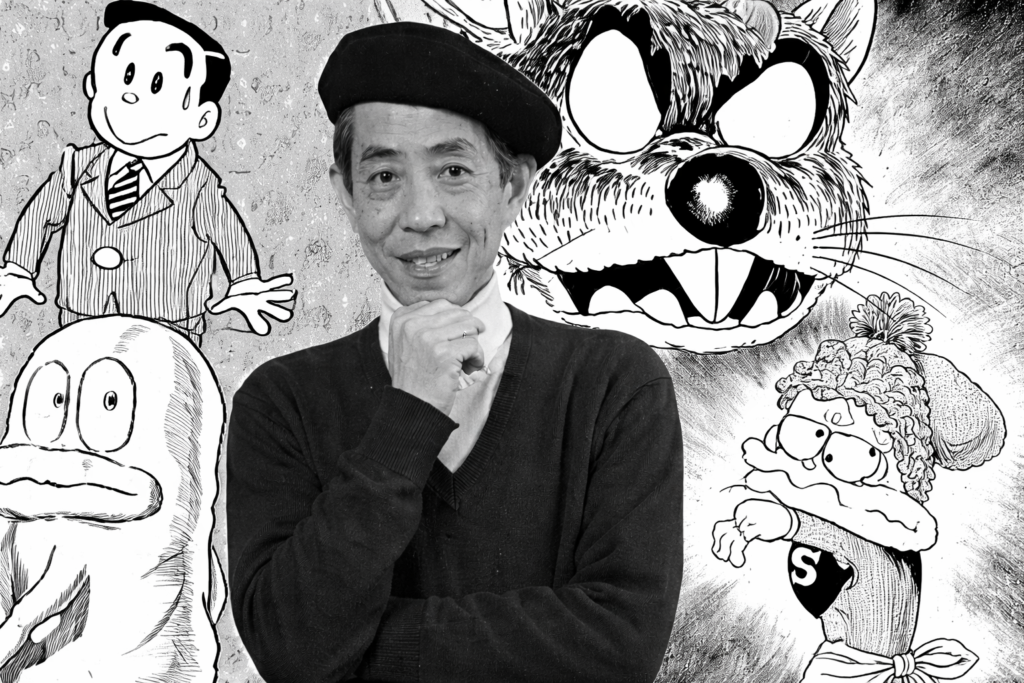
The ownership and operation of the Doraemon franchise are shared by several major organizations, such as Fujiko Pro, Shogakukan, TV Asahi, Shin Ei Animation, and ADK Emotions, each contributing in a unique way to the continued global reach of the franchise. The original authors, Fujiko F. Fujio, are operating through their production company, Fujiko Pro, which is managing the creative direction, character consistency, and approval of new content. In addition to Fujiko Pro, TV Asahi, a large Japanese broadcasting network, is managing the production and broadcasting of the anime series, ensuring that Doraemon reaches a wide television audience both in Japan and worldwide. At the same time, Shin Ei Animation, a major animation studio, is managing the technical and artistic side of animation production, ensuring that the high-quality visuals and consistent character design, which have become recognizable worldwide, are maintained.
These organizations are working together to manage several aspects of the franchise, including content production, global distribution, and licensing agreements. A special division of Shogakukan Shueisha Productions (ShoPro) is managing the entire licensing business for merchandising and promotional activities both in Japan and worldwide.This structured ownership framework ensures that Doraemon operates not just as a popular cartoon but as a strategically managed intellectual property, capable of sustaining long term growth, cultural relevance, and commercial success across multiple industries and international markets. It is this careful stewardship that has cemented Doraemon’s place as a global cultural icon.
Country of Origin
Doraemon originated from Japan, a nation that has earned international recognition for its vibrant and iconic anime and manga culture. Doraemon appeared in the late 1960s when Japan had a strong creative industry that offered a conducive environment for the development of innovative storytelling, character creation, and manga production.
The Japanese elements in Doraemon, which combined creative science fiction, moral education, and real-life experiences, appealed to many people both locally and internationally. Over the years, Doraemon has transformed from a source of entertainment to a cultural icon that represents Japanese creativity, morality, and technological imagination in international platforms. Its universal appeal has made it a global entertainment brand, which has reached many people in Asia, Europe, and the Americas through manga, anime, movies, and other merchandise.
In 2008, the Japanese government acknowledged the cultural significance of Doraemon by appointing it as an anime ambassador. This appointment recognizes the significance of the character in promoting Japanese culture internationally. Currently, Doraemon represents not only nostalgia and storytelling but also the Japanese spirit of innovation, artistic perfection, and international cultural influence.
A Doraemon Product Line
Likewise, the toy and collectible segment also comprises a large part of the product range. Ranging from action figures and plush toys to gadget replicas and limited edition collectibles, these products target not only children but also collectors, thereby bridging the gap between nostalgia and contemporary consumer culture. Collectibles also provide an avenue for community engagement, as fans engage in trading, forums, and exhibitions that showcase the rich history of the franchise.
Stationery products featuring Doraemon characters, such as notebooks, pens, stationery, and planners, further expand the reach of the franchise into the daily lives of consumers. These products not only have a functional use but also provide a lifestyle statement, as they enable fans to integrate a beloved cultural icon into their daily activities. Educational stationery also aligns with the franchise’s underlying themes of responsibility, creativity, and learning, thereby increasing its appeal to parents and educators looking for engaging tools for children.
However, the most rapidly growing category in the current product range of Doraemon is fashion, specifically clothing and streetwear lines. The growing trend of nostalgia-based fashion and the popularity of character-based apparel have created a lucrative market for Doraemon clothing. This includes graphic tees, hoodies, jackets, caps, and bags that have iconic scenes, character designs, and futuristic gadget motifs. Fashion collaborations with streetwear brands such as Gucci, Uniqlo, and others have pushed the character from being a childhood icon to a modern-day fashion icon. These collaborations have also led to limited edition lines that combine playful design with high-end streetwear fashion, creating massive hype and demand around the world. Doraemon clothing is also a hit with the older generation who grew up with the character, giving fans a chance to showcase their personal nostalgia while also staying on top of modern fashion trends.
The rise of Doraemon streetwear also shows the adaptability and relevance of the brand. By combining nostalgia, creativity, and lifestyle, Doraemon has evolved from a manga character to a diverse product ecosystem. Today, with its presence in the entertainment, gaming, collectibles, stationery, and fashion sectors, it is ensured that Doraemon remains relevant to a broad range of fans across generations and sectors, while also retaining a consistent and recognizable brand identity across the world.
Apparel & Accessories
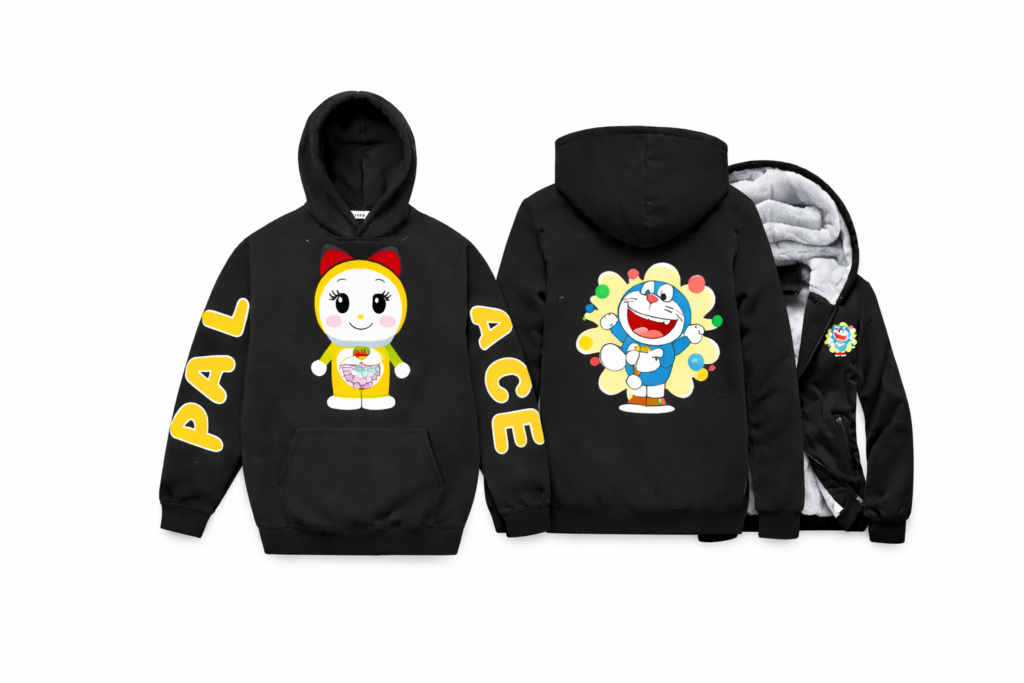
The impact of Doraemon on the fashion industry has been immense in the last ten years, especially in the casual and street fashion industry, where nostalgic characters and designs have become a huge trend. The brand has managed to turn its iconic characters into wearable art, making fashion a huge part of its product line. Some of the most popular fashion items include Doraemon hoodies, which come with bold designs of the character or his futuristic gadgets, combining comfort and design. Graphic t-shirts are another huge hit, allowing fans to display classic scenes from the anime series or nostalgic reinterpretations of the character in modern design trends.
Outerwear, such as jackets, has managed to incorporate subtle designs of Doraemon or patterns, which appeal to both young and old fans of the character who are looking for fashion-forward yet nostalgic clothing. Accessories such as caps, beanies, and backpacks have managed to offer fans a wide range of options to incorporate the character into their daily lives, while also showcasing the playful and futuristic nature of the character. In recent years, collaborations with top streetwear and footwear brands have managed to push Doraemon fashion from being casual to collectible fashion items.
These clothing and accessory lines show a perfect blend of nostalgia and the latest trends, giving fans the opportunity to express their identity while paying homage to a much-loved character. By incorporating character designs into everyday wear, Doraemon has ensured that it is not only a source of entertainment but also a lifestyle brand, connecting childhood nostalgia with the latest trends in streetwear and fashion.
Why Doraemon Clothing Works
The success of Doraemon clothing in the fashion and streetwear industry has been nothing short of phenomenal because it successfully marries nostalgia, simplicity, and easily recognizable character graphics. Nostalgia is the key to this success because Doraemon has been a part of many children’s childhoods for generations, and this emotional investment has helped create a loyal consumer base. Fans of all ages are attracted to clothing that allows them to express their nostalgia and display their personal connection to the character. The simplicity of the designs is also effective, as they often consist of simple, bold, and clean graphics and iconic elements such as Doraemon’s blue color, round shapes, and futuristic gadgets, making each item visually appealing without being too complicated.
The streetwear culture emphasizes identity, storytelling, and references to culture, and Doraemon clothing satisfies all these requirements. Each piece of clothing, whether it is a hoodie, t-shirt, or accessory, not only speaks of fashion but also of a common culture, which binds the wearer to the worldwide community of fans. By successfully combining design and emotional appeal, Doraemon clothing goes beyond the boundaries of mere character merchandise and instead positions itself as a statement of nostalgia and fashion-forward lifestyle choices.
Collectibles and Memorabilia
However, aside from the clothing, the collectibles and memorabilia market that Doraemon has cultivated and sustained is not only thriving but also extremely profitable. This market includes special edition figures that are carefully designed to embody not only the classic but also the modern take on the character, giving collectors a chance to own a piece of animation history. Plush toys are also a staple, appealing to younger fans as well as adult collectors who are looking for comfort items that double as nostalgic memorabilia.
Furthermore, gadget replicas, inspired by Doraemon’s famous inventions like the Anywhere Door, Time Machine, and Bamboo Copter, give fans a chance to own a piece of the fantastical world of the series, combining playfulness with display-worthy craftsmanship. Special edition items, created to commemorate special occasions like the 30th or 50th year of the franchise, for example, are often designed with elaborate designs and high-quality materials, making them highly collectible items that pay tribute to the character’s legacy and significance.
Collectors are attracted to Doraemon collectibles not only for their nostalgic value but also for their rarity and exclusivity, given the fact that many of these items are produced in limited editions. Apart from their sentimental value, these collectibles also have cultural significance, symbolizing the passing of many years of storytelling and animation excellence. By filling the gap between the sentimental value of childhood memories and the culture of collecting in the adult world, Doraemon collectibles enhance the brand’s presence in the market. The dynamic collectibles market thus ensures that Doraemon remains relevant and beloved across generations while also penetrating new markets in the lifestyle, fandom, and popular culture sectors.
Collaborations & Partnerships
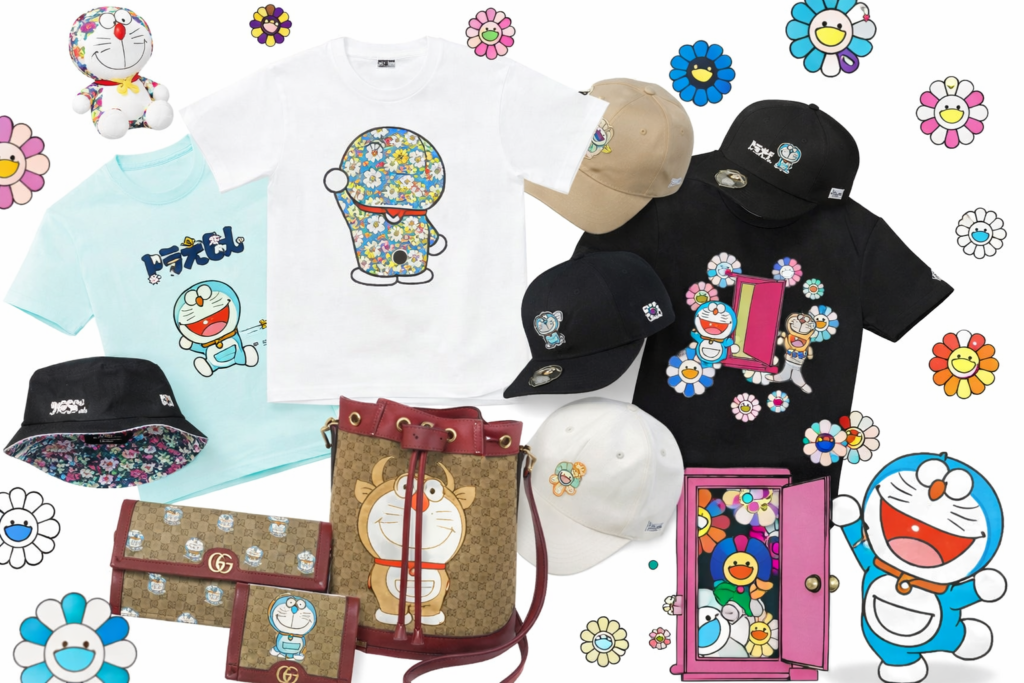
Doraemon has been extending its reach beyond the manga and anime series through collaborations and partnerships, making the character not only a pop culture icon but also a recognizable presence in the fashion, lifestyle, and luxury segments. The collaborations and partnerships of Doraemon over the years reflect its ability to keep pace with the changing trends of consumers while retaining its nostalgic and playful character.
One of the earliest collaborations of Doraemon was with Uniqlo in 2005, where the brand launched Doraemon-themed tees and clothing with classic illustrations and new interpretations. This was followed by limited edition collections in 2010 and 2015, which often coincided with the brand’s anniversary or the release of new anime series, focusing on accessibility and wearability. In 2018, Converse launched Doraemon-themed sneakers that included the character’s iconic gadgets, bright colors, and graphics, making functional footwear a collectible fashion accessory. Luxury fashion brands also partnered with Doraemon. In 2021, Gucci launched a capsule collection that included handbags, clothing, and accessories with playful Doraemon illustrations, combining nostalgic elements with high-quality materials and innovative designs.
Other collaborations include Casio Baby G watches in 2020, limited edition stationery and home wares with Sanrio’s “I’m Doraemon” line from 2021 to 2023, and tech-related merchandise with firms such as Xiaomi and third-party peripheral manufacturers from 2022 to 2025. These collaborations emphasize the futuristic elements of Doraemon while developing engaging, collectible, and lifestyle products. By 2026, collaborations for Doraemon continue to proliferate into the international fashion, tech, and lifestyle sectors, solidifying the brand’s relevance, importance, and capacity to connect childhood nostalgia with modern trends.
The key to the success of these collaborations is their capacity to integrate storytelling with product development, enabling fans to demonstrate their affiliation with the character through material culture. From streetwear to high fashion, Doraemon collaborations have made the character a complex lifestyle symbol with broad international appeal.
Licensing & Merchandising
The licensing and merchandising business of Doraemon has been one of the most important factors in its success, allowing the franchise to reach far beyond the manga and anime series into various markets around the world. By licensing brands the rights to use the imagery, colors, and gadgets of Doraemon, the franchise is able to ensure that the character is featured on a broad range of products while also maintaining a strict level of quality and consistency. The licensed products include clothing, accessories, footwear, home goods, stationery, and collectibles, allowing fans of the franchise to bring Doraemon into their everyday lives in a variety of ways.
Collaborations and licensing agreements have been important in allowing Doraemon to reach both mainstream and high-end markets. Collaborations with Uniqlo allowed for the creation of affordable and high-quality clothing and limited-edition lines that combined nostalgia with modern streetwear sensibilities. High-end collaborations with Gucci demonstrated the ability of the Doraemon franchise to incorporate its playful character into high-end fashion, featuring handbags, clothing, and accessories with unique design elements inspired by the franchise. Sportswear brands have also released Doraemon-themed sneakers and sportswear.Even technology firms have utilized licensing agreements to manufacture Doraemon licensed gadgets, electronics, and mobile applications, reaching out to fans in unique ways while further emphasizing the character’s futuristic concept.
The licensing and merchandising approach enables Doraemon to stay relevant in all sectors, reaching out to all ages and cultures. By leveraging emotional connections, nostalgia, and marketing flexibility, the brand has developed a self-sustaining platform where all products, whether wearable, collectible, or digital, contribute to the brand’s overall global visibility, appeal, and long-term value. This licensing approach ensures that Doraemon stays on top as both a cultural phenomenon and a commercially successful global brand.
Marketing Strategy & Brand Identity
The marketing plan of Doraemon is crafted in such a way that it not only creates an emotional attachment but is also globally accessible. The core of this marketing plan is the concept of nostalgia marketing, which leverages the strong emotional association that fans have with the character. Through the recall of memories associated with childhood adventures, school days, and stories of imaginative gadget-driven adventures, Doraemon creates a strong sense of loyalty among its fans and encourages them to engage with the merchandise, clothing, and media content.
Another important aspect of the marketing strategy of Doraemon is global localization. Doraemon has been localized into different languages and adapted for different cultures, ranging from Asia to Europe and the Americas. Localized television broadcasts, dubbed movies, and region-specific merchandise help to ensure that the themes of friendship, creativity, and problem-solving associated with Doraemon are universally appealing. Partnerships with popular brands, ranging from fashion to luxury and technology, further increase the visibility of Doraemon and position it as a cultural icon and a lifestyle statement.
Doraemon’s digital strategy supports this approach by using online streaming services to provide episodes worldwide, mobile games for interactive engagement, and social media campaigns to celebrate milestones, launch products, and keep fans talking. These digital engagement points not only keep the brand current with younger, more tech-savvy fans but also bring nostalgic fans into the fold with modern content. By marrying emotional connection, global flexibility, and digital engagement, Doraemon has created a marketing structure that maintains long-term brand power and global cultural relevance, solidifying its position as a beloved and iconic franchise.
Brand Strengths and Weaknesses
Doraemon’s enduring success can be attributed to several key strengths that reinforce its position as a global cultural and commercial icon.
Strong global recognition: the character is instantly identifiable across multiple countries and media platforms, supported by decades of consistent storytelling and iconic design.
Emotional connection with audiences: its narratives of friendship, responsibility, and imaginative problem solving resonate deeply, evoking nostalgia and fostering lifelong loyalty.
Wide product range and successful licensing model: spanning apparel, collectibles, stationery, video games, and tech products, providing diverse revenue streams and maintaining visibility across generations.
These strengths enable Doraemon to remain relevant to both nostalgic adults and new younger audiences, creating a multi-generational fan base.
Despite these advantages, the franchise faces certain weaknesses.
Heavy reliance on nostalgia: while nostalgia drives engagement among older fans, the franchise continuously attracts new audiences through modern anime reboots, 3D cinematic experiences, and interactive digital content that keep the character fresh and accessible to those unfamiliar with the original series.
Limited innovation in the core storyline: while the short-form TV episodes often follow familiar patterns, the franchise maintains engagement among older and more critical viewers through its annual feature films and 3D cinematic releases, which explore complex emotional themes, high stakes adventures, and character development beyond the standard formula.
Risk of over-commercialization: while extensive merchandising requires careful management, Doraemon maintains its cultural value and authenticity through strictly controlled, high quality partnerships that allow the character to remain a beloved icon even while competing with newer franchises.
By leveraging its strengths while addressing these weaknesses through strategic innovation and storytelling updates, Doraemon can continue to thrive as a global, multi-platform franchise while preserving its iconic cultural and emotional significance.
Market Position and Competition
Doraemon holds a distinct market position that bridges the gap between children’s entertainment and lifestyle fashion. Unlike most other franchises that tend to revolve around action, adventure, or high-energy content, Doraemon has a unique blend of relatable storytelling, moral values, and science fiction concepts that appeal to both children and adults who have grown up with the series. The franchise has managed to successfully venture into the lifestyle, streetwear, and merchandise markets, making Doraemon a multi-dimensional brand that combines nostalgia, fashion, and pop culture.
Doraemon competes in the market with other highly established global franchises such as Pokémon, Hello Kitty, Disney characters, and popular anime series like Naruto. These franchises are highly successful in terms of branding, merchandise, or action-packed storytelling and tend to use massive marketing campaigns to reach their audience. Doraemon, however, stands out in its emotional storytelling approach, which focuses on themes of friendship, development, and the struggles of everyday life. Its simplicity and cuteness, as depicted in its character and storytelling design, make it extremely easy to relate to, and the educational content embedded in its episodes teaches viewers about responsibility, creativity, and problem-solving.This combination of entertainment, moral lessons, and lifestyle appeal allows Doraemon to maintain a strong market position. By balancing nostalgia with innovation, the franchise continues to stand out as both a beloved children’s property and a versatile global brand in competitive markets.
Legacy and Future Vision
The legacy of Doraemon is measured by more than five decades of storytelling, influence, and cross-generational appeal. Since its inception in 1969 by Fujiko F. Fujio, Doraemon has transcended from being a manga and anime series to a global icon that symbolizes creativity, moral education, and imagination. The influence of the series has been evident in its multi-platform presence, ranging from traditional television series and blockbuster movies to merchandise, fashion collaborations, and digital content. By providing relatable storytelling experiences for audiences across the globe on themes of friendship, responsibility, and problem-solving, Doraemon has established a strong emotional connect with its audience, which has enabled it to reach across generations. The series’ significance was acknowledged in 2008 when Japan chose Doraemon as the anime ambassador to represent Japanese culture across the globe.
Doraemon’s future vision is to reach out to the global audience while keeping pace with contemporary consumer behavior trends. The series plans to utilize digital innovation, ranging from interactive apps to streaming services and virtual reality experiences, to connect with the younger generation who are primarily online consumers of media.Also, the expansion of the fashion and lifestyle business through limited edition items and collaborations with global brands is another area of focus, ensuring that the character stays relevant in today’s culture. Educational content with moral values continues to be an important part of the business, ensuring that the franchise stays relevant and timeless.
Through the careful mix of nostalgia and innovation, Doraemon aims to connect the past with the present, making it a multi-generational and globally recognized brand. The vision of the brand ensures that it stays relevant and inspires creativity and morality for years to come, making it a timeless icon of imagination and global pop culture.
Conclusion
Doraemon is far more than a robotic cat; it has become a global cultural phenomenon, a storytelling legacy, and a notable influence in fashion. Since its creation as a manga in 1969 by Fujiko F. Fujio, the franchise has grown into anime, feature films, video games, merchandise, and even fashion collaborations, demonstrating its ability to evolve while remaining relevant across generations. The character’s success lies in the seamless combination of nostalgia, creativity, and engaging storytelling, which resonates with children discovering the adventures for the first time as well as adults who grew up with the series. Doraemon’s influence has extended into contemporary fashion, where apparel, hoodies, jackets, and accessories allow fans to express personal identity while celebrating a beloved cultural icon. By bridging the gap between childhood memories and modern streetwear culture, Doraemon illustrates how a simple character can inspire emotional connections, shape trends, and maintain a lasting presence in global pop culture and lifestyle markets.
Frequently Asked Questions About Doraemon
1. What is Doraemon?
Doraemon is a robotic cat from the future who travels back in time to help a boy named Nobita Nobi, using futuristic gadgets to solve everyday problems and teach life lessons.
2. Who created Doraemon?
Doraemon was created by the Japanese manga artist duo Fujiko F. Fujio in 1969 and first published in Shogakukan’s children’s magazines.
3. What is Doraemon streetwear?
Doraemon streetwear refers to clothing and fashion items inspired by the character, including hoodies, t-shirts, jackets, caps, and accessories featuring his iconic design and gadgets.
4. Why is Doraemon popular?
Doraemon is popular globally due to its universal themes of friendship, creativity, responsibility, and imaginative storytelling that appeal to both children and adults.
5. What are popular Doraemon clothing items?
Popular items include graphic t-shirts, hoodies, jackets, caps, backpacks, and limited-edition or capsule streetwear collections.
6. How many Doraemon movies are there?
Over 40 feature-length films have been released, ranging from adventure stories to 3D CGI adaptations like Stand by Me Doraemon.
7. Is Doraemon a global brand?
Yes, Doraemon is recognized worldwide across anime, films, merchandise, fashion, and digital media platforms.
8. What makes Doraemon unique?
Its blend of humor, science fiction, moral lessons, relatable characters, and imaginative gadgets sets Doraemon apart from other franchises.
9. Does Doraemon have fashion collaborations?
Yes, Doraemon has partnered with brands such as Uniqlo, Gucci, Converse, and other lifestyle and fashion companies for clothing and collectibles.
10. Is Doraemon still relevant today?
Yes, Doraemon remains relevant through modern anime adaptations, global streaming platforms, mobile games, merchandise, and fashion collaborations.
11. Who are the main characters in Doraemon?
The main characters include Doraemon, Nobita Nobi, Shizuka Minamoto, Takeshi “Gian” Goda, and Suneo Honekawa, each contributing to the relatable and moral storytelling.
12. What are Doraemon’s most famous gadgets?
Iconic gadgets include the Anywhere Door, Time Machine, Take-copter, and Bamboo Copter, each driving imaginative storylines and moral lessons.
13. Has Doraemon received awards?
Yes, Doraemon has won multiple awards, including the Shogakukan Manga Award, Japan Cartoonists Association Award, and recognition as Japan’s anime ambassador.
14. Can adults enjoy Doraemon?
Absolutely. Its nostalgic appeal, humor, and life lessons make it enjoyable for both children and adult fans worldwide.
15. Where can I buy Doraemon merchandise?
Doraemon merchandise is available globally through online stores, official brand collaborations, fashion retailers, specialty shops, and digital marketplaces.