Blogs
Christian Louboutin: The Rise of a Fashion Icon and His Red‑Sole Legacy



Origin of Christian Louboutin
Christian Louboutin is a French fashion designer whose name is synonymous with luxury footwear and red soles. Born in 1963 in Paris, France, Louboutin was raised in a household filled with female influences, with three sisters and a mother who encouraged his fascination with beauty and form as a child. His fascination with footwear began in his early teens when he was captivated by the beauty of historical heels that were preserved in museums and cabarets, well before he grasped the fashion industry as a business.
Louboutin’s entry into the world of footwear design began in the early 1980s when he apprenticed with the famous designer Charles Jourdan. It was here that he worked with dancers behind the stage and realized the impact that footwear could have on performance, posture, and confidence. This was not only an education in costume but also in the impact of design on the presence of a woman.
Following his stint at the cabaret, Louboutin apprenticed with master designers. He learned about shoe design through his employment with legendary fashion brands, including Charles Jourdan, and collaborated with the legendary Roger Vivier, who is known to have invented the modern stiletto. Louboutin also freelanced with haute couture fashion brands such as Chanel, Yves Saint Laurent, and Maud Frizon, learning the art of craftsmanship and luxury design from the best of French fashion.
In 1991, Christian Louboutin launched his first boutique at the Galerie Vérot-Dodat in Paris. It was here that he showcased his handmade stiletto heels with sculptural designs and luxurious materials. His designs soon received attention for their bold beauty and technical skill. His clientele included Princess Caroline of Monaco and fashion-conscious Parisians who admired shoes that were art and functional design at the same time.
The turning point in fashion history occurred in 1993 when Louboutin chose to paint the sole of a shoe in bright red lacquer. The legend of the red sole came about in a very unplanned manner— Louboutin noticed his assistant painting her nails and, on an impulse, painted the red nail polish on the sole of a prototype he thought was incomplete. The effect was instantaneous: his uniquely colored sole added a burst of excitement to the design and soon became his hallmark.
This impulsive act of genius elevated mere footwear to the realm of desire and status symbols. Unlike other logos or trademarks, the red sole became a subtle yet potent symbol of luxury. In the years to come, the color, trademarked and zealously guarded, evolved into one of the most famous fashion trademarks in the world. Christian Louboutin himself explained, “Red is love, passion, and blood,” etching emotion into every step.
By 1994, Louboutin had moved his operations out of Paris. His designs reached New York, where they found favor with celebrities and fashion editors who admired their unique combination of performance art and couture expertise. The stamp of approval from Hollywood, fashion models, and A-list celebrities soon followed. Louboutin heels started appearing on red carpets and magazine covers, solidifying the brand as a fashion and cultural icon.
As the brand evolved in the late 1990s and early 2000s, Christian Louboutin continued to experiment with his designs. His shoes often featured luxurious materials such as exotic leathers, precious stones, and unique textures, paired with impossibly high heels that defied traditional notions of comfort and beauty. His aim remained the same: “to make a woman look sexy, beautiful, to make her legs look as long as he can,” a philosophy that combined art and sex appeal.
Christian Louboutin: Brand Expansion and Cultural Domination
In the early 2000s, Christian Louboutin’s red-soled shoes were more than just footwear; they were a cultural icon. Celebrities from the world of film, music, and fashion adopted the designs, making them a status symbol. After their initial television appearance in Sex and the City, Louboutins started making appearances in fashion editorials and later in large pop music hits, symbolizing both luxury and status.
The brand’s growth was not limited to shoes. In 2003, Christian Louboutin launched his first complete handbag collection, intended to enhance every moment from day to night in synchronization with his shoe collections. This step helped him tap a wider market and marked the beginning of the brand’s transformation into a complete luxury house.
In the years to come, Christian Louboutin launched men’s shoes (2011), beauty products such as lipsticks and nail polishes, and fragrances in 2016, all of which reflected his personal style and craftsmanship. The men’s collection targeted an ever-growing market of consumers looking for high-end shoes with a strong personality. His beauty line, lipstick packaging inspired by Queen Nefertiti and the Art Deco movement, further emphasized Louboutin’s connection between design and emotions.
Christian Louboutin has also ventured into experiential and cultural projects. Shows such as the retrospective at London’s Design Museum and L’Exhibition[niste] in Paris showcased his designs as wearable art, encouraging a wider public to recognize his designs as milestones in design history.
Collaborations have remained an important factor in the development of the brand. High-profile creative collaborations, such as the 2024 collaboration with John Galliano for Maison Margiela, restyled Louboutin’s red-sole classics with avant-garde shapes, combining two visionary styles into new design stories.
In 2025, Louboutin named Jaden Smith as the Men’s Creative Director, emphasizing a new direction for the brand. Smith, famous for his eclectic fashion sense and cultural awareness, is responsible for seasonal collections of men’s footwear and accessories, propelling the brand into modern streetwear and young interpretations of luxury fashion.
During the 2020s, Christian Louboutin has managed to adjust to the shifting fashion landscape while maintaining his brand identity. Although high-heeled stilettos were the primary focus in the past, the recent fashion trend towards more flexible designs has resulted in the growth of his flat and sneakers collections, reflecting the brand’s sensitivity to consumer demands while upholding his conviction that design and passion are more important than comfort.
Design Philosophy and Creative Vision
Christian Louboutin’s design credo revolves around the meeting point of art, emotion, and empowerment. Each shoe design is born with the intention of being more than just footwear, but rather an expression of one’s personality and confidence. Christian Louboutin has repeatedly stated that “shoes are just a pedestal,” stating that the role of design is to accentuate the wearer’s presence rather than overshadow it.
One of the defining aspects of Louboutin’s design philosophy is his fixation on detail. From the shape of the heel to the finish of the leather, every detail is analyzed for both aesthetic and functional considerations. His designs often combine classic sophistication with bold and unexpected details, such as spikes, studs, or exotic materials. The attention to detail ensures that every design is immediately identifiable as Louboutin yet unique.
The red sole, perhaps Louboutin’s most recognizable innovation, is more than just a trademark; it is a symbol of theatricality and desire. Christian Louboutin himself states that color choices are inextricably linked to emotion, saying that red symbolizes “passion, confidence, and audacity.” This philosophy has been applied consistently across other product lines, such as handbags, cosmetics, and perfumes, to create a cohesive brand message.
Innovation is also a key aspect of Louboutin’s creative process. He is constantly trying out new materials, technology, and methods that will enable him to marry style with functionality. For example, while the “Pigalle Follies” line incorporated a cushioned insole for improved wearability, the “So Kate” line is a demonstration of his dedication to extreme and sculptural designs, which are a blend of his aesthetic and the brand’s high-fashion identity.
Key Collections and Signature Pieces
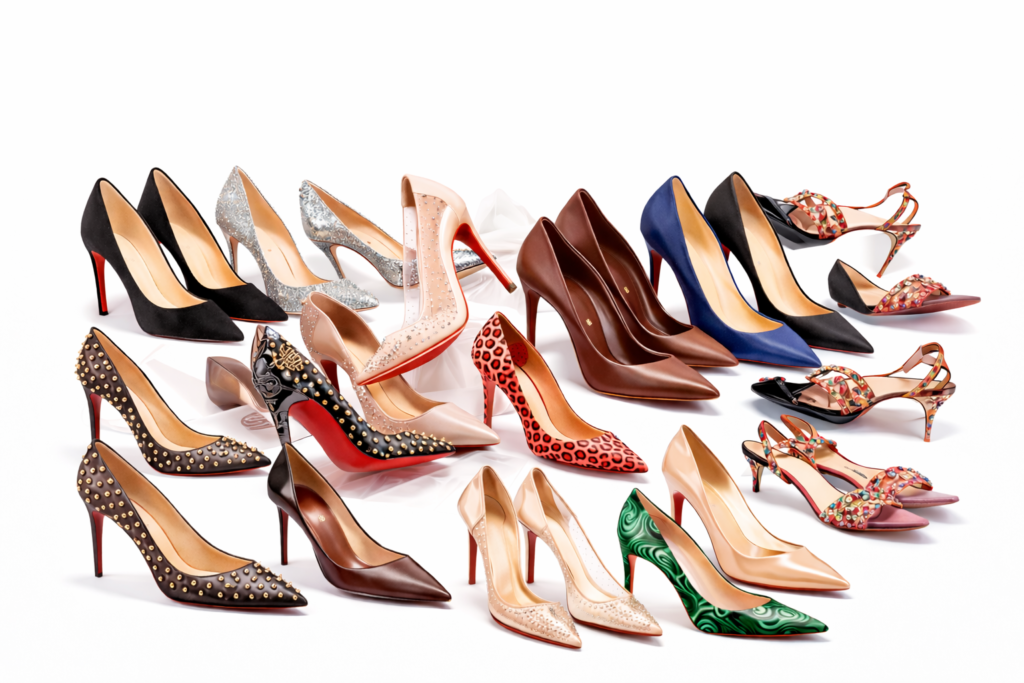
Christian Louboutin’s catalog includes a series of landmark collections that have defined luxury footwear for decades. Among them:
- Pigalle: Named after the Parisian district, this pointed-toe stiletto emphasizes sleek lines and classic elegance. Its enduring popularity illustrates Louboutin’s skill at creating timeless designs.
- So Kate: Launched in 2013, this model is celebrated for its extreme heel height and sophisticated silhouette, offering a modern take on the classic stiletto.
- Follies: Noted for its bold, glamorous shapes and daring material combinations, Follies merges luxury craftsmanship with theatrical style.
- Lou Spikes: Introduced as part of the men’s sneaker collection in 2009, these studded high-top shoes epitomize rock-inspired elegance and showcase Louboutin’s capacity to merge edge with haute couture.
Each collection demonstrates Louboutin’s mastery over proportion, balance, and drama, ensuring that even small design details, like sole curvature or heel taper, achieve visual perfection.
Collaborations and Cultural Impact
Louboutin’s influence extends far beyond fashion. He has collaborated with major artists, designers, and brands to create limited-edition collections. Highlights include partnerships with:
- John Galliano: Reinterpreting Louboutin’s heels in experimental, avant-garde silhouettes.
- Sarah Jessica Parker for “Sex and the City”: Popularizing the brand in popular culture and on television screens worldwide.
- Disney and Marvel collaborations: Transforming character-inspired shoes into collectible fashion statements.
These collaborations reinforced Louboutin’s status as a cultural icon and extended his audience beyond traditional luxury consumers. Each partnership merges storytelling, performance, and style into tangible, collectible fashion objects.
Christian Louboutin’s shoes have become frequent symbols in music videos, film, and celebrity culture. From Beyoncé and Rihanna to Zendaya and Blake Lively, Louboutin heels communicate status, elegance, and confidence. His work has appeared on red carpets, magazine covers, and social media, proving that his designs are as culturally resonant as they are visually striking.
Global Expansion and Business Growth
Christian Louboutin has developed a highly strategic global presence. From his original Paris boutique, the brand expanded to major fashion capitals including New York, London, Tokyo, and Dubai. By 2025, the company operated more than 160 boutiques worldwide, alongside e-commerce platforms reaching luxury consumers in over 100 countries.
Louboutin’s revenue model relies on a combination of exclusive boutiques, high-profile collaborations, and limited-edition releases, creating scarcity and desirability. Intellectual property protections, particularly around the red sole, have been rigorously enforced, ensuring that the brand maintains both uniqueness and prestige in the luxury marketplace.
The brand’s evolution also reflects responsiveness to social trends. Recent collections integrate streetwear aesthetics, gender-fluid designs, and sustainable materials. Initiatives such as the use of recycled fabrics and eco-conscious packaging demonstrate that the house of Louboutin adapts to contemporary luxury consumers’ values without diluting its iconic identity.
Christian Louboutin in Pop Culture
The red-soled shoe has become a shorthand for glamour and aspiration. References to Louboutin appear across music, television, film, and literature, cementing his brand as a symbol of luxury and empowerment. Notable examples include:
- Lady Gaga’s performance outfits, often paired with Louboutins, blending theatricality with haute couture.
- Song references in hip-hop and pop music, where owning a pair signals status and success.
- Appearances in blockbuster films such as Sex and the City and The Blind Side, where characters’ fashion choices emphasize power and identity.
Such appearances have transformed Louboutin shoes into cultural signifiers, recognizable even to audiences unfamiliar with fashion design. The brand bridges the gap between luxury goods and mass cultural symbolism.
Timeline of Key Milestones (1991–2026)
Christian Louboutin’s journey from a small Parisian workshop to a global luxury powerhouse is defined by innovation, strategic growth, and cultural impact. Below is a detailed timeline highlighting pivotal moments:
| Year | Milestones |
| 1991 | Launches first store on Rue Jean-Jacques Rousseau, introducing bespoke luxury shoes with bold colors and sleek silhouettes. |
| 1992 | Develops exaggerated stiletto shapes and distinctive high-heel silhouettes. |
| 1993 | Introduces iconic red lacquered sole, becoming the brand’s defining signature. |
| 1997 | Gains global attention through clients like Catherine Deneuve and Monica Bellucci. |
| 2000 | Launches studded heels, blending luxury with edgy, rock-inspired street style. |
| 2001 | Opens boutiques in London, New York, and Tokyo, establishing global presence. |
| 2006 | Featured in Sex and the City via Sarah Jessica Parker, boosting mainstream popularity. |
| 2010 | Introduces men’s footwear combining bold design with classic elegance. |
| 2013 | Releases iconic high stiletto line emphasizing sleek, extreme heel design. |
| 2015 | Expands into perfumes, translating the brand’s luxury identity into scent. |
| 2018 | Introduces vegan materials, eco-packaging, and ethical sourcing practices. |
| 2022 | Expands into handbags, belts, and leather goods with signature red accents. |
| 2025 | Operates 20+ flagship stores and e-commerce in 100+ countries. |
| 2026 | Integrates streetwear, gender-fluid designs, and modern materials. |
This timeline showcases how Louboutin balances tradition and innovation, consistently elevating both footwear design and the luxury experience.
Innovations in Men’s Collections, Fragrances, and Accessories
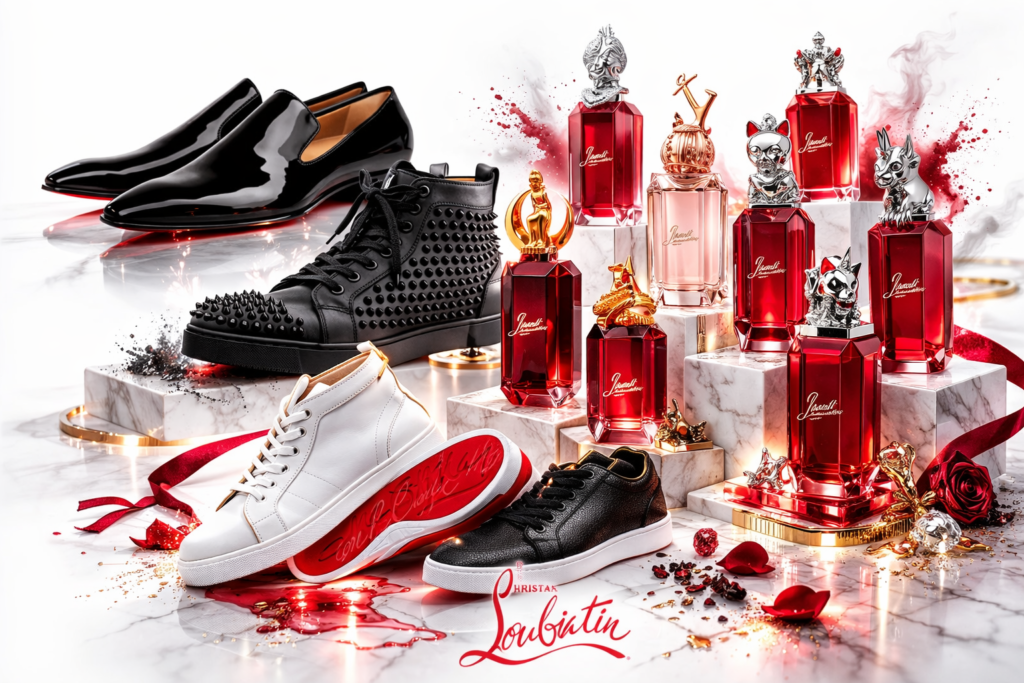
While Christian Louboutin initially gained fame through women’s footwear, the brand has diversified across men’s collections, fragrances, and luxury accessories, maintaining signature aesthetics in each domain.
Men’s Collections
Christian Louboutin’s men’s line retains the hallmark drama of his women’s designs while introducing masculine elegance. Key innovations include:
- Bold Color Soles: Red soles extend to men’s loafers, boots, and sneakers, offering subtle yet unmistakable branding.
- High-End Sneakers: Sneakers merge streetwear with couture craftsmanship, featuring exotic leathers, metal accents, and architectural sole designs.
- Tailored Boots: From Chelsea boots to high-fashion ankle boots, Louboutin’s men’s offerings blend functionality with avant-garde style.
- Seasonal Collections: Men’s collections now integrate experimental prints, metallic finishes, and limited-edition releases, reflecting the brand’s commitment to innovation.
These lines demonstrate that Louboutin’s signature theatricality is not limited by gender, offering men options for both classic elegance and fashion-forward statements.
Fragrances
Louboutin expanded into fragrance to complete the lifestyle experience. Key features include:
- Olfactory Identity: Scents are designed to reflect the boldness and elegance of Louboutin’s footwear, often combining woody, spicy, or floral notes.
- Red-Coded Packaging: Bottles and packaging mirror the signature red sole aesthetic, reinforcing brand recognition and luxury appeal.
- Limited-Edition Scents: Exclusive releases create collectability, similar to how limited-edition shoes generate excitement.
Fragrances extend the Louboutin universe, allowing consumers to embody the brand beyond visual aesthetics.
Accessories
Christian Louboutin has successfully expanded into accessories, emphasizing consistency in design and luxury:
- Handbags: Structured and evening bags incorporate the signature red detailing or glossy finishes reminiscent of his footwear.
- Belts and Leather Goods: Signature red stitching or lacquered edges create immediate visual recognition.
- Small Accessories: Wallets, phone cases, and keychains leverage luxury craftsmanship while subtly reflecting brand DNA.
Through these extensions, Louboutin ensures that the brand experience is holistic, from head-to-toe style, fragrance, and lifestyle accessories.
Pop Culture Legacy
The reach of Christian Louboutin extends beyond the boundaries of luxury fashion, firmly rooting itself within the realm of global pop culture. The red-soled heels have transformed into a symbol of status, femininity, and celebrity power, making frequent appearances within high-profile events of pop culture. Celebrities such as Beyoncé, Lady Gaga, Rihanna, Zendaya, and Blake Lively have been regular at promoting Louboutin heels through red carpet events, music videos, awards shows, and movie shoots, increasing the visibility of the brand within pop culture. These events promote an aspirational message where heels become a symbol of confidence and power rather than just a piece of accessory.
The brand’s association with pop culture also influences digital fashion trends, including social media fashion styling, influencer marketing, and even streetwear combinations that pair luxury heels with casual wear. Limited edition releases, artist collaborations, and exclusive capsule collections create a hype around scarcity, similar to the sneaker culture phenomenon, which appeals to the younger generation while maintaining the brand’s luxury status. Over the years, the red sole has become a universally recognized visual identity of glamour, success, and desire among various generations and fashion circles around the globe.
Future Vision
Christian Louboutin is continuing to innovate and push beyond its core heritage as a luxury footwear brand. In recent years, the brand has been exploring sustainable projects, such as the use of recycled and alternative materials, which not only reflects the growing concern for sustainability in the fashion industry but also positions the brand as a leader in this area. At the same time, the brand is leveraging technology through augmented reality experiences, immersive retail environments, and digital storytelling that not only enhances customer engagement but also appeals to Gen Z consumers.
Streetwear collaborations and limited-edition sneaker launches are another area where the brand is innovating and evolving, bringing luxury craftsmanship together with streetwear aesthetics to appeal to a wider audience. The use of hybrid designs that bring athletic silhouettes together with the brand’s signature red-sole trademarks enables the company to compete in the rapidly growing luxury sneaker market while still maintaining exclusivity. Celebrity collaborations and pop culture visibility further enhance this positioning. Through this careful balance of heritage craftsmanship, innovation, technology, and fashion trends, Louboutin is ensuring that its brand identity is both timeless and forward-looking, positioning the iconic red sole to be culturally relevant through 2030 and beyond.
Conclusion
Christian Louboutin has elevated high-end footwear into a phenomenon by integrating art, celebrity culture, and streetwear. The iconic red soles of the heels are more than just a pair of shoes; they represent fashion, luxury, and the desire for more. By leveraging celebrity culture, viral collaborations, and streetwear integration, Louboutin has continued to close the gap between high-end fashion and streetwear. The future of innovation in recycled materials, sneakers, and collaborative lines ensures that the brand stays relevant while paying homage to its rich history. Christian Louboutin is a lesson in how craftsmanship, design, and cultural relevance come together to make every collection, every shoe, and every collaboration a statement in fashion history and streetwear culture.
Frequently Asked Questions About Christian Louboutin
1. Who is Christian Louboutin?
Christian Louboutin is a French designer renowned for his luxury footwear, famous for red-soled shoes and high-fashion innovation.
2. When was Christian Louboutin founded?
The brand was founded in 1991 in Paris, France, establishing itself in high-end fashion and luxury footwear.
3. What is iconic about Christian Louboutin shoes?
The signature red lacquered soles, often paired with stiletto heels, are instantly recognizable worldwide.
4. Does Louboutin make men’s footwear?
Yes, Christian Louboutin offers men’s shoes, including dress shoes, sneakers, and casual styles.
5. What types of shoes does Christian Louboutin produce?
The brand produces heels, pumps, flats, boots, sneakers, sandals, and limited-edition designer footwear.
6. Has Louboutin collaborated with other brands?
Yes, the brand has collaborated with artists, designers, and streetwear brands for limited-edition collections.
7. Are Louboutin shoes only for celebrities?
No, while popular among celebrities, the brand caters to high-end customers globally.
8. How much do Christian Louboutin shoes cost?
Prices range from $695 to $3,000+, depending on style, materials, and limited editions.
9. What makes Louboutin shoes luxurious?
Exceptional craftsmanship, premium materials, iconic red soles, and unique designs contribute to their luxury status.
10. Can you buy Christian Louboutin online?
Yes, through the official website, authorized boutiques, and luxury retailers like Net-a-Porter and Farfetch.
11. What materials are used in Louboutin shoes?
Shoes feature leather, patent leather, suede, exotic skins, and occasionally eco-conscious materials.
12. Do Louboutin shoes influence streetwear fashion?
Yes, collaborations, sneaker releases, and casual designs connect luxury with streetwear culture.
13. Are there limited-edition Louboutin shoes?
Yes, exclusive releases and celebrity collaborations create collectible, limited-edition designs.
14. Which celebrities endorse Christian Louboutin?
Rihanna, Beyoncé, Lady Gaga, Zendaya, Blake Lively, and many others regularly showcase Louboutin shoes.
15. What is Christian Louboutin’s future vision?
Expanding into streetwear, sustainable footwear, digital fashion, and global collaborations while maintaining luxury heritage.