Brands
Calvin Klein: Redefining Luxury, Casual Wear, and Streetwear

Deep Origins, Formation, and Rise
Calvin Klein is an American fashion brand. It was founded in 1968. The fashion brand was founded in the city of New York. The fashion brand was founded by Calvin Klein, a fashion designer. Calvin Klein changed the fashion world in the contemporary era. Discipline is the first characteristic of the Calvin Klein story.
He was born on November 19, 1942, in the Bronx, New York. He was from a middle-class immigrant family. He says that he was from a workforce background. He learned to appreciate a strong workforce ethic, accuracy, and independence. He also learned a lot about fabrics and clothing from his grandmother, who was a seamstress. Clothing was not fantasy or dreams. It was a function and a craft.
The childhood of Klein was promising as he was talented enough to draw clothes. He concentrated on form, not ornamentation. This was the beginning of his design philosophy in the future. He was enrolled in the High School of Industrial Art in Manhattan. This school was known for visual discipline and creative application. He was trained to think commercially.
Klein attended the Fashion Institute of Technology after his high school days. The Fashion Institute of Technology specialized in providing technical knowledge in the fields of tailoring, textiles, and systems used in the production of clothes. Klein graduated from the Fashion Institute of Technology in 1962, and it is clear that the experience was helpful in its own right, as it introduced him to the New York garment industry and the process of clothes from drawings to showrooms.
After his graduation from FIT, Klein also worked for other designers. Klein gained some experience in the system of fashion on Seventh Avenue. He learned a lot about efficiency as well as limitations in these jobs. Klein felt that America was lacking in its fashion tradition in terms of clarity and confidence.
The Decision to Build a Brand
In the late 1960s, Klein once again teamed up with his childhood friend, Barry Schwartz, who was in the grocery business. He was good with numbers, good with logistics, good in a business sense. Klein, on the other hand, had a knack for design. And thus, in 1968, Calvin Klein Ltd. was born. Klein’s location was New York City, the center of fashion production in America.
This choice to begin small was a choice made out of necessity. Klein did not begin by introducing his line as a whole. He began with coats. This was very astute, as coats demand a robust construction since they feature fabric, as well as silhouette leading, and this was in line with Klein’s own minimalist philosophy.
The initial clothing line of Calvin Klein featured coats with no ornamentation, in a variety of colors. No trimming, no decoration. One would immediately spot these because the clothes were modern, they were different, and they were American.
The buyer at Bonwit Teller chanced upon the line by accident. He ordered in bulk immediately. One incident gave the brand its boost to fame in the commercial arena. It took Calvin Klein only a few months to go from idea to launch.
Early Fame and Industry Recognition
The brand, along with its designers, was featured in the renowned Vogue magazine by the year 1969. This achievement only confirmed the strategy of the brand, as fashion critics labeled the collection as sharp, restrained, and modern in its essence. The history of the clothing brand had officially entered the global fashion scene. During the 1970s, the image gradually expanded. Calvin Klein Collections included sportswear and separates. These were more representative of American culture than European fashion. They were practical, elegant, and wearable.
However, Klein did not believe in excess. He decided to refine the designs. This fashion statement attracted professional women from the city. The clothing line represented the change. There was no point in dressing fashion to show power. The brand won several awards at the Coty Awards during this period. These awards recognized contributions to design excellence in American fashion. Calvin Klein was known for his association with credibility and did not believe in following fashion trends.
Denim as a Turning Point

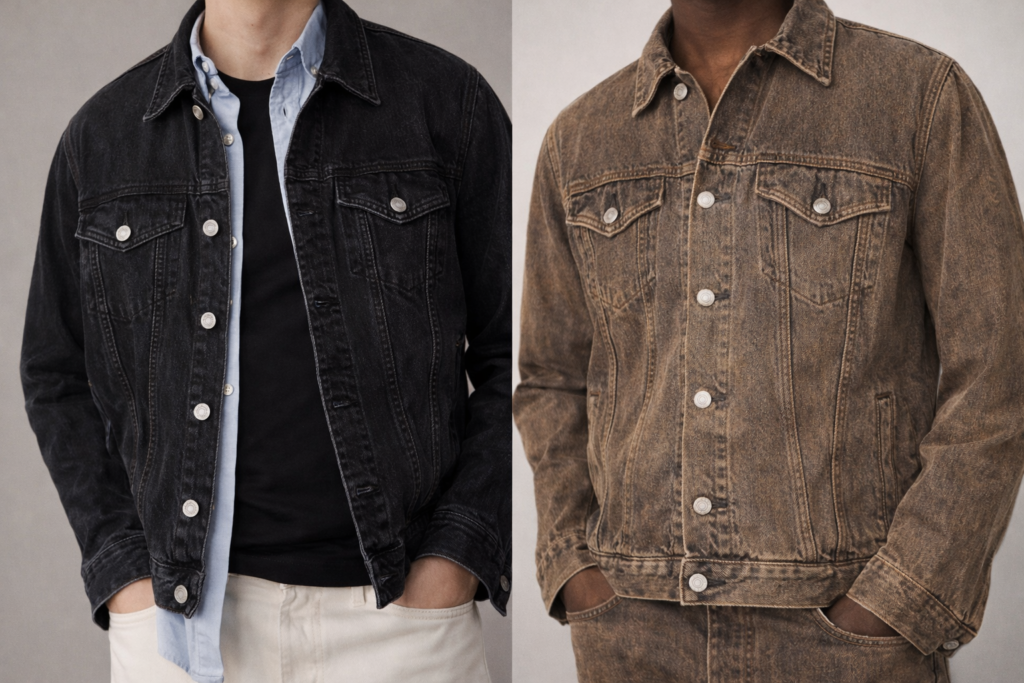
Calvin Klein’s foray into the denim segment in 1977 marked a turning point for the brand. Until then, denim jeans for both men and women were casual and practical and, hence, had never been a part of high-end fashion. Calvin Klein’s denim jeans were slim-fitting and had a subtle wash. The brand exuded confidence. The cost of the denim jeans placed it in the aspirational category. This is how you can change the game for the category.
However, in the year 1980, the Brooke Shields campaign turned everything upside down. The campaign created a buzz worldwide. It sparked controversy. It broke boundaries by being too suggestive. This marked the beginning of the streetwear that Calvin Klein would represent before the term ‘streetwear’ became mainstream. Denim jeans became a symbol of culture. Sales skyrocketed. Calvin Klein proved that marketing and design could shape meaning. Fashion was communication.
Underwear and Identity Creation
In the early 1980s, Calvin Klein launched underwear. This segment revolutionized fashion culture in ways that would never be forgotten. Underwear shifted from being a personal need to a public statement. The designs were very simple. The waistbands featured loud branding. The imagery used in the campaign was very confident and physically present. The product was speaking very loudly. The imagery was speaking very loudly.
Campaigns such as those involving Mark Wahlberg and Kate Moss in the 1990s marked a generation. These images did challenge the traditional views of masculinity and femininity. These images were very raw, honest, and extremely controversial. The cultural implication was likely to go a long way beyond the clothes. Calvin Klein underwear became one of the strongest segments of the brand. It was restating the fact that identity could be very simple yet very powerful.
Transition of Leadership and Global Expansion
In 2003, Calvin Klein Inc. was acquired by PVH Corp. Calvin Klein left the management of the company. However, the DNA of the company was protected. The leadership in creativity changed from time to time. However, the designers continued to refine the idea of minimalism and modern sexuality. The company expanded its reach to new markets. Licensing was incorporated in fragrances, eyewear, home, and accessories. Calvin Klein clothing was sold globally. The logo represented modern American style.
Calvin Klein Streetwear Evolution
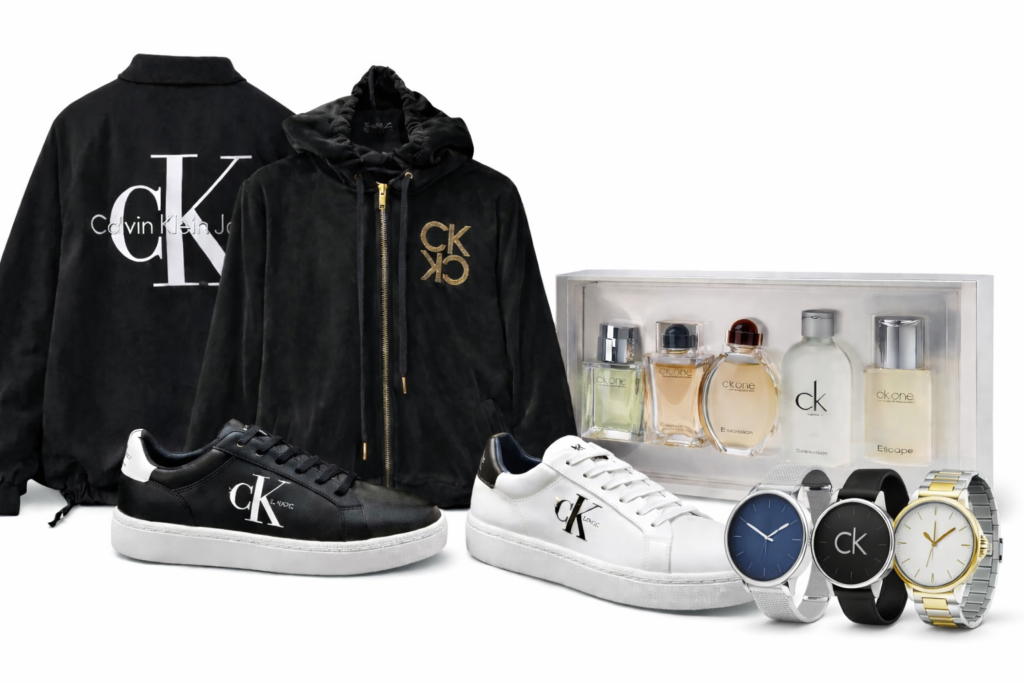
Calvin Klein streetwear was known to be popular in the 2010s. Hoodies, logo tees, relaxed denim, and basic essentials were incorporated into the key collections, which were a part of youth culture worldwide. The design of the Calvin Klein hoodie was iconic. Minimalist designs, monochromatic colors, powerful branding, and these designs were relevant without losing the legacy. The adoption of streetwear was organic, as the brand had its own design language while keeping up with the trends.
Calvin Klein Collaborations and Cultural Partnerships
Since its inception in 1968 by Calvin Klein, Calvin Klein has utilized the collaboration as a means to stay relevant in popular culture. In the 1970s and 1980s, Calvin Klein did not engage in collaborations in the contemporary streetwear manner, but it did break ground in celebrity-driven cultural alignment. The 1980 denim campaign featuring Brooke Shields was a pivotal moment in fashion advertising. The provocative content challenged the status quo of how sexuality and youth culture were represented in mainstream fashion, positioning Calvin Klein as edgy, provocative, and attuned to popular culture. This early adoption of celebrity alignment paved the way for the brand’s future collaboration strategy.
The 1990s saw Calvin Klein further align with youth culture through iconic collaborations with Mark Wahlberg and Kate Moss in the 1992 underwear campaign. This collaboration was more than an advertisement; it was a catalyst for underwear to become a fashion statement and the brand’s integration with music, modeling, and the emerging hip-hop scene.During this era, Calvin Klein became synonymous with stripped-down American cool, influencing both luxury fashion and streetwear identity.
However, by the early 2000s, the brand aimed to re-establish its high-fashion credentials through creative direction rather than celebrity endorsements. Designers Francisco Costa and Italo Zucchelli headed the Calvin Klein Collection with a clean, architectural, and minimalist approach. This period was all about creative direction and luxury positioning, thus reaffirming the brand’s heritage and finally establishing a stable identity after years of extensive licensing. Although these were not traditional collaborations, the creative direction served as internal partnerships that redefined the brand’s luxury status in the global fashion capitals.
A significant cultural transformation took place when Raf Simons was appointed as the Chief Creative Officer from 2016 to 2018. His appointment was one of the most defining collaborative periods in Calvin Klein’s contemporary history. Simons brought his collections alive with elements of Americana, politics, and art-driven narratives. Most importantly, the collaboration with The Andy Warhol Foundation for the Visual Arts combined Warhol’s pop art with ready-to-wear and underwear lines. This collaboration linked American art history with contemporary fashion, thus re-emphasizing Calvin Klein’s intellectual and cultural stature. Instead of focusing on the latest trends, the Warhol collaboration placed the brand in a larger artistic conversation, linking fashion with museum-quality cultural discourse.
In the late 2010s and 2020s, Calvin Klein has increasingly partnered with international music and entertainment personalities to further its association with youth culture and streetwear segments. Campaigns featuring Justin Bieber, Kendrick Lamar, Jung Kook, Bad Bunny, and Jennie showcased a deliberate approach to global expansion. These collaborations were launched between 2015 and 2024, aimed at Gen Z and millennial consumers in North America, Latin America, and Asia. The brand’s intention was obvious: to integrate Calvin Klein’s heritage of minimalism with the pop culture of today, to remain relevant in the hyper-digital world of fashion. By partnering with artists who are currently reigning on streaming and social media, the brand has ensured worldwide buzz and its distinct identity.
As of 2026, Calvin Klein’s approach to collaboration is a blend of heritage and cultural relevance. Unlike the limited-edition hype drop trend associated with streetwear brands, Calvin Klein’s collaborations are more about reinforcing its identity, expanding its global footprint, and bridging fashion with art, music, and social discourse. Whether it was Brooke Shields’ provocative denim moment, Raf Simons’ art-centric runway years, or Jung Kook’s worldwide youth appeal, collaborations have remained the cornerstone of the brand’s transformation.
Each partnership was timed to reflect broader cultural shifts, whether sexual liberation in the 1980s, minimalist rebellion in the 1990s, artistic intellectualism in the 2010s, or global pop influence in the 2020s, ensuring that Calvin Klein remains not only commercially strong but culturally embedded.
Since 2020, Calvin Klein has focused on sustainability and inclusivity. Innovations in materials have accelerated. Sustainable sourcing has been included as a consideration. Diverse and authentic storytelling has been employed in advertising. Digital storytelling is now the main method of communication, following the brand’s earlier departure from traditional runway shows. Social media has played a big part, and communication has been revolutionized without sacrificing simplicity.
By 2025 and 2026, the collections for Calvin Klein were centered on a new era of high fashion sophistication. While continuing to offer a foundation of lifestyle basics such as denim and underwear, the brand has returned to the runway with a focus on creative expression and “monumental minimalism” under creative director Veronica Leoni. Calvin Klein history has now extended over several decades of impact. The brand is current today because it understands restraint. It understands culture. It understands timing.
Calvin Klein began as a coat manufacturer in New York, achieved success through hard work, rose to fame through simplicity, and has survived for several decades because of its seductive marketing and licensing. From minimalist fashion to denim, underwear, to streetwear, the clothing line under the name of Calvin Klein captures the very essence of modern human identity. The brand has never needed anything excessive to make its voice heard.
Calvin Klein Advertising, Branding, and the Rise of Cultural Power
Calvin Klein soon understood that fashion is not merely about clothes. Fashion is a communication process. The firm believed in advertising as much as it believed in product design. This was what made Calvin Klein different from other American fashion brands. Fashion advertising in the late 1970s borrowed from the rule book. Models were posed formally. Warnings were generally safe. Pictures did not take risks. Calvin Klein wanted to break the rules. They opted for provocation. Simple backgrounds. Direct looks. Genuine body language.
The aim was to focus on both emotional and commercial aspects. Each advertisement carried the message of confidence, control, and new identity. Each photograph showed the ideals of minimal design, control, and accuracy as embodied in wearing Calvin Klein clothing. The 1980s saw the tone of fashion advertising changed by Calvin Klein, where the investigation of sexuality was not carried out to the point of excess but by implication. Everything, at that time, was carefully planned, and nothing appeared to be done accidentally, where the element of controversy was the secret to success.
This approach proved successful. Calvin Klein advertising extended beyond the fashion pages of magazines. It was reported in newspapers. It appeared on television shows. The brand inserted itself into the popular culture lexicon. Calvin Klein is more than a brand or a fashion label today. It is a cultural icon. A major part of this has been played by photography. The brand partnered with photographers like Herb Ritts, Bruce Weber, and later Mario Sorrenti. These artists defined the aesthetic. High contrast photography. Real skin texture. A new kind of modern glamour. The human body was what it was all about.
This uniformity was especially true in the 1990s for advertisements by Calvin Klein, as billboards in different parts of the world boasted the same visual interest and promise of brand identity. This kind of advertising was at work for Calvin Klein. The messages were provocative and real. Presence was still there. Slip dresses, denim, and separates were still the emphasis.
Moreover, the year 2000 brought a major shift in the aspect of digital media and communication. Calvin Klein adapted to the changing times without abandoning philosophy in any form. The campaign of the brand was more inclusive than before. Different body types were featured in the campaign. Celebrity endorsements were used as storytelling devices. Justin Bieber, Kendall Jenner, Jung Kook, Bad Bunny, and Jennie were the representatives of youth connection across the globe as symbols of confidence and not fame gained through trickery.
In 2025 and 2026, advertising for Calvin Klein involved digital clarity, with short-form visuals, direct storytelling, cinematic composition, the importance of visual texture, and consistency. One truth, which Calvin Klein has always asserted, is that trends are transient. Another is that visual discipline is the need for a brand anchor.
Calvin Klein’s Building a Lifestyle Beyond Clothing
Calvin Klein ventured into the world of perfumes in 1981. This was a major change. The fashion brand acquired a position that went beyond fashion and lifestyle. The brand managed to reach out on an emotional global platform through perfumes. The first major success came with CK One, the unisex perfume in 1994. This was a major breakthrough in sexual classification. It was clean, fresh, as a perfume should be. It was fitting for the minimalistic philosophy of the firm. It embodied youth culture, freedom.
The successes that came before made the way for these to be achieved well. First, there was Obsession, launched in 1985. Eternity was launched in 1988. These perfumes were long-term successes for the brand, each symbolizing a different idea. The success of the Calvin Klein scented products lay in their iconic minimalist packaging. The bottles had architectural designs and unique typography that symbolized the brand identity. The name represented a modern-day exclusivity. The scent represented the entire story.
Licensing partnerships allowed for fast global expansion. Calvin Klein fragrances were launched in department stores around the globe. This category became one of their most lucrative. The advertising of fragrances was also similar in their visual aesthetic to clothing. Simple images. Emotional messages. Detailed and cinematic styling. The advertising of fragrances reinforced brand identity, generational identity.
In the 2000s and 2010s, successful lines of Calvin Klein were launched around the world, such as Euphoria and CK Everyone, after the success of CK One and CK Be. These lines embodied some sort of cultural ideals while keeping it simple. The year 2026 has come, and the fragrance industry remains a huge backbone for Calvin Klein. It’s all about accessibility. Globalization. Lifestyle. The world of fragrances ensures the brand goes beyond fashion.
Calvin Klein’s Ownership Changes and the PVH Acquisition
Calvin Klein Inc. experienced many changes structurally. For example, the company experienced change when it was sold to PVH Corp. in 2003. PVH also acquired other prominent brands, including Tommy Hilfiger in 2010. The acquisition by PVH resulted in the improvement of Calvin Klein’s infrastructure worldwide. The founder of the company, Calvin Klein, was able to withdraw from any direct involvement. However, there was a guarantee that the personality of the brand would remain unchanged as a result of the sale of the company. This is because it was ensured that the creative legacy would remain unchanged.
PVH focused on scale and distribution. There was continued expansion of licensing. There was expansion of international business. There was improvement of supply chains. Calvin Klein clothing products were made available worldwide. A decentralized creative organization was put in place by PVH. The brand was viewed differently by designers, but the basic foundation was put in place. Minimalism and modernism continued to be the emphasis.
Between 2016 and 2018, Raf Simons was the Chief Creative Officer. His tenure was a period of return to high-end fashion showmanship. The brand delved into themes like American identity, art, and politics. This was a major critical phase.
After Raf Simons’ exit, Calvin Klein has been more focused in their approach. The brand has been concentrating on their core product lines: denim, underwear, hoodies, and even essentials. As of 2025 and 2026, under the leadership of Veronica Leoni, the brand has been able to merge their lifestyle brand with a return to the high-fashion runway. This was an advantage for the company in terms of commercial viability. As of 2025 and 2026, Calvin Klein is one of the strongest brands for PVH globally. The brand continues to adhere to its philosophy of simplicity over complexity, using modern culture and global reach; ownership altered, but philosophy remained intact.
CONCLUSION
Calvin Klein stands as a global icon of minimalist style and modern fashion. Known for its clean lines, timeless denim, and iconic underwear, the brand has redefined casual luxury while maintaining a strong cultural presence. Calvin Klein seamlessly bridges classic designs with contemporary trends, including streetwear influences, appealing to diverse audiences worldwide. Its commitment to innovation, quality, and bold marketing has kept it at the forefront of fashion for decades. More than just clothing, Calvin Klein represents a lifestyle that celebrates confidence, simplicity, and modernity. The brand’s enduring appeal ensures it remains a staple in global fashion.
Frequently Asked Questions About Calvin Klein
What is Calvin Klein?
Calvin Klein is an American fashion and lifestyle brand founded in 1968 in New York City. The brand is known for minimal design, modern aesthetics, and strong cultural influence. Over time, it expanded from clothing into fragrances, accessories, and global streetwear essentials.
Who founded Calvin Klein?
Calvin Klein was founded by designer Calvin Richard Klein, along with his business partner Barry Schwartz. Klein handled creative direction, while Schwartz managed operations and finance. Their partnership helped the brand grow with both artistic clarity and business stability.
When and where was Calvin Klein founded?
The brand was established in 1968 in New York City. It began in the heart of the American garment district, which played a key role in shaping the brand’s practical yet refined design approach.
What is Calvin Klein known for in fashion?
Calvin Klein is known for minimalism, clean silhouettes, and modern identity focused design. The brand avoids excessive decoration and instead emphasizes fit, fabric quality, and proportion. This philosophy defines Calvin Klein clothing across all categories.
What was the first product Calvin Klein developed?
The first Calvin Klein collection focused on coats. These outerwear pieces showcased strong structure, neutral tones, and clean lines. This choice established the brand’s minimalist foundation and attracted early industry attention.
How did Calvin Klein become famous?
Calvin Klein gained recognition through a combination of refined design and powerful advertising. Early Vogue features, followed by denim and bold campaigns in the late 1970s and 1980s, pushed the brand into global cultural awareness.
What role did denim play in Calvin Klein’s success?
Denim became a turning point for the brand in 1978. Calvin Klein redefined jeans as a fashion product rather than casual workwear. This move helped shape early Calvin Klein streetwear identity and expanded its global audience.
How did Calvin Klein advertising impact culture?
Calvin Klein advertising changed fashion communication. Campaigns focused on realism, confidence, and restraint. They sparked conversation while maintaining visual discipline, helping the brand become a cultural reference beyond fashion.
What is Calvin Klein streetwear?
Calvin Klein streetwear refers to the brand’s modern essentials such as hoodies, logo tees, relaxed denim, and casualwear. These pieces reflect minimalist branding and global youth culture while staying true to the brand’s core identity.
What makes a Calvin Klein hoodie unique?
A Calvin Klein hoodie stands out for its clean construction, neutral colors, and restrained logo placement. It focuses on comfort and modern styling rather than trend driven graphics, making it a long term wardrobe essential.
Who owns Calvin Klein today?
Calvin Klein is owned by PVH Corp, which acquired the brand in 2003. PVH manages global operations, licensing, and distribution while preserving the brand’s minimalist DNA and cultural positioning.
Has Calvin Klein worked with major designers?
Yes. Calvin Klein collaborated with several influential creatives over time. Raf Simons served as Chief Creative Officer from 2016 to 2018, bringing high fashion runway energy and renewed artistic attention to the brand.
What are some notable Calvin Klein collaborations?
Calvin Klein has collaborated with artists, photographers, and global celebrities rather than traditional hype brands. Partnerships with cultural figures like Andy Warhol Foundation contributors, musicians, and global ambassadors strengthened its cultural reach.
How important are fragrances to Calvin Klein?
Fragrances are a major part of the Calvin Klein brand. Scents like Obsession, Eternity, CK One, and CK Everyone helped transform the brand into a full lifestyle label with global accessibility and long term commercial success.
What is the future direction of Calvin Klein in 2025 and 2026?
In 2025 and 2026, Calvin Klein focuses on essentials, sustainability, and digital first storytelling. The brand emphasizes timeless products, inclusive representation, and global consistency rather than fast fashion trends.
For collaborations, press, or inquiries, contact us at streeticonic1@gmail.com.