
Blogs
Blackpink Streetwear Influence: Hoodies, Luxury Collaborations & Global Fashion Legacy


Blackpink is a South Korean girl group formed by YG Entertainment in Seoul in 2016. The group is composed of Jisoo, Jennie, Rosé, and Lisa. Right from the start, the name of the group, which is a combination of the words “black” and “pink,” symbolized the contrast between power and femininity. The group quickly became the driving force behind K-pop and international pop culture. Blackpink is known as the largest girl group in the world and is a representative figure of the Korean Wave and the “girl crush” ideology, which focuses on self-confidence and female empowerment.
Origins & Formation
Blackpink is an artistic product of YG Entertainment, which is one of the leading entertainment companies in South Korea, famous for launching legendary K-pop groups. The group officially debuted on August 8, 2016, with the single album Square One. The debut included two songs: “Whistle” and “Boombayah.” “Whistle” marked the first number-one song on South Korea’s Circle Digital Chart for Blackpink, while “Boombayah” reached the top of the US Billboard World Digital Songs chart.
Each member has different skills and international experiences that contribute to Blackpink. Jisoo is a lead vocalist. Jennie is known for her talents as both a rapper and a vocalist. Rosé has a special vocal quality and dance skill. Lisa is a Thai rapper, dancer, and vocalist who is the first non-ethnic Korean artist to debut in YG Entertainment.
Early Career & Breakthrough
The early days of Blackpink provided them with instant success. After their second single album, Square Two, they came out with “As If It’s Your Last” in 2017, which shattered records with more than 13 million views on YouTube in 24 hours and eventually surpassed more than a billion views, a huge accomplishment for a K-pop group back then.
In 2018, Blackpink released the EP Square Up, which included the song “Ddu-Du Ddu-Du.” This song topped the major charts in South Korea and debuted on the Billboard Hot 100 at number 55, a historic moment for a Korean female group. It would eventually become one of the most legendary songs of the group, with billions of views and streams. This marked the beginning of their worldwide success as pop icons.
Style, Sound & Concept
Blackpink’s musical style combines K-pop, EDM, hip-hop, and trap genres, incorporating elements from international popular music trends. Their musical style ranges from strong anthems to pop melodies, sometimes incorporating dramatic visuals and energetic production. Tracks such as ‘Boombayah’ feature Middle Eastern elements and strong beats, while ‘Shut Down’ features a sampling of classical elements from Paganini’s ‘La Campanella’, demonstrating the group’s eclectic approach to music.
The group’s concept revolves around the ‘girl crush’ theme, which portrays confidence, freedom, and empowerment. The members’ fashion and image convey a combination of strength and sophistication. The group’s concept also extended to their branding, which included Blackpink streetwear, Blackpink clothing, and partnerships with prominent fashion brands.
Rise to Global Fame
However, by 2019, Blackpink had already started the process of global expansion. Their single “Kill This Love” broke several records on YouTube for the most views in 24 hours when it was first released. During the same year, they also became the first Korean girl group to have a single certified Gold by the RIAA in the digital age.
The global success of Blackpink reached its peak with significant milestones such as headlining Coachella in 2023, making them the first Asian artists to do so, thus emphasizing their global influence. Their concerts at music festivals and arenas made them cultural ambassadors of K-pop, reaching beyond Asia.
Major Albums & EPs
The album list of Blackpink shows a balance between their K-pop origins and international pop. Their first EP, Square Up, released in 2018, was a turning point in their career, blending energetic songs with heavy visual content. The lead single “Ddu-Du Ddu-Du” was a huge digital success, setting the stage for their distinctive sound: a combination of aggressive hip-hop rhythms, EDM elements, and catchy melodies.
After that, Blackpink released their first full album, The Album, in 2020, featuring hits such as “How You Like That,” “Lovesick Girls,” and collaborations with global artists such as Selena Gomez in “Ice Cream.” The album entered at number two on the US Billboard 200, the highest position for a K-pop girl group at the time, and later became the first million-selling album by a K-pop girl group, proving their global commercial success.
In 2022, Blackpink’s second studio album, Born Pink, was a global phenomenon. Singles such as “Pink Venom” and “Shut Down” had the largest 24-hour music video views for a female artist in 2022, with Born Pink breaking records in over 25 countries. Their albums not only showcase musical variety but also their expertise in storytelling through visuals, choreography, and sound design.
World Tours & Live Performances
Concerts have been an important foundation for Blackpink’s internationalization. The In Your Area World Tour (2018-2020) reached 26 cities worldwide, with a total of 36 concerts from Seoul to New York, drawing more than 472,000 fans. The tour cemented Blackpink’s position as a concert-performing group that can fill large arenas, with choreography, lighting, and graphics comparable to those of international pop stars.
The Born Pink World Tour (2022-2023) marked a historic milestone. Blackpink marked the first Asian group to headline Coachella, performing in front of tens of thousands of fans and generating huge global media attention. The tour featured sold-out concerts in Asia, North America, Europe, and Oceania, symbolizing their unparalleled global fandom. Their concerts are now acknowledged not only for their music but also for their fashion-forward stage costumes, which are sometimes jointly designed with global luxury brands.
Blackpink Records and Milestones: Historic Achievements in Global Music

Blackpink has achieved numerous historical milestones that have reshaped the standards of international success for K-pop girl groups. Their success is also a reflection of the simultaneous evolution of digital streaming, Western music charts, and large-scale live performances, making them one of the most influential global pop acts of their generation.
One of the biggest milestones was achieved in 2020 with the release of the Selena Gomez collaboration “Ice Cream,” which debuted in the Top 40 of the Billboard Hot 100 chart. This was the group’s third consecutive Top 40 hit that year and broke a record for the highest-charting song by a K-pop girl group at that time.
The group has also shown remarkable digital strength. Music videos for “Ddu-Du Ddu-Du” and “How You Like That” broke significant YouTube records, including some of the fastest view accumulation in 24 hours of release, which shows their huge global fan engagement.
In the US market, Blackpink is the first Korean girl group to achieve Gold certification from the Recording Industry Association of America (RIAA), which verifies their commercial success based on sales and streaming activity.
Their 2022 studio album Born Pink debuted at No. 1 on the Billboard 200 and topped Apple Music and iTunes charts across numerous countries shortly after release, reinforcing their worldwide demand. In 2023, they achieved another historic milestone by becoming the first Asian female group to headline the Coachella Valley Music and Arts Festival, representing a significant cultural breakthrough in global festival representation.
These accomplishments highlight Blackpink’s role in expanding the global reach of K-pop and shaping new pathways for future international artists.
Blackpink Streetwear Influence
The streetwear impact of Blackpink began shortly after their debut in 2016 and gained momentum worldwide between 2018 and 2023 as each member developed into a fashion ambassador and trendsetter. The members, Jennie Kim, Lisa (Lalisa Manobal), Rosé (Roseanne Park), and Jisoo (Kim Ji-soo), contributed to the fashion trend among youth by combining luxury fashion with casual streetwear elements such as crop tops, oversized hoodies, sneakers, and athleisure wear. Jennie’s collaboration with Chanel in 2017 was one of the first major fashion partnerships, while subsequent collaborations with other brands such as Calvin Klein and Gentle Monster showed how K-pop idols could impact commercial streetwear releases that sold out quickly.
The impact is fueled by their global popularity, high social media engagement, and fusion fashion trends. Music videos, world tours, and Instagram posts generated a trend cycle in which fashion worn during concerts or in advertisements was converted into consumer demand in a matter of hours. This trend also indicates a larger strategy within the K-pop industry where fashion brands partner with idols to target Gen-Z consumers worldwide.
An important aspect of their influence is the blending of luxury and streetwear. Members frequently combine high-fashion pieces with casual items such as sneakers or denim, making aspirational fashion appear more accessible and wearable. This approach has reshaped contemporary streetwear culture by demonstrating that celebrity identity, fandom communities, and digital virality can drive fashion trends as powerfully as traditional designers and fashion houses.
Blackpink Limited Drops, Graphic Shirts, Sneakers, and Collector Culture
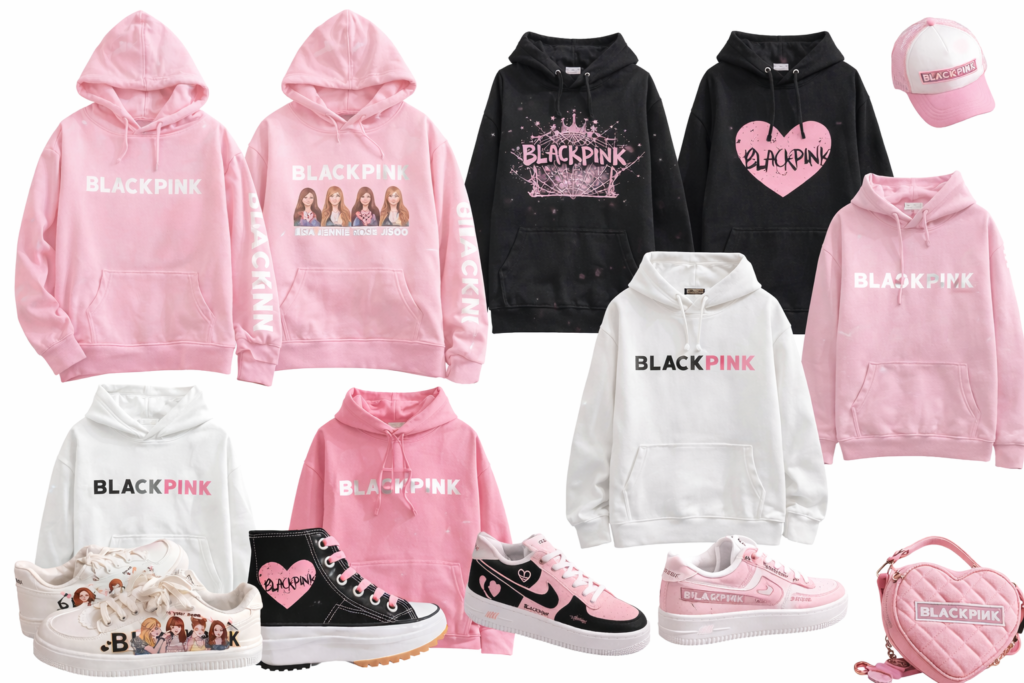
The ecosystem of limited drops, graphic tees, sneakers, and collector culture surrounding Blackpink was created by the cumulative power of the four members: Jennie Kim, Lisa (Lalisa Manobal), Rosé (Roseanne Park), and Jisoo (Kim Ji-soo), along with their agency YG Entertainment and a series of international fashion partners. Between 2019 and 2024, K-pop merchandise evolved from the usual tour wear to fashion-forward capsule collections and collaborative releases that reflected the drop culture of the streetwear industry. Partnerships with brands such as Calvin Klein and Adidas demonstrated that the power of idols could transform basic merchandise such as logo tees, hoodies, and sneakers into highly sought-after items that could be resold.
The principles of scarcity psychology and emotional branding are at the heart of this trend. Scarcity drives the market, while the culture of fandom attaches highly symbolic meanings to items associated with album periods, world tours, music videos, or viral social media appearances. Fans treat these items as tangible manifestations of their own fandom, rather than mere clothing. The speed of digital technology propels this cycle forward because fashion items worn during performances, airport fashion shoots, or Instagram posts can create a global buying frenzy in a matter of hours.
However, sneakers are especially significant as they manage to strike a balance between being accessible and having aspirational value. The links between fashion and luxury brands like Chanel add to the fashion credibility of the members, but sneakers are something that can be accessed by the younger generation of fans who are just entering the world of fandom consumption. Over the years, the resale market, fan collections, and curated merchandise have ensured that Blackpink merchandise is now a cultural asset. This shows that in the current celebrity economy, streetwear that is connected to music identity can be both fashion and investment.
Collaboration History
Blackpink’s collaboration strategy has been one of the key drivers of their global influence, blending music, fashion, culture, and brand partnerships from 2016 through 2026. These collaborations reveal not just popularity but strategic choices that boosted their reach across continents, genres, and industries.
Early Music Collaborations (2018–2021)
Blackpink first expanded internationally through music partnerships with global artists.
- “Kiss and Make Up” with Dua Lipa (2018) came after Blackpink met Dua Lipa at events and shared mutual respect. The track was released on the Complete Edition of Dua Lipa’s debut album. It blended English and Korean lyrics and helped Blackpink penetrate Western pop audiences early in their career.
- “Ice Cream” with Selena Gomez (2020) was announced after the group met Gomez during New York Fashion Week. Gomez was an existing fan of the group, and the collaboration delivered a playful, upbeat track that reached the Billboard Hot 100 Top 20—a first for female Korean artists.
- “Bet You Wanna” featuring Cardi B (2020) showcased Blackpink’s embrace of hip‑hop influences and diversified their sound by adding a well‑known American rapper to their album The Album.
- Individual collaborations, such as Lisa’s work with DJ Snake, Ozuna, and Megan Thee Stallion on ‘SG’ (2021), reflected the members’ personal desire to merge pop, EDM, hip‑hop, and global dance music elements — widening their audience and strengthening their versatility.
These early partnerships weren’t just musical experiments; they were deliberate moves to build cultural bridges between K‑pop and Western popular music.
Individual Member Collaborations & Solo Crossovers (2023–2025)
As Blackpink evolved, each member also built solo music and genre collaborations that expanded their artistic identity.
- Lisa’s “Shoong!” (2023) showcased her rap prowess and marked her solo trajectory.
- “Spot!” (2024) with Korean rapper Zico combined Jennie’s deep genre roots with hip‑hop credibility, making it a hit across Asia and beyond.
- Rosé’s solo work, including her debut studio album Rosie (2024), demonstrated her versatility outside group work through deeply personal songwriting and indie-pop influences.
- Rosé & Bruno Mars – “Apt.” (October 2024) showed a strategic crossover into R&B and adult contemporary pop, increasing her global appeal.
- Lisa with Doja Cat & RAYE – “Born Again” (Feb 2025) was anticipated as a major genre‑blending release bringing rap, pop, and electronic styles together.
- Blackpink & Travis Scott – “Lost” (2025) and Blackpink & The Weeknd – “Still” (2025) were slated to further cement the group’s presence in Western hip‑hop and R&B territories by pairing with global superstars.
These collaborations show how individual members leverage external artist partnerships to expand their sonic identity and fortify Blackpink’s overall brand.
Fashion & Brand Partnerships
Blackpink’s impact stretches far beyond music into fashion and lifestyle collaborations — chosen both for cultural fit and global reach.
- Takashi Murakami (2023) collaborated with Blackpink on a limited capsule collection featuring a new character inspired by their music style, blending contemporary pop culture and visual art.
- Razer x Blackpink (2025–2026) brought together gaming and music culture. This limited‑edition gaming gear and fan activations during the Deadline world tour tapped into youth culture’s intersection of music, games, and style.
- Asahi Super Dry (2025) appointed Blackpink as ambassador across East Asia, a major unified promotional campaign featuring limited‑edition cans and regional marketing, expanding their visibility beyond entertainment into lifestyle branding.
- Rosé & Levi’s (2026) marked her as the first Asian and K‑pop artist in a Levi’s campaign at the Super Bowl — a rare and significant fashion‑sports media crossover.
- Lisa & Kith (2026) saw Lisa guest‑design the Kith Women’s Spring 2026 collection. Her hands-on role in fittings and design reflects deeper creative integration rather than simple endorsement.
- 2025 saw Blackpink launch a fashion pop‑up collaboration with Los Angeles sports teams the Lakers and the Dodgers, combining sports culture with streetwear aesthetics.
- Members maintain ongoing individual luxury partnerships (Jennie with Chanel; Rosé with Saint Laurent and Tiffany & Co.; Lisa with Louis Vuitton and Bulgari; Jisoo with Dior and Cartier) which amplify their stylistic authority and influence in global fashion markets.
These non‑music collaborations illustrate why Blackpink is not just a music group but a cultural brand — connecting music, fashion, gaming, and lifestyle at global scale.
Cultural & Institutional Projects
Blackpink also placed collaborations within cultural institutions: in early 2026 they partnered with the National Museum of Korea and Spotify to celebrate their Deadline EP with a cultural showcase featuring pink‑lit exhibits, exclusive listening sessions, and member‑narrated audio guides in multiple languages — blending traditional culture with their global voice.
Why These Collaborations Matter
The collaborations of Blackpink have been diverse and far-reaching. The music collaborations have helped to expand their musical genres and reach the global charts. Fashion collaborations have helped the group to reach beyond the music industry and into the lifestyle of the youth. The cultural collaborations have helped to add depth to the group by merging pop music with culture and art. Every collaboration, whether with Dua Lipa, Selena Gomez, Travis Scott, Asahi, Razer, or Levi’s, has been a move to reach more people and make Blackpink a global cultural icon.
Streetwear Influence
Blackpink’s streetwear impact is profound, combining Western trends with K-pop flair:
- Their off-stage looks frequently feature oversized hoodies, graphic tees, sneakers, and caps, which quickly sell out due to social media virality.
- Collaborations with Kith, Nike, Adidas, and Puma positioned them as global streetwear icons. Limited drops featuring member-approved designs create instant hype in both Asian and Western markets.
- Blackpink-inspired streetwear often blends minimalist palettes, luxury-inspired branding, and edgy silhouettes — a signature aesthetic that reflects urban youth identity.
Blackpink Merchandise
Beyond collaborations, Blackpink has leveraged fan merchandise to extend their influence:
- Official Hoodies & Tees (YG Entertainment Store, 2020–2026): Featuring tour logos, album art, and member signatures, these are staples in K-pop streetwear culture.
- Limited Edition Capsule Collections (2023–2026): Drops with Murakami, Levi’s, and Kith often sell out within hours. Some pieces, like oversized hoodies or jackets, are deliberately styled for streetwear aesthetics, not just concert souvenirs.
- Member-Curated Fashion Lines: Lisa’s guest-designed Kith collection (2026) included hoodies and oversized outerwear combining casual and luxury elements. These designs highlight members’ personal style sensibilities, creating aspirational fashion for fans globally.
Fans treat Blackpink merchandise as both fashion statements and collector items, showing the synergy between music and clothing in modern fandom culture.
Legacy of Blackpink
As of 2026, the Blackpink legacy is already deeply embedded in the realms of music, fashion, and global culture. They were able to successfully merge K-pop and pop music by collaborating with some of the biggest Western artists while still retaining their unique Korean musical identity, thus paving the way for further international acceptance of Korean entertainment.
The impact of the group does not only reach as far as the music industry but also into high-end fashion, streetwear, and fan goods, where their fashion choices and associations have influenced youth trends and subcultures all over the world.
This impact is further reinforced by the existence of strong brand power, with collaborations involving companies such as Adidas, Oreo, Kia, and other international luxury brands such as Chanel, Dior, Saint Laurent, and Celine, among others, thus proving their worth and relevance in the industry. At the same time, the members of the group have also become icons of modern-day female empowerment, where they have been able to successfully combine their artistic talents, fashion expertise, and personal freedom in a way that has greatly appealed to younger generations.
Future Vision
Looking forward, the future path of Blackpink is expected to evolve around three major pillars. Firstly, in the music industry, the band is expected to continue its innovation through genre combinations, which may include Latin pop, Afrobeat, and other combinations of EDM and hip-hop, while also increasing the scope of solo projects by individual members without affecting the group synergy, thus maintaining their global fan base. Secondly, in the fashion and lifestyle industry, there may be opportunities for the band members to launch full-scale streetwear or luxury brand lines, in addition to collaborations with gaming, technology, and virtual reality platforms, including AI-powered content and spatial computing experiences.
Regarding their role as global cultural leaders, Blackpink is expected to be involved in more cultural collaborations, including partnerships with museums, art projects, and global campaigns, thus taking them out of the entertainment sector. Such activities may also include projects related to female empowerment, youth engagement, and sustainable fashion, thus further solidifying their brand value and establishing them as global cultural icons.
Conclusion
Blackpink has broken the boundaries of international fashion by incorporating K-pop musical talent with the latest trends in streetwear fashion. Whether it is high-end collaborations or fan-designed hoodies and fashion lines, they have made every concert and airport performance a fashion event. As fashion influencers, Blackpink has been setting new standards in both streetwear and high-end fashion by combining personal style with a collective identity. The impact of Blackpink is not only felt in the music industry but also in the way they have defined a generation’s fashion sensibilities and have set a precedent for future artists to seamlessly blend fashion, streetwear, and impact.
15 FAQs About Blackpink’s Fashion & Streetwear Influence
1. How did Blackpink become fashion icons?
Blackpink combined individual style with high-profile brand collaborations, setting global fashion trends beyond music.
2. Which luxury brands have Blackpink members worked with?
Members have collaborated with Chanel, Dior, Bulgari, Cartier, Saint Laurent, Tiffany & Co., and Celine.
3. How does Blackpink influence streetwear?
Their oversized hoodies, graphic tees, sneakers, and capsule collections inspire youth fashion worldwide.
4. Are Blackpink’s hoodies official merchandise?
Yes, they include official tour, album, and limited edition designs approved by YG Entertainment.
5. Which member is most associated with streetwear?
Lisa is widely recognized for edgy streetwear styles and viral fashion influence.
6. How does Blackpink merchandise sell globally?
Through limited drops and online stores, often selling out within hours due to fan demand.
7. Do fans recreate Blackpink’s outfits?
Yes, fans frequently emulate airport, red carpet, and social media looks.
8. Has Blackpink influenced global fashion trends?
Absolutely, their collaborations and personal style have shaped both luxury and streetwear markets.
9. What role does social media play in their fashion impact?
Instagram, TikTok, and fan communities amplify their influence, making trends go viral instantly.
10. Are there Blackpink-designed clothing lines?
Yes, some capsule collections and collaborations involve direct member curation or design input.
11. How does Blackpink merge music with fashion?
Through music videos, performances, and public appearances, their style reinforces artistic identity.
12. Can streetwear fans wear Blackpink merchandise casually?
Yes, oversized hoodies and graphic tees are designed for everyday streetwear fashion.
13. What is the future of Blackpink’s fashion influence?
Expansion into lifestyle, luxury streetwear, NFTs, metaverse concerts, and global brand collaborations.
14. How do collaborations impact fan culture?
Limited drops and member-approved designs strengthen fandom engagement and collectible culture.
15. Why is Blackpink considered a fashion legacy?
They set trends, bridge K-pop with global streetwear, and create lasting influence on music and style culture.
For collaborations, press, or inquiries, contact us at streeticonic1@gmail.com.













Discover what makes Xbox one of the leading gaming brands in the world. Learn about Xbox consoles, Game Pass, exclusive games, cloud gaming, and more.
What Makes Xbox One of the Leading Gaming Brands in the World?

Gaming has become one of the biggest forms of entertainment across the globe. Millions of players enjoy immersive adventures, competitive multiplayer games, and creative experiences every day. Among the biggest names in the gaming industry, Xbox has earned a reputation as one of the leading gaming brands in the world.
From powerful gaming consoles to innovative online services, Xbox continues to shape the future of gaming. Whether you are a casual player or a dedicated gamer, Xbox offers something for everyone.
In this guide, we explore what makes Xbox one of the most popular gaming brands and why millions of players choose it every year.
The History of Xbox
Xbox was introduced by Microsoft in 2001. Since then, the brand has grown into one of the largest gaming platforms in the industry.
The Xbox family has expanded over the years with several successful consoles, including:
- Xbox
- Xbox 360
- Xbox One
- Xbox Series S
- Xbox Series X
Each generation introduced new technology, better graphics, faster performance, and improved gaming experiences.
Powerful Gaming Consoles
One reason Xbox remains a leading gaming brand is its powerful hardware.
Xbox Series X
The Xbox Series X delivers excellent performance with fast loading times, stunning graphics, and smooth gameplay. It is designed for players who want the highest level of gaming performance.
Xbox Series S
The Xbox Series S offers impressive gaming power at a more affordable price. It is ideal for players who want modern gaming without spending as much as they would on a premium console.
Both consoles support thousands of games and provide excellent value.
Xbox Game Pass Changes Everything

One of the biggest reasons Xbox stands out is Xbox Game Pass.
Game Pass gives players access to a large collection of games for one monthly subscription.
Benefits include:
- Hundreds of games
- New releases available on launch day for many Microsoft titles
- Games from many popular studios
- Regular updates
- Variety across every major genre
For many players, Game Pass offers incredible value compared to purchasing every game separately.
Exclusive Games Keep Players Coming Back
Strong game libraries help every gaming platform succeed.
Xbox offers access to many popular titles through Microsoft owned studios.
Popular franchises include:
- Halo
- Forza Motorsport
- Forza Horizon
- Gears of War
- Microsoft Flight Simulator
- Age of Empires
These games continue to attract millions of players worldwide.
Cloud Gaming Expands Access
Cloud gaming has become an important part of modern gaming.
Xbox Cloud Gaming allows players to enjoy many games without downloading large files to their console.
Players can enjoy compatible games on:
- Smartphones
- Tablets
- Personal computers
- Supported smart televisions
This flexibility makes gaming more convenient than ever.
Strong Online Multiplayer Experience
Xbox has invested heavily in online gaming.
Players can:
- Play with friends
- Join multiplayer matches
- Create gaming communities
- Use voice chat
- Earn achievements
- Share gameplay
The Xbox network connects millions of gamers around the world every day.
Backward Compatibility Adds Value
Another reason Xbox is respected by gamers is backward compatibility.
Many games from older Xbox generations continue to work on newer consoles.
This allows players to enjoy classic favorites without purchasing older hardware.
For many families and longtime gamers, this feature saves money while preserving favorite games.
Excellent Controller Design
The Xbox controller is widely recognized for its comfort.
Its ergonomic design helps players enjoy long gaming sessions with less fatigue.
Modern Xbox controllers also include:
Wireless connectivity
Players can move freely without cable restrictions.
Fast response
Buttons and triggers offer responsive controls during competitive gameplay.
Broad compatibility
Controllers work with Xbox consoles, many Windows computers, and supported mobile devices.
Gaming for Every Type of Player
Xbox offers games for players of every age and interest.
Popular categories include:
Action Games
Fast paced adventures with exciting combat.
Racing Games
Realistic driving experiences through games like Forza Horizon.
Sports Games
Football, basketball, baseball, soccer, and more.
Family Games
Fun experiences suitable for children and families.
Adventure Games
Large open worlds with engaging stories and exploration.
Innovation Keeps Xbox Competitive
Technology continues to evolve, and Xbox continues to innovate.
Microsoft regularly improves:
- Console performance
- Cloud gaming
- Digital game libraries
- Accessibility features
- Security
- Online services
These improvements help Xbox remain competitive in a rapidly changing gaming industry.
Why Gamers Trust Xbox
Millions of players choose Xbox because it delivers consistent quality.
Key reasons include:
- Reliable hardware
- Large game library
- Xbox Game Pass
- Online multiplayer
- Cloud gaming
- Comfortable controllers
- Strong developer support
- Regular software updates
- Excellent performance
- Wide range of gaming options
These strengths have helped Xbox become one of the most recognized gaming brands in the world.
Internal Linking Suggestions
You can improve your website SEO by linking this article to related content such as:
- Best Xbox Games in 2026
- Xbox Game Pass Complete Guide
- Xbox Series X Review
- Xbox Series S Review
- Cloud Gaming Explained
- Xbox Accessories Guide
- Gaming Console Buying Guide
- Best Multiplayer Games
Frequently Asked Questions
Why is Xbox one of the leading gaming brands?
Xbox offers powerful consoles, an extensive game library, Xbox Game Pass, cloud gaming, and reliable online multiplayer services that appeal to millions of players worldwide.
What is Xbox Game Pass?
Xbox Game Pass is a subscription service that gives members access to a large collection of games for a monthly fee.
Which Xbox console is best?
The Xbox Series X is best for players seeking maximum performance, while the Xbox Series S is an excellent choice for those looking for a more affordable console.
Does Xbox support cloud gaming?
Yes. Xbox Cloud Gaming allows eligible players to stream supported games on compatible devices without needing powerful hardware.
Can I play older Xbox games on new consoles?
Many older Xbox games are supported through backward compatibility, allowing players to enjoy classic titles on newer Xbox consoles.
Is Xbox suitable for families?
Yes. Xbox offers a wide selection of family friendly games along with parental controls that help manage gaming experiences for children.
What makes Xbox different from other gaming brands?
Xbox combines powerful hardware, a popular subscription service, cloud gaming, strong online features, and a diverse game library, making it one of the most complete gaming ecosystems available.
Conclusion
What makes Xbox one of the leading gaming brands in the world? The answer lies in its commitment to innovation, quality, and player satisfaction. From powerful consoles and a massive game library to Xbox Game Pass and cloud gaming, Xbox continues to provide outstanding value for gamers of all ages.
As gaming continues to grow, Xbox remains focused on delivering better technology, exciting games, and connected experiences that keep millions of players engaged around the world.
The Artist Behind Contemporary Japan’s Most Recognizable Characters
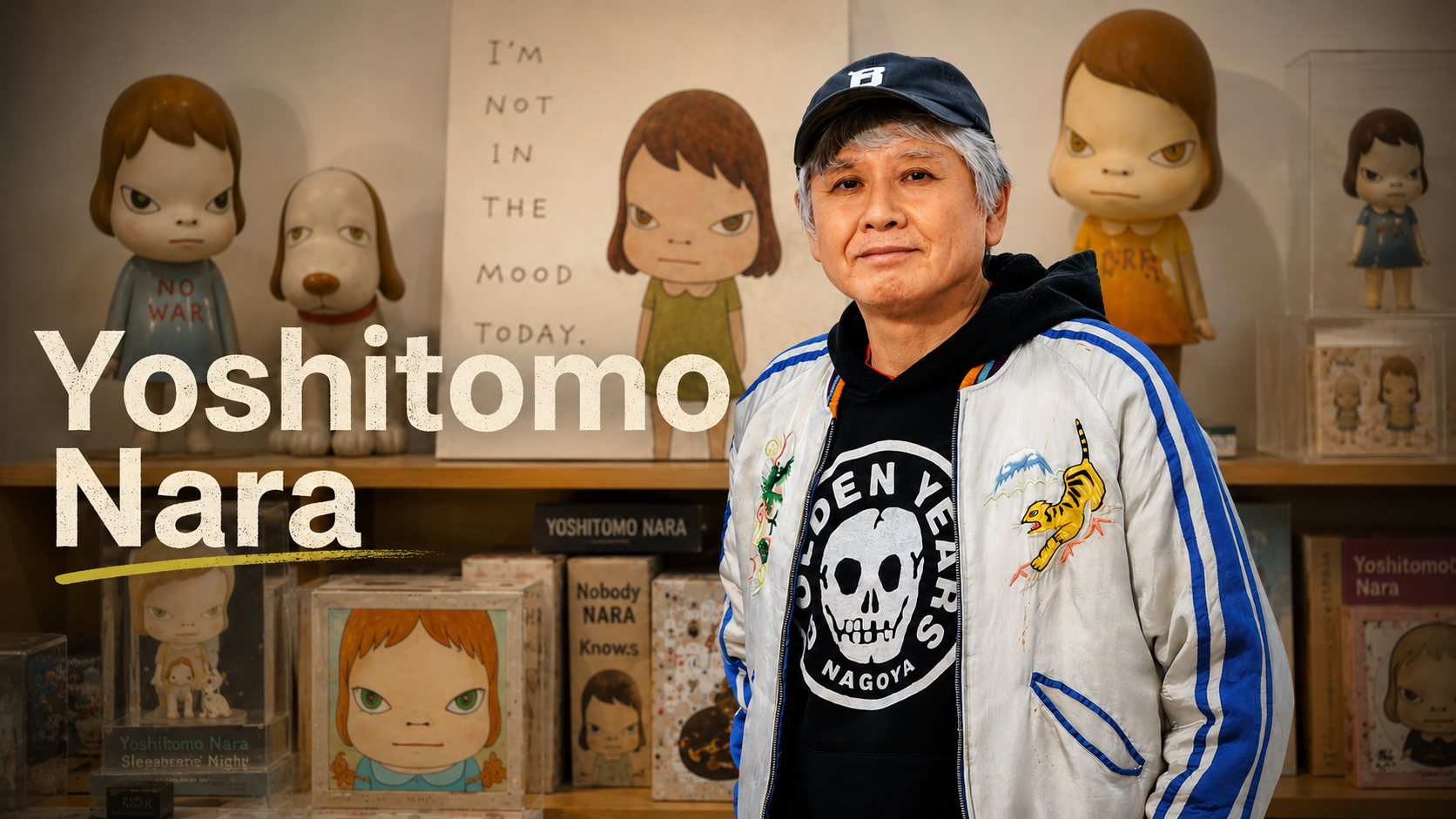
Contemporary Japanese art has many influential artists. Few have created a style as recognizable as Yoshitomo Nara’s. His childlike characters, simple designs, and emotional artwork connect with people worldwide. For more than three decades Nara has explored themes of childhood, loneliness, independence, and hope. His characters may look innocent but their expressions reveal deeper emotions.
Today Yoshitomo Nara’s artwork appears in major museums, exhibitions, and private collections. His work also inspires designers, musicians, collectors, and creative professionals. Whether you are new to contemporary Japanese art or already know his work, Nara’s journey shows why he remains one of the most respected living artists in 2026.
A New Voice in Contemporary Japanese Art
When Yoshitomo Nara developed his style in the 1980s and 1990s, contemporary art was becoming more diverse. Many artists explored abstract ideas and complex concepts. Nara chose a different approach by creating simple characters with strong emotions. His paintings often show children with large heads and expressive eyes. These figures may look playful but they represent deeper feelings like loneliness, curiosity, and strength.
Nara uses clean compositions without many details. This keeps the focus on his characters and allows viewers to create their own meanings. His art feels personal and universal at the same time. People from different cultures connect with his characters because the emotions feel familiar. By 2026 Yoshitomo Nara continues inspiring artists and collectors worldwide. His simple yet powerful style has helped shape contemporary Japanese art.
The Journey That Shaped Yoshitomo Nara’s Artistic Vision
Yoshitomo Nara was born in 1959 in Hirosaki, Japan. He grew up in a quiet town surrounded by nature. His parents worked long hours, so he often spent time alone. During these years he developed a strong imagination. He loved drawing whenever he had free time. He also enjoyed reading books and listening to music. These early interests became an important part of his creative life. Many of the emotions from his childhood later appeared in his artwork.
Nara studied at Aichi Prefectural University of the Arts. There he improved his drawing and painting skills. After completing his studies in Japan he moved to Germany. He continued his education at the Kunstakademie Düsseldorf under the artist A.R. Penck. Living in Europe exposed him to different cultures and artistic ideas. It also gave him time to think about his childhood memories and his Japanese identity. These experiences helped shape the unique style that made him famous.
During the 1990s Yoshitomo Nara began receiving international recognition. His exhibitions attracted growing attention from galleries, museums, and collectors. His paintings featured children with expressive faces that looked innocent yet rebellious. These characters became his signature style. He also created sculptures, drawings, ceramics, and large installations. His work has been displayed across Asia, Europe, and North America. Millions of people have visited his exhibitions over the years.
By 2026 Yoshitomo Nara is recognized as one of Japan’s most influential contemporary artists. His success comes from honesty, creativity, and emotional storytelling. His career proves that personal experiences can inspire art that connects with people around the world.
The Meaning Behind Yoshitomo Nara’s Iconic Characters

One of the most recognizable parts of Yoshitomo Nara’s work is his unique characters. They have oversized heads, expressive eyes, and strong facial expressions. At first they may look simple. However they often communicate deep emotions. These figures have become symbols of contemporary Japanese art. People from many different countries recognize them instantly. Their memorable appearance has helped Nara build a unique artistic identity.
Although many of the characters look like children, they represent emotions that people of all ages understand. Some appear lonely or thoughtful. Others look confident, curious, or quietly rebellious. A few seem playful while others appear calm and mysterious. Every expression tells a different story. Nara rarely explains exactly what his characters are thinking. This allows viewers to create their own interpretation. Each person can connect with the artwork in a personal way.
Nara’s characters are inspired by his childhood memories, personal experiences, and emotions. He spent much of his early life alone. Those memories continue to influence his creative work. His honesty gives the paintings emotional depth. Many people feel a connection because the emotions seem real and genuine.
The simplicity of his style is another reason for its success. He often avoids busy backgrounds or unnecessary details. This keeps the focus on the character and its expression. Small changes in the eyes or mouth can completely change the mood of a painting.
Even in 2026 Yoshitomo Nara’s iconic characters continue to appear in major exhibitions, museum collections, and art books around the world. They remain one of the strongest examples of emotional storytelling in contemporary art. Their timeless appeal continues to inspire artists, collectors, and creative audiences.
Beyond Paintings: Sculptures, Drawings, and Installations
Although Yoshitomo Nara is best known for his paintings, his creative work has expanded since the late 1980s into sculpture, drawing, ceramics, printmaking, and large scale installations. After moving to Germany in 1988 and later returning to Japan in 2000, he continued to experiment with new materials and techniques. Each medium allows him to express his ideas in a different way. Instead of repeating the same approach, Nara enjoys trying new forms. This has helped his work remain fresh and meaningful for many years.
His sculptures transform his famous characters into three dimensional forms. Visitors can walk around them and experience them from different angles. This creates a stronger emotional connection than viewing a flat painting. His sculptures have appeared in museums, sculpture parks, galleries, and public exhibitions around the world, especially throughout the 2000s and 2010s. Many have become popular attractions because of their unique appearance and emotional presence. In 2021, his collaboration with Stella McCartney showed how his art could move into fashion and reach celebrity audiences as well.
Drawing remains at the center of Nara’s creative process. Since the 1990s, he has often begun with simple sketches before developing larger works. His drawings show that a few simple lines can express powerful feelings. These sketches also reveal how his ideas grow over time. Many collectors and celebrities who follow contemporary art appreciate his drawings because they provide a closer look at his artistic thinking.
Nara has also created installations that transform entire exhibition spaces. These environments encourage visitors to slow down and quietly observe the artwork. The peaceful atmosphere allows people to reflect on their own emotions and memories. His installations create experiences that go beyond simply looking at art. By working across different mediums, Yoshitomo Nara continues expanding his artistic vision. His creativity, emotional honesty, and willingness to experiment have made him one of the most respected contemporary Japanese artists. Even in 2026, his work continues to inspire audiences, collectors, young artists, and cultural figures such as Stella McCartney and other international celebrities around the world.
Yoshitomo Nara Collectibles

Yoshitomo Nara collectibles are highly valued by art lovers and collectors around the world. His work extends beyond original paintings and sculptures. Over the years many collectible items have been released through museums, galleries, publishers, and official collaborations. These products allow fans to own a piece of his artistic world without purchasing an original artwork.
Art prints are among the most popular Yoshitomo Nara collectibles. Official exhibition posters and limited edition prints are collected because they feature his iconic characters and emotional style. Many of these releases become difficult to find after exhibitions end. This increases their value among collectors.
Books and exhibition catalogs are also highly collectible. They document Nara’s career and showcase paintings, drawings, sculptures, and installations from different periods. Signed editions are especially desirable because they are produced in limited numbers.
Nara has also released collectible merchandise through official collaborations. These include skateboards, toys, posters, postcards, pins, stickers, keychains, and stationery. Museum gift shops often sell exclusive items that are available only during special exhibitions. These limited releases attract collectors from many countries.
Fashion collaborations have added another category of collectibles. His 2019 collaboration with Stella McCartney introduced clothing, bags, and accessories featuring his famous artwork. Many of these pieces are now sought after in the resale market.
Collectors value Yoshitomo Nara items because of their artistic quality, limited availability, and cultural importance. Demand continues to grow as contemporary Japanese art becomes more popular worldwide. By 2026 Yoshitomo Nara collectibles remain an important part of the global art collecting community. They appeal to experienced collectors, new fans, and anyone who appreciates meaningful contemporary art.
International Exhibitions and Global Recognition
Yoshitomo Nara’s artwork has been displayed in leading museums and galleries around the world since the 1990s. Major exhibitions in 2001, 2010, 2019, and 2021 helped bring his work to global audiences. His paintings, sculptures, drawings, and installations have been shown in Japan, Europe, North America, and many parts of Asia. People from different cultures connect with the emotions in his work. Each exhibition introduces new audiences to his unique artistic style.
Many of Nara’s works are included in major museum collections. His art is also owned by private collectors around the world. Museums value his work because it combines simple images with deep emotional meaning. His exhibitions often feature works from different periods of his career, from the late 1980s to the 2020s. This allows visitors to see how his ideas and techniques have developed over time. His work has also been admired by cultural figures such as Stella McCartney, Beck, Björk, and Pharrell Williams.
Large retrospective exhibitions have played an important role in celebrating Nara’s achievements. Shows such as Yoshitomo Nara + graf A to Z in 2006 and later museum presentations in the 2010s and 2020s brought together paintings, sculptures, sketches, and rare works from different decades. They help visitors understand the growth of his artistic journey. While his style has changed in small ways, his emotional honesty has remained consistent throughout his career. This balance between growth and authenticity makes his work timeless.
Many visitors return to his exhibitions because they discover something new each time. His artwork encourages quiet reflection and personal interpretation. Different people often see different meanings in the same painting. This makes every exhibition a unique experience.
By 2026 Yoshitomo Nara continues participating in international exhibitions and cultural events. His influence reaches artists, students, collectors, and museum visitors across the world. His career demonstrates that sincere storytelling and simple visual language can create lasting connections between people from different cultures and generations.
Creative Collaborations and Cultural Influence
Yoshitomo Nara’s influence extends far beyond museums and galleries. His artwork has become part of fashion, music, publishing, and popular culture. Since the 1990s, he has worked with designers, musicians, publishers, and cultural organizations on many creative projects. These collaborations have introduced his art to people who may not usually visit museums. They have also helped younger audiences discover his unique artistic style.
One of Nara’s best known collaborations came in 2021, when he worked with fashion designer Stella McCartney on a special collection. His famous characters appeared on clothing, bags, accessories, and limited edition pieces. The partnership showed how contemporary art and fashion can work together without losing artistic value. It also brought his work to fashion lovers around the world. The collection received attention for combining creativity with everyday style.
Nara’s artwork has also appeared on album covers, books, posters, skateboards, toys, and other collectible merchandise. In 1998, he designed the cover for the Japanese rock band Shonen Knife’s album Happy Hour, which helped bring his visual language to a wider music audience. These projects allow fans to enjoy his art in daily life. Many collectors value these limited edition items because they combine design with fine art. His illustrations remain instantly recognizable across different products and creative industries.
His artistic style has inspired countless young illustrators, designers, and contemporary artists. Many admire his simple lines, expressive faces, and emotional storytelling. His work reminds creators that powerful ideas do not always require complicated designs. Honest emotions can have an even greater impact.
By 2026, Yoshitomo Nara continues to be one of Japan’s most influential cultural figures. His work connects contemporary art, fashion, design, music, and popular culture. Through every collaboration, he remains true to his personal vision, emotional honesty, and distinctive artistic identity.
Why Collectors Value Yoshitomo Nara’s Artwork
Yoshitomo Nara is one of the most collected contemporary Japanese artists in the world. Since the 1990s his paintings, drawings, sculptures, prints, and ceramics have attracted strong interest from museums, private collectors, and art institutions. His works appear in important public collections as well as prestigious private collections across Japan, Europe, North America, and Asia. This global demand reflects both his artistic quality and his lasting cultural influence.
One reason for Nara’s popularity is his distinctive artistic identity. His expressive characters and emotional storytelling are instantly recognizable. While many artists change styles to follow trends, Nara has remained true to his personal vision. At the same time he has continued to develop new ideas and explore different mediums. This balance between consistency and creative growth has strengthened his reputation over several decades.
Limited availability also increases the value of his artwork. Original paintings and sculptures are produced in small numbers and are rarely offered for sale. When important works appear at galleries or auctions, they often attract strong interest from collectors around the world. His prints and limited editions are also highly sought after because they allow more people to collect his work.
Collectors are drawn not only to the rarity of his art but also to its emotional impact. Themes such as childhood, independence, hope, loneliness, and self reflection speak to people from many different cultures. His artwork creates personal connections that remain meaningful over time.
As global interest in contemporary Japanese art continues to grow, Yoshitomo Nara remains one of its most respected figures. By 2026 his artwork continues to hold strong artistic, cultural, and collectible value. His influence continues to shape museums, collections, and future generations of artists.
Yoshitomo Nara’s Legacy in 2026
More than thirty years after gaining global recognition, Yoshitomo Nara continues influencing contemporary art. His simple yet emotional style has inspired many artists and changed how people view modern Japanese art. His paintings, sculptures, and installations remain popular in museums and exhibitions. His influence also reaches publishing, design, and fashion.
Nara has built a lasting legacy by staying true to his own vision. He does not follow trends but creates art with honesty and emotion. In 2026 Yoshitomo Nara remains one of the world’s most respected living artists. His work proves that simple expressions can communicate powerful feelings.
Conclusion
Yoshitomo Nara has gained global recognition through artwork that is simple yet emotionally powerful. His iconic characters and honest storytelling have earned him a unique place in contemporary Japanese art. Throughout his career he has remained true to his creative vision while continuing to explore new ideas. His paintings, sculptures, drawings, and installations express emotions that connect with people across different cultures and generations. Nara’s influence has also reached the world of streetwear through fashion collaborations and collectible designs that combine contemporary art with modern style. Even in 2026 he continues inspiring collectors, artists, designers, museums, and streetwear enthusiasts through exhibitions and creative projects. His legacy proves that simplicity, emotion, originality, and artistic authenticity can create a lasting impact on both contemporary art and streetwear culture.
Frequently Asked Questions
Who is Yoshitomo Nara?
Yoshitomo Nara is a Japanese contemporary artist known for his expressive paintings, sculptures, and drawings featuring childlike characters with emotionally powerful expressions.
What is Yoshitomo Nara famous for?
He is famous for creating iconic characters that combine innocence with complex emotions, making him one of the most influential figures in contemporary Japanese art.
When was Yoshitomo Nara born?
Yoshitomo Nara was born on December 5, 1959, in Hirosaki, Aomori Prefecture, Japan.
Where did Yoshitomo Nara study art?
He studied at Aichi Prefectural University of the Arts in Japan and later continued his education at the Kunstakademie Düsseldorf in Germany.
What inspires Yoshitomo Nara’s artwork?
His work is inspired by childhood memories, music, everyday emotions, personal experiences, and observations of human nature.
Why do Yoshitomo Nara’s characters look angry?
Their expressions are open to interpretation. While some appear defiant or serious, they often represent emotions such as independence, resilience, loneliness, or quiet confidence rather than anger.
What type of art does Yoshitomo Nara create?
His work includes paintings, sculptures, drawings, prints, ceramics, and large-scale installations.
Has Yoshitomo Nara collaborated with fashion brands?
Yes. He has collaborated with brands such as Stella McCartney, bringing his distinctive artwork into fashion collections and creative projects.
Why is Yoshitomo Nara important in contemporary art?
He helped redefine contemporary Japanese art by creating emotionally expressive works that combine simplicity with universal themes.
Are Yoshitomo Nara’s artworks collectible?
Yes. His original paintings, sculptures, prints, and limited-edition works are highly sought after by museums, galleries, and private collectors worldwide.
Where has Yoshitomo Nara exhibited his work?
His artwork has been displayed in major museums and galleries across Japan, Europe, North America, South Korea, China, and many other countries.
Does Yoshitomo Nara still create art in 2026?
Yes. Yoshitomo Nara continues producing new artworks, participating in international exhibitions, and contributing to the contemporary art world.
Why do collectors admire Yoshitomo Nara?
Collectors value his work for its emotional depth, recognizable style, artistic consistency, and lasting influence on contemporary art.
What themes appear in Yoshitomo Nara’s artwork?
His artwork often explores childhood, solitude, hope, independence, memory, and human emotion through simple yet meaningful imagery.
What is Yoshitomo Nara’s legacy?
Yoshitomo Nara’s legacy lies in transforming contemporary Japanese art through emotionally expressive characters, authentic storytelling, and a timeless artistic vision that continues to inspire audiences around the world.
For collaborations, press, or inquiries, contact us at streeticonic1@gmail.com.
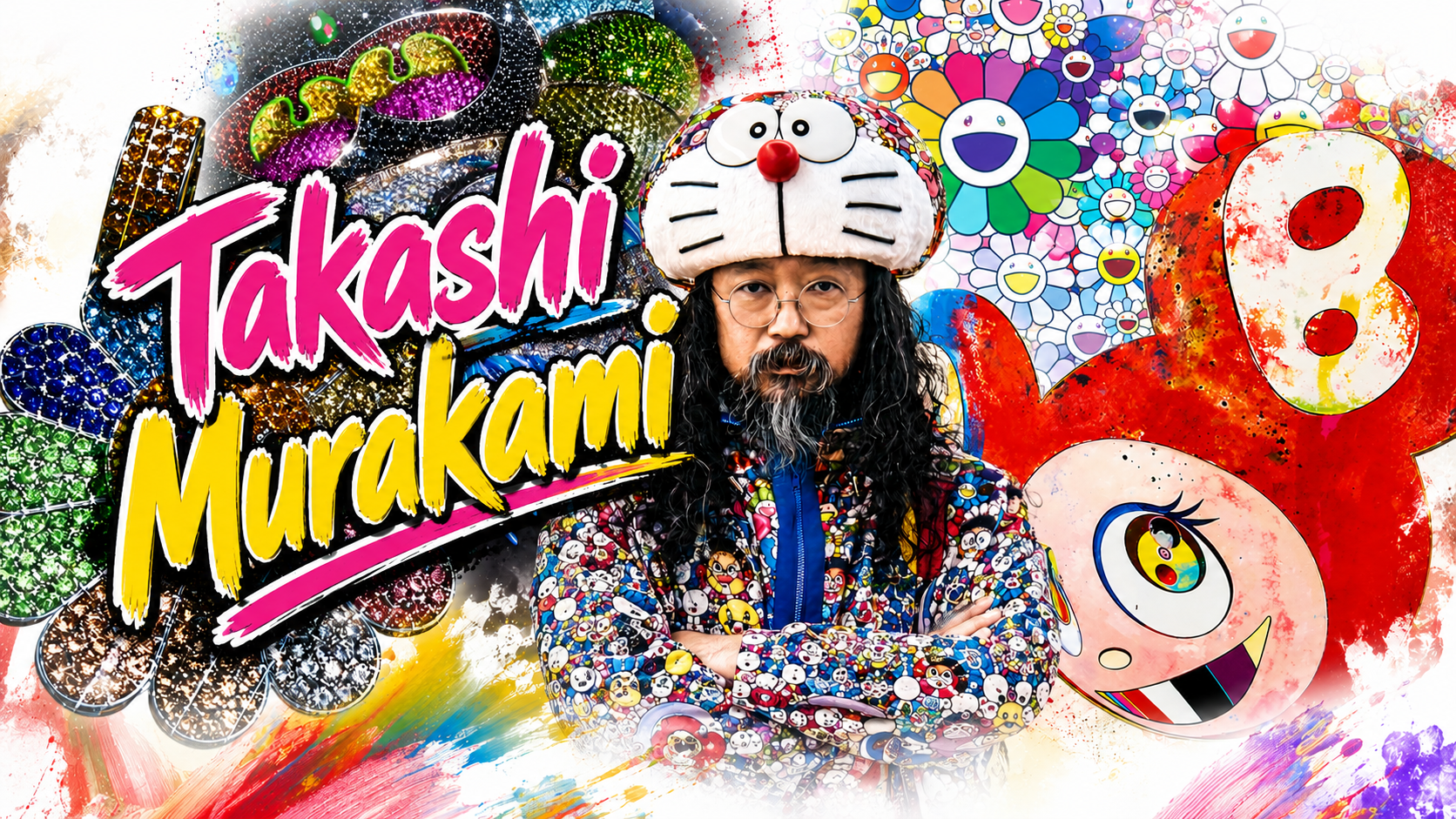
Takashi Murakami: The Artist Who Redefined Contemporary Japanese Art
Contemporary art has produced many great artists. Few have influenced popular culture like Takashi Murakami. He is known for colorful flowers, smiling characters, and bold artwork. His unique style changed modern Japanese art.
Over the past three decades Murakami expanded beyond galleries. His work appears in fashion, music, luxury brands, and pop culture. He blends traditional Japanese art with anime, manga, and modern design.
Today Takashi Murakami inspires artists, designers, collectors, and fashion lovers around the world. His work appears in exhibitions, limited edition collections, and creative collaborations. Whether you are an art collector, a design student, or a new fan, Murakami’s journey shows why he remains one of the most influential creative figures in 2026.
How Takashi Murakami Revolutionized Contemporary Art
Before Takashi Murakami became famous, fine art and pop culture were often kept separate. Museums focused on traditional art. Anime, manga, and commercial design were seen as entertainment. Murakami changed this view. He brought Japanese pop culture into contemporary art. His colorful flowers and playful characters attracted collectors and younger audiences.
Murakami also challenged the idea of high art. He believed creativity should have no limits. This led to collaborations with fashion brands, musicians, and global companies. He continued creating museum quality artwork at the same time. His work made contemporary art more accessible. Exhibitions, prints, collectibles, and collaborations introduced modern Japanese art to millions of people.
Today many artists combine illustration, digital media, fashion, and design. Murakami helped make this approach more accepted. Even in 2026 Takashi Murakami continues to inspire artists around the world. His work shows that creativity grows by breaking traditional boundaries.
From Tokyo to Global Recognition
Takashi Murakami was born in Tokyo Japan in 1962. As a child he loved drawing, animation, and traditional Japanese art. Manga and anime also shaped his creative style. He studied at the Tokyo University of the Arts. He specialized in Nihonga painting. While learning traditional techniques he became interested in modern culture. This inspired a new artistic direction.
During the 1990s Murakami began exhibiting his work in Japan and abroad. His colorful paintings, sculptures, and installations quickly gained attention. He blended fine art with popular culture in a unique way. His work soon earned global recognition. Museums, galleries, and collectors around the world embraced his art. They admired his mix of Japanese tradition and modern creativity.
Murakami later founded Kaikai Kiki Co. Ltd. The company supports artists and manages exhibitions. It also helps promote emerging talent. By 2026 Takashi Murakami is one of Japan’s most famous living artists. His journey shows how creativity and originality can shape modern art.
The Birth of the Superflat Movement
One of Takashi Murakami’s greatest achievements is the Superflat movement. He introduced it in the late 1990s. It became more than an art style. It became a creative philosophy. Murakami developed Superflat after studying Japanese art, anime, manga, and consumer culture. He believed fine art and commercial art should not be separated. He combined them into one visual style.
Superflat is known for flat designs, bold colors, clean outlines, and simple shapes. Murakami used this style to explore ideas about consumer culture, identity, and modern Japan. The movement gained worldwide attention. Museums and galleries embraced its originality. Younger audiences connected with its pop culture influences. Many artists began blending illustration, animation, and design into their work.
Murakami promoted Superflat through exhibitions, books, and collaborations. The movement became one of Japan’s most influential contributions to contemporary art. It also strengthened his global reputation. Even in 2026 Superflat continues to inspire artists, designers, and illustrators. Its focus on creativity and cultural storytelling keeps it relevant around the world.
A Creative Style Unlike Any Other
Takashi Murakami’s artwork is easy to recognize. It features vibrant colors, playful characters, and bold designs. He combines many influences to create art that feels joyful and thought provoking.
Smiling Flowers and Iconic Characters
One of Murakami’s most famous symbols is his smiling flower. Its bright colors and cheerful face have become part of his artistic identity. He also created characters like Mr. DOB. These designs blend anime, manga, and Japanese pop culture. Although they look playful, they often explore deeper ideas about consumer culture, happiness, and modern society.
Bright Colors and Bold Composition
Murakami’s artwork is known for its bold colors. Bright blues, pinks, yellows, and greens make each piece stand out. Clean lines and flat surfaces give his work a unique style. This visual approach attracts experienced collectors and new art lovers alike.
Blending Tradition With Pop Culture
Murakami does not choose between traditional art and modern culture. He blends both into one style. His work combines classical Japanese painting with anime, manga, gaming, and digital culture. This balance has introduced Japanese art to global audiences. It keeps his work fresh and relevant.
Art Without Boundaries
Murakami believes art should reach everyone. He creates sculptures, prints, fashion collections, merchandise, and public installations. This allows more people to experience contemporary art. This open approach defines his career. By combining creativity with accessibility Murakami continues to inspire artists, designers, and creative communities around the world in 2026.
Creative Collaborations That Reached a Global Audience
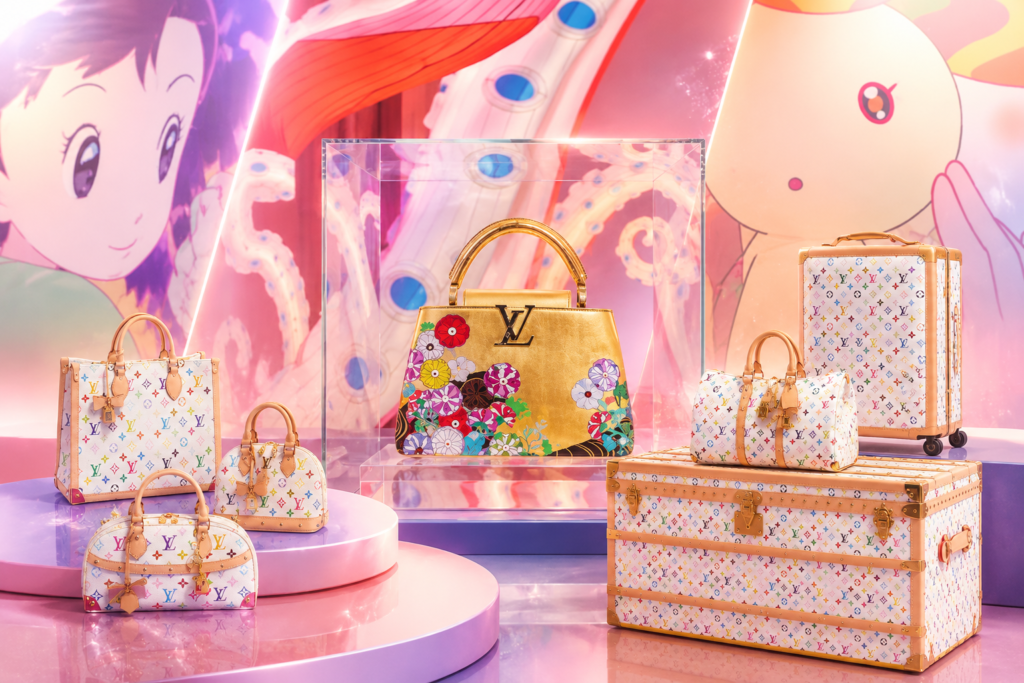
Takashi Murakami has stayed relevant for decades through creative collaborations. He works with leading names in fashion, music, and popular culture. He sees commercial projects as another form of art. This approach brings his creative vision to millions of people worldwide.
Louis Vuitton
Murakami’s collaboration with Louis Vuitton in 2003 became a landmark partnership. Working with Creative Director Marc Jacobs he reimagined the famous Monogram canvas. He added vibrant colors and playful graphics.
The collection attracted fashion lovers and art collectors. It showed that luxury accessories could also become collectible art. More than twenty years later it remains one of the most successful artist collaborations in fashion history.
Music and Entertainment
Murakami has also worked with famous musicians. His artwork appeared on Kanye West’s Graduation album in 2007. This introduced his style to a global audience. Over the years he has collaborated with Billie Eilish, Pharrell Williams, and J Balvin. These projects included artwork, merchandise, and visual campaigns. They show how his creativity connects with different generations and industries.
Fashion, Collectibles, and Contemporary Culture
Beyond fashion and music Murakami works with brands, galleries, and creative companies. He creates limited edition collections, collectible figures, and lifestyle products. His smiling flowers and famous characters appear on clothing, accessories, skateboards, prints, and designer toys. Many releases sell out quickly. They combine artistic creativity with cultural value. They attract art collectors, fashion fans, and streetwear lovers.
In 2026 Takashi Murakami continues to expand his influence through creative collaborations. His work connects museums, fashion, and popular culture. This makes him one of the world’s most recognized contemporary artists.
Takashi Murakami’s Art Collections and Collectibles
Takashi Murakami’s influence goes beyond paintings and exhibitions. He has created collectibles, limited editions, and artistic merchandise. These items let people own part of his creative world. They are popular with art collectors, fashion fans, and lovers of Japanese pop culture.
Limited Edition Prints
Takashi Murakami’s influence goes beyond paintings and exhibitions. He has created collectibles, limited editions, and artistic merchandise. These items let people own part of his creative world. They are popular with art collectors, fashion fans, and lovers of Japanese pop culture.
Sculptures and Art Installations
Murakami also creates large sculptures and immersive installations. They have appeared in major museums and galleries. These works bring his famous characters into real spaces. Visitors can experience his creative world in a new way. His installations combine traditional craftsmanship with modern production. This reflects his passion for innovation.
Designer Toys and Collectibles
Murakami helped popularize designer toys and art collectibles. Figures of Mr. DOB, smiling flowers, and other characters are popular with collectors. They celebrate the connection between contemporary art and pop culture. These collectibles blur the line between fine art and everyday objects. They make creativity more accessible to everyone.
Apparel and Lifestyle Products
Murakami’s artwork also appears on clothing, accessories, home décor, and lifestyle products. Most are released through exclusive collaborations and limited collections. These products bring his art into everyday life and introduce it to new audiences.
By 2026 Murakami’s collections remain popular with collectors around the world. His paintings, limited edition prints, and creative merchandise combine artistic value with cultural appeal. This has made him one of the most influential contemporary artists of his generation.
Why Takashi Murakami Continues to Inspire the Creative World
Very few contemporary artists stay influential across generations. Takashi Murakami is one of them. He continues to explore new ideas while staying true to his unique style. His work inspires art collectors, designers, illustrators, musicians, and creative professionals around the world.
A Distinctive Artistic Identity
Murakami has created a style that is easy to recognize. His colorful flowers, smiling characters, and bold designs have become symbols of contemporary Japanese art. Instead of following trends he has stayed true to his creative identity.
Bridging Art and Popular Culture
One of Murakami’s greatest strengths is connecting fine art with everyday culture. He works with fashion brands, musicians, and global companies. These collaborations introduce contemporary art to new audiences. This approach makes art more accessible. It also encourages people to appreciate creativity in everyday life.
Inspiring Emerging Artists
Many young artists admire Murakami for his originality. His career encourages people to try new ideas and develop their own creative style. He also inspires artists to embrace different cultural influences. Through Kaikai Kiki Murakami supports emerging artists. The company helps new creative talent grow and strengthens the contemporary art community.
Continuing Innovation
Murakami continues to explore new technologies and creative formats. He works with digital art, immersive exhibitions, and limited edition projects. He embraces innovation while staying true to his signature style. In 2026 his work continues to attract global audiences. It appears in international exhibitions, museum collections, and creative collaborations. His ability to evolve keeps him among the most influential contemporary artists.
Murakami’s Place in Contemporary Art Today
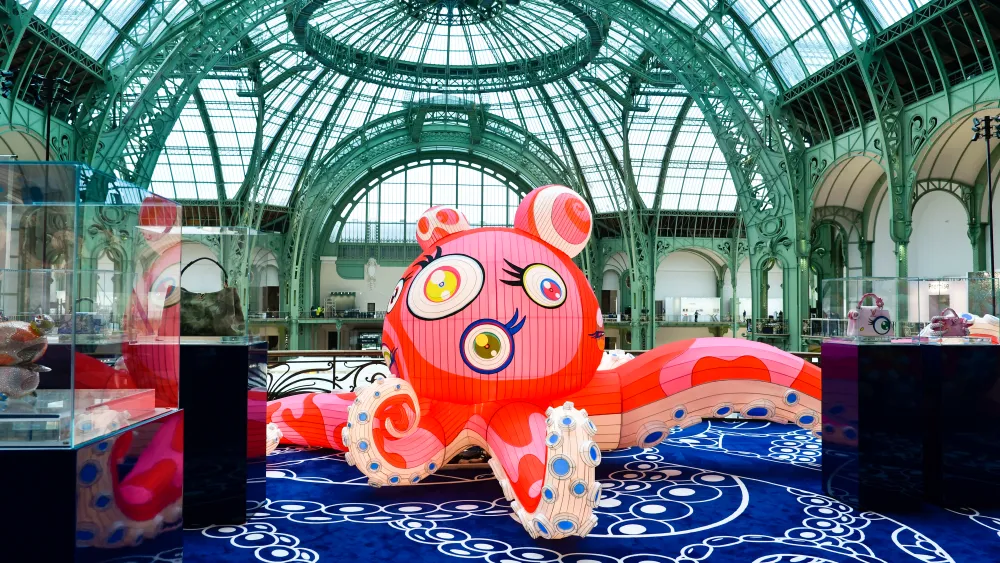
Takashi Murakami is one of the world’s most influential living artists. Decades of creativity and innovation have shaped his career. His work has changed contemporary art and inspired artists around the world. Today his paintings, sculptures, and installations appear in major museums, galleries, and private collections. His collaborations with fashion brands, musicians, and global companies introduce his art to new audiences.
Interest in Japanese contemporary art continues to grow. Collectors seek Murakami’s limited edition prints and sculptures. His exhibitions attract visitors from around the world. Murakami continues to blend traditional Japanese influences with modern ideas. This approach has created a lasting legacy beyond galleries. Even in 2026 Takashi Murakami continues to inspire through art, fashion, and popular culture. His creative legacy will influence future generations.
Conclusion
Takashi Murakami has transformed contemporary Japanese art. He combines traditional influences with modern pop culture. His colorful characters and Superflat philosophy are recognized around the world. Throughout his career Murakami has connected fine art with fashion, music, design, and streetwear culture. His collaborations with global brands have introduced contemporary art to millions of people. Even in 2026 Takashi Murakami continues to inspire artists, designers, collectors, streetwear fans, and creative professionals. His exhibitions, limited edition collections, and new projects keep his work relevant. His legacy shows that creativity has no limits. By blending tradition with modern culture Murakami continues to shape the future of contemporary art.
Frequently Asked Questions
Who is Takashi Murakami?
Takashi Murakami is a Japanese contemporary artist known for his colorful artwork, Superflat movement, sculptures, and creative collaborations with fashion brands, musicians, and global companies.
What is Takashi Murakami famous for?
He is best known for creating the Superflat movement, his smiling flower designs, Mr. DOB character, and his ability to combine fine art with Japanese pop culture.
What is the Superflat movement?
The Superflat movement is an artistic concept developed by Takashi Murakami that blends traditional Japanese art, anime, manga, and contemporary culture through flat compositions, bold colors, and modern visual storytelling.
When was Takashi Murakami born?
Takashi Murakami was born on February 1, 1962, in Tokyo, Japan.
What inspired Takashi Murakami’s artwork?
His work is inspired by traditional Japanese painting, anime, manga, consumer culture, and contemporary society, creating a unique artistic style that connects different creative worlds.
Did Takashi Murakami collaborate with Louis Vuitton?
Yes. In 2003, Takashi Murakami collaborated with Louis Vuitton to create colorful versions of the brand’s iconic Monogram designs, producing one of the most influential artist and fashion collaborations in history.
Has Takashi Murakami worked with musicians?
Yes. He has collaborated with artists including Kanye West, Billie Eilish, Pharrell Williams, and J Balvin on album artwork, merchandise, and creative projects.
What is Mr. DOB?
Mr. DOB is one of Takashi Murakami’s original characters and has become an iconic symbol of his artistic style, combining elements of anime, manga, and contemporary art.
What type of art does Takashi Murakami create?
His work includes paintings, sculptures, prints, installations, digital art, designer toys, and limited-edition collectibles.
Why is Takashi Murakami important in contemporary art?
He changed contemporary art by connecting fine art with popular culture, making modern art more accessible while introducing Japanese visual culture to global audiences.
Are Takashi Murakami’s artworks collectible?
Yes. His paintings, sculptures, prints, and limited-edition collectibles are highly sought after by collectors and are displayed in museums and private collections worldwide.
Does Takashi Murakami still create art in 2026?
Yes. In 2026, Takashi Murakami continues producing new artworks, exhibitions, collaborations, and creative projects that influence the global art and design industries.
What is Kaikai Kiki?
Kaikai Kiki is Takashi Murakami’s creative company that manages exhibitions, supports emerging artists, produces artworks, and develops collaborative projects.
Why do artists admire Takashi Murakami?
Artists admire him for his originality, innovative thinking, successful collaborations, and ability to combine traditional Japanese influences with contemporary visual culture.
What is Takashi Murakami’s lasting legacy?
Takashi Murakami’s legacy lies in redefining contemporary Japanese art, creating the Superflat movement, and inspiring future generations through creativity, cultural storytelling, and artistic innovation.
For collaborations, press, or inquiries, contact us at streeticonic1@gmail.com.
-

 Lifestyle11 months ago
The Story of Acne Studios: From Underground Roots to Global Fashion Icon
-

 News & Drops10 months ago
Inside ADER error: How It Redefined Streetwear Culture
-

 Lifestyle10 months ago
Inside adidas how It Redefined Streetwear Culture
-

 Brands11 months ago
The Story of A-COLD-WALL From Underground Roots to Global Fashion Icon
-

 Style Guides11 months ago
Inside Acronym How It Redefined Streetwear Culture
-

 Brands11 months ago
A Bronx Tale From Film to Fashion
-
 Clothing7 months ago
Balmain Luxury Fashion Brand: History, Design Philosophy, Market Position & Global Influence
-

 Sneaker10 months ago
Inside Aime Leon Dore How It Redefined Streetwear Culture