Brands
BE@RBRICK Streetwear Exhibition: From Tokyo Designer Toy to Global Fashion Collaboration Platform


Origins of BE@RBRICK Streetwear Culture
The streetwear culture of BE@RBRICK originated in Tokyo within a design firm that was not originally a fashion-oriented business. Medicom Toy, established in 1996 by Tatsuhiko Akashi, was known for its licensed figures, art toys, and pop culture collectibles. The firm specialized in precision, limited series, and collaborations with designers. This later informed the BE@RBRICK business model.
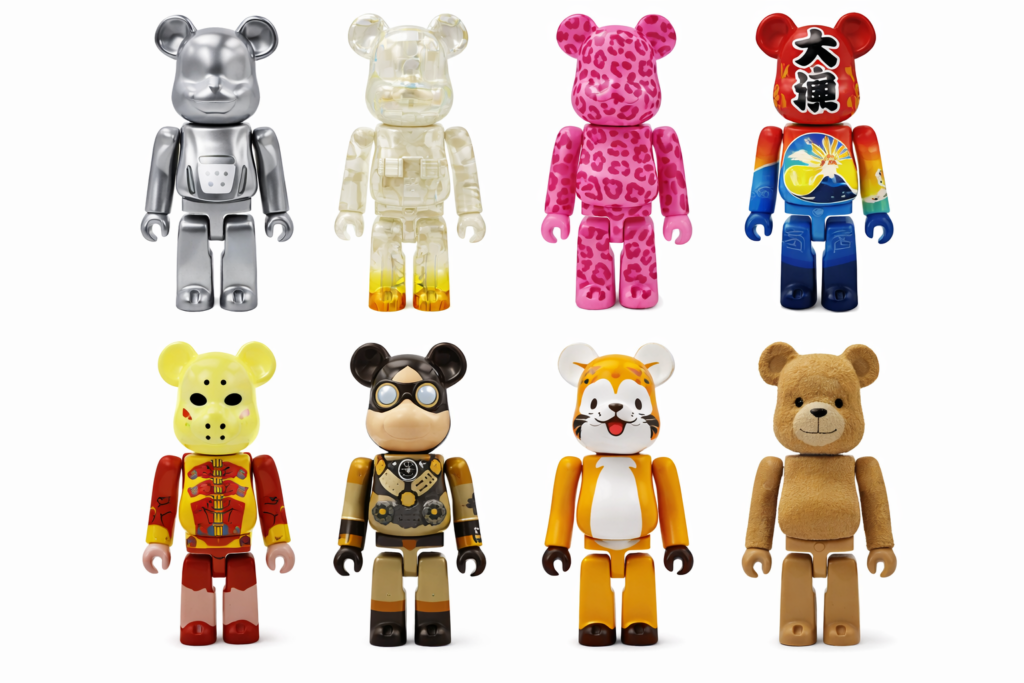
In 2001, Medicom Toy launched BE@RBRICK at the World Character Convention in Tokyo. The character featured a simple bear figure composed of geometric elements. The figure’s body remained the same with every release. Only the skin decoration changed. This principle established a malleable visual space that artists and fashion designers could reinterpret without modifying the underlying framework.
This same framework with a surface identity that changes is very analogous to fashion templates. A hoodie template remains the same from season to season, but the graphics and materials vary. BE@RBRICK similarly approached collectible design. This is one of the key reasons why BE@RBRICK later seamlessly merged with streetwear and designer fashion culture.
The BE@RBRICK history does not start with the hype. It starts with system design. A structure that can be repeated. A collaboration-ready space. A limited series mentality. These elements match how streetwear brands operate.
From the beginning, BE@RBRICK releases followed series formats and controlled distribution. Collectors learned quickly that each drop mattered. That drop culture later mirrored sneaker and streetwear release behavior.
The Design Logic Behind the BE@RBRICK Collection System
The BE@RBRICK series is based on the concept of constraint and variation. The constraint is the bear shape. The variation is everything on its surface.
Every BE@RBRICK comes with joints and proportional design. The designers cannot alter the shape. They have to express identity through color, print, texture, and materials. This imposes strict graphic design. Fashion designers know this process very well since textile and print design follow the same principles.
The sizes are in a percentage scale that became a part of collector terminology. The small scale is like an entry point. The medium scale is for display shelves. The large scale is like sculptural decoration. The size range makes BE@RBRICK a collectible and interior design item.
Material experimentation grew over the years. Some series came with high-gloss chrome finishes. Some came with wood textures or fabric wraps. Some series came with transparent shells or glow materials. These surface finishes are similar to material experimentation in sneakers and fashion accessories.
Since the shape is constant, recognition is instant. A BE@RBRICK character can still be recognized from a distance even if the design theme is completely changed. Brand recognition remains consistent while creative freedom remains endless.
Early Adoption by Japanese Street Designers
Japanese streetwear brands understood the value of https://bearbrick.com/ BE@RBRICK early on. Japan has a rich tradition of designer toys and fashion collaborations. Brands viewed BE@RBRICK as an identity that could be worn, now expressed as an object.
Collaborations with Japanese streetwear brands helped integrate BE@RBRICK into the fashion retail space, rather than the toy retail space. When an item is placed alongside fashion and sneakers, the consumer’s perspective shifts. Consumers no longer view it as a play item but as a piece of culture merchandise.
Japanese designers also value the philosophy of limited production. BE@RBRICK aligned with this philosophy. Limited production led to scarcity. Scarcity led to demand. Demand led to cultural significance.
Streetwear retailers started placing BE@RBRICK figures in window displays and counter displays. The figure became a part of the retailer’s identity language. This helped integrate BE@RBRICK into the streetwear space.
How BE@RBRICK Entered Global Fashion Conversation
The global fashion interest came after the visibility of collaborations. When fashion designers and brands used their visual language on the BE@RBRICK surface, the object became visible in fashion media reports.
Fashion magazines started to report on the release of BE@RBRICK collaborations in product reviews and designer interviews. This was more important than advertising. It placed BE@RBRICK within a fashion conversation.
The collaboration strategy also worked well globally. Any fashion brand could use its identity on the same figure template. This made global collaboration simpler than making garments.
Fashion brands like BE@RBRICK appreciate platforms that do not alter their visual identity. BE@RBRICK enabled a perfect translation of brand graphics and color schemes.
BE@RBRICK Streetwear and Sneaker Culture Alignment
Sneaker culture and BE@RBRICK collection culture have released psychology in common. Both use limited releases, visual storytelling, and collector behavior.
Sneaker brands carry BE@RBRICK releases to coincide with footwear releases. Color schemes are applied from the shoe to the figure’s surface. This is a visual pairing. Collectors showcase both side by side.
Sneaker brands also use giant BE@RBRICK figures as visual anchors in retail spaces. These figures serve as visual sculptures within the retail space. They further emphasize the connection between sneaker identity and BE@RBRICK design culture.
Sneaker enthusiasts also become BE@RBRICK enthusiasts because the purchase logic is similar. Limited quantity. Design-driven. Culturally connected.
BE@RBRICK Clothing Tie In and Apparel Capsules

The BE@RBRICK clothing capsule is seen through collaboration projects, not standalone clothing lines. Brands come out with clothing alongside the release of figures. Graphics tend to align with the BE@RBRICK design theme.
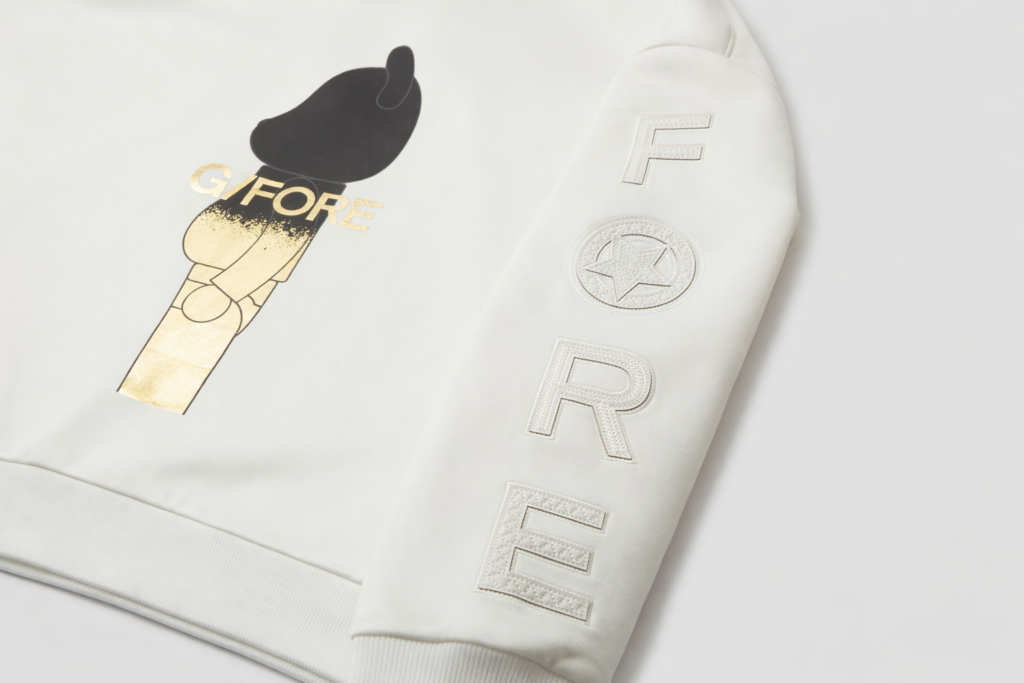
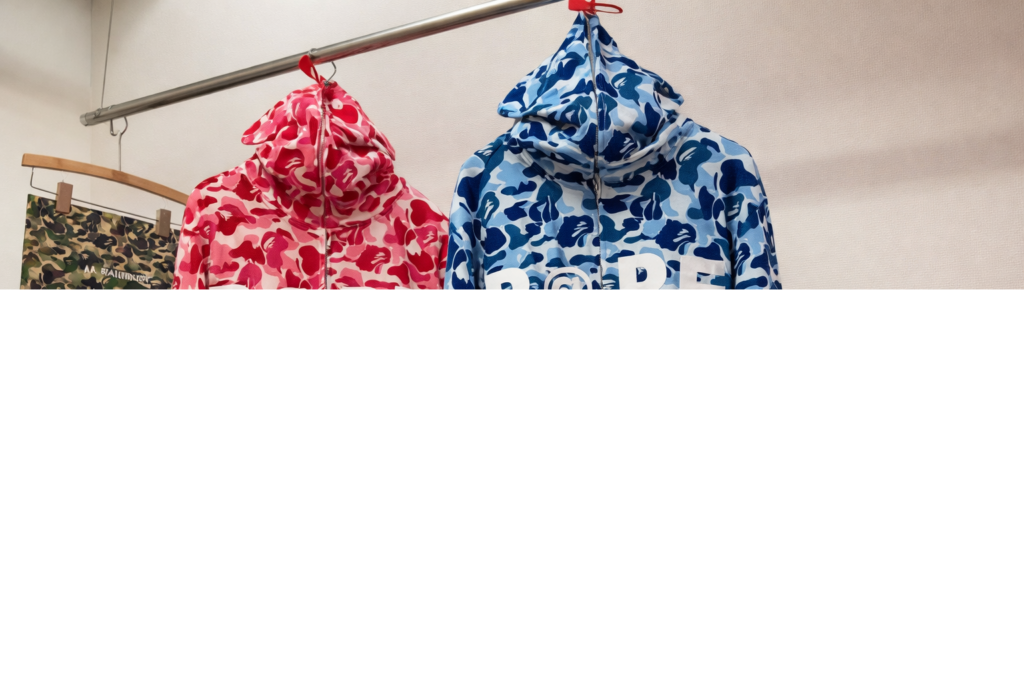
The most popular clothing item is the BE@RBRICK hoodie collaboration project. These hoodies tend to have the same graphic printed or embroidered, as seen on the figure design. This gives a two-way ownership experience. One is wearable. The other is for display.
This approach amplifies the drop experience. Supporters engage with clothing and collectibles. Streetwear brands adopt this approach to broaden the campaign scope.
Retailers tend to display BE@RBRICK clothing capsules alongside figures. This helps to emphasize brand storytelling through the physical display.
Designer Collaboration Depth and Visual Identity Translation
Designer involvement is what gives BE@RBRICKs credibility. Top designers view the item as a managed art area, not a novelty item.
Since designers cannot alter the form, they concentrate on graphic detail. Logo positioning, color, and pattern language become important. This is similar to fashion branding systems.
Good BE@RBRICK designer releases will immediately convey brand identity without the need for labeling. Graphic language alone will convey the identity. This is the same criterion used in successful fashion design.
BE@RBRICK Streetwear and Youth Identity Culture
BE@RBRICK streetwear culture is closely tied to youth identity because it functions as a visible taste statement. Contemporary fashion culture is not merely about clothing. It is also about objects that symbolize belonging to design, art, and collaboration networks.
Young collectors and fashion enthusiasts may create personal environments that express their fashion ideologies. Sneakers are on the shelf. Fashion books are on the table. Designer items are in the studio. BE@RBRICK collection items naturally belong to this language of display.
The figure functions as a cultural signifier. It is a statement about interest in designer collaboration, limited edition, and visual narrative. It does not rely on size and fit, like clothing. Anyone can engage with the BE@RBRICK collection culture, irrespective of body type and style type.
This approach broadens the reach of the audience without diluting the premium brand position. This is essential for sustained youth culture engagement.
Gender Neutral Appeal in BE@RBRICK Clothing and Collectibles
BE@RBRICK clothing capsules and figure releases carry gender neutral appeal. The base object contains no gender coding. Surface design defines identity rather than form.
Fashion has moved toward gender neutral silhouettes and shared styling language. BE@RBRICK fits this direction naturally because it never relied on gendered structure.
Designer collaborations also follow this neutrality. Graphics, patterns, and color systems target brand identity rather than gender segmentation. That approach aligns with modern streetwear and contemporary fashion positioning.
Gender neutral appeal increases collaboration flexibility. Brands can release BE@RBRICK hoodie capsules and apparel tie ins without dividing collections by category.
This supports inclusive fashion culture alignment.
The Psychology Behind BE@RBRICK Collection Behavior
The behavior of collectors surrounding the release of BE@RBRICK collections is in line with known psychological patterns of behavior for sneaker and streetwear releases.
Scarcity drives value. Limited availability drives demand. Emotional connection is driven by collaboration partners. Recognition is driven by visual identity.
Blind box series for smaller BE@RBRICK sizes introduce discovery behavior. Consumers are not always sure which one they will get. This introduces an element of chance-driven excitement, similar to collectible card culture.
Large collaboration series eliminate chance and drive design selection. Consumers select based on brand affinity or designer preference.
This multi-level release strategy is inclusive of both casual and core collectors. The system is scalable for all budget segments without diluting brand recognition.
BE@RBRICK Hoodie and Apparel Identity
The BE@RBRICK hoodie type is primarily a collaboration apparel drop rather than a product line. Streetwear brands regularly release BE@RBRICK hoodie drops to coincide with the launch of a particular figure.
The hoodies come with a set of corresponding graphics, prints, or motifs from the BE@RBRICK collaboration design. This helps to create a unified narrative between clothing items and collectibles.
The BE@RBRICK hoodie and the BE@RBRICK collection figure are typically released on the same date. Marketing images feature both products together. This helps to reinforce the identity of BE@RBRICK clothing and BE@RBRICK streetwear keywords.
People looking for BE@RBRICK hoodie products tend to come from collaboration campaigns rather than apparel catalogs. This shows the level of influence that collaboration has on the BE@RBRICK clothing ecosystem.
Global Expansion of BE@RBRICK Fashion Influence
The fashion impact of BE@RBRICK was achieved through selective retailing and collaboration networks rather than mass market distribution. Medicom Toy exercised strict control over collaboration and production volume.
Fashion capitals of the world with a strong street fashion and high-end fashion culture became important distribution points. Tokyo remained the core. Hong Kong, New York, London, and Paris followed through fashion retailers and concept stores.
Fashion retail outlets worldwide began to treat BE@RBRICK figures as design items. Placement of the figure near sneakers, high-end accessories, and art books further supported this positioning.
Fashion week settings and showrooms also began to feature BE@RBRICK series as part of set design. This helped to integrate the figure into the fashion world.
Expansion into new markets followed culture centers first, then mass markets. This helped to maintain credibility.
Digital Era Visibility and Social Media Display Culture
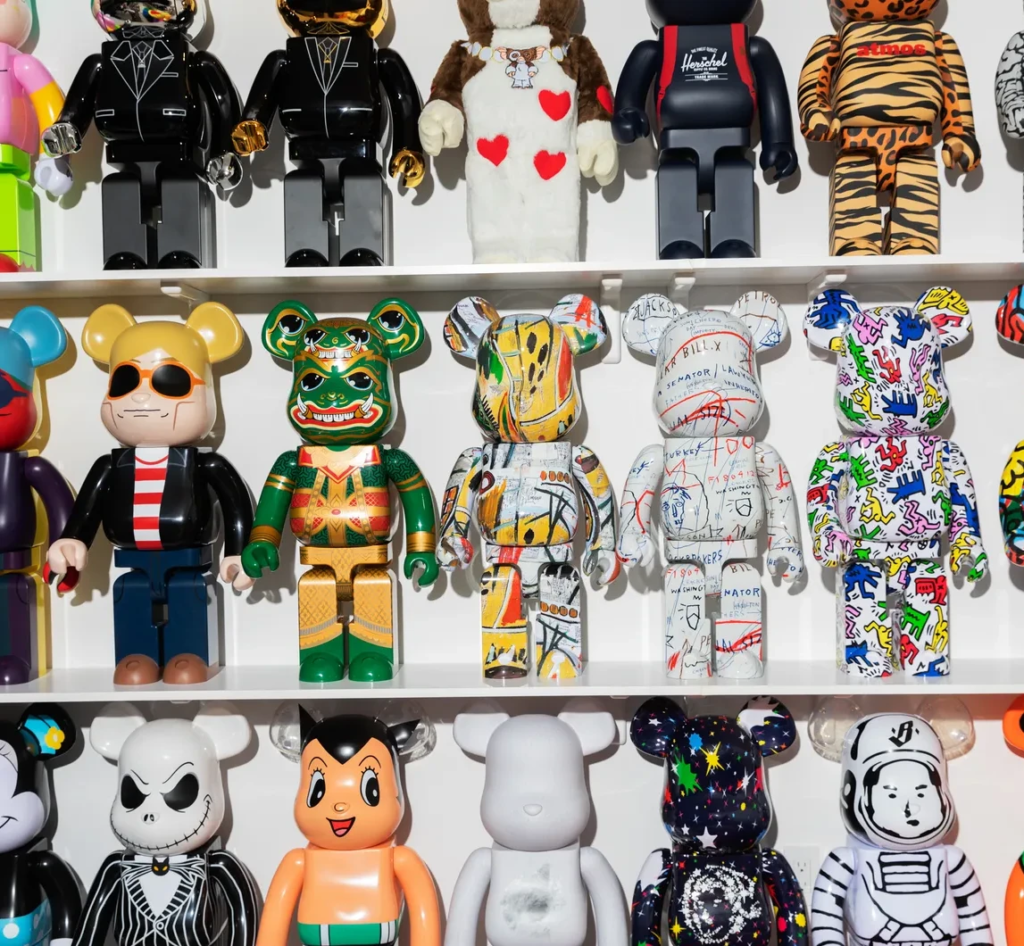
Social media platforms have increased the visibility of BE@RBRICK streetwear through interior photography and collection displays. Fans share display walls, studio shelves, and retail installations with BE@RBRICK figures.
Visual platforms value good shape and strong graphic design. The BE@RBRICK shape is recognizable in photographs even from a distance. This makes it ideal for digital display culture.
Fashion influencers and designers frequently feature BE@RBRICK pieces in workspace photographs. Such appearances are a form of cultural endorsement without advertising.
Digital visibility helps BE@RBRICK history awareness among younger fans who are exposed to the platform through fashion and design streams rather than toy streams.
Comparison With Other Designer Toy Platforms
The culture of designer toys encompasses various platforms for figures, but BE@RBRICK is a special case because of the fashion collaboration scale.
Most designer toys revolve around the universe of individual artists. BE@RBRICK revolves around multi-brand collaboration. This alters the cultural impact.
Since BE@RBRICK brings fashion brands, sneaker brands, artists, and luxury brands to the same figure, it becomes a shared space rather than a product line of a single creator.
This is more akin to fashion collaboration ecosystems than the traditional models of toy design.
This is why BE@RBRICK’s integration with streetwear was successful when most designer toy formats were not.
BE@RBRICK History Milestones That Shaped Its Fashion Role
The fashion application of BE@RBRICK began with its key milestones. Initial collaborations with Japanese streetwear brands brought BE@RBRICK to the attention of the fashion community, rather than just toy collectors. The use of limited edition drops brought it in line with sneaker and streetwear release patterns. Subsequent collaborations with world-renowned designers, luxury fashion brands, and contemporary artists brought BE@RBRICK from being a collectible to a cultural design artifact. The addition of larger sizes such as 400% and 1000% caused it to become an interior and retail display symbol. These key milestones have cumulatively positioned BE@RBRICK as a long-term fashion collaboration platform, rather than a short-term product.
Large scale releases increased interior design visibility. Artist series expanded gallery visibility. Sneaker series linked collector communities. Each key milestone added a new layer of culture without displacing previous ones. The platform has accumulated rather than transformed. This is a pattern consistent with long-term cultural viability.
2025 Position of BE@RBRICK in Streetwear and Fashion
As of 2025, BE@RBRICK is the nexus of streetwear, fashion, collectible art, and sneakers. It is a platform for collaboration, not a novelty item. Fashion brands view BE@RBRICK collaboration as a high-end capsule project. Streetwear brands view it as a way to expand graphic identity.
Artists view it as a canvas for sculpture. Retailers view it as display architecture. The BE@RBRICK collection network has now existed for over two decades. Duration itself is a factor in fashion culture. Trend cycles that are short-lived rarely last this long. Platform models sometimes do. BE@RBRICK shows that closed form and open collaboration can coexist and thrive over multiple generations.
The Business Model Behind BE@RBRICK Collaboration Success
The BE@RBRICK platform works because its business model is more in line with fashion collaboration logic than toy industry logic. Medicom Toy does not just depend on mass character licensing. It adds value through strategic partnerships and limited production.
Every BE@RBRICK collaboration is like a capsule collection. A brand or designer gets the same template and gives it a distinct look. The production remains limited. The distribution remains selective. This helps maintain the exclusivity of the product and prevents it from being overproduced.
Fashion brands want collaboration models that maintain their identity and control. BE@RBRICK allows both. The designers maintain their visual identity, and Medicom maintains the format consistency. This helps in repeated collaborations over the years.
The limited production strategy also helps maintain the resale market of the BE@RBRICK collection. A stable resale market helps in building collector confidence. Collector confidence helps in building long-term demand. This is similar to successful streetwear and sneaker business models.
BE@RBRICK as Interior Design and Fashion Space Object
BE@RBRICK Large-scale figures are used as interior design items in the fashion and creative sectors. The 1000 percent scale is particularly common in fashion boutiques, studios, and collector residences.
Fashion companies commonly employ BE@RBRICK figures as design elements in meeting rooms and showrooms. The object represents an understanding of design culture alignment without the need for words. It represents awareness of collaboration and collectible knowledge.
Concept stores also employ BE@RBRICK as interior design items for spatial storytelling. Window displays and entrance designs commonly feature large-scale figures associated with recent collaboration releases.
Interior design use alters product categories. Items used in fashion settings become fashion culture objects. This interior design use of BE@RBRICK contributed to its streetwear identity.
Technology, Digital Culture, and Future Format
By 2025, BE@RBRICK collaboration projects have begun intersecting with digital culture experiments. Some releases connect with digital campaigns, virtual exhibitions, and hybrid collectible concepts.
Fashion increasingly explores digital twins and virtual collectibles. The BE@RBRICK template fits this direction because it already functions as a standardized visual base. Digital adaptation becomes technically simple while brand recognition remains strong.
Future BE@RBRICK collection expansions may include more tech integrated storytelling, but the physical object remains central to collector value. Physical presence continues to matter in fashion and design culture.
The platform adapts to new media without abandoning its core structure. That flexibility supports long term relevance.
Why BE@RBRICK History Shows Long Term Cultural Durability
The BE@RBRICK history shows that platform design can transcend trends if the underlying rules remain strong. The underlying shape never changed. The openness to collaborations never closed. Limited edition production never went away.
Most collectibles in the fashion-related space have a meteoric rise and a short shelf life. BE@RBRICK resisted this trend with discipline and quality control of partners.
The platform brings together several sectors of culture. Fashion design. Streetwear. Sneakers. Contemporary art. Music. Retail design. Very few products span all these sectors at once.
This multi-sector presence shares cultural risk. If one sector is not growing, others are. This is the power of the network effect.
The BE@RBRICK relevance to streetwear in 2025 is not an accident. It is a structural fact.
The Future of BE@RBRICK Streetwear and Designer Fashion Collaboration
The future of BE@RBRICK streetwear is to further integrate designers and luxury, not mass market expansion. The future is quality growth, not quantity.
More fashion brands will utilize BE@RBRICK collaboration capsule series as storytelling tools. More artists will use the series for sculptural reinterpretation. More retailers will use the character for identity display.
BE@RBRICK clothing collaborations will likely continue to be capsule series rather than full-line additions. This maintains drop culture excitement and avoids brand watering down.
The likely future course is continued platform maturity and strategic innovation. Same form. New expressions. This formula built the past. It will likely shape the future.
BE@RBRICK started as a Tokyo designer toy project and expanded into a worldwide fashion collaboration platform through design choices, not trends.
A single silhouette provided instant recognition. Open collaboration provided creative expression. Limited production provided collector appeal. Fashion collaborations provided credibility.
Today, the BE@RBRICK streetwear culture exists as a conduit between designer, artist, brand, and collector subcultures. It exists as an identity extension wearable via BE@RBRICK clothing capsules and BE@RBRICK hoodie collaborations. It exists as an identity display through large-scale figures. It exists as a creative canvas through designer collaborations.
Conclusion
BE@RBRICK is one of the most successful cross-culture collaboration platforms in the history of design. It started in Tokyo as a bear-shaped figure and has become a recognized platform for fashion brands, streetwear brands, artists, and luxury brands.
Its success lies in consistency and openness. The figure itself has never changed, but the skin keeps changing through collaborations. This helped BE@RBRICK transcend the toy industry and enter the fashion, retail design, and contemporary art world.
In the streetwear world, BE@RBRICK is a three-dimensional collaboration graphic. It symbolizes brand identity, drop culture, and collectibility in physical form. Capsule collections, BE@RBRICK hoodie drops, and simultaneous figure drops further integrate it into fashion behavior.
It has been more than two decades of non-stop collaborations, and that is a testament to its success. BE@RBRICK is more than a collectible figure. It is a platform where fashion, art, and design come together again and again, and that is why it is still relevant today.
Frequently Asked Questions About BE@RBRICK
1. What is BE@RBRICK streetwear?
BE@RBRICK streetwear refers to the collaboration culture where streetwear and fashion brands release limited edition BE@RBRICK figures along with matching apparel capsules and graphic merchandise.
2. Who created BE@RBRICK?
BE@RBRICK was created by the Japanese company Medicom Toy and first released in 2001 under the direction of founder Tatsuhiko Akashi.
3. Is BE@RBRICK a toy or a fashion product?
BE@RBRICK started as a designer toy but is now widely recognized as a fashion and art collaboration platform used by streetwear brands, luxury labels, and contemporary artists.
4. Why is BE@RBRICK popular in streetwear culture?
BE@RBRICK is popular in streetwear because it follows the same limited drop model, collaboration strategy, and collectible value system used in sneaker and capsule fashion releases.
5. What is a BE@RBRICK collection?
A BE@RBRICK collection is a series of themed or collaborative figure releases produced in limited runs, often connected to fashion brands, artists, or cultural franchises.
6. What sizes do BE@RBRICK figures come in?
Common BE@RBRICK sizes include 100%, 400%, and 1000%. Larger sizes are often used for premium fashion and artist collaborations.
7. Do fashion brands collaborate with BE@RBRICK?
Yes. Many fashion and streetwear brands collaborate with BE@RBRICK, including Japanese streetwear labels and global luxury houses through limited edition releases.
8. Are there BE@RBRICK clothing and apparel drops?
Yes. Some collaborations include BE@RBRICK clothing capsules such as hoodies, t-shirts, and jackets that match the figure design theme.
9. What is a BE@RBRICK hoodie?
A BE@RBRICK hoodie is a limited edition apparel piece released as part of a collaboration drop, usually featuring graphics or branding tied to a specific BE@RBRICK figure.
10. Why are BE@RBRICK figures limited edition?
Limited production protects collaboration value, supports collector demand, and aligns with streetwear drop culture.
11. Are BE@RBRICK figures considered collectibles or art?
They are considered designer collectibles and are often treated as pop art objects, especially in artist and gallery collaboration editions.
12. Where are BE@RBRICK figures usually sold?
They are sold through select fashion retailers, design stores, collaboration partners, and official Medicom Toy distribution channels.
13. How is BE@RBRICK different from other designer toys?
Unlike many designer toys tied to a single character universe, BE@RBRICK functions as an open collaboration platform used by many brands and artists.
14. Do BE@RBRICK releases have resale value?
Many limited BE@RBRICK releases gain resale value due to brand partnerships, scarcity, and collector demand, similar to sneaker and streetwear drops.
15. Why is BE@RBRICK important in fashion history?
BE@RBRICK is important because it created a long running collaboration platform that connects streetwear, luxury fashion, art, and collectible culture under one consistent design format.
For collaborations, press, or inquiries, contact us at streeticonic1@gmail.com.