Brands
Ben Baller and the Rise of Luxury Influence in Streetwear Culture



Ben Baller History and Cultural Foundations
Ben Baller is not a brand. He is a cultural phenomenon whose output transformed the way streetwear, jewelry, sneakers, and celebrity culture interact with fashion. His background is important because it is what gives his name credibility in multiple industries that do not normally intersect.
Ben Baller was born Ben Yang in Los Angeles to Korean immigrant parents. Ben Baller lived in two different worlds. One world was based on discipline and immigrant work ethic. The other world was based on hip hop, basketball, music videos, and street culture in 1990s Los Angeles.
This dichotomy became the foundation for Ben Baller’s success. He learned how luxury and street culture could coexist without watering down either.
This is important because Ben Baller did not come from fashion school. He did not come from the luxury industry through traditional fashion houses. He came from street culture and built credibility through proximity to the industry.
Early Life and Passion for Jewelry
Ben Baller was born and raised in Los Angeles. He had a fascination with jewelry from a young age. His entrepreneurial spirit was apparent from the start, as he began to create custom pieces for his friends and local artists. He was able to combine his technical knowledge with his understanding of culture, which led him to attract the attention of larger names in the music industry.
Early Career Before Fashion Visibility
Before Ben Baller became known for his luxury jewelry and streetwear power, he operated within the music industry. He began as a DJ and producer, working on hip-hop and R&B acts in the early 2000s. It was during this time that he developed his ideas about image, identity, and presentation. Artists required more than music. They required a visual language that conveyed success and authenticity.
Ben Baller witnessed this transformation. He realized that chains, watches, sneakers, and clothing were symbols of success. He also recognized that most luxury brands failed to communicate with hip-hop culture in the early 2000s. It was a void that Ben Baller filled.
Entry Into Jewelry and the Birth of IF AND CO
Ben Baller’s entry into the jewelry industry was through IF AND CO, a custom jewelry company founded by his uncle in Los Angeles. Initially, he worked in the background, learning about craftsmanship, diamond cuts, and production.
This technical knowledge is important. It sets Ben Baller apart from influencers who simply accessorize luxury. He knows how things are made, how they’re priced, and how they’re appraised.
In the mid-2000s, Ben Baller started creating custom designs for artists, athletes, and entertainers. These designs were not subtle. They were statement pieces that were heavy, loaded with diamonds, and reflected the aesthetic of hip hop.
His strategy balanced craftsmanship with excess. This allowed him to build trust across sectors.
Ben Baller’s background in the jewelry industry is critical because it allowed him to be a maker, not just a wearer.
Jewelry as Streetwear Language
Ben Baller repurposed jewelry as a streetwear form of communication. Chains were now the same as hoodies. Watches were now status symbols, like limited sneakers. Streetwear culture is based on visibility, scarcity, and storytelling. Ben Baller jewelry represented all three.
Every piece was a story. Initials. Logos. Personal symbols. Career achievements. This is where Ben Baller’s streetwear impact really starts. He repurposed jewelry as a wearable identity, not high-end jewelry. Streetwear is all about authenticity. Ben Baller’s jewelry was no different. It represented actual achievements, not someone else’s status.
Celebrity Trust and Cultural Gatekeeping
Ben Baller earned his credibility through long-term relationships, not one-time placements. Artists came back to him again and again. Athletes commissioned him with personal projects. This is important in industries that are culture-driven.
Drake, Jay Z, Kanye West, Pharrell Williams, and LeBron James were linked with the work of Ben Baller. These were not endorsements. These were relationships. In streetwear and fashion culture, trust is currency. Ben Baller built this quietly. This enabled him to enter mainstream fashion discussions without looking like he was trying too hard.
Ben Baller as a Public Cultural Figure
The rise of social media platforms altered the influence dynamic. Ben Baller was one of the first to capitalize on this. He did not market products. He showed lifestyle, process, and point of view.
His social media presence highlighted jewelry making, sneaker collections, travel, family, and what was happening in the creative space. The key was that he did not act like a traditional influencer.
He did not follow trends. He showed what was happening in his world. This helped to increase his influence in streetwear culture. His followers did not feel like they were living vicariously through him. They felt like they were part of his world. In the late 2010s, Ben Baller was a tastemaker whose opinions mattered in the world of fashion, sneakers, and luxury.
Sneakers, Streetwear, and Cultural Alignment
Ben Baller is inextricably linked to sneaker culture. His collection consists of limited releases, prototype samples, and personal sneakers that relate to artists and athletes. Sneakers are a symbol of access. Access is a symbol of credibility.
His sneaker-related activities were consistent with his streetwear identity. He knew the history of sneakers, not just the trends. This made him naturally aligned with streetwear brands, designers, and partners. He spoke the same language. Here is why this is important for SEO and culture. Ben Baller’s streetwear relevance is based on participation, not marketing.
Transition Into Fashion Collaborations
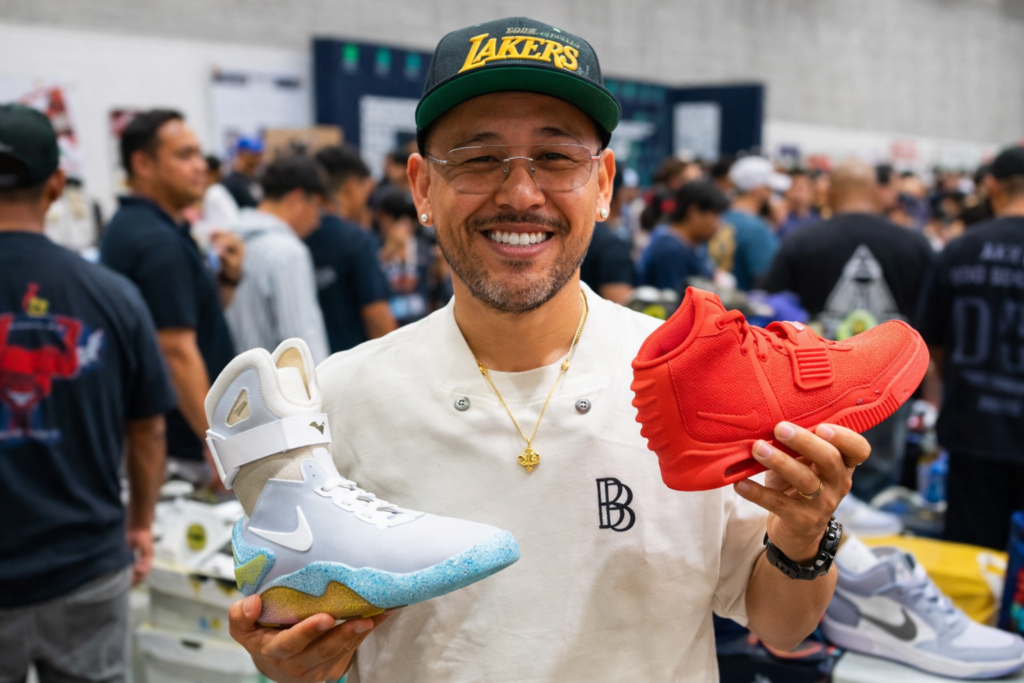
Ben Baller did not start a clothing brand. Rather, he entered the fashion industry through collaboration. This is consistent with his brand. He elevates brands, not competing with them.
Collaborations enabled him to add cultural credibility, storytelling, and trust to existing platforms.
Fashion brands look for collaborators who can add meaning, not just numbers. Ben Baller adds history, context, and authenticity. This made him uniquely positioned within the fashion culture of today.
Ben Baller and the Meaning of Merch Culture
The way Ben Baller engages with fashion is not bound by traditional fashion dynamics. He does not have seasonal collections or fashion show schedules. Rather, he engages with fashion as cultural objects.
When Ben Baller drops merch, it is more like documentation than product. Hoodies, tees, and caps come with minimal graphics, personal quotes, or geographical markers. These are statements of affiliation with a moment, not with a trend.
Streetwear culture prioritizes context over complexity. Ben Baller intuitively gets this. His merch is not a rival to fashion brands. Rather, it is a marker of access, experience, and membership. This is how streetwear originally made sense. Limited distribution. Clear ownership. Cultural significance.
IF AND CO as a Streetwear Institution
IF AND CO is more than a jewelry brand. It is a streetwear-related institution in the culture of Los Angeles. The showroom is a cultural center. Artists, athletes, designers, and executives visit not only to purchase jewelry but also to meet, observe, and network. The showroom is a testament to the role of Ben Baller as a connector and not a seller. Streetwear brands succeed in spaces where communities develop naturally. IF AND CO is such a space. The jewelry items made in the space regularly feature in music videos, photo shoots, and public appearances.
Relationship With Designers and Fashion Houses
Ben Baller is well-connected with designers in both luxury and streetwear. His connections are based on mutual respect and not on paid promotion. He connects with brands such as Nike, Supreme, Off-White, BAPE, and luxury maisons based on actual cultural affinity. Designers appreciate his opinions because they are based on actual consumer attitudes at the highest level of culture.
This power is not overt. Ben Baller does not promote his involvement in shaping the conversation about products. His presence within these circles is an indicator of trust. In the fashion world, it is often a matter of proximity rather than ownership. Ben Baller is in that position naturally.
Luxury Redefined Through Street Logic
The traditional luxury brand values exclusivity by price and heritage. The streetwear brand values exclusivity by access and narrative. Ben Baller combines both models. His jewelry offers luxury craftsmanship with streetwear symbolism. His fashion offerings pay homage to heritage brands but reinterpret them through the lens of contemporary culture. This combination is indicative of current consumer attitudes. The current consumer wants meaning as much as material. Ben Baller saw this trend coming before it was mainstream. This is why he has remained relevant.
Criticism, Visibility, and Cultural Pressure
Visibility also means criticism. Ben Baller has been criticized for excess, visibility, and representation. Rather than going into hiding, he chose to respond to criticism through transparency. He talks about work ethic, family, responsibility, and the truth of success. The streetwear culture values truth over perfection. This helped him maintain his integrity during times of public conversation. Most importantly, he did not present himself as perfect. He presented himself as authentic.
Influence Without Product Saturation
One of the most savvy moves that Ben Baller makes is that he holds back. He doesn’t over-saturate the market with his products. He doesn’t license his name out heavily. This is because he wants to protect the cultural significance of his name. In streetwear, over-saturation can dilute meaning. Ben Baller’s approach is to make sure that every time he shows up, drops, or collaborates, it’s a deliberate move. This is because he is following in the footsteps of the respected founders of streetwear, not influencer brands.
Ben Baller in Contemporary Fashion Culture
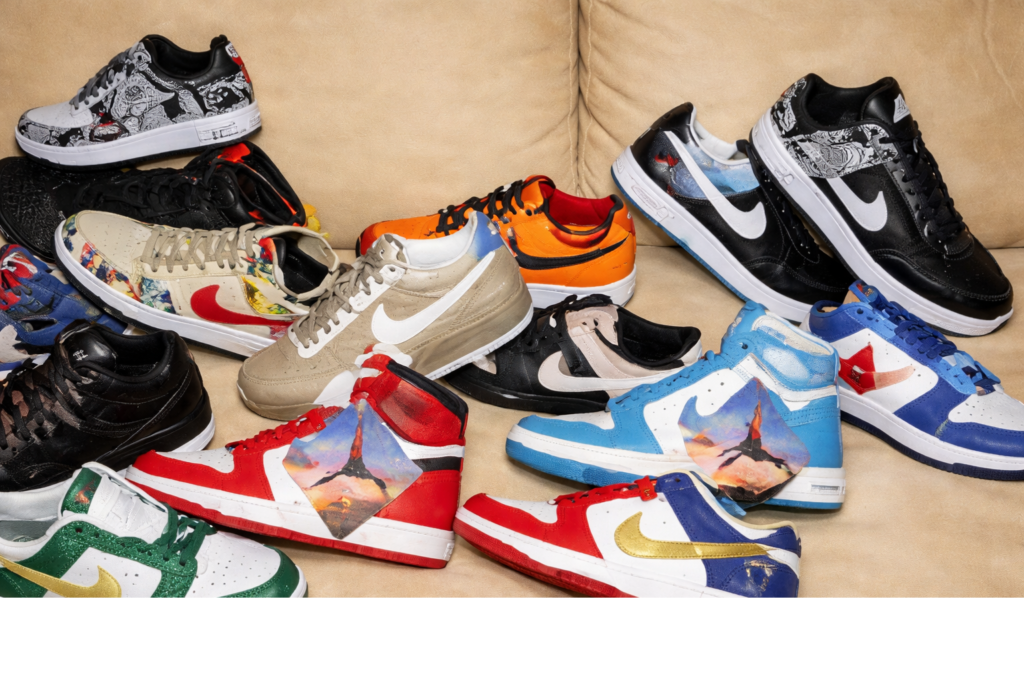
Today, Ben Baller is a point of reference. Designers refer to him. Artists consult him. Brands value his opinion. He is at the nexus of jewelry, sneakers, streetwear, luxury, and lifestyle. Very few people are credible in all five areas. His job is not to set trends. His job is to confirm them. This is not a position that can be created.
Legacy and Long-Term Cultural Impact
Ben Baller’s impact will not be defined by sales or struts. It will be defined by cultural alignment. He normalized the acceptance of streetwear as luxury. He elevated jewelry as street speak. He proved that authenticity outlives hype. Future fashion histories will probably refer to him as a cultural translator. A person who bridged two worlds that previously coexisted. This is a tough role to fill.
Why Ben Baller Matters to Streetwear History
Ben Baller is important because he is a symbol of evolution without apology. He did not leave street culture to join the luxury world. He took street culture with him. He did not need the approval of the fashion world. He got it on his own merit. In a world of cycles, Ben Baller is a fixed point. This is power.
Conclusion
Ben Baller is not a traditional streetwear designer, but his impact on streetwear culture is undeniable. He embodies a new form of cultural influence in which jewelry, fashion, music, and lifestyle are intertwined. Instead of creating a seasonal fashion brand, Ben Baller created streetwear influence through proximity, credibility, and actual cultural engagement.
Through IF AND CO, his personal product lines, and his long-term relationships with artists and designers, Ben Baller has redefined the role of luxury in street culture. He has shown that influence does not have to come from constant product drops. It comes from trust, consistency, and authenticity. The impact of Ben Baller is in his ability to connect different worlds. He has brought street culture into the world of luxury without watering down either. This alone is enough to cement his status in streetwear history.
Frequently Asked Questions About Ben Baller
1. Who is Ben Baller?
Ben Baller is an American jeweler, cultural influencer, and founder of IF AND CO, known for his impact on streetwear and hip hop culture.
2. Is Ben Baller a streetwear designer?
No. He is not a traditional fashion designer, but his influence strongly shapes streetwear culture through jewelry, merch, and collaborations.
3. What is IF AND CO?
IF AND CO is a Los Angeles based luxury jewelry brand founded by Ben Baller, closely connected to streetwear and music culture.
4. Why is Ben Baller important to streetwear?
He helped merge luxury craftsmanship with street culture, influencing how streetwear interacts with high end fashion.
5. Does Ben Baller make clothing?
Ben Baller releases limited merch pieces, but he does not operate a full clothing brand.
6. How did Ben Baller become famous?
He gained recognition through custom jewelry for hip hop artists, athletes, and cultural figures.
7. What brands is Ben Baller associated with?
He is culturally linked with major streetwear and luxury brands through relationships rather than official ownership.
8. Is Ben Baller considered luxury or streetwear?
He exists at the intersection of both, combining luxury production with streetwear mentality.
9. Why is Ben Baller respected in fashion circles?
Because his influence comes from genuine participation in culture, not marketing strategies.
10. Does Ben Baller collaborate with fashion brands?
He collaborates selectively, often through personal relationships rather than formal brand deals.
11. What makes Ben Baller different from influencers?
He built credibility through craft and contribution before social media popularity.
12. Is Ben Baller part of sneaker culture?
Yes. He is deeply connected to sneaker culture through community and personal involvement.
13. Does Ben Baller attend fashion weeks?
He appears selectively, prioritizing relevance over visibility.
14. How does Ben Baller influence trends?
He validates cultural shifts rather than initiating mass trends.
15. What is Ben Baller’s long term impact?
He redefined how luxury integrates into street culture without losing authenticity.
For collaborations, press, or inquiries, contact us at streeticonic1@gmail.com.