Clothing
Balmain Luxury Fashion Brand: History, Design Philosophy, Market Position & Global Influence


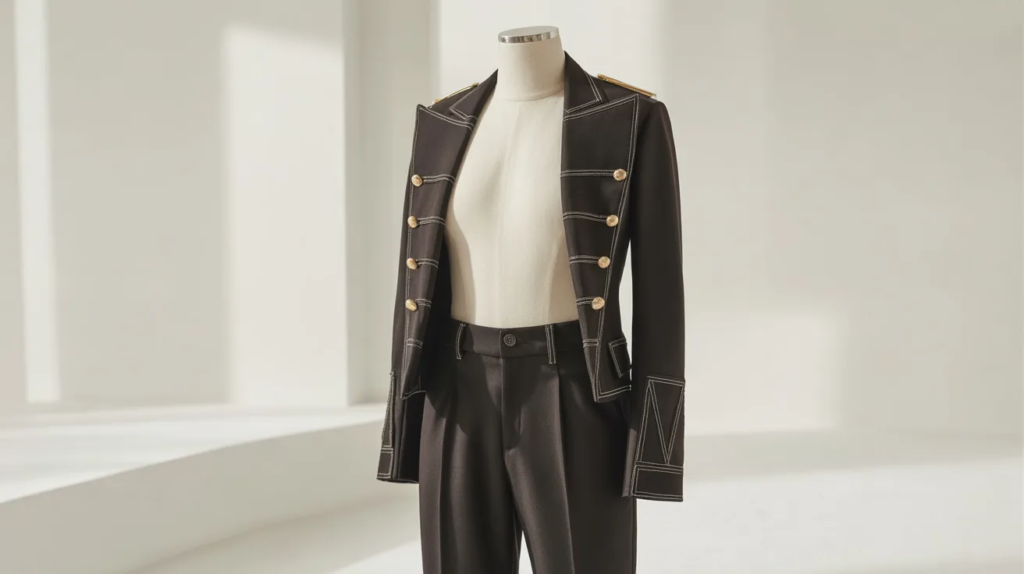
Balmain is a luxury French fashion house with strong global recognition in the high fashion industry. The Balmain brand reflects structure, confidence, and refined elegance, positioning itself among leading French luxury brands. As a historic luxury house, Balmain pairs traditional craftsmanship with luxury modernism, creating powerful clothing designs that convey authority and sophistication. The brand holds an important place in modern luxury fashion conversations, influencing both high fashion and luxury streetwear through its bold and structured aesthetic.
Founded in Paris, Balmain represents deep Parisian fashion heritage and cultural identity. Over several decades, the Balmain fashion house has left a lasting mark on the luxury fashion industry, appealing to global consumers across markets. The brand maintains a unique yet evolving identity, becoming synonymous with structured luxury, bold tailoring, and luxury craftsmanship. Today, Balmain Paris stands as a respected name in designer fashion houses, successfully balancing heritage, innovation, and global appeal.
The Origins of the Balmain Brand
Balmain was born during a transformative period in fashion history, and the post-World War II era strongly influenced the brand’s early identity. At a time when society sought renewal and optimism, Balmain introduced structure and elegance as defining elements of its design language. This foundation helped establish Balmain as a luxury French fashion house rooted in confidence and refinement.
Balmain was established in 1945 by Pierre Balmain, a French fashion designer known for his disciplined approach to tailoring. Founded in Paris after World War II, the Balmain fashion house emerged during a period when fashion aimed to restore grace and femininity. Pierre Balmain responded with refined modern silhouettes that emphasized elegance without excess, helping shape the direction of post-war luxury fashion.
Before founding his own house, Pierre Balmain trained under prestigious design houses, where he developed a deep understanding of tailoring and construction. His early focus was on clean lines, structured forms, and balanced proportions. Pierre Balmain deliberately avoided heavy embellishment, choosing instead to create harmony through precision and restraint. This philosophy became the foundation of the Balmain brand and continues to influence its luxury fashion identity today.
Balmain quickly gained recognition across Europe, becoming comparable to leading luxury fashion houses such as Balenciaga. The brand attracted royal and elite clientele, reinforcing its status within the high fashion industry. As demand increased, Balmain expanded internationally and became a symbol of structured luxury and Parisian elegance within the global luxury fashion market.
Beyond runway fashion, Balmain expanded into costume design through film and theatrical wardrobe productions. This move allowed the brand to gain wider exposure and establish cultural relevance beyond traditional fashion shows. By positioning itself within cinema and performance art, Balmain strengthened its credibility and visibility, helping secure its place as a respected designer fashion house with lasting influence.
Evolution of Balmain Over the Decades
Like all enduring luxury brands, Balmain adapted to changing fashion landscapes while preserving its core identity. Over the decades, shifts in creative leadership and evolving fashion trends shaped the brand’s journey. Despite these changes, Balmain consistently maintained its commitment to structure, craftsmanship, and elegance, allowing it to remain relevant within both the luxury fashion industry and modern fashion conversations.
After Pierre Balmain’s passing in 1982, the Balmain luxury fashion house entered a new era of transformation within the French luxury fashion industry. Several designers took creative leadership of Balmain Paris, each contributing their own vision while honoring the brand’s strong couture heritage. Despite creative changes, Balmain maintained its core identity as a luxury French fashion house, preserving its influence in high fashion, luxury couture, and structured designer clothing. Gradual modernization allowed the brand to evolve while keeping its signature elegance and craftsmanship intact.
During this period, the global luxury fashion market experienced rapid shifts. Consumer tastes evolved, fashion cycles accelerated, and competition among designer fashion houses intensified. Balmain adapted strategically, ensuring it stayed relevant within the luxury apparel industry without abandoning its Parisian roots. Experimentation played a role in refining the brand’s direction, but heritage, structure, and luxury tailoring remained central. This careful balance helped Balmain Paris sustain credibility and stability in the high-end fashion industry.
In recent years, Balmain clothing has gained renewed global recognition as a modern luxury fashion brand. The brand successfully reconnected with younger consumers by embracing bold luxury streetwear, architectural silhouettes, and confident styling. Balmain runway shows attracted international attention, positioning the brand at the center of modern luxury fashion conversations. This evolution strengthened Balmain’s identity as a bridge between traditional luxury couture and contemporary luxury streetwear.
A major factor behind Balmain’s global resurgence has been social media and digital fashion marketing. The brand adopted visual storytelling to expand its reach across international markets and fashion audiences. By aligning its collections with popular culture, celebrity influence, and themes of power, confidence, and modern luxury, Balmain Paris increased its visibility beyond traditional fashion platforms. This digital-first strategy reinforced Balmain’s position as a leading name in the global luxury fashion industry.
Design Philosophy and Identity of Balmain
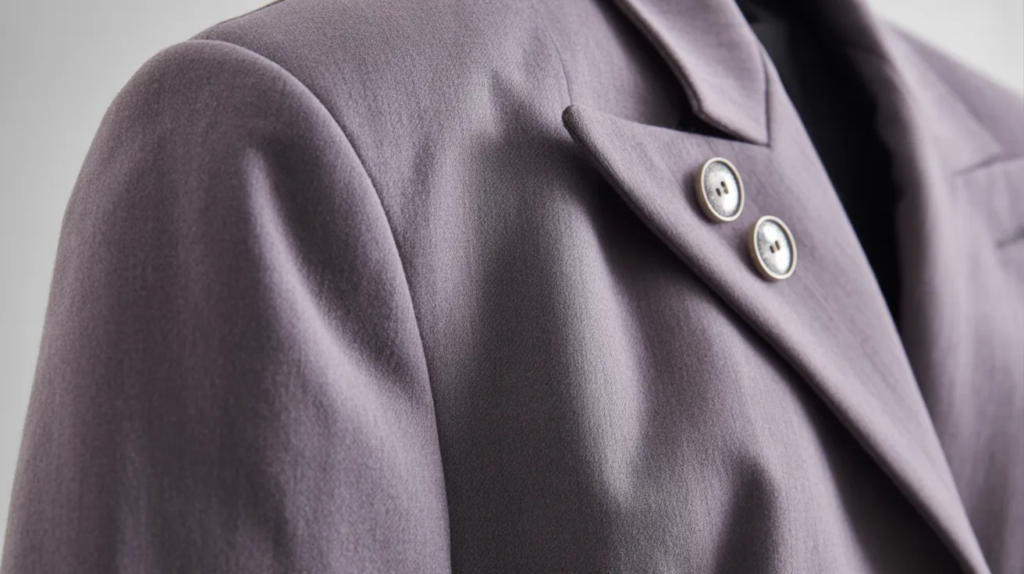
Balmain’s design philosophy is firmly rooted in strength, precision, and authority, forming the foundation of its luxury fashion identity. The visual language of Balmain Paris remains highly consistent across seasons, reinforcing its position as a leading French luxury fashion house. Structure is not an accent but the core principle, allowing the brand to communicate confidence, power, and control through every garment.
The focus of Balmain luxury collections lies in sharp structure and defined silhouettes. Tailoring holds a central role within the brand, making structured tailoring one of Balmain’s most recognizable signatures. Each silhouette is intentionally sharp and precise, reflecting dominance and refinement. Through this approach, Balmain clothing design conveys confidence first, balancing authority with controlled drama, a hallmark of the brand’s high-fashion aesthetic.
Handcrafted excellence remains a critical component of Balmain couture-inspired fashion. Materials are selected with extreme care, and construction techniques draw heavily from traditional couture craftsmanship. Attention to detail is consistent across all collections, reinforcing Balmain’s reputation for luxury craftsmanship and premium quality. Every garment is designed with a clear purpose, forming the backbone of Balmain’s brand identity within the global luxury fashion market.
Balmain designs also feature recurring visual elements that strengthen brand recognition and continuity. These design codes link past and present collections, ensuring aesthetic consistency across seasons. Each visual feature aligns with the house’s philosophy of power, precision, and elegance. As a result, the Balmain aesthetic remains bold, refined, and instantly recognizable, clearly differentiating the brand from other designer fashion houses in both high fashion and luxury streetwear spaces.
• Strong shoulder structures
• Military-inspired detailing
• Defined waistlines
• Luxurious textures
• Clean architectural tailoring
• Controlled embellishments
These elements express strength and confidence. They reflect discipline and precision. Balmain avoids randomness in design. Consistency supports brand authority. The aesthetic remains recognizable from anywhere in the world. This clarity strengthens long-term identity.
Balmain’s Position in the Luxury Fashion Market
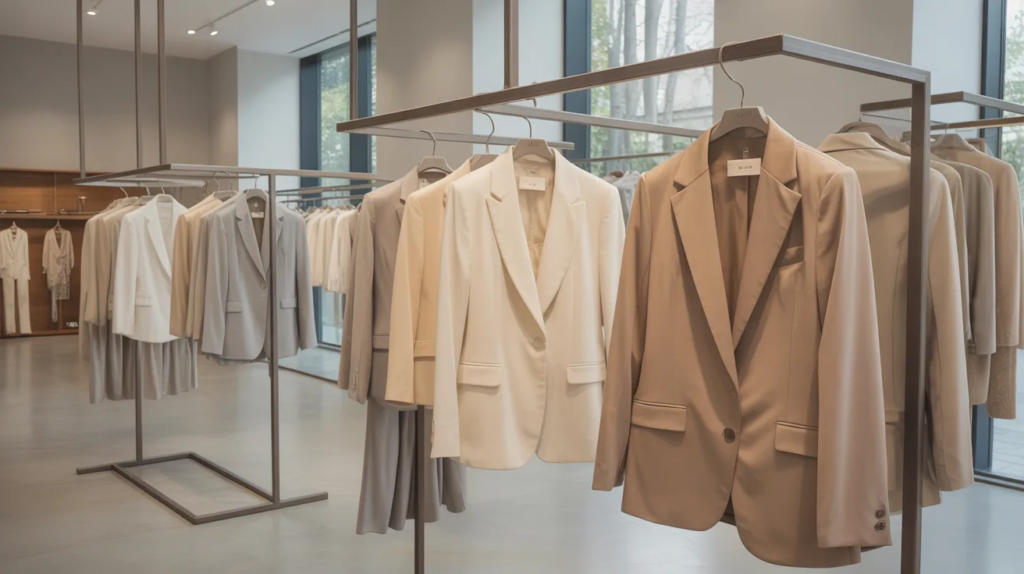
A brand’s market positioning defines its influence within the global luxury fashion industry, and Balmain Paris operates in one of the most competitive spaces in high-end fashion. Balmain is positioned as a luxury fashion brand with premium pricing, competing directly with established international luxury fashion houses. Its target market consists of high-net-worth consumers, where pricing reflects craftsmanship, exclusivity, and couture-level detailing. Controlled production volumes reinforce Balmain’s standing as a high-end luxury brand.
Balmain boutiques operate across major global fashion capitals, strengthening the brand’s presence within the international luxury retail market. The brand is also available through select luxury department stores and designer retailers, ensuring global visibility without overexposure. This selective distribution strategy maintains brand value, luxury perception, and market consistency across regions.
Balmain fashion attracts confident and expressive luxury consumers. Its bold designs resonate with modern luxury buyers, including professionals, creatives, and culturally driven individuals. At the same time, Balmain luxury streetwear influences have helped the brand connect with younger audiences, allowing appeal across age groups while maintaining a strong designer identity.
Balmain represents individuality and statement-driven fashion, standing apart from minimal luxury aesthetics. Balmain collections emphasize bold expression, strong silhouettes, and visual impact, attracting a highly defined audience. This clear positioning has built a loyal global customer base, reinforcing Balmain’s influence as a power-driven luxury fashion house.
Product Categories and Collections of Balmain
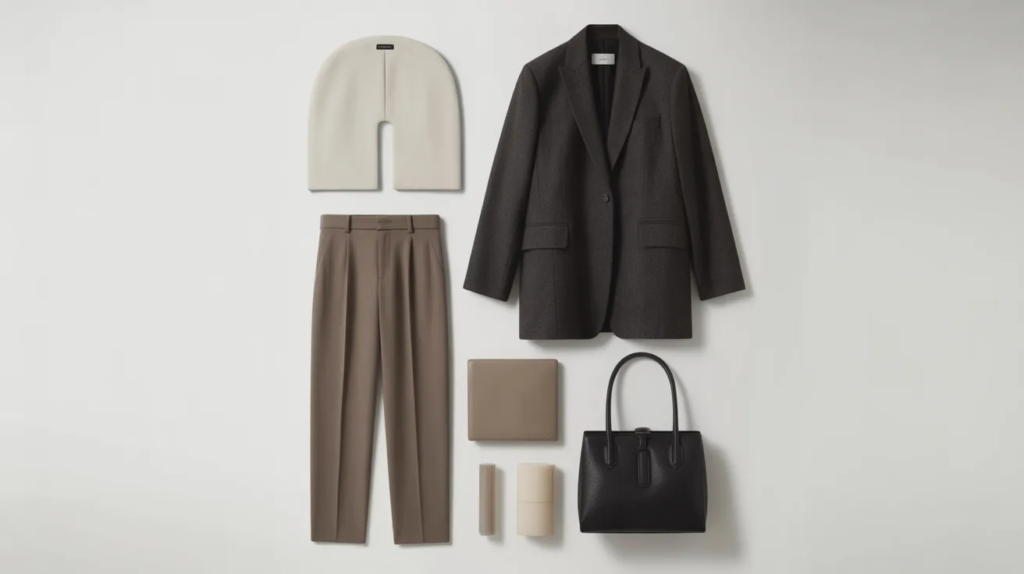
Luxury brands offer more than clothing, and Balmain Paris has expanded its luxury product portfolio over time. Each Balmain product category supports the brand’s luxury fashion identity and reinforces its position within the global high-end fashion market.
Balmain ready-to-wear collections form the core of the Balmain luxury fashion brand. These collections blend couture influence with modern wearability, following a clear seasonal narrative. Designs reflect strong brand identity, while quality craftsmanship remains consistent across collections. Attention to detail highlights Balmain’s couture-inspired construction.
Balmain menswear and womenswear follow the same luxury design principles, emphasizing structure, confidence, and sharp silhouettes. Premium fabric selection defines each season, while releases remain aligned with the international fashion calendar. This approach keeps Balmain collections relevant within the luxury apparel market.
Balmain luxury accessories extend the brand’s aesthetic across categories. Footwear, bags, and accessories maintain consistent design language, with bold structure and couture detailing. These products enhance accessibility for new luxury consumers while supporting global brand expansion. Across all categories, Balmain Paris maintains a unified and recognizable luxury brand identity.
Balmain and Cultural Influence

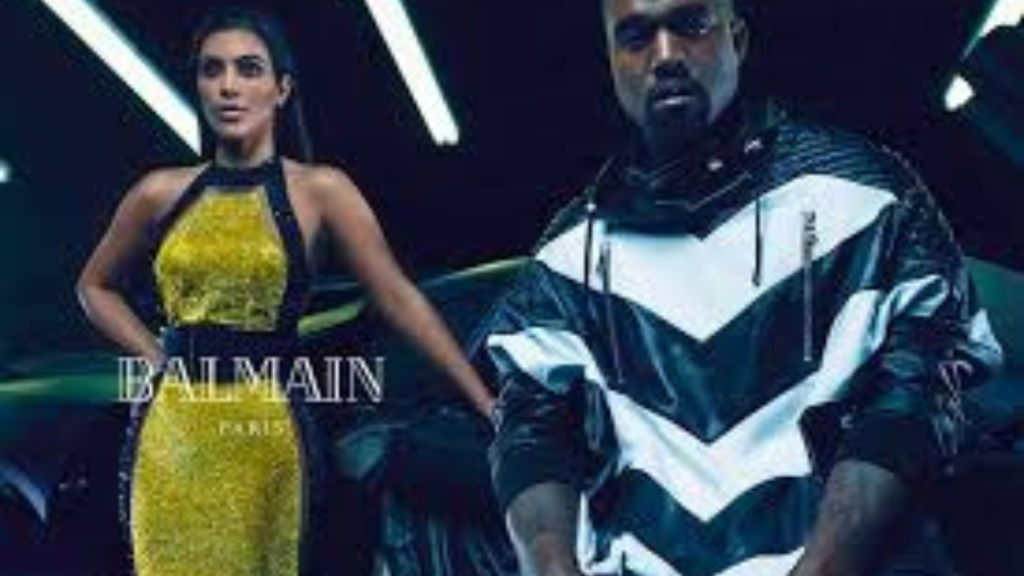
Balmain interacts with culture and media. Its visibility affects public perception. Digital platforms amplify its presence.
Balmain maintains strong cultural visibility. It appears frequently in global media. High-profile events showcase its designs. This exposure strengthens influence. The brand aligns with contemporary culture. Visibility supports long term relevance.
Collaborations with public figures increase reach. Balmain benefits from digital exposure. Visual identity suits modern platforms. The brand resonates with pop culture. Cultural relevance enhances prestige. Influence extends beyond fashion circles.
Balmain actively utilizes digital technology. Social media aids global engagement. Visual storytelling retains prominence. The brand connects with the audience. The use of digital technology shows identity clearly. It creates stronger brand recognition.
Online presence ensures support for modern luxury communication. Balmain caters to the changing trends. Content ensures high-quality visuals. The global audience demographic continues to expand. Online strategy ensures relevance. The brand retains its connectivity to customers.
There are challenges for luxury fashion brands in terms of sustaining their business. Balmain is aware of this. The company is exploring better approaches. The importance of material selection is receiving greater attention. Transparency is still evolving. There is rising awareness about ethics.
Change happens gradually. Balmain seeks a balance between tradition and responsibility. Long-term progress remains part of its objectives. Industry norms continue to improve. The brand is engaged in larger discussions. Sustainability remains high.
Balmain in the Modern Fashion Landscape
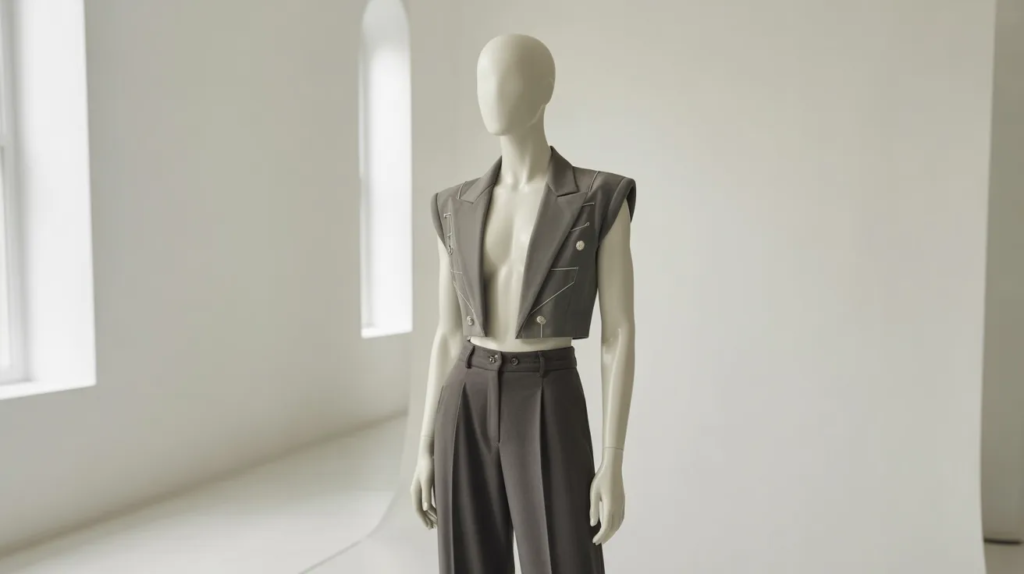
Balmain is a luxury fashion brand that symbolizes structured luxury and refined power within the global high-end fashion industry. Confidence remains an enduring element of the Balmain brand image, while its heritage continues to reflect through contemporary luxury fashion design. Innovation plays a central role in maintaining relevance in modern luxury fashion. The brand tone of Balmain Paris remains clear and consistent, which helps build long-term trust within the international luxury market.
Balmain maintains strict control over its luxury brand identity and avoids dilution. The creative vision stays sharp, and the design language remains recognizable across collections. This consistency supports brand longevity and strengthens its global market position. The high-end Balmain aesthetic continues to influence luxury fashion trends and carries strong imitation value within the designer fashion space.
Balmain evolves with changing times as the luxury fashion industry continues to shift. The brand adopts a strategic and measured approach toward growth, including digital expansion and global visibility. Despite modernization, craftsmanship and couture-inspired construction remain at the core of Balmain luxury apparel. Growth is managed carefully to protect exclusivity.
Future Balmain collections are expected to reflect continuity in structured silhouettes and cultural relevance. Global presence within luxury fashion capitals is likely to expand further. Heritage serves as the foundation for innovation and future development. Balmain remains strategically positioned for long-term success within the global luxury fashion industry.
Conclusion
Balmain stands as a respected luxury fashion house with a strong and evolving streetwear presence. Its history reflects elegance, strength, and creative confidence built over decades. While the brand has evolved with changing fashion movements, it has carefully preserved its core identity. Craftsmanship remains one of Balmain’s defining qualities, even as modern streetwear influences shape its collections. The brand continues to balance heritage with innovation, allowing it to remain culturally relevant in contemporary fashion. Confidence defines Balmain’s design language, supported by bold structure and sharp silhouettes. With lasting international recognition, Balmain remains a powerful and enduring force within the global luxury fashion and streetwear industry.
Frequently Asked Questions About Balmain
What is Balmain?
Balmain is a French luxury fashion house known for bold designs and modern elegance. The brand blends Parisian craftsmanship with contemporary global fashion.
When was Balmain founded?
Balmain was founded in 1945 after World War II. It quickly became a symbol of refined French couture.
Who founded Balmain?
Balmain was founded by French designer Pierre Balmain. His vision focused on simplicity, structure, and timeless elegance.
Where is Balmain based?
Balmain is based in Paris, France. Paris influences the brand’s luxury identity and creative direction.
Who is Balmain’s creative director?
Balmain’s creative director is Olivier Rousteing. He modernized the brand with bold, inclusive, and digital-era designs.
When did Olivier Rousteing join Balmain?
Olivier Rousteing became creative director in 2011. His leadership marked a new global expansion phase for the brand.
What is Balmain famous for?
Balmain is famous for sharp tailoring and strong silhouettes. Its designs represent confidence, power, and modern luxury.
Is Balmain a luxury brand?
Yes, Balmain is a high-end luxury fashion brand. It is known for premium materials and expert craftsmanship.
Does Balmain make streetwear?
Balmain blends streetwear elements with luxury fashion. This includes hoodies, sneakers, and logo-driven designs.
Why do celebrities wear Balmain?
Celebrities wear Balmain for its bold and statement looks. The brand is popular on red carpets and music stages.
What products does Balmain offer?
Balmain offers clothing, shoes, bags, and accessories. The brand also produces fragrances and lifestyle items.
Is Balmain involved in pop culture?
Yes, Balmain has a strong presence in pop culture. Music, social media, and celebrities drive its influence.
Is Balmain sustainable?
Balmain is gradually improving sustainability efforts. The brand focuses on responsible practices and transparency.
Where can I buy Balmain products?
Balmain products are available at official boutiques and online stores. They are also sold through authorized luxury retailers.
For collaborations, press, or inquiries, contact us at streeticonic1@gmail.com.