Arc’teryx
Arc'teryx is a premium outdoor clothing and equipment brand known for technical jackets, weather protection, lightweight insulation, and minimalist design. Whether you have seen its skeletal bird logo on a waterproof shell in the mountains or on a jacket worn around an American city, the brand has become recognizable among outdoor enthusiasts and streetwear fans alike.
But what makes Arc'teryx different from other outdoor brands? Is it worth paying more for its clothing, and which products are actually useful for everyday wear?
Arc'teryx is a Canadian technical outdoor brand that designs performance clothing and equipment for activities such as climbing, hiking, skiing, and mountaineering. Its reputation comes from its focus on functional design, specialized materials, and construction intended to perform in demanding environments.
This guide explains the brand's origins, popular Arc'teryx jackets, key technologies, product categories, sizing, pricing considerations, and care requirements. It also explores why technical outdoor clothing has become part of modern fashion and how to decide whether an Arc'teryx product suits your needs.
Rather than assuming that the most expensive jacket is automatically the best choice, the goal is to help you understand what you are paying for and which features matter most.
What Is Arc'teryx and Why Is It Popular?
Arc'teryx is a Canadian outdoor apparel and equipment company founded in North Vancouver, British Columbia, in 1989. It originally developed a reputation for climbing equipment before expanding into technical clothing and broader outdoor products.
Its name references Archaeopteryx, an ancient fossil bird often associated with the evolutionary transition between dinosaurs and birds. The company's logo reflects this inspiration.
The brand's popularity rests on several factors:
- Technical performance: Products are designed around particular outdoor activities and environmental conditions.
- Material selection: Many garments use specialized waterproof membranes, synthetic insulation, down, and durable face fabrics.
- Functional construction: Features such as adjustable hoods, articulated sleeves, carefully positioned pockets, and protective closures serve practical purposes.
- Minimalist appearance: Clean lines, restrained branding on many products, and distinctive silhouettes appeal to people who prefer understated clothing.
- Outdoor credibility: The brand's connection to climbing, skiing, and mountain sports gives its products an identity beyond ordinary fashion.
Arc'teryx is also associated with the premium end of the outdoor market. However, the price alone does not establish whether a particular item is right for you. A lightweight shell designed for alpine climbing may be unnecessary for someone who mainly walks to work in mild weather.
How Did Arc'teryx Become a Leading Outdoor Brand?
Arc'teryx developed in a region where mountain environments, wet weather, and outdoor recreation influence the demands placed on equipment. Its early focus on climbing gear helped establish its emphasis on construction, usability, and technical problem-solving.
From climbing equipment to technical apparel
The company began in 1989 under the name Rock Solid Manufacturing. It initially focused on climbing equipment, including harnesses. The Arc'teryx name was adopted in the early 1990s as the company developed its identity around technical innovation.
Over time, its product range expanded into waterproof shells, insulated jackets, fleece layers, pants, backpacks, and other outdoor equipment.
This evolution matters because the brand's clothing is rooted in outdoor use rather than fashion alone. Details that may appear subtle on a product page, such as hood adjustment or seam construction, can affect comfort and performance in real conditions.
Why the brand appeals to fashion enthusiasts
Arc'teryx has also become associated with technical streetwear and the broader gorpcore trend. Gorpcore combines outdoor-inspired clothing with everyday outfits, often using hiking shoes, functional pants, fleece layers, and technical jackets.
The appeal is straightforward: outdoor garments offer practical features while creating a distinctive silhouette.
For example, a waterproof shell can be worn over a sweatshirt with relaxed trousers and sneakers. The same jacket can then serve a practical purpose during a rainy commute or a weekend hike.
This crossover does not mean every fashion-oriented buyer needs an expedition-level garment. Some shoppers primarily value the shape, color, and branding, while others need the technical performance. Understanding which group you belong to helps determine whether the price makes sense.
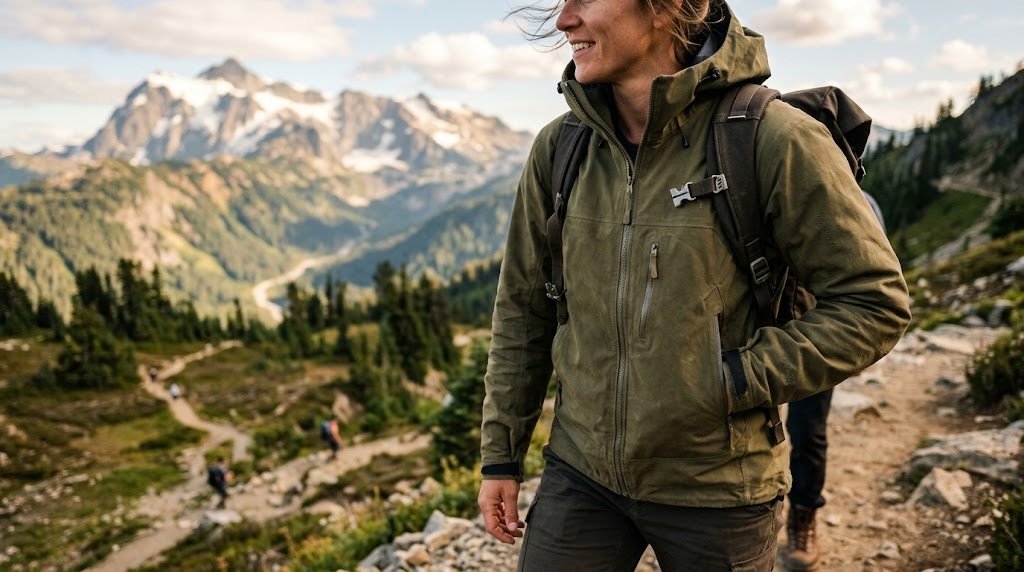
Which Arc'teryx Jackets Are Worth Understanding?
Arc'teryx jackets are not all designed for the same purpose. Choosing the right type begins with identifying whether you need rain protection, warmth, breathability, wind resistance, or a combination of these features.
1. Waterproof shell jackets
A shell jacket primarily protects you from rain, snow, and wind. Many technical shells use waterproof, breathable membranes such as GORE-TEX, along with sealed seams and protective closures.
The Beta family is associated with versatile mountain shells. Depending on the specific model, a shell may suit hiking, travel, climbing, or general outdoor use.
A waterproof shell usually provides limited warmth by itself. You add insulation underneath according to the temperature and activity.
Best for: Rainy climates, hiking, travel, and layering in changing weather.
2. Insulated jackets
Insulated jackets are designed to retain warmth. Arc'teryx offers models using synthetic insulation and down, with different weights and intended uses.
The Atom family is known for synthetic insulated pieces, while the Cerium family includes lightweight down insulation. Exact features vary by model and season.
Synthetic insulation can be useful in variable conditions because it generally retains more insulating ability when damp than down. Down, meanwhile, offers a strong warmth-to-weight ratio and packs down efficiently, but it needs more careful consideration in persistently wet conditions.
Best for: Cold-weather walks, camping, mountain layering, and everyday winter wear, depending on the garment's insulation level.
3. Fleece and softshell jackets
Fleece provides warmth and breathability, making it useful for layering or wearing during active movement. Softshell garments generally emphasize mobility, stretch, and resistance to wind or light moisture rather than full waterproof protection.
The Gamma family includes softshell clothing, while Delta and Kyanite products are associated with fleece or stretch-oriented layers, depending on the specific design.
These pieces can be more comfortable than a waterproof shell when conditions are dry and you are generating heat through activity.
Best for: Hiking, climbing, cool-weather walks, and layering.
4. Ski and snow jackets
Snow-sport jackets may include features such as helmet-compatible hoods, snow-friendly cuffs, specialized pocket layouts, and powder skirts on selected models.
These details are valuable for skiing and snowboarding but may add unnecessary cost or bulk for someone who only needs a city raincoat.
Before buying, check the individual product specifications rather than assuming every technical shell includes ski-specific features.
Best for: Skiing, snowboarding, and winter mountain activities.
How to compare the main jacket types
| Jacket type | Main purpose | Important consideration |
|---|---|---|
| Waterproof shell | Rain and weather protection | Usually needs a separate insulating layer |
| Synthetic insulated | Warmth in variable conditions | Bulk and warmth depend on the model |
| Down insulated | Lightweight warmth | Protect from prolonged wetting |
| Fleece | Breathable warmth | Not a substitute for a waterproof shell |
| Softshell | Mobility and moderate weather resistance | Usually not fully waterproof |
| Ski jacket | Snow-sport protection | Look for activity-specific features |
What Technologies Make Arc'teryx Different?
Technical outdoor clothing is more than a brand name or a waterproof label. The materials, garment construction, fit, and intended activity all influence performance.
GORE-TEX and waterproof protection
GORE-TEX is a family of waterproof, windproof, and breathable material technologies used in selected outdoor garments. It helps prevent outside water from passing through the fabric while allowing water vapor to escape under suitable conditions.
However, no waterproof jacket eliminates every problem associated with rain. Moisture can accumulate inside from sweat, and performance depends on the garment's construction, ventilation, fit, and care.
When evaluating a shell, look for:
- Waterproof membrane specifications.
- Fully taped or sealed seams where applicable.
- Hood adjustment and coverage.
- Ventilation options, including underarm zippers if included.
- Pocket placement and compatibility with backpacks.
- Care instructions for maintaining water repellency.
Learn more about the material technology through the official GORE-TEX website.
Synthetic insulation versus down
These insulation types solve slightly different problems.
Synthetic insulation is often a practical option for active use in changeable weather. It generally tolerates moisture better than down, although wet conditions can still reduce performance.
Down insulation is valued for its warmth relative to weight and its compressibility. Its performance depends on the down quality, garment construction, fit, and conditions in which it is used.
Neither is automatically superior. Someone hiking in damp coastal weather may prioritize synthetic insulation, while a traveler looking for compact warmth in cold, dry conditions may prefer down.
Fit, patterning, and construction
A technical garment needs to move with the person wearing it. Articulated sleeves, carefully positioned seams, adjustable cuffs, and suitable hem lengths can make a difference during climbing or hiking.
These design features are less noticeable when looking at a product photograph, so try a jacket with the layers you expect to wear underneath it.
A useful test is to raise your arms, bend forward, reach across your body, and turn your head while wearing the hood. If the jacket rides up, restricts movement, or blocks your peripheral vision, it may not be the right fit for your intended activity.
Product design and durability
Arc'teryx's technical identity is closely connected to long-term performance, but durability varies by fabric, construction, product type, and use.
A lightweight shell optimized for low weight may not withstand the same abrasion as a heavier garment designed for demanding conditions. Similarly, a down jacket requires different care from a hard shell.
The brand's newer sustainability initiatives are also worth watching. In August 2026, Arc'teryx announced System 0, a product-design framework focused on circularity, repairability, and end-of-life considerations. The company identified the Sperro SV jacket as its first product under this framework, with availability announced for September 4, 2026. See the official System 0 announcement.
A framework announcement should not be interpreted as proof that every existing product is repairable or recyclable. Check the specifications and available services for the item you are considering.
What Other Arc'teryx Products Can You Buy?
Although jackets are central to the brand's identity, Arc'teryx sells a wider range of technical clothing and equipment.
Pants and outdoor bottoms
Outdoor pants may feature stretch fabrics, articulated knees, durable construction, or weather-resistant materials. The best option depends on whether you need freedom of movement for climbing, lightweight comfort for hiking, or protection for snow sports.
Fleece, shirts, and base layers
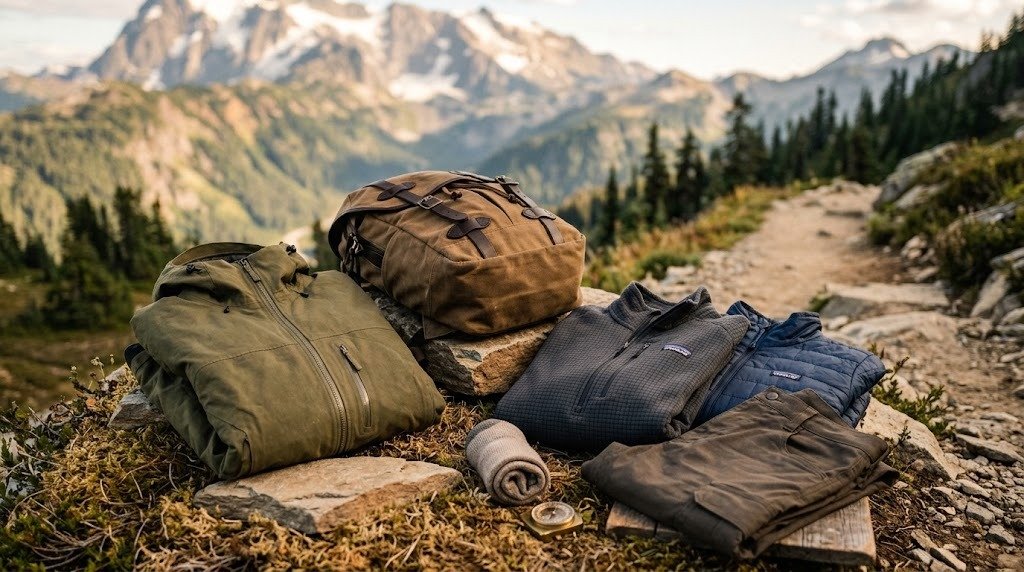
Base layers help manage moisture next to the skin, while fleece and midlayers provide insulation. These products can be especially useful when building a clothing system for changing temperatures.
A simple layering setup might include:
- A moisture-managing base layer.
- A fleece or insulated midlayer.
- A waterproof shell for rain or snow.
You do not need every layer on every outing. In warm weather, a base layer and shell may be enough; in cold conditions, additional insulation may be necessary.
Backpacks, climbing gear, and accessories
The wider product range includes packs, hats, gloves, and other accessories, alongside technical equipment associated with outdoor activities. Availability varies by market and season.
When comparing products, focus on the activity they are designed to support rather than assuming every item shares the same performance standards.
For a current overview of categories and product specifications, browse the official Arc'teryx US website or the brand's REI product listings.
How Much Does Arc'teryx Cost in the USA?
Arc'teryx is generally positioned in the premium outdoor market. Prices vary by product, material, features, season, retailer, and availability, so there is no single price that represents the entire range.
A lightweight technical layer and a specialized waterproof shell serve different purposes and may have very different price tags.
What influences the price?
Several factors can contribute to the cost of a garment:
- Materials: Technical membranes, insulation, and specialized face fabrics affect manufacturing costs.
- Construction: Sealed seams, complex patterning, and additional reinforcements may increase complexity.
- Intended use: Specialized mountain or snow-sport products may include features that casual clothing does not need.
- Weight and performance goals: Lightweight construction can require careful material selection and design.
- Retail availability: Seasonal releases, discounts, and remaining sizes can influence the price you see.
Do not assume that a more expensive jacket is always warmer, more waterproof, or more durable. A lightweight shell may cost more than a casual insulated jacket because it serves a different technical purpose.
Is Arc'teryx worth the money?
It can be worth the investment if the garment's features match your needs and you expect to use them regularly. For frequent hikers, climbers, or skiers, details such as reliable weather protection, mobility, and appropriate construction may justify a higher initial price.
For occasional errands in mild weather, a less expensive jacket may deliver sufficient comfort and protection.
Consider a simple example: imagine two shoppers each considering a $400 jacket. One hikes frequently in wet, windy conditions and values technical weather protection. The other mostly walks between a car, office, and shopping center. The first shopper may benefit from a specialized shell, while the second might get better value from a less expensive everyday coat.
This is an illustrative comparison, not a claim that one jacket lasts a specific number of years or guarantees a particular financial return.
A useful way to compare value is to estimate how often you will use the garment, which features you actually need, and whether a more affordable alternative meets the same requirements.
How Should Arc'teryx Jackets Fit?
Fit is one of the most important parts of buying technical clothing online. A jacket can have excellent materials but still perform poorly if it restricts movement or leaves insufficient room for the layers you need.
Understand the intended fit
Arc'teryx products may use different fits depending on their purpose. An athletic or trim fit can reduce excess fabric during movement, while a roomier fit can accommodate additional layers.
Before ordering, review the product's fit description, size chart, and model-specific measurements. Do not rely exclusively on the size you wear in another brand.
A practical sizing checklist
Before purchasing, check the following:
- Chest and shoulders: Make sure the garment does not pull across the upper body.
- Sleeve length: Check that the sleeves provide adequate coverage when you reach forward.
- Hem length: Consider whether the jacket remains in place when bending or wearing a backpack.
- Layering room: Try to account for a fleece or insulated midlayer if you intend to wear one.
- Hood adjustment: Confirm that the hood fits comfortably and allows sufficient visibility.
For an insulated jacket, try it over the clothing you would normally wear on cold days. For a waterproof shell, allow enough space for your intended layers without making the garment excessively loose.
When shopping online in the United States, review the retailer's current return and exchange policy before removing tags or wearing the garment outdoors.
How Do You Wash and Maintain Arc'teryx Clothing?
Proper care can help technical garments retain their intended performance. Dirt, body oils, detergent residue, and accumulated wear can affect fabrics and water-repellent finishes.
Arc'teryx publishes product-care instructions for different materials, so the garment's care label and the official product-care guide should be your starting points.
Washing waterproof shells
For many GORE-TEX garments, the general care process involves:
- Checking the garment label and manufacturer's washing instructions.
- Closing zippers and fastening closures as directed.
- Using an appropriate liquid detergent without fabric softener.
- Rinsing thoroughly to remove detergent residue.
- Drying according to the care instructions to help reactivate the durable water repellent finish when applicable.
Exact temperatures, cycle settings, and drying times depend on the garment. Follow the official instructions rather than applying one washing method to every product.
Caring for insulated jackets
Down and synthetic insulation require different care considerations. Some insulated jackets can be machine washed, but they may require a suitable cleaning product and careful drying to restore loft.
Down garments are particularly sensitive to incomplete drying, which can cause clumping and reduce insulation performance. Always follow the product-specific instructions.
When should you restore water repellency?
A durable water repellent (DWR) finish helps water bead on the garment's outer fabric. Over time, contamination and wear can reduce this effect.
If a clean jacket begins absorbing surface water instead of allowing it to bead, the DWR finish may need attention. This does not automatically mean the waterproof membrane has failed.
Depending on the garment, cleaning, drying, or an appropriate reproofing treatment may help. Consult the manufacturer's guidance before applying a treatment.
Arc'teryx also offers ReBIRD care services in supported locations. Check the ReBIRD WASH information to see what services are available and whether your item qualifies.
Is Arc'teryx Good for Everyday Wear and Streetwear?
Yes. Arc'teryx jackets and other outdoor pieces can work well for everyday clothing, particularly when the wearer values practical construction and a clean, technical aesthetic.
The key is choosing a garment that suits your climate and routine.
How to style Arc'teryx for everyday outfits
A few practical combinations include:
- Casual city outfit: A lightweight shell, plain T-shirt, straight-leg trousers, and everyday sneakers.
- Cold-weather layering: A fleece or insulated jacket over a long-sleeve top with durable pants and weather-appropriate footwear.
- Rainy commute: A waterproof shell, comfortable midlayer, and trousers suited to wet conditions.
- Outdoor-inspired streetwear: A technical jacket paired with relaxed-fit pants and simple accessories.
Neutral colors such as black, gray, navy, and earth tones can be easy to coordinate. Brighter colors may provide visibility outdoors and create a more noticeable streetwear look.
Is gorpcore still a reason to buy the brand?
Gorpcore has helped make functional outdoor clothing more visible in everyday fashion. However, a trend should not be the only reason to purchase a premium garment.
A better approach is to select a piece you genuinely like and can use in several situations. A versatile jacket that works for travel, commuting, and weekend walks may provide more practical value than a highly specialized piece that rarely leaves the closet.
How Can You Buy Authentic Arc'teryx Products?
Premium Outdoor Clothing Brands can attract counterfeit listings, particularly on online marketplaces and social platforms. Buyers should check the seller and product details before spending a substantial amount.
Use these precautions:
- Start with the official website. Check current products and authorized purchasing options.
- Research the retailer. Look for a clear business identity, established customer-service information, and transparent return policies.
- Compare product details. Check the model name, available colorways, specifications, and product images against reliable listings.
- Treat unusually low prices cautiously. A large discount from an unfamiliar seller is a reason to investigate, not proof of authenticity.
- Keep purchase documentation. Save receipts, order confirmations, and any product identification information supplied with the item.
A logo, hangtag, or apparently convincing product photograph is not conclusive proof of authenticity. Likewise, a genuine item bought secondhand may have signs of use that are unrelated to whether it is authentic.
For expensive purchases, prefer the official store or a retailer whose authorized status you can verify. If you are considering a used jacket, ask for detailed photographs, inspect the condition, and understand the seller's return terms.
What Should You Know Before Choosing Arc'teryx?
Arc'teryx makes the most sense when you select products based on actual requirements rather than brand recognition alone.
Use this quick decision guide:
- Choose a waterproof shell when protection from rain and wind is the priority.
- Choose synthetic insulation when you need warmth for active use in changeable conditions.
- Consider down insulation when low weight and packability matter, particularly in suitable dry or cold conditions.
- Choose fleece or softshell clothing when breathability and freedom of movement are more important than complete waterproofing.
- Look at ski-specific features if you regularly participate in snow sports.
- Consider simpler, less expensive alternatives if you only need occasional protection for everyday errands.
For American shoppers, climate is especially important. Someone hiking in the Pacific Northwest may have different needs from someone walking through a dry, cold winter in Colorado or dealing with humid summer weather in the Southeast.
The best product is the one that meets your actual needs, fits comfortably, and can be maintained according to its care instructions.
Conclusion: Is Arc'teryx Right for You?
Arc'teryx has earned its reputation through a focus on technical outdoor clothing, functional construction, and products designed for demanding activities. Its range includes waterproof shells, insulated jackets, fleece, softshells, pants, and accessories for different outdoor pursuits.
Its appeal now extends beyond mountain sports into everyday fashion, where minimalist styling and technical silhouettes have become popular. Still, a premium price does not guarantee that every product is the right choice for every buyer.
Before purchasing, identify the conditions you expect to face, compare the features that matter, check the fit, and understand how to care for the garment.
Ready to explore Arc'teryx? Visit the official Arc'teryx website to compare current products, review technical specifications, and find an option that suits your activities and budget.
Frequently Asked Questions About Arc'teryx
What is Arc'teryx best known for?
Are Arc'teryx jackets worth the price?
Is Arc'teryx a Canadian brand?
What is the difference between Arc'teryx Beta and Atom jackets?
How should you wash Arc'teryx jackets?
Can you wear Arc'teryx for everyday fashion?
Janet Arklis
Janet Arklis is a fashion writer at Street Iconic. She covers streetwear brands, designer collaborations, sneaker culture and Japanese fashion, with a focus on how a label’s history, ownership and design choices shape what ends up on the rack. Her guides trace where a brand came from, what it sells and what it costs.
Research support: AI tools working from public sources.
Keep reading
A Bronx Tale
The phrase A Bronx Tale brings to mind the story first told onstage by...
The Story of A-COLD-WALL
Founded by Samuel Ross, A-COLD-WALL* brings the textures of urban Britain into contemporary fashion....
Advisory Board Crystals Streetwear Meets Art
Street Iconic / Brand Stories What Is Advisory Board Crystals? The Art of Streetwear...
Alaia Influence on Modern Streetwear Fashion
From sculptural couture to the shape-conscious language of contemporary style, Alaïa’s influence is felt...
Street Iconic is independent and not affiliated with the brands, people or companies mentioned. Prices and details change, so check current information before you buy. See our Disclaimer and Affiliate Disclosure.



One Response