Brands
Alaia: Complete 2026 Fashion & Style Guide

Alaia is a Parisian fashion Maison known for sculptural silhouettes, precise construction, body-conscious clothing, and exceptional craftsmanship. Founded by Tunisian-born designer Azzedine Alaïa, the house has developed a distinctive approach to fashion that puts the shape of the garment and the person wearing it at the center.
For anyone researching Alaïa fashion, it is useful to look beyond current product pages. The Maison’s identity comes from decades of experimentation with fabric, pattern cutting, knitwear, leather, and the female silhouette. Today, Alaïa continues that design language while developing new collections and accessories under Creative Director Pieter Mulier.
In this 2026 guide, we will explore Alaia’s history, design philosophy, best-known categories, signature pieces, current fashion direction, and what makes the house different from other luxury labels.

What Is Alaia?
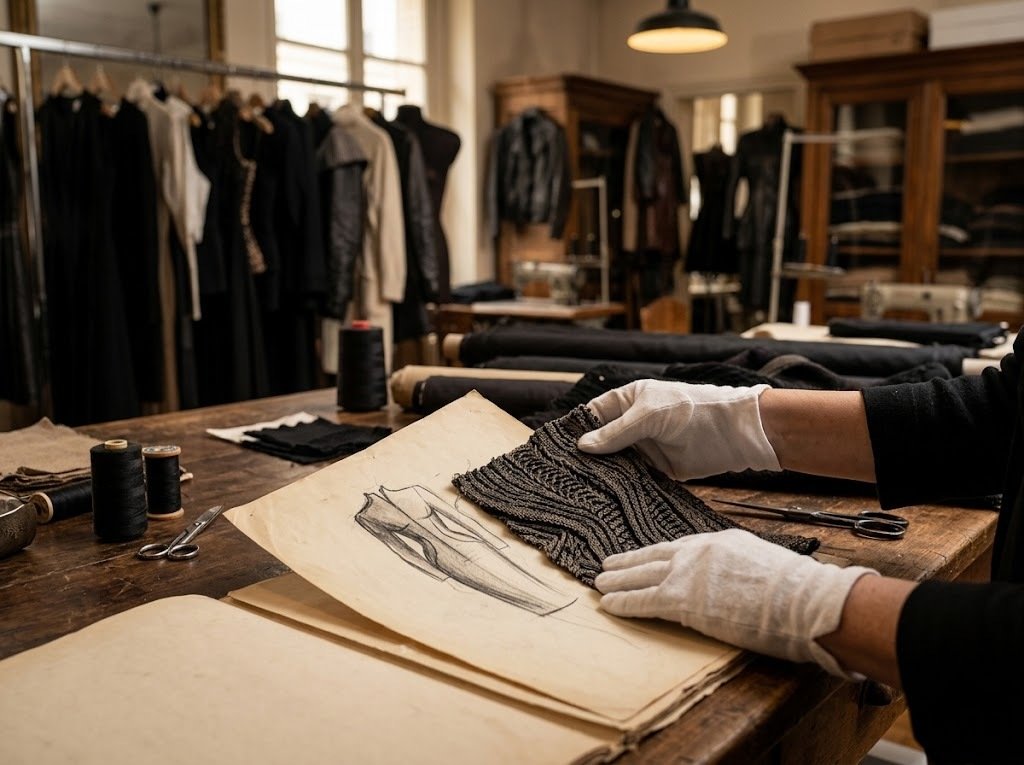
Alaia, officially styled Alaïa, is a Paris-based luxury fashion Maison founded by Azzedine Alaïa. Richemont currently describes the house as a Parisian Fashion Maison with a Couture soul, built around sculptural silhouettes, distinctive codes, and craftsmanship.
The house creates women’s ready-to-wear, bags, shoes, accessories, knitwear, denim, swimwear, and other fashion products. The official US website currently organizes its collections across ready-to-wear, bags, shoes, accessories, and seasonal collections.
Alaia is particularly associated with:
- Sculpted and body-conscious silhouettes
- Precise pattern cutting
- Stretch knit dresses
- Leather craftsmanship
- Corset-inspired construction
- Feminine eveningwear
- Distinctive handbags
- Ballet-inspired footwear
- Experimental fabric techniques
- A close relationship between fashion, art, and design
Unlike brands that rely heavily on seasonal visual trends, Alaia has historically developed recognizable design principles that can remain relevant for years.
Who Founded Alaia?
Azzedine Alaïa founded the Maison and established its reputation through an unusually hands-on approach to clothing construction.
Born in Tunis in 1935, Alaïa trained at the École des Beaux-Arts in Tunis before moving to Paris. His career developed through work with established fashion houses and private clients before he became known internationally for his own designs.
The Maison dates its origins to 1964 in Paris. Richemont describes Alaïa as having been founded in 1964 by Azzedine Alaïa, while a 2017 Richemont tribute noted that the Maison had been established in 1983 and had developed a reputation for original design and highly skilled dressmaking. These dates reflect different milestones in the evolution of his fashion business rather than a simple single-date story.
This distinction is important when researching Alaia history because the designer’s independent practice evolved over several decades.
Why Was Azzedine Alaïa Important to Fashion?
Alaïa’s importance came from his technical understanding of the body and clothing construction.
The Metropolitan Museum of Art describes his work as an exploration of transforming two-dimensional textiles into sculptural three-dimensional garments. His early reputation was strongly connected to complex patterns that molded around the female form.
His approach was less about producing a new visual trend every season and more about studying how a garment could be engineered.
That philosophy helps explain why vintage Alaïa pieces remain relevant to discussions of modern fashion.
What Makes Alaïa Fashion Different?
Alaïa fashion is recognizable because construction is often as important as decoration.
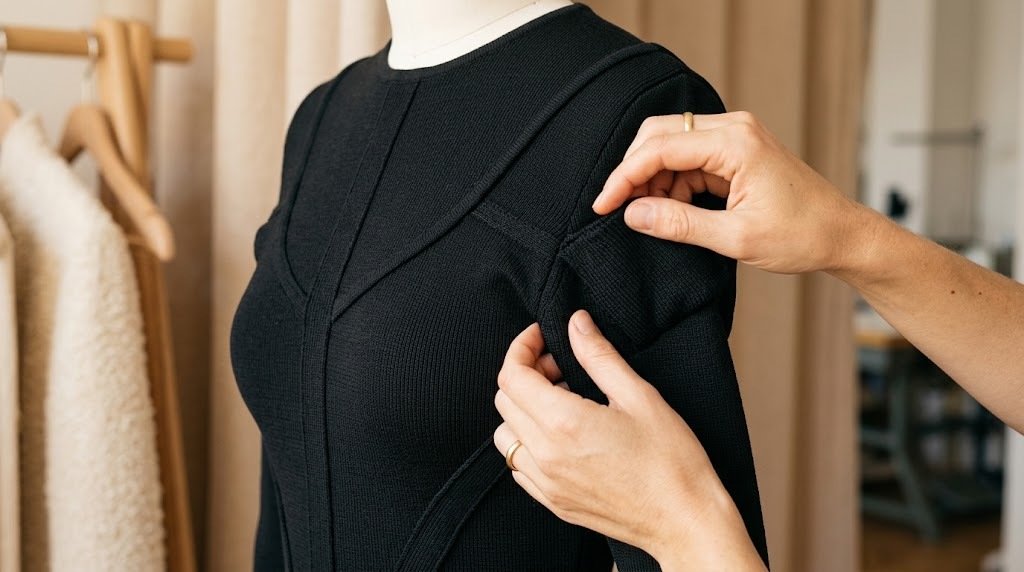
The house’s design language combines technical precision with sensual silhouettes. Instead of simply placing decoration on a conventional garment, Alaïa frequently uses seams, stretch, pleating, draping, panels, and fabric tension to shape the final form.
Sculptural Silhouettes
The silhouette is one of the strongest Alaia signatures.
Many pieces are designed to follow, frame, or reshape the body’s natural contours. The effect can be dramatic without relying on oversized logos or excessive ornamentation.
The Met’s collection includes several historical examples of Alaïa dresses in which engineered construction, stretch materials, corseted waists, and carefully controlled fabric tension create a close relationship between garment and body.
Knitwear and the “King of Cling”
Azzedine Alaïa became closely associated with body-hugging knitwear. The Met notes that his bias-cut jersey designs and sculpted knit garments contributed to the nickname “King of Cling.”
The important point is that this effect was not simply tight clothing.
Alaïa experimented with fabric tension, seams, pattern engineering, and material properties to make knitwear support and follow the body.
Leather
Leather is another important part of the Maison’s design vocabulary.
Richemont identifies leather as a core material for Alaïa ready-to-wear and iconic accessories.
Leather pieces can therefore function as both fashion statements and demonstrations of the house’s construction-focused approach.

What Does Alaia Sell?
The modern Alaia product universe is broader than the house’s famous dresses.
The official US site currently divides its offering into several major categories.
Alaia Dresses
Dresses remain central to the visual identity of Alaïa.
Current collections include body-conscious jersey styles, while the archive contains decades of innovative knit, leather, wool, lace, and structured dresses.
Alaïa dresses are particularly notable for:
- Sculpted waistlines
- Body-skimming construction
- Corset-inspired details
- Engineered knitwear
- Strategic cutouts
- Draping and pleating
- Strong evening silhouettes
Alaia Bags
The current Maison highlights several recognizable handbag families, including:
- Le Teckel
- Le Click
- Le Coeur
- Le Mina
The official website groups these under its “Iconic shapes” section alongside shoulder bags, handbags, cross-body bags, clutches, and mini bags.
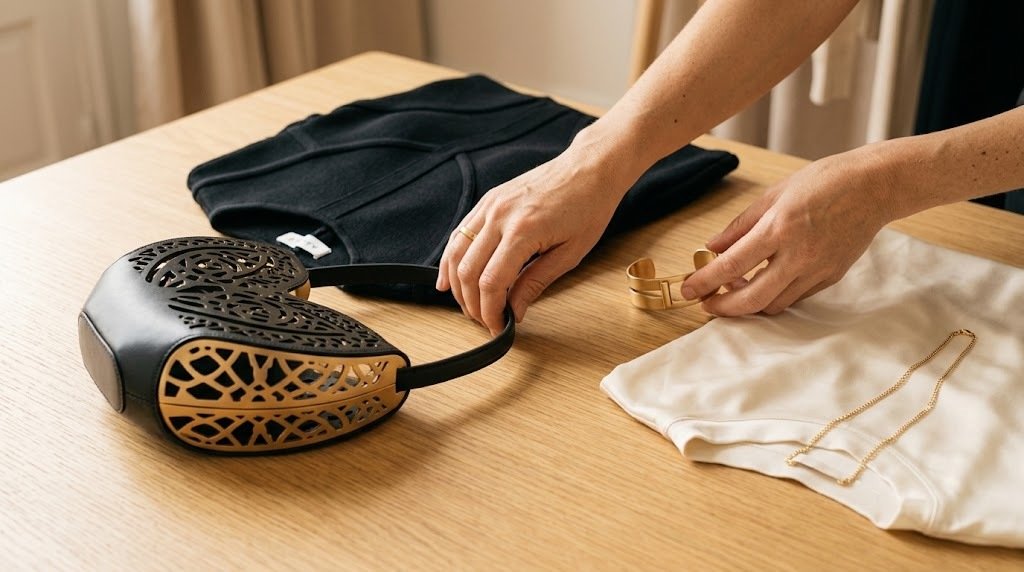
Le Coeur is particularly distinctive because of its heart-shaped visual language, while Le Teckel has a more elongated silhouette.
Alaia Shoes
Alaia’s shoe collection includes flats, pumps, slingbacks, mules, wedges, boots, ankle boots, and sandals. The official site also highlights La Ballerine and Le Coeur among its recognizable footwear shapes.
La Ballerine is especially relevant to the modern Alaia aesthetic because it translates the delicate visual language of ballet footwear into a luxury fashion context.
Accessories
Alaia also produces:
- Jewelry
- Eyewear
- Belts
- Perfumes
- Candles
This broader assortment makes the brand relevant to consumers who want to incorporate Alaïa fashion into an outfit without purchasing a full runway-style look.
Alaia in 2026: What Is the Brand Like Today?
Alaia today is not simply reproducing its archive.
Pieter Mulier was appointed Creative Director in February 2021, with his first collection scheduled for Spring/Summer 2022. Richemont described his appointment as a new chapter intended to carry the Maison’s foundational values and distinctive style into the future.
Under Mulier, the house has continued to work with Alaïa’s established codes while introducing contemporary interpretations.
Richemont’s recent reporting highlights sculptural silhouettes, craftsmanship, ready-to-wear, ballet flats, and the Le Cœur bag as important elements of the modern business.
The current official website also shows Summer Fall 2026 and Winter Spring 2026 collections, alongside continuing product stories such as Alaia Denim and the house’s accessories and iconic shapes.
Why the Modern Direction Matters
The interesting part of Alaia’s current evolution is the balance between continuity and change.
The house does not need to abandon its founder’s design principles to look contemporary. Instead, modern collections can reinterpret familiar ideas such as:
- Sculptural construction
- Feminine silhouettes
- Technical knitwear
- Leather craftsmanship
- Ballet references
- Archival influence
This makes Alaia a useful case study in how a luxury fashion house can evolve without completely discarding its visual identity.
How to Style Alaia Fashion
Alaia pieces can make a strong statement, so styling does not always require adding more statement pieces.
For an Everyday Look
Pair an Alaia accessory with simple wardrobe staples such as:
- Straight-leg denim
- A white shirt
- Minimal knitwear
- Tailored trousers
- Clean leather shoes
A structured Alaia bag can become the focal point without making the entire outfit feel overly formal.
For Evening
A sculptural Alaia dress can be styled with restrained accessories.
Choose simple jewelry, refined footwear, and a compact handbag. Let the construction of the dress provide the visual interest.
For a More Contemporary Street-Style Approach
Alaia can also work outside traditional eveningwear.
Try combining a fitted Alaia top or accessory with relaxed denim, an oversized jacket, or understated sneakers. The contrast between precise luxury construction and casual clothing can make the outfit feel more current.
A Useful Styling Rule
When a garment already has a strong silhouette, reduce visual competition elsewhere.
This is one of the easiest ways to understand Alaia styling: one sculptural element can carry the outfit.
Is Alaia Considered a Luxury Brand?
Yes. Alaia operates as a luxury fashion Maison with ready-to-wear, accessories, footwear, handbags, and highly crafted garments.
Its luxury positioning is reflected not only in pricing but also in craftsmanship, materials, design development, atelier techniques, and the brand’s limited production approach.
The current official US website, for example, lists a jersey bodycon dress at $4,450 and crocodile-embossed calfskin mules at $1,690 at the time of research. Prices naturally vary by product, material, market, and collection.
That distinction matters: a high price alone does not explain Alaia’s luxury status. The house’s value proposition is strongly connected to design and construction.
Is Alaia Worth Knowing About If You Are New to Luxury Fashion?
Alaia is particularly useful to study if you want to understand how technical construction can become a brand signature.
A good starting point is not necessarily the most expensive product. Instead, look at the silhouette.
Ask:
- How does the garment follow the body?
- Where are the seams placed?
- What happens when the fabric stretches?
- Is the shape created by decoration or construction?
- Which details make the item recognizable without a large logo?
These questions reveal something that product listings alone often miss.
An Original Observation: The “Remove the Logo” Test
A useful way to understand Alaia is to imagine removing every visible brand reference from an item.
If the garment still looks recognizable because of its silhouette, material treatment, construction, or proportions, you are looking at one of the stronger expressions of the Maison’s design philosophy.
This is an especially useful distinction when comparing Alaia with logo-driven luxury fashion. The brand’s historical strength is often visible in the shape of the garment itself.
Where Can You Learn More About Alaia?
For current collections, product categories, boutiques, and official brand information, the Maison’s website is the most direct source. Its US site currently provides sections for ready-to-wear, bags, shoes, accessories, collections, campaigns, and store services.
For historical and museum context, the Metropolitan Museum of Art has multiple Alaïa garments in its collection, providing detailed information about materials, dates, construction, and design.
Richemont’s Maison profile and corporate materials are also useful for understanding the house’s current leadership and development.
Alaia vs. Other Luxury Fashion Houses
Alaia occupies a distinctive position within luxury fashion because its identity is strongly associated with the relationship between fabric, construction, and the human body.
For example, the Met places Alaïa’s approach alongside historical designers such as Madeleine Vionnet and Cristóbal Balenciaga when discussing the transformation of textiles into sculptural garments.
A simplified comparison looks like this:
| Design characteristic | Alaia |
|---|---|
| Core identity | Sculptural construction |
| Famous silhouette | Body-conscious |
| Major materials | Knit, leather, wool, jersey and other technical fabrics |
| Famous category | Dresses |
| Accessories | Bags, shoes, belts, eyewear and jewelry |
| Historical influence | Couture construction and textile experimentation |
| Modern creative direction | Pieter Mulier |
| Overall design approach | Feminine, precise and construction-led |
This does not mean every Alaia item follows exactly the same formula. The house has always experimented with materials and proportions.
The Lasting Appeal of Alaia
The enduring appeal of Alaia comes from a simple but difficult idea: make the garment itself memorable.
Azzedine Alaïa’s work demonstrated how much visual impact could come from pattern cutting, fabric manipulation, and an understanding of the body. Museum collections continue to document this approach through dresses from the 1980s, 1990s, and later periods.
Today, the Maison continues to build on that foundation through ready-to-wear, bags, footwear, and accessories while developing new interpretations under Pieter Mulier.
For someone discovering Alaia for the first time, the best way to understand the brand is to look beyond the logo and price tag. Study the silhouette, examine the construction, and notice how the material interacts with the body.
That is where the identity of Alaia becomes most visible.
Conclusion: Why Alaia Still Matters in 2026
Alaia is more than a luxury label associated with fitted dresses and high-end accessories. It represents a design philosophy built around craftsmanship, sculptural form, technical experimentation, and the relationship between clothing and the body.
From Azzedine Alaïa’s influential work to Pieter Mulier’s contemporary direction, the Maison continues to evolve while retaining recognizable design codes.
For fashion enthusiasts in the USA, understanding Alaia means looking at both sides of the brand: its extraordinary archive and its current collections. The combination of historical craftsmanship and modern interpretation is what makes Alaïa fashion particularly distinctive in 2026.
Frequently Asked Questions About Alaia
What is Alaia known for?
Alaia is known for sculptural, body-conscious clothing, precise construction, technical knitwear, leather craftsmanship, dresses, handbags, and footwear. The Maison’s identity is closely connected to Azzedine Alaïa’s approach to transforming textiles into three-dimensional garments.
Who founded Alaia?
Alaia was founded by Tunisian-born French designer Azzedine Alaïa. Richemont identifies the Maison’s founding in Paris as 1964.
Who is Alaia’s Creative Director in 2026?
Pieter Mulier is Alaia’s Creative Director. He was appointed to the role in February 2021, with his first collection for the Maison planned for Spring/Summer 2022.
What products does Alaia make?
Alaia produces ready-to-wear clothing, dresses, knitwear, denim, bags, shoes, jewelry, eyewear, belts, fragrances, candles, and other accessories. Current official categories include iconic bags such as Le Teckel, Le Click, Le Coeur, and Le Mina, as well as footwear including La Ballerine.
Is Alaia a luxury brand?
Yes. Alaia is a Parisian luxury fashion Maison with a Couture heritage and a strong emphasis on craftsmanship, materials, construction, and design. Richemont currently describes the house as having a Couture soul and a heritage of sculptural silhouettes and craftsmanship.
Why is Azzedine Alaïa important to fashion?
Azzedine Alaïa became influential for his highly technical approach to pattern cutting, fabric manipulation, and body-conscious clothing. The Metropolitan Museum of Art documents his work as an exploration of turning two-dimensional textiles into sculptural three-dimensional garments.
Pingback: Alexander McQueen: Complete 2026 Fashion & Style Guide - Street Iconic