
Lifestyle
The Story of Acne Studios: From Underground Roots to Global Fashion Icon

When it comes to modern fashion that perfectly blends art, culture, and minimalism, Acne Studios stands out as a true pioneer. Founded in Stockholm, Sweden, the brand has transformed from an underground creative collective into a globally recognized luxury fashion icon. But Acne Studios wasn’t always the polished designer label we see today—it started from a bold experiment with denim, a vision for creativity, and an “Ambition to Create Novel Expressions.”
Humble Beginnings: The Birth of a Creative Collective
The story of Acne Studios began in 1996, when Jonny Johansson, a Swedish designer with a passion for art, architecture, and photography, co-founded a creative group known as ACNE (Associated Computer Nerd Enterprises).
At first, ACNE wasn’t even a fashion company—it was a multidisciplinary collective working in graphic design, film, advertising, and technology. But Johansson had a different idea brewing.
In 1997, he designed 100 pairs of raw denim jeans with red stitching and gave them to friends and artists around Stockholm. The jeans quickly caught attention from Vogue Paris and other fashion magazines. That moment marked the birth of Acne Studios as a fashion brand.
Evolution into a Global Fashion Brand
As demand grew, Acne Studios evolved from a small creative experiment into a stand-alone fashion house. By the early 2000s, Johansson focused entirely on fashion design, bringing in elements from his artistic background.
The brand officially separated from the ACNE collective in 2006 to operate independently. This transition helped Acne Studios define its identity—a perfect mix of Scandinavian minimalism and avant-garde creativity.
Its collections grew to include ready-to-wear apparel, shoes, accessories, and outerwear. Each piece reflected Johansson’s unique ability to merge simplicity with striking design details—clean cuts, muted tones, and unexpected proportions.
Signature Aesthetic: Minimalism with a Twist
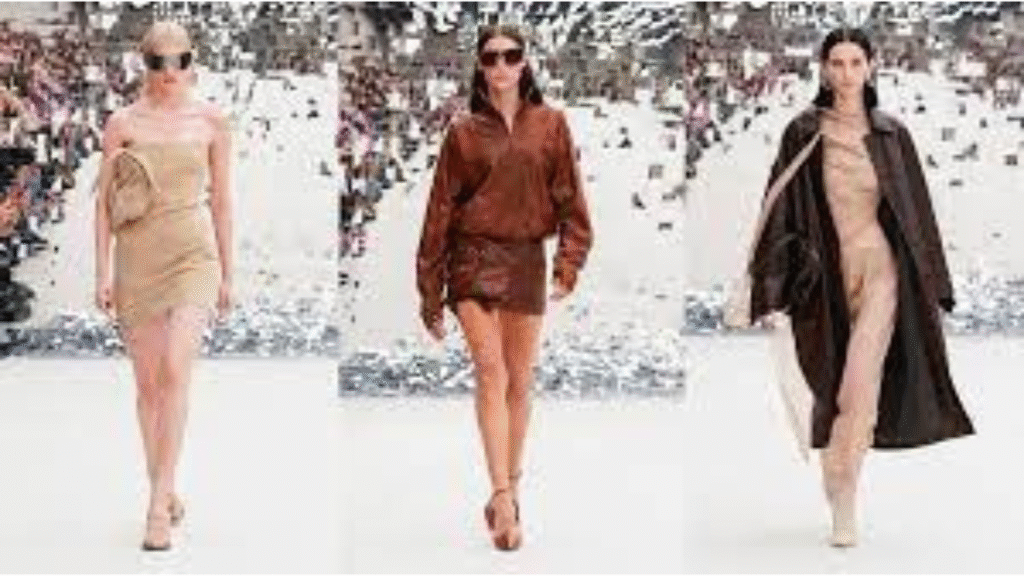
Acne Studios is often described as “minimalist, but never boring.”
The brand’s aesthetic celebrates neutral color palettes, sharp tailoring, and artistic imperfection. You’ll often see asymmetric cuts, mismatched layers, or bold accessories paired with simple silhouettes.
This design language perfectly captures the brand’s Scandinavian roots—clean yet expressive, quiet yet confident.
Some of Acne’s most recognizable pieces include:
The Face Motif Collection (featuring a small neutral emoji icon symbolizing Swedish expressionlessness)
The brand’s signature denim—a nod to its origins
Oversized scarves and boxy outerwear that have become streetwear staples worldwide
Cultural Impact and Global Expansion
By the 2010s, Acne Studios had become a cultural phenomenon. The brand opened flagship stores in major cities like Paris, London, New York, and Tokyo, each designed with a unique architectural concept to reflect local culture and creativity.
Acne Studios also gained popularity among artists, designers, and celebrities, becoming a go-to label for those who appreciate understated luxury. Stars like Kanye West, Bella Hadid, and Rihanna have all been spotted wearing Acne pieces, helping it cement its position in both high fashion and streetwear culture.
Sustainability and Ethical Fashion
Unlike many luxury labels, Acne Studios takes sustainability seriously. The brand focuses on timeless design rather than fast trends, producing high-quality garments that last for years.
They’ve also committed to ethical sourcing, responsible manufacturing, and reducing environmental impact through better materials and Transparency.
This commitment reflects the brand’s Scandinavian values—where simplicity and sustainability go hand in hand.
Acne Studios Today: A Global Icon
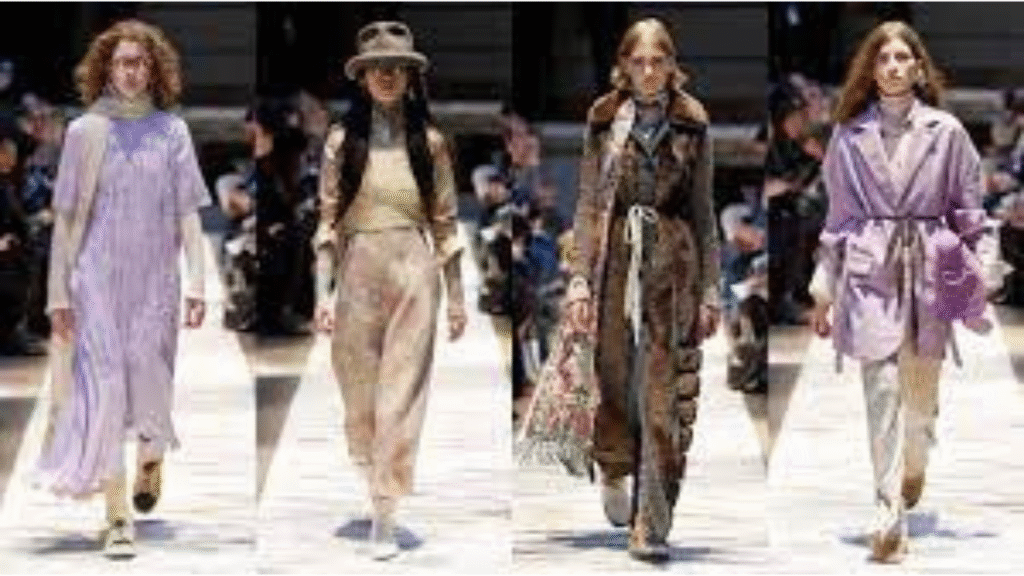
Today, Acne Studios stands as a symbol of creative independence and authenticity. What began as a small Swedish experiment has grown into a fashion powerhouse known for merging art, innovation, and functionality.
The brand’s philosophy—”Ambition to Create Novel Expressions”—continues to guide everything it does, from clothing design to store architecture.
With every collection, Acne Studios challenges the norms of luxury fashion while staying true to its artistic roots. Its blend of creativity, quality, and cultural awareness has made it not just a label, but a movement in modern fashion.
The Essence of Acne Studios’ Aesthetic
At its core, the Acne Studios aesthetic embodies the perfect balance between Scandinavian minimalism and artistic experimentation. The brand, founded by Jonny Johansson in Stockholm, redefined what it means to blend simplicity with self-expression. Every collection feels modern yet timeless—structured yet unconventional.
Rather than following fleeting fashion trends, Acne Studios focuses on individualism and understated luxury. Its pieces speak softly but make a strong visual statement, capturing the subtle confidence of Swedish design culture.
Signature Colors, Symbols, and Motifs
Color is an essential part of Acne’s visual identity. The brand often uses muted tones—such as beige, gray, cream, and dusty pink—paired with unexpected pops of bold hues like cobalt blue or neon orange. This play between calm and contrast gives Acne its signature visual Tension.
One of the most recognizable motifs is the “Face” emblem, a small, neutral emoji-inspired symbol that reflects Swedish emotional restraint—neither happy nor sad. It’s simple, relatable, and instantly iconic. This motif appears on Acne’s T-shirts, beanies, and hoodies, bridging luxury design with playful identity.
Design Influences: Art, Architecture, and Culture
Jonny Johansson’s creative approach is deeply influenced by art, architecture, photography, and music. He often describes Acne as a brand born from creative curiosity rather than commercial ambition.
You can see architectural influences in Acne’s clean lines and structural silhouettes, while photography inspires the color palettes and fabric textures. There’s also a nod to skate culture and youth energy, reflected in relaxed fits, oversized outerwear, and deconstructed tailoring. The result is a style that feels urban yet refined—cool without trying too hard.
Materials, Silhouettes, and Construction
Acne Studios prides itself on premium materials and meticulous construction. From Italian wool coats and Japanese denim to soft organic cotton, every piece is built to last. The silhouettes vary from sharp tailoring to oversized, boxy cuts—creating contrast between formality and freedom.
The construction style leans toward precision and imperfection—intentionally asymmetrical seams, raw edges, or unconventional proportions that challenge traditional fashion norms. Each garment feels like a wearable piece of art.
The Story Behind Each Collection
Every Acne Studios collection tells a story of cultural observation and emotional tone. Some seasons explore nostalgia and youth; others dive into art movements or social commentary. Rather than chasing seasonal trends, Johansson treats fashion as an evolving art form, using each collection to express ideas, moods, and emotions through fabric and form.
Balancing Fashion, Function, and Statement
What makes Acne Studios truly unique is its ability to merge fashion with function and statement. The clothes are practical—comfortable, wearable, and versatile—yet they always make a bold, creative impression. Whether it’s a minimalist coat or a distorted denim jacket, each piece feels modern, effortless, and deeply personal.
Acne Studios proves that luxury doesn’t have to be loud. Its design philosophy celebrates simplicity as the highest form of sophistication—transforming everyday clothing into a canvas of self-expression.
Milestone Collections That Defined Acne Studios
Over the years, Acne Studios’ collections have become symbols of innovation and individuality in modern fashion. Each drop tells a story that fuses art, culture, and design experimentation.
One of the brand’s most talked-about collections, AW18 “Cement”, showcased a sculptural approach to tailoring, with muted tones inspired by urban architecture. The collection balanced rigid silhouettes with soft textures, representing Acne’s signature contrast between structure and emotion.
The SS20 “Urban Exploration” collection captured the raw energy of city life through layered streetwear, oversized fits, and functional detailing. It reflected Acne’s growing influence on global street fashion, merging practicality with high design.
Other memorable moments include the FW21 Denim Revival, which paid tribute to Acne’s origins by reintroducing its classic raw denim with sustainable fabrics, and the AW23 Sculptural Modernism collection, where asymmetry and art-inspired draping stole the spotlight.
Best-Selling and Signature Pieces
Several Acne Studios best-sellers have reached cult status among fashion enthusiasts. The Face Hoodie, embroidered with the brand’s minimalist emoji logo, is one of the most recognizable streetwear staples in modern fashion.
Their oversized wool scarves, often seen in soft pastel tones or checkered designs, have become a winter essential, frequently spotted on celebrities and influencers alike.
Another timeless favorite is the Acne Studios 1996 denim, featuring straight cuts, clean washes, and impeccable craftsmanship—a direct nod to the brand’s early beginnings.
The Manhattan sneakers and Musubi bags also stand out for blending functionality with Acne’s sculptural minimalism.
Why These Pieces Became Iconic
The success of these pieces comes down to design purity, emotional connection, and cultural relevance. Acne Studios manages to create garments that feel effortless yet elevated.
Celebrity endorsements from figures like Kanye West, Bella Hadid, and Rihanna amplified the brand’s influence, turning simple designs into global icons.
Limited availability and the brand’s refusal to overproduce have added a sense of exclusivity—making every Acne Studios drop feel like a must-have for collectors and style enthusiasts.
Must-Have Drops and Collaborations
While Acne Studios rarely relies on heavy collaborations, its occasional projects—like those with Fjällräven, Liberty London, and Mulberry—highlight the brand’s ability to merge Nordic design with timeless craftsmanship.
Each partnership reinforces Acne’s identity as a creative powerhouse—where fashion is not just worn but experienced.
Major Collaborations That Defined Acne Studios
Acne Studios x Fjällräven
One of the most iconic Acne Studios collaborations came in 2018 with the Swedish outdoor brand Fjällräven. The collection fused Acne’s urban edge with Fjällräven’s functional outdoor heritage. From reimagined Kånken backpacks in pastel hues to technical parkas and oversized down jackets, this partnership redefined “functional fashion.” It celebrated Swedish craftsmanship and sustainability while appealing to both streetwear fans and outdoor enthusiasts.
Acne Studios x Mulberry
In 2019, Acne Studios teamed up with British luxury brand Mulberry to create a limited-edition line of leather bags and accessories. The collaboration merged Acne’s modern minimalism with Mulberry’s timeless craftsmanship. Pieces like the Musubi-inspired Bayswater bag became instant hits, bridging the gap between Scandinavian cool and British heritage design.
Acne Studios x Liberty London
Acne’s partnership with Liberty London brought a softer, more romantic touch to its usual sleek aesthetic. Using Liberty’s signature floral prints, Acne reinterpreted its minimalist silhouettes with delicate patterns—a fusion of classic English artistry and modern Scandinavian design.
Other Collaborations
While Acne Studios has never relied heavily on mass-market collaborations, it has worked on creative projects with Levi’s, Bla Konst, and Jessica Ogden, as well as art-based collaborations that blend fashion and photography. Each of these partnerships embodies Acne’s goal: to push creative boundaries without losing authenticity.
Limited Editions & Viral Moments
Many Acne collaborations feature limited-edition drops, often selling out within hours. The Fjällräven line became a global sensation, thanks to its mix of nostalgia and innovation, while the Mulberry collaboration generated significant buzz among fashion editors and celebrities alike. These limited releases not only created scarcity but also reinforced Acne Studios’ image as a cult luxury brand that values creativity over mass production.
Expanding Into New Audiences
Through these partnerships, Acne Studios successfully entered new cultural spaces—from luxury and sustainability to music and art. Collaborations allowed the brand to reach a wider audience while maintaining its avant-garde edge.
For instance, the Fjällräven collab attracted outdoor and streetwear communities, while the Mulberry project resonated with luxury buyers. Simultaneously, creative partnerships with musicians, photographers, and visual artists expanded Acne’s identity as a cultural movement rather than just a fashion label.Influence on Youth Culture, Music, and Design
Acne Studios has become a symbol of creative youth culture, particularly among those who value design with meaning. The brand’s aesthetic — understated yet conceptually bold — resonates deeply with artists, musicians, and designers who reject mainstream fashion norms.
From indie music videos to art galleries, Acne’s minimalist language appears everywhere. Its oversized silhouettes, expressive textures, and gender-neutral appeal perfectly align with the modern youth identity — open-minded, experimental, and effortlessly stylish.
Celebrities and Artists Who Support the Brand
Acne Studios’ reach spans pop culture, with prominent names like Kanye West, Rihanna, Bella Hadid, Kendall Jenner, and A$AP Rocky frequently seen wearing its collections. Their endorsement of Acne is not about logos or status — it’s about authenticity.
Artists like Frank Ocean and Lorde also appreciate Acne’s artistic edge, often pairing its pieces with other minimalist labels. This broad celebrity appeal has helped Acne maintain both underground credibility and mainstream influence.
The Brand’s Message and Social Vision
Acne Studios represents class without elitism — a brand that values creativity over hierarchy. It’s quiet luxury rejects flashiness, embracing subtle rebellion instead. The Face Motif, for instance, symbolizes neutrality and community, expressing emotion through simplicity.
Acne’s philosophy is inclusive: it’s about individual freedom, not status. In an age where identity and authenticity dominate cultural conversations, this message has deeply resonated across fashion and art communities worldwide.
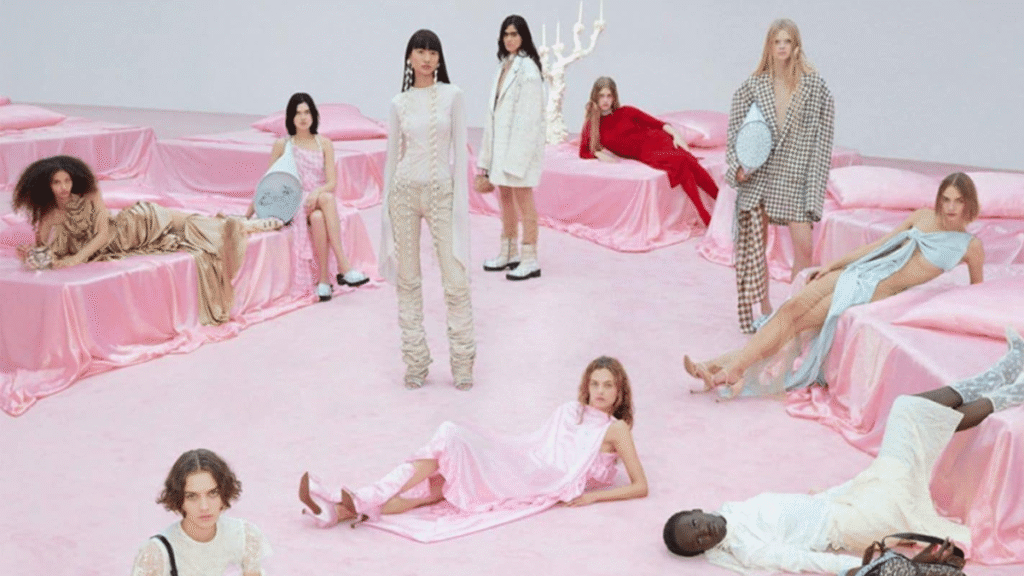
In the rise of luxury streetwear, Acne Studios stands apart from peers like Off-White, Comme des Garçons, and Fear of God. While others thrive on graphic intensity and street symbolism, Acne takes a quieter approach — focusing on form, texture, and emotion.
This restraint gives the brand timeless appeal. It proves that in the world of modern streetwear, rebellion doesn’t always need to shout — sometimes, it whispers with elegance.
Acne Studios: The Brand Today & Future Vision
Today, Acne Studios stands as one of the world’s most respected contemporary fashion houses, still guided by its founder and creative director, Jonny Johansson. From its Stockholm headquarters, Johansson continues to shape the brand’s identity — one that fuses artistic experimentation with modern luxury.
The brand’s collections now reach over 50 global stores and are featured in major fashion capitals like Paris, New York, and Tokyo. Acne Studios has managed to preserve its underground roots while evolving into a refined, global label with a distinctive creative voice.
Design Themes and Sustainability Efforts
In recent years, Acne Studios has shifted focus toward sustainability and longevity. The brand emphasizes timeless design, high-quality materials, and ethical production over fast fashion trends. Its sustainability reports highlight a growing commitment to eco-conscious fabrics, recycled textiles, and transparent supply chains.
Current collections continue to explore gender-fluid silhouettes, sculptural tailoring, and art-inspired textures, reinforcing Acne’s philosophy that fashion should be both wearable and emotionally expressive.
Expansion into Art, Technology, and Culture
Acne Studios has also expanded beyond clothing into art, photography, and architecture. The brand frequently collaborates with artists and curates creative projects that blur the boundaries between fashion and fine art. Its flagship stores — designed with a gallery-like feel — reflect this multidisciplinary vision.
Recently, Acne has begun exploring digital fashion concepts and tech-integrated experiences, suggesting a forward-thinking approach to design and retail innovation.
Looking Ahead: The Future of Acne Studios
As it looks to the future, Acne Studios aims to remain a global leader in sustainable, art-driven fashion. The brand’s mission is to keep challenging conventions, inspire creativity, and redefine what modern luxury means.
In Jonny Johansson’s words, “Acne is about creating expressions that last — not just for a season, but for a lifetime.”
Conclusion
From its humble beginnings in Stockholm’s creative underground to its current status as a global fashion powerhouse, Acne Studios has consistently challenged the boundaries of design and self-expression. Its journey reflects a rare blend of art, innovation, and minimalism—where clothing becomes a form of cultural dialogue rather than mere style.
What truly sets Acne Studios apart from other global streetwear labels like Off-White or Fear of God is its quiet rebellion. Instead of loud logos or hype-driven drops, Acne speaks through subtle craftsmanship, emotional design, and timeless form. It celebrates individuality without shouting for attention—proving that true luxury lies in authenticity and intention.
As it continues to evolve, Acne Studios leaves behind a legacy that transcends fashion. It represents a movement of creative freedom, sustainability, and artistic collaboration—an enduring reminder that modern style isn’t just about what we wear, but how we express who we are.
A)Timeline: Acne Studios Brand Evolution
| Year | Milestone |
|---|---|
| 1996 | Acne Studios founded in Stockholm, Sweden as part of the creative collective ACNE (standing for “Ambition to Create Novel Expressions”). Wikipedia+2Impress Montreal+2 |
| 1997 | Founder Jonny Johansson creates 100 pairs of raw-denim jeans with red stitching and gifts them to friends/artists — this denim piece attracts major attention and sparks the brand’s fashion trajectory. Impress Montreal+1 |
| 2006 | Acne Studios becomes a standalone fashion company, separating from other ACNE collective entities (film, advertising etc) and begins full-fashion operations. Wikipedia+1 |
| 2010s | Expansion of collections into full ready-to-wear, accessories, footwear; global store openings; increased celebrity and cultural relevance. L’Officiel IBIZA+2Vogue Business+2 |
| 2018 | Investment by Chinese private equity firm IDG Capital and Hong Kong retailer I.T Group acquiring minority stakes, supporting global growth. Wikipedia+1 |
| 2019 | Headquarters moved to former Czechoslovak embassy building in Stockholm (Floragatan 13). Wikipedia+1 |
| 2020-2025 | Brand emphasis shifts more visibly toward sustainability, gender-fluid design, global cultural engagement, and tech/creative expansions. SevenStore+1 |
| 2026 (future milestone) | The brand’s 30th-anniversary year (founded 1996) to be marked by a major menswear collection and creative statement. Vogue |
Feel free to convert this into a visual timeline graphic for your blog.
B) Acne Studios Brand Infographic: Key Collabs & Design Timeline
Here are suggestions of collabs / partnerships and design-moments you can put into an infographic (with approximate years):
- 2018: Acne Studios × Fjällräven (outdoor heritage meets urban minimalism)
- 2019: Acne Studios × Mulberry (luxury British bagmaker x Swedish minimalism)
- Early-2020s: Acne Studios × Liberty London (heritage print house × clean aesthetic)
- 2023: Denim campaign with Kylie Jenner (FW23 denim)
- 2024: Campaign with Willow Smith (AW24 campaign)
- 2024-25: Campaign with Charli XCX (SS25 campaign)
- Ongoing: Sustainability & design expansion into art/tech (e.g., Acne Paper magazine, gallery openings) Wikipedia
You can map along a horizontal line: foundation → denim roots → major collabs → celebrity campaigns → future vision.
C) Acne Studios Quote Box
Here are a few compelling quotes by Jonny Johansson (founder/creative director) that you can include in a quote-box:
“I collect people’s experiences. I feel that I build myself not only on my experience, but on other people’s. That’s important to me.” A-Z Quotes+1
“I’m really into the word ‘honest’ in fashion. I’m trying to stay contemporary, you know, and also personal at the same time. … I find sometimes fashion becomes about exoticism. I think the reality is more interesting.” GQ
“My advice to people who want to have companies that do what we do is this: control is the only thing that is crucial.” Vogue
“If you ask me about the DNA of the brand I couldn’t explain it, I want it to be a mystery to me as well. I always put design first, because that’s what creates business in the end and that’s why it has to be protected.”
Acne Studios Streetwear Brand – FAQs
1. What is Acne Studios?
Acne Studios is a high-end fashion and streetwear brand from Stockholm, Sweden, known for its minimalist aesthetic, creative tailoring, and experimental design approach.
2. Who founded Acne Studios?
The brand was founded in 1996 by Jonny Johansson, who remains the creative director today.
3. What does the name “Acne” stand for?
ACNE is an acronym for “Ambition to Create Novel Expressions”, representing the brand’s original goal to blend art, fashion, and creativity across disciplines.
4. When did Acne Studios start making clothes?
Acne Studios began in 1997 when Johansson designed 100 pairs of raw denim jeans with red stitching—the jeans became an underground hit and started the fashion side of the company.
5. What is Acne Studios known for today?
It’s best known for avant-garde tailoring, oversized silhouettes, luxury denim, premium basics, and artistic campaigns that blur the line between fashion and culture.
6. Is Acne Studios a luxury brand or streetwear brand?
It sits between both — a luxury streetwear hybrid, offering the craftsmanship of high fashion with the simplicity and edge of streetwear.
7. Where is Acne Studios based?
The brand’s global headquarters is in Stockholm, Sweden, located in the iconic former Czech embassy building at Floragatan 13.
8. Who wears Acne Studios?
Celebrities like Kendall Jenner, A$AP Rocky, Kylie Jenner, Bella Hadid, and Charli XCX have all been spotted wearing Acne Studios pieces.
9. Why is Acne Studios so expensive?
Each piece is made with premium materials, unique patterns, and sustainable craftsmanship. The brand also focuses heavily on design innovation, which adds to the cost.
10. What are Acne Studios’ most popular items?
Signature pieces include the Face Logo hoodie, Musubi bags, denim jeans, oversized blazers, and chunky sneakers.
11. Does Acne Studios collaborate with other brands?
Yes — notable collaborations include Fjällräven, Mulberry, Liberty London, and Kylie Jenner campaigns, among others.
12. Is Acne Studios sustainable?
The brand has made major sustainability moves — including eco-friendly materials, circular fashion practices, and local production where possible.
13. Where can I buy Acne Studios streetwear?
You can shop directly on the official website (acnestudios.com) or through high-end retailers like SSENSE, Farfetch, and END. Clothing.
14. What is the Acne Studios “Face Logo”?
The Face motif is a minimalist emoji-like face symbolizing Scandinavian emotional neutrality — it’s become an iconic mark of the brand’s streetwear line.
15. What’s next for Acne Studios?
Acne Studios continues to explore gender-fluid fashion, art collaborations, and sustainable innovations, aiming to redefine modern street luxury for the next decade.
For collaborations, press, or inquiries, contact us at streeticonic1@gmail.com.

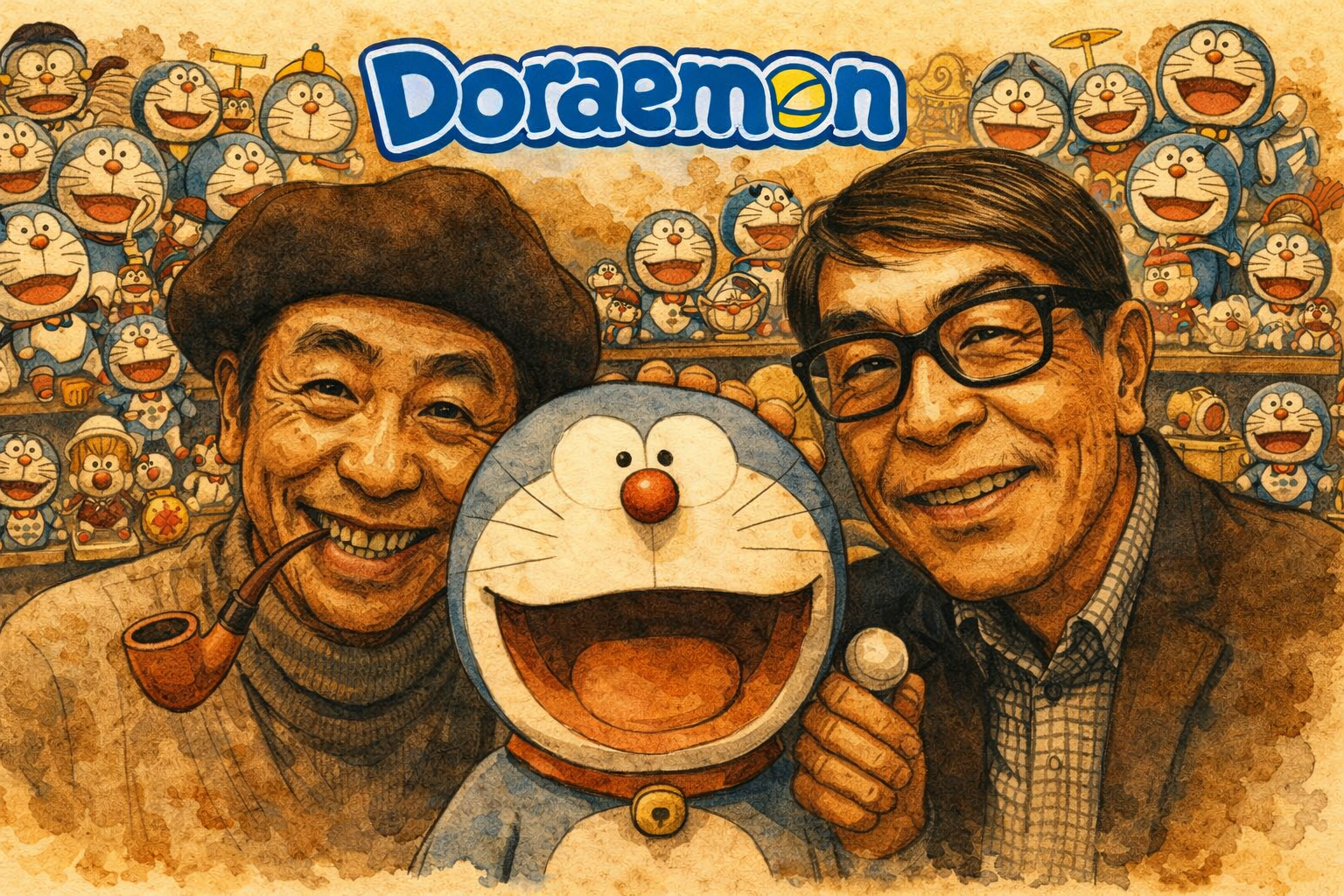
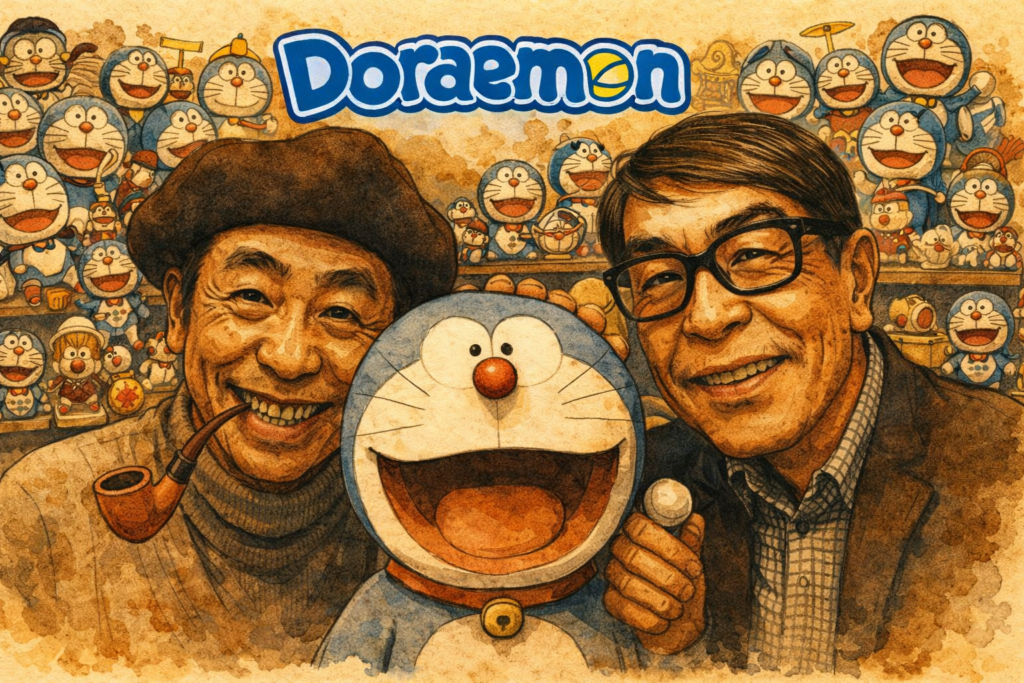
Few characters in the international pop culture lexicon have managed to attain the same level of timeless appeal and multi-generational impact as Doraemon. What began as a simple manga series in Japan has since grown into a worldwide cultural phenomenon that encompasses everything from animation and film to toys, digital media, and, more recently, streetwear and fashion collections. Today, Doraemon is more than simply a retro cartoon character; it is a brand, a symbol, and a lifestyle influence that bridges the gap between childhood nostalgia and modern design culture.
Doraemon streetwear, clothing, and hoodie collections have become an integral part of the modern fashion scene. This article examines the history and future potential of Doraemon, its brand identity, merchandise empire, and collaborations, with a particular emphasis on its growing impact within the streetwear culture.
The History and Background of Doraemon
Doraemon was born in 1969 from the minds of the famous Japanese manga artist Fujiko Fujio and was first published by Shogakukan in children’s magazines. Essentially, the plot revolves around a robotic cat from the future named Doraemon, who travels back in time from the 22nd century to help a young boy named Nobita Nobi, whose poor choices jeopardize the future of his family. Doraemon has been sent back in time by Nobita’s descendant with the sole purpose of helping him lead a better life through the use of his four-dimensional pocket full of high-tech gadgets.
What makes Doraemon the phenomenon that it is, is its incredibly simple yet profoundly rich storyline: a poor, unfortunate child is provided with access to high-tech gadgets that can solve all his problems instantly—but often with unforeseen results. By using this framework, the series masterfully weaves together science fiction, comedy, and real-life situations with moral teachings. Each and every one of these stories explores concepts such as responsibility, hard work, and the value of personal development, all of which convey the message that success in life cannot be achieved through shortcuts alone.
Why Doraemon Became Timeless
The secret to the success of Doraemon is that it has been able to convey universal human values in a simple yet effective manner. Essentially, the series delves into issues such as friendship, taking responsibility, the effects of shortcutting, and learning from one’s mistakes. Every episode is a reflection of real-life issues, whether it is coping with failure, peer pressure, or self-doubt, making the series extremely relevant to both children and adults. While children are able to relate to the comedic elements and the gadgets, adults are able to relate to the emotional aspects. This has made Doraemon extremely relevant across generations, and it has been able to maintain its position in the market for several decades. The manga series has sold more than 170 million copies, making it one of the best-selling manga series of all time.
From Stage to Screen to Streetwear
Doraemon’s journey from manga to global fashion influence is a unique evolution.
Anime Expansion
Doraemon’s growth accelerated significantly through its television adaptations, which played a crucial role in transforming it from a manga series into a global phenomenon. The first anime adaptation aired in 1973, but it was a short-lived production that remained obscure. However, the 1979–2005 series became iconic, running for decades and establishing Doraemon’s classic visual identity and storytelling style. The 2005 reboot modernized animation and expanded international reach, helping Doraemon gain popularity across Asia, Europe, and other global markets.
Film Industry Growth
The Doraemon film series, which began in 1980, significantly expanded the franchise’s narrative depth and global appeal by introducing longer, more cinematic storytelling. Unlike episodic television formats, these films explore grand adventures, emotional character development, and complex themes such as friendship, sacrifice, and personal growth. Notable titles like Stand by Me Doraemon utilized modern CGI animation and heartfelt storytelling, attracting both nostalgic longtime fans and a new generation of viewers, further strengthening Doraemon’s cultural impact.
Transition into Fashion
As nostalgia-driven fashion trends started gaining traction worldwide, Doraemon was able to seamlessly transition into the streetwear and lifestyle fashion trend, evolving from a nostalgic childhood character to a modern-day icon. The brand collaborated with renowned designers and brands to launch graphic tees with iconic prints, limited edition Doraemon hoodies, exclusive designer collaborations, and curated capsule collections. These fashion items not only symbolize nostalgia but also cater to the adult market looking for fun and creative outlets. By combining childhood nostalgia with modern design, Doraemon has emerged as a distinctive link between intergenerational fan loyalty and fashion-forward streetwear.
The Brand Identity
Doraemon’s brand identity is a mix of nostalgia, innovation, playfulness, and moral storytelling, which makes it a universally appealing and timeless presence in popular culture. Nostalgia is a link between generations who have grown up reading the manga series or watching the anime series, which reminds them of their childhood. Innovation is not only seen in Doraemon’s gadgets but also in the fact that the series has been adapting to modern media, fashion, and technology. Playfulness is seen in Doraemon’s design, humor, and adventures, which makes it accessible and interesting, and moral storytelling teaches them the lessons of responsibility, friendship, perseverance, and creativity.
Visual Identity
The visual identity of Doraemon is easily recognizable because of the unique blend of design elements that have a wide appeal to all age groups. The iconic blue robotic cat design with a white face, round eyes, and a red collar gives the impression of being friendly and approachable. The use of rounded shapes and soft edges gives the impression of being playful and harmless, and the addition of sci-fi gadgets like the Anywhere Door or the Bamboo Copter adds to the imaginative and sci-fi aspects of the character.
Emotional Branding
One of the most appealing aspects of Doraemon is its emotional branding, which has been made possible through the strong emotional connections that the franchise has been able to establish with its audience. The franchise takes the audience back to their childhood memories of fun-filled adventures, school, and storytelling, and also focuses on the struggles that they have been able to overcome, such as school, development, and learning from mistakes. The emotional and feel-good stories of the franchise have been able to create a strong sense of nostalgia and emotional connection with the audience. This is why the products of the franchise, such as its clothing, hoodies, and collectibles, are so desirable.
Who Owns A Doraemon?
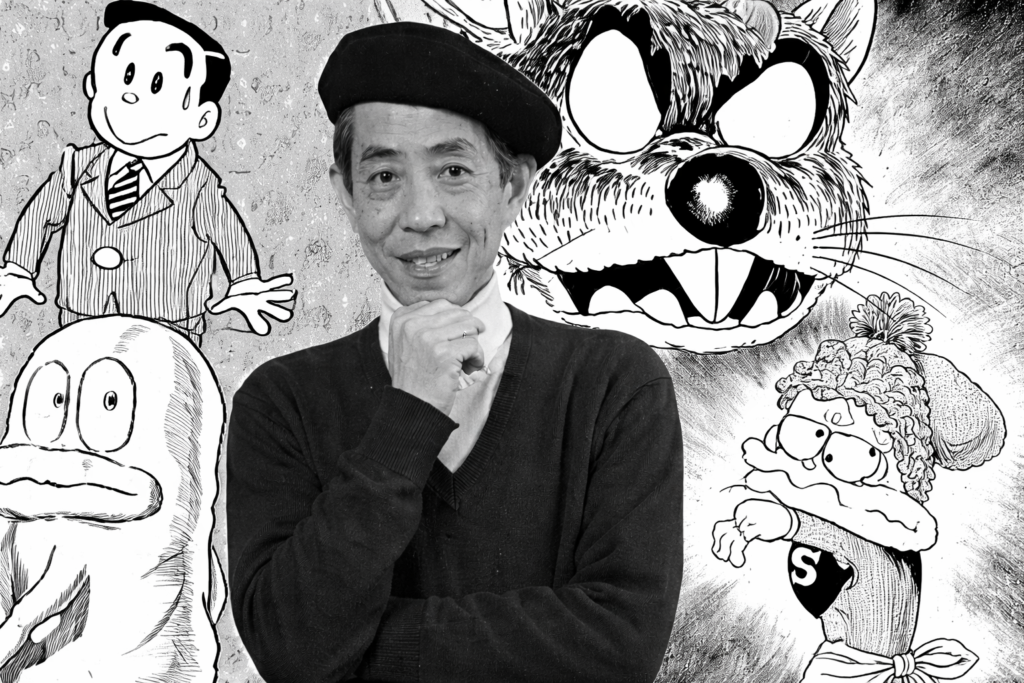
The ownership and operation of the Doraemon franchise are shared by several major organizations, such as Fujiko Pro, Shogakukan, TV Asahi, Shin Ei Animation, and ADK Emotions, each contributing in a unique way to the continued global reach of the franchise. The original authors, Fujiko F. Fujio, are operating through their production company, Fujiko Pro, which is managing the creative direction, character consistency, and approval of new content. In addition to Fujiko Pro, TV Asahi, a large Japanese broadcasting network, is managing the production and broadcasting of the anime series, ensuring that Doraemon reaches a wide television audience both in Japan and worldwide. At the same time, Shin Ei Animation, a major animation studio, is managing the technical and artistic side of animation production, ensuring that the high-quality visuals and consistent character design, which have become recognizable worldwide, are maintained.
These organizations are working together to manage several aspects of the franchise, including content production, global distribution, and licensing agreements. A special division of Shogakukan Shueisha Productions (ShoPro) is managing the entire licensing business for merchandising and promotional activities both in Japan and worldwide.This structured ownership framework ensures that Doraemon operates not just as a popular cartoon but as a strategically managed intellectual property, capable of sustaining long term growth, cultural relevance, and commercial success across multiple industries and international markets. It is this careful stewardship that has cemented Doraemon’s place as a global cultural icon.
Country of Origin
Doraemon originated from Japan, a nation that has earned international recognition for its vibrant and iconic anime and manga culture. Doraemon appeared in the late 1960s when Japan had a strong creative industry that offered a conducive environment for the development of innovative storytelling, character creation, and manga production.
The Japanese elements in Doraemon, which combined creative science fiction, moral education, and real-life experiences, appealed to many people both locally and internationally. Over the years, Doraemon has transformed from a source of entertainment to a cultural icon that represents Japanese creativity, morality, and technological imagination in international platforms. Its universal appeal has made it a global entertainment brand, which has reached many people in Asia, Europe, and the Americas through manga, anime, movies, and other merchandise.
In 2008, the Japanese government acknowledged the cultural significance of Doraemon by appointing it as an anime ambassador. This appointment recognizes the significance of the character in promoting Japanese culture internationally. Currently, Doraemon represents not only nostalgia and storytelling but also the Japanese spirit of innovation, artistic perfection, and international cultural influence.
A Doraemon Product Line
Likewise, the toy and collectible segment also comprises a large part of the product range. Ranging from action figures and plush toys to gadget replicas and limited edition collectibles, these products target not only children but also collectors, thereby bridging the gap between nostalgia and contemporary consumer culture. Collectibles also provide an avenue for community engagement, as fans engage in trading, forums, and exhibitions that showcase the rich history of the franchise.
Stationery products featuring Doraemon characters, such as notebooks, pens, stationery, and planners, further expand the reach of the franchise into the daily lives of consumers. These products not only have a functional use but also provide a lifestyle statement, as they enable fans to integrate a beloved cultural icon into their daily activities. Educational stationery also aligns with the franchise’s underlying themes of responsibility, creativity, and learning, thereby increasing its appeal to parents and educators looking for engaging tools for children.
However, the most rapidly growing category in the current product range of Doraemon is fashion, specifically clothing and streetwear lines. The growing trend of nostalgia-based fashion and the popularity of character-based apparel have created a lucrative market for Doraemon clothing. This includes graphic tees, hoodies, jackets, caps, and bags that have iconic scenes, character designs, and futuristic gadget motifs. Fashion collaborations with streetwear brands such as Gucci, Uniqlo, and others have pushed the character from being a childhood icon to a modern-day fashion icon. These collaborations have also led to limited edition lines that combine playful design with high-end streetwear fashion, creating massive hype and demand around the world. Doraemon clothing is also a hit with the older generation who grew up with the character, giving fans a chance to showcase their personal nostalgia while also staying on top of modern fashion trends.
The rise of Doraemon streetwear also shows the adaptability and relevance of the brand. By combining nostalgia, creativity, and lifestyle, Doraemon has evolved from a manga character to a diverse product ecosystem. Today, with its presence in the entertainment, gaming, collectibles, stationery, and fashion sectors, it is ensured that Doraemon remains relevant to a broad range of fans across generations and sectors, while also retaining a consistent and recognizable brand identity across the world.
Apparel & Accessories
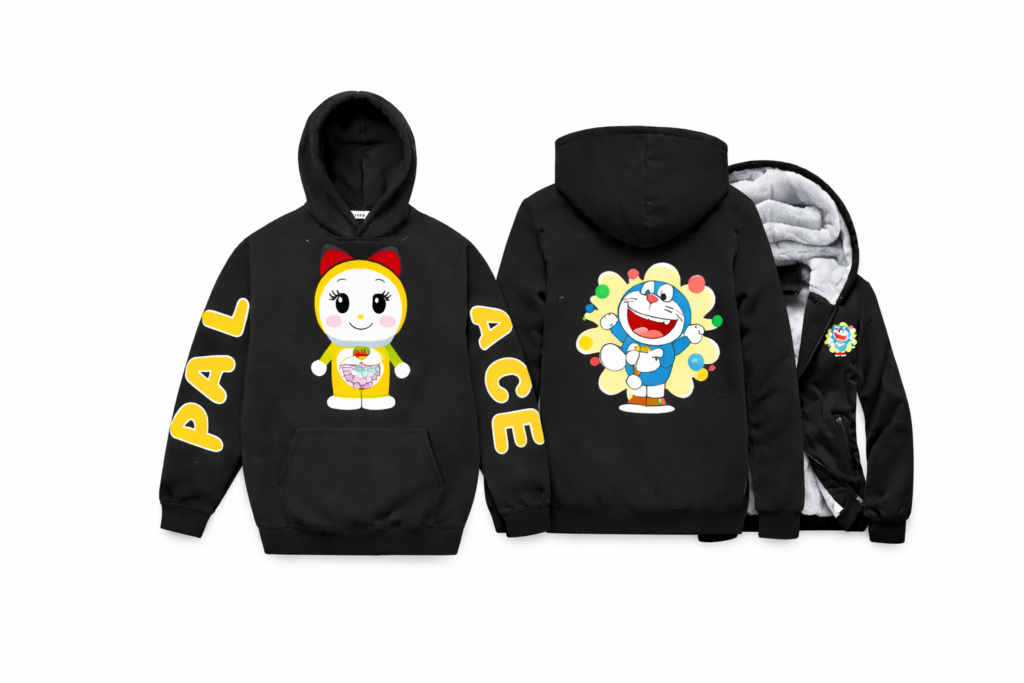
The impact of Doraemon on the fashion industry has been immense in the last ten years, especially in the casual and street fashion industry, where nostalgic characters and designs have become a huge trend. The brand has managed to turn its iconic characters into wearable art, making fashion a huge part of its product line. Some of the most popular fashion items include Doraemon hoodies, which come with bold designs of the character or his futuristic gadgets, combining comfort and design. Graphic t-shirts are another huge hit, allowing fans to display classic scenes from the anime series or nostalgic reinterpretations of the character in modern design trends.
Outerwear, such as jackets, has managed to incorporate subtle designs of Doraemon or patterns, which appeal to both young and old fans of the character who are looking for fashion-forward yet nostalgic clothing. Accessories such as caps, beanies, and backpacks have managed to offer fans a wide range of options to incorporate the character into their daily lives, while also showcasing the playful and futuristic nature of the character. In recent years, collaborations with top streetwear and footwear brands have managed to push Doraemon fashion from being casual to collectible fashion items.
These clothing and accessory lines show a perfect blend of nostalgia and the latest trends, giving fans the opportunity to express their identity while paying homage to a much-loved character. By incorporating character designs into everyday wear, Doraemon has ensured that it is not only a source of entertainment but also a lifestyle brand, connecting childhood nostalgia with the latest trends in streetwear and fashion.
Why Doraemon Clothing Works
The success of Doraemon clothing in the fashion and streetwear industry has been nothing short of phenomenal because it successfully marries nostalgia, simplicity, and easily recognizable character graphics. Nostalgia is the key to this success because Doraemon has been a part of many children’s childhoods for generations, and this emotional investment has helped create a loyal consumer base. Fans of all ages are attracted to clothing that allows them to express their nostalgia and display their personal connection to the character. The simplicity of the designs is also effective, as they often consist of simple, bold, and clean graphics and iconic elements such as Doraemon’s blue color, round shapes, and futuristic gadgets, making each item visually appealing without being too complicated.
The streetwear culture emphasizes identity, storytelling, and references to culture, and Doraemon clothing satisfies all these requirements. Each piece of clothing, whether it is a hoodie, t-shirt, or accessory, not only speaks of fashion but also of a common culture, which binds the wearer to the worldwide community of fans. By successfully combining design and emotional appeal, Doraemon clothing goes beyond the boundaries of mere character merchandise and instead positions itself as a statement of nostalgia and fashion-forward lifestyle choices.
Collectibles and Memorabilia
However, aside from the clothing, the collectibles and memorabilia market that Doraemon has cultivated and sustained is not only thriving but also extremely profitable. This market includes special edition figures that are carefully designed to embody not only the classic but also the modern take on the character, giving collectors a chance to own a piece of animation history. Plush toys are also a staple, appealing to younger fans as well as adult collectors who are looking for comfort items that double as nostalgic memorabilia.
Furthermore, gadget replicas, inspired by Doraemon’s famous inventions like the Anywhere Door, Time Machine, and Bamboo Copter, give fans a chance to own a piece of the fantastical world of the series, combining playfulness with display-worthy craftsmanship. Special edition items, created to commemorate special occasions like the 30th or 50th year of the franchise, for example, are often designed with elaborate designs and high-quality materials, making them highly collectible items that pay tribute to the character’s legacy and significance.
Collectors are attracted to Doraemon collectibles not only for their nostalgic value but also for their rarity and exclusivity, given the fact that many of these items are produced in limited editions. Apart from their sentimental value, these collectibles also have cultural significance, symbolizing the passing of many years of storytelling and animation excellence. By filling the gap between the sentimental value of childhood memories and the culture of collecting in the adult world, Doraemon collectibles enhance the brand’s presence in the market. The dynamic collectibles market thus ensures that Doraemon remains relevant and beloved across generations while also penetrating new markets in the lifestyle, fandom, and popular culture sectors.
Collaborations & Partnerships
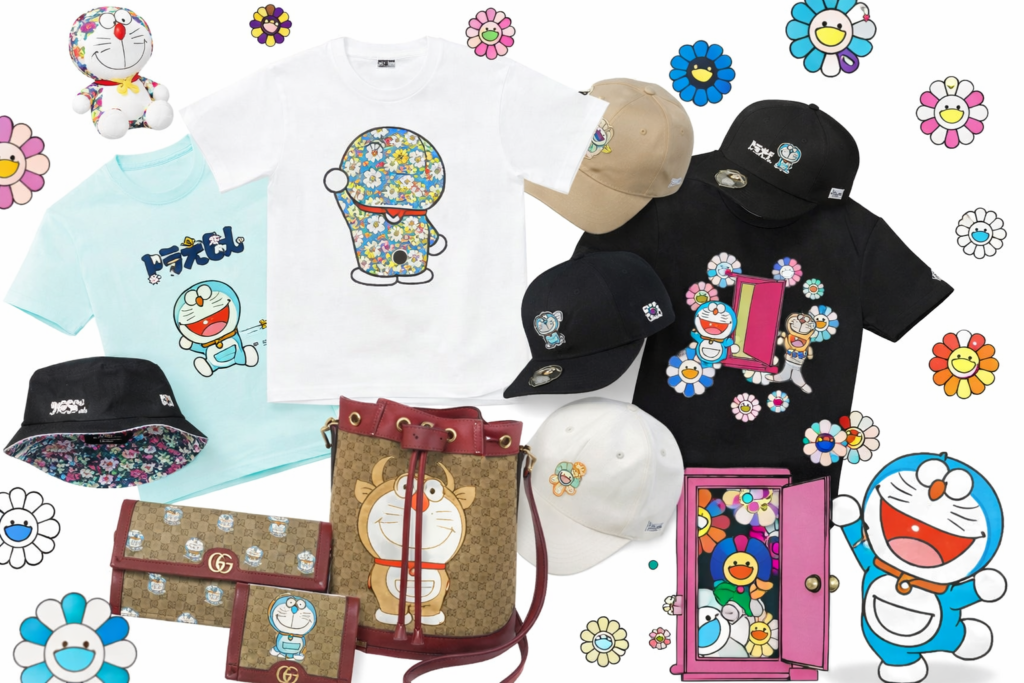
Doraemon has been extending its reach beyond the manga and anime series through collaborations and partnerships, making the character not only a pop culture icon but also a recognizable presence in the fashion, lifestyle, and luxury segments. The collaborations and partnerships of Doraemon over the years reflect its ability to keep pace with the changing trends of consumers while retaining its nostalgic and playful character.
One of the earliest collaborations of Doraemon was with Uniqlo in 2005, where the brand launched Doraemon-themed tees and clothing with classic illustrations and new interpretations. This was followed by limited edition collections in 2010 and 2015, which often coincided with the brand’s anniversary or the release of new anime series, focusing on accessibility and wearability. In 2018, Converse launched Doraemon-themed sneakers that included the character’s iconic gadgets, bright colors, and graphics, making functional footwear a collectible fashion accessory. Luxury fashion brands also partnered with Doraemon. In 2021, Gucci launched a capsule collection that included handbags, clothing, and accessories with playful Doraemon illustrations, combining nostalgic elements with high-quality materials and innovative designs.
Other collaborations include Casio Baby G watches in 2020, limited edition stationery and home wares with Sanrio’s “I’m Doraemon” line from 2021 to 2023, and tech-related merchandise with firms such as Xiaomi and third-party peripheral manufacturers from 2022 to 2025. These collaborations emphasize the futuristic elements of Doraemon while developing engaging, collectible, and lifestyle products. By 2026, collaborations for Doraemon continue to proliferate into the international fashion, tech, and lifestyle sectors, solidifying the brand’s relevance, importance, and capacity to connect childhood nostalgia with modern trends.
The key to the success of these collaborations is their capacity to integrate storytelling with product development, enabling fans to demonstrate their affiliation with the character through material culture. From streetwear to high fashion, Doraemon collaborations have made the character a complex lifestyle symbol with broad international appeal.
Licensing & Merchandising
The licensing and merchandising business of Doraemon has been one of the most important factors in its success, allowing the franchise to reach far beyond the manga and anime series into various markets around the world. By licensing brands the rights to use the imagery, colors, and gadgets of Doraemon, the franchise is able to ensure that the character is featured on a broad range of products while also maintaining a strict level of quality and consistency. The licensed products include clothing, accessories, footwear, home goods, stationery, and collectibles, allowing fans of the franchise to bring Doraemon into their everyday lives in a variety of ways.
Collaborations and licensing agreements have been important in allowing Doraemon to reach both mainstream and high-end markets. Collaborations with Uniqlo allowed for the creation of affordable and high-quality clothing and limited-edition lines that combined nostalgia with modern streetwear sensibilities. High-end collaborations with Gucci demonstrated the ability of the Doraemon franchise to incorporate its playful character into high-end fashion, featuring handbags, clothing, and accessories with unique design elements inspired by the franchise. Sportswear brands have also released Doraemon-themed sneakers and sportswear.Even technology firms have utilized licensing agreements to manufacture Doraemon licensed gadgets, electronics, and mobile applications, reaching out to fans in unique ways while further emphasizing the character’s futuristic concept.
The licensing and merchandising approach enables Doraemon to stay relevant in all sectors, reaching out to all ages and cultures. By leveraging emotional connections, nostalgia, and marketing flexibility, the brand has developed a self-sustaining platform where all products, whether wearable, collectible, or digital, contribute to the brand’s overall global visibility, appeal, and long-term value. This licensing approach ensures that Doraemon stays on top as both a cultural phenomenon and a commercially successful global brand.
Marketing Strategy & Brand Identity
The marketing plan of Doraemon is crafted in such a way that it not only creates an emotional attachment but is also globally accessible. The core of this marketing plan is the concept of nostalgia marketing, which leverages the strong emotional association that fans have with the character. Through the recall of memories associated with childhood adventures, school days, and stories of imaginative gadget-driven adventures, Doraemon creates a strong sense of loyalty among its fans and encourages them to engage with the merchandise, clothing, and media content.
Another important aspect of the marketing strategy of Doraemon is global localization. Doraemon has been localized into different languages and adapted for different cultures, ranging from Asia to Europe and the Americas. Localized television broadcasts, dubbed movies, and region-specific merchandise help to ensure that the themes of friendship, creativity, and problem-solving associated with Doraemon are universally appealing. Partnerships with popular brands, ranging from fashion to luxury and technology, further increase the visibility of Doraemon and position it as a cultural icon and a lifestyle statement.
Doraemon’s digital strategy supports this approach by using online streaming services to provide episodes worldwide, mobile games for interactive engagement, and social media campaigns to celebrate milestones, launch products, and keep fans talking. These digital engagement points not only keep the brand current with younger, more tech-savvy fans but also bring nostalgic fans into the fold with modern content. By marrying emotional connection, global flexibility, and digital engagement, Doraemon has created a marketing structure that maintains long-term brand power and global cultural relevance, solidifying its position as a beloved and iconic franchise.
Brand Strengths and Weaknesses
Doraemon’s enduring success can be attributed to several key strengths that reinforce its position as a global cultural and commercial icon.
Strong global recognition: the character is instantly identifiable across multiple countries and media platforms, supported by decades of consistent storytelling and iconic design.
Emotional connection with audiences: its narratives of friendship, responsibility, and imaginative problem solving resonate deeply, evoking nostalgia and fostering lifelong loyalty.
Wide product range and successful licensing model: spanning apparel, collectibles, stationery, video games, and tech products, providing diverse revenue streams and maintaining visibility across generations.
These strengths enable Doraemon to remain relevant to both nostalgic adults and new younger audiences, creating a multi-generational fan base.
Despite these advantages, the franchise faces certain weaknesses.
Heavy reliance on nostalgia: while nostalgia drives engagement among older fans, the franchise continuously attracts new audiences through modern anime reboots, 3D cinematic experiences, and interactive digital content that keep the character fresh and accessible to those unfamiliar with the original series.
Limited innovation in the core storyline: while the short-form TV episodes often follow familiar patterns, the franchise maintains engagement among older and more critical viewers through its annual feature films and 3D cinematic releases, which explore complex emotional themes, high stakes adventures, and character development beyond the standard formula.
Risk of over-commercialization: while extensive merchandising requires careful management, Doraemon maintains its cultural value and authenticity through strictly controlled, high quality partnerships that allow the character to remain a beloved icon even while competing with newer franchises.
By leveraging its strengths while addressing these weaknesses through strategic innovation and storytelling updates, Doraemon can continue to thrive as a global, multi-platform franchise while preserving its iconic cultural and emotional significance.
Market Position and Competition
Doraemon holds a distinct market position that bridges the gap between children’s entertainment and lifestyle fashion. Unlike most other franchises that tend to revolve around action, adventure, or high-energy content, Doraemon has a unique blend of relatable storytelling, moral values, and science fiction concepts that appeal to both children and adults who have grown up with the series. The franchise has managed to successfully venture into the lifestyle, streetwear, and merchandise markets, making Doraemon a multi-dimensional brand that combines nostalgia, fashion, and pop culture.
Doraemon competes in the market with other highly established global franchises such as Pokémon, Hello Kitty, Disney characters, and popular anime series like Naruto. These franchises are highly successful in terms of branding, merchandise, or action-packed storytelling and tend to use massive marketing campaigns to reach their audience. Doraemon, however, stands out in its emotional storytelling approach, which focuses on themes of friendship, development, and the struggles of everyday life. Its simplicity and cuteness, as depicted in its character and storytelling design, make it extremely easy to relate to, and the educational content embedded in its episodes teaches viewers about responsibility, creativity, and problem-solving.This combination of entertainment, moral lessons, and lifestyle appeal allows Doraemon to maintain a strong market position. By balancing nostalgia with innovation, the franchise continues to stand out as both a beloved children’s property and a versatile global brand in competitive markets.
Legacy and Future Vision
The legacy of Doraemon is measured by more than five decades of storytelling, influence, and cross-generational appeal. Since its inception in 1969 by Fujiko F. Fujio, Doraemon has transcended from being a manga and anime series to a global icon that symbolizes creativity, moral education, and imagination. The influence of the series has been evident in its multi-platform presence, ranging from traditional television series and blockbuster movies to merchandise, fashion collaborations, and digital content. By providing relatable storytelling experiences for audiences across the globe on themes of friendship, responsibility, and problem-solving, Doraemon has established a strong emotional connect with its audience, which has enabled it to reach across generations. The series’ significance was acknowledged in 2008 when Japan chose Doraemon as the anime ambassador to represent Japanese culture across the globe.
Doraemon’s future vision is to reach out to the global audience while keeping pace with contemporary consumer behavior trends. The series plans to utilize digital innovation, ranging from interactive apps to streaming services and virtual reality experiences, to connect with the younger generation who are primarily online consumers of media.Also, the expansion of the fashion and lifestyle business through limited edition items and collaborations with global brands is another area of focus, ensuring that the character stays relevant in today’s culture. Educational content with moral values continues to be an important part of the business, ensuring that the franchise stays relevant and timeless.
Through the careful mix of nostalgia and innovation, Doraemon aims to connect the past with the present, making it a multi-generational and globally recognized brand. The vision of the brand ensures that it stays relevant and inspires creativity and morality for years to come, making it a timeless icon of imagination and global pop culture.
Conclusion
Doraemon is far more than a robotic cat; it has become a global cultural phenomenon, a storytelling legacy, and a notable influence in fashion. Since its creation as a manga in 1969 by Fujiko F. Fujio, the franchise has grown into anime, feature films, video games, merchandise, and even fashion collaborations, demonstrating its ability to evolve while remaining relevant across generations. The character’s success lies in the seamless combination of nostalgia, creativity, and engaging storytelling, which resonates with children discovering the adventures for the first time as well as adults who grew up with the series. Doraemon’s influence has extended into contemporary fashion, where apparel, hoodies, jackets, and accessories allow fans to express personal identity while celebrating a beloved cultural icon. By bridging the gap between childhood memories and modern streetwear culture, Doraemon illustrates how a simple character can inspire emotional connections, shape trends, and maintain a lasting presence in global pop culture and lifestyle markets.
Frequently Asked Questions About Doraemon
1. What is Doraemon?
Doraemon is a robotic cat from the future who travels back in time to help a boy named Nobita Nobi, using futuristic gadgets to solve everyday problems and teach life lessons.
2. Who created Doraemon?
Doraemon was created by the Japanese manga artist duo Fujiko F. Fujio in 1969 and first published in Shogakukan’s children’s magazines.
3. What is Doraemon streetwear?
Doraemon streetwear refers to clothing and fashion items inspired by the character, including hoodies, t-shirts, jackets, caps, and accessories featuring his iconic design and gadgets.
4. Why is Doraemon popular?
Doraemon is popular globally due to its universal themes of friendship, creativity, responsibility, and imaginative storytelling that appeal to both children and adults.
5. What are popular Doraemon clothing items?
Popular items include graphic t-shirts, hoodies, jackets, caps, backpacks, and limited-edition or capsule streetwear collections.
6. How many Doraemon movies are there?
Over 40 feature-length films have been released, ranging from adventure stories to 3D CGI adaptations like Stand by Me Doraemon.
7. Is Doraemon a global brand?
Yes, Doraemon is recognized worldwide across anime, films, merchandise, fashion, and digital media platforms.
8. What makes Doraemon unique?
Its blend of humor, science fiction, moral lessons, relatable characters, and imaginative gadgets sets Doraemon apart from other franchises.
9. Does Doraemon have fashion collaborations?
Yes, Doraemon has partnered with brands such as Uniqlo, Gucci, Converse, and other lifestyle and fashion companies for clothing and collectibles.
10. Is Doraemon still relevant today?
Yes, Doraemon remains relevant through modern anime adaptations, global streaming platforms, mobile games, merchandise, and fashion collaborations.
11. Who are the main characters in Doraemon?
The main characters include Doraemon, Nobita Nobi, Shizuka Minamoto, Takeshi “Gian” Goda, and Suneo Honekawa, each contributing to the relatable and moral storytelling.
12. What are Doraemon’s most famous gadgets?
Iconic gadgets include the Anywhere Door, Time Machine, Take-copter, and Bamboo Copter, each driving imaginative storylines and moral lessons.
13. Has Doraemon received awards?
Yes, Doraemon has won multiple awards, including the Shogakukan Manga Award, Japan Cartoonists Association Award, and recognition as Japan’s anime ambassador.
14. Can adults enjoy Doraemon?
Absolutely. Its nostalgic appeal, humor, and life lessons make it enjoyable for both children and adult fans worldwide.
15. Where can I buy Doraemon merchandise?
Doraemon merchandise is available globally through online stores, official brand collaborations, fashion retailers, specialty shops, and digital marketplaces.
For collaborations, press, or inquiries, contact us at streeticonic1@gmail.com.
Naruto: Origins of a Global Ninja Phenomenon
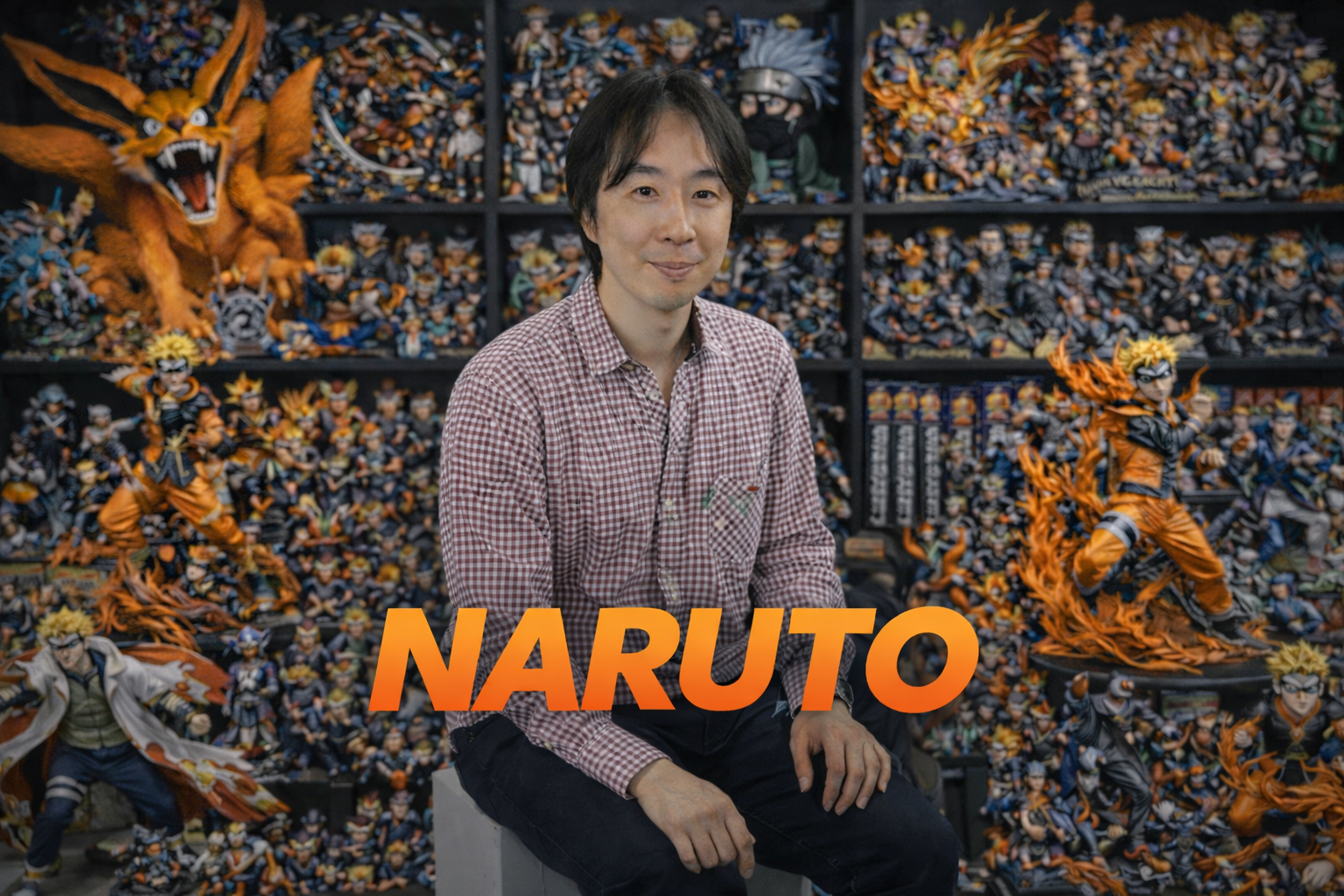
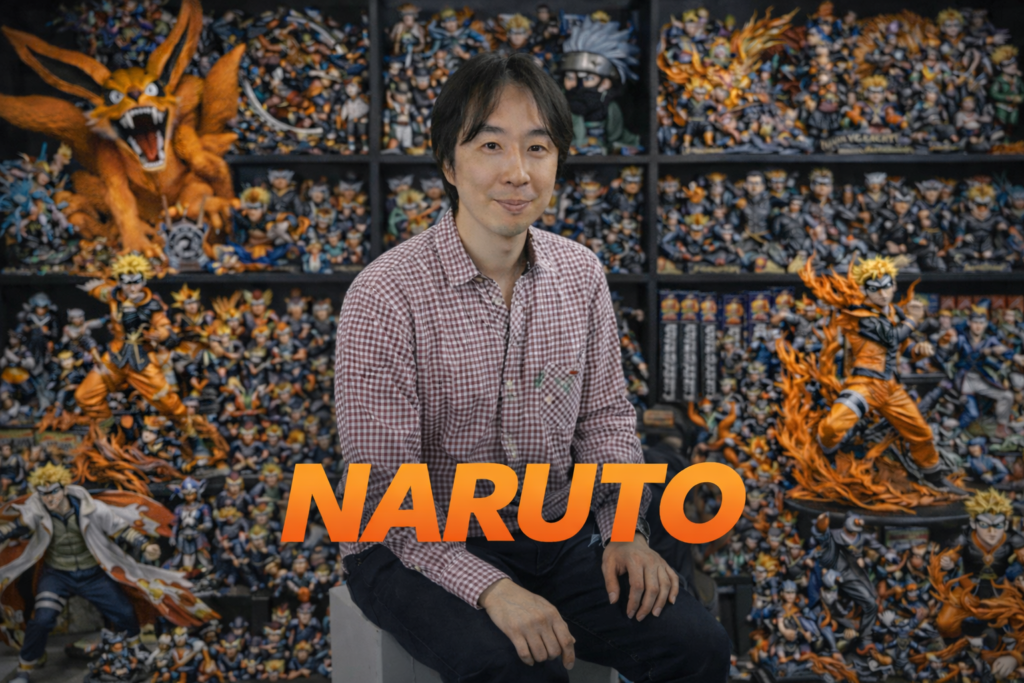
Naruto is a Japanese manga and anime series written and illustrated by Masashi Kishimoto. It was first published in the Japanese manga magazine Weekly Shōnen Jump on September 21, 1999. The series revolves around the character of Naruto Uzumaki, a young ninja from the Hidden Leaf Village who has the Nine-Tails Fox demon inside him and aspires to become the Hokage, the leader of the village, so that he can gain recognition from his fellow villagers. The Naruto series combines elements of coming-of-age, friendship, rivalry, perseverance, and redemption, which makes it one of the most iconic and influential youth-oriented manga series in contemporary Japanese culture.
Before the creation of Naruto, Kishimoto had some earlier works in the manga series. These include a one-shot manga series called Karakuri in 1995, which received an honorable mention in the Shueisha’s Hop Step Award. Kishimoto was inspired by his childhood favorites such as Dragon Ball and Japanese mythology. He created a one-shot series in 1997 for the Akamaru Jump series. The one-shot series had a fox spirit but did not include the ninja history and the hidden village that would later be featured in the Naruto series.
Kishimoto developed the idea over the years, emphasizing the life of ninja, struggles, and development. By the time the series was released in Weekly Shōnen Jump, Kishimoto had only developed the first chapter in detail and had created a world of ninja villages, ninja clans, chakra (a magical energy), and the connections between characters.
The theme of mutual acceptance, particularly evident in Naruto’s relationships with his classmates such as Sasuke Uchiha and Sakura Haruno, was one of the factors that set the series apart from other action manga series.
The Narrative Structure and World of Naruto
Naruto’s story is divided into two large story arcs titled Part I and Part II.
Part I centers around Naruto as a twelve-year-old odd boy who wants to be recognized as a ninja while learning life lessons through friendship and rivalry.
Naruto’s development is juxtaposed with Sasuke’s dark journey of seeking revenge, adding depth to the story.
Part II, published after a certain gap in time, revolves around Naruto as a teenager. In this part, Naruto is confronted with more dangerous challenges, including criminal groups like Akatsuki, and is forced to deal with the complexities of power and responsibility.
The Naruto universe is full of fictional history, ninja culture, and references to Japanese folklore.
Naruto’s jutsu (ninja techniques) hand signs have been taken from the Chinese zodiac and Kuji-in (Esoteric Buddhist hand seals), adding a real-world cultural aspect to the ninja techniques of the story. The design of Konoha Village takes cues from the Japanese countryside, mixing traditional elements with anachronistic elements such as contemporary shops and symbols.
Publication and Anime Adaptation
Serialization of the Naruto series occurred from 1999 to 2014 and consisted of 700 chapters and 72 volumes of manga published by Shueisha.
The series received immense popularity and was adapted into an anime series by Pierrot and Aniplex in 2002, which was broadcast on TV Tokyo.
The original anime series ran for 220 episodes before the sequel series, Naruto: Shippuden, was released in 2007 and concluded in 2017 with a total of 500 episodes.
The anime series was later dubbed and broadcast worldwide, introducing the concept of ninjas to a global audience.
In addition to the anime series, several movies were also released, some of which are still popular today for delving into side stories and character development.
Creation Insights: Kishimoto and His Vision
Masashi Kishimoto (born in 1974 in Okayama Prefecture, Japan) was inspired by art after seeing influential works such as Akira. His early manga work focused on character development and design, which influenced his storytelling style in Weekly Shōnen Jump.Kishimoto started working on several ideas, such as ninja legends, fox spirits, and demon lore, before settling on the Naruto universe that was introduced in 1999. For the next 15 years, Kishimoto worked tirelessly to ensure that the story was told to a massive audience, while keeping it rooted in the concepts of friendship, resilience, and self-acceptance.
However, Kishimoto’s designs were the key to the Naruto series’ transition into a global fashion phenomenon. Character designs, logos, and color schemes inspired licensed fashion items such as hoodies, graphic tees, sneakers, and lifestyle accessories.
Partnerships with brands such as Uniqlo, Converse, and BAPE brought fictional ninja costumes to the realm of fashion statements, which combined pop culture with streetwear. In this way, Kishimoto’s vision not only influenced the storytelling process but also the multi-generational cultural movement that transformed the Naruto anime series into a global lifestyle phenomenon.
Major Characters and Teams
The world of Naruto is also shaped by its setting, but more so by its characters who are varied and complex. At the forefront is Naruto Uzumaki, the protagonist who battles social isolation, prejudice, and his own personal demons. Naruto is first introduced as a troublemaker, but his strength, hope, and refusal to give up win him friends and acceptance in the end.
Sasuke Uchiha, the rival and friend of Naruto, is the epitome of the dark side of ambition and revenge. Sasuke’s fixation on avenging his clan brings in the elements of morality, loyalty, and redemption. His complicated relationship with Naruto propels the series’ emotional and plot-driven conflict.
Sakura Haruno, who is introduced as a supporting character, later develops into a strong ninja with medical knowledge and incredible strength. Her character development focuses on her personal growth, tenacity, and the strength of support and teamwork.
The Konoha 11, a set of young ninjas including Naruto, Sakura, Shikamaru, Ino, Choji, Neji, Hinata, Kiba, Shino, Rock Lee, and Tenten, is the core of the early storylines. Each of the characters has individual strengths, abilities, and personalities, making for a well-rounded set that delves into the concepts of friendship, rivalry, and teamwork.
Team 7, with members Naruto, Sasuke, Sakura, and their leader Kakashi Hatake, is one of the most popular teams. Kakashi’s leadership is a blend of ninja training and life teachings, making him a mentor character whose advice and composure have a great impact on Naruto’s growth.
Other important characters in the series include Jiraiya, the roving sage who trains Naruto; Tsunade, the fifth Hokage; and Itachi Uchiha, whose sad past gives the series depth. The Naruto series has an enormous cast of characters, all of whom play their part in the larger story.
Key Story Arcs and Battles
The story of Naruto Uzumaki is told through increasingly complex story arcs that enhance character development and the geopolitical dynamics of the ninja world. The first major turning point comes with the Chunin Exams arc. The Chunin Exams are presented as an international tournament organized by Konohagakure. The exams assess young ninjas through written intelligence tests, survival missions, and combat tournaments.
However, the arc also shows underlying conflicts between the villages and the impending danger of Orochimaru, whose invasion results in the death of the Third Hokage, Hiruzen Sarutobi. This event sets the tone for the series’ theme of the ninja world being one of sacrifice, turmoil, and intergenerational conflict.
The emotional core builds with Sasuke Uchiha’s betrayal. Driven by a desire for revenge, Sasuke leaves the village to seek power under Orochimaru’s tutelage. The battle between Naruto and Sasuke at the Valley of the End is both literal and ideological, fundamentally changing both characters and foreshadowing their rivalry.
The Pain Invasion arc symbolizes Naruto’s evolution into a hero. The villain Pain (Nagato), head of Akatsuki, wrecks Konoha to obtain the Nine-Tails. Naruto’s choice to fight back with compassion disrupts the cycle of hatred that exists in the world. The Fourth Great Ninja War is the culmination of years of development, bringing all the characters together against Obito Uchiha, Madara Uchiha, and Kaguya Otsutsuki, while also resolving the ideological struggle between Naruto and Sasuke.
Apart from the storyline, these large story arcs have fueled the cultural development of Naruto from animation to fashion and lifestyle. Famous battles, costumes, and logos have contributed to licensed fashion, hoodies, and sneakers, connecting anime storytelling to the global streetwear scene.
Uniqlo, Converse, and BAPE have used the series’ imagery to create wearable fashion, enabling fans to showcase their love for Naruto’s story through their personal style.
Naruto Streetwear Influence
The cultural impact of Naruto was further extended to the international streetwear scene in the late 2010s as anime culture broke into mainstream youth fashion. Japanese retailer Uniqlo launched a line of graphic tees with manga artwork and character designs.
Collaborations with footwear brands Converse included symbols and color schemes from the iconic costumes of the series, while A Bathing Ape took on the series from a hype culture standpoint with limited edition hoodies and sneakers. These drops showed how anime culture went from being a subculture to a dominant aesthetic in streetwear.
Naruto Character Fashion and Design
In-world fashion trends were also influential in the real world. Character costumes rely on powerful silhouettes and color symbolism to convey character traits and story roles. Naruto’s orange costume symbolizes his need for recognition, while darker colors convey a sense of revenge or isolation in other characters.
The Akatsuki cloak is one of the most iconic garments in the anime world, being widely used in cosplay and street fashion interpretations. Functional details such as headbands, pouches, and layered clothing also resonated with contemporary fashion trends that emphasize practical, military-inspired designs.
Naruto Figures and Premium Collectibles
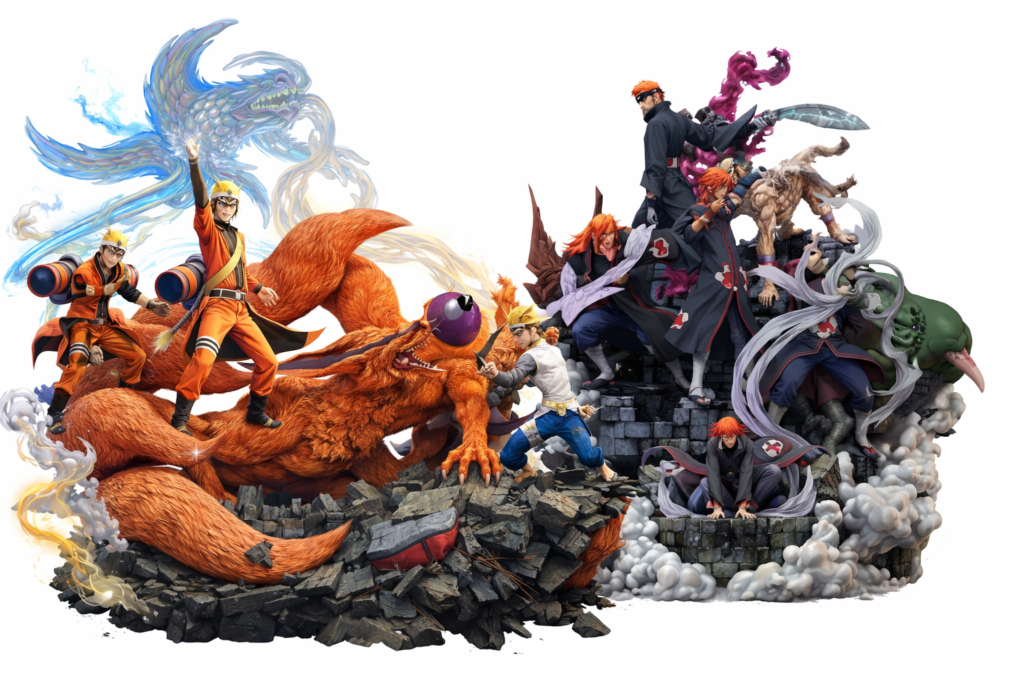
Collectibles are a significant sector of the franchise’s ecosystem. There have been articulated action figures since the early 2000s, produced by companies such as Bandai, targeting both kids and adult collectors. High-end manufacturers opened the market with detailed statues of dramatic battle scenes.
Good Smile Company launched lines of collectibles with a focus on fans who like to display their merchandise, while Funko brought anime merchandise into the mainstream with vinyl figures that were affordable and accessible. The market eventually shifted towards adult collectors who are looking for nostalgia, quality, and exclusivity.
Naruto Apparel and Lifestyle Merchandise
However, aside from the numbers, the wearable merchandise like shirts, hoodies, jackets, and footwear has become an integral part of the Naruto collectibles culture. Licensed merchandise includes fan wear to niche lifestyle products. Some of these products take inspiration from shinobi uniforms through technical materials, sporty cuts, or symbolic elements instead of graphic representations. The success of these products indicates a change in fandom behavior.
Fans are now incorporating entertainment characters into their everyday lives through clothing and accessories that convey nostalgia, inspiration, and connection to characters. This change has transformed the Naruto anime series into a lifestyle brand that encompasses fashion, collectibles, and cultural identity.
Naruto Licensed Apparel: Graphic Shirts, Hoodies, and Skate Culture Crossovers
Aside from statues and figures, another large part of collectibles is licensed lifestyle apparel that serves as functional fan items rather than display pieces. Graphic tees and hoodies distributed through Hot Topic and licensing agent Bioworld Merchandising regularly incorporate embroidered clan marks, manga panel graphics, and simple logos optimized for casual wear.
Unlike high-end fashion collaborations, these items prioritize price and mass market appeal, catering to a younger demographic and anime newcomers. Skate culture also crossed over with anime merchandise through brands like Primitive Skateboarding, which released decks, jerseys, and streetwear-inspired hoodies that tied fandom to skate culture, further expanding its reach into niche lifestyle segments beyond the collector demographic.
Naruto Footwear and Performance-Inspired Merchandise
Collectibles have expanded from sneakers to comfort and novelty items. Partnerships with Crocs brought character-themed clogs with removable charms based on ninja headbands and symbols, catering to both collectors and those who want fun fashion statements.
Another new market is performance-inspired athletic wear such as jerseys, compression clothing, and tech jackets based on shinobi attire but designed for gym or outdoor activities. These products exist because the modern concept of fandom has merged with everyday identity expression. Fans do not distinguish between hobbies and fashion choices, making clothing a wearable expression of entertainment preference and character affiliation.
Naruto Collaborations and Special Releases
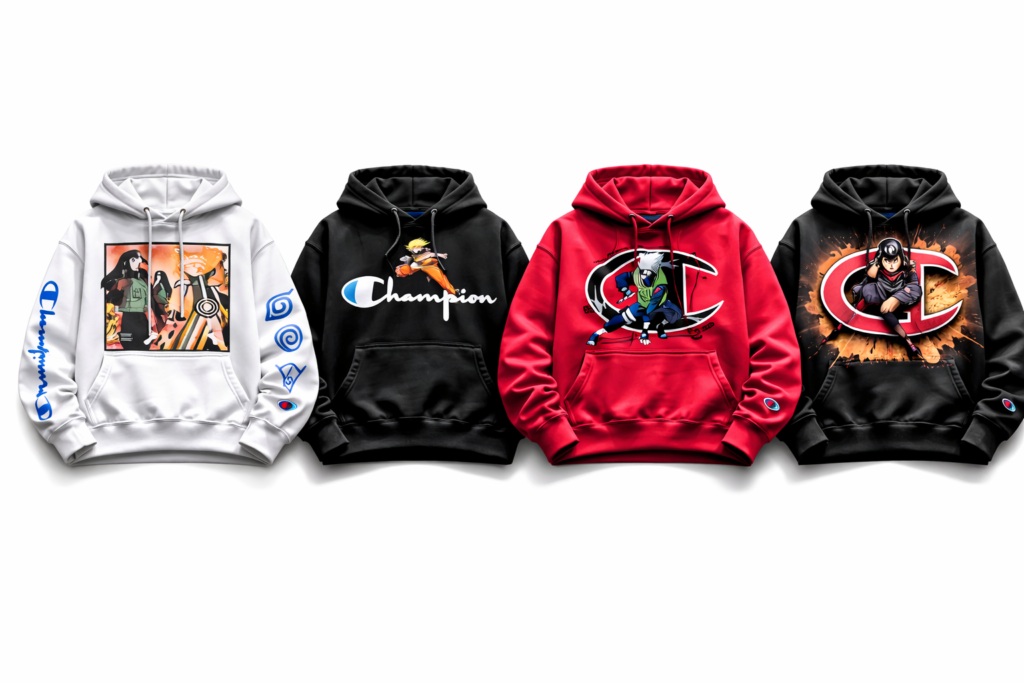
Over the years, Naruto has collaborated with a wide range of international brands beyond traditional clothing and collectibles, expanding its influence across fashion, lifestyle, and pop culture.
One of the most prominent partnerships was with Champion, which introduced a highly anticipated capsule collection blending Champion’s classic athletic heritage with Naruto’s iconic ninja imagery. The collaboration featured hoodies, sweatshirts, and sportswear pieces adorned with bold character graphics, Hidden Leaf Village symbols, and manga-inspired prints. This partnership stood out for merging street-ready sportswear aesthetics with anime storytelling, making it especially popular among both anime fans and streetwear enthusiasts.
Naruto also collaborated with Puma, combining ninja-inspired design elements with modern sneaker technology. These releases often incorporated character-themed color palettes and subtle detailing inspired by key story arcs. Similarly, partnerships with brands like Keeppley allowed fans to recreate memorable scenes through construction sets, blending creativity with collectible culture.
Even high-end fashion houses have embraced the franchise. For instance, Coach released a line of bags and accessories that subtly integrated ninja motifs and character references, successfully bridging luxury fashion and anime culture.
Anime and streetwear brands continue to incorporate Naruto imagery into seasonal or event-driven collections. Team Liquid launched exclusive apparel collaborations inspired by the series, while Hot Topic frequently releases limited-edition capsule collections tied to anniversaries, manga milestones, or anime releases. These drops often feature character-inspired color schemes, dynamic battle artwork, and symbolic patterns drawn from the Naruto universe.
Beyond apparel, technology accessories have also joined the trend, with co-branded phone cases, headphones, and backpacks translating narrative elements into functional, everyday products. By combining storytelling with design innovation, these collaborations transform Naruto from a beloved anime series into a lifestyle-driven cultural force—appealing to longtime fans and new audiences seeking unique, limited-edition merchandise.
Cultural Impact and Global Reception
Naruto has broken free from the boundaries of Japanese manga culture to become a phenomenon that has spread across the globe. The anime and manga series have been translated into dozens of languages and have reached millions of fans across the globe. The reason for its success is the universal message of perseverance, friendship, and the pursuit of one’s dreams.
Merchandise, video games, novels, and movies have further helped the spread of Naruto. Symbols such as the headband of the Hidden Leaf Village or the emblem of the Uchiha clan are recognized across the globe. Partnerships with fashion brands, collectible toys, and mobile games have further helped to establish its cultural significance.
The series has inspired countless other manga and anime series. Its character-based storytelling, moral dilemmas, and epic storylines have inspired many creators. Cosplay, fan art, and online communities continue to be active, and this is a testament to its lasting impact.
In educational and social contexts, Naruto is frequently used as an example of how media can be used to transmit messages of resilience, empathy, and ethical decision-making, and this is a testament to its impact that extends beyond entertainment into cultural literacy and youth identity formation.
Legacy and Influence on Anime and Youth Culture
The impact of vNaruto goes beyond the pages and episodes of the series. As a tale of perseverance, friendship, and self-discovery, it has influenced the worldview of millions of young fans across the globe. The series shows that even those who are weighed down by trauma and loneliness can achieve greatness through hard work, strong values, and the strength to overcome personal struggles.
The messages of empathy, understanding, and overcoming cycles of hatred are very timely, especially among the youth. The transformation of Naruto from a rejected orphan to the revered Seventh Hokage is a model for resilience and leadership. This has encouraged millions of fans to overcome their own struggles, whether personal, academic, or social.
In terms of popular culture, Naruto helped popularize anime as a mainstream form of entertainment. Its airing in non-Japanese countries exposed millions of fans to Japanese storytelling, martial arts action, and complex storylines. The series also inspired other anime writers, who borrowed from its rich world-building, complex character development, and moral complexities.
The existence of cosplay groups, fan art communities, and social media forums for Naruto fans is a testament to its continued presence in popular culture. Iconic symbols like the Rasengan, the Sharingan, and the Konoha headband have become instantly recognizable, while its memorable quotes and life lessons permeate fan discussions, conventions, and educational discourse on perseverance and morality.
Boruto: The Next Generation and the Continuation of the Naruto Universe
Based on the conclusion of Naruto, the series has continued with Boruto: Naruto Next Generations, which revolves around the children of the original characters. Boruto Uzumaki, the son of Naruto and Hinata, is the main protagonist, who faces new challenges in a world created by the peace and alliances created by the previous generation.
Boruto introduces viewers to a mix of traditional ninja culture and modern technology, as it explores how the new generation copes with technology, global unity, and new threats. The series is dominated by themes of legacy, parent-child relationships, and identity. Unlike Naruto, who was raised in a world of adversity and exclusion, Boruto struggles with living up to his name and finding his own place in the world.
Although Boruto is an extension of the Naruto series, it also pays homage to the original series by featuring old characters in a mentorship capacity. Naruto as Hokage symbolizes the culmination of his entire life journey, which provides inspiration and leadership to the new generation.
The Boruto series also delves into global threats and complex conflicts, which symbolize the current trend of storytelling in anime.Advanced technology, scientific ninja tools, and evolving villain dynamics create a more complex and mature narrative while retaining the core emotional and ethical lessons that defined Naruto.
Key Takeaways
Naruto is more than just a manga or anime; it is a cultural phenomenon that has inspired fans across generations. Its success stems from:
Relatable Character Growth
Naruto presents characters who face real challenges, make mistakes, and evolve over time. Their struggles and triumphs resonate deeply, allowing many fans to connect with their journeys on a personal level.
Enduring Themes of Perseverance
The series emphasizes resilience, courage, and moral conviction. Through constant obstacles, characters demonstrate that determination, self-belief, and the support of others can overcome even the most difficult situations.
Masterful Storytelling
Naruto blends intimate, emotional moments with large-scale conflicts, incorporating both character-driven narratives and epic battles. This combination keeps audiences engaged while deepening their connection to the story.
Cultural and Generational Impact
From influencing global anime audiences to inspiring fashion, Naruto streetwear, and collectibles, the franchise has left a lasting imprint. Its legacy continues through Boruto, introducing new themes and challenges to a new generation of fans.
From Naruto’s early days as an orphan seeking recognition to his eventual status as Hokage, the story reinforces that resilience, empathy, and determination can overcome adversity, leaving a lasting imprint on both anime and popular culture worldwide.
Conclusion
Naruto is more than a ninja story; it is a path of growth, overcoming, and friendship that has stood the test of time. Through the struggles and victories of Naruto Uzumaki, the series conveys the value of self-belief, the joy of relationships, and the power of never giving up in the face of insurmountable challenges. From the Hidden Leaf Village to the battles with mighty enemies, the Naruto series is a testament to the strength of courage, determination, and the power of mentorship. The series’ popularity has transcended the realms of anime and manga and has inspired a global fashion phenomenon in the form of Naruto streetwear, collectible apparel, and lifestyle products.
Frequently Asked Questions About Naruto
1. Who is Naruto Uzumaki?
Naruto Uzumaki is the main protagonist, a spirited ninja of the Hidden Leaf Village who dreams of becoming Hokage and earning recognition from his peers.
2. What is the Naruto series about?
The series follows Naruto’s journey from a mischievous orphan to a skilled ninja, focusing on friendship, rivalry, and the pursuit of dreams.
3. Who are Naruto’s closest friends?
Sasuke Uchiha, Sakura Haruno, and Kakashi Hatake are his closest friends and mentors, forming Team 7 and supporting him through challenges.
4. What is the significance of the Nine-Tails Fox?
Kurama, the Nine-Tails Fox sealed inside Naruto, gives him immense chakra and power while also challenging him to control his emotions and gain acceptance.
5. Who is Sasuke Uchiha?
Sasuke is Naruto’s rival and friend, a talented ninja from the Uchiha clan seeking revenge for his family while navigating loyalty and redemption.
6. What role does Sakura Haruno play?
Sakura is a kunoichi and medical ninja of Team 7, known for her intelligence, combat skills, and emotional support for her teammates.
7. What is the Chunin Exams arc?
The Chunin Exams is a major tournament testing young ninjas’ skills, teamwork, and intelligence, introducing key characters and conflicts in the series.
8. Who is Kakashi Hatake?
Kakashi is Team 7’s mentor, a highly skilled ninja known as the “Copy Ninja” for his Sharingan, guiding Naruto, Sasuke, and Sakura.
9. What are Naruto’s signature abilities?
Naruto is known for his Shadow Clone Technique, Rasengan, and Sage Mode, combining strategy, stamina, and chakra-based powers in combat.
10. What is the significance of the Hokage title?
Hokage is the leader of the Hidden Leaf Village, symbolizing strength, wisdom, and recognition—Naruto’s ultimate dream and goal.
11. Who are the main villains in Naruto?
Major antagonists include Orochimaru, Akatsuki members like Pain and Itachi, and Kaguya Ōtsutsuki, each challenging Naruto and his friends morally and physically.
12. How does Naruto’s character develop?
He grows from a mischievous, lonely boy into a respected hero, learning responsibility, compassion, and the importance of friendship and perseverance.
13. What role does the Akatsuki play?
Akatsuki is a group of rogue ninjas seeking the tailed beasts, creating conflict, danger, and high-stakes battles throughout the series.
14. What is Naruto’s impact on culture?
Naruto has influenced anime, manga, gaming, streetwear fashion, and global youth culture, inspiring fans worldwide with its themes of determination and courage.
15. How does Naruto end?
Naruto achieves his dream of becoming Hokage, reconciles with Sasuke, protects his village, and establishes peace, completing his journey from an underdog to a hero.
For collaborations, press, or inquiries, contact us at streeticonic1@gmail.com.
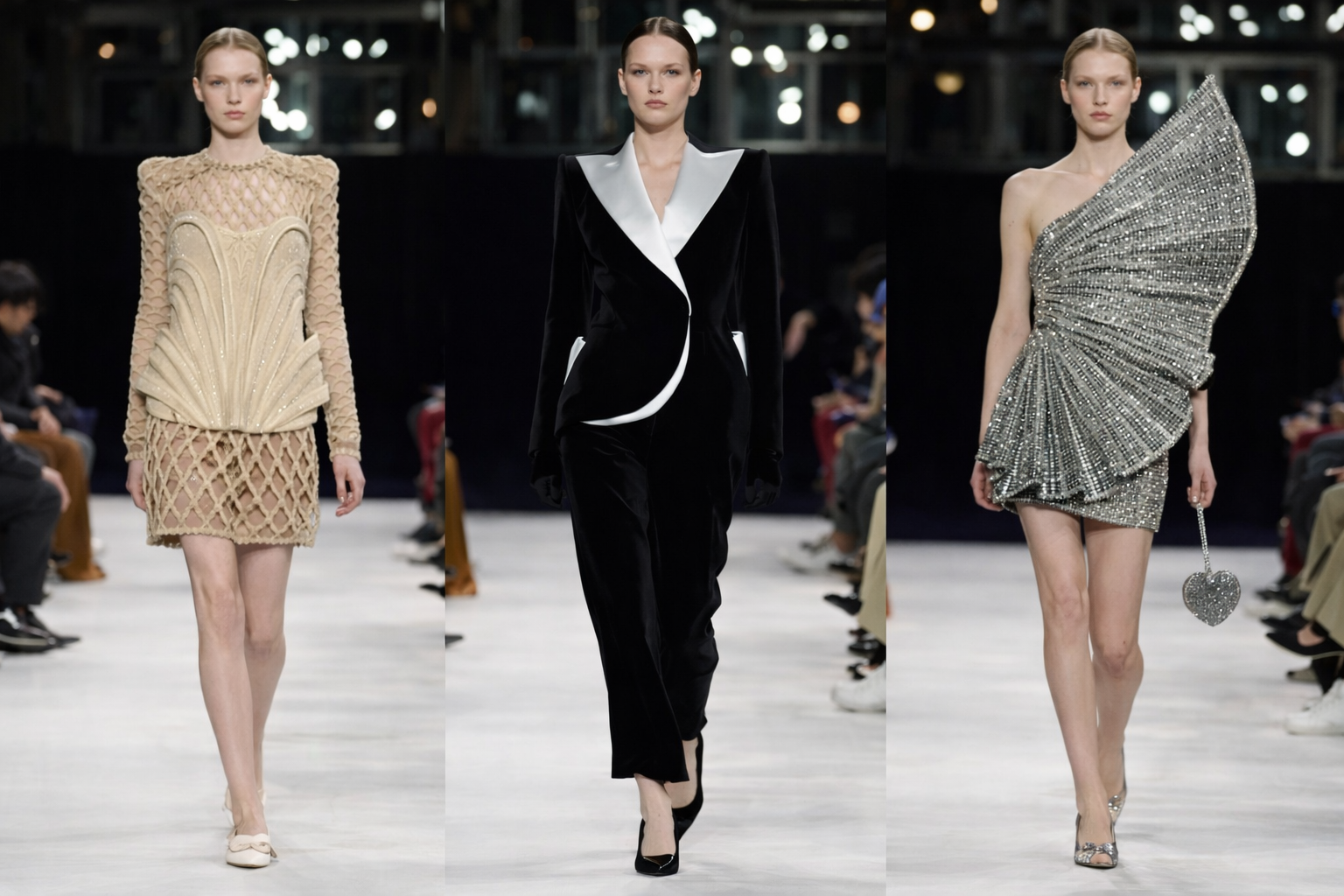
Balmain Collaboration History stands among the most recognized French fashion houses in modern culture. The label connects couture history with celebrity culture, music performance, and global retail projects. Collaborations sit at the center of this expansion. They act as cultural bridges between luxury fashion and mass audience platforms. This article studies Balmain collaborations through history, design language, cultural symbolism, and market effect. The emphasis remains on verified history, creative direction, and social meaning as opposed to hype. Now, let’s dissect this. Collaborations with Balmain demonstrate how a couture house can project its identity over various forms of media, performance, and products while maintaining its visual control.
Balmain projects rarely feel random. Each partnership reflects power dressing, stage presence, and visual drama. These elements trace back to the house founder and continue through modern leadership periods. When Balmain joins another brand, the result usually carries armor-like tailoring, strong silhouettes, and decorative intensity. This pattern appears again and again across collaboration history.
Early Life and Education
The fashion house was founded by Pierre Balmain in Paris in 1945. Pierre Balmain studied architecture at the École des Beaux Arts before pursuing fashion education. This background in architecture influenced his perception of clothing design. He approached clothing as if it were a designed structure that could move with the wearer’s body. Balmain trained with Robert Piguet and Lucien Lelong before establishing his fashion house. His first collections were for the post-war Parisian society and the international elite. Movie stars and royalties wore Balmain in the late 1940s and 1950s. This built early prestige and global recognition.
Pierre Balmain described dressmaking as movement architecture. That statement reveals his design logic. Garments required balance, geometry, and disciplined line control. This philosophy later helped the house maintain identity even when creative directors changed. Collaborations decades later still reflect this structural mindset through bold shoulders, fitted waists, and controlled line flow.
Rise Within Balmain
The house passed through several creative eras after Pierre Balmain. Each era adjusted style language while preserving couture authority. A major cultural shift arrived when Olivier Rousteing became creative director in 2011. He was very young at appointment time. He brought a strong media presence and celebrity network. He expanded Balmain into music culture, red carpet visibility, and social media conversation.
Rousteing built what the press later called the Balmain Army. This referred to a circle of musicians, actors, and models who wore Balmain in public appearances and performances. This circle included global pop figures. The label gained constant visual exposure through concerts, award shows, and digital platforms. Collaborations increased during this era because the brand already lived inside popular culture channels. Partnership projects felt like natural extensions rather than side experiments.
Balmain moved from salon prestige to cultural visibility across youth audiences. Collaborations became one of the main tools used to reach new consumer groups without removing couture identity.
Design Philosophy and Creative Vision
Balmain design language centers on authority, glamour, and controlled aggression. Garments often show strong shoulders, narrow waists, military references, and dense surface decoration. Gold hardware, embroidery, and sculpted jackets appear frequently. This creates a visual message of power and performance readiness.
Stage wear plays a large role in Balmain design thinking. Many pieces look prepared for spotlight conditions. Cameras, bright lights, and long distance viewing shape design decisions. High contrast detail reads well on stage and screen. This matters when studying collaboration choices. Many Balmain partners come from music, performance, or spectacle driven industries.
A collaboration partner must support three Balmain values. Visual strength comes first. Cultural visibility comes second. Performance context comes third. When these three appear together, a Balmain partnership feels coherent.
Innovation and Technical Experimentation of BALMAIN
Balmain collaborations often act as testing grounds for new material treatments and production methods. Capsule projects allow the house to try fabrication ideas outside runway schedules. These include molded leather, metallic textiles, engineered denim, and performance fabrics adapted to couture silhouettes.
Music related partnerships encourage work with wearable technology and sound culture objects. Beauty and fragrance partnerships allow sensory translation of brand identity into scent and packaging design. Toy and pop icon partnerships allow experimentation with color systems and graphic language outside tailoring.
Each collaboration acts like a controlled laboratory. The house tests visual codes in a new product class. Results influence later runway collections. This feedback loop appears across several Balmain partnership cycles.
BALMAIN Approach to Collaborations
Balmain selects partners based on cultural reach and symbolic fit. The house favors partners with strong visual identity and global audience presence. Music brands, performance platforms, athletic labels, and mass retail giants appear repeatedly in Balmain partnership history.
Balmain garments communicate best when worn publicly and photographed widely. A collaboration multiplies those public moments. The partner supplies distribution or stage access. Balmain supplies visual authority and couture codes.
Most Balmain collaborations use capsule structure. Capsule format keeps product range tight. This protects brand image and maintains scarcity appeal. The capsule usually echoes runway themes already present in seasonal collections. This creates visual continuity between the main line and partnership line.
Noticeable Collaborations of BALMAIN
Our Favorite Balmain Collaborations
For more than seven decades, Balmain has produced garments that reward long term appreciation and visual recognition. The Parisian fashion brand has established its identity through structured tailoring, ceremonial elements, and strong silhouettes. Contemporary Balmain has extended this legacy through high-profile collaborations in retail, music, sports, technology, and popular culture. These partnerships extend house design codes into new product categories while keeping visual authority intact.
The foundation of Balmain design lies in architectural structure, strong shoulders, fitted lines, and decorative intensity. This philosophy appears across collaboration projects where capsules translate runway language into accessible formats without removing signature elements. Common Balmain values repeated across partnerships include:
- Structured silhouette
- Decorative strength
- Performance presence
- Visual authority
- Cultural visibility
Balmain was founded in 1945 by its founder, Pierre Balmain, who studied architecture before becoming a fashion designer. He thought that fashion is a “moving piece of engineering.” This philosophy of fashion is still reflected in the direction of the brand. Collaboration design also reflects this in sculpted silhouettes, metal hardware, and uniform details.
The collaboration activity increased under creative director Olivier Rousteing, who joined the brand in 2011. He brought Balmain into the orbit of international celebrities and music culture. This put the brand on concert floors, at awards shows, and on social media platforms. Collaborations became events, not just product drops.
Balmain focuses on partners with global recognition and high visibility platforms. Music brands, athletic labels, broadcast runway shows, and mass retailers appear often in its partnership history. Capsule scale releases protect brand clarity and create collector interest. Many drops sell out quickly because supply stays tight and media attention stays high.
Authenticity remains central in partner selection. Balmain works with category specialists such as sportswear companies, audio manufacturers, and beauty houses. This protects product credibility and construction quality. Balmain collaboration history shows how a couture house can expand reach across industries while keeping strong and consistent visual identity.
Balmain x H&M (2015)
Balmain and H and M released their collaboration in November 2015. Olivier Rousteing announced the project publicly at the Billboard Music Awards with celebrity support on stage. The collection translated Balmain runway signatures into lower price garments and accessories. Structured jackets, embroidery, bandage dresses, and military details appeared throughout the capsule.
Store lines formed overnight in major cities. Online stock sold out quickly after release. This drop marked one of the most commercially successful designer and mass retailer partnerships of that decade. It also introduced Balmain visual language to a younger global audience who had never purchased couture or luxury ready to wear.
Here is why this project mattered. It shifted Balmain from a celebrity wardrobe label to youth culture reference point. Social media activity around the launch reached millions of interactions within days. The collaboration also confirmed that heavy ornament and couture silhouette could survive price translation when design control stayed strict.
The collection followed Rousteing’s early Balmain seasons closely. He did not simplify identity. He compressed it into accessible fabrication and pricing. That decision preserved brand recognition across all price tiers.
Balmain x Victoria’s Secret (2017)

Balmain collaborated with Victoria’s Secret for the 2017 fashion show and capsule launch. This marked the first time Victoria’s Secret invited a Paris luxury house to co design runway looks and a retail capsule. The runway segment presented punk influenced lingerie and garments with leather, studs, and metal hardware.
Stage context played a central role. Victoria’s Secret shows operate as global broadcast events with music performances and celebrity casting. Balmain design language fits that environment well because garments read strongly under stage lighting and camera zoom. The collaboration amplified Balmain visibility across mainstream broadcast channels.
The capsule collection was launched after the fashion show and consisted of lingerie and clothing items inspired by the fashion show segment. Fans could buy items of what they had seen on the runway. This connected spectacle viewing with direct consumer access.
This partnership linked couture attitude with lingerie performance culture. It also showed how Balmain codes adapt to body focused garments without losing authority.
Balmain x Puma (2016 to 2019)
Balmain and Puma produced multiple capsule collections across several seasons. These projects combined luxury fashion codes with sportswear product types. Sneakers, track pants, boxing inspired garments, and athletic silhouettes appeared across releases. Campaigns often featured global pop figures and athletes.
Sportswear partnerships require movement compatibility. Balmain adjusted tailoring intensity to allow flexibility while preserving bold visual markers. Metallic finishes, strong color blocking, and logo prominence appeared across items.
Let’s break it down. This collaboration placed Balmain inside streetwear and athletic retail channels. It connected couture image with gym and performance culture. That connection helped Balmain reach male consumers and sneaker audiences more directly.
The Puma capsules also supported concert wardrobe and performance styling for associated celebrities. This kept the garments visible in motion rather than only in editorial photography.
Balmain x Beats(2017)
Balmain worked with Beats on luxury versions of popular audio products. Headphones and audio accessories received Balmain visual treatment through color, finish, and branding detail. Music culture stands close to Balmain identity because many brand ambassadors come from recording and performance fields.
Audio devices function as public objects worn on the body. This makes them fashion adjacent. Balmain design treatment turned tech hardware into style statements. Gold accents and bold finishes matched house decoration language.
This project extended Balmain beyond clothing into lifestyle hardware. It showed that brand codes can apply to sound culture objects without losing coherence.
Balmain x Beyoncé Stage Wardrobe Collaboration (2018)
Balmain created a stage wardrobe for Beyoncé’s major festival performance in 2018. The house later released a capsule inspired by those performance looks. The garments referenced collegiate symbolism and historical Black college culture themes presented during the show.
Stage costume collaborations differ from retail capsules. They exist first as performance garments. Later they may become consumer products. Balmain translated performance symbolism into wearable items for public purchase after the event.
This collaboration linked Balmain to cultural history, music performance, and identity symbolism. It showed how couture construction methods support high movement stage choreography.
Balmain x Barbie (2022)
Balmain partnered with Barbie on a fashion collection and digital avatar project. The capsule included clothing and accessories using pink color systems and graphic references tied to Barbie visual heritage. The project also included digital fashion pieces for virtual environments.
This collaboration joined couture fashion with toy culture and digital identity spaces. It targeted both collectors and younger audiences familiar with Barbie symbolism. Pink tailoring and logo treatments blended Balmain authority with pop icon playfulness.
Here is why this project stands out. It connected luxury fashion with both physical and virtual product categories at the same time. It also showed how Balmain codes operate inside strong color narratives rather than only black and gold military palettes.
BALMAIN’s Luxury Revival
Balmain collaborations reshaped how heritage houses interact with mass platforms. Traditional couture labels once avoided mass partnerships. Balmain proved that controlled capsule partnerships can expand reach without erasing identity. Visual discipline made that possible.
The house keeps silhouette control across partnerships. This consistency protects brand memory. Consumers recognize Balmain pieces even when price point or category changes.
Collaborations also reposition heritage as active rather than static. The house does not sit only in archives. It appears on concert stages, sports arenas, digital platforms, and retail chains. That visibility keeps the label culturally current.
Product Category Expansion Through Collaboration
Balmain collaborations expanded the house into product classes beyond classic garments. Audio devices, athletic footwear, dolls, fragrance objects, and lingerie entered the Balmain universe through partnerships. Each new class required design translation.
Garment codes had to become object codes. Tailoring lines became surface paneling on headphones. Military buttons became embossed hardware on sneakers. Embroidery logic became print pattern logic. This translation process shows how brand language can migrate across material types.
Some categories carry ritual use. Fragrance relates to personal identity ritual. Audio devices relate to music immersion ritual. Athletic shoes relate to movement ritual. When Balmain enters these rituals, it enters daily life cycles rather than special event dressing alone.
This shift increases brand presence frequency. Consumers interact with Balmain coded objects more often than runway garments alone would allow.
French Craftsmanship and Global Influence
Balmain still builds couture and high fashion garments through French atelier methods. Tailoring structure, embroidery, and surface work follow established couture practices. Collaborations borrow these visual cues even when manufacturing happens at scale.
Global influence grows through celebrity circulation. When musicians and actors wear Balmain collaboration pieces, images spread across media networks quickly. This creates a global brand imprint beyond the traditional fashion press.
Craft stays at the top line. Symbols travel through collaboration lines. This two level system supports both prestige and visibility.
BALMAIN’s Fashion Legacy
Balmain collaboration strategy influenced how other luxury houses approach partnerships. Many labels now plan capsule projects with mass retailers, sportswear brands, and pop culture icons. Balmain helped normalize this behavior inside luxury fashion.
The house also proved that strong visual identity survives category shifts. Structure, decoration, and silhouette can act as portable brand language. That lesson changed partnership design methods across the industry.
Modern fashion now expects cross industry collaboration cycles. Balmain stands among the houses that made this expectation standard practice.
Conclusion
Balmain collaborations reveal a clear pattern of cultural engagement through controlled design, blending couture authority with streetwear influence. Each partnership extends iconic house symbols into new public and streetwear-driven spaces. Structure, spectacle, and power remain consistent across categories, protecting brand identity as reach expands. Balmain proves how a couture house can move confidently through streetwear and mass culture without losing its visual dominance.
For collaborations, press, or inquiries, contact us at streeticonic1@gmail.com.
-
 Brands6 months ago
A Bronx Tale From Film to Fashion
-

 Brands5 months ago
The Story of A-COLD-WALL From Underground Roots to Global Fashion Icon
-
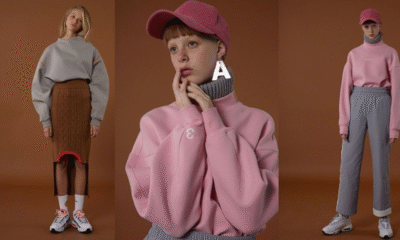
 News & Drops5 months ago
Inside ADER error: How It Redefined Streetwear Culture
-
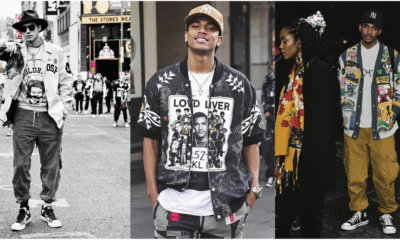
 Style Guides5 months ago
Inside Acronym How It Redefined Streetwear Culture
-

 Lifestyle5 months ago
Inside adidas how It Redefined Streetwear Culture
-
 Sneaker5 months ago
Inside Aime Leon Dore How It Redefined Streetwear Culture
-

 Style Guides5 months ago
Action Bronson: Where Streetwear Meets Art, Culture, and Identity
-

 Sneaker5 months ago
A Ma Maniere Outfit Styling Guide