
Blogs
Billie Eilish: A Deep Dive into Music, Fashion, and Cultural Impact

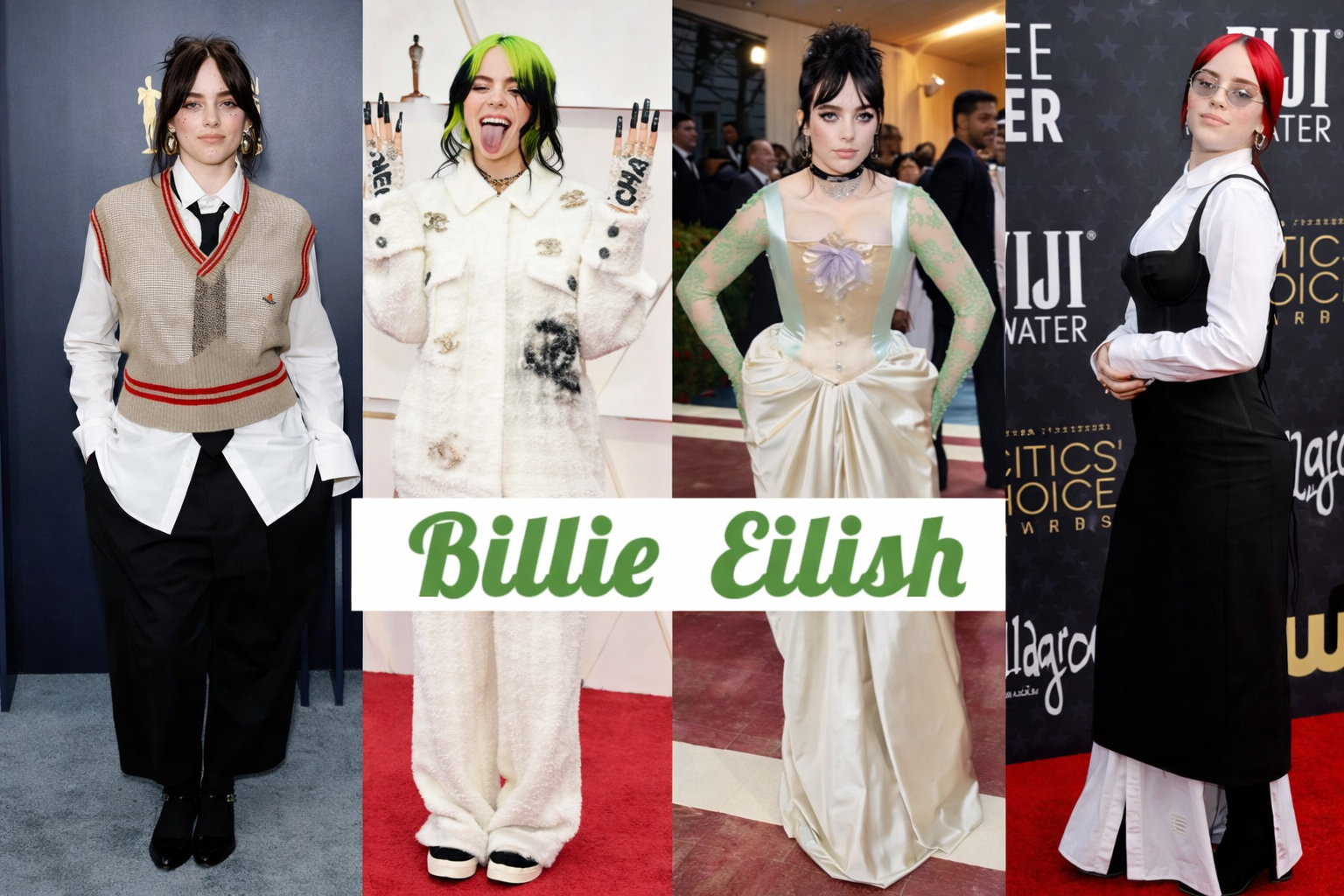
Early Life of Billie Eilish and Family Background
Billie Eilish Pirate Baird O’Connell was born on December 18, 2001, in Los Angeles, California. She was raised in a very artistic family. Her father, Patrick O’Connell, was an actor, and her mother, Maggie Baird, was a musician and screenwriter. Billie’s older brother, Finneas O’Connell, would eventually become her musical partner, producing and writing all of her songs. Billie was homeschooled for most of her life, giving her the opportunity to explore her passions for music, acting, and visual arts from a very young age.
Billie was introduced to a variety of musical influences from a young age, including The Beatles, Amy Winehouse, Avril Lavigne, and Lana Del Rey. This exposure to a variety of musical styles helped to create her unique sound, which combines elements of pop, alternative, and electronic music. As a young teenager, Billie began to concentrate on songwriting and recording demos with Finneas in her home studio setup.
Billie Eilish’s Musical Breakthrough
Billie’s first major success came in 2015 when her brother Finneas O’Connell wrote the song “Ocean Eyes” for a dance project. The song was uploaded to SoundCloud and went viral in a matter of days because of its otherworldly vocals and production. The song’s success brought attention from record labels, and Billie signed with Interscope Records in 2016.
Billie’s debut EP, “Don’t Smile at Me” (2017), showcased her eclectic style and lyrical complexity. Tracks such as “Bellyache” and “COPYCAT” demonstrated her talent for combining introspective lyrics with unconventional production, making her an instant standout in the pop music scene. This EP received widespread critical acclaim and a devoted fan following, cementing her reputation as a young and fearless artist who refuses to conform to mainstream standards.
Billie’s debut full-length album, “When We All Fall Asleep, Where Do We Go?” (2019), was a worldwide sensation. The album tackled issues of mental health, identity, and teenage angst, incorporating elements of electropop, trap, and industrial music. The album entered the Billboard 200 at number one and won several Grammy Awards, including Album of the Year, making Billie the youngest solo artist to win the award in its category.
Billie Eilish as Fashion and Public Persona
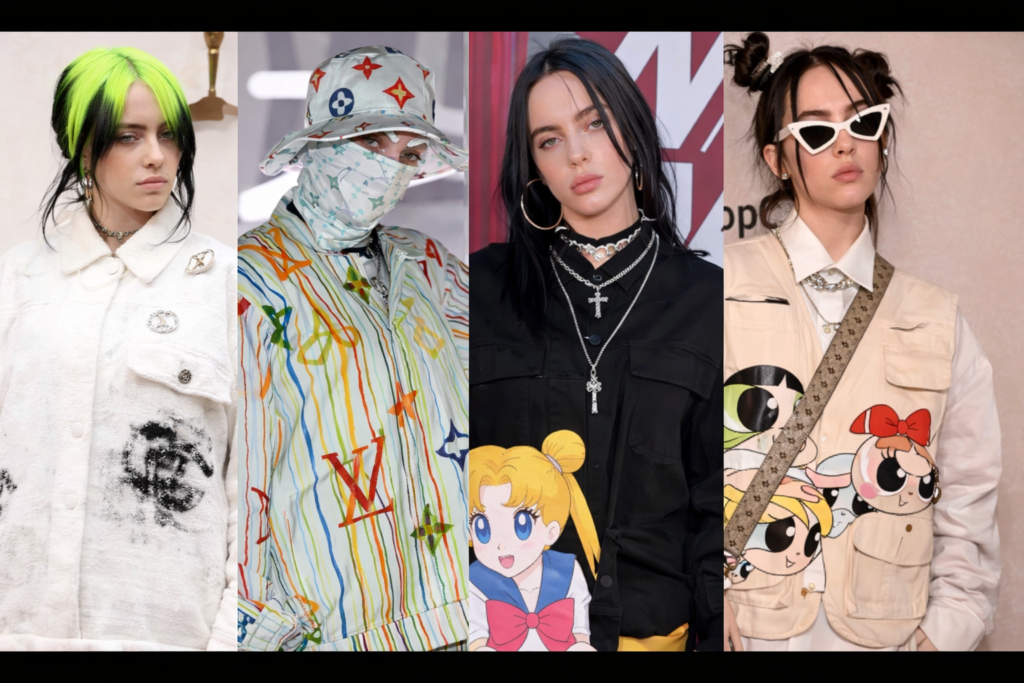
Billie Eilish is a fashion icon who is recognized for her oversized clothing, neon hair colors, and accessories. Her fashion sense defies conventional celebrity culture by promoting individuality and resisting the need to conform to body image expectations in public appearances. She frequently combines streetwear with high-end fashion by partnering with brands such as Nike, Gucci, and Takashi Murakami.
Billie Eilish’s fashion sense is inextricably linked to her artistic identity. Her oversized fashion sense is a practical response to the need to avoid body shaming and public attention to her body, while her ever-changing hair colors and visual aesthetics convey mood, personality, and artistic expression, solidifying her reputation as a rebellious artist in both music and fashion.
Billie Eilish’s Celebrity Influence and Cultural Impact
Billie Eilish’s impact is not limited to the music and fashion industries. She has emerged as a voice for Generation Z, speaking on topics such as mental health, environmental activism, and social awareness. She has used her statements and interviews to highlight issues of anxiety, depression, and self-acceptance in mainstream culture.
Her collaborations with other artists, appearances in large campaigns, and deliberate yet effective use of media presence have cemented her position as a cultural icon. She has inspired other young artists to be authentic, push the boundaries of music, and control their own image. Billie Eilish’s music, fashion, and activism have created a multi-dimensional celebrity persona that combines artistry with social awareness.
Billie Eilish’s Awards, Milestones, and Records
Billie Eilish’s career has been filled with record-breaking accomplishments and historic wins. In 2020, she became the youngest solo artist to sweep all four major categories at the Grammy Awards in a single year: Album of the Year, Record of the Year, Song of the Year, and Best New Artist. This achievement solidified her as a talent for generations to come.
She also broke records globally with several singles, such as “Bad Guy,” “Everything I Wanted,” and “Therefore I Am.” “Bad Guy” reached number one on the Billboard Hot 100 chart, further establishing her as a superstar while still pushing the boundaries of her music.
Billie Eilish broke records again by winning Record of the Year for the second consecutive year at the 2021 Grammys, establishing her as one of the most influential young artists in the music industry today. Her albums have debuted at number one globally, including the UK, Australia, and Canada, demonstrating her universal appeal.
Billie Eilish has also been awarded in the fashion and cultural industry, including recognition as Time’s Next Generation Leaders and a 2018 Forbes 30 Under 30, which acknowledges her influence beyond the music industry.
Fashion Evolution of Billie Eilish
Billie’s fashion evolution is as exciting as her musical journey. In the initial stages of her career, her fashion was a reflection of her streetwear style, with oversized clothing like loose-fitting hoodies, cargo pants, and neon-colored sneakers. This was largely a reflection of her personal style, which was a way of giving herself a sense of security and avoiding the possibility of the public shaming or objectifying her body.
However, in 2019, Billie started exploring the world of high fashion, including major red carpet appearances, with a long-term collaboration with Gucci. She introduced unconventional colors like neon green hair, lime-colored clothing, and artistic designs.
Billie’s fashion choices are performative and narrative-driven. Each era of her music is reflected in her wardrobe:
- “Don’t Smile at Me” era – dark, oversized streetwear with a rebellious tone.
- “When We All Fall Asleep, Where Do We Go?” era – monochrome, edgy looks with punk undertones.
- “Happier Than Ever” era – refined, dramatic high fashion with a cinematic aesthetic.
Her style has inspired countless young fans and reshaped Gen Z fashion sensibilities, blending comfort, boldness, and self-expression.
Billie Eilish Streetwear Influence and Limited Editions
Billie Eilish is one of the most influential people in the streetwear movement between 2017 and 2024, as she has managed to redefine the fashion of youth through oversized silhouettes, gender-neutral fashion, and graphic designs. Her influence in the streetwear movement began in 2017, after the huge success of “Ocean Eyes,” when her public appearances were characterized by oversized hoodies, cargo pants, sneakers, and neon-colored hair. This image was quickly linked to authenticity, a personal statement against body shaming, and self-expression by members of Gen-Z. However, by 2019, during the “When We All Fall Asleep, Where Do We Go?” album era, her influence spread worldwide as fans started to imitate her oversized streetwear fashion, making her a fashion icon rather than just a musician.
One of the key factors that contributed to her streetwear authenticity was her collaborations with brands. Her collaborations with brands such as Nike, including her Air Jordan collection in 2021 and her Air Force 1 collection in 2022, showed how her style could be applied to commercial streetwear culture. These limited-edition sneakers sold out in a short period and were resold in the market, thus establishing her influence in the streetwear culture.Further partnerships with brands such as Takashi Murakami Studio further integrated music merchandise with contemporary art and street fashion, making clothing a collectible cultural item.
From 2019 to 2023, Eilish began to roll out merchandise lines in conjunction with album releases and tours, with oversized tees, hoodies, and accessories sporting unique logos and graphics. These merchandise lines also focused on sustainability, such as recycled materials and eco-friendly production, which aligned with her public stance on the issue and further reinforced brand authenticity with the younger demographic. Limited quantities and strategic release times further reinforced the economic model of streetwear.
The motivations for Billie Eilish’s streetwear trend are rooted in her defiance of traditional celebrity fashion standards and her association with youth identity culture. Billie Eilish’s oversized fashion trend began as a personal expression to resist the objectification of her body, but it has since become an international fashion statement that embodies comfort, individuality, and authenticity.
Billie Eilish’s blending of music, identity, sustainability, and limited-edition fashion drops has transformed the modern streetwear culture, demonstrating that artist authenticity and storytelling can be just as influential as traditional fashion designers.
Billie Eilish Limited Drops, Graphic Shirts, Sneakers
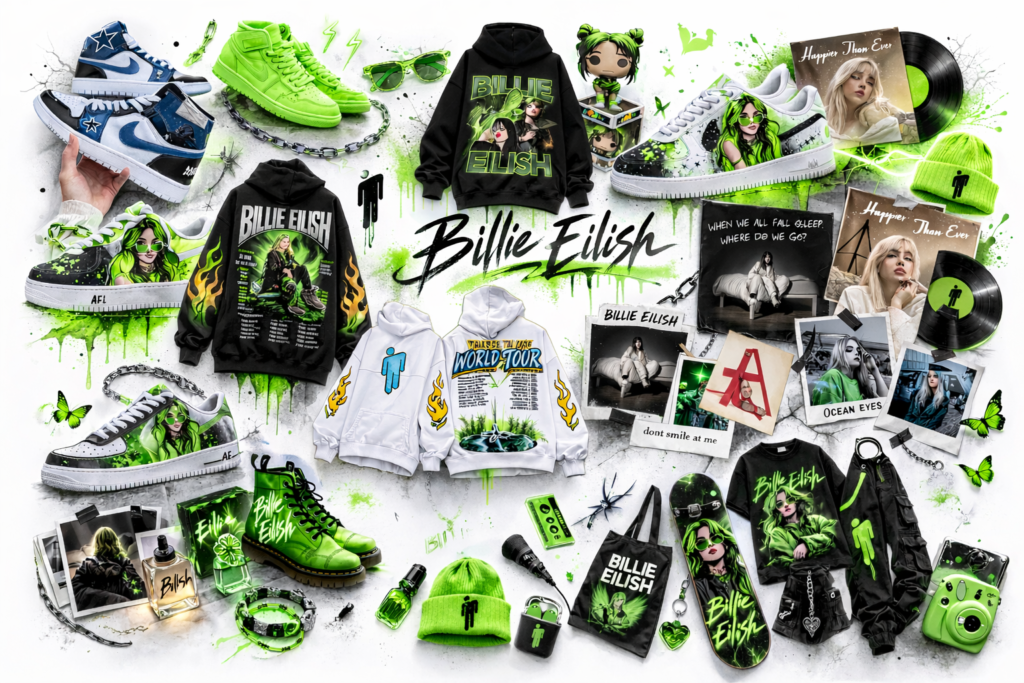
The scarce drops, graphic tees, sneakers, and collector culture associated with Billie Eilish demonstrate the convergence of music fandom and modern streetwear economics. Since 2019, her merch drop approach has transformed from the conventional tour merch to a series of capsule collections characterized by oversized silhouettes, graphic typography, anime-style artwork, and unique logos like the Blohsh logo. These drops are usually released in limited quantities to coincide with album cycles such as When We All Fall Asleep, Where Do We Go? and Happier Than Ever, thus fueling instant sellouts and high resale values.
Sneaker collaborations have been instrumental in broadening her collector base. Her collaborations with Nike, featuring Air Jordan designs released in 2021 and 2022, incorporated eco-friendly materials and her unique bold color schemes and oversized silhouettes. These sneakers were immediately collectible, appealing to both her fan base and sneaker collectors, thus solidifying her position in the streetwear subculture.
The collector culture associated with Billie Eilish merchandise is driven by emotional engagement and identity formation. Fans consider limited hoodies, tees, and sneakers as cultural objects that symbolize particular musical periods, shows, or personal events. Online social groups and marketplaces also increase the appeal of merchandise, turning them into long-term keepsakes. By creating a streetwear culture with deliberate limitations, recognizable designs, and genuine artistic vision, Billie Eilish has developed a streetwear culture that blends music, fashion, and fandom into collectible cultural assets.
Billie Eilish Collaborations and Musical Influence
Billie Eilish’s music cannot be separated from her brother and main collaborator, Finneas O’Connell, who has co-written and co-produced almost all of her tracks since the start. The brother-sister team started their collaboration in 2015-2016, when Billie was only 13 years old, working on the minimalist and chilling production that would come to characterize her early work.
In 2018, Billie teamed up with Khalid on the song “Lovely,” fusing her dreamy sound with Khalid’s soulful R&B voice. This collaboration not only introduced her to a broader audience but also showcased her capacity to adjust her sound to fit different genres without losing her emotional integrity.
In 2019, Billie started collaborating with Rosalía, the flamenco-pop sensation from Spain, on an original collaborative single titled “Lo Vas A Olvidar,” seamlessly incorporating Latin and experimental elements into her sound. Billie’s collaboration with Rosalía showcased her willingness to explore global sounds and her interest in experimenting with cross-cultural musical projects.
Her work with Vince Staples in 2017 and other hip-hop artists demonstrated her capacity to blend pop with rap and alternative electronic music. Songs such as “xanny” and her live mashups with hip-hop artists demonstrate her genre-bending ability to explore societal and emotional issues through a more expansive musical framework.
In the 2022-2023 cycle, Billie has branched out into cinematic collaborations, co-writing songs with producers from film and television productions, reflecting her versatility and desire to explore musical storytelling. Although she has publicly admired avant-garde pop and electronic musicians such as Arca, she has continued to develop her musical partnership with Finneas, incorporating art pop and darkwave sounds into her musical style.
Billie’s collaborations extend beyond the music industry. Her collaborations with fashion designers, visual artists, and filmmakers, such as her large-scale international campaigns with Gucci and Nike, illustrate her comprehensive approach to her artistry. Music and visual style are interwoven, representing her conviction that collaboration across media platforms can improve both creative expression and cultural relevance.
By 2026, Billie’s influence on the next generation is profound. Artists across pop, indie, hip-hop, and alternative R&B cite her genre-blending, honest lyricism, and the innovative production of her collaborator Finneas as direct inspiration. Songs like “my future,” “Therefore I Am,” and “Happier Than Ever” exemplify her ability to merge introspection, avant-garde production, and pop accessibility, influencing global pop trends and reshaping contemporary music landscapes.
Global Cultural Influence of Billie Eilish
Billie Eilish has transcended being a pop sensation to become a phenomenon in popular culture. She is vocal about her views on mental health, body neutrality, climate change, and social issues, spreading awareness through her platform.
Her performances and public outings frequently blend music, fashion, and visual narratives, making them immersive and impactful globally. Audiences connect with her music as well as her message of authenticity and vulnerability, making her a beacon of hope for millions of people.
Billie’s impact has also trickled down into high-fashion collaborations, advertising, and even political discourse, making it clear that the influence of a contemporary pop icon can extend into various aspects of popular culture.
Complete Discography Analysis
Billie Eilish’s discography showcases her transition from an experimental teenager to an international pop sensation. Her first EP, “Don’t Smile at Me” (2017), further developed the distinctive minimalistic style she initially explored with the song “Ocean Eyes” in 2015. Tracks such as “Bellyache” and “idontwannabeyouanymore” demonstrated her capacity to combine sensitivity with artistic sophistication, resonating with listeners and critics.
Her first full album, “When We All Fall Asleep, Where Do We Go?” (2019), was a defining moment in pop culture. The album combined pop, electronic, and alternative styles, including the massive success of “Bad Guy” and “Bury a Friend.” The album broke the rules of mainstream pop by incorporating elements of mental health, nightmares, and existential crises.
In “Happier Than Ever” (2021), Billie Eilish showed incredible maturity. The album contrasted jazz-infused R&B songs like “my future” with hard-hitting tracks like the titular song, symbolizing her artistic maturity and introspection. The production quality was experimental yet refined, incorporating live elements and electronic elements.
Throughout her discography, Billie Eilish has defied conventions, creating music that is both commercially viable and artistically groundbreaking, making her a leading voice in contemporary pop music.
Fanbase and Social Media Impact
Billie Eilish’s fan base is a highly engaged and global community. Billie Eilish’s ability to relate to her fans, her mental health awareness, and her raw personality have made her a huge hit with the Gen Z crowd.
She uses social media platforms such as Instagram, TikTok, and YouTube mainly to share her music and her messages of advocacy, while keeping a huge personal distance from these platforms to ensure her mental health is not affected.
Billie Eilish’s fan engagement strategy has completely changed the way fans interact with artists. Billie Eilish’s views on mental health and social media boundaries have shaped the trends of music, fashion, and social media distance, making her one of the most influential voices of her generation.
Legacy and Future Prospects
Billie Eilish has broken the mold of what it means to be a pop star in the 21st century. She combines music, fashion, and activism into one cohesive and authentic brand. Her impact is felt not only in the music industry but also in the fashion world and among young people.
Looking ahead, Billie Eilish’s path in the music industry indicates that she will continue to be an experimental artist. Fans and critics alike are expecting more genre-bending albums from her and her brother Finneas, as well as more involvement in the visual side of the industry and fashion.
Conclusion
Billie Eilish’s transition from a teen sensation to an international icon is a testament to her expertise in music, fashion, and streetwear culture. Billie Eilish’s collaborations, striking visuals, and innovative music have reshaped the pop and alternative music landscape, inspiring artists and fans across the globe. Billie Eilish’s fashion-forward approach, which frequently features oversized silhouettes, graphic prints, and streetwear brands, has solidified her status as a cultural icon that transcends music. Whether it’s a bedroom recording or a packed stadium, Billie Eilish’s artistic expression has established new global trends. Billie Eilish is the embodiment of the intersection of music, fashion, and streetwear, making her a defining force in 21st-century pop culture.
FAQs About Billie Eilish
1. Who is Billie Eilish?
Billie Eilish is an American singer-songwriter who rose to fame in 2016 with her debut single “Ocean Eyes,” known for her unique voice and genre-blending music.
2. When did Billie start her music career?
She began creating music professionally in 2015, collaborating closely with her brother Finneas O’Connell.
3. What are Billie Eilish’s most popular songs?
Her hits include “Bad Guy,” “Happier Than Ever,” “Ocean Eyes,” “Therefore I Am,” and “Lovely.”
4. Who produces Billie Eilish’s music?
Her brother, Finneas O’Connell, is her primary producer and co-writer for nearly all songs.
5. What is Billie’s style in streetwear?
Billie is known for oversized clothing, bold prints, and collaborations with brands like Gucci and Dior, shaping modern streetwear trends.
6. Has Billie Eilish won any major awards?
Yes, she has won multiple Grammys, an Academy Award, a Golden Globe, and several MTV awards.
7. Does Billie write her own music?
Yes, Billie co-writes her music with Finneas, creating authentic and emotionally resonant lyrics.
8. What collaborations has Billie done?
She has collaborated with Khalid, Rosalía, Vince Staples, Arca, and fashion brands like Gucci and Dior.
9. How has Billie influenced pop culture?
Through music, fashion, and streetwear, Billie has inspired a generation with her genre-fluid sound and distinctive aesthetic.
10. Does Billie Eilish act in films or TV?
She has contributed music to film soundtracks, including the James Bond film No Time To Die.
11. How does Billie approach her visuals?
She integrates cinematic storytelling, streetwear fashion, and experimental aesthetics into her music videos and performances.
12. What is Billie’s impact on streetwear fashion?
She popularized oversized silhouettes, neon graphics, and cross-brand collaborations, bridging music with streetwear culture.
13. Where is Billie Eilish from?
She was born and raised in Los Angeles, California.
14. What future projects does Billie have?
Billie continues to explore music, fashion, and multimedia collaborations, expanding her influence in streetwear and pop culture.
15. Why is Billie Eilish considered a cultural icon?
Her music, fashion sense, and boundary-pushing collaborations make her a defining voice of contemporary global culture.
For collaborations, press, or inquiries, contact us at streeticonic1@gmail.com.










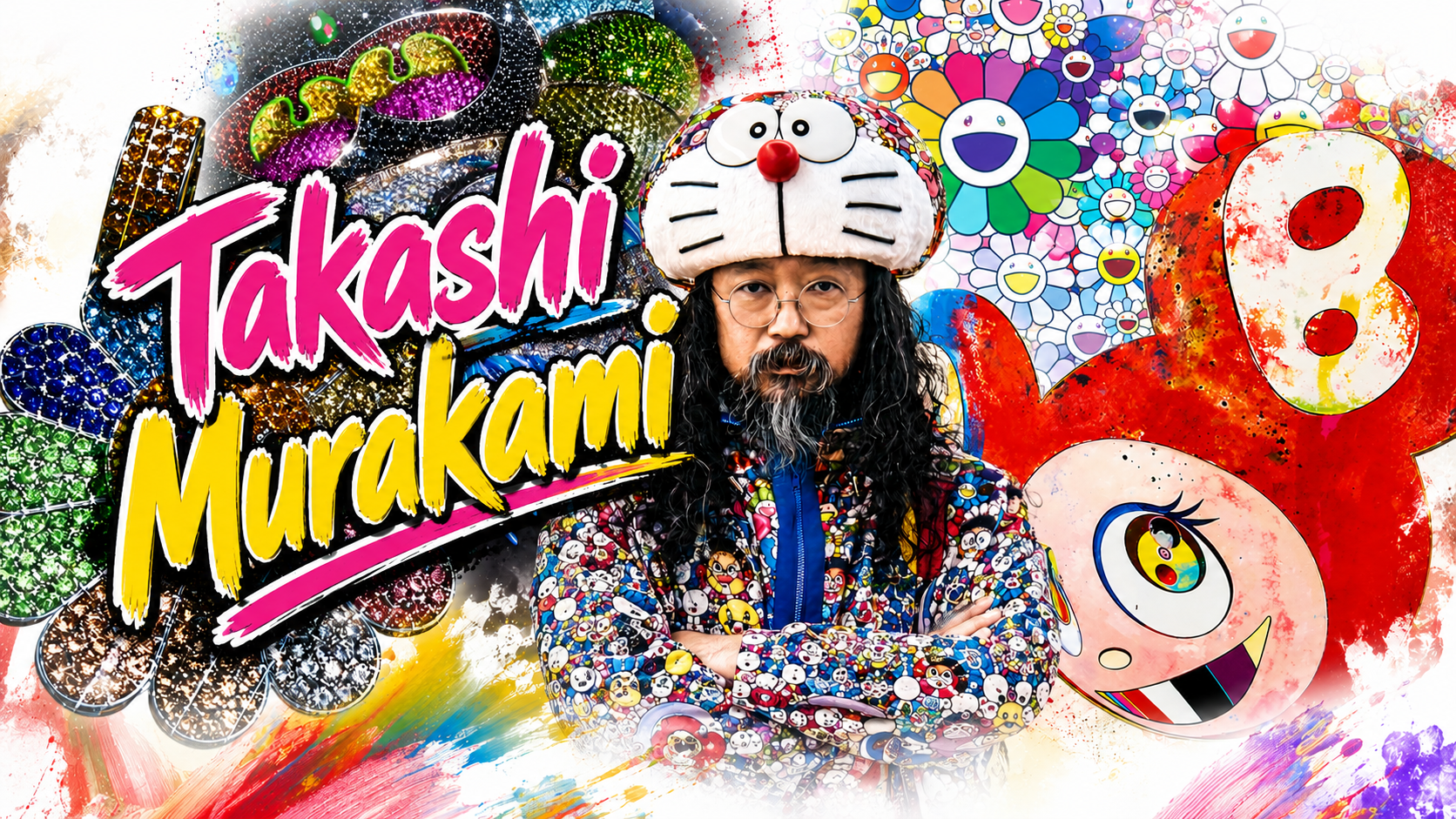
Takashi Murakami: The Artist Who Redefined Contemporary Japanese Art
Contemporary art has produced many great artists. Few have influenced popular culture like Takashi Murakami. He is known for colorful flowers, smiling characters, and bold artwork. His unique style changed modern Japanese art.
Over the past three decades Murakami expanded beyond galleries. His work appears in fashion, music, luxury brands, and pop culture. He blends traditional Japanese art with anime, manga, and modern design.
Today Takashi Murakami inspires artists, designers, collectors, and fashion lovers around the world. His work appears in exhibitions, limited edition collections, and creative collaborations. Whether you are an art collector, a design student, or a new fan, Murakami’s journey shows why he remains one of the most influential creative figures in 2026.
How Takashi Murakami Revolutionized Contemporary Art
Before Takashi Murakami became famous, fine art and pop culture were often kept separate. Museums focused on traditional art. Anime, manga, and commercial design were seen as entertainment. Murakami changed this view. He brought Japanese pop culture into contemporary art. His colorful flowers and playful characters attracted collectors and younger audiences.
Murakami also challenged the idea of high art. He believed creativity should have no limits. This led to collaborations with fashion brands, musicians, and global companies. He continued creating museum quality artwork at the same time. His work made contemporary art more accessible. Exhibitions, prints, collectibles, and collaborations introduced modern Japanese art to millions of people.
Today many artists combine illustration, digital media, fashion, and design. Murakami helped make this approach more accepted. Even in 2026 Takashi Murakami continues to inspire artists around the world. His work shows that creativity grows by breaking traditional boundaries.
From Tokyo to Global Recognition
Takashi Murakami was born in Tokyo Japan in 1962. As a child he loved drawing, animation, and traditional Japanese art. Manga and anime also shaped his creative style. He studied at the Tokyo University of the Arts. He specialized in Nihonga painting. While learning traditional techniques he became interested in modern culture. This inspired a new artistic direction.
During the 1990s Murakami began exhibiting his work in Japan and abroad. His colorful paintings, sculptures, and installations quickly gained attention. He blended fine art with popular culture in a unique way. His work soon earned global recognition. Museums, galleries, and collectors around the world embraced his art. They admired his mix of Japanese tradition and modern creativity.
Murakami later founded Kaikai Kiki Co. Ltd. The company supports artists and manages exhibitions. It also helps promote emerging talent. By 2026 Takashi Murakami is one of Japan’s most famous living artists. His journey shows how creativity and originality can shape modern art.
The Birth of the Superflat Movement
One of Takashi Murakami’s greatest achievements is the Superflat movement. He introduced it in the late 1990s. It became more than an art style. It became a creative philosophy. Murakami developed Superflat after studying Japanese art, anime, manga, and consumer culture. He believed fine art and commercial art should not be separated. He combined them into one visual style.
Superflat is known for flat designs, bold colors, clean outlines, and simple shapes. Murakami used this style to explore ideas about consumer culture, identity, and modern Japan. The movement gained worldwide attention. Museums and galleries embraced its originality. Younger audiences connected with its pop culture influences. Many artists began blending illustration, animation, and design into their work.
Murakami promoted Superflat through exhibitions, books, and collaborations. The movement became one of Japan’s most influential contributions to contemporary art. It also strengthened his global reputation. Even in 2026 Superflat continues to inspire artists, designers, and illustrators. Its focus on creativity and cultural storytelling keeps it relevant around the world.
A Creative Style Unlike Any Other
Takashi Murakami’s artwork is easy to recognize. It features vibrant colors, playful characters, and bold designs. He combines many influences to create art that feels joyful and thought provoking.
Smiling Flowers and Iconic Characters
One of Murakami’s most famous symbols is his smiling flower. Its bright colors and cheerful face have become part of his artistic identity. He also created characters like Mr. DOB. These designs blend anime, manga, and Japanese pop culture. Although they look playful, they often explore deeper ideas about consumer culture, happiness, and modern society.
Bright Colors and Bold Composition
Murakami’s artwork is known for its bold colors. Bright blues, pinks, yellows, and greens make each piece stand out. Clean lines and flat surfaces give his work a unique style. This visual approach attracts experienced collectors and new art lovers alike.
Blending Tradition With Pop Culture
Murakami does not choose between traditional art and modern culture. He blends both into one style. His work combines classical Japanese painting with anime, manga, gaming, and digital culture. This balance has introduced Japanese art to global audiences. It keeps his work fresh and relevant.
Art Without Boundaries
Murakami believes art should reach everyone. He creates sculptures, prints, fashion collections, merchandise, and public installations. This allows more people to experience contemporary art. This open approach defines his career. By combining creativity with accessibility Murakami continues to inspire artists, designers, and creative communities around the world in 2026.
Creative Collaborations That Reached a Global Audience
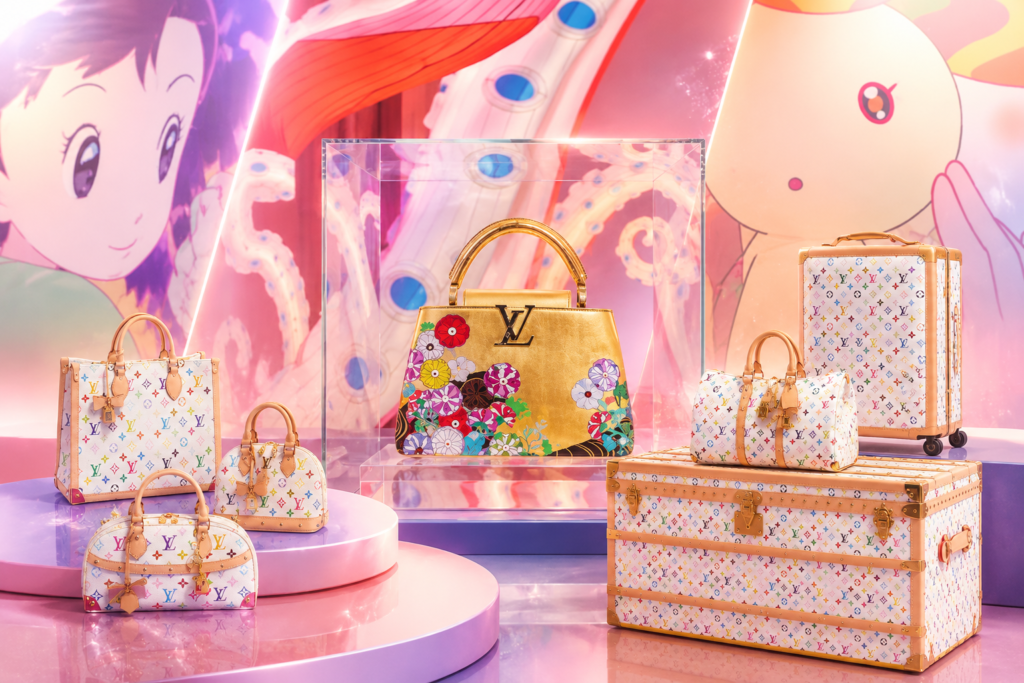
Takashi Murakami has stayed relevant for decades through creative collaborations. He works with leading names in fashion, music, and popular culture. He sees commercial projects as another form of art. This approach brings his creative vision to millions of people worldwide.
Louis Vuitton
Murakami’s collaboration with Louis Vuitton in 2003 became a landmark partnership. Working with Creative Director Marc Jacobs he reimagined the famous Monogram canvas. He added vibrant colors and playful graphics.
The collection attracted fashion lovers and art collectors. It showed that luxury accessories could also become collectible art. More than twenty years later it remains one of the most successful artist collaborations in fashion history.
Music and Entertainment
Murakami has also worked with famous musicians. His artwork appeared on Kanye West’s Graduation album in 2007. This introduced his style to a global audience. Over the years he has collaborated with Billie Eilish, Pharrell Williams, and J Balvin. These projects included artwork, merchandise, and visual campaigns. They show how his creativity connects with different generations and industries.
Fashion, Collectibles, and Contemporary Culture
Beyond fashion and music Murakami works with brands, galleries, and creative companies. He creates limited edition collections, collectible figures, and lifestyle products. His smiling flowers and famous characters appear on clothing, accessories, skateboards, prints, and designer toys. Many releases sell out quickly. They combine artistic creativity with cultural value. They attract art collectors, fashion fans, and streetwear lovers.
In 2026 Takashi Murakami continues to expand his influence through creative collaborations. His work connects museums, fashion, and popular culture. This makes him one of the world’s most recognized contemporary artists.
Takashi Murakami’s Art Collections and Collectibles
Takashi Murakami’s influence goes beyond paintings and exhibitions. He has created collectibles, limited editions, and artistic merchandise. These items let people own part of his creative world. They are popular with art collectors, fashion fans, and lovers of Japanese pop culture.
Limited Edition Prints
Takashi Murakami’s influence goes beyond paintings and exhibitions. He has created collectibles, limited editions, and artistic merchandise. These items let people own part of his creative world. They are popular with art collectors, fashion fans, and lovers of Japanese pop culture.
Sculptures and Art Installations
Murakami also creates large sculptures and immersive installations. They have appeared in major museums and galleries. These works bring his famous characters into real spaces. Visitors can experience his creative world in a new way. His installations combine traditional craftsmanship with modern production. This reflects his passion for innovation.
Designer Toys and Collectibles
Murakami helped popularize designer toys and art collectibles. Figures of Mr. DOB, smiling flowers, and other characters are popular with collectors. They celebrate the connection between contemporary art and pop culture. These collectibles blur the line between fine art and everyday objects. They make creativity more accessible to everyone.
Apparel and Lifestyle Products
Murakami’s artwork also appears on clothing, accessories, home décor, and lifestyle products. Most are released through exclusive collaborations and limited collections. These products bring his art into everyday life and introduce it to new audiences.
By 2026 Murakami’s collections remain popular with collectors around the world. His paintings, limited edition prints, and creative merchandise combine artistic value with cultural appeal. This has made him one of the most influential contemporary artists of his generation.
Why Takashi Murakami Continues to Inspire the Creative World
Very few contemporary artists stay influential across generations. Takashi Murakami is one of them. He continues to explore new ideas while staying true to his unique style. His work inspires art collectors, designers, illustrators, musicians, and creative professionals around the world.
A Distinctive Artistic Identity
Murakami has created a style that is easy to recognize. His colorful flowers, smiling characters, and bold designs have become symbols of contemporary Japanese art. Instead of following trends he has stayed true to his creative identity.
Bridging Art and Popular Culture
One of Murakami’s greatest strengths is connecting fine art with everyday culture. He works with fashion brands, musicians, and global companies. These collaborations introduce contemporary art to new audiences. This approach makes art more accessible. It also encourages people to appreciate creativity in everyday life.
Inspiring Emerging Artists
Many young artists admire Murakami for his originality. His career encourages people to try new ideas and develop their own creative style. He also inspires artists to embrace different cultural influences. Through Kaikai Kiki Murakami supports emerging artists. The company helps new creative talent grow and strengthens the contemporary art community.
Continuing Innovation
Murakami continues to explore new technologies and creative formats. He works with digital art, immersive exhibitions, and limited edition projects. He embraces innovation while staying true to his signature style. In 2026 his work continues to attract global audiences. It appears in international exhibitions, museum collections, and creative collaborations. His ability to evolve keeps him among the most influential contemporary artists.
Murakami’s Place in Contemporary Art Today
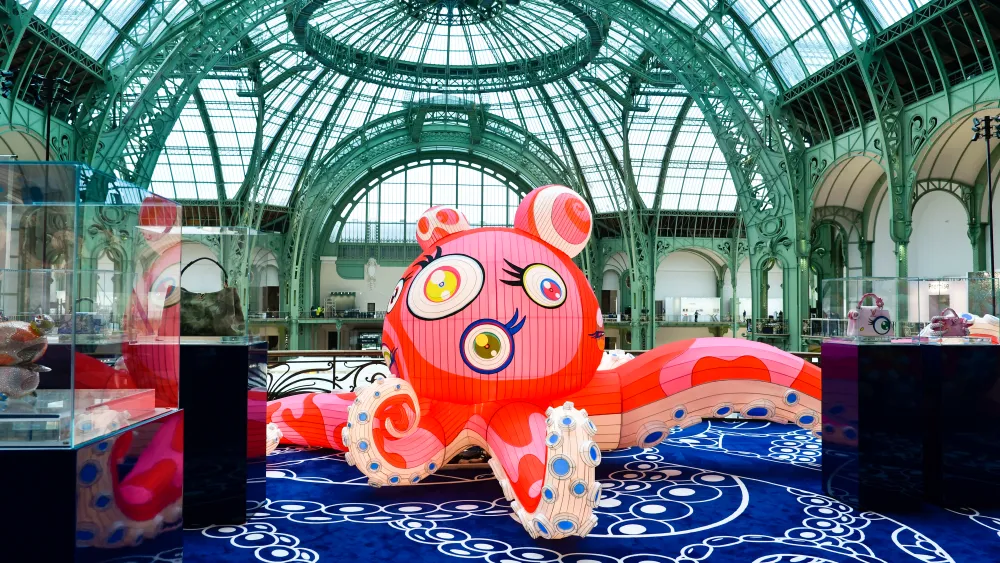
Takashi Murakami is one of the world’s most influential living artists. Decades of creativity and innovation have shaped his career. His work has changed contemporary art and inspired artists around the world. Today his paintings, sculptures, and installations appear in major museums, galleries, and private collections. His collaborations with fashion brands, musicians, and global companies introduce his art to new audiences.
Interest in Japanese contemporary art continues to grow. Collectors seek Murakami’s limited edition prints and sculptures. His exhibitions attract visitors from around the world. Murakami continues to blend traditional Japanese influences with modern ideas. This approach has created a lasting legacy beyond galleries. Even in 2026 Takashi Murakami continues to inspire through art, fashion, and popular culture. His creative legacy will influence future generations.
Conclusion
Takashi Murakami has transformed contemporary Japanese art. He combines traditional influences with modern pop culture. His colorful characters and Superflat philosophy are recognized around the world. Throughout his career Murakami has connected fine art with fashion, music, design, and streetwear culture. His collaborations with global brands have introduced contemporary art to millions of people. Even in 2026 Takashi Murakami continues to inspire artists, designers, collectors, streetwear fans, and creative professionals. His exhibitions, limited edition collections, and new projects keep his work relevant. His legacy shows that creativity has no limits. By blending tradition with modern culture Murakami continues to shape the future of contemporary art.
Frequently Asked Questions
Who is Takashi Murakami?
Takashi Murakami is a Japanese contemporary artist known for his colorful artwork, Superflat movement, sculptures, and creative collaborations with fashion brands, musicians, and global companies.
What is Takashi Murakami famous for?
He is best known for creating the Superflat movement, his smiling flower designs, Mr. DOB character, and his ability to combine fine art with Japanese pop culture.
What is the Superflat movement?
The Superflat movement is an artistic concept developed by Takashi Murakami that blends traditional Japanese art, anime, manga, and contemporary culture through flat compositions, bold colors, and modern visual storytelling.
When was Takashi Murakami born?
Takashi Murakami was born on February 1, 1962, in Tokyo, Japan.
What inspired Takashi Murakami’s artwork?
His work is inspired by traditional Japanese painting, anime, manga, consumer culture, and contemporary society, creating a unique artistic style that connects different creative worlds.
Did Takashi Murakami collaborate with Louis Vuitton?
Yes. In 2003, Takashi Murakami collaborated with Louis Vuitton to create colorful versions of the brand’s iconic Monogram designs, producing one of the most influential artist and fashion collaborations in history.
Has Takashi Murakami worked with musicians?
Yes. He has collaborated with artists including Kanye West, Billie Eilish, Pharrell Williams, and J Balvin on album artwork, merchandise, and creative projects.
What is Mr. DOB?
Mr. DOB is one of Takashi Murakami’s original characters and has become an iconic symbol of his artistic style, combining elements of anime, manga, and contemporary art.
What type of art does Takashi Murakami create?
His work includes paintings, sculptures, prints, installations, digital art, designer toys, and limited-edition collectibles.
Why is Takashi Murakami important in contemporary art?
He changed contemporary art by connecting fine art with popular culture, making modern art more accessible while introducing Japanese visual culture to global audiences.
Are Takashi Murakami’s artworks collectible?
Yes. His paintings, sculptures, prints, and limited-edition collectibles are highly sought after by collectors and are displayed in museums and private collections worldwide.
Does Takashi Murakami still create art in 2026?
Yes. In 2026, Takashi Murakami continues producing new artworks, exhibitions, collaborations, and creative projects that influence the global art and design industries.
What is Kaikai Kiki?
Kaikai Kiki is Takashi Murakami’s creative company that manages exhibitions, supports emerging artists, produces artworks, and develops collaborative projects.
Why do artists admire Takashi Murakami?
Artists admire him for his originality, innovative thinking, successful collaborations, and ability to combine traditional Japanese influences with contemporary visual culture.
What is Takashi Murakami’s lasting legacy?
Takashi Murakami’s legacy lies in redefining contemporary Japanese art, creating the Superflat movement, and inspiring future generations through creativity, cultural storytelling, and artistic innovation.
For collaborations, press, or inquiries, contact us at streeticonic1@gmail.com.
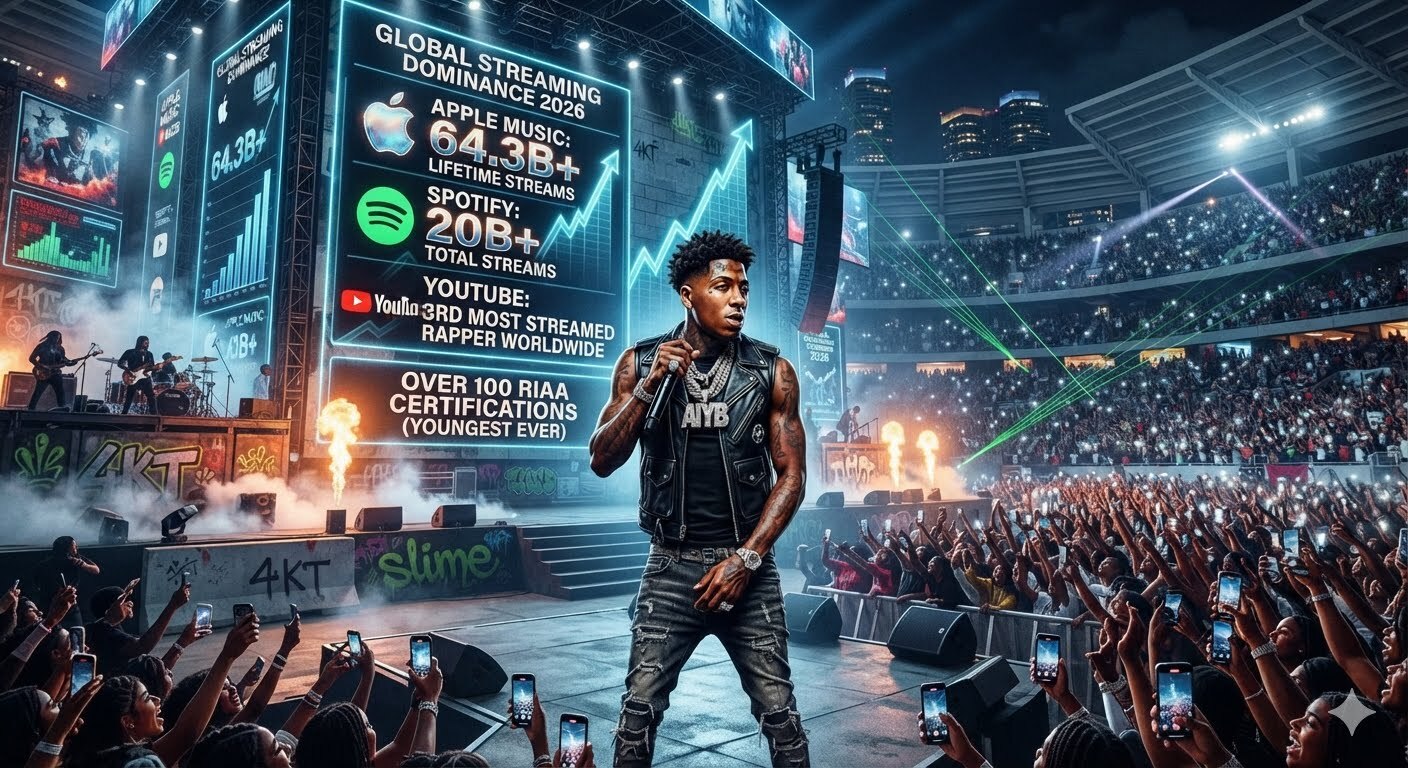
Discover what makes YoungBoy NBA one of the most streamed rappers in the world today. Explore his music, loyal fans, streaming success, and career growth.
What Makes YoungBoy NBA One of the Most Streamed Rappers in the World

YoungBoy NBA has become one of the biggest names in modern rap. Every year, millions of fans stream his music across popular music platforms. His success is not only about chart numbers. It comes from a strong connection with listeners, a consistent release schedule, and music that feels honest and personal.
If you have ever wondered what makes YoungBoy NBA one of the most streamed rappers in the world, the answer goes far beyond hit songs. His work ethic, loyal fan base, and emotional storytelling have helped him stand out in one of the most competitive music genres.
YoungBoy NBA Built a Loyal Fan Community
One of the biggest reasons behind YoungBoy NBA’s success is his loyal audience.
Many artists gain attention for a short period, but YoungBoy has built a fan community that supports every new release. His listeners stream albums, watch music videos, and share songs across social media.
This strong support keeps his music performing well long after release day.
Fans Feel Connected to His Music
YoungBoy often speaks about real life experiences, family, pain, success, and personal struggles. His lyrics feel honest, making many listeners feel understood.
This emotional connection creates long term loyalty that many artists hope to achieve.
H2: Consistent Music Releases Keep Fans Engaged
YoungBoy NBA is known for releasing music regularly.
Instead of waiting years between albums, he frequently shares new projects, singles, and collaborations. This keeps fans excited and gives streaming platforms fresh content to recommend.
More music means more opportunities for listeners to discover his work.
His consistent output has played a major role in his streaming success.
Streaming Platforms Help Expand His Reach
Streaming services have changed how people discover music.
YoungBoy NBA benefits from playlists, recommendations, and personalized music suggestions that introduce his songs to new audiences every day.
Popular playlists often expose his music to listeners who may have never searched for him directly.
As more people discover his songs, streaming numbers continue to grow.
Authentic Storytelling Makes Him Stand Out
Many fans appreciate YoungBoy because his music feels genuine.
Instead of following every trend, he creates songs based on his own experiences and emotions.
His music covers topics such as:
- Personal growth
- Family
- Success
- Pain
- Relationships
- Life challenges
- Ambition
This honesty helps listeners relate to his message.
A Huge Music Catalog Increases Streams
Another reason behind YoungBoy NBA streaming success is the size of his music collection.
He has released many albums, mixtapes, and singles throughout his career.
A large catalog gives fans more songs to enjoy and encourages longer listening sessions.
When someone discovers YoungBoy for the first time, they often spend hours exploring older releases in addition to new music.
This naturally increases total streams.
Strong Presence on Social Media
YoungBoy NBA remains one of the most talked about artists online.
Fans create reaction videos, share lyrics, discuss albums, and celebrate new releases across many social media platforms.
This constant conversation keeps his name visible and encourages more people to check out his music.
Word of mouth continues to be one of the strongest marketing tools in the music industry.
His Music Appeals to Different Audiences
YoungBoy does not create only one style of rap.
His music includes emotional songs, energetic tracks, storytelling, melodic rap, and reflective records.
Because of this variety, different listeners can find songs that match their mood.
This broad appeal helps attract both longtime fans and new listeners.
YoungBoy NBA Continues to Break Streaming Records
Streaming success is built through consistency.
YoungBoy has repeatedly achieved impressive streaming milestones by releasing music that fans genuinely enjoy.
His songs continue to receive millions of plays because listeners return to them again and again.
Repeat listening is one of the strongest indicators of lasting popularity.
Why YoungBoy NBA Remains Relevant Today
Music trends change quickly, yet YoungBoy NBA continues to remain relevant.
Several factors contribute to his ongoing popularity:
- Consistent music releases
- Honest storytelling
- Loyal fan support
- Large music catalog
- Strong online presence
- Memorable songs
- Emotional connection with listeners
These qualities help explain why he continues to rank among the most streamed rap artists.
The Future of YoungBoy NBA
YoungBoy NBA shows no signs of slowing down.
As streaming continues to dominate the music industry, artists who consistently connect with fans are likely to remain successful.
His ability to release fresh music while maintaining authenticity gives him a strong position for future growth.
Whether someone is a new listener or a longtime fan, there is always something new to discover in his catalog.
Conclusion
When people ask what makes YoungBoy NBA one of the most streamed rappers in the world, the answer comes down to several important factors. His authentic lyrics, consistent music releases, loyal fan community, and massive collection of songs all contribute to his remarkable streaming numbers.
Rather than relying only on popularity, YoungBoy has built a lasting relationship with listeners through honesty and dedication. As music streaming continues to grow, his influence is likely to remain strong for years to come.
Frequently Asked Questions
Why is YoungBoy NBA one of the most streamed rappers?
YoungBoy NBA releases music consistently, connects emotionally with fans, and has a large catalog that generates millions of streams.
What makes YoungBoy NBA so popular?
His honest lyrics, unique style, loyal fan base, and regular music releases help maintain his popularity.
Does YoungBoy NBA release music often?
Yes. He is known for releasing albums, singles, and projects regularly, which keeps fans engaged.
Why do fans stay loyal to YoungBoy NBA?
Many listeners relate to his personal stories, emotional lyrics, and authentic approach to music.
How do streaming platforms help YoungBoy NBA?
Streaming platforms recommend his music through playlists and personalized suggestions, helping new listeners discover his songs.
Does YoungBoy NBA have a large music catalog?
Yes. His extensive collection of albums, mixtapes, and singles contributes significantly to his streaming success.
Why do people listen to YoungBoy NBA repeatedly?
His music covers a wide range of emotions and experiences, making many songs enjoyable for repeat listening.
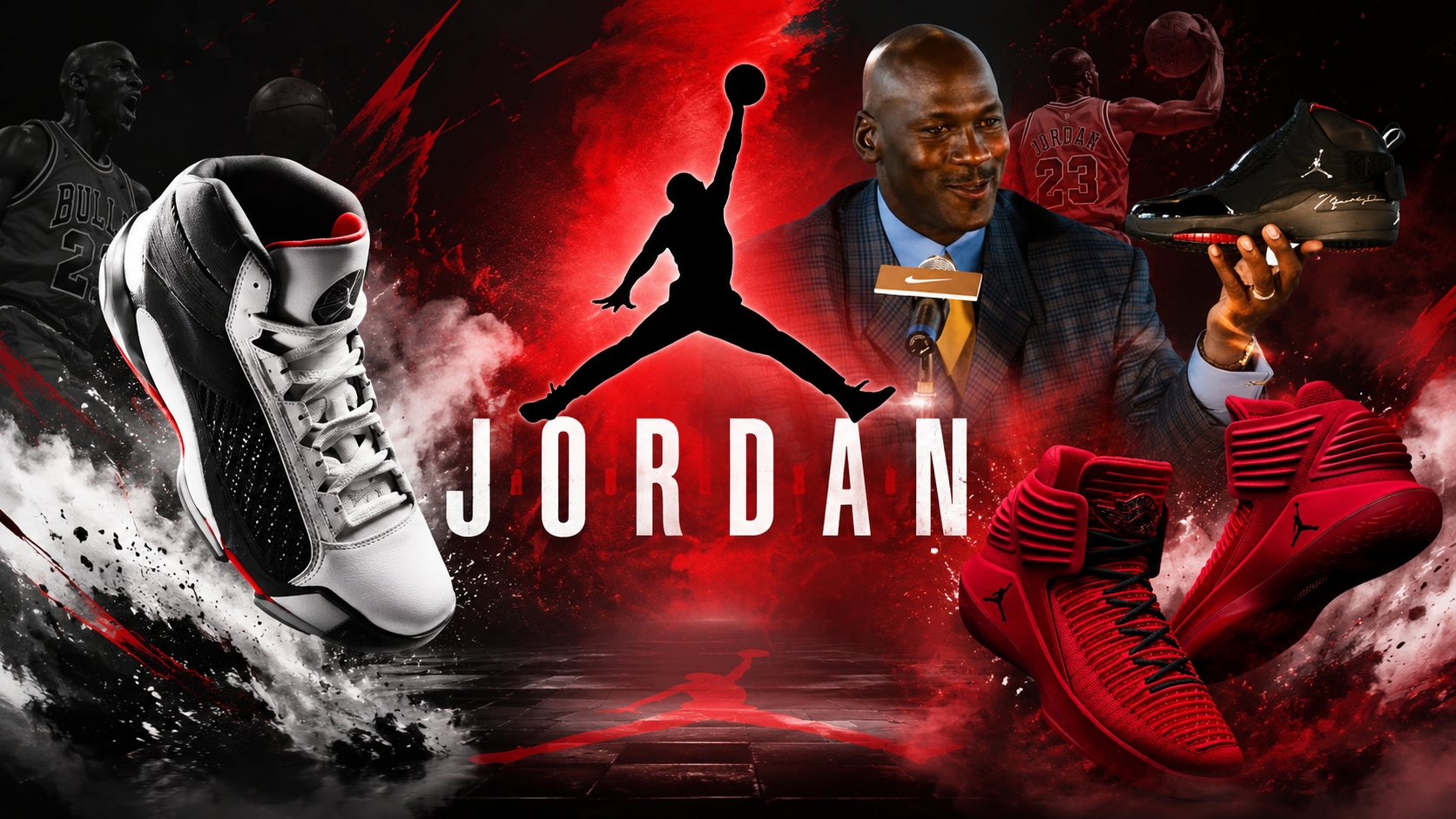
The Birth of Air Jordan
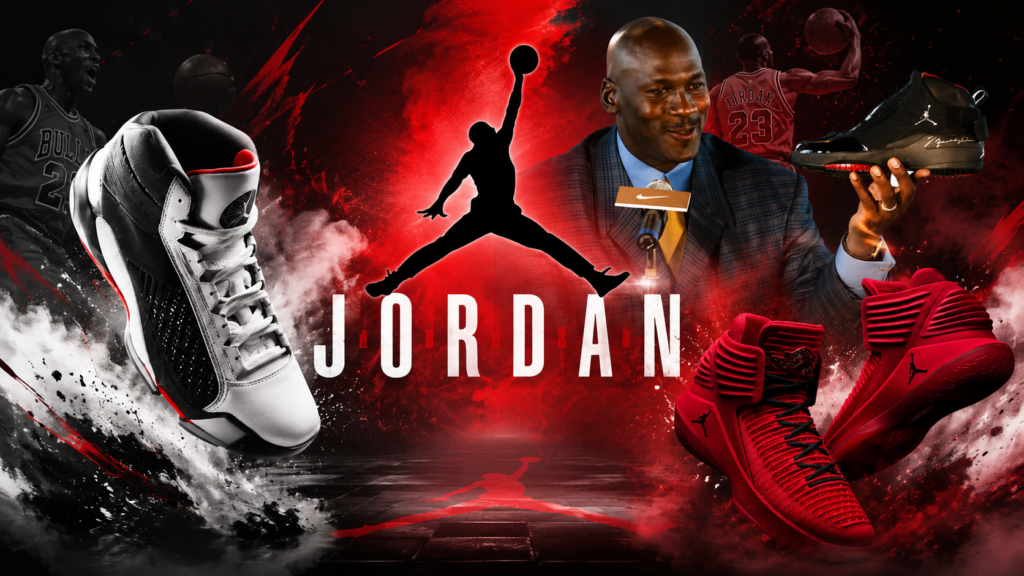
The story of Jordan streetwear began in 1984. Nike signed rookie Michael Jordan after the NBA Draft. He had just joined the Chicago Bulls. At the time Nike was still growing its basketball business. It faced strong competition from Converse and Adidas. Few people expected this partnership to change sports and fashion forever. Nike did not want another ordinary basketball shoe. The company built an entire identity around Michael Jordan. Designer Peter Moore created the Air Jordan 1. Its bold design looked different from other basketball shoes. Premium leather gave the sneaker a high quality feel. The black and red colorway stood out. The Wings logo became an instant symbol.
The Air Jordan 1 launched in 1985. It quickly became popular with basketball fans and sneaker lovers. The NBA challenged one of Jordan’s early game shoes because it did not follow league rules. Nike turned the controversy into a famous marketing campaign. The message celebrated individuality and encouraged people to stand out. The campaign changed everything. People no longer bought basketball shoes only for performance. They wanted sneakers that showed confidence, personality and style. The Air Jordan 1 connected sports with everyday fashion.
Its success encouraged Nike to release more Air Jordan models. The brand also expanded into clothing. Jackets, tracksuits and T shirts completed the collection. Jordan became more than a sneaker brand. It became a lifestyle brand. Today the Air Jordan 1 remains one of the world’s most influential sneakers. New colorways and collaborations keep attracting collectors. The original design still inspires modern footwear. Its 1985 launch helped build Jordan streetwear and global sneaker culture.
Michael Jordan’s Rise and the Growth of the Jordan Brand
Jordan streetwear grew with Michael Jordan’s career. As he became one of basketball’s greatest players the brand became stronger. Every achievement increased its popularity around the world. Jordan made a huge impact in his rookie season. Fans admired his scoring ability and athleticism. His competitive spirit also stood out. He won the NBA Rookie of the Year Award in 1985. Millions of fans wanted to wear the same shoes as Michael Jordan. His sneakers quickly became part of his identity.
The 1990s became the biggest era for Michael Jordan and the Jordan brand. He led the Chicago Bulls to six NBA championships. He also won six NBA Finals MVP awards. Every victory made the Jordan brand stronger. Air Jordan sneakers became more than basketball shoes. They became cultural icons. Each championship increased demand for Jordan products. Jordan’s influence reached beyond basketball. He joined the United States Dream Team at the 1992 Olympics. This introduced him to fans around the world.
Television commercials, magazine covers and global campaigns made the Jumpman logo famous. It became one of the most recognizable symbols in sports and fashion. Nike also expanded the Jordan line. The brand added hoodies, T -shirts, jackets, sweatpants , shorts and accessories. Fans could wear Jordan on and off the court. The brand became part of everyday style. A major milestone came in 1997. Nike launched Jordan Brand as a separate division. This gave the brand its own creative direction. It also preserved Michael Jordan’s legacy.
Jordan Brand continued releasing new sneakers and premium clothing. Exclusive collections attracted athletes and streetwear fans. Today Jordan Brand is more than a basketball label. It has become a global fashion brand. Michael Jordan built its foundation. New collections and collaborations keep it growing. The brand continues to focus on quality and innovation.
Signature Design Philosophy
Jordan streetwear has stayed relevant for more than 40 years. The brand does not follow short term trends. It combines performance quality and timeless style. This balance attracts professional athletes. It also appeals to sneaker collectors and everyday fashion fans.
Performance Meets Style
Jordan products are made for life on and off the court. Air Jordan sneakers combined basketball performance with everyday style from the beginning. This changed how people viewed athletic shoes. Sneakers became more than sports footwear. They became an important part of streetwear culture.
The Iconic Jumpman Logo
The Jumpman is one of the world’s most recognizable logos. It appeared in the late 1980s. The design shows Michael Jordan performing a ballet-like leap for a photo shoot. Today the Jumpman appears on sneakers, hoodies, jackets, caps and accessories. It represents confidence, excellence and individuality around the world.
Premium Materials and Craftsmanship
Jordan has built its reputation by focusing on quality. Many collections feature premium leather, durable fabrics, detailed stitching, and carefully selected materials that improve both comfort and longevity. This commitment to craftsmanship has helped Jordan products maintain their value long after their original release.
Bold Yet Timeless Designs
Jordan streetwear creates modern designs while respecting its history. The brand stays fresh without losing its identity. Classic colorways like Black and Red, White and Cement Grey, and University Blue are easy to recognize. Sneaker fans still love these iconic combinations. New collections bring fresh ideas. At the same time they continue to honor the classic designs that built the Jordan brand.
A Balance Between Heritage and Innovation
One of Jordan’s biggest strengths is its balance between past and future. Classic Air Jordan models return in retro releases. New collections add modern materials, updated technology and fresh designs. This approach attracts longtime collectors and younger fans. Each generation finds something to enjoy. That is why Jordan remains one of the biggest names in streetwear. Every collection reflects innovation, quality and authenticity. The brand continues to create products that stand the test of time.
The Evolution of Air Jordan Sneakers
Jordan streetwear grew with Air Jordan sneakers. The journey began in 1985 with the Air Jordan 1. Almost every new model introduced better design, comfort, and performance. These sneakers became more than basketball shoes. They shaped sports fashion and sneaker culture.
Air Jordan 1
The Air Jordan 1 started it all. Peter Moore designed the sneaker. It launched in 1985 with a bold new look. Premium leather gave it a high quality feel. Its design stood out from other basketball shoes. Today the Air Jordan 1 remains one of the world’s most popular sneakers. Original colorways still attract collectors. New collaborations keep the silhouette fresh for streetwear fans.
Air Jordan 3
The Air Jordan 3 launched in 1988. Tinker Hatfield designed the sneaker. It introduced visible Air cushioning and the famous elephant print. It was also the first Air Jordan to feature the Jumpman logo. Many fans see it as one of the brand’s most important releases. The sneaker helped strengthen Michael Jordan’s partnership with Nike.
Air Jordan 4
The Air Jordan 4 launched in 1989. It featured lightweight mesh panels and supportive wings. The design also improved on court performance. The sneaker soon became popular beyond basketball. It appeared in movies, music videos and streetwear. Today it remains one of the most sought after Air Jordan models.
Air Jordan 11
The Air Jordan 11 launched in 1995. It featured glossy patent leather and lightweight materials. Its sleek design looked different from earlier models. Michael Jordan wore the sneaker during the Bulls’ historic 72 win season. He also wore it during their championship run. Today the Air Jordan 11 remains one of the brand’s most celebrated releases.
Modern Air Jordan Collections
Jordan Brand continues to grow its legacy. The brand releases new models and brings back classic Retro designs. Modern cushioning and better materials improve comfort and performance. The iconic look stays the same. Limited releases create huge demand. Exclusive colorways sell out in minutes. Rare pairs often become valuable on the resale market. From the Air Jordan 1 to the latest releases every sneaker reflects innovation, quality and timeless design. That is why Air Jordan continues to inspire athletes, collectors and streetwear fans around the world.
How Jordan Became a Streetwear Icon
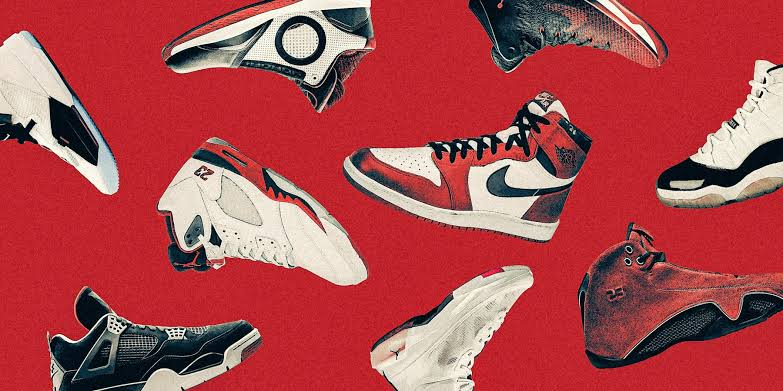
Jordan streetwear became a global fashion movement. The brand connected sports, music, and everyday style. It quickly grew beyond basketball. People wore Jordan to express their personal style. During the late 1980s and 1990s Jordan became popular in hip hop culture. Rappers, dancers, and artists embraced the brand. It represented confidence, success, and originality. Music videos and magazines helped spread its influence. Jordan also became part of streetwear. Oversized clothing, graphic T-shirts, varsity jackets, and sneakers defined the era. Jordan offered clothing that matched its iconic footwear. Fans could build complete outfits around the Jumpman logo.
Limited releases made the brand even more popular. Exclusive sneakers and apparel created huge demand. Many fans waited for launch day to buy their favorite pairs. This helped build Jordan’s reputation in sneaker culture. Creative collaborations brought new energy to the brand. Designers, fashion labels, and artists introduced Jordan to new audiences. These partnerships mixed basketball heritage with modern streetwear. Social media also helped the brand grow. Influencers, celebrities and sneaker fans shared Jordan outfits every day. Their posts inspired millions of people around the world.
Today Jordan is more than a basketball brand. It is a global streetwear icon. People wear Jordan with jeans, cargo pants, hoodies and tailored clothing. The brand continues to shape fashion across every generation.
Jordan Clothing Collection
Jordan streetwear is more than sneakers. Air Jordan shoes built the brand. Jordan clothing also became a key part of modern fashion. The collection blends performance with everyday comfort. People wear Jordan apparel on and off the court. It fits both athletic and casual style.
Hoodies and Sweatshirts
Jordan hoodies are among the brand’s most popular pieces. They offer comfort and a relaxed fit. The Jumpman logo gives them a signature look. Many collections also include premium fleece hoodies and sweatshirts. They provide warmth with a clean and timeless style.
T-Shirts and Graphic Apparel
Jordan T shirts are made for everyday wear. They celebrate the brand’s basketball heritage. Some feature simple logos. Others use bold graphics inspired by Michael Jordan. These T shirts appeal to longtime fans and younger streetwear lovers. They pair easily with jeans, cargo pants or shorts.
Jackets and Outerwear
Jordan jackets combine performance with modern style. The collection includes bomber jackets, varsity jackets, windbreakers and puffer jackets. These jackets offer comfort and everyday function. Premium materials give them a quality feel. Subtle branding keeps the look clean and timeless.
Shorts and Pants
Jordan shorts are inspired by basketball. They offer comfort and easy movement. The brand also makes joggers sweatpants and woven trousers. These pieces follow modern streetwear trends. Their relaxed fit works for sports and everyday wear.
Accessories
Jordan’s collection also includes accessories. Caps backpacks, socks and crossbody bags complete the overall look. The Jumpman logo adds the brand’s signature style. Jordan clothing continues to grow through new collections and collaborations. Modern designs follow trends while keeping the basketball heritage alive. This mix of comfort quality and timeless style keeps Jordan streetwear influential in fashion.
Jordan Collaborations That Shaped Modern Streetwear
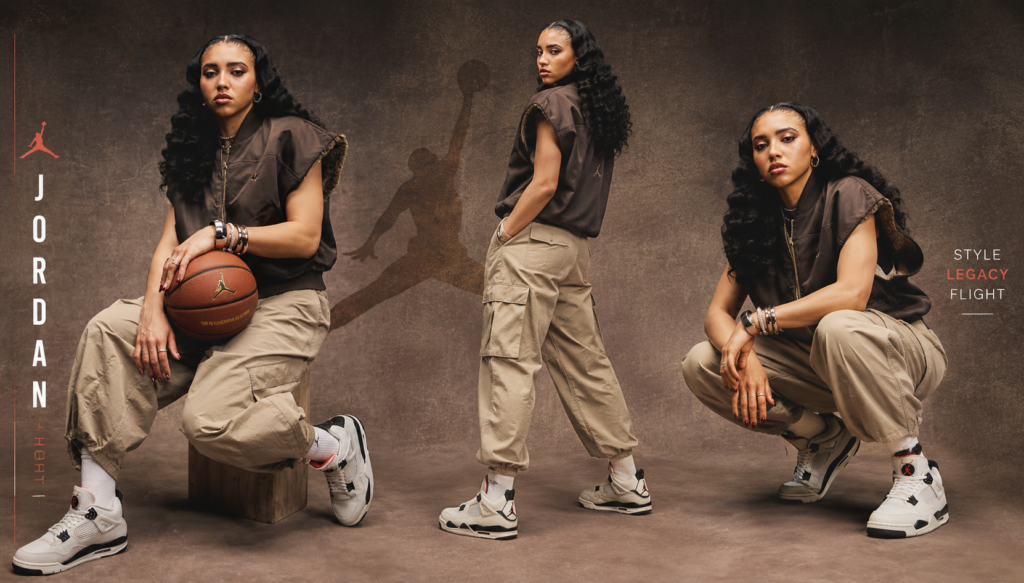
Jordan streetwear stays relevant through powerful collaborations. The brand works with designers, fashion labels and artists to bring fresh ideas. These partnerships mix basketball heritage with modern creativity. Many limited releases have become valuable pieces in sneaker culture.
Travis Scott
Jordan’s partnership with Travis Scott brought a new wave of sneaker fans to the brand. The releases featured reversed Swooshes earthy colors and premium materials. These sneakers became highly popular in the resale market. The collaboration strengthened Jordan’s connection with music and modern streetwear.
Off-White
Jordan and Off-White led by Virgil Abloh changed classic Air Jordan designs. The sneakers featured exposed stitching and industrial details. The collaboration gave heritage models a modern look. It showed that classic sneakers could evolve while keeping their original identity.
Dior
In 2020 Jordan teamed up with Dior for a major luxury sneaker release. The Air Jordan 1 High OG Dior combined Italian craftsmanship with classic Jordan design. The collaboration proved that basketball sneakers could succeed in luxury fashion.
Union LA and A Ma Maniére
Jordan’s collaborations with Union LA and A Ma Maniére focused on storytelling and craftsmanship. These releases used vintage details and premium materials. They celebrated Jordan’s history while giving collectors a fresh modern style.
Continuing Creative Partnerships
Jordan Brand continues working with designers, artists, athletes and fashion labels worldwide. Each partnership brings fresh ideas while protecting the brand’s core values. Limited releases often sell out quickly. This shows the strong demand for exclusive Jordan collections. These collaborations keep Jordan at the center of sneaker culture. By mixing innovation with heritage the brand continues to inspire fashion and new generations of streetwear fans.
Why Jordan Streetwear Remains Popular
Jordan streetwear has stayed relevant for roughly four decades by respecting its heritage while adapting to modern fashion. Each generation discovers the brand in a new way. Yet its identity remains instantly recognizable.
Timeless Designs
Many Jordan sneakers and clothing pieces never lose their appeal. Classic Air Jordan models return through Retro releases. They let old and new fans enjoy iconic designs. This timeless style keeps Jordan strong in sneaker culture and everyday fashion.
Premium Quality
Jordan products focus on quality and detail. The brand uses durable materials for sneakers, clothing and accessories. Premium leather sneakers and comfortable hoodies offer lasting style and performance. This strong craftsmanship helps build trust among customers.
Strong Cultural Influence
Jordan is a major part of popular culture. Athletes, musicians, and celebrities often wear Jordan products. This global attention has helped Jordan stay one of the biggest names in streetwear.
Limited Releases
Limited releases create excitement among fans. Many sneaker lovers wait for new Jordan drops. Rare pairs often become valuable collectibles. This exclusivity keeps demand high and strengthens the brand.
Constant Innovation
Jordan respects its history while embracing new ideas. New collections bring better materials and comfort. Fresh colors keep classic designs exciting. In 2026 Jordan streetwear still inspires athletes and fashion lovers worldwide. Its heritage and innovation create a strong legacy. Jordan does not just follow trends. It continues to set them.
The Future of Jordan Streetwear
Jordan streetwear keeps evolving while protecting its heritage. The brand creates new collections with modern ideas and classic basketball roots. This balance helps Jordan stay a leader in global streetwear. Today’s consumers value quality and timeless designs. Jordan offers footwear and clothing that fit sports and everyday style. This approach helps the brand reach more people. Collaborations with designers and artists bring fresh energy to Jordan. Limited releases attract new fans and keep the brand competitive.
Digital innovation also shapes Jordan’s future. Online launches and exclusive access make shopping easier. Social media helps new releases reach fans worldwide. In 2026 Jordan remains a major name in streetwear. Its mix of history, quality, and innovation keeps inspiring athletes, collectors, and fashion lovers.
Conclusion
Jordan streetwear grew from a basketball shoe into a global fashion icon. It started with Michael Jordan and Nike in 1984. Today the brand represents style, performance, and individuality. Air Jordan sneakers, clothing collections, and collaborations continue to shape sneaker culture. Jordan stays successful by mixing its heritage with modern innovation. The brand keeps its basketball roots while embracing fashion and music. This balance helps Jordan stay popular across generations. In 2026 Jordan streetwear still inspires athletes, designers, collectors, and fashion fans worldwide. Its quality and timeless style keep the Jumpman logo as a symbol of global streetwear.
Frequently Asked Questions
What is Jordan streetwear?
Jordan streetwear is a fashion style built around the Jordan Brand, combining Air Jordan sneakers, clothing, and accessories with modern casual fashion. It blends basketball heritage with contemporary street style, making it popular among athletes, sneaker enthusiasts, and fashion lovers.
When was the Jordan Brand created?
The Jordan story began in 1984 when Nike signed Michael Jordan. The first Air Jordan sneaker was released in 1985, and Jordan Brand became a separate division of Nike in 1997.
Why is Jordan streetwear so popular?
Jordan streetwear is popular because of its connection to Michael Jordan, premium quality, timeless designs, and influence on sports, music, and fashion. Limited-edition releases and creative collaborations have also helped maintain its global appeal.
What is the most famous Air Jordan sneaker?
The Air Jordan 1 is widely considered the brand’s most iconic sneaker. Released in 1985, it introduced a new era of basketball footwear and remains one of the most popular sneakers in streetwear culture.
Is Jordan a luxury fashion brand?
Jordan is primarily a premium sportswear and lifestyle brand, but collaborations with luxury fashion houses such as Dior have introduced the brand to the luxury fashion market.
Does Jordan only make basketball shoes?
No. In addition to basketball footwear, Jordan produces hoodies, T-shirts, jackets, pants, shorts, accessories, and lifestyle apparel designed for everyday wear.
Who owns Jordan Brand?
Jordan Brand is a subsidiary of Nike. While it carries Michael Jordan’s name and legacy, it operates as its own brand within the Nike portfolio.
Why are Air Jordan sneakers valuable?
Many Air Jordan sneakers are released in limited quantities, making them highly desirable among collectors. Their historical significance, premium materials, and exclusive collaborations also increase their value.
How has Jordan influenced streetwear?
Jordan helped transform basketball sneakers into everyday fashion. Its footwear, apparel, and collaborations have influenced sneaker culture, hip-hop, luxury fashion, and modern streetwear around the world.
Are Jordan sneakers good for everyday wear?
Yes. Many Air Jordan models are designed for both performance and casual use, making them a popular choice for everyday outfits as well as basketball.
What are Jordan Retro sneakers?
Jordan Retro sneakers are modern re-releases of classic Air Jordan models. They preserve the original designs while often incorporating updated materials and improved comfort.
Does Jordan collaborate with other brands?
Yes. Jordan has partnered with brands and designers including Travis Scott, Off-White, Dior, Union LA, and A Ma Maniére to create exclusive collections that have become highly sought after.
Is Jordan streetwear still popular in 2026?
Yes. In 2026, Jordan streetwear remains one of the world’s leading fashion and sneaker brands, continuing to influence sports, streetwear, and contemporary style through new collections and collaborations.
What makes Jordan different from other sportswear brands?
Jordan combines basketball heritage, premium craftsmanship, timeless design, and cultural influence. This unique combination has helped it remain relevant across multiple generations.
Why do collectors invest in Air Jordan sneakers?
Collectors value Air Jordan sneakers because of their limited releases, historical importance, strong resale demand, and lasting influence on sneaker culture. Many rare editions become highly collectible over time.
For collaborations, press, or inquiries, contact us at streeticonic1@gmail.com.
-

 Lifestyle9 months ago
The Story of Acne Studios: From Underground Roots to Global Fashion Icon
-
 Brands9 months ago
A Bronx Tale From Film to Fashion
-
 News & Drops9 months ago
Inside ADER error: How It Redefined Streetwear Culture
-

 Brands9 months ago
The Story of A-COLD-WALL From Underground Roots to Global Fashion Icon
-

 Lifestyle9 months ago
Inside adidas how It Redefined Streetwear Culture
-
 Style Guides9 months ago
Inside Acronym How It Redefined Streetwear Culture
-

 Sneaker9 months ago
Inside Aime Leon Dore How It Redefined Streetwear Culture
-

 Style Guides9 months ago
Action Bronson: Where Streetwear Meets Art, Culture, and Identity